

 English
 русский
 Español
 عربى
عربى
No. 8, Duxiu San Road, Ganlin Town, Shengzhou City, Shaoxing City, Zhejiang Province, China

News Category
Product Category
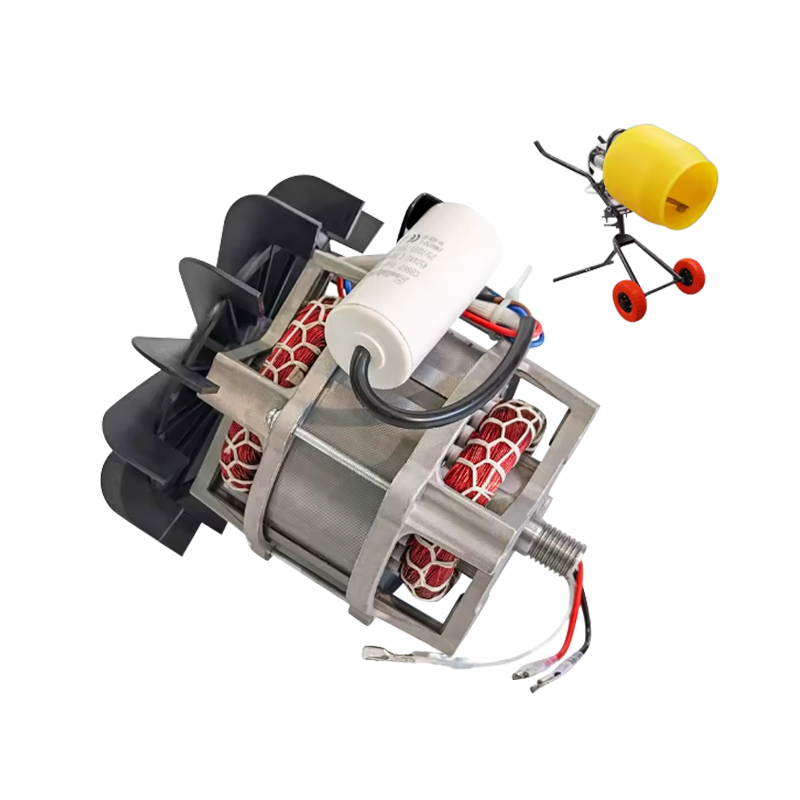
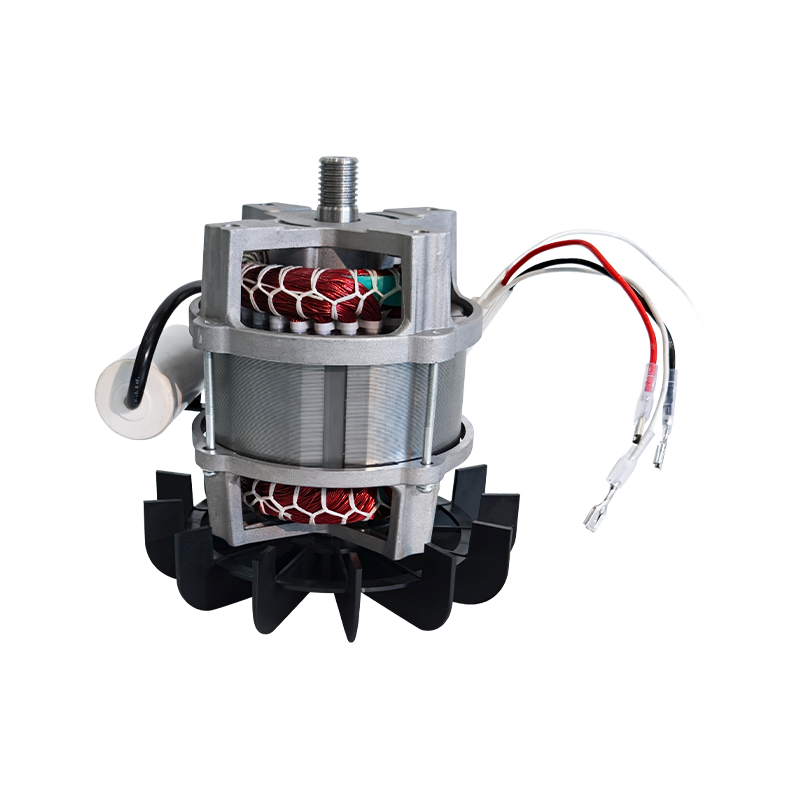
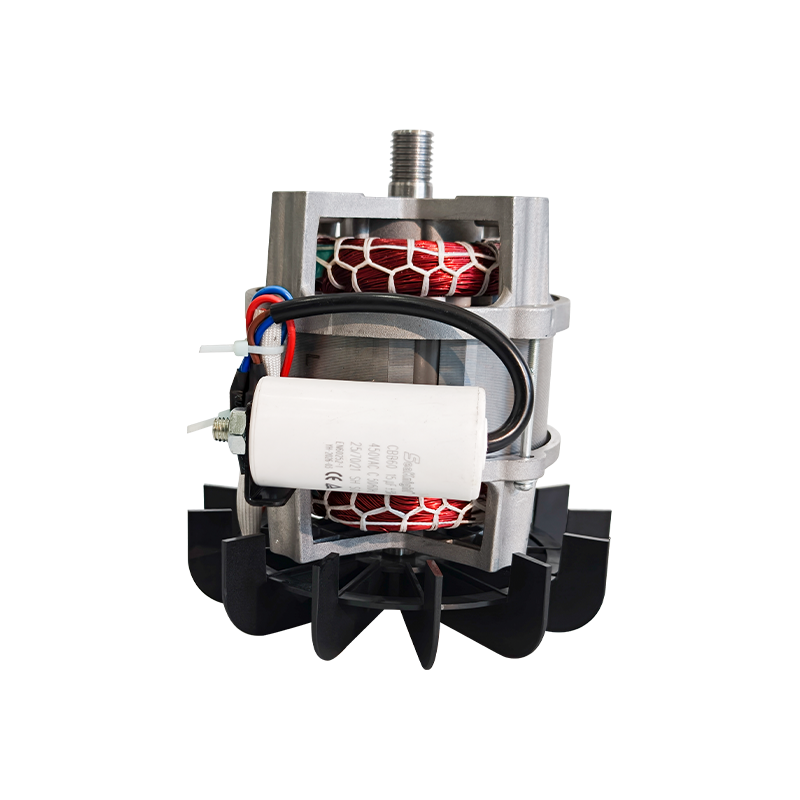
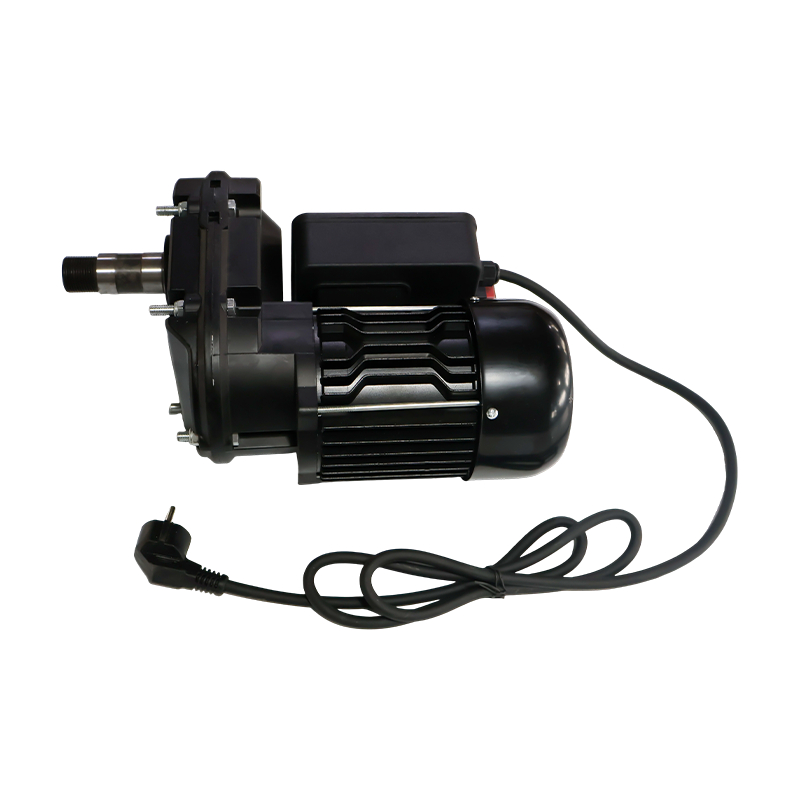
YY71-2 230V 375W Mini Cement Mixer Motor: Compact Power for Portable Construction Equipment
Content
- 1 Product Overview
- 2 Why Motor Selection Matters in a Mini Cement Mixer
- 3 Single-Phase Capacitor-Run Asynchronous Motor Design
- 4 Application-Specific Advantages of the YY71-2
- 5 Performance Benefits Compared with Less Suitable Alternatives
- 6 Manufacturing Strengths Behind the Product
- 7 Manufacturing Process Considerations for a Mini Mixer Motor
- 8 Integration into a Mini Cement Mixer
- 9 Operating and Maintenance Recommendations
- 10 Advantages for Equipment Manufacturers
- 11 Advantages for Distributors and Replacement-Motor Suppliers
- 12 Application Boundaries and Selection Cautions
- 13 Quality, Reliability and Total Cost of Ownership
- 14 Why a Specialized Motor Supplier Matters
- 15 Recommended Procurement Process
- 16 Frequently Asked Questions
- 16.1 What is the rated power of the YY71-2 motor?
- 16.2 What voltage does the motor use?
- 16.3 What type of motor is the YY71-2?
- 16.4 Is the motor suitable for a large industrial concrete mixer?
- 16.5 What are the main advantages of the 375W design?
- 16.6 Can the motor be used in other small construction tools?
- 16.7 Does the motor require a capacitor?
- 16.8 What should be checked before using the motor as a replacement?
- 16.9 How can the motor’s service life be supported?
- 16.10 What manufacturing capabilities does the supplier provide?
- 16.11 Does the supplier serve international customers?
- 16.12 Where is the supplier located?
- 17 Conclusion
- 18 References
- 19 Product: YY71-2 230V 375W Mini Cement Mixer Motor
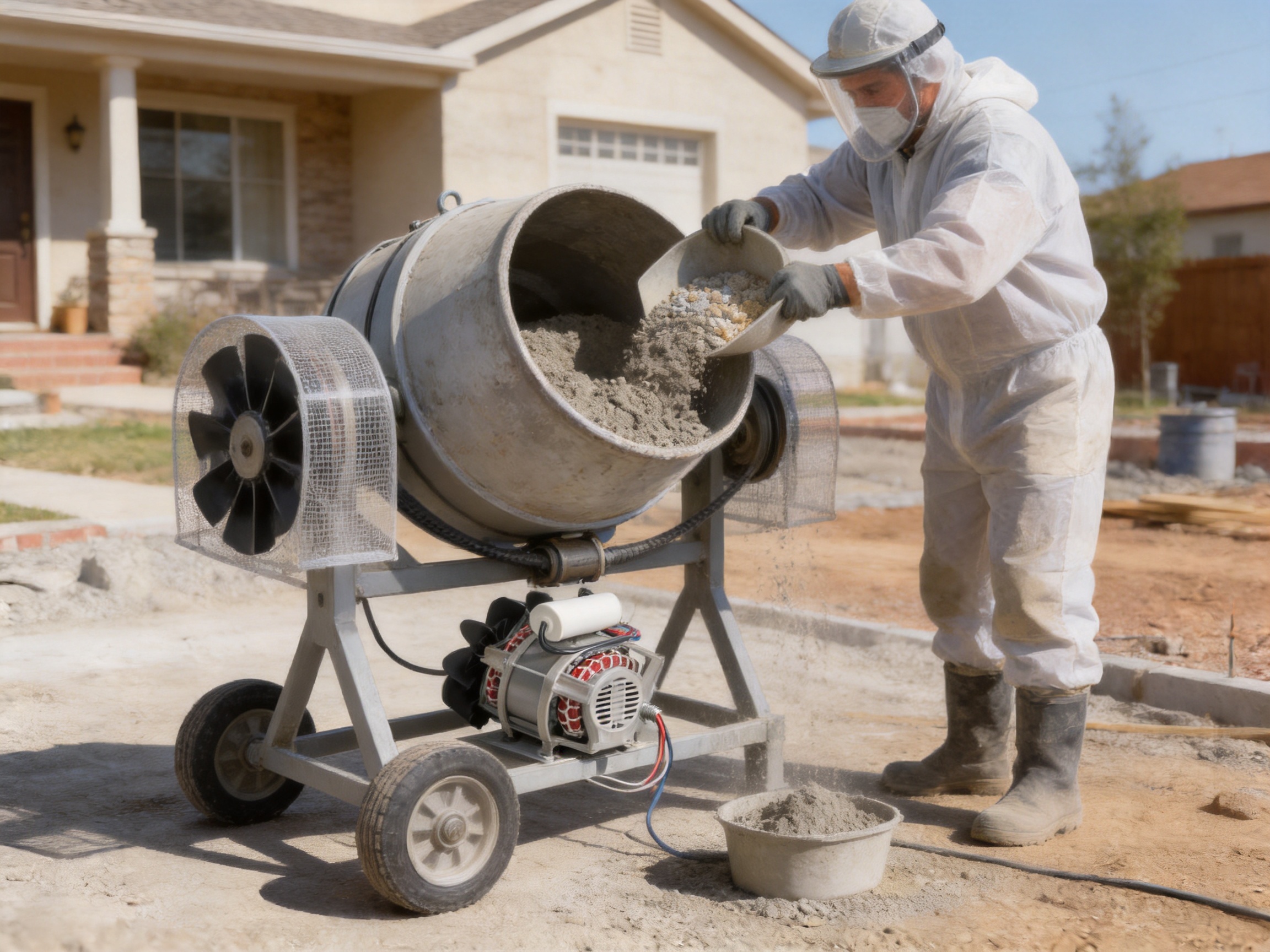
Mini cement mixers are designed to provide practical concrete and mortar preparation in places where a full-size industrial mixer would be excessive. They are used on residential building sites, renovation projects, landscaping jobs, agricultural properties, workshops and small construction operations. Although these machines are compact, their motors must still deliver dependable starting, stable running performance and sufficient torque for repeated mixing cycles. A motor that is too large can make the mixer unnecessarily heavy and expensive, while a motor that is too small may struggle under load, consume more energy through inefficient operation or suffer premature wear.
The YY71-2 230V 375W Mini Cement Mixer Motor is developed for this specific operating environment. It is a single-phase capacitor-run asynchronous motor intended for mini cement mixers, portable concrete mixers and related small construction tools. Its 375W low-power design provides a practical balance between working capability, energy consumption, compactness and cost. The motor is configured for 230V power supplies, making it suitable for many European, Asian and other regional electrical systems using this voltage.
For equipment manufacturers, distributors, service companies and end users, the value of a mini mixer motor is determined by more than its nominal power rating. Installation compatibility, operating stability, portability, maintenance requirements, manufacturing consistency and supplier support all influence the total ownership cost. The YY71-2 is positioned as a purpose-oriented solution rather than a general motor selected without considering the mixer application. Its compact body, light weight and application-specific power level make it suitable for machines that must be transported, stored and operated in limited spaces.
This article examines the motor’s construction concept, operating role, performance advantages, manufacturing strengths and practical selection considerations. It also explains why a focused 375W motor can be a more effective choice than simply installing a larger motor in a compact cement mixer.
Product Overview
The YY71-2 is a 230V, 375W mini cement mixer motor. It belongs to the category of single-phase capacitor-run asynchronous motors. The motor is designed to provide mechanical drive for mini cement mixers and portable concrete mixing equipment, where the available electrical supply is generally single-phase and where the machine must remain compact enough for easy movement.
| Item | Specification | Practical Meaning |
|---|---|---|
| Model | YY71-2 | Identifies the motor configuration for selection and replacement |
| Rated supply | 230V | Suitable for compatible 230V single-phase power systems |
| Rated power | 375W | Provides a moderate power level for mini mixer applications |
| Motor type | Single-phase capacitor-run asynchronous motor | Supports stable operation from a standard single-phase supply |
| Primary application | Mini cement mixers | Designed for compact concrete and mortar mixing equipment |
| Additional applications | Portable concrete mixers and small construction tools | Offers flexibility for related low-power equipment |
| Design emphasis | Compact and lightweight | Helps simplify transportation, installation and machine handling |
The motor’s application is important because a product designed specifically for a mini mixer can be evaluated according to the actual operating demands of that machine. A portable mixer commonly operates in work areas where electrical access, floor space and transportation capacity are limited. The motor therefore needs to contribute enough power without adding unnecessary bulk or weight.
The 375W rating is appropriate for a class of compact mixer in which the drum size, material volume and mixing duty are controlled. It should not be interpreted as a universal replacement for motors used in large commercial mixers. Instead, the motor is intended for the scale of equipment identified by its application: mini cement mixers, small portable concrete mixers and similar low-power construction machines.
Why Motor Selection Matters in a Mini Cement Mixer
A cement mixer converts electrical energy into rotary motion, and that motion must be transferred through the machine’s drive system to rotate the mixing drum or paddles. The motor works together with pulleys, belts, gears, bearings, the drum and the supporting frame. If any part of this system is incorrectly matched, the mixer may produce excessive vibration, reduced output or accelerated component wear.
The motor must be capable of starting the mechanical system and continuing to rotate it while the drum contains a mixture of cement, sand, aggregate and water. The load is not always constant. During loading, the material may be unevenly distributed, and the motor can experience changing resistance as the drum rotates. This makes stable operation important even when the machine has a relatively low power rating.
In a portable machine, physical size also has a direct effect on usability. Construction workers may need to move the mixer between rooms, carry it across uneven ground or load it into a vehicle. A motor that is unnecessarily heavy can increase the handling burden and may require a stronger frame. A compact, lightweight motor can help equipment designers maintain a practical overall machine weight.
Energy consumption is another consideration. A motor with a significantly higher rating than the mixer requires may increase electricity use without delivering a meaningful improvement in performance. A properly selected 375W motor can provide a cost-effective operating profile for applications within its intended load range. Lower power consumption can be especially valuable for users who operate several small machines, work in areas with limited electrical capacity or use portable generators.
Finally, replacement compatibility matters. Mini mixer manufacturers and repair companies need motors that can be incorporated into existing equipment with minimal redesign. A clearly identified model, known voltage and defined power rating simplify sourcing, technical communication and after-sales replacement.
Single-Phase Capacitor-Run Asynchronous Motor Design
The YY71-2 uses a single-phase capacitor-run asynchronous motor design. Single-phase motors are widely used in equipment that operates from ordinary building power rather than an industrial three-phase supply. This makes them suitable for portable construction equipment, workshops, farms, small factories and maintenance operations where a three-phase connection may not be available.
An asynchronous motor operates through the interaction between the rotating magnetic field produced by the stator and the induced current in the rotor. The rotor turns at a speed that differs slightly from the synchronous speed of the magnetic field. This operating principle provides a practical and robust form of electromechanical power conversion for many general-purpose applications.
The capacitor is an important part of the single-phase operating arrangement. A single-phase supply by itself does not create the same naturally rotating magnetic field as a three-phase supply. The auxiliary winding and capacitor help establish the phase relationship required for starting and continued rotation. In a capacitor-run configuration, the capacitor remains part of the operating circuit, supporting the motor’s running characteristics.
For mini cement mixers, this type of motor offers several practical benefits. It can operate from commonly available 230V single-phase power, it has a relatively straightforward electrical arrangement and it is suitable for equipment that requires continuous or repeated running cycles within its design load. The design also supports the use of compact motor assemblies in machines where installation space is limited.
As with any motor, correct application is essential. The motor should be used with a compatible capacitor, suitable mechanical transmission and an appropriate electrical protection system. The mixer’s drum size, reduction ratio, expected material volume and duty cycle should be considered before installation. Proper matching helps the motor deliver reliable performance and prevents overload conditions.
Application-Specific Advantages of the YY71-2
Appropriate 375W Power Level
The 375W rating is one of the motor’s main advantages for mini equipment. Compact mixers do not necessarily benefit from the highest available motor power. Excess power may increase the purchase price, operating cost, machine weight and structural requirements. The YY71-2 provides a targeted power level for applications where the machine is designed around modest batch sizes and portable operation.
A correctly selected motor helps manufacturers balance performance with affordability. The equipment can remain accessible to small contractors, maintenance teams, homeowners and workshops that do not require the capacity of a larger industrial mixer. The motor can also help preserve a compact product design, which is important when the mixer must be stored in a garage, transported in a small vehicle or moved through narrow work areas.
Compatibility with 230V Power Systems
The 230V configuration supports use in many regions where 230V single-phase power is standard. This simplifies the electrical concept for equipment intended for European, Asian and other compatible markets. Users can operate the motor from an appropriate local supply without requiring a three-phase connection, provided that the voltage, frequency, protection and installation requirements are compatible.
For manufacturers and exporters, a 230V model can support a broad range of market applications. It is still necessary to verify local electrical standards, frequency requirements, plug arrangements, protective devices and product compliance obligations before placing a complete mixer on the market. Nevertheless, the basic voltage configuration offers a useful foundation for international equipment design.
Compact Body and Light Weight
The compact and lightweight design is particularly valuable in a portable cement mixer. The motor contributes less to the total machine mass, helping the mixer remain easier to carry, wheel and reposition. Reduced motor size can also provide greater freedom when arranging the frame, belt drive, protective cover and electrical components.
A small motor does not eliminate the need for a solid machine structure. The mixer still requires appropriate support for the motor, bearings and transmission system. However, a lightweight motor can reduce the structural load and make it easier to develop a balanced product. This can improve handling and reduce the effort required during setup and storage.
Cost-Effective Long-Term Use
The low-power design can help control electricity consumption during normal operation. When the mixer is correctly matched to the motor, the user receives the required working output without paying for unnecessary capacity. This is particularly relevant for small contractors and frequent users who operate the equipment over extended periods.
Cost effectiveness also includes the purchase price, transportation expense, installation effort and replacement process. A compact motor can reduce shipping weight, while a clearly defined model and application can make replacement sourcing more efficient. The combination of reasonable power, portable construction and focused application helps create a practical value proposition.
Suitability for Portable Construction Tools
The YY71-2 is not limited conceptually to one style of mini mixer. Its stated application includes portable concrete mixers, cement mixers and small construction tools. This provides equipment manufacturers with opportunities to use the motor across related product platforms, subject to mechanical and electrical validation.
Using a common motor platform across several compact machines can simplify purchasing, inventory planning and service training. It may also help manufacturers standardize selected components in their product families. Each final application must still be evaluated individually, especially where load conditions, duty cycles or environmental exposure differ.
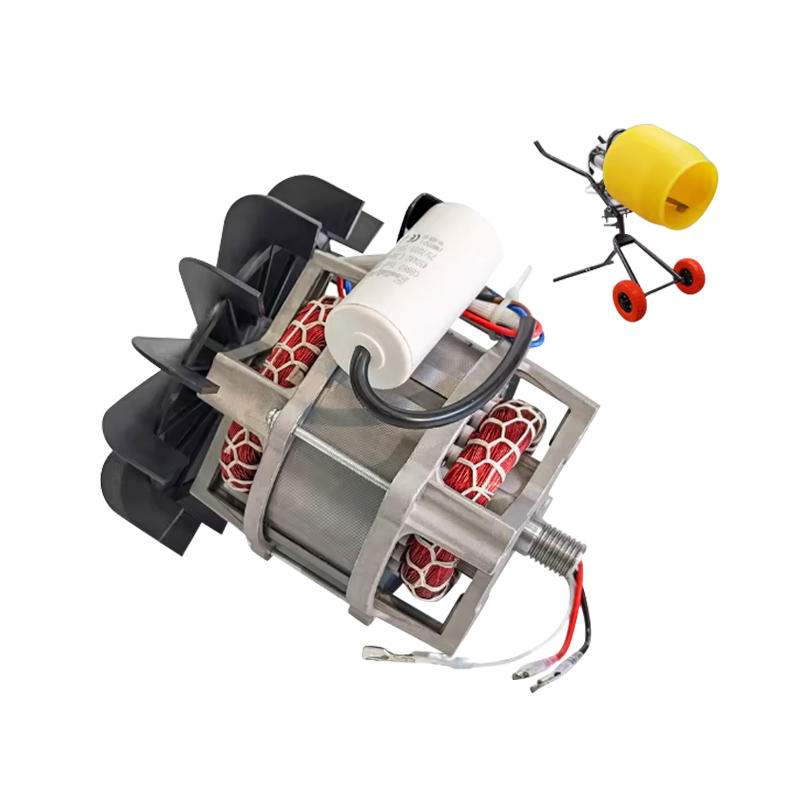
YY71-2 230V 375W Mini Cement Mixer Motor
Performance Benefits Compared with Less Suitable Alternatives
Competitor comparisons should be based on application fit rather than on a single specification. A larger motor may have a higher nominal power rating, but that does not automatically make it a better choice for a mini mixer. If the machine is designed for 375W operation, installing a larger unit may create additional weight, higher cost and greater electrical demand without improving the intended batch capacity.
At the other extreme, a motor with a lower rating may be cheaper or smaller, but it may not provide sufficient working margin for a mixer operating with real material loads. Repeated overload can raise winding temperature, increase mechanical stress and reduce service life. The YY71-2 occupies a useful middle position for equipment that requires more than a very light-duty drive but does not justify a high-power industrial motor.
Compared with generic motors selected without application guidance, the YY71-2 offers a clearer relationship between product identity and intended use. The model is described specifically for mini cement mixers and related compact equipment. This helps buyers evaluate it according to mixer requirements instead of relying only on physical appearance or a general motor label.
Compared with motors requiring three-phase industrial infrastructure, the single-phase 230V configuration can be easier to deploy in ordinary work environments. A small contractor can use compatible site power or an appropriate single-phase generator rather than arranging a three-phase connection. This can improve flexibility in residential renovation, landscaping and remote work situations.
Compared with overly complex drive solutions, a conventional asynchronous motor can provide a practical balance between performance, maintainability and cost. The design is familiar to many equipment manufacturers and service technicians. Its operating principles are well established, and its integration into a belt-driven or gear-driven mini mixer can be straightforward when the machine is correctly engineered.
| Selection Factor | YY71-2 Position | Potential Benefit for Mini Mixer Users |
|---|---|---|
| Power level | 375W | Balances usable drive power with low energy demand |
| Electrical supply | 230V single-phase | Works with widely available compatible power systems |
| Motor architecture | Capacitor-run asynchronous | Provides a practical solution for single-phase equipment |
| Physical design | Compact and lightweight | Supports transportable and space-efficient mixer construction |
| Application focus | Mini cement and concrete mixers | Helps buyers select a motor according to equipment purpose |
| Operating economy | Low-power design | Can reduce unnecessary electricity use in suitable applications |
| Product flexibility | Applicable to related small construction tools | May support platform standardization for equipment manufacturers |
The strongest advantage is therefore not that the motor is more powerful than every competing product. Its advantage is that it is appropriately configured for a defined class of machine. Correct sizing can improve the overall performance of the mixer because the motor, transmission, frame and electrical system are more likely to work as a coordinated unit.
Manufacturing Strengths Behind the Product
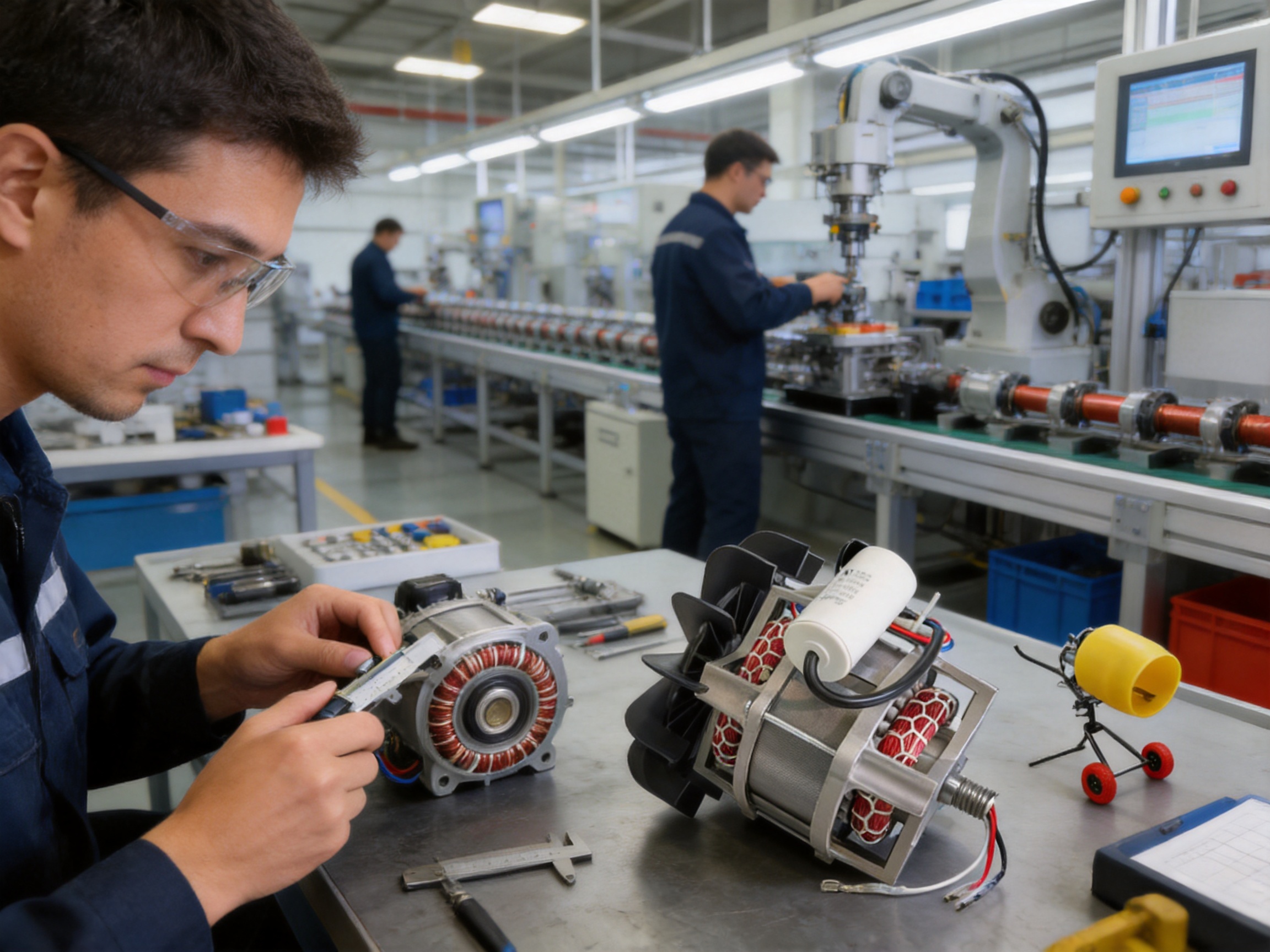
The performance of a motor depends on its design, but consistent manufacturing is equally important. Shengzhou Jiangxin Motor Technology Co., Ltd. was established in 2017 and focuses on the research and development, production and sales of AC/DC motors and micro motors. The company operates from Shengzhou, Zhejiang Province, within the industrial environment of the Yangtze River Delta.
This location provides access to a mature manufacturing network, technical resources, component suppliers and transportation infrastructure. For a motor manufacturer, participation in an established industrial region can support more efficient material sourcing, process coordination and product delivery. It also creates opportunities to work with experienced production personnel and specialized suppliers.
The company reports that it owns modern production facilities, advanced automated equipment and a professional research and development team. These resources are relevant to the production of compact motors because small dimensional differences can affect assembly quality, rotor balance, bearing alignment, electrical performance and installation compatibility.
Automation can help improve repeatability in suitable production stages. Depending on the process, automated equipment may support winding, assembly, testing, component handling or inspection. Repeatable processes reduce dependence on individual manual variation and help manufacturers maintain consistent output across production batches. Automation is most effective when combined with process supervision, equipment maintenance and documented quality standards.
A professional research and development team also supports product adaptation. Different mixer manufacturers may require changes in mounting arrangements, shaft interfaces, lead configurations, protective features or operating conditions. A supplier with engineering capability is better positioned to discuss these requirements, evaluate feasibility and develop customized motor solutions where appropriate.
The company has been recognized as a provincial-level technology enterprise, according to the supplied company information. This recognition reflects an emphasis on technological capability and innovation within the company’s operating environment. It should be considered alongside actual product specifications, quality documentation, testing records and customer application requirements when evaluating a motor supplier.
Research and Development Capability
Motor research and development involves the coordinated study of electromagnetic performance, thermal behavior, mechanical structure, materials, noise, vibration, manufacturability and application requirements. For a mini mixer motor, development work must also consider the interaction between the motor and the mixer’s transmission system.
A motor may perform well in a laboratory but behave differently when mounted on a machine with belt tension, imperfect alignment, intermittent loading or restricted ventilation. Application-oriented development helps identify these practical factors at an earlier stage. It can also support improvements in energy efficiency, operating stability, serviceability and production consistency.
Customized development is valuable for original equipment manufacturers. A mixer producer may need a motor adapted to a particular frame, drum capacity or control system. A manufacturer with internal research and development resources can communicate more effectively about technical constraints and potential design solutions.
Automated Production and Process Consistency
Compact motors contain multiple components that must be assembled with care. The stator, rotor, windings, bearings, end covers, capacitor connections and external interfaces all contribute to the final product. Automated or semi-automated production equipment can help maintain repeatable positioning and processing conditions.
Process consistency is especially important when motors are supplied to equipment manufacturers in volume. A mixer assembly line benefits when motor dimensions, mounting features and electrical leads remain consistent from one batch to the next. Consistency reduces adjustment work, minimizes assembly interruptions and makes quality verification more predictable.
Production automation does not replace quality control. It must be supported by incoming material inspection, in-process monitoring, final testing and traceability procedures. The combination of equipment, trained personnel and documented processes provides a stronger manufacturing foundation than any one factor alone.
Quality Control and Reliability Orientation
The supplied company information emphasizes strict quality control systems and a focus on reliable, energy-efficient and long-lasting motors. These priorities are directly relevant to cement mixer applications. Construction equipment may operate in dusty environments, experience repeated starting and stopping, and be subjected to vibration or rough handling during transportation.
A quality-oriented production system should address both electrical and mechanical characteristics. Electrical checks may include winding continuity, insulation-related verification and operating tests, according to the manufacturer’s applicable procedures. Mechanical checks may include dimensional inspection, shaft rotation, bearing condition, assembly integrity and abnormal noise or vibration observation.
Users and equipment manufacturers should request the technical documentation appropriate to their market and application. This can include rated operating data, capacitor information, dimensional drawings, wiring instructions, testing information and any available product compliance documentation. Clear documentation helps ensure that the motor is installed and operated within its intended conditions.
Export Experience and International Service
The company states that its products are exported to more than 60 countries and regions worldwide. International experience can be valuable because overseas customers often have different electrical standards, packaging expectations, documentation needs, logistics arrangements and product integration requirements.
Export capability also requires attention to communication. Buyers need accurate product identification, clear technical responses and reliable coordination regarding samples, production schedules and shipping. For a replacement motor or an original equipment project, communication quality can have a significant effect on the total procurement process.
A supplier serving international markets should also be prepared to discuss application conditions rather than simply quote a power rating. Information such as supply voltage, frequency, mixer capacity, transmission arrangement, operating duration, ambient conditions and installation dimensions helps reduce the risk of selecting an unsuitable product.
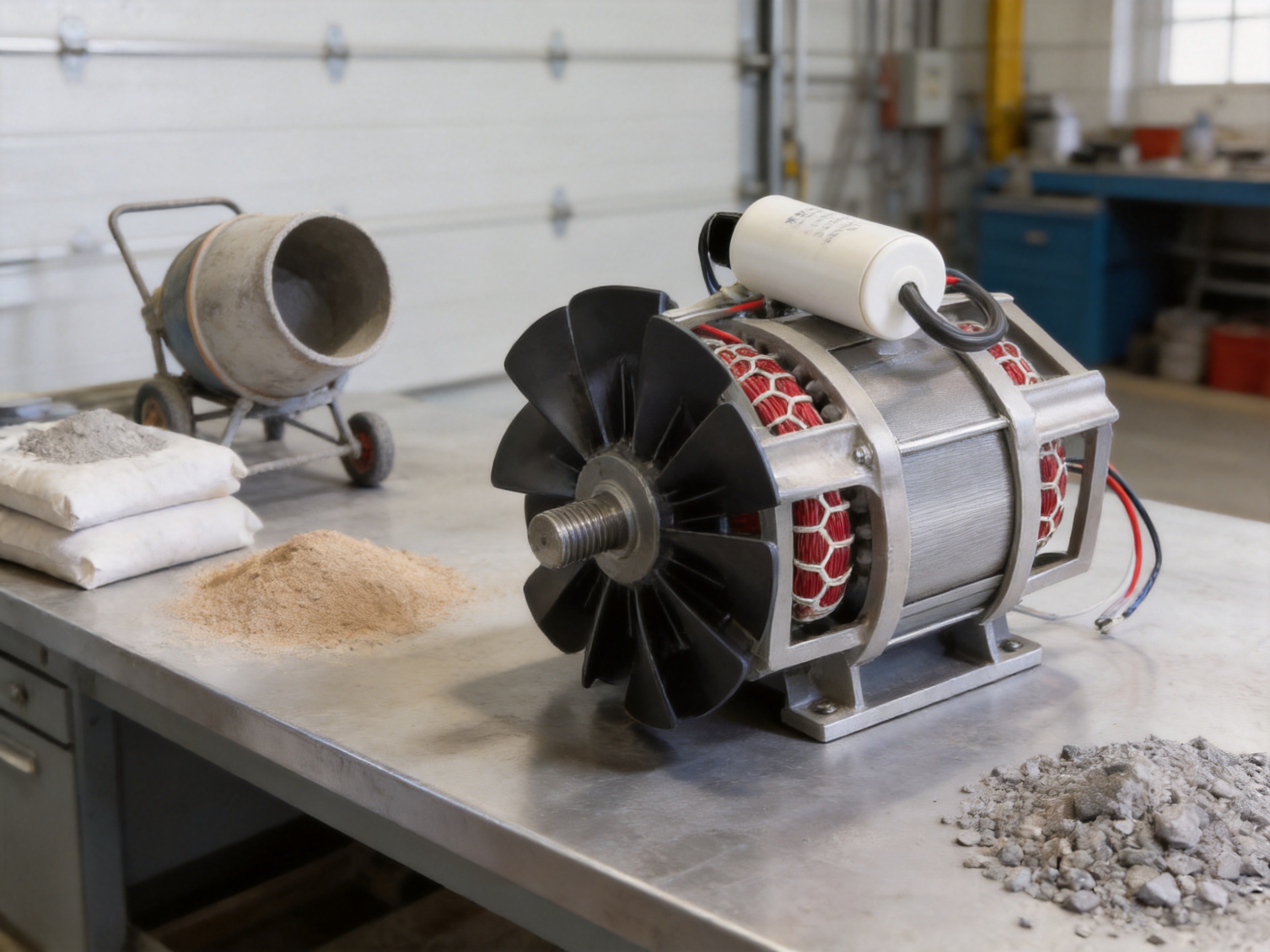
Manufacturing Process Considerations for a Mini Mixer Motor
Material and Component Preparation
Motor production begins with the preparation of electrical, magnetic and mechanical components. The quality and consistency of these materials influence the finished motor’s efficiency, temperature behavior, durability and operating stability. Appropriate material control is therefore an important part of a reliable manufacturing system.
Electrical steel used in the magnetic circuit must be processed accurately so that the stator and rotor cores maintain the intended geometry. Conductive winding materials must be handled carefully to avoid damage to insulation. Bearings, shafts, end covers and fasteners must meet dimensional requirements that support correct assembly.
Component preparation should include incoming inspection procedures suited to the material. These procedures may involve dimensional checks, visual inspection, supplier documentation review or sampling plans. Consistent incoming materials make subsequent production stages more stable and reduce the likelihood of assembly problems.
Stator Winding and Insulation
The stator winding creates the electromagnetic field that drives the motor. Winding quality affects resistance, magnetic performance, temperature rise and reliability. Conductors must be placed in the correct arrangement, and the insulation system must protect the winding from electrical and mechanical damage.
Winding operations may use specialized equipment to improve placement accuracy and repeatability. After winding, the assembly may require lacing, forming, insulation treatment or other process steps defined by the motor design. Proper handling is important because damage that is not visible during assembly may later contribute to electrical failure.
Testing at appropriate stages can identify winding defects before the motor reaches final assembly. Early detection reduces rework and helps prevent defective units from progressing through the production line. It also provides process feedback for manufacturing engineers.
Rotor, Shaft and Bearing Assembly
The rotor must rotate smoothly within the stator, with suitable clearance and alignment. The shaft provides the mechanical connection to the mixer’s belt, pulley, gear or other transmission component. Bearings support the rotor and allow rotation while carrying the loads generated during operation.
Assembly accuracy is important because poor alignment can lead to friction, noise, vibration and unnecessary load on the motor. In a belt-driven mixer, incorrect pulley alignment or excessive belt tension may further increase stress. A well-manufactured motor provides a sound foundation, but the complete mixer must also be assembled correctly.
Rotor balance is another consideration. An unbalanced rotor can generate vibration that affects the motor, frame, bearings and mixer transmission. Inspection and balancing procedures, where applicable to the design, help support smooth operation and reduce mechanical stress.
Electrical Assembly and Capacitor Integration
Because the YY71-2 is a capacitor-run motor, the capacitor and related wiring must be correctly matched and connected. The capacitor supports the phase relationship required for the motor’s operating behavior. Incorrect capacitance, loose connections or unsuitable components can affect starting, running current, torque and temperature.
Electrical assembly should protect connections from loosening during vibration. The finished mixer should also include suitable switching, overload protection, grounding and enclosure arrangements. These features belong to the complete equipment design and must comply with the requirements applicable to the target market.
Clear wiring instructions are important for manufacturers, installers and service technicians. A motor supplier that provides accurate technical information helps reduce installation errors and improves the likelihood of reliable field operation.
Final Assembly and Testing
After the main components are assembled, the motor can undergo final inspection and functional testing. Testing provides an opportunity to verify that the motor operates as intended and that assembly quality meets the defined requirements.
Typical evaluation areas may include electrical continuity, insulation-related checks, no-load operation, running sound, vibration, rotational direction and basic dimensional verification. The exact tests depend on the product design, manufacturing procedure and customer requirements. For equipment manufacturers, test records and consistent inspection practices can support incoming quality control and traceability.
Final assembly should also verify that external features are secure and that the motor can be handled and installed without damaging its electrical or mechanical components. Packaging is part of this process because motors may encounter shock, vibration and moisture exposure during domestic or international transportation.
Integration into a Mini Cement Mixer
Installing the YY71-2 in a mini cement mixer requires coordination between the motor and the machine’s mechanical design. The motor should be mounted securely on a rigid support that maintains alignment with the driven component. If a belt drive is used, the pulley sizes and belt tension should be selected to provide the required drum speed and torque relationship.
The motor’s rated power does not by itself determine the mixer’s final performance. Drum capacity, gearbox ratio, transmission efficiency, material density, mixing speed and batch size all influence the load. A 375W motor should therefore be evaluated as part of the complete machine rather than operated beyond the conditions for which the mixer was designed.
Ventilation should be considered during installation. The motor needs suitable airflow and should not be enclosed in a way that prevents heat from escaping. At the same time, the mixer design should protect the motor from direct exposure to cement dust, water spray and material spills. A suitable protective cover may be necessary, provided that it does not restrict cooling.
Electrical installation should be performed by qualified personnel. The supply voltage must match the motor rating, and the circuit should include appropriate switching and protection. The frame of the mixer should be properly grounded when required by the applicable electrical safety rules. Cables should be routed to prevent abrasion, crushing or contact with moving parts.
Before normal operation, the mixer should be tested without material and then evaluated with a controlled load. Operators should listen for abnormal noise, observe vibration, confirm stable rotation and check that the motor does not become excessively hot. If the motor stalls, trips protection or shows unusual behavior, operation should stop until the cause is identified.
Operating and Maintenance Recommendations
Regular maintenance helps preserve the performance of both the motor and the mixer. The first step is to keep the equipment clean and inspect it at appropriate intervals. Cement residue can harden around moving components and may interfere with ventilation, belt movement or access to electrical connections.
Operators should inspect the power cable, plug, switch, capacitor connections and protective covers. Any signs of damaged insulation, loose terminals, exposed conductors or cracked components should be addressed before further use. Electrical repairs should be completed by qualified personnel.
The belt or transmission system should be checked for alignment and tension. A belt that is too tight can impose excessive radial load on the motor bearings. A belt that is too loose may slip, reduce mixing performance and generate heat. Pulleys should remain aligned, and worn belts should be replaced with suitable components.
Unusual vibration or noise can indicate several possible issues, including loose mounting bolts, worn bearings, rotor imbalance, transmission misalignment or an overloaded drum. These symptoms should not be ignored. Continuing to operate under abnormal conditions can increase damage and make repairs more expensive.
The mixer should be loaded according to its intended capacity. Overfilling the drum increases starting and running resistance and may cause the motor to operate outside its suitable range. Operators should also avoid repeatedly starting the machine with an excessively heavy or compacted load unless the equipment is specifically designed for that duty.
Cleaning should be performed with attention to the motor’s electrical protection. Direct high-pressure water should not be used on the motor unless the complete equipment has been specifically designed for that method. Moisture entering electrical components can create safety and reliability risks.
Where the motor uses serviceable bearings or other replaceable components, maintenance should follow the relevant technical instructions. If replacement is required, the new motor should match the original voltage, power, electrical configuration, mounting arrangement and mechanical interface. A motor that appears physically similar may still be electrically or mechanically unsuitable.
Advantages for Equipment Manufacturers
For a mini mixer manufacturer, the YY71-2 can provide a focused motor option for a defined product category. The 230V, 375W specification gives the engineering team a clear starting point for designing the electrical and mechanical systems. The compact form supports a smaller equipment layout, while the lightweight structure can help preserve portability.
The motor may also support product differentiation. A manufacturer can develop a compact mixer positioned for home renovation, small construction work, agricultural maintenance or workshop use. The motor’s low-power characteristics can complement a product message centered on convenient handling, accessible operation and economical use.
For companies producing more than one type of small machine, the stated applicability to portable concrete mixers and related construction tools may support component standardization. Standardization can simplify staff training, spare-parts management and service procedures. It may also improve purchasing efficiency when demand is distributed across several equipment models.
Technical cooperation with the motor supplier can be valuable during the design stage. Engineers can discuss installation dimensions, shaft arrangements, capacitor requirements, duty cycles and environmental conditions. Early communication reduces the risk of discovering compatibility issues after tooling or production preparation has begun.
A manufacturer should still conduct its own complete equipment validation. The finished mixer must be tested under realistic loading, starting, stopping, transportation and environmental conditions. Motor performance should be evaluated together with the drum, transmission, frame, guards, controls and protection system.
Advantages for Distributors and Replacement-Motor Suppliers
Distributors benefit from products with clear model identification and a defined application. The YY71-2 can be presented as a 230V 375W motor for mini cement mixers rather than as an unspecified general-purpose replacement. This makes it easier for sales teams to communicate the product’s intended use and for customers to compare it with alternatives.
Replacement suppliers can use the model information to organize inventory and technical records. When a customer requests a motor, the supplier can confirm the application, voltage and power before discussing mechanical compatibility. This is more reliable than selecting a replacement solely by appearance.
The compact and lightweight design may also reduce warehouse and shipping requirements compared with larger motors. This does not remove the need for protective packaging, but it can make handling more convenient throughout the distribution chain.
International export experience can further support distributors serving multiple regions. The supplier can discuss export packaging, order coordination and product documentation according to the needs of the destination market. Buyers should confirm all required compliance and labeling information before placing an order.
Application Boundaries and Selection Cautions
The YY71-2 is intended for mini cement mixers and related compact equipment. It should not automatically be used in large commercial mixers, high-capacity concrete plants or machines that require substantially greater torque. Selecting a motor solely because the voltage is the same can result in poor performance or premature failure.
Buyers should confirm the complete operating requirements before ordering. Important information includes supply voltage, frequency, rated power, required speed, starting load, duty cycle, mounting dimensions, shaft dimensions, rotation direction, capacitor arrangement and environmental conditions. The mixer manufacturer should also confirm the expected drum capacity and transmission ratio.
Frequency is particularly important in international applications. A motor designed for a particular electrical frequency may have different speed and operating characteristics on another frequency. Voltage compatibility alone is not enough. The technical data should be reviewed for the intended market and equipment design.
Environmental exposure should also be considered. Cement mixing can generate dust, while outdoor work may expose the equipment to humidity and temperature variation. The complete machine should include appropriate guarding, sealing, ventilation and cleaning procedures. If the operating environment is unusually harsh, the buyer should discuss the conditions with the supplier before selecting the motor.
It is also important to distinguish between a motor’s nominal rating and the actual capacity of the mixer. A 375W motor can be appropriate for a mini mixer, but the machine’s recommended batch size must be established by the equipment designer. Operators should follow the mixer manufacturer’s instructions rather than infer capacity from the motor rating alone.
Quality, Reliability and Total Cost of Ownership
Reliability is best understood over the entire service period rather than at the moment of purchase. A low initial price may not represent good value if the motor has inconsistent dimensions, unstable electrical performance or limited support. Conversely, a well-matched motor with consistent manufacturing quality can reduce downtime and simplify maintenance.
The YY71-2’s value comes from the relationship between its application-focused design and the manufacturing capabilities of its supplier. A compact 230V motor with an appropriate 375W rating can help reduce energy demand, machine weight and unnecessary system complexity. The company’s stated investment in modern production facilities, automated equipment, research and development and quality control supports the objective of producing stable motor solutions for industrial and equipment applications.
Total cost of ownership includes energy, maintenance, spare parts, shipping, labor and downtime. A motor that is easy to integrate and replace can reduce service delays. A product that is consistently manufactured can reduce assembly adjustments and incoming inspection problems. A motor that is correctly sized can reduce the likelihood of overload-related damage.
Users should establish a maintenance schedule suitable for the machine’s operating frequency and environment. Heavy or frequent use requires more regular inspection than occasional household use. The best results are achieved when the motor is selected correctly, installed according to technical instructions and operated within the mixer’s recommended limits.
Why a Specialized Motor Supplier Matters
A specialized motor supplier can contribute more than a catalog item. Motor applications often involve questions about electrical compatibility, mechanical installation, production volume, packaging, replacement requirements and customization. A supplier with experience in AC/DC motors and micro motors is more likely to understand these interconnected requirements.
Shengzhou Jiangxin Motor Technology Co., Ltd. focuses on AC/DC motors and micro motors and also produces evaporative air cooler motors, industrial heater motors, oil pump motors and customized motors. This product experience indicates exposure to different application environments and motor requirements. Knowledge gained from multiple sectors can support more informed engineering discussions for new or specialized equipment projects.
The company’s customer-oriented approach, as described in the supplied information, is also relevant to project cooperation. Equipment manufacturers often need timely answers, sample coordination, technical clarification and production communication. These services can influence project success as much as the motor’s basic specification.
For international buyers, direct communication with the supplier can help clarify product information before purchase. The company’s listed contact channels include telephone, fax and email support. Buyers should use these channels to confirm the latest drawings, availability, technical data, packaging requirements and commercial terms.
Recommended Procurement Process
A structured procurement process helps ensure that the selected motor matches the application. First, the buyer should describe the equipment clearly, including whether it is a mini cement mixer, portable concrete mixer or another construction tool. The expected working load, operating duration and working environment should also be provided.
Second, the buyer should confirm the electrical conditions. The required voltage is 230V for the specified YY71-2 model, but frequency and local installation requirements must also be checked. The buyer should identify whether the equipment will operate from a building supply, generator or another source.
Third, mechanical information should be compared. The mounting arrangement, shaft dimensions, pulley or gear interface and available installation space should be verified. If the motor is being used as a replacement, the original motor’s relevant dimensions should be measured rather than assumed.
Fourth, the buyer should request technical documentation and clarify the capacitor arrangement, wiring method, rotation requirements and applicable operating limits. For original equipment projects, a sample installation and prototype test may be appropriate before confirming larger production quantities.
Finally, the buyer should discuss quality inspection, packaging, lead time, spare-parts support and after-sales communication. A clear procurement record helps both parties maintain the same understanding of the product and project requirements.
Frequently Asked Questions
What is the rated power of the YY71-2 motor?
The rated power is 375W. This power level is intended for mini cement mixers, portable concrete mixers and related small construction tools that have been designed for this class of drive.
What voltage does the motor use?
The specified voltage is 230V. Buyers should also confirm the required frequency, electrical protection and local installation conditions before using the motor in a particular market.
What type of motor is the YY71-2?
It is a single-phase capacitor-run asynchronous motor. This configuration is suitable for equipment operating from a compatible single-phase electrical supply.
Is the motor suitable for a large industrial concrete mixer?
The motor is designed for mini cement mixers and small portable equipment. It should not be selected for a large industrial mixer without a detailed engineering evaluation. Larger machines may require substantially different power, torque, speed and duty-cycle characteristics.
What are the main advantages of the 375W design?
The 375W design provides a practical balance between drive power, energy consumption, motor size, equipment weight and purchase cost for suitable mini mixer applications. It avoids the unnecessary bulk and electrical demand of an oversized motor while offering more capability than an underpowered alternative.
Can the motor be used in other small construction tools?
The product information identifies portable concrete mixers, cement mixers and small construction tools as potential applications. Any alternative use should be checked for voltage, power, speed, load, mounting and environmental compatibility.
Does the motor require a capacitor?
Yes. Because it is a capacitor-run motor, the correct capacitor and wiring arrangement are important to its operation. The required component and connection method should be confirmed from the supplier’s technical documentation.
What should be checked before using the motor as a replacement?
The buyer should check voltage, frequency, power, mounting dimensions, shaft dimensions, rotation direction, capacitor arrangement, available space, transmission compatibility and environmental conditions. Matching only the voltage may not be sufficient.
How can the motor’s service life be supported?
Use the motor within the mixer’s intended load range, maintain suitable ventilation, protect it from excessive dust and moisture, inspect the belt or transmission system, keep mounting bolts secure and stop operation if abnormal noise, vibration, overheating or electrical behavior occurs.
What manufacturing capabilities does the supplier provide?
The supplied company information states that Shengzhou Jiangxin Motor Technology Co., Ltd. has modern production facilities, advanced automated equipment, a professional research and development team and strict quality control systems. The company focuses on AC/DC motors and micro motors and provides customized motor solutions.
Does the supplier serve international customers?
The company states that its products are exported to more than 60 countries and regions. International buyers should confirm current product documentation, packaging, shipping arrangements and market-specific compliance requirements directly with the supplier.
Where is the supplier located?
The company is located at No. 8, Duxiu San Road, Ganlin Town, Shengzhou City, Shaoxing City, Zhejiang Province, China. Buyers can use the listed company telephone numbers or email address for product inquiries.
Conclusion
The YY71-2 230V 375W Mini Cement Mixer Motor is designed around the practical requirements of compact construction equipment. Its single-phase capacitor-run asynchronous configuration supports operation from compatible 230V power systems, while its 375W rating provides a focused solution for mini cement mixers and portable concrete mixers. The compact and lightweight design can help equipment manufacturers develop products that are easier to transport, install and store.
Its competitive value comes from appropriate application matching. Rather than relying on excessive power, the motor provides a balanced combination of usable drive capacity, low-power operation, portability and cost control. When combined with a correctly designed transmission and a suitable mixer load, this balance can support dependable performance and economical long-term use.
The supplier’s reported strengths in research and development, automated production, modern facilities, quality control and international service provide additional support for equipment manufacturers and distributors. These capabilities are particularly important when buyers require consistent dimensions, technical communication, replacement support or customized motor solutions.
As with every motor, successful results depend on correct selection and installation. Buyers should confirm the full electrical and mechanical requirements, operate the mixer within its intended capacity and maintain the equipment regularly. For mini cement mixers and related portable construction tools, the YY71-2 offers a practical, application-oriented motor option backed by a manufacturer focused on AC/DC motor technology and customer-specific solutions.
References
1. Product specification supplied for the YY71-2 230V 375W Mini Cement Mixer Motor.
2. Company information supplied for Shengzhou Jiangxin Motor Technology Co., Ltd., including manufacturing capabilities, product focus and export experience.
3. General principles of single-phase capacitor-run asynchronous motor operation.
4. General engineering practices for motor selection, electrical protection and mechanical integration in portable construction equipment.
5. General maintenance principles for small electric motors, belt drives, bearings and portable cement mixers.
Product: YY71-2 230V 375W Mini Cement Mixer Motor
 Ready To Customise
 Your Motor Products?

We are professional motor manufacturers, delivering powerful, stable, and efficient power cores for all industries through precision craftsmanship and innovation.
Contact Us
-
 Mobile:+86 13575536911
-
 Tel:+86 18357538240
-
 Whatsapp:+8618357538240
-
 Email:betty@dbjxmotor.com
-
 Company Address
Copyright © by Shengzhou Jiangxin Motor Technology Co., Ltd. All Rights Reserved.
Wholesale Industrial Fan Motors Manufacturers
