

 English
 русский
 Español
 عربى
عربى
No. 8, Duxiu San Road, Ganlin Town, Shengzhou City, Shaoxing City, Zhejiang Province, China

News Category
Product Category
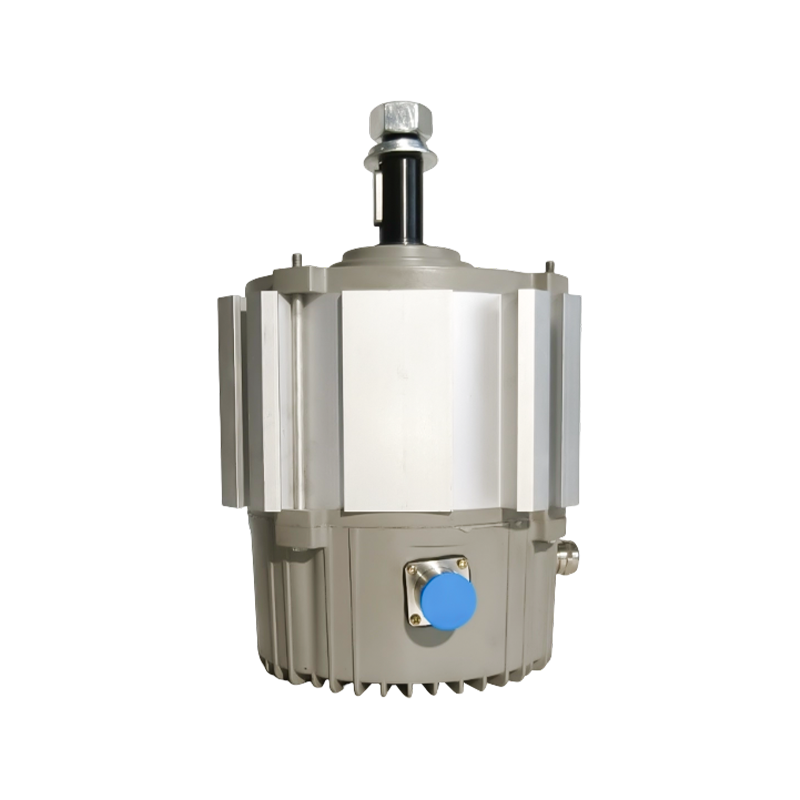
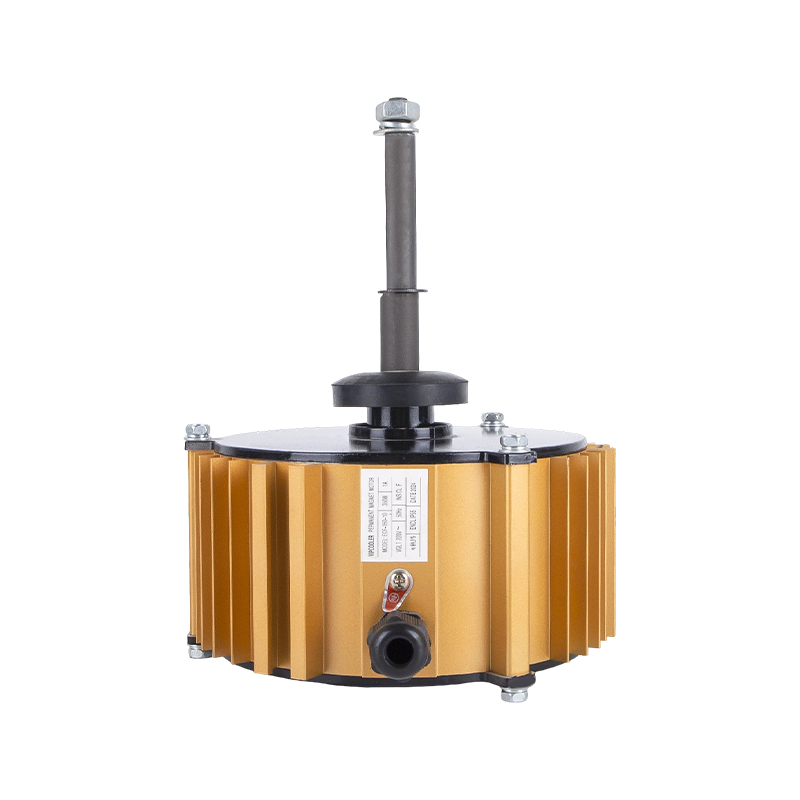
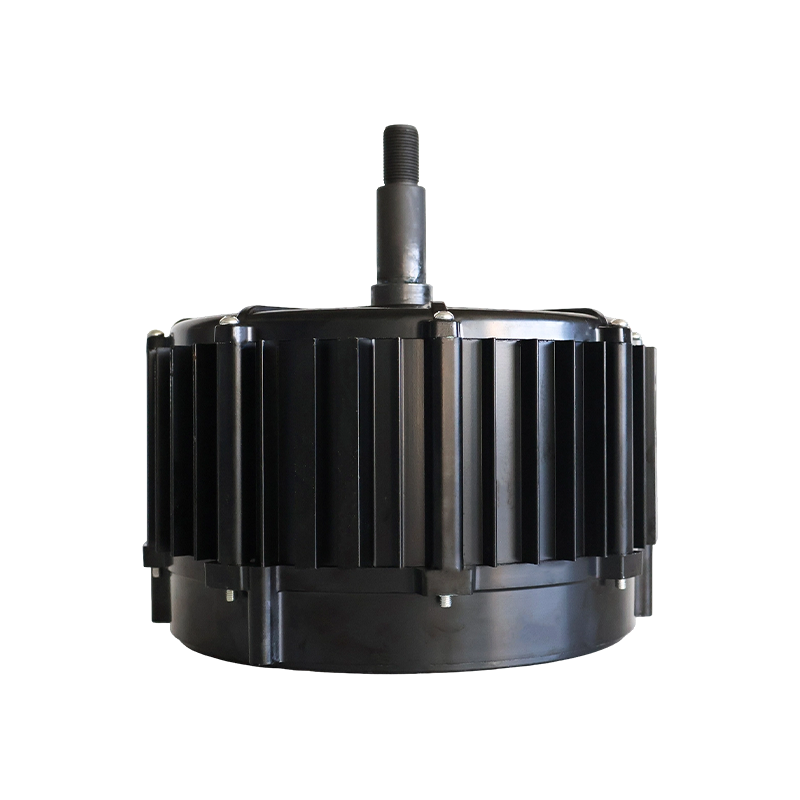
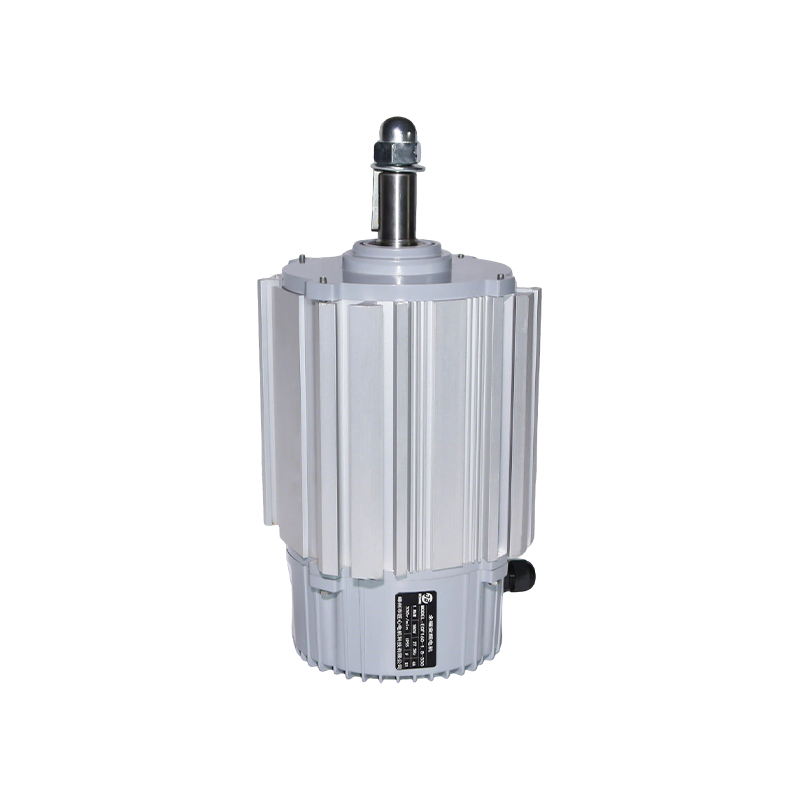
ECF140 220V 1100W EC Fan Motor: Efficient, Reliable Power for Continuous Airflow Applications
Content
- 1 Product Overview
- 2 Why EC Motor Technology Matters
- 3 Energy Efficiency for Long-Term Operation
- 4 Protection Functions for Dependable Service
- 5 Continuous-Duty Performance
- 6 Low-Noise and Low-Vibration Characteristics
- 7 Flexible Mounting for Different Equipment Designs
- 8 Applications of the ECF140 EC Fan Motor
- 9 Manufacturing Strengths and Quality Focus
- 10 Advantages Over Conventional Motor Alternatives
- 11 System Integration Recommendations
- 12 Maintenance and Operating Considerations
- 13 Customer and Industry Value
- 14 Frequently Asked Questions
- 14.1 What type of motor is the ECF140?
- 14.2 What are the voltage and power ratings?
- 14.3 Is the motor suitable for continuous operation?
- 14.4 What protection functions are included?
- 14.5 Can the motor provide a fault signal?
- 14.6 What equipment can use this EC fan motor?
- 14.7 What are the benefits of the permanent magnet design?
- 14.8 Does the motor operate quietly?
- 14.9 Is the mounting direction flexible?
- 14.10 How should the motor be maintained?
- 14.11 Can the manufacturer provide customized motor solutions?
- 14.12 What information should be supplied when requesting a quotation?
- 15 Conclusion
- 16 References
- 17 Product: ECF140 220V 1100W EC Fan Motor
Modern ventilation, cooling, air purification and industrial air-moving systems require motor technology that combines high efficiency, dependable operation, precise control and long service life. The motor is at the center of every fan assembly, and its performance directly affects airflow stability, energy consumption, operating noise, maintenance requirements and the total cost of ownership. For equipment manufacturers and system integrators, choosing the correct motor is therefore an important engineering and commercial decision.
The ECF140 220V 1100W EC Fan Motor is designed to address these requirements with a permanent magnet motor structure, integrated electronic protection and a flexible mounting configuration. Operating at 220V with a rated power of 1100W, this EC motor provides a strong power foundation for centrifugal fans and other equipment that needs stable, continuous airflow. Its design is suitable for demanding applications in ventilation, cooling, environmental protection, air purification and related industrial systems.
Unlike conventional motor solutions that may rely on separate protection devices, additional control components or frequent manual inspection, the ECF140 integrates several protective functions within the motor system. Over-voltage, over-current, locked-rotor and over-temperature protection help safeguard the motor during abnormal operating conditions. A fault signal output also supports remote status monitoring, giving equipment builders and operators better visibility into motor performance.
The combination of permanent magnet technology, continuous-duty capability, low vibration, low noise and flexible installation makes the ECF140 a practical choice for modern fan equipment. It is engineered not only to provide rotational power, but also to support efficient system design, lower operating costs and more dependable long-term performance.
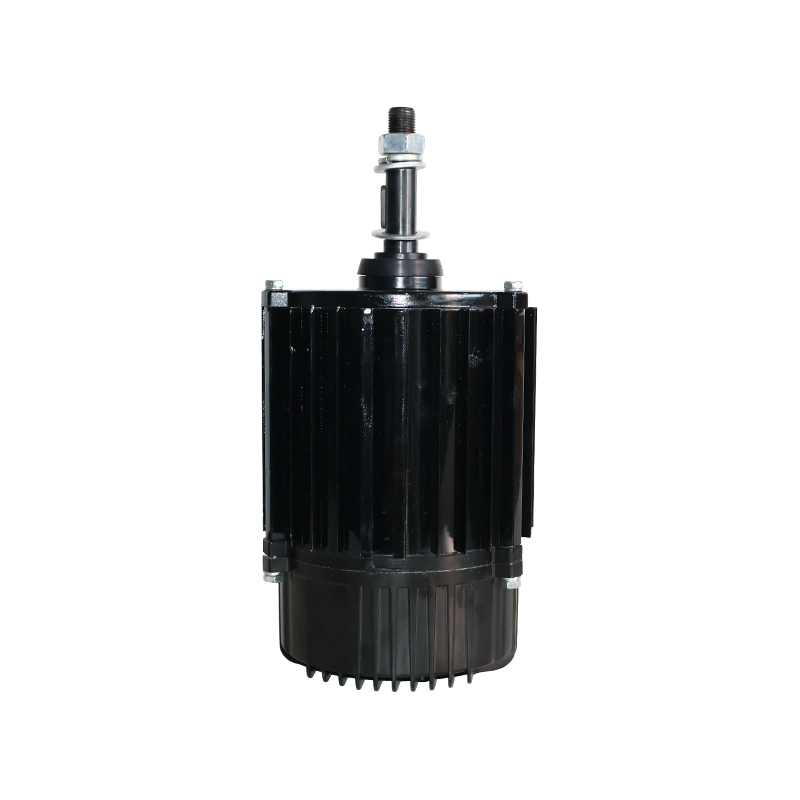
ECF140 220V 1100W EC Fan Motor
Product Overview
The ECF140 220V 1100W EC Fan Motor is an electronically commutated motor intended for air-moving equipment. EC motor technology combines the efficiency characteristics of permanent magnet motors with electronic commutation and integrated control functions. This design avoids the need for traditional mechanical commutation components and allows the motor to operate with improved electrical efficiency and stable performance across long operating periods.
The motor is rated for a 220V power supply and provides 1100W of power. This configuration is suitable for applications requiring a robust motor output rather than a small auxiliary drive. It can be integrated into centrifugal fan assemblies, ventilation equipment, cooling systems, air purification machines and other products in which reliable airflow is essential.
Its S1 continuous-duty capability is particularly important for commercial and industrial equipment. S1 duty means that the motor is designed for continuous operation under an appropriate rated load, rather than only for short intermittent cycles. This makes the ECF140 suitable for systems that operate for extended periods, including equipment used throughout the day or in applications requiring continuous ventilation.
| Product Item | ECF140 EC Fan Motor |
| Rated Voltage | 220V |
| Rated Power | 1100W |
| Motor Type | EC motor with permanent magnet design |
| Duty Type | S1 continuous duty |
| Protection Functions | Over-voltage, over-current, locked-rotor and over-temperature protection |
| Status Monitoring | Fault signal output for remote status checking |
| Performance Features | High energy efficiency, low vibration and low noise |
| Mounting | Flexible multi-orientation mounting structure |
| Typical Applications | Centrifugal fans, ventilation, cooling and air purification equipment |
The above characteristics provide a concise overview of the motor’s principal value. Actual system performance will also depend on fan blade geometry, airflow resistance, operating temperature, installation quality, control parameters and the overall equipment design. For this reason, motor selection should be completed together with fan and system matching.
Why EC Motor Technology Matters
Traditional AC induction motors remain widely used in industrial equipment, but they can experience efficiency losses associated with rotor slip, reactive power and operating conditions that do not match the motor’s ideal load point. In fan applications, where motors may run for thousands of hours each year, even a moderate efficiency difference can influence electricity consumption and operating expenses.
EC motors use permanent magnets and electronic commutation to produce rotation. The permanent magnet rotor can reduce certain electrical losses because it does not require the same type of magnetizing current as a conventional induction motor. Electronic control manages the switching sequence of the motor windings, helping the motor maintain stable operation without mechanical brushes or commutators.
For ventilation and air-moving applications, this technology offers several practical advantages. First, improved energy efficiency can reduce power consumption during long-term operation. Second, electronic commutation can support smooth and stable motor performance. Third, the integrated control architecture can make it easier to include protection functions and fault feedback within the motor package.
The ECF140 applies these principles to a relatively high-power 220V configuration. This allows equipment manufacturers to consider EC technology not only for small air-moving devices, but also for more powerful centrifugal fan and industrial ventilation systems. The result is a motor solution that supports the transition toward energy-conscious and intelligent equipment.
Permanent Magnet Efficiency
The permanent magnet design is one of the most important advantages of the ECF140. Permanent magnets generate the rotor magnetic field without requiring the same continuous excitation process used by some conventional motor structures. By reducing avoidable electrical losses, the motor can operate more efficiently and convert a greater proportion of input power into useful mechanical output.
This advantage is especially valuable in applications with long annual running times. A fan motor used in air purification, industrial ventilation or continuous cooling may operate for extended shifts or around the clock. In such conditions, energy efficiency becomes more than a technical specification. It becomes a direct factor in operating cost, equipment sustainability and system competitiveness.
Higher efficiency can also reduce heat generation within the motor system. Lower internal losses may help support more stable operating temperatures, although final thermal performance depends on the installation environment, fan load and enclosure conditions. For equipment designers, this can provide greater flexibility when planning ventilation and thermal management around the motor.
Electronic Commutation and Stable Operation
Electronic commutation replaces the physical contact arrangement found in brushed motor designs. This reduces wear associated with brushes and mechanical commutators and supports a cleaner, more modern motor structure. It also provides a foundation for integrated electronic protection and intelligent status feedback.
In practical fan applications, stable commutation contributes to smooth rotation and consistent airflow. Stable operation helps reduce fluctuations that can affect fan performance, noise and equipment comfort. The ECF140 is therefore suited to equipment manufacturers seeking a motor that supports dependable airflow over a long operating period.
Energy Efficiency for Long-Term Operation
Electricity consumption is one of the most important operating costs for ventilation and cooling systems. A motor that operates continuously can consume a substantial amount of energy over its service life. Selecting a high-efficiency EC motor can help reduce this burden while supporting the same fundamental airflow function.
The ECF140 is designed to deliver high energy efficiency through its permanent magnet structure and electronic control system. Its 1100W rating provides a clear power reference for equipment design, while the EC architecture supports efficient conversion of electrical energy into mechanical rotation. This combination makes it appropriate for applications where operators are evaluating both initial equipment cost and long-term operating expense.
Compared with less efficient motor alternatives, the ECF140 may offer advantages in several areas. Reduced energy consumption can lower the cost of operating the finished equipment. Lower losses may reduce heat generation. Improved system efficiency can also support the environmental objectives of building operators, factories and equipment users seeking to reduce their carbon footprint.
It is important to evaluate efficiency at the system level rather than looking only at the motor nameplate. Fan selection, duct resistance, filter condition, impeller balance, operating point and control strategy all influence actual energy use. Nevertheless, starting with an efficient motor provides a strong foundation for developing a more economical air-moving system.
Benefits for Equipment Manufacturers
For original equipment manufacturers, using an EC fan motor can strengthen the value proposition of the finished product. Equipment can be marketed around reduced energy consumption, reliable continuous operation and integrated protection. These features are increasingly important in commercial buildings, factories, public facilities, environmental equipment and industrial processing systems.
The ECF140 also helps manufacturers simplify certain aspects of product integration. Because protective functions and fault output are included in the motor system, designers may not need to use as many separate external protection components. The exact control architecture still depends on the equipment design, but an integrated motor platform can support a cleaner and more coordinated product configuration.
In addition, the motor’s flexible mounting structure allows designers to consider different equipment layouts. This can be useful when a fan assembly must fit into a limited enclosure, when airflow direction requires a specific motor position or when a product platform is adapted for different installation environments.
Protection Functions for Dependable Service
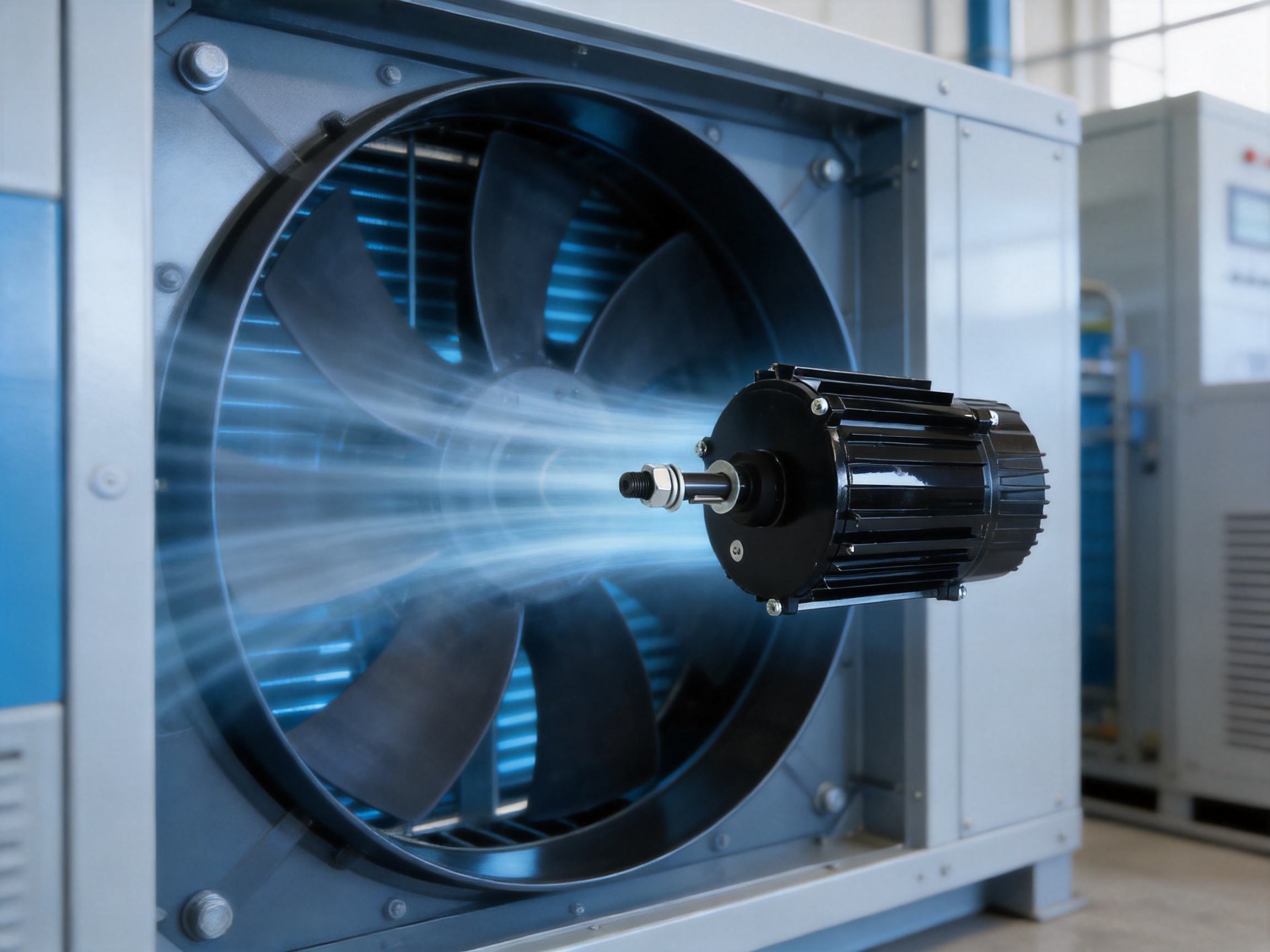
Fan motors may encounter a variety of abnormal conditions during transportation, installation, commissioning and operation. Voltage fluctuations, blocked airflow, mechanical resistance, incorrect wiring, excessive load or insufficient cooling can place additional stress on the motor. Protection functions are therefore essential for preserving motor reliability and helping prevent avoidable damage.
Over-Voltage Protection
Over-voltage conditions can increase electrical stress on motor components and electronic circuits. The ECF140 includes internal protection against over-voltage, helping the motor respond more safely when the supplied voltage exceeds the expected operating range. This function is valuable in regions or facilities where power quality may vary.
Protection does not eliminate the need for correct installation. Equipment designers should still provide suitable power conditioning, wiring, grounding and upstream protective devices in accordance with applicable electrical requirements. Internal protection is an additional safeguard within the motor system rather than a substitute for a properly designed electrical installation.
Over-Current Protection
Over-current may occur when a motor is overloaded, when a mechanical component becomes restricted or when an electrical fault develops. Excessive current can produce heat and accelerate stress on motor windings and electronic components. The ECF140’s over-current protection is designed to help limit the impact of such conditions.
For fan equipment, this protection can be especially useful during commissioning and changing operating conditions. Filters can become blocked, dampers can be incorrectly positioned and airflow resistance can vary. A motor with internal over-current protection provides an additional layer of security against these operating risks.
Locked-Rotor Protection
A locked rotor condition occurs when the rotor cannot rotate even though the motor is energized. This may result from a foreign object, an obstructed impeller, a seized bearing, incorrect assembly or a severe mechanical overload. If the condition continues, the motor may draw excessive current and generate damaging heat.
The ECF140 includes locked-rotor protection to help prevent prolonged operation under this abnormal condition. This is an important feature for fan systems because the motor and impeller are often installed in environments where dust, debris or mechanical interference may occur over time.
Over-Temperature Protection
Temperature is a major factor in motor service life. Excessive heat can affect winding insulation, electronic components, bearings and surrounding materials. The ECF140 includes over-temperature protection to help respond when the motor reaches an unsafe thermal condition.
Thermal protection can support reliability when equipment is used in demanding environments, but designers must still consider ambient temperature, ventilation around the motor, installation orientation and the heat produced by nearby components. Correct system design remains essential for achieving the best practical service life.
Fault Signal Output
The fault signal output provides a valuable connection between the motor and the wider equipment control system. Instead of relying only on local inspection, operators can receive an indication that the motor has entered a fault condition. This supports remote status checking and can improve response time when maintenance is required.
In industrial or commercial systems, remote fault feedback can be connected to a controller, monitoring panel or building management system, depending on the final equipment architecture. Operators may then identify abnormal conditions more quickly, organize maintenance more efficiently and reduce the risk of unnoticed motor stoppage.
Continuous-Duty Performance
Many fan applications are not short-cycle machines. Ventilation systems, air purification units, industrial cooling equipment and environmental protection devices may be expected to operate for long hours each day. A motor intended for continuous duty must maintain stable mechanical and electrical performance throughout the operating period.
The ECF140 supports S1 continuous-duty operation. This makes it suitable for equipment that must provide airflow continuously rather than only during occasional demand periods. A continuous-duty motor can help equipment manufacturers design products for 24/7 service, provided that the motor is operated within its rated conditions and the surrounding system is correctly matched.
Continuous operation places demands on every part of a motor system. Bearings, windings, electronic components, mounting structures and fan assemblies all need to work together. Low vibration is therefore an important feature because excessive vibration can transmit mechanical stress to the motor, fan housing and connected equipment.
The ECF140 is designed for low-vibration operation. This supports smoother equipment performance, reduces mechanical disturbance and can help improve the perceived quality of the finished product. In applications installed near occupied areas, low vibration may also contribute to greater comfort and fewer complaints related to equipment movement or resonance.
Continuous-duty performance should always be considered together with service environment. Dust, moisture, high ambient temperature, corrosive substances and poor ventilation can influence motor life. Equipment designers should select appropriate protection levels and installation methods according to the actual application.
Low-Noise and Low-Vibration Characteristics
Noise is an important consideration in ventilation and air purification equipment. Excessive motor noise can reduce user comfort, complicate workplace communication and limit where equipment can be installed. In commercial buildings, laboratories, workshops, public facilities and residential-adjacent environments, acoustic performance may be a significant selection factor.
The ECF140 is designed to provide low-noise performance. Electronic commutation, permanent magnet operation and a mechanically stable structure can support smoother rotation than some conventional designs. However, total system noise is influenced by more than the motor alone. Air turbulence, fan blade design, duct geometry, bearing condition, mounting rigidity and resonance can all contribute to sound levels.
Low vibration and low noise are closely related. When a motor rotates smoothly and is properly aligned with the fan assembly, less mechanical energy is transferred into the frame and housing. This can reduce structural resonance and improve the overall operating experience.
For best results, installers should ensure that the motor is mounted securely, the rotating assembly is balanced and the fan is correctly aligned. Flexible connectors, vibration-isolation elements and suitable enclosure design may also be considered where acoustic performance is especially important.
Flexible Mounting for Different Equipment Designs
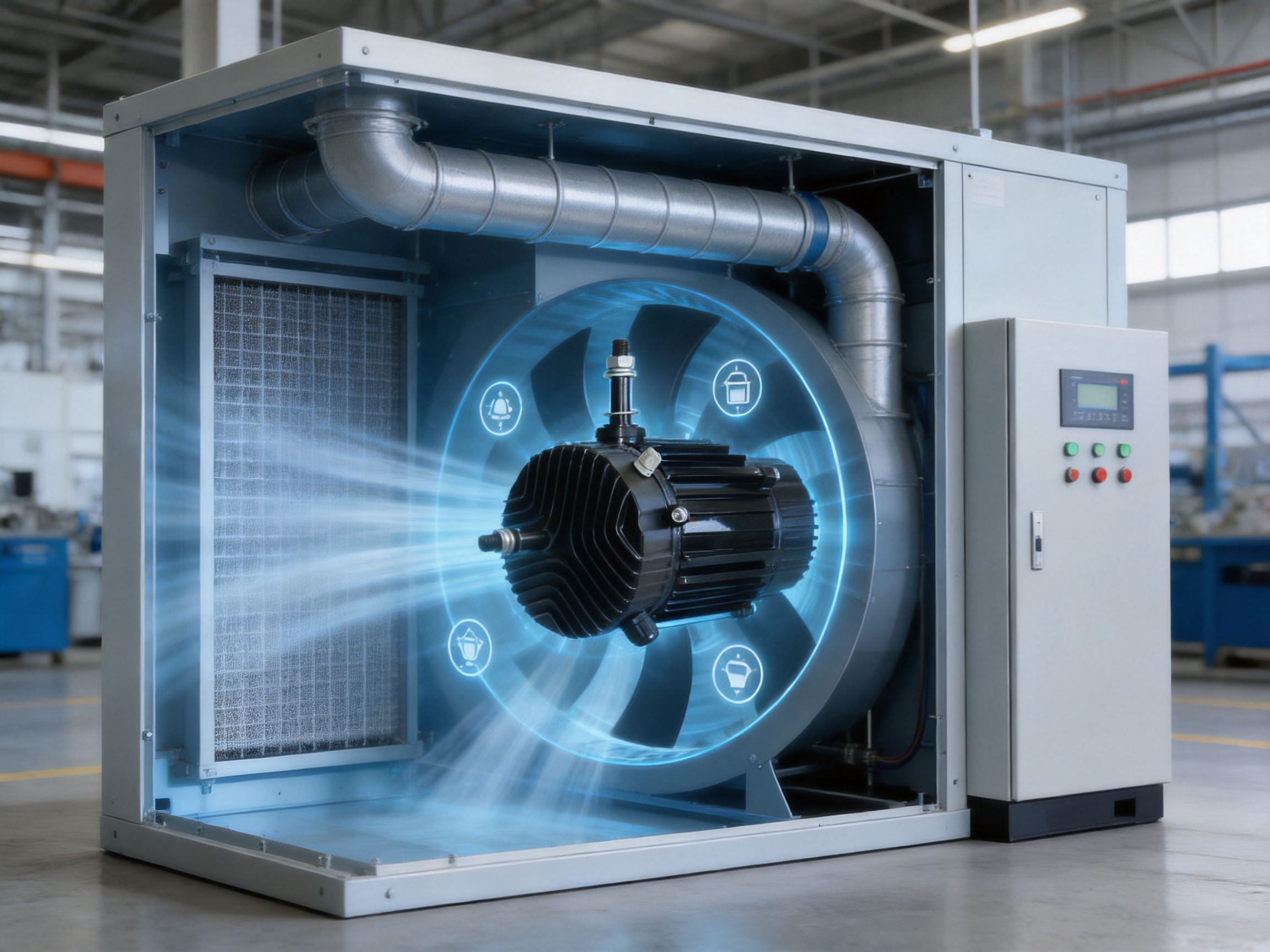
The ECF140 features a flexible multi-orientation mounting structure. This gives equipment designers more freedom when arranging the motor within a machine or ventilation assembly. A flexible mounting approach can be useful when the available space is restricted, when the airflow path requires a particular orientation or when one motor platform must be adapted to several product models.
Mounting flexibility can reduce design limitations during product development. Instead of creating a completely new motor arrangement for every equipment configuration, manufacturers may be able to use a common motor platform across multiple products. This can simplify engineering work, streamline procurement and support more consistent production.
Correct mounting remains essential. The supporting frame must be strong enough to withstand the motor and fan assembly’s weight, torque reaction and vibration. Fasteners should be properly selected and tightened, and the motor shaft or coupling must be aligned according to the fan assembly requirements. Poor installation can reduce the benefits of a well-designed motor.
Flexible installation is also valuable for maintenance. If the motor can be accessed from a practical direction, service personnel may be able to inspect wiring, mounting points, fan components and surrounding equipment more efficiently. Easier access can reduce downtime during scheduled maintenance.
Applications of the ECF140 EC Fan Motor
Centrifugal Fans
Centrifugal fans require a reliable motor to rotate the impeller and generate pressure for moving air through ducts, filters, heat exchangers and other components. The ECF140 is compatible with centrifugal fan applications where 220V power and 1100W output are appropriate for the system design.
Its high efficiency can be valuable in centrifugal systems that operate continuously. The integrated protective functions can also help safeguard the motor if airflow resistance changes or if the impeller encounters an abnormal condition.
Industrial Ventilation
Industrial ventilation systems are used to remove heat, fumes, dust, moisture and contaminated air from production environments. These systems often operate for long hours and may be exposed to changing loads. The ECF140’s S1 continuous-duty design, protection functions and fault output make it a practical option for industrial ventilation equipment.
System designers should evaluate the air temperature, contamination level, installation location and required airflow pressure before final selection. Where the environment contains corrosive substances or conductive dust, additional enclosure and protection measures may be necessary.
Cooling Equipment
Cooling systems depend on stable airflow to remove heat from machinery, electrical cabinets, process equipment and enclosed spaces. A motor that operates efficiently and reliably can help maintain consistent thermal conditions. The ECF140 is suitable for cooling equipment in which the fan assembly requires a 220V, 1100W EC motor configuration.
Lower vibration can also be beneficial in cooling applications because it may reduce mechanical stress on the equipment enclosure and connected ductwork. Proper fan balancing and mounting are still required to achieve the best results.
Air Purification Systems
Air purification equipment often combines fans with filters, purification modules and control systems. As filters become loaded, airflow resistance may increase. A motor with over-current, locked-rotor and over-temperature protection can provide additional security as system conditions change.
The fault signal output is useful in air purification systems that require remote monitoring. Operators can be informed when a motor fault occurs, allowing them to inspect the filter, fan, power supply or other related components before the issue causes extended equipment downtime.
Environmental Protection Equipment
Environmental protection equipment may include air treatment systems, industrial exhaust units, dust-handling equipment and other machines designed to control emissions or improve workplace conditions. Such equipment commonly requires reliable airflow and long operating periods.
The ECF140 offers a combination of efficiency, continuous-duty operation and internal protection that aligns with these requirements. Its use can support the development of equipment that is more economical to operate and easier to monitor.
Manufacturing Strengths and Quality Focus
Motor performance depends not only on the product design but also on the manufacturing process used to produce it. Consistent materials, accurate assembly, reliable electrical testing and disciplined quality management are essential for achieving stable motor performance from one production batch to the next.
Shengzhou Jiangxin Motor Technology Co., Ltd. was established in 2017 and focuses on the research, development, production and sales of AC/DC motors and micro motors. The company operates from Shengzhou, Zhejiang Province, an area supported by the industrial resources and supply-chain advantages of the Yangtze River Delta.
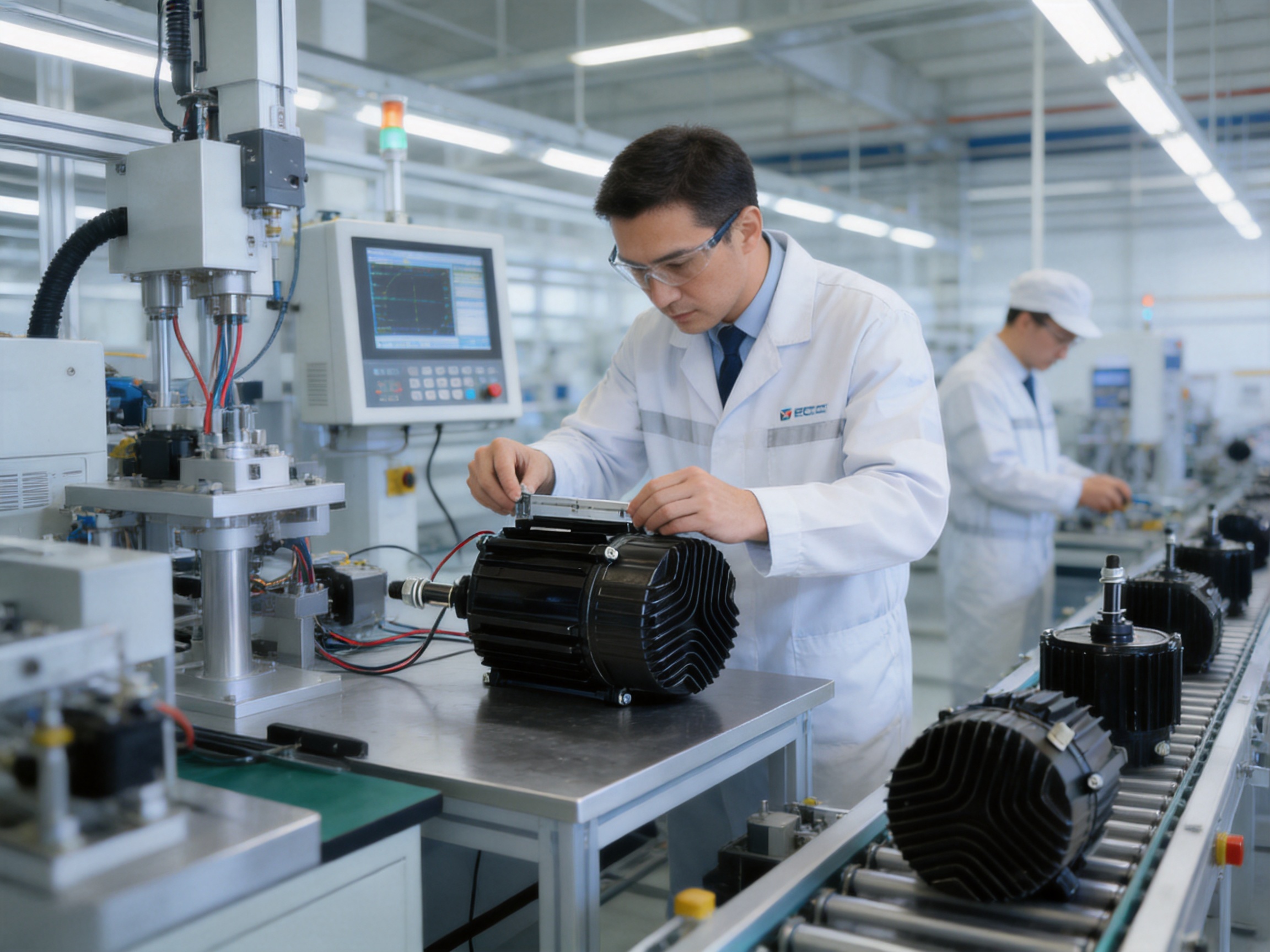
The company has modern production facilities, automated equipment and a professional research and development team. These resources support the production of motors with consistent dimensions, stable assembly quality and dependable electrical performance. Automation can help reduce variation in repetitive manufacturing operations, while professional engineering support can assist with product improvement and customized motor development.
Research and Development Capability
A strong R&D capability is important in the motor industry because applications vary widely. Voltage, power, speed, installation orientation, fan type, control method and environmental conditions can all influence the correct motor design. Jiangxin Motor’s professional R&D team supports the company’s ability to develop and refine AC/DC motor products for different customer requirements.
For the ECF140, engineering attention is reflected in the integration of permanent magnet technology, electronic protection, continuous-duty operation and flexible mounting. These features address practical issues that equipment manufacturers face during product development and field use.
R&D also supports customization. While the ECF140 is presented as a 220V 1100W product, motor customers may require different electrical, mechanical or installation characteristics for other projects. A manufacturer with product-development experience is better positioned to evaluate such requirements and provide an appropriate technical solution.
Automated Production Equipment
Automated manufacturing equipment can improve repeatability in operations such as component handling, assembly, winding-related processes and inspection, depending on the production line configuration. Consistency is particularly important for motors because small variations in assembly, balance or electrical connection can influence noise, vibration and service life.
Automation does not replace engineering judgment or quality inspection. Instead, it provides a controlled production foundation that can be supported by process standards, testing procedures and trained personnel. The combination of automation and professional supervision helps manufacturers maintain stable product quality while meeting the needs of different markets.
Quality Control and Product Reliability
Strict quality control is a central part of motor manufacturing. Electrical performance, mechanical fit, insulation integrity, operating noise, vibration and protection functions all require appropriate attention. A reliable quality system helps identify problems before products are shipped and supports continuous improvement when field feedback is received.
For customers purchasing the ECF140, quality control provides confidence that the motor is produced through a repeatable process rather than depending only on final visual inspection. Stable manufacturing is especially important for equipment manufacturers that need predictable integration across multiple units and production batches.
The company has been recognized as a provincial-level technology enterprise, reflecting its emphasis on technical development and manufacturing capability. Its products are exported to more than 60 countries and regions, demonstrating experience in serving international customers and adapting to diverse application requirements.
Advantages Over Conventional Motor Alternatives
The ECF140 offers several advantages when compared with conventional motor choices that may lack integrated electronic protection or permanent magnet technology. Its first major advantage is energy efficiency. The permanent magnet structure supports efficient operation, which is particularly valuable for fans that run for long hours.
The second advantage is integrated protection. Over-voltage, over-current, locked-rotor and over-temperature protection are included within the motor system. This can simplify system planning and provide additional security during abnormal conditions.
The third advantage is remote fault feedback. A fault signal output can connect the motor to a broader monitoring and control system. This is more suitable for modern equipment than a design that requires all fault conditions to be identified through local manual inspection.
The fourth advantage is continuous-duty capability. The S1 design supports long-term operation when the motor is correctly matched to the fan and used within its rated conditions. This makes the product more appropriate for industrial and commercial applications than a motor intended only for occasional operation.
The fifth advantage is installation flexibility. The multi-orientation mounting structure can help manufacturers adapt the motor to different fan and equipment layouts. This may reduce mechanical design restrictions and support the development of multiple product models.
Finally, low vibration and low noise contribute to a better finished system. Although the total acoustic result depends on the entire fan assembly, a motor designed for smooth operation provides a strong starting point for quiet and comfortable equipment.
System Integration Recommendations
To obtain the best performance from the ECF140, the motor should be selected together with the fan impeller, airflow path and control system. The required airflow volume, static pressure, operating temperature and duty cycle should be identified before final integration.
The fan load must be compatible with the motor’s 1100W power rating. Operating a motor continuously beyond its suitable load can increase temperature and reduce service life. Conversely, an incorrectly selected fan may prevent the motor from operating at an efficient point. A complete system assessment helps avoid both conditions.
Electrical installation should follow applicable regulations and the equipment manufacturer’s instructions. The supply voltage should be suitable for the 220V motor configuration. Wiring, grounding, upstream protection and control connections should be inspected before commissioning.
Mechanical installation should provide secure support and correct alignment. The fan impeller should rotate freely without rubbing, obstruction or excessive imbalance. The mounting structure should be rigid enough to control vibration while avoiding unnecessary stress on the motor housing.
During commissioning, operators should check rotation, airflow, vibration, sound, temperature and fault feedback. Any abnormal behavior should be investigated before the equipment is placed into continuous service. Early inspection can prevent minor installation issues from developing into larger reliability problems.
Maintenance and Operating Considerations
EC motors can reduce maintenance requirements by eliminating brush wear, but the complete fan system still requires regular attention. Dust accumulation, blocked filters, loose mounting hardware, damaged wiring and worn fan components can affect motor operation.
Maintenance personnel should periodically inspect the fan assembly, air passages, electrical connections and mounting points. The inspection interval should reflect the operating environment. Equipment used in dusty industrial conditions may require more frequent cleaning than equipment installed in a clean indoor environment.
Filters should be replaced or cleaned according to the equipment manufacturer’s schedule. A blocked filter increases airflow resistance and can place additional demand on the fan motor. Keeping the airflow path clear supports energy efficiency and helps the motor operate within appropriate conditions.
Fault signals should not be ignored. If the motor reports a fault, operators should inspect the power supply, fan rotation, airflow resistance, temperature and mechanical condition. Repeated fault events may indicate an underlying system problem that needs correction rather than repeated resetting.
When servicing the equipment, power should be disconnected according to applicable safety procedures. Only qualified personnel should work on electrical connections or motor control circuits. Proper maintenance protects both the equipment and the people responsible for its operation.
Customer and Industry Value
For equipment manufacturers, the ECF140 can serve as a reliable component in the development of efficient and intelligent air-moving products. Its combination of 220V operation, 1100W power, permanent magnet design, protection functions and flexible mounting provides a balanced solution for many commercial and industrial applications.
For distributors, the product offers a clear technical proposition. It is not simply a replacement motor; it is an EC motor platform aimed at applications where efficiency, continuous operation and monitoring are important. This can help distributors serve customers who are upgrading from conventional motor systems.
For end users, the main benefits are related to operating reliability and lifecycle value. High efficiency can help reduce energy consumption, while internal protection and fault feedback can support easier maintenance. Low vibration and noise can improve the working environment and reduce disturbance around the equipment.
The company’s international experience also provides value for customers in different markets. With products exported to more than 60 countries and regions, Jiangxin Motor has experience serving customers with varied application backgrounds and technical expectations. Its customer-oriented approach focuses on stable products and professional solutions rather than one-size-fits-all supply.
Frequently Asked Questions
What type of motor is the ECF140?
The ECF140 is an electronically commutated fan motor with a permanent magnet design. It is intended for air-moving equipment such as centrifugal fans, ventilation systems, cooling equipment and air purification machines.
What are the voltage and power ratings?
The motor is rated at 220V and 1100W. The complete fan system should be designed so that the motor operates within its suitable electrical and mechanical conditions.
Is the motor suitable for continuous operation?
Yes. The ECF140 is designed for S1 continuous duty, making it suitable for long-term operation and applications that may require continuous airflow. Correct installation, appropriate loading and suitable environmental conditions remain necessary.
What protection functions are included?
The motor includes protection against over-voltage, over-current, locked-rotor and over-temperature conditions. These functions help protect the motor during abnormal operating situations, but they do not replace correct system design or upstream electrical protection.
Can the motor provide a fault signal?
Yes. The ECF140 includes a fault signal output that can support remote status checking. The signal can be incorporated into a suitable equipment control or monitoring system according to the final application design.
What equipment can use this EC fan motor?
Typical applications include centrifugal fans, industrial ventilation equipment, cooling systems, air purification machines and other environmental or air-moving equipment requiring a 220V, 1100W motor configuration.
What are the benefits of the permanent magnet design?
The permanent magnet design supports high energy efficiency by reducing certain electrical losses associated with conventional motor structures. This can be particularly beneficial in systems that operate for long periods.
Does the motor operate quietly?
The ECF140 is designed for low-noise and low-vibration performance. Actual system noise also depends on the fan impeller, airflow path, mounting structure, balance, bearings and surrounding enclosure.
Is the mounting direction flexible?
Yes. The motor uses a flexible multi-orientation mounting structure, allowing it to be adapted to different fan and equipment layouts. The supporting frame and fasteners must still be designed for the specific installation.
How should the motor be maintained?
Maintenance should include inspection of the fan, air passages, filters, wiring, mounting points and surrounding equipment. Dust should be removed as necessary, filters should be serviced and any fault signal should be investigated promptly.
Can the manufacturer provide customized motor solutions?
Shengzhou Jiangxin Motor Technology Co., Ltd. focuses on AC/DC motors, micro motors and customized motor development. Customers should provide their electrical, mechanical, environmental and application requirements for technical evaluation.
What information should be supplied when requesting a quotation?
Useful information includes the required voltage, power, fan type, airflow demand, static pressure, operating hours, installation orientation, ambient conditions, control requirements and expected order quantity. Detailed information helps the manufacturer evaluate compatibility and provide a more accurate solution.
Conclusion
The ECF140 220V 1100W EC Fan Motor is designed for equipment manufacturers and system operators who need efficient, reliable and continuously operating airflow power. Its permanent magnet structure supports high energy efficiency, while electronic commutation provides a modern foundation for stable operation and integrated protection.
With over-voltage, over-current, locked-rotor and over-temperature protection, the motor is prepared to respond to several common abnormal operating conditions. Its fault signal output supports remote monitoring, which is increasingly important for intelligent ventilation, cooling and air purification systems. S1 continuous-duty performance, low vibration, low noise and flexible mounting further strengthen its suitability for demanding applications.
The product is supported by the manufacturing and engineering capabilities of Shengzhou Jiangxin Motor Technology Co., Ltd. The company combines modern facilities, automated production equipment, professional R&D resources and strict quality control. Its experience in AC/DC motors, micro motors and customized solutions supports customers seeking dependable components for international markets.
For centrifugal fans, industrial ventilation systems, cooling equipment and air purification machines, the ECF140 provides a practical balance of efficiency, protection, durability and installation flexibility. When correctly matched with the fan and system, it can help manufacturers develop products with lower energy consumption, more dependable operation and improved lifecycle value.
References
1. Product information supplied for the ECF140 220V 1100W EC Fan Motor, including rated power, motor design, protection functions, duty type, mounting characteristics and application fields.
2. Company information supplied for Shengzhou Jiangxin Motor Technology Co., Ltd., including company history, manufacturing resources, R&D capability, product scope and international market experience.
3. General principles of permanent magnet motor operation and electronically commutated motor technology.
4. General engineering practices for fan motor selection, continuous-duty operation, vibration control and ventilation equipment integration.
5. General maintenance and safety principles for industrial AC/DC motor and fan equipment.
Product: ECF140 220V 1100W EC Fan Motor
 Ready To Customise
 Your Motor Products?

We are professional motor manufacturers, delivering powerful, stable, and efficient power cores for all industries through precision craftsmanship and innovation.
Contact Us
-
 Mobile:+86 13575536911
-
 Tel:+86 18357538240
-
 Whatsapp:+8618357538240
-
 Email:betty@dbjxmotor.com
-
 Company Address
Copyright © by Shengzhou Jiangxin Motor Technology Co., Ltd. All Rights Reserved.
Wholesale Industrial Fan Motors Manufacturers
