

 English
 русский
 Español
 عربى
عربى
No. 8, Duxiu San Road, Ganlin Town, Shengzhou City, Shaoxing City, Zhejiang Province, China

News Category
Product Category
650W External BLDC Motor for Industrial Air Cooler Applications
Content
- 1 Product Overview
- 2 External-Rotor BLDC Construction
- 3 Brushless Operation and Service Advantages
- 4 Energy-Efficient Performance
- 5 Stable Torque and Reliable Airflow
- 6 Durability in Demanding Environments
- 7 Advantages Compared with Conventional Motor Solutions
- 8 Applications in Industrial Air Coolers
- 9 Applications in Factory Ventilation
- 10 Manufacturing Strengths
- 11 Production Process Considerations
- 12 Installation and Integration Guidance
- 13 Maintenance and Service Recommendations
- 14 Why This Motor Is Suitable for OEM Projects
- 15 Comparative Value for Industrial Buyers
- 16 Selection Checklist
- 17 Frequently Asked Questions
- 17.1 What type of motor is the DC149?
- 17.2 What are the rated voltage and power?
- 17.3 Can the motor operate continuously?
- 17.4 Does the motor support variable speed?
- 17.5 What is the benefit of the external-rotor design?
- 17.6 What are the advantages of brushless operation?
- 17.7 Is the motor suitable for dusty environments?
- 17.8 What does F-class insulation mean?
- 17.9 Which products can use this motor?
- 17.10 Does the motor require a controller?
- 17.11 Can the motor be customized?
- 17.12 What should be checked before commissioning?
- 17.13 How should the motor be maintained?
- 17.14 What company manufactures the DC149?
- 18 Conclusion
- 19 References
- 20 Product: DC149 220V 650W External BLDC Air Cooler Motor
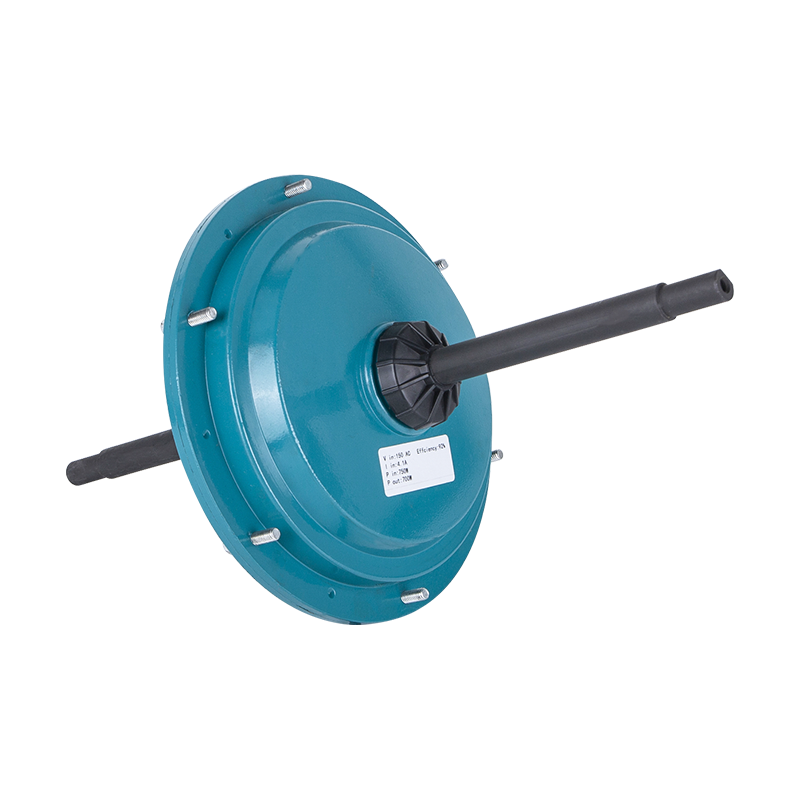
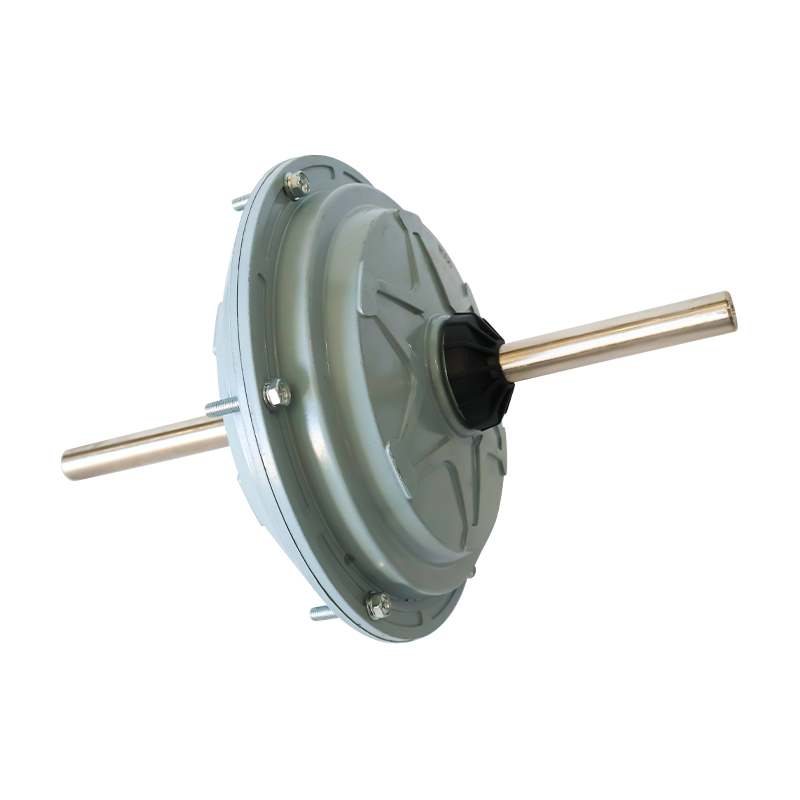
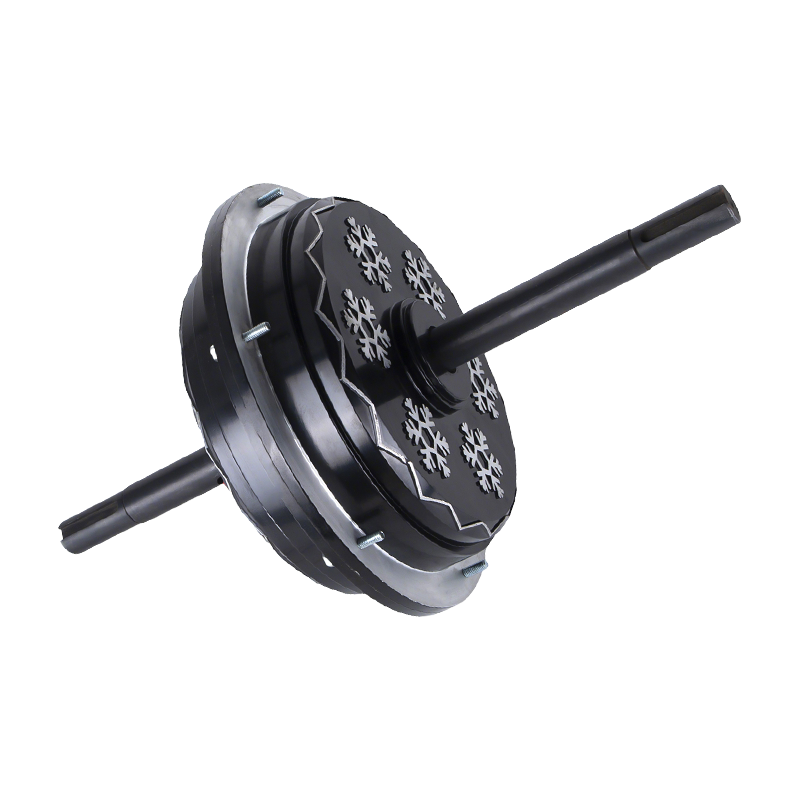
Industrial air-cooling systems require motors that can operate reliably for long periods while delivering stable airflow, efficient energy use, and dependable performance in demanding environments. The DC149 220V 650W External BLDC Air Cooler Motor is designed to meet these requirements through a brushless external-rotor structure, strong torque output, efficient operation, and durable environmental protection. It is suitable for industrial air coolers, factory ventilation equipment, and other applications that depend on continuous and stable air movement.
With a rated voltage of 220V and rated power of 650W, the DC149 provides a practical balance between output capacity, operating efficiency, installation convenience, and long-term reliability. Its external-rotor construction supports effective fan integration, while its brushless design eliminates the mechanical brushes and commutators used in conventional brushed motors. This helps reduce wear, maintenance demand, electrical noise, and the risk of performance deterioration caused by brush aging.
The motor is manufactured by Shengzhou Jiangxin Motor Technology Co., Ltd., a professional AC/DC motor manufacturer established in 2017. The company combines automated production equipment, modern manufacturing facilities, a dedicated research and development team, and strict quality control procedures to produce motors for air-cooling, heating, hydraulic, environmental protection, and other industrial applications.
Product Overview
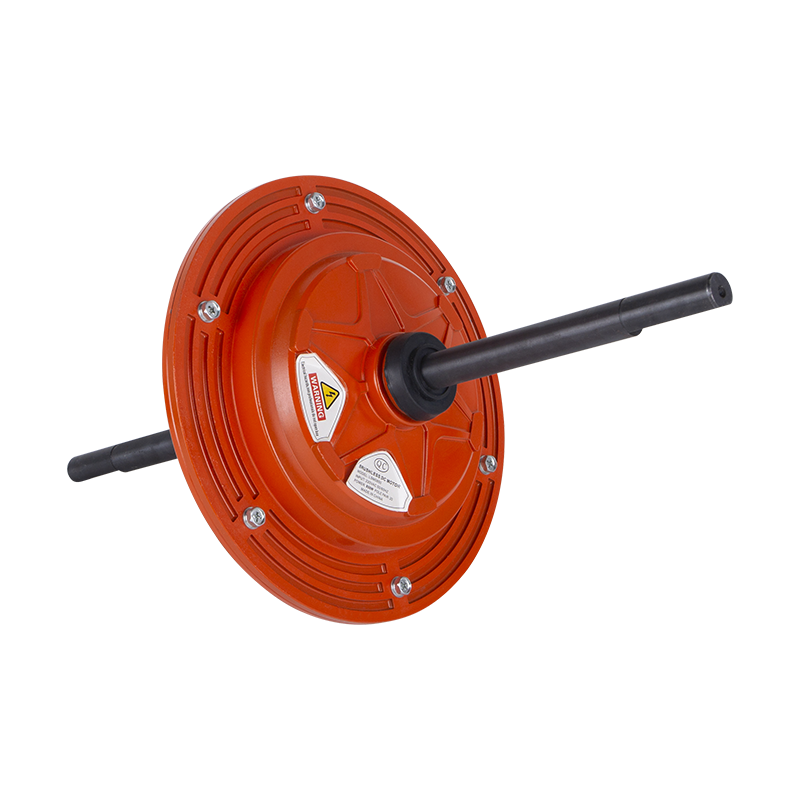
The DC149 220V 650W External BLDC Air Cooler Motor is an external brushless direct-current motor developed for industrial ventilation and evaporative cooling systems. It is designed to work as a dependable drive unit for fans that need steady rotation, consistent airflow, and extended service under continuous operating conditions.
The motor operates at 220V and delivers 650W of rated power. This configuration makes it suitable for many industrial air coolers and ventilation units that require more output than small household fan motors but still need compact construction and efficient energy consumption. The motor can support stepless speed regulation, allowing system designers and users to adjust airflow according to temperature, occupancy, process requirements, or energy-saving objectives.
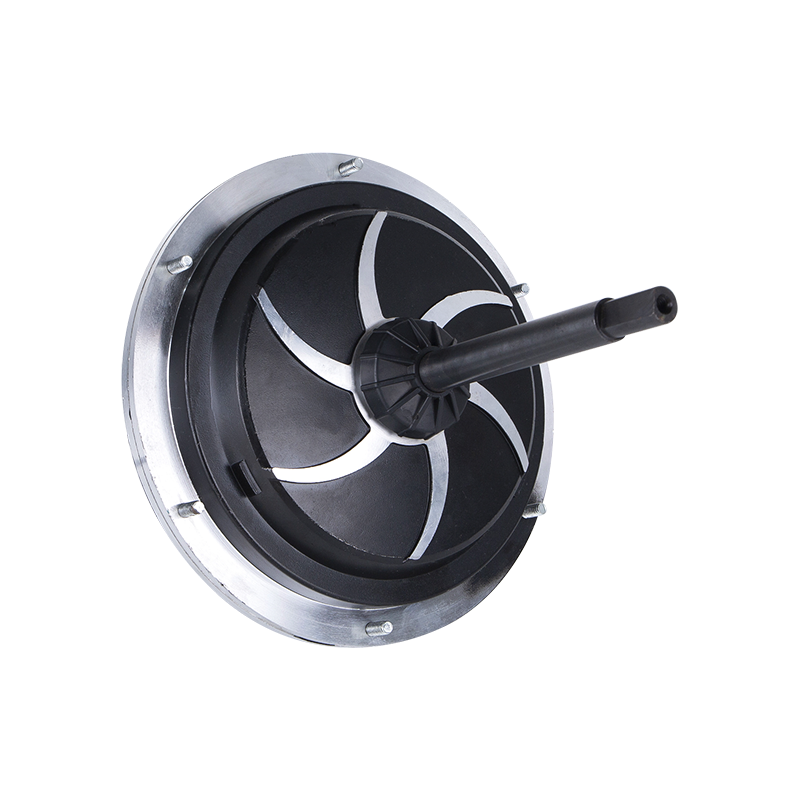
Its external-rotor structure places the rotating assembly around the fixed stator. This arrangement is commonly used in fan and ventilation equipment because it can provide a compact motor-and-impeller layout and simplify integration into air-moving systems. When properly matched with the fan blade or impeller, the motor can deliver strong starting and operating torque while maintaining stable rotation.
| Item | Specification or Feature |
|---|---|
| Model | DC149 |
| Motor type | External-rotor BLDC motor |
| Rated voltage | 220V |
| Rated power | 650W |
| Speed control | Stepless speed regulation support |
| Insulation class | F class |
| Protection grade | IP55 |
| Operating mode | S1 continuous operation |
| Primary applications | Industrial air coolers, factory ventilation, and general ventilation systems |
| Winding material | Pure copper winding |
The stated specifications provide a foundation for evaluating the motor in a system design. Actual airflow, speed, acoustic performance, current consumption, and thermal behavior will depend on the selected impeller, fan housing, controller, installation position, ambient conditions, and operating load. Proper system matching remains essential for achieving the best performance.
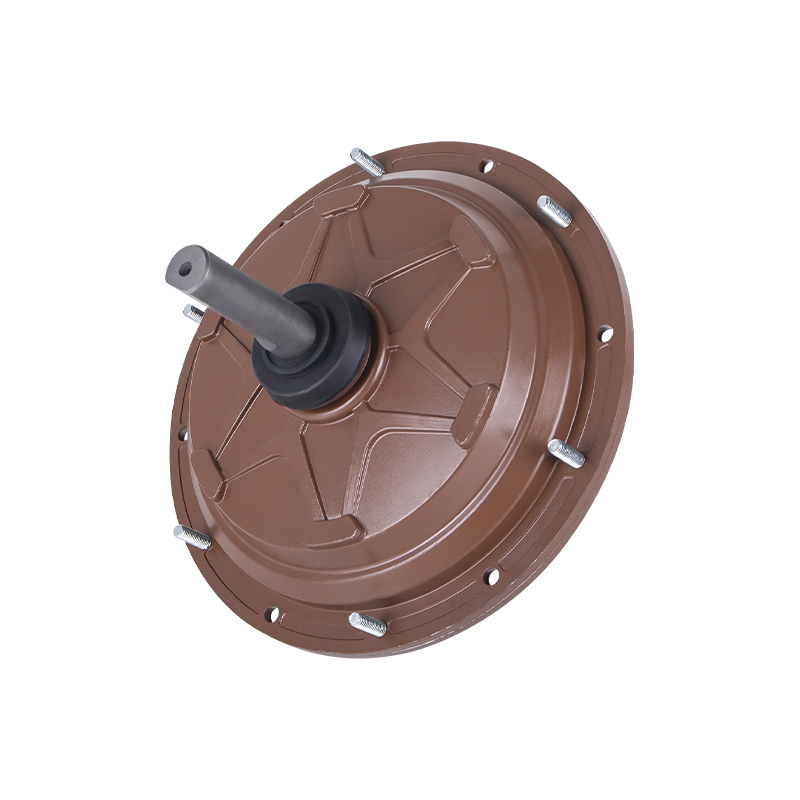
DC149 220V 650W External BLDC Air Cooler Motor
External-Rotor BLDC Construction
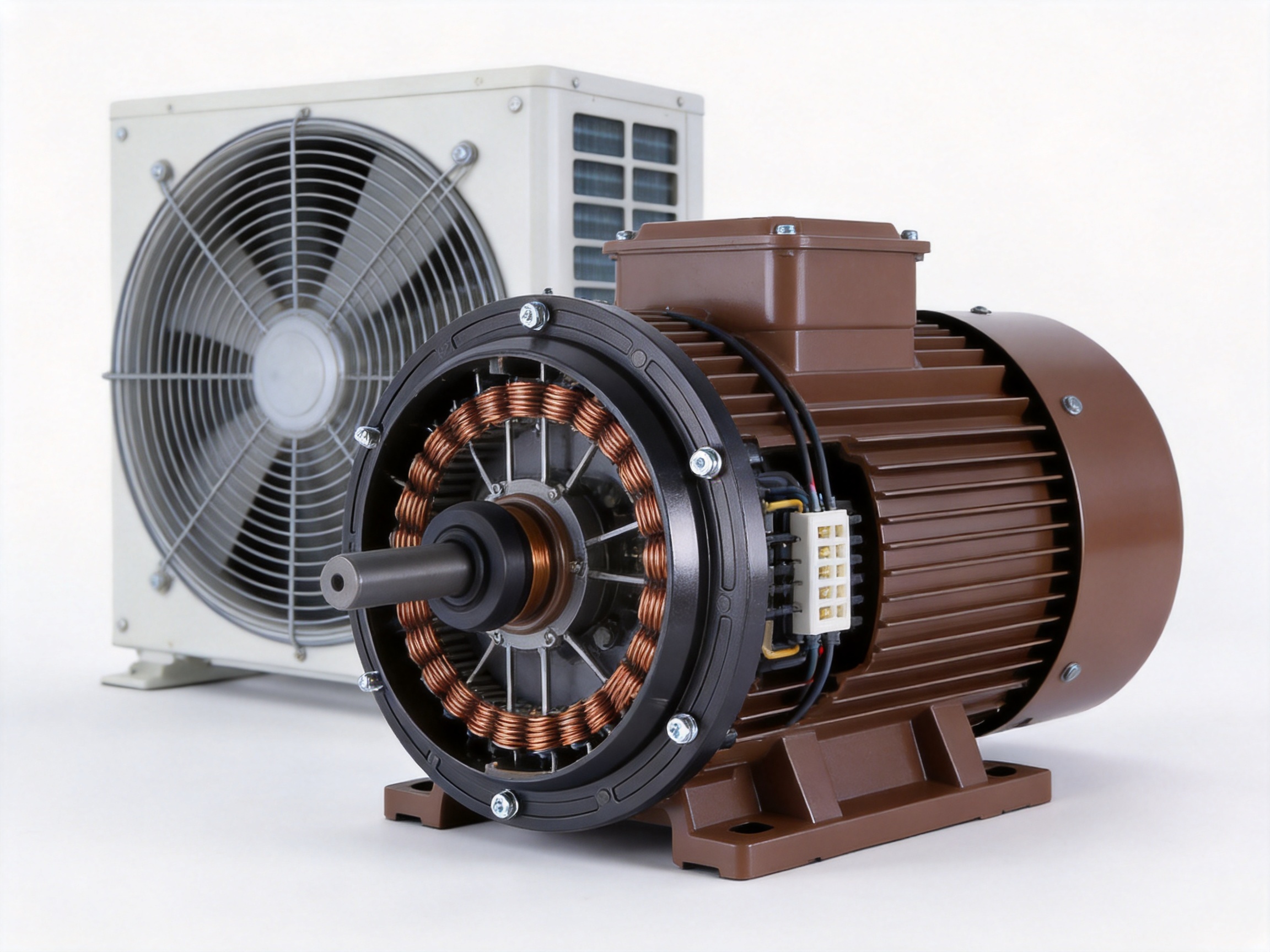
The external-rotor design is one of the most important characteristics of the DC149. In a conventional internal-rotor motor, the rotor turns inside the stationary stator. In an external-rotor motor, the rotor surrounds the stator and rotates on the outside. This structure is particularly useful in fan equipment because the rotating outer assembly can be connected directly or closely coupled to the fan blade assembly.
An external-rotor layout can help reduce the overall size of the fan drive system. Rather than requiring a separate motor, coupling arrangement, and extended shaft structure, the motor can be integrated into the center of the fan assembly. This may reduce the number of mechanical components and make the final ventilation unit easier to arrange within a limited installation space.
The structure also supports a balanced fan design when the rotor and impeller are correctly assembled. A balanced rotating assembly can contribute to lower vibration, smoother operation, and reduced mechanical stress on bearings and mounting points. These benefits are especially valuable in industrial air coolers, where equipment may operate throughout a working day or remain active for long seasonal periods.
The external-rotor structure is not a substitute for correct engineering. Fan blades must be selected according to the motor’s torque, speed range, load characteristics, and control system. The mounting frame must provide sufficient stiffness, and the rotating assembly must be protected from contact with surrounding components. When these design factors are handled correctly, the external-rotor configuration offers an efficient and space-conscious solution for air movement.
Brushless Operation and Service Advantages
Unlike a brushed DC motor, a BLDC motor does not rely on physical brushes sliding against a commutator to transfer electrical power to the rotating section. Instead, electronic commutation controls the magnetic field sequence. Removing the brush-and-commutator contact point reduces one of the main sources of mechanical wear in traditional motor designs.
This brushless construction provides several practical advantages for industrial air-cooling equipment. There are no carbon brushes that need regular replacement, and there is less concern about brush dust, contact erosion, or commutator surface wear. The motor can therefore offer a longer service life when used within its specified electrical, mechanical, and environmental conditions.
Brushless operation can also reduce mechanical friction and improve operating cleanliness. For ventilation installations located in factories, workshops, warehouses, and other industrial areas, reducing maintenance-related interruptions can be important. A motor that does not require routine brush replacement can help simplify service schedules and reduce the need to access equipment installed in elevated, enclosed, or difficult-to-reach positions.
Another advantage is the suitability of BLDC technology for electronic speed control. The DC149 supports stepless speed regulation, enabling the fan system to operate at different output levels rather than switching only between a limited number of fixed speeds. This provides better control over airflow and can help the complete system use only the energy needed for the current operating condition.
Compared with many conventional fixed-speed motors, a speed-regulated BLDC motor can provide more adaptable operation. During mild conditions, the fan may run at a lower speed. When the temperature rises or a larger ventilation volume is needed, the system can increase the speed. This flexibility can support improved comfort, process control, and energy management.
Energy-Efficient Performance
Energy efficiency is a major consideration in industrial ventilation because fans may operate for many hours per day. Even a moderate improvement in motor and system efficiency can produce meaningful savings over the service life of the equipment. The DC149 is designed as an energy-saving BLDC motor, combining electronic commutation, pure copper winding, and stepless speed control to support efficient operation.
Pure copper winding provides good electrical conductivity and supports effective energy transfer within the stator. Compared with lower-conductivity winding materials, copper can help reduce resistive losses when the motor is correctly designed and operated. The winding also contributes to dependable thermal performance because the motor’s electrical losses are closely related to the heat generated during operation.
BLDC motors can maintain efficient operation across a useful speed range when paired with an appropriate controller and fan load. This is especially relevant to air coolers because the required airflow can vary throughout the day. A motor that can adjust speed without relying on inefficient mechanical throttling may help the complete cooling system operate more economically.
The actual energy performance of an air-cooling unit depends on more than the motor alone. Fan blade geometry, air resistance, duct design, filter condition, controller configuration, bearing condition, and ambient temperature all influence power consumption. For this reason, the DC149 should be evaluated as part of a complete fan system rather than as an isolated component.
Nevertheless, its brushless design and speed-regulation capability provide a strong foundation for energy-conscious equipment design. System manufacturers can use the available speed range to balance airflow and power consumption according to the requirements of each application.
Stable Torque and Reliable Airflow
Industrial air coolers often face changing airflow resistance. Filters may become dirty, ducts may create different pressure conditions, and the fan may need to start against a stationary air column. The DC149 is designed to provide strong torque and stable running performance, helping the fan maintain dependable operation under practical load conditions.
Torque stability is important during startup as well as during continuous operation. A motor with suitable starting torque can accelerate the fan assembly smoothly, while adequate running torque helps prevent speed reduction when the load changes. This can contribute to more consistent airflow and reduce the likelihood of unstable operation caused by overloading or insufficient motor capacity.
The motor is intended for S1 continuous working mode. In an S1 duty cycle, the motor is designed to operate continuously under an essentially constant load until it reaches a stable thermal condition. This is suitable for ventilation and cooling systems that need to remain active for extended periods rather than operating only in short intermittent cycles.
Continuous-duty suitability does not mean the motor can be operated without regard to installation conditions. Correct ventilation around the motor, proper controller settings, appropriate fan loading, and protection against blocked airflow remain necessary. The motor should also be selected according to the expected ambient temperature, voltage stability, speed range, and mechanical load.
When correctly integrated, the DC149 can help provide smooth and dependable fan performance for industrial environments where reliable air movement is essential.
Durability in Demanding Environments
Industrial air-cooling equipment may be installed in areas exposed to dust, moisture, humidity, temperature variation, and long operating hours. The DC149 uses F-class insulation and an IP55 protection grade to improve suitability for these conditions.
F-class insulation is designed for a higher thermal capability than lower insulation classes. It provides additional thermal margin for the motor windings when the motor is operated within its specified design limits. This feature is valuable in industrial applications because ambient temperatures, enclosure conditions, and continuous loading can create a more demanding thermal environment than ordinary indoor fan use.
The IP55 protection grade indicates protection against dust ingress at a level that does not interfere with satisfactory operation and protection against water jets from any direction. This makes the motor more suitable for humid and dusty working environments than an unprotected motor. It is important to understand that IP55 is not a rating for immersion, flooding, or unrestricted exposure to high-pressure water. The final equipment enclosure and installation orientation should still be designed carefully.
For evaporative air coolers, which may operate near water circulation systems, protection against moisture is particularly relevant. The motor’s IP55 structure can provide an additional layer of protection against environmental exposure, provided that cable entries, connectors, mounting interfaces, and surrounding equipment are also suitably protected.
In dusty factories and workshops, the protection grade can help reduce the risk of contamination entering the motor housing. However, external surfaces should still be inspected and cleaned according to the equipment maintenance plan. Dust buildup around the motor or fan can restrict heat dissipation and affect system balance even when the motor enclosure itself is protected.
Advantages Compared with Conventional Motor Solutions
The DC149 offers several advantages when compared with conventional brushed motors and many basic fixed-speed motor solutions used in air-moving equipment.
Reduced Mechanical Wear
The brushless design removes the contact wear associated with carbon brushes and commutators. This can reduce routine maintenance requirements and help extend service intervals. For industrial air coolers installed in large workshops or high-ceiling facilities, reduced maintenance can lower labor requirements and limit equipment downtime.
Flexible Speed Adjustment
Stepless speed regulation allows the fan to respond to changing cooling or ventilation needs. A conventional fixed-speed motor may force the system to operate at full capacity even when only moderate airflow is required. The DC149 can be integrated into a control system that adjusts motor speed more precisely, supporting improved operational flexibility.
Compact Fan Integration
The external-rotor arrangement is well suited to direct integration with fan assemblies. It can help reduce the space needed for separate transmission components and may simplify the overall mechanical structure. Fewer transmission elements can also reduce alignment concerns and mechanical losses.
Continuous Operating Capability
The S1 continuous working mode supports applications that require long periods of operation. This is an important advantage over motors intended primarily for short-duration or intermittent use, although the actual duty cycle must always be matched to the operating conditions and system load.
Environmental Protection
F-class insulation and IP55 protection provide useful design advantages for humid, dusty, and industrial environments. These features can increase application flexibility and reduce the risk that normal environmental exposure will quickly affect motor performance.
Efficient Electrical Design
The combination of BLDC technology and pure copper winding supports efficient electrical operation. When combined with an appropriate controller and properly selected fan load, the motor can help equipment manufacturers develop more energy-conscious ventilation products.
These advantages should be considered in relation to the complete application. A BLDC motor normally requires suitable electronic control, and system designers must confirm compatibility between the motor, controller, power supply, and speed command method. The benefits of the motor are maximized when these components are engineered as one system.
Applications in Industrial Air Coolers
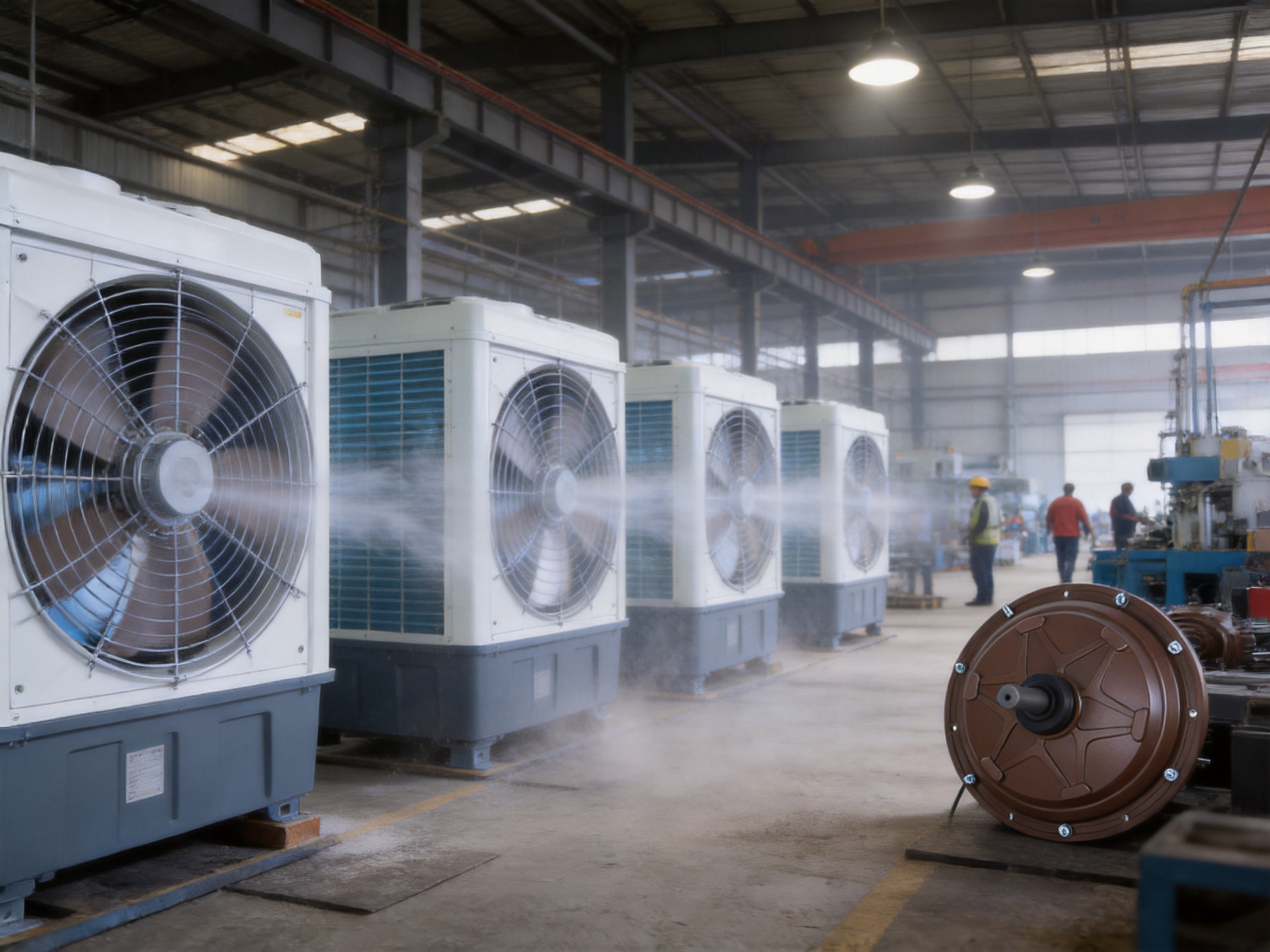
Evaporative air coolers use airflow to support cooling in workshops, warehouses, production areas, commercial facilities, and other spaces. The DC149 is designed for industrial air-cooling systems that require stable fan operation and dependable performance during extended use.
In a large factory, the motor can drive an air cooler that supplies fresh, cooled air to work areas. Variable speed operation allows the equipment operator or automatic control system to adjust the airflow according to indoor temperature and production conditions. This can be more practical than operating every fan continuously at maximum output.
In warehouses and logistics facilities, air circulation can help reduce stagnant air and improve general working conditions. The motor’s continuous-duty capability supports long operating periods, while its protected structure is suitable for environments where airborne dust and humidity may be present.
In agricultural or semi-open industrial facilities, environmental conditions can be more variable. The IP55 protection grade and F-class insulation provide useful support for applications where the motor may encounter moisture or dust. Proper installation remains essential, particularly where direct rain, water spray, corrosive chemicals, or immersion may occur.
The motor can also be considered for custom cooling units, mobile industrial coolers, and ventilation equipment that requires a compact external-rotor drive. Equipment designers can evaluate the motor according to fan diameter, target airflow, pressure requirements, speed range, installation dimensions, and controller compatibility.
Applications in Factory Ventilation
Factory ventilation systems must often move large volumes of air while operating in areas where dust, heat, vibration, and long working hours are normal. The DC149 can serve as a drive motor for ventilation fans used to refresh indoor air, remove heat, and support general environmental management.
For production workshops, adjustable speed can help match ventilation output to the number of active machines, indoor temperature, or production schedule. The motor can be operated at a lower speed during periods of reduced activity and increased when additional airflow is required.
For equipment rooms and utility areas, stable continuous operation can help maintain circulation and reduce heat accumulation. The motor can be integrated into fan systems that use thermostatic, manual, or automated speed control, subject to the requirements of the selected electronic controller.
For general industrial ventilation, the motor’s compact external-rotor design can simplify equipment layout. It may be particularly useful where the available installation space is limited or where the fan manufacturer wants to reduce the number of mechanical transmission parts.
Ventilation systems should be designed with appropriate guards, mounting supports, electrical protection, and maintenance access. The motor should not be treated as a replacement for system-level safety measures. Rotating components must be guarded, electrical connections must be properly insulated, and overload or abnormal-condition protection should be included in the equipment design.
Manufacturing Strengths
The performance of a motor depends not only on its design but also on the consistency of its manufacturing process. Shengzhou Jiangxin Motor Technology Co., Ltd. focuses on the research, production, and sales of AC/DC motors and micro motors. Its product range includes evaporative air cooler motors, industrial heater motors, oil pump motors, and customized motor solutions.
The company operates modern production facilities supported by advanced automated equipment. Automation can help improve process repeatability in tasks such as component handling, winding-related production, assembly, and inspection. Consistent processes are important for motor manufacturing because small variations in winding, rotor balance, bearing installation, or electrical connections can affect final performance.
A professional research and development team supports the company’s ability to develop products for different operating requirements. Motor applications often vary in voltage, power, speed, torque, installation dimensions, environmental conditions, and control method. Engineering capability allows these factors to be evaluated when developing standard or customized solutions.
The company also maintains strict quality control systems. Quality management in motor production may include incoming material inspection, process monitoring, electrical testing, mechanical inspection, appearance checks, and final performance evaluation. The exact testing program depends on the product and customer requirements, but systematic control is essential for achieving stable product quality in volume manufacturing.
Jiangxin Motor has been recognized as a provincial-level technology enterprise. This recognition reflects the company’s emphasis on technological development and industrial capability. Its location in Shengzhou, Zhejiang, provides access to the manufacturing resources and industrial support of the Yangtze River Delta, one of China’s important industrial regions.
The company’s products are exported to more than 60 countries and regions. International market experience can help a manufacturer understand different application environments, customer expectations, packaging requirements, and product adaptation needs. For buyers seeking a long-term motor supplier, production capability and experience in international supply are important considerations alongside the technical specifications of an individual product.
Production Process Considerations
A reliable BLDC motor begins with suitable raw materials and carefully controlled production procedures. Pure copper winding must be formed and installed with consistent spacing, secure connections, and appropriate insulation. Winding quality affects electrical resistance, heat generation, torque production, and long-term reliability.
The stator and rotor must be manufactured and assembled with suitable dimensional accuracy. The air gap between these components influences magnetic performance, efficiency, noise, and operating stability. The external rotor must also be balanced to reduce vibration during rotation. Bearing installation and shaft alignment are equally important because mechanical errors can produce noise, friction, or premature wear.
Electronic commutation requires compatibility between the motor and its controller. The control system must recognize the motor’s electrical characteristics and provide appropriate switching signals. A properly matched controller helps the motor start smoothly, regulate speed effectively, and operate within safe current and thermal limits.
Final inspection is an important stage of production. Electrical checks can help identify winding or insulation problems, while mechanical checks can evaluate rotation, noise, vibration, and assembly quality. Where required by a specific project, manufacturers and customers may also define additional tests for temperature rise, endurance, environmental exposure, or load performance.
The DC149 benefits from the manufacturer’s experience in AC/DC motor production and its focus on automated equipment, professional development, and quality control. These manufacturing strengths help support repeatable production for industrial customers who require stable supply rather than one-time product availability.
Installation and Integration Guidance
Correct installation is necessary to obtain the expected performance from the DC149. The motor should be mounted on a rigid support that can withstand operating vibration and the weight of the fan assembly. The mounting structure should maintain the correct alignment between the motor, impeller, housing, and any protective guard.
The fan blade or impeller must be selected according to the motor’s power and torque characteristics. An oversized or poorly balanced fan can overload the motor, increase current consumption, generate excessive vibration, and cause overheating. The airflow system should be checked for blocked passages, excessive pressure loss, and foreign objects before commissioning.
The controller must be compatible with a 220V, 650W external BLDC motor and the required speed-control method. The control system should provide appropriate electrical protection and should be configured to prevent operation outside the motor’s permissible range. Wiring, grounding, connectors, and cable routing should follow applicable electrical safety practices.
Although the motor has IP55 protection, cable entries and connection points must be protected to a suitable level. Water can enter through poorly sealed connectors or damaged cables even when the motor housing has adequate protection. The motor should also be positioned to avoid direct exposure to corrosive liquids, high-pressure cleaning spray, or conditions beyond the intended IP rating.
Before full operation, installers should verify the direction of rotation, starting behavior, abnormal noise, vibration, current, and temperature. If any unusual condition is detected, the system should be stopped and inspected before continued operation.
Maintenance and Service Recommendations
The brushless construction reduces the maintenance associated with brush replacement, but it does not eliminate the need for inspection. Operators should periodically check the motor housing, mounting hardware, fan assembly, cables, connectors, and surrounding ventilation paths.
Dust and debris should be removed from external surfaces according to the equipment maintenance schedule. Excessive accumulation can restrict cooling and increase the thermal load on the motor. Fan blades should be inspected for contamination or damage because deposits and deformation can cause imbalance.
Vibration and noise should be monitored during service inspections. A noticeable change may indicate a loose mounting point, damaged bearing, unbalanced fan, foreign material, or another mechanical issue. Early detection can help prevent secondary damage to the motor and the surrounding equipment.
Electrical connections should be checked for looseness, oxidation, overheating, or insulation damage. Any service work involving the power supply or controller should be performed by qualified personnel using appropriate isolation procedures.
The motor should be operated within its intended voltage, power, speed, duty-cycle, and environmental limits. Continuous overload, blocked airflow, incorrect controller settings, or insufficient ventilation can reduce service life even when the motor is properly manufactured.
Why This Motor Is Suitable for OEM Projects
Original equipment manufacturers often need more than a motor with a suitable rated power. They need a component that can be integrated into a complete product, supported through development, and supplied with consistent quality. The DC149 offers a combination of standard specifications and application-oriented features that can support industrial air-cooler and ventilation equipment development.
The 220V and 650W configuration is suitable for equipment designed for common industrial power systems in relevant markets. The external-rotor structure can help OEM designers develop compact fan assemblies. Stepless speed regulation supports a wide range of control strategies, while S1 operation is appropriate for products intended for extended service.
The use of F-class insulation and IP55 protection can simplify the design of equipment intended for humid or dusty areas. These features do not remove the need for system-level protection, but they provide a stronger starting point than a motor designed only for clean, dry indoor conditions.
Jiangxin Motor’s production and development capabilities can also support customers that require customized motor solutions. Customization may involve installation dimensions, wiring, speed range, connector arrangement, fan matching, or controller coordination. Any customization should be confirmed through technical communication and application testing before mass production.
For international buyers, the company’s experience exporting products to more than 60 countries and regions provides an additional indication of its ability to serve overseas customers. Product selection, technical confirmation, packaging, delivery planning, and after-sales communication should all be agreed during the project process.
Comparative Value for Industrial Buyers
Industrial buyers generally evaluate motors according to total value rather than purchase price alone. A lower initial price may not produce the best result if the motor requires frequent maintenance, consumes more energy, creates excessive noise, or fails to withstand the operating environment.
The DC149 creates value through its brushless design, energy-saving operation, continuous-duty capability, environmental protection, and speed-control flexibility. These characteristics may help reduce service interruptions and support better control of operating costs over the equipment life cycle.
Compared with a basic fixed-speed motor, the DC149 can provide more adaptable output. Compared with a brushed motor, it can reduce brush-related wear and maintenance. Compared with an unprotected motor, its IP55 structure provides greater suitability for dusty and humid working environments. Compared with a motor lacking thermal margin, F-class insulation can provide an additional level of protection for continuous industrial use.
These comparisons should be understood as general technology-level distinctions rather than guarantees against every competing product. Specific performance depends on the complete design, and some competing motors may offer similar or different features. Buyers should compare verified specifications, test results, control compatibility, operating costs, and service support before making a final decision.
Selection Checklist
Before specifying the DC149 for an air cooler or ventilation project, buyers and engineers should confirm the following points:
First, verify that the application requires a 220V supply and that the available electrical system can provide the required power safely. The controller and protection devices should be selected for the motor’s electrical characteristics.
Second, confirm that 650W is sufficient for the fan load. The required motor capacity depends on airflow volume, static pressure, fan diameter, blade design, transmission arrangement, and desired speed range.
Third, determine whether the system requires stepless speed regulation. If variable speed is needed, the control interface and controller type should be confirmed with the motor supplier.
Fourth, evaluate the installation environment. IP55 protection is suitable for many dusty and humid conditions, but special protection may be needed for corrosive atmospheres, direct outdoor exposure, immersion risk, or high-pressure washing.
Fifth, check the duty cycle. The motor is designed for S1 continuous operation, but actual thermal performance must still be evaluated under the intended load and ambient temperature.
Sixth, confirm mechanical dimensions, mounting arrangements, rotor clearance, fan compatibility, cable routing, and service access. These details are essential for safe and efficient integration.
Finally, request technical confirmation and sample testing when developing a new machine. A prototype evaluation can verify airflow, noise, vibration, temperature, current, speed control, and overall system performance before volume production.
Frequently Asked Questions
What type of motor is the DC149?
The DC149 is an external-rotor brushless direct-current motor designed for industrial air coolers and ventilation applications.
What are the rated voltage and power?
The motor is rated at 220V and 650W.
Can the motor operate continuously?
Yes. The DC149 is designed to support S1 continuous working mode when it is correctly installed, properly controlled, and operated within its rated conditions.
Does the motor support variable speed?
Yes. The motor supports stepless speed regulation when paired with a compatible control system.
What is the benefit of the external-rotor design?
The external-rotor structure is well suited to fan equipment because the rotating outer assembly can be integrated closely with the impeller. It can support compact construction and efficient fan-system layout.
What are the advantages of brushless operation?
Brushless operation eliminates mechanical brushes and commutators, reducing brush wear and related maintenance. It also supports electronic speed control and can contribute to efficient, quiet, and stable operation.
Is the motor suitable for dusty environments?
The motor has an IP55 protection grade, making it suitable for many dusty and humid industrial environments. However, it should not be treated as suitable for immersion or unrestricted exposure to high-pressure water.
What does F-class insulation mean?
F-class insulation provides a higher thermal capability than lower insulation classes and offers useful thermal margin for demanding continuous-duty applications when the motor is operated within its design limits.
Which products can use this motor?
The DC149 can be used in industrial evaporative air coolers, factory ventilation fans, workshop air-circulation equipment, warehouse cooling systems, and other compatible ventilation applications.
Does the motor require a controller?
Because it is a BLDC motor, it requires an appropriate electronic commutation and speed-control system. Controller compatibility should be confirmed before installation.
Can the motor be customized?
The manufacturer provides customized motor solutions in addition to standard products. Possible requirements should be discussed with the engineering and sales teams so that dimensions, wiring, control, and load conditions can be evaluated.
What should be checked before commissioning?
Installers should check the power supply, controller compatibility, rotation direction, mounting security, fan balance, wiring, current, vibration, noise, and temperature during initial operation.
How should the motor be maintained?
Routine maintenance should include inspection of the motor, fan assembly, mounting points, cables, connectors, and ventilation passages. Dust should be removed, unusual vibration should be investigated, and electrical work should be performed by qualified personnel.
What company manufactures the DC149?
The DC149 is manufactured by Shengzhou Jiangxin Motor Technology Co., Ltd., a Zhejiang-based manufacturer specializing in AC/DC motors, micro motors, air-cooler motors, heater motors, oil-pump motors, and customized motor products.
Conclusion
The DC149 220V 650W External BLDC Air Cooler Motor is a practical drive solution for industrial air coolers, factory ventilation systems, and general air-moving equipment. Its external-rotor construction supports compact fan integration, while its brushless technology reduces mechanical wear and enables flexible electronic speed control.
The motor combines 650W output with pure copper winding, F-class insulation, IP55 protection, strong torque, low-noise operation, and S1 continuous-duty capability. Together, these features make it suitable for industrial environments where stable airflow, long operating periods, and manageable maintenance requirements are important.
Its advantages become most valuable when the motor is correctly matched with the fan, controller, power supply, mounting structure, and operating environment. Buyers should therefore evaluate the complete system and confirm technical compatibility before production use.
Supported by modern manufacturing facilities, automated equipment, professional research and development resources, strict quality control, and international export experience, Shengzhou Jiangxin Motor Technology Co., Ltd. offers a manufacturing foundation for customers seeking dependable AC/DC motor solutions. For equipment manufacturers and industrial users, the DC149 provides a combination of efficiency, durability, control flexibility, and application suitability in a compact external BLDC motor format.
References
1. General principles of brushless direct-current motor construction, electronic commutation, and speed regulation.
2. General guidance on electric motor insulation classes and thermal operating capability.
3. General interpretation of IP protection ratings for electrical enclosures.
4. General engineering practices for external-rotor motors used in fan and ventilation equipment.
5. General principles of S1 continuous-duty operation for rotating electrical machines.
6. Product information supplied for the DC149 220V 650W External BLDC Air Cooler Motor.
7. Company information supplied for Shengzhou Jiangxin Motor Technology Co., Ltd., including manufacturing capabilities, product range, research and development resources, and export experience.
Product: DC149 220V 650W External BLDC Air Cooler Motor
 Ready To Customise
 Your Motor Products?

We are professional motor manufacturers, delivering powerful, stable, and efficient power cores for all industries through precision craftsmanship and innovation.
Contact Us
-
 Mobile:+86 13575536911
-
 Tel:+86 18357538240
-
 Whatsapp:+8618357538240
-
 Email:betty@dbjxmotor.com
-
 Company Address
Copyright © by Shengzhou Jiangxin Motor Technology Co., Ltd. All Rights Reserved.
Wholesale Industrial Fan Motors Manufacturers
