

 English
 русский
 Español
 عربى

No. 8, Duxiu San Road, Ganlin Town, Shengzhou City, Shaoxing City, Zhejiang Province, China

News Category
Product Category
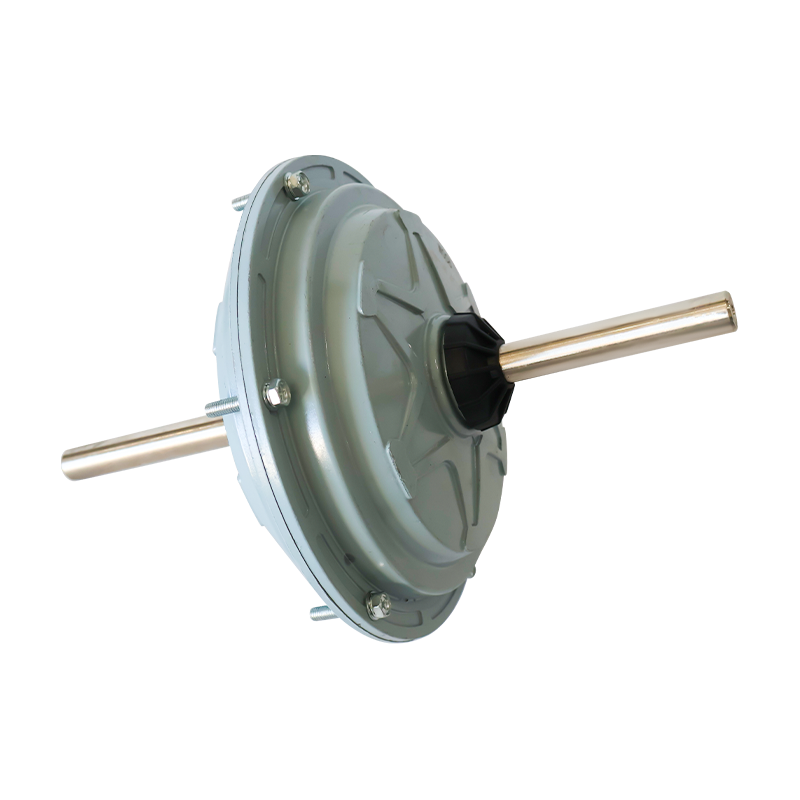
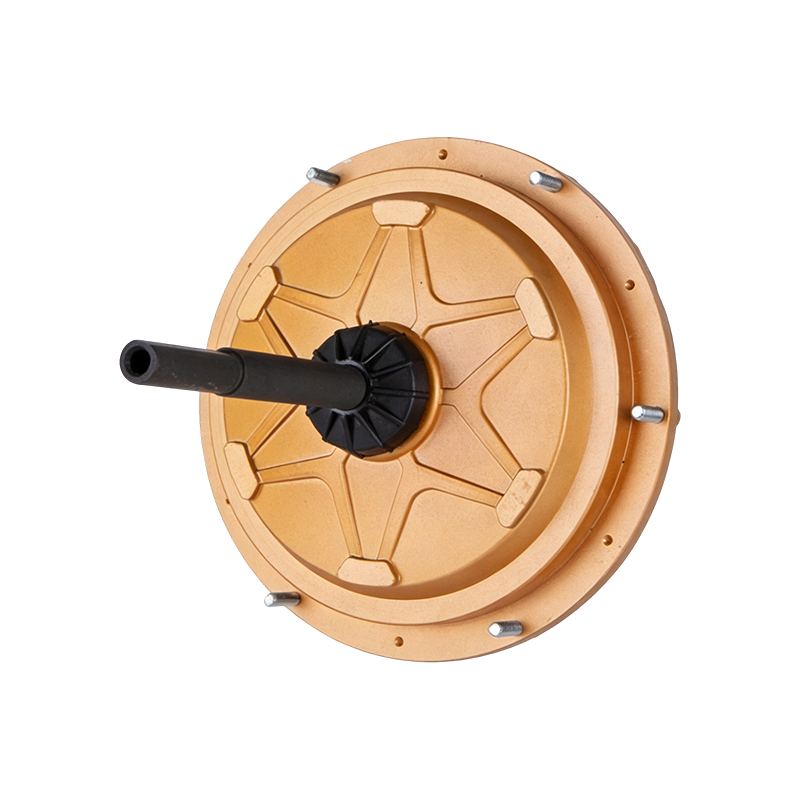
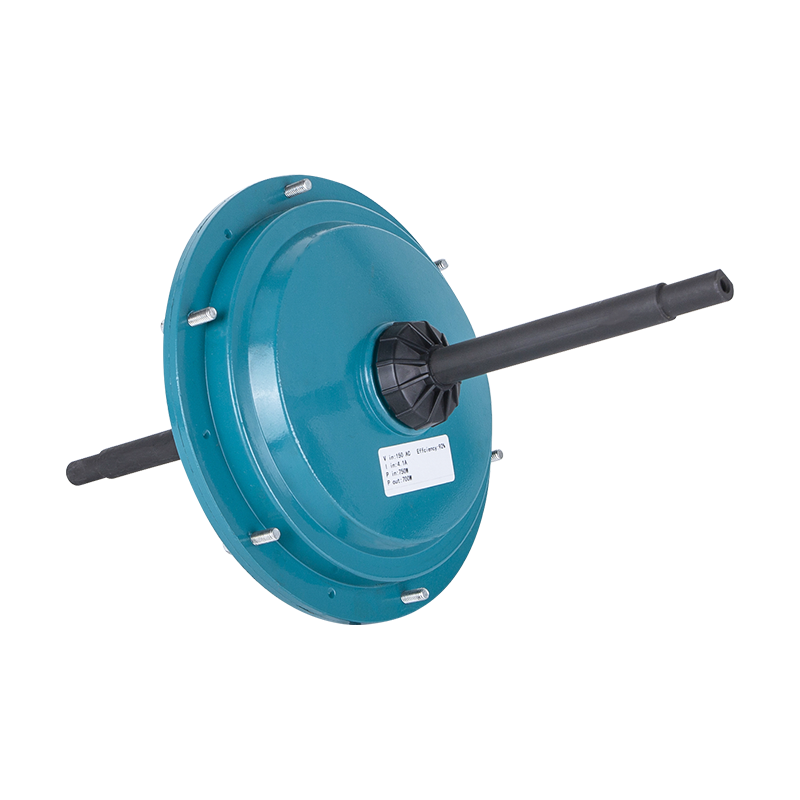
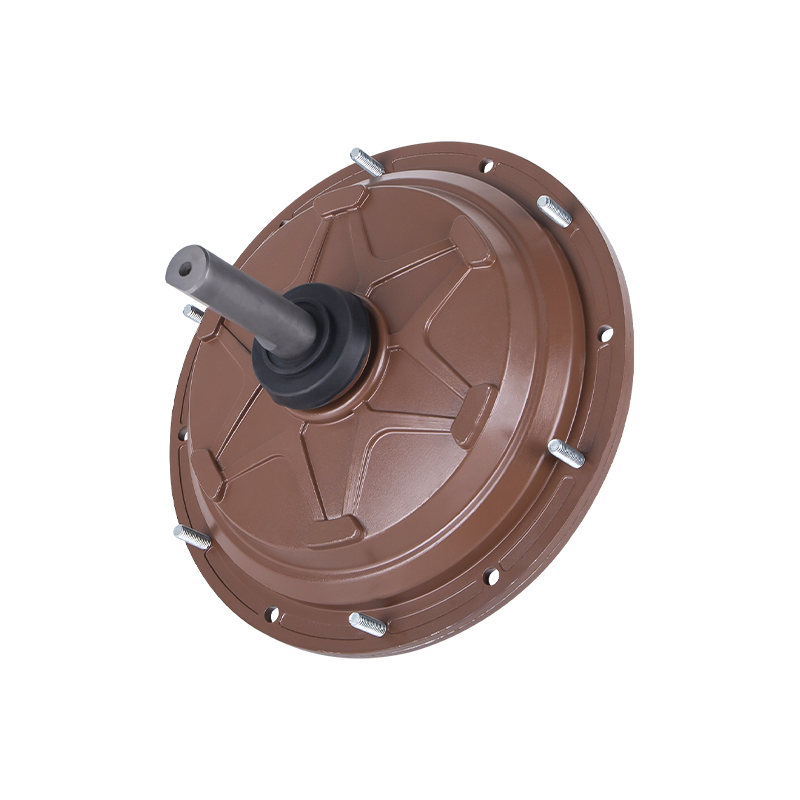
DC144 220V 600W External BLDC Air Cooler Motor: Efficient, Quiet and Reliable Cooling Power
Content
- 1 Product Overview
- 2 Why Brushless Motor Technology Matters
- 3 Quiet Operation for User-Focused Air Cooling
- 4 Flexible Speed Regulation and Intelligent Airflow Control
- 5 Energy Efficiency and Operating Cost Advantages
- 6 External Rotor Construction and Installation Flexibility
- 7 IP55 Protection for Demanding Equipment Environments
- 8 Class F Insulation and Thermal Reliability
- 9 Long Service Life and Maintenance-Free Operation
- 10 Manufacturing Strengths and Production Capabilities
- 11 Quality Control from Design to Final Inspection
- 12 Advantages over Conventional Brushed Motor Solutions
- 13 Advantages over Basic Low-Cost BLDC Alternatives
- 14 Applications in Evaporative Air Coolers
- 15 Applications in Industrial Ventilation Equipment
- 16 OEM and ODM Customization Support
- 17 System Integration Recommendations
- 18 Purchasing and Selection Considerations
- 19 Company Expertise and Global Supply Capability
- 20 Environmental and Commercial Value
- 21 Installation and Maintenance Best Practices
- 22 Frequently Asked Questions
- 22.1 What type of motor is the DC144?
- 22.2 What are the main benefits of the brushless design?
- 22.3 Can the DC144 operate at different speeds?
- 22.4 Is a matching driver included?
- 22.5 What does the IP55 rating mean?
- 22.6 What is the advantage of Class F insulation?
- 22.7 Is the motor suitable for outdoor air coolers?
- 22.8 Can the motor be customized?
- 22.9 How does the DC144 compare with a conventional brushed motor?
- 22.10 What equipment can use this motor?
- 22.11 What information should be provided when requesting a quotation?
- 22.12 Does maintenance-free operation mean no maintenance is needed?
- 23 Conclusion
- 24 References
- 25 Product: DC144 220V 600W External BLDC Air Cooler Motor
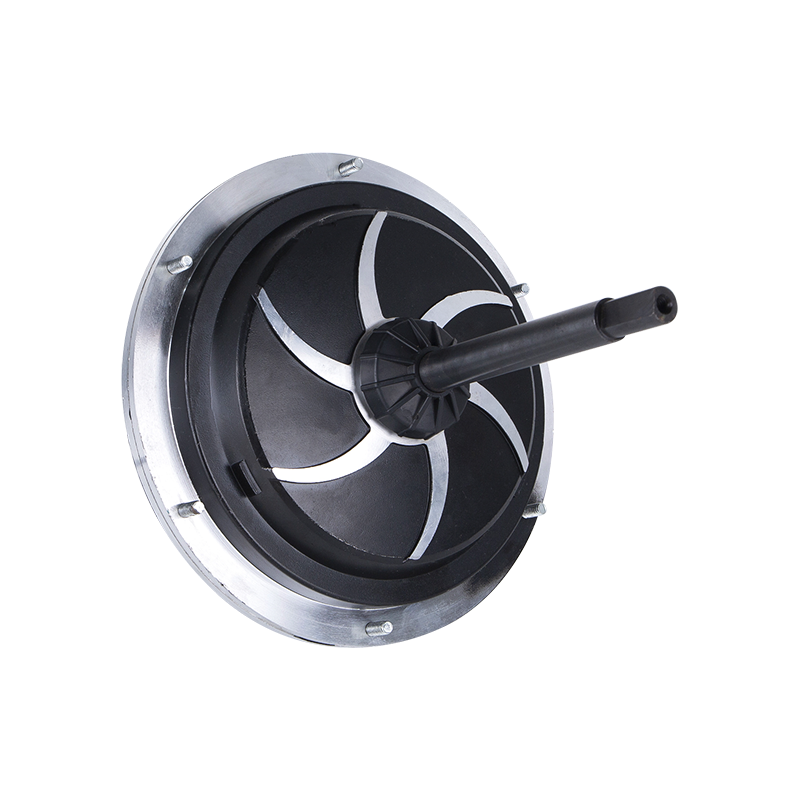
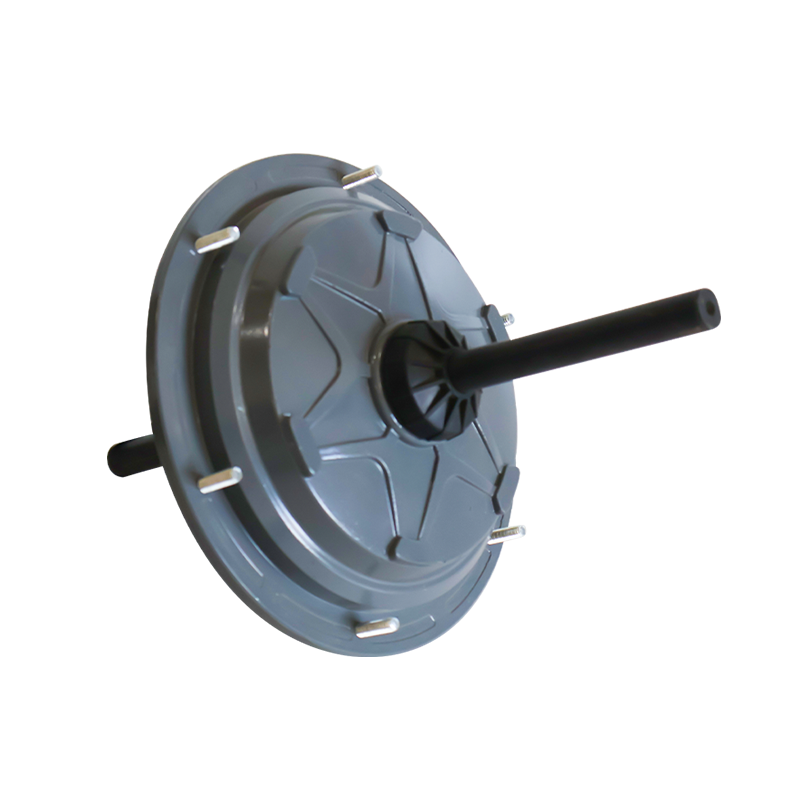
The DC144 220V 600W External BLDC Air Cooler Motor is designed for air cooler manufacturers, ventilation equipment suppliers and industrial equipment integrators that require dependable airflow performance, low operating noise and long-term efficiency. As an external rotor brushless DC motor, it combines a compact installation concept with precise electronic speed regulation, maintenance-free operation and stable output performance.
Modern air cooling equipment must deliver more than basic motor rotation. End users increasingly expect quiet operation, controllable airflow, reduced energy consumption and dependable service throughout the product life cycle. Manufacturers, meanwhile, need motors that are easy to integrate, capable of standard installation and adaptable to different equipment configurations. The DC144 addresses these requirements through a 220V power system, 600W rated output, IP55 protection and Class F insulation.
Compared with conventional brushed motors and many basic fixed-speed motor solutions, the DC144 provides a more advanced platform for intelligent air cooler design. Its brushless structure eliminates mechanical carbon brush noise and reduces wear-related maintenance. Its electronic control capability allows the airflow system to adjust speed according to environmental conditions, user preferences or automatic cooling strategies. This makes it suitable for evaporative air coolers and ventilation products that must balance airflow performance with energy efficiency.
DC144 220V 600W External BLDC Air Cooler Motor
Product Overview
The DC144 is an external rotor BLDC motor developed for air cooling and ventilation applications. It operates at 220V and delivers 600W of power, making it suitable for air coolers that require strong and stable airflow output. The external rotor structure provides a practical solution for equipment designers seeking efficient power transmission, compact assembly and flexible matching with air-moving components.
A brushless DC motor uses electronic commutation instead of mechanical carbon brushes and a conventional commutator. This structure reduces frictional contact inside the motor and removes one of the main sources of wear found in brushed motor systems. The result is smoother operation, lower mechanical noise and improved long-term reliability when the motor is correctly installed and operated within its rated conditions.
The motor operates at 50/60Hz and is rated with IP55 protection. The IP55 rating indicates protection against limited dust ingress and protection against water jets from any direction. This makes the motor more suitable for demanding air cooler and ventilation environments than unprotected motor designs, although the complete equipment enclosure must still be designed correctly for the actual operating environment.
Class F insulation provides a higher thermal insulation capability than basic insulation classes commonly found in lower-grade motor products. This supports reliable operation under normal industrial temperature conditions and provides an additional design margin for equipment manufacturers. Proper ventilation, electrical protection and installation remain essential to achieve the expected service life.
| Product | BLDC Motor |
| Model | DC144 |
| Voltage | 220V |
| Power | 600W |
| Frequency | 50/60Hz |
| Protection Grade | IP55 |
| Insulation Class | F |
| Matching Driver | Optional |
| Primary Applications | Evaporative air coolers, industrial ventilation equipment and customized airflow systems |
Why Brushless Motor Technology Matters
The core advantage of the DC144 is its brushless operating principle. In a traditional brushed motor, carbon brushes maintain electrical contact with a rotating commutator. This contact creates friction, electrical sparking, brush dust and gradual wear. The motor may require inspection or brush replacement after extended operation, particularly in equipment that runs for long periods or in dusty environments.
The BLDC design replaces this mechanical switching process with electronic commutation. The controller manages the energizing sequence of the motor windings, allowing the rotor to turn without physical brush contact. This reduces the number of wearing components and contributes to longer operating life. It also helps reduce the mechanical noise and electrical interference associated with brush contact.
For air cooler manufacturers, the absence of carbon brushes has several practical benefits. The motor can operate more quietly, which is important for residential, commercial and workplace cooling equipment. It can also reduce routine maintenance requirements because there are no brushes to replace. In addition, the reduction of frictional losses can support improved system efficiency when the motor is correctly matched with the fan, impeller, controller and airflow load.
Brushless technology also creates opportunities for more sophisticated product functions. Instead of offering only a simple on-and-off operating mode, an air cooler can be designed with multiple speed settings, automatic airflow adjustment, temperature-based control or integration with a broader intelligent control system. The matching driver for the DC144 is optional, allowing customers to select a control arrangement suited to their equipment architecture.
Quiet Operation for User-Focused Air Cooling
Noise is a major consideration in the design of modern air cooling equipment. A motor that produces excessive mechanical sound can reduce user comfort even when its airflow performance is satisfactory. Noise can be especially noticeable in bedrooms, offices, classrooms, restaurants, retail spaces and other environments where continuous operation is expected.
The DC144 is engineered for smooth operation with ultra-low noise and vibration. Its brushless structure removes the repeated contact noise of carbon brushes, while its electronically controlled rotation supports stable motor operation. Lower vibration can also help reduce the transmission of mechanical noise through the air cooler frame, fan housing and mounting structure.
Motor noise is influenced by the entire system, not only the motor itself. Fan blade balance, impeller geometry, mounting stiffness, bearing condition, airflow turbulence and controller settings all affect the final sound level. Nevertheless, selecting a motor with a smooth brushless operating principle provides a strong foundation for low-noise equipment design.
Manufacturers can further improve acoustic performance by using correctly balanced airflow components, rigid but isolated mounting points and suitable speed profiles. When the DC144 is integrated with an appropriate fan and driver, the system can provide effective airflow without relying on unnecessarily high rotational speed. This supports a more comfortable operating experience and can help differentiate finished products in competitive markets.
Flexible Speed Regulation and Intelligent Airflow Control
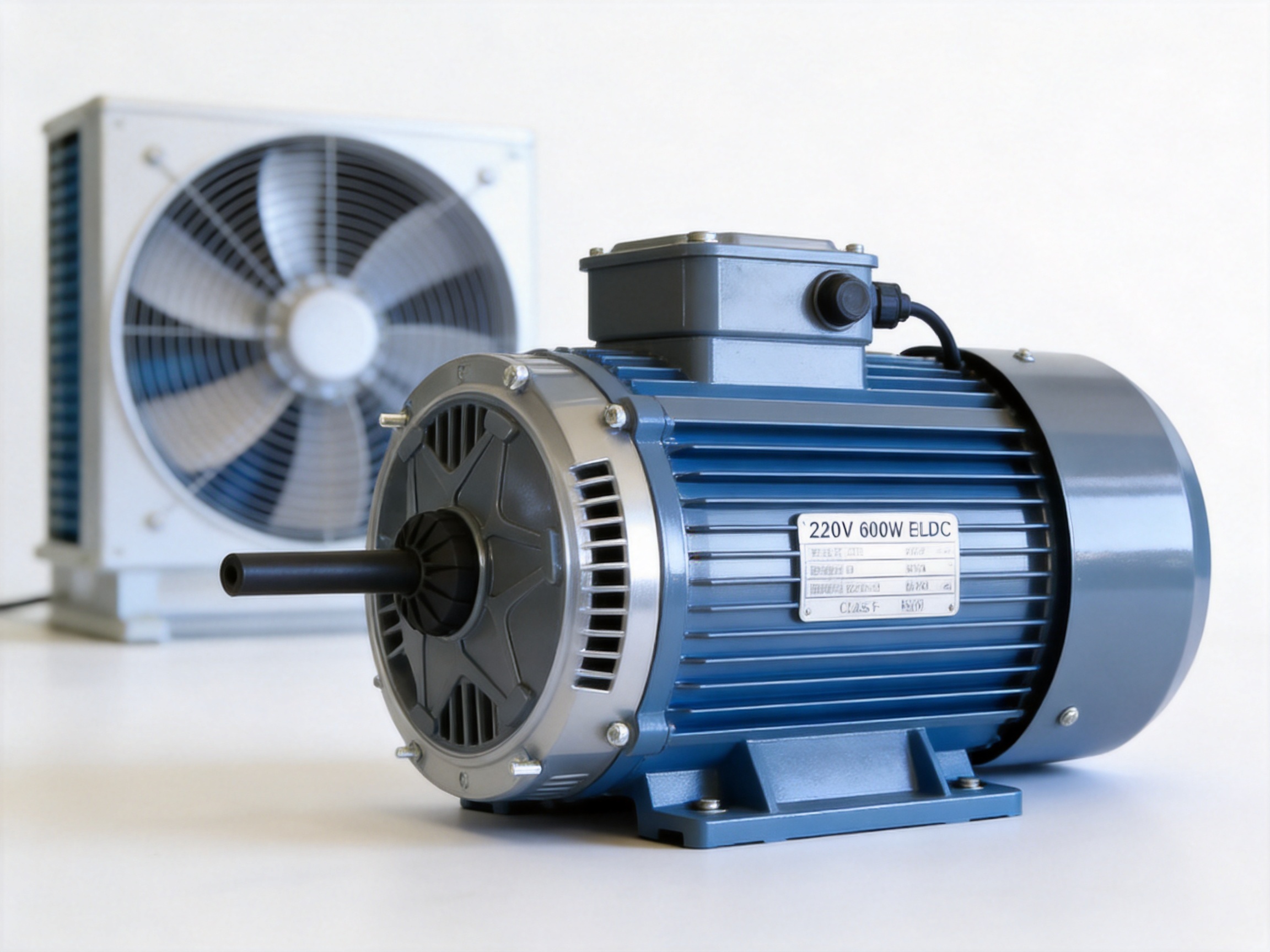
Air cooler users do not always require maximum airflow. During mild weather, nighttime operation or low-occupancy conditions, a lower airflow setting may provide sufficient comfort while reducing energy use and sound. The DC144 supports flexible and precise speed regulation, allowing equipment designers to develop airflow control strategies that respond to actual cooling demand.
Electronic speed control can be used to create several operating modes. A basic product may offer low, medium and high speed settings. A more advanced product may include gradual ramp-up, automatic speed adjustment, sleep mode, energy-saving mode or environmental feedback. These functions can help the air cooler deliver the required air volume without operating continuously at full capacity.
Precise speed regulation is also valuable in industrial ventilation systems. Different processes may require different airflow levels, and the motor can be incorporated into a control system that adjusts ventilation according to temperature, humidity, occupancy, production schedules or other operating conditions. The ability to regulate output makes the motor more adaptable than a simple fixed-speed solution.
The optional matching driver gives customers flexibility during system development. Some buyers may already use a preferred controller or have an established control platform. Others may require a compatible driver package for faster integration. By offering the driver as an optional component, the product can support different electrical architectures and procurement requirements.
Energy Efficiency and Operating Cost Advantages
Energy consumption is an important factor in the total cost of ownership of an air cooler. A motor that runs for many hours each day can represent a significant portion of the equipment’s electricity demand. Improving motor efficiency and matching motor speed to actual airflow requirements can reduce daily energy consumption and support more economical operation.
The DC144 contributes to energy-conscious equipment design in several ways. Its brushless configuration reduces mechanical contact losses, while electronic speed regulation allows the system to avoid unnecessary full-speed operation. When the air cooler is controlled according to actual demand, the motor can deliver an appropriate airflow level instead of consuming maximum power continuously.
Energy performance depends on the complete air-moving system. Fan design, duct resistance, filter condition, controller efficiency, operating temperature and installation quality all influence the final result. For this reason, equipment manufacturers should evaluate the motor together with the fan and control system rather than judging performance from motor power alone.
A 600W rating gives designers a clear power reference for matching the motor with the required air volume and static pressure. The rated power should be considered alongside load characteristics, starting requirements, operating duty and safety margins. Proper selection helps prevent overloading while ensuring that the finished air cooler can meet its intended cooling and ventilation objectives.
Lower energy consumption can provide benefits beyond electricity savings. It can reduce operating heat, support more compact equipment design and improve the product’s environmental profile. For commercial buyers managing multiple air coolers or ventilation systems, even moderate savings per unit can become meaningful across the full installed base.
External Rotor Construction and Installation Flexibility
The external rotor arrangement is a practical feature for air-moving applications. In an external rotor motor, the rotor is positioned around the stator, creating a rotating outer structure that can be integrated efficiently with a fan or other rotating component. This arrangement can help reduce the space required for certain equipment layouts and provide design flexibility for airflow assemblies.
For air cooler manufacturers, the external rotor concept may simplify the relationship between the motor and fan assembly. The rotating structure can support compact equipment construction and contribute to balanced mechanical integration. The exact mounting method depends on the equipment design, but the motor is intended to support standard installation and flexible application development.
Compact integration is valuable when manufacturers are developing portable air coolers, cabinet-style cooling equipment, industrial evaporative cooling units or ventilation products with restricted internal space. A motor that can be incorporated efficiently into the airflow section gives designers more freedom to allocate space for water systems, filters, control panels, protective grilles and other components.
Installation quality remains essential. The motor should be mounted on a stable structure, aligned correctly with the fan or driven component and protected from excessive mechanical shock. Fasteners should be selected according to the equipment design, and rotating parts should be checked for balance and clearance before operation. Correct installation helps reduce vibration, bearing stress and premature component wear.
IP55 Protection for Demanding Equipment Environments
Air cooling equipment may operate in environments containing dust, moisture, water spray and changing temperatures. The DC144 has an IP55 protection grade, providing a level of environmental protection suitable for many industrial and commercial ventilation applications when the complete system is designed appropriately.
The first digit of IP55 indicates protection against dust ingress at a level that prevents harmful deposits under normal conditions. The second digit indicates protection against water jets from any direction. This does not mean that the motor can be submerged or exposed without limitation to heavy water flow. It means that the motor is designed with a stronger level of enclosure protection than open or minimally protected motor structures.
Air cooler manufacturers should consider the actual installation environment when evaluating protection requirements. Water circulation systems, spray patterns, drainage, condensation, outdoor exposure and cleaning procedures can all affect motor reliability. The air cooler housing should prevent direct water accumulation around electrical connection points and should provide appropriate drainage and ventilation.
Where equipment is used in especially wet, dusty, corrosive or outdoor conditions, additional protective measures may be required. These may include improved enclosure design, sealing around cable entries, protective covers, suitable surface treatment and regular inspection. The IP55 rating is an important product advantage, but it should be incorporated into a complete environmental protection strategy.
Class F Insulation and Thermal Reliability
Thermal management is central to motor life. Excessive winding temperature can accelerate insulation aging, affect electrical performance and shorten service life. The DC144 uses Class F insulation, which provides a higher temperature capability and greater thermal margin than lower insulation classes commonly used in basic motor products.
Class F insulation is particularly useful in equipment that may experience extended operating periods, variable loads or elevated ambient temperatures. It helps the motor withstand normal thermal stresses when used within its specified design conditions. The actual temperature rise depends on load, ventilation, installation position, ambient temperature, switching frequency and the effectiveness of the complete equipment cooling arrangement.
Manufacturers should avoid treating insulation class as permission to operate the motor continuously beyond its rated load. Proper electrical protection remains necessary. Overcurrent protection, appropriate controller settings and suitable wiring help protect the motor from abnormal conditions. Equipment designers should also evaluate starting behavior and transient loads during system development.
With correct application, Class F insulation supports the DC144’s long-service design objective. It gives customers greater confidence when developing equipment intended for regular or extended use and provides an additional layer of reliability for changing operating conditions.
Long Service Life and Maintenance-Free Operation
One of the most important advantages of the DC144 is its maintenance-free operating concept. Because the brushless motor does not use mechanical carbon brushes, it avoids brush replacement and reduces the inspection requirements associated with brush wear. This is especially valuable for air coolers installed in locations where access is difficult or where servicing many units would be expensive.
Reduced maintenance does not mean that the entire air cooler can be ignored. Filters, water systems, fan components, electrical connections and protective structures still require inspection according to the equipment manufacturer’s service schedule. However, eliminating routine brush replacement simplifies maintenance planning and can help reduce the number of motor-related service interventions.
A long service life benefits both equipment manufacturers and end users. Manufacturers can offer products with stronger reliability positioning, while distributors and facility operators can reduce downtime and maintenance labor. For large installations, the reduction in service visits may be particularly important because labor, access equipment and production interruptions can exceed the original motor purchase price.
Reliability is built through the combination of design, material selection, production control and testing. The motor must be assembled accurately, electrically checked, mechanically balanced and evaluated under appropriate operating conditions. Consistent production standards are therefore as important as the BLDC design itself.
Manufacturing Strengths and Production Capabilities
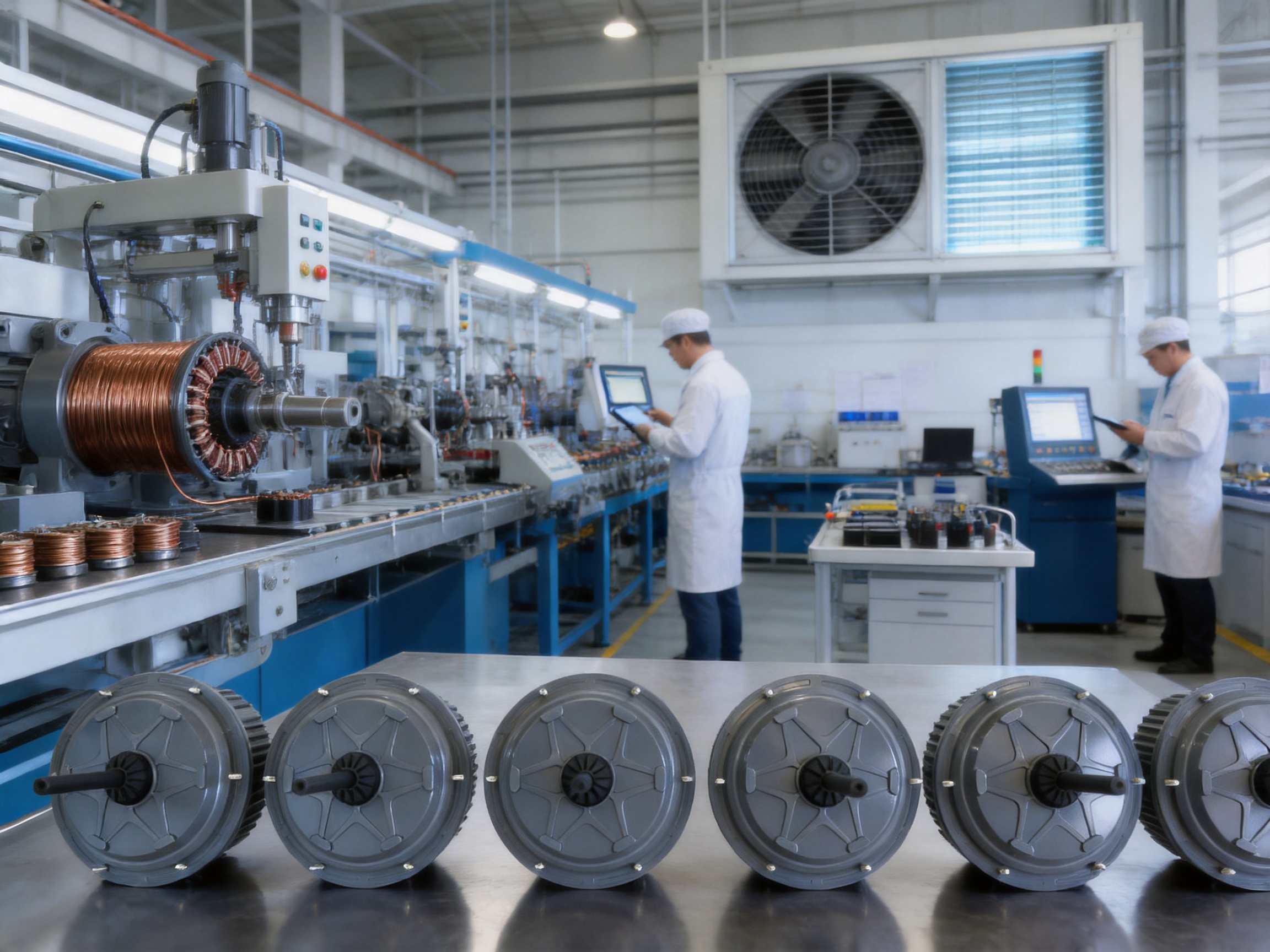
Shengzhou Jiangxin Motor Technology Co., Ltd. was established in 2017 and specializes in the research, development, production and sales of AC/DC motors and micro motors. The company operates in Shengzhou, Zhejiang Province, within the strong manufacturing environment of the Yangtze River Delta. This location provides access to industrial suppliers, engineering resources, transportation infrastructure and a broad supporting manufacturing network.
The company has modern production facilities, advanced automated equipment and a professional research and development team. These capabilities support the production of motors with consistent dimensions, stable electrical performance and reliable assembly quality. Automation can help reduce variation in repetitive processes, while skilled technical personnel remain important for product development, process optimization and quality analysis.
For a product such as the DC144, manufacturing precision affects many aspects of performance. Stator and rotor alignment influence vibration and noise. Winding consistency affects electrical characteristics and thermal behavior. Bearing installation affects smooth rotation and service life. Connection quality affects safety and long-term stability. A controlled production environment helps ensure that these details are managed consistently from unit to unit.
The company has been recognized as a provincial-level technology enterprise, reflecting its focus on technical development and innovation. Its product range includes evaporative air cooler motors, industrial heater motors, oil pump motors and customized motor solutions. This broader experience allows the company to understand different motor applications and develop products for environmental protection equipment, industrial heating, hydraulic systems and other fields.
Manufacturing strength is not limited to equipment. It also includes the ability to manage product specifications, supplier coordination, process documentation, inspection procedures and customer communication. These capabilities are important for international customers that need dependable supply, consistent quality and responsive technical support.
Quality Control from Design to Final Inspection
Reliable motor production begins with clear design requirements. Voltage, rated power, operating frequency, protection grade, insulation class, speed range, mounting arrangement and application conditions must be defined before production. For the DC144, the 220V, 600W, 50/60Hz, IP55 and Class F specifications create a clear foundation for manufacturing and customer integration.
Incoming material control is an important part of quality management. Components such as magnetic materials, copper wire, insulation materials, bearings, housings and electrical connectors must meet the required specifications. Consistent raw materials help reduce fluctuations in motor performance and make production results more predictable.
During assembly, the accuracy of winding, insulation placement, rotor installation, bearing positioning and electrical connection can influence final performance. Automated equipment can improve repeatability in selected operations, while process inspection can identify abnormalities before the motor reaches final testing.
Electrical testing may include checks of resistance, insulation performance, operating current and functional rotation. Mechanical checks may include vibration, noise, balance and smoothness. Protection-related inspection can verify enclosure assembly and connection integrity. The exact test program depends on the manufacturing and customer requirements, but a complete quality approach should evaluate both electrical and mechanical characteristics.
Final inspection provides an additional opportunity to confirm that the finished motor meets its model specification. Proper labeling, packaging and documentation also matter because they help customers identify products correctly and integrate them into production or service systems without confusion.
Advantages over Conventional Brushed Motor Solutions
The DC144 offers several advantages compared with conventional brushed motors used in basic air cooling equipment. The most visible difference is the absence of carbon brushes. This eliminates a common source of friction, wear and mechanical noise. It also reduces the need for brush replacement and helps support longer maintenance intervals.
Electronic commutation provides a foundation for controllable speed. A conventional fixed-speed motor may require mechanical or electrical methods that are less precise or less efficient when airflow needs to change. The BLDC design is better suited to intelligent control systems that adjust speed according to demand.
The DC144 also provides a stronger platform for energy-saving equipment design. The ability to operate at different speed levels allows the air cooler to match output to real conditions. A system that avoids unnecessary full-speed operation can reduce energy use and improve comfort at the same time.
The IP55 protection grade and Class F insulation further strengthen the product’s suitability for demanding equipment. These features do not replace correct system design, but they provide valuable protection and thermal capability for air cooler and ventilation applications.
Advantages over Basic Low-Cost BLDC Alternatives
Not all brushless motors offer the same level of application value. A low purchase price may not reflect long-term operating cost, service requirements, controller compatibility or environmental protection. The DC144 is positioned as a balanced solution that combines 600W output, speed regulation, low-noise operation, IP55 protection, Class F insulation and optional driver matching.
For equipment manufacturers, a motor should be evaluated by total value rather than initial price alone. A product that reduces service requirements, supports better airflow control and provides stable quality can lower the cost of warranty claims, field replacement and technical troubleshooting. Consistent production is particularly important for customers purchasing motors in volume.
The ability to support standard installation and flexible OEM/ODM customization also distinguishes the DC144 from products that are available only in a fixed configuration. Customers may require adjustments to mounting arrangements, electrical interfaces, control methods, packaging or other application details. A manufacturer with engineering and production experience can help address these requirements more effectively than a purely trading-oriented supplier.
Applications in Evaporative Air Coolers
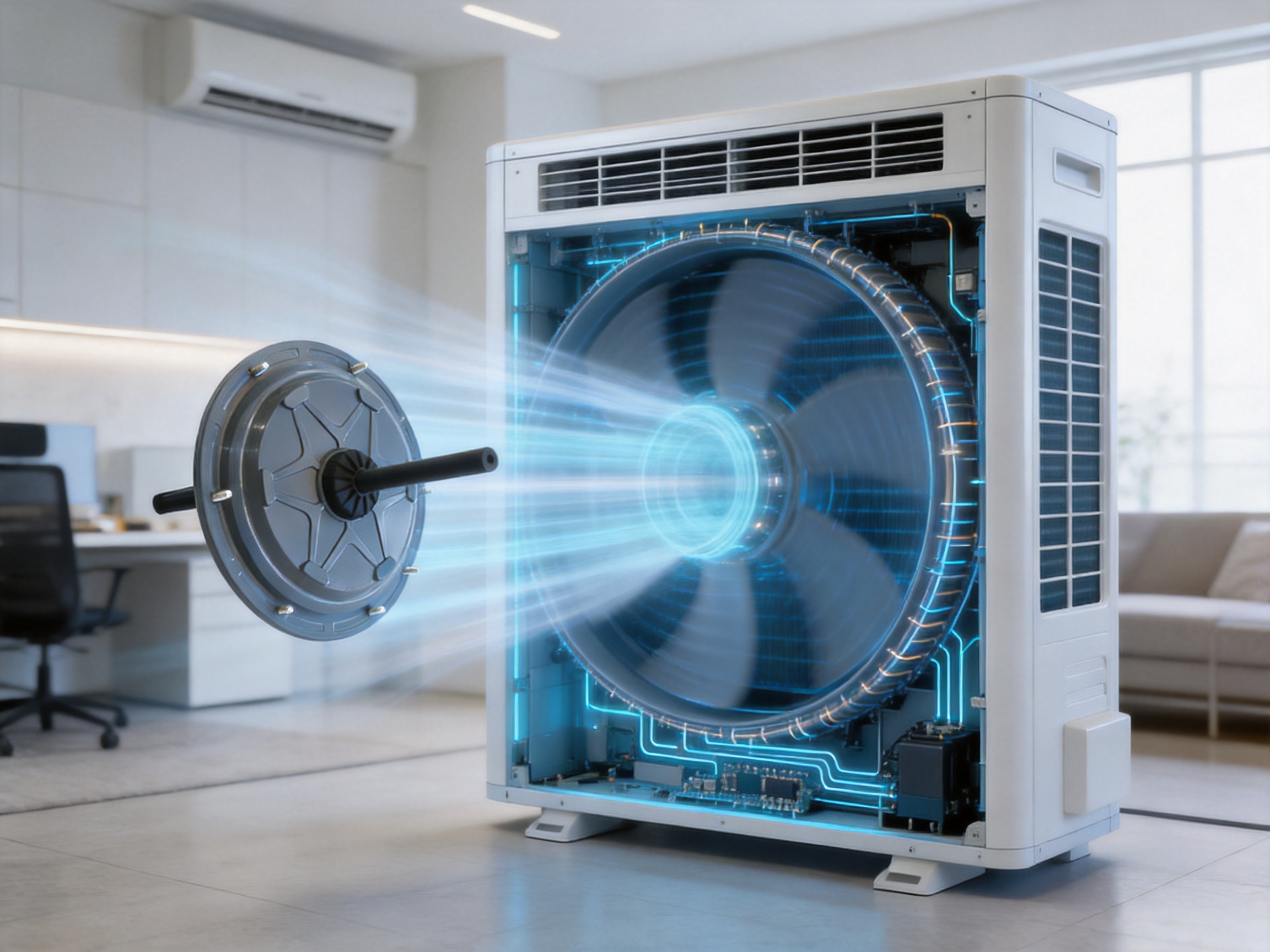
Evaporative air coolers use air movement and water evaporation to reduce perceived or actual air temperature. The motor is responsible for driving the fan or airflow assembly, making its performance central to the effectiveness of the complete product. The DC144 provides the power and controllability required for many medium-to-high-output air cooler designs.
Its 600W power rating can support strong airflow where equipment size, fan selection and system resistance are appropriately matched. The brushless design helps the air cooler operate quietly, while speed regulation allows users or control systems to select airflow levels according to comfort requirements.
In residential products, low noise and energy efficiency can influence purchasing decisions. In commercial areas, stable operation and manageable maintenance can be equally important. In industrial spaces, the motor’s protection grade, thermal insulation and continuous-duty suitability may be key factors in equipment selection.
Air cooler manufacturers should evaluate the motor with their selected fan, water distribution system, housing, filter and controller. The final performance depends on how these components work together. A correctly matched DC144 system can provide effective airflow while supporting product differentiation through quiet operation and intelligent cooling functions.
Applications in Industrial Ventilation Equipment
Ventilation equipment must often operate for long periods and maintain predictable airflow under changing conditions. The DC144 is suitable for equipment designers seeking a controllable motor for industrial ventilation, air circulation and environmental protection systems.
Industrial ventilation applications may include workshop air movement, warehouse cooling, agricultural facilities, production areas and equipment enclosures. Each application has its own requirements for airflow volume, pressure, dust exposure, operating temperature and control logic. The motor’s IP55 protection and Class F insulation provide useful design characteristics for many of these environments.
Electronic speed control can help ventilation equipment respond to different operating conditions. For example, a system may operate at lower speed during normal occupancy and increase airflow when temperature or air quality rises. This can reduce energy use and operating noise compared with systems that run continuously at maximum output.
Before selecting the motor, engineers should calculate the required airflow and static pressure, evaluate the fan curve and confirm the expected duty cycle. The 600W specification should be considered as part of this system calculation rather than as an isolated performance guarantee.
OEM and ODM Customization Support
Different air cooler manufacturers may require different electrical interfaces, mounting structures, controller arrangements and packaging formats. The DC144 supports standard installation while also allowing flexible OEM/ODM customization discussions. This gives customers the opportunity to adapt the motor to their product platform rather than redesigning the entire equipment around a rigid motor format.
OEM cooperation may involve supplying the motor according to an established customer specification. ODM cooperation may involve technical collaboration during product development, including design adaptation, performance matching and production planning. The appropriate cooperation model depends on the customer’s engineering capability, target market and project schedule.
Customization should be managed through clear technical communication. Important information includes rated voltage, power requirements, speed range, load characteristics, installation dimensions, operating environment, control method and expected annual volume. Providing complete application data at an early stage helps the manufacturer evaluate feasibility and recommend the most suitable configuration.
Customized projects should also include sample approval, testing requirements, packaging details and quality standards. A structured development process reduces the risk of misunderstanding and helps ensure that the final product performs consistently in the customer’s equipment.
System Integration Recommendations
The DC144 should be integrated with a suitable matching driver or control system. The driver must be selected according to the motor’s electrical characteristics, required speed range, control signal and protection functions. If the customer uses an existing controller, compatibility should be confirmed before mass production.
Electrical wiring should be sized according to current, voltage, cable length, ambient temperature and applicable safety requirements. Connections should be protected from moisture and mechanical damage. The equipment should include appropriate overcurrent and fault protection, and the control system should be configured to prevent operation outside the motor’s intended conditions.
Mechanical integration requires correct alignment between the motor and the fan or impeller. Rotating components should be balanced, and adequate clearance should be maintained to prevent contact during operation. Mounting structures should withstand vibration and operating loads without excessive deformation.
Airflow design should also be considered. Restrictions caused by narrow passages, clogged filters, poorly positioned grilles or unsuitable ducting can increase motor load and reduce cooling performance. Regular cleaning and inspection help preserve efficiency and prevent unnecessary stress on the motor.
Purchasing and Selection Considerations
Before purchasing the DC144, customers should confirm the required voltage and power system. The motor is specified for 220V operation and 50/60Hz frequency compatibility. The customer should also verify the local electrical standard, control method and equipment safety requirements.
The required airflow, static pressure and fan speed should be calculated based on the complete system. A 600W motor may be suitable for one air cooler design but not another if fan geometry and system resistance are different. Accurate application data allows the supplier to confirm suitability and reduce the risk of mismatched components.
The operating environment should be reviewed carefully. Dust, moisture, water spray, corrosive substances, ambient temperature and outdoor exposure can influence motor selection and enclosure design. The IP55 rating is valuable, but customers should explain the actual environmental conditions so that additional protective measures can be considered where necessary.
Customers should also evaluate supply capability, quality control, technical support, customization capacity and after-sales communication. These factors often have a greater impact on long-term project success than a small difference in unit price.
Company Expertise and Global Supply Capability
Shengzhou Jiangxin Motor Technology Co., Ltd. focuses on AC/DC motors and micro motors for customers in multiple industries. Its product applications include environmental protection equipment, industrial heating, hydraulic systems and other specialized fields. This application diversity supports broader technical knowledge and helps the company understand the different performance requirements associated with various motor types.
The company’s products are exported to more than 60 countries and regions worldwide. International supply experience requires attention to product consistency, documentation, packaging, communication, shipping coordination and customer service. It also requires awareness of different market requirements and application conditions.
Located in Zhejiang Province, the company benefits from the industrial resources of the Yangtze River Delta. The region is known for a strong manufacturing base, extensive supply chains and convenient logistics connections. These advantages can support efficient procurement of components, production planning and international order fulfillment.
The company emphasizes craftsmanship, customer-oriented service and reliable product solutions. For buyers of the DC144, this means the purchasing relationship can extend beyond a single motor transaction. Technical consultation, sample development, application matching and customized production may all form part of the cooperation process.
Environmental and Commercial Value
Energy-efficient motor technology can provide both environmental and commercial value. When an air cooler uses speed regulation to deliver only the airflow required, it can reduce electricity consumption during low-demand operation. Across a large number of units, these savings can contribute to lower operating costs and reduced energy demand.
The maintenance-free concept also reduces the consumption of replacement brushes and service materials. Longer service life can reduce the number of discarded motors and the environmental impact associated with frequent replacement. These benefits depend on proper application, maintenance of the complete equipment and operation within the specified conditions.
For manufacturers, a more efficient and reliable motor can help support product positioning in markets where customers are increasingly concerned about running costs, noise and sustainability. The DC144 provides a combination of features that can be incorporated into a broader value proposition for energy-conscious cooling and ventilation equipment.
Installation and Maintenance Best Practices
Before installation, inspect the motor for visible damage and confirm that the model, voltage and power specifications match the equipment design. Check the mounting structure, shaft or rotating interface, electrical connections and available clearance. The motor should not be installed if any component appears damaged or if the application conditions exceed the specified requirements.
During installation, use suitable fasteners and maintain correct alignment. Avoid striking the housing, shaft or bearings. Ensure that cables are secured and protected from rotating components, sharp edges, heat sources and water accumulation. Electrical work should be completed by qualified personnel in accordance with applicable regulations.
After installation, operate the system initially at a controlled speed and observe sound, vibration, current and airflow. Unusual noise, excessive vibration, overheating or unstable rotation should be investigated before continuous operation. These symptoms may indicate misalignment, imbalance, overload, incorrect wiring or a controller compatibility issue.
Routine maintenance should include cleaning the air intake, checking filters, inspecting water management components and confirming that protective covers remain secure. Electrical connections should be checked periodically, particularly in equipment exposed to vibration or moisture. Although the motor itself is designed for maintenance-free operation, the surrounding air cooler system still requires normal care.
Frequently Asked Questions
What type of motor is the DC144?
The DC144 is a 220V, 600W external rotor brushless DC motor designed primarily for evaporative air coolers, ventilation systems and related airflow equipment.
What are the main benefits of the brushless design?
The brushless design eliminates mechanical carbon brush contact. This helps reduce operating noise, vibration and wear while supporting longer service life and lower maintenance requirements. It also supports electronic speed regulation for more flexible airflow control.
Can the DC144 operate at different speeds?
Yes. The motor supports flexible and precise electronic speed regulation when used with a suitable driver or control system. The final speed range and control method depend on the selected driver and the equipment design.
Is a matching driver included?
The matching driver is optional. Customers may use a compatible existing control system or request a suitable driver solution according to their application requirements.
What does the IP55 rating mean?
IP55 indicates protection against harmful dust deposits under normal conditions and protection against water jets from any direction. It does not mean that the motor is suitable for submersion or unrestricted exposure to heavy water flow.
What is the advantage of Class F insulation?
Class F insulation provides a higher thermal insulation capability and greater thermal margin than lower insulation classes. It supports reliable operation when the motor is correctly loaded, ventilated and protected.
Is the motor suitable for outdoor air coolers?
The motor may be suitable for outdoor or semi-outdoor equipment when the complete air cooler provides appropriate protection from direct water accumulation, condensation, corrosive exposure and other environmental risks. The application should be evaluated according to actual site conditions.
Can the motor be customized?
The product supports standard installation and flexible OEM/ODM customization discussions. Customers should provide information about mounting, electrical interfaces, control requirements, operating conditions and expected production volume.
How does the DC144 compare with a conventional brushed motor?
The DC144 offers brushless operation, lower mechanical wear, reduced brush-related noise, lower routine maintenance requirements and more flexible electronic speed control. These advantages make it well suited to modern air cooler and ventilation equipment.
What equipment can use this motor?
Typical applications include evaporative air coolers, industrial ventilation equipment, air circulation systems and customized environmental protection or airflow products. Suitability should be confirmed by matching the motor with the fan, load and controller.
What information should be provided when requesting a quotation?
Customers should provide the required voltage, power, airflow, fan type, operating speed, installation dimensions, control method, operating environment, duty cycle, quantity and customization requirements. Complete information allows a more accurate technical and commercial assessment.
Does maintenance-free operation mean no maintenance is needed?
The brushless motor does not require carbon brush replacement, but the complete air cooler still needs routine maintenance. Filters, fan components, water systems, electrical connections and protective structures should be inspected and cleaned according to the equipment service schedule.
Conclusion
The DC144 220V 600W External BLDC Air Cooler Motor provides a strong combination of quiet operation, efficient power delivery, flexible speed control and long-term reliability. Its external rotor structure supports practical integration into air coolers and ventilation systems, while the brushless design eliminates carbon brush wear and creates a foundation for low-maintenance operation.
With IP55 protection, Class F insulation, 50/60Hz compatibility and an optional matching driver, the motor offers the flexibility required by modern equipment manufacturers. It can support intelligent cooling strategies, adjustable airflow, improved user comfort and reduced daily energy consumption when correctly integrated into the complete system.
The manufacturing capabilities of Shengzhou Jiangxin Motor Technology Co., Ltd. further strengthen the product’s value. Modern facilities, automated equipment, professional research and development resources, quality control systems and international supply experience support stable production and customized cooperation. These strengths make the DC144 a practical choice for air cooler manufacturers, ventilation equipment suppliers and industrial system integrators seeking dependable motor technology.
By combining BLDC efficiency with robust production capability and application-oriented service, the DC144 provides a reliable platform for the next generation of quieter, smarter and more energy-conscious cooling equipment.
References
1. IEC 60034 Series, Rotating Electrical Machines: General Performance and Rating Principles.
2. IEC 60529, Degrees of Protection Provided by Enclosures, IP Code Classification.
3. International Electrotechnical Commission, Rotating Electrical Machines: Thermal Performance and Insulation Considerations.
4. U.S. Department of Energy, Motor and Drive System Efficiency Principles.
5. Industrial Motor Design Literature, Brushless DC Motor Construction, Electronic Commutation and Speed Control.
6. Evaporative Cooling Equipment Engineering References, Airflow, Fan Selection and System Integration.
7. Manufacturing Quality Management References, Process Control, Incoming Inspection and Final Motor Testing.
Product: DC144 220V 600W External BLDC Air Cooler Motor
 Ready To Customise
Your Motor Products?

We are professional motor manufacturers, delivering powerful, stable, and efficient power cores for all industries through precision craftsmanship and innovation.
Contact Us
-
 Mobile:+86 13575536911
-
 Tel:+86 18357538240
-
 Whatsapp:+8618357538240
-
 Email:betty@dbjxmotor.com
-
 Company Address
Copyright © by Shengzhou Jiangxin Motor Technology Co., Ltd. All Rights Reserved.
Wholesale Industrial Fan Motors Manufacturers
