

 English
 русский
 Español
 عربى
عربى
No. 8, Duxiu San Road, Ganlin Town, Shengzhou City, Shaoxing City, Zhejiang Province, China

News Category
Product Category
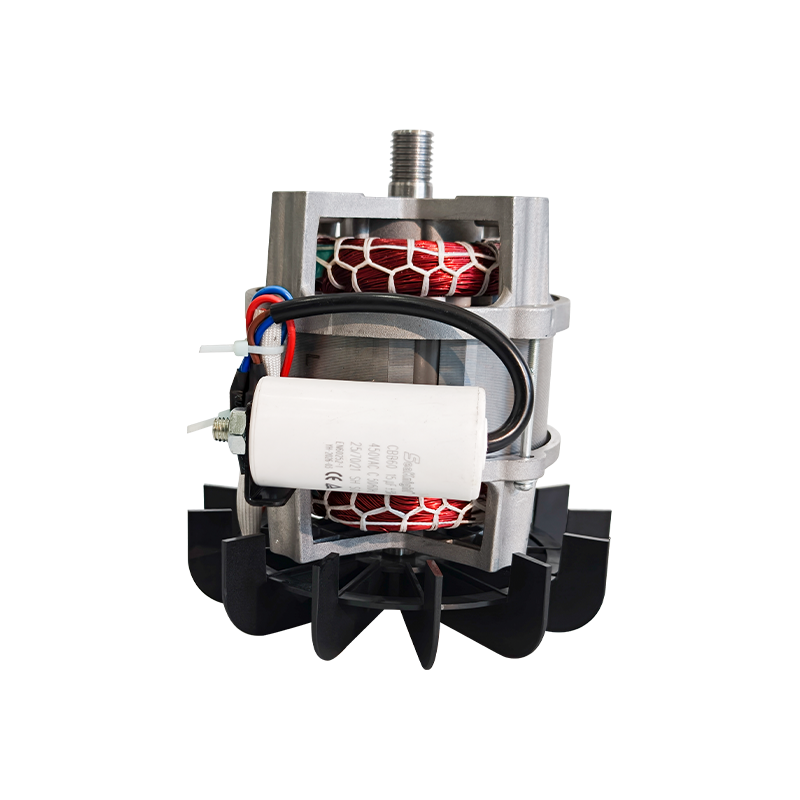
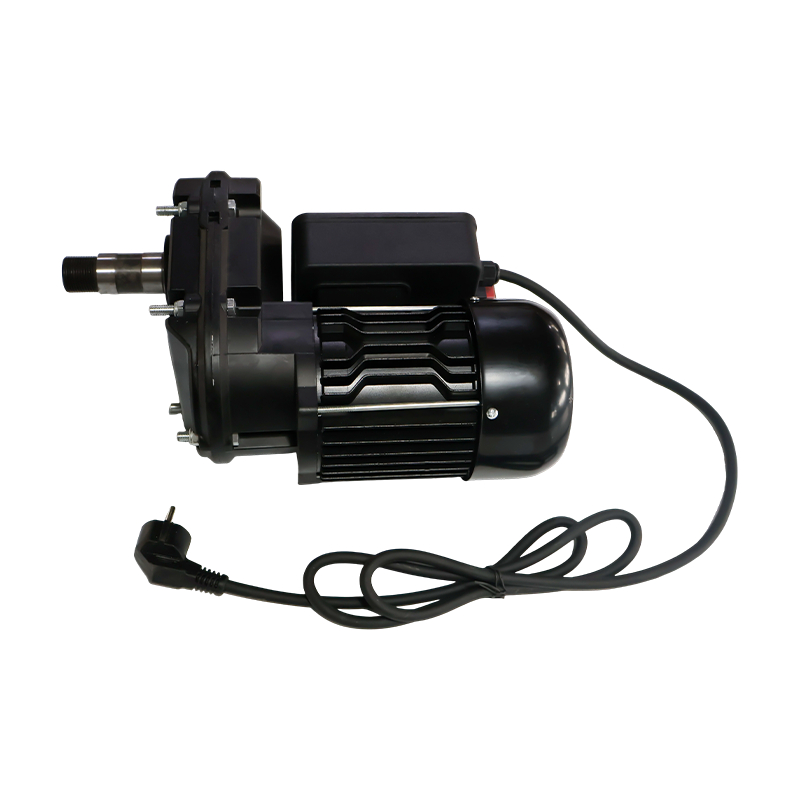
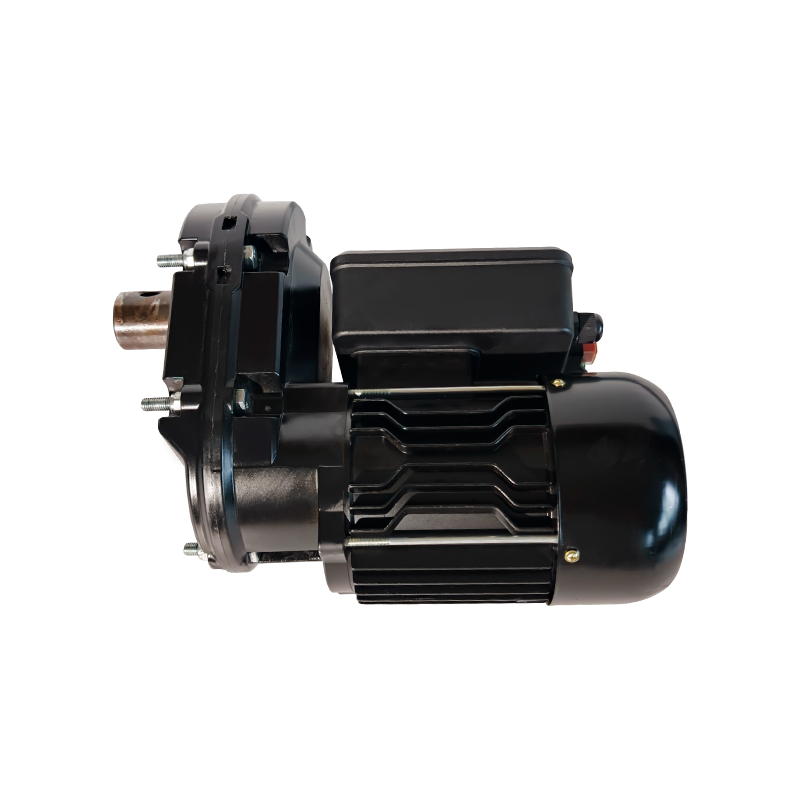
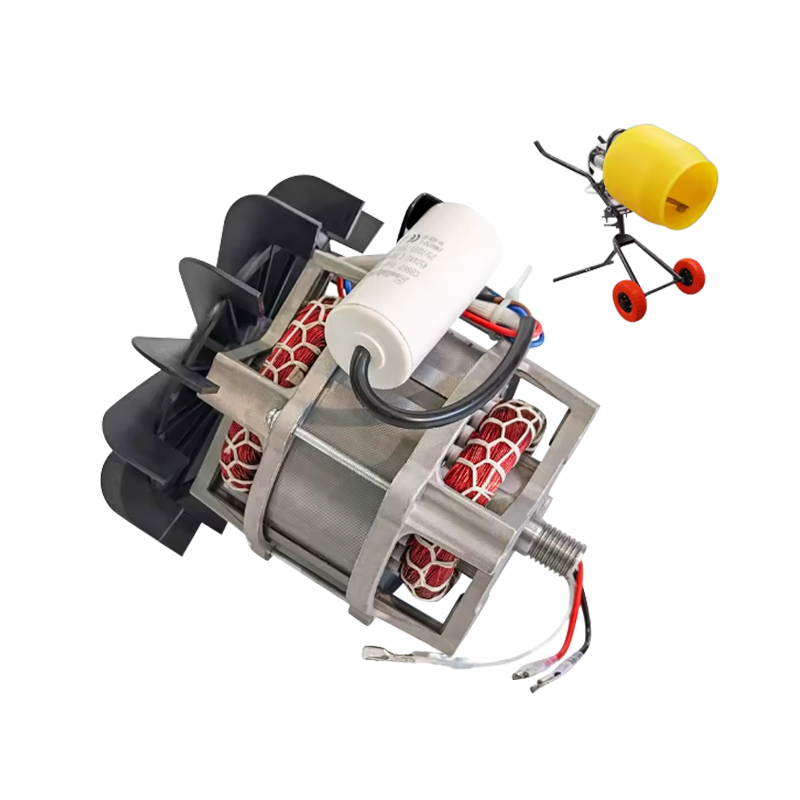
YY71-2 230V 650W Portable Concrete Mixer Motor: Performance, Reliability, and Manufacturing Excellence
Content
- 1 Product Overview
- 2 Why a Purpose-Designed Mixer Motor Matters
- 3 Full Copper Winding Construction
- 4 Compact Structure and Installation Advantages
- 5 Performance Benefits Compared with Generic Alternatives
- 6 Manufacturing Capabilities Behind the Product
- 7 Application in Portable Concrete Mixers
- 8 Operating and Maintenance Recommendations
- 9 Purchasing and Technical Evaluation
- 10 International Supply and Customer Support
- 11 Quality, Reliability, and Total Ownership Value
- 12 Frequently Asked Questions
- 12.1 What type of motor is the YY71-2?
- 12.2 What is the rated power of the motor?
- 12.3 What is the rated speed?
- 12.4 Can the motor be used with any concrete mixer?
- 12.5 Why is the full copper winding important?
- 12.6 Does the motor have low power consumption?
- 12.7 Is the YY71-2 suitable for standard single-phase power?
- 12.8 What should be checked before replacing an existing mixer motor?
- 12.9 How can the motor be protected from overheating?
- 12.10 What maintenance does the motor require?
- 12.11 Can the motor be customized?
- 12.12 What information should be sent when requesting a quotation?
- 13 Conclusion
- 14 References
- 15 Product: YY71-2 230V 650W Portable Concrete Mixer Motor
Portable concrete mixers depend on a compact, dependable, and adequately powered motor to deliver consistent mixing performance on construction sites, renovation projects, agricultural properties, and other demanding work locations. The YY71-2 230V 650W Portable Concrete Mixer Motor is designed specifically for this type of application. It combines a single-phase electrical configuration, capacitor-assisted operation, a rated speed of 2800 revolutions per minute, and full copper winding construction in a practical motor solution for small portable concrete mixers and related machinery.
Unlike general-purpose motors that may be adapted to mixer equipment after production, the YY71-2 is developed with the operating requirements of portable concrete mixers in mind. Its design emphasizes starting performance, stable running, compact installation, manageable power consumption, and straightforward maintenance. These characteristics are particularly important for equipment that is frequently transported, used intermittently, exposed to dust and vibration, and operated in locations where electrical infrastructure may be limited.
Manufactured by Shengzhou Jiangxin Motor Technology Co., Ltd., the motor reflects the company’s broader expertise in AC/DC motors, micro motors, industrial fan motors, evaporative air cooler motors, heater motors, oil pump motors, and customized motor solutions. The company combines automated production equipment, professional research and development capabilities, quality control systems, and experience serving international markets to produce motors for a wide range of commercial and industrial applications.
Product Overview
The YY71-2 is a 230V, 650W single-phase motor intended for portable concrete mixers, cement mixers, and comparable construction machinery. Its 2800 RPM rated speed provides the rotational output required by many small mixer drive systems, while its capacitor-assisted configuration supports practical single-phase operation in locations where three-phase power is unavailable or uneconomical.
| Item | Specification or Description |
|---|---|
| Model | YY71-2 |
| Rated voltage | 230V |
| Rated power | 650W |
| Motor type | Single-phase motor with capacitor |
| Rated speed | 2800 RPM |
| Winding material | Full copper winding |
| Primary application | Portable concrete mixers and cement mixers |
| Related applications | Small construction machinery and compatible material-processing equipment |
| Design priorities | Compact structure, stable performance, easy installation, and convenient maintenance |
The stated specifications provide a clear starting point for equipment designers, distributors, repair specialists, and mixer manufacturers. However, motor selection should always be confirmed against the complete machine design. Important considerations include the mixer drum size, transmission ratio, starting load, operating cycle, ambient conditions, mounting arrangement, shaft dimensions, pulley or gear configuration, and the electrical requirements of the finished machine.
When correctly matched to the mechanical system, the YY71-2 can serve as a practical drive source for small portable mixers that require reliable rotational power without the complexity of a large industrial motor. Its compact format also supports equipment designs where available installation space is limited.
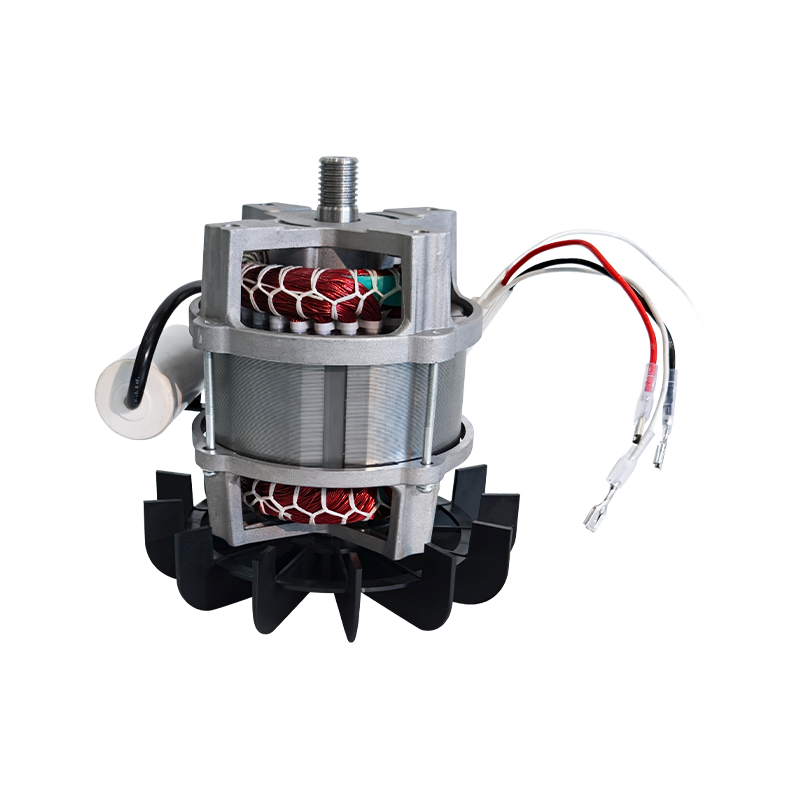
YY71-2 230V 650W Portable Concrete Mixer Motor
Why a Purpose-Designed Mixer Motor Matters
A portable concrete mixer does not operate under the same conditions as a continuously running fan, pump, or light-duty workshop appliance. The motor must accelerate a drum or mixing container, overcome the resistance of cement, sand, aggregate, and water, and continue delivering torque as the material shifts inside the drum. During operation, the load may vary significantly depending on the quantity and composition of the batch.
Startup can be especially demanding. A mixer that is started while partially loaded may require more initial torque than one started with an empty drum. The transmission system may also introduce friction, belt tension, gear resistance, or alignment-related losses. For these reasons, using a motor designed or selected specifically for concrete mixer service is preferable to choosing a motor solely on the basis of wattage.
The YY71-2 addresses this application through a combination of single-phase capacitor-assisted operation, a relatively high rated speed, copper windings, and a compact mechanical structure. These features help make it suitable for small portable equipment, where the motor must be powerful enough to perform its duty while remaining economical, serviceable, and easy to integrate.
Support for Single-Phase Power Systems
Many portable construction tools are used at residential building sites, small commercial projects, farms, workshops, and repair locations. These locations commonly provide single-phase electrical power rather than industrial three-phase power. A single-phase motor with a capacitor is therefore a practical choice for equipment intended for broad field use.
The capacitor contributes to the motor’s starting and running behavior by creating the phase relationship required for effective operation. This allows the motor to work from a standard 230V single-phase supply when connected according to the correct electrical design. It also reduces the need for an additional phase-conversion system in applications that do not otherwise require three-phase equipment.
For equipment manufacturers, single-phase compatibility can simplify product positioning and expand the number of potential users. For end users, it can make the mixer easier to deploy at a wider variety of job sites. Electrical protection, wiring, capacitor selection, grounding, and switching equipment must still be designed and installed according to applicable standards.
Power Appropriate for Small Portable Mixers
With a rated output of 650W, the YY71-2 is positioned for small portable concrete mixers and related equipment. This power level can provide a useful balance between operating capability, energy consumption, motor size, and equipment cost when the mixer’s mechanical load is within the intended range.
Power requirements should not be evaluated in isolation. The actual performance of a mixer depends on the motor’s torque characteristics, the transmission ratio, the drum geometry, the material quantity, and the operating cycle. A well-designed transmission can convert the motor’s high-speed rotation into the slower, higher-torque movement required at the mixer drum. Consequently, a 650W motor may be well suited to a compact mixer when the complete drive system is properly engineered.
Manufacturers should avoid overloading the motor by using a drum capacity or batch weight beyond the intended design. Overloading can increase current draw, heat generation, mechanical stress, belt slippage, and bearing loads. Correct application matching allows the motor to deliver its advantages while supporting longer service life.
High-Speed Motor Output and Mechanical Matching
The rated speed of 2800 RPM provides a high-speed motor output that can be adapted through pulleys, belts, gears, or other transmission components. A mixer drum generally operates at a much lower speed than the motor shaft, so reduction is normally required. The transmission must be selected to obtain the desired drum speed while maintaining sufficient torque and minimizing losses.
A high-speed motor can contribute to a compact drive arrangement because the motor itself does not need to be physically large to provide its rated output. It may also allow the use of appropriately sized pulleys and transmission components. At the same time, high-speed operation makes shaft alignment, rotor balance, bearing condition, belt tension, and protective guarding especially important.
The 2800 RPM rating should be treated as a design reference rather than an instruction to operate every mixer at that speed. The final drum speed is determined by the complete drive ratio. Equipment designers should calculate the required ratio, verify the motor’s torque and current characteristics, and ensure that the selected transmission can manage startup and operating loads.
Full Copper Winding Construction
One of the key features of the YY71-2 is its full copper winding. The winding is a central electrical component of an AC motor, and the material used in the winding affects electrical conductivity, resistance, heat generation, manufacturing consistency, and long-term operating reliability.
Copper offers high electrical conductivity and is widely used in quality motor windings. Compared with less conductive alternatives, a properly manufactured copper winding can help reduce resistive losses within the winding. Lower electrical resistance can support efficient energy conversion and reduce unnecessary heat under equivalent operating conditions, provided that the motor is correctly designed, assembled, ventilated, and loaded.
For a portable mixer motor, winding quality is especially important because the equipment may experience repeated starts, fluctuating loads, and periods of operation in warm or dusty environments. A stable winding system helps the motor handle its intended duty more consistently. It also supports the motor’s ability to maintain dependable performance over repeated work cycles.
Thermal Resistance and Operating Stability
Concrete mixer motors may be installed in environments where ventilation is less than ideal. Dust, high ambient temperatures, enclosure constraints, and nearby machinery can all affect heat dissipation. The YY71-2 is described as having high temperature resistance, an important characteristic for maintaining stable operation under normal application conditions.
Thermal performance depends on more than the copper conductor itself. Insulation materials, winding impregnation, slot filling, stator construction, rotor design, bearing quality, cooling airflow, load level, and duty cycle all contribute to the final result. A motor with a well-controlled winding process can provide more uniform electrical behavior from unit to unit and reduce the risk of localized hot spots caused by inconsistent winding placement or poor connections.
Users should still protect the motor from overload and ensure that ventilation openings are not blocked. A motor designed with temperature-resistant materials can perform reliably within its intended operating range, but no motor can compensate for persistent overloading, incorrect voltage, inadequate cooling, or improper installation.
Reduced Losses and Practical Energy Use
The product description identifies low power consumption as one of the motor’s benefits. In practical terms, energy use is influenced by the motor’s rated output, load, efficiency, power factor, operating duration, starting frequency, and transmission efficiency. The full copper winding and appropriate motor design can contribute to a more efficient conversion of electrical energy into mechanical output.
For small contractors and equipment operators, lower unnecessary electrical consumption can help reduce operating costs over time. It may also reduce the demand placed on extension cables, portable generators, and site electrical systems. This is valuable in remote or temporary work locations where supply capacity is limited.
Energy performance should be evaluated as part of the entire mixer system. A properly tensioned belt, lubricated bearing, correctly aligned shaft, and appropriately sized drum can reduce mechanical losses. Conversely, a worn transmission, excessive material load, or obstructed ventilation can increase energy demand even when the motor itself is functioning correctly.
Compact Structure and Installation Advantages
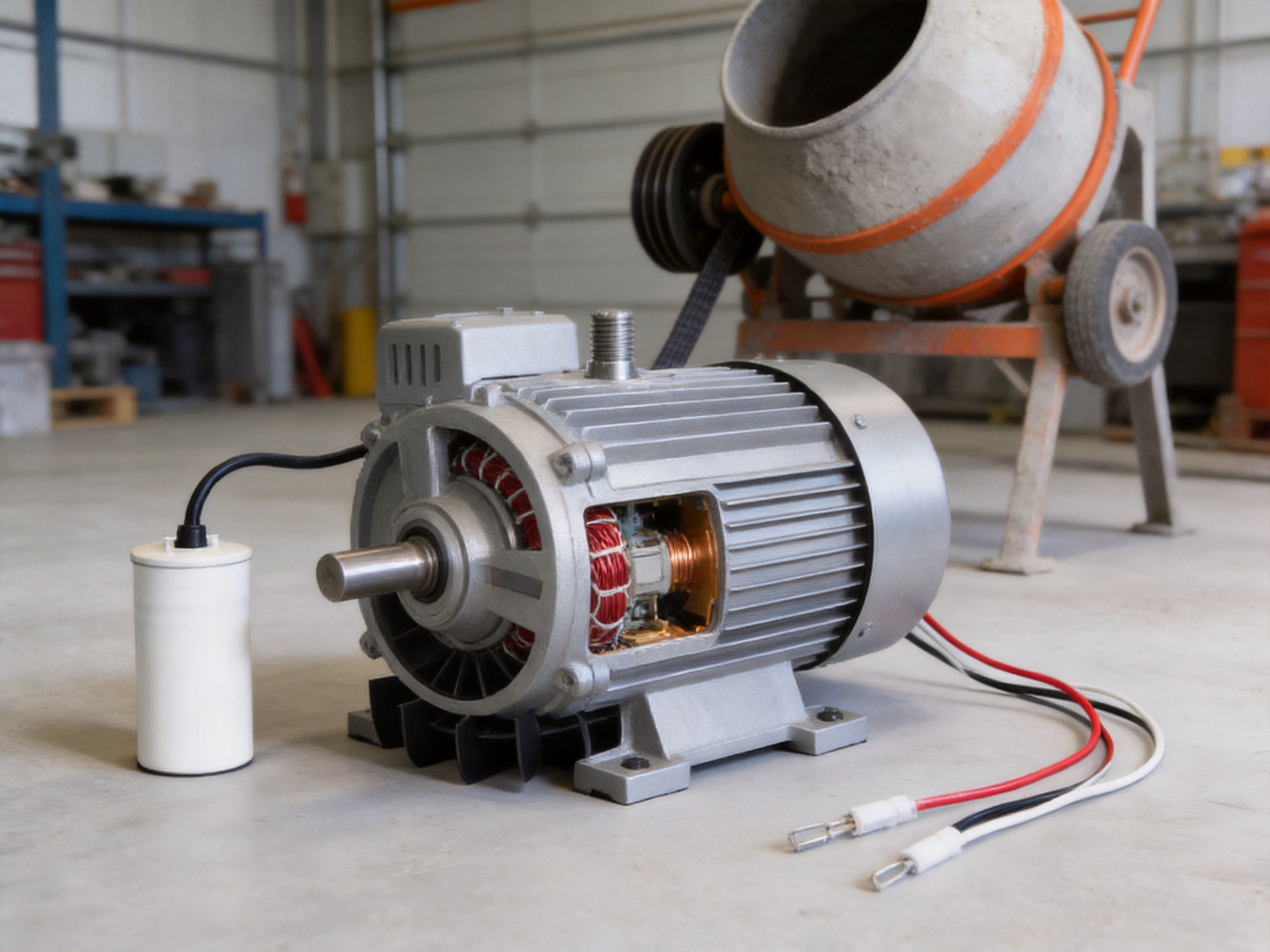
Portable equipment must be designed around transportation, storage, and rapid setup. A motor that occupies unnecessary space can make the mixer heavier, less balanced, and more difficult to service. The YY71-2 is characterized by a compact structure, making it suitable for equipment designs where the motor must fit within a restricted frame or protective housing.
Compact construction can support several practical advantages. It may allow the manufacturer to reduce the overall footprint of the mixer, improve component arrangement, and keep the center of gravity within a manageable position. It can also simplify the design of protective covers and make the motor easier to access during inspection or replacement.
Compactness must not be confused with undersizing. The motor still requires adequate clearance for ventilation, proper shaft support, and sufficient structural reinforcement. The mixer frame should be designed to prevent excessive vibration, while the motor base should maintain alignment under the forces generated during starting and operation.
Ease of Installation
The YY71-2 is designed for easy installation, an important advantage for both original equipment manufacturers and replacement-motor distributors. A motor that can be integrated efficiently helps reduce assembly time and may simplify field service. This is particularly useful for portable mixers, which may be assembled in volume or repaired under time pressure.
Installation planning should include the mounting footprint, shaft extension, shaft diameter, keyway or connection method, pulley alignment, belt clearance, terminal access, capacitor placement, grounding point, and protective enclosure. These details should be confirmed with the supplier before production or replacement to ensure compatibility with the intended mixer.
Correct mechanical alignment is essential. If pulleys are not parallel or the shaft is not properly supported, the motor may experience increased radial loads, vibration, belt wear, and bearing stress. Electrical installation is equally important. The motor should be connected using suitable conductors, switching equipment, protection devices, and grounding arrangements for the local electrical system.
Maintenance-Friendly Design
Concrete mixer equipment is often used in environments where cement dust and aggregate particles are present. Regular cleaning and inspection are therefore important. The motor’s practical structure and accessible installation arrangement can support routine maintenance, including checking the housing, cooling passages, terminals, capacitor, mounting fasteners, bearings, and transmission components.
Maintenance should begin with isolating the electrical supply and confirming that the motor cannot start unexpectedly. Operators should inspect for accumulated dust, loose fasteners, damaged cables, unusual noise, excessive vibration, burning odors, or abnormal heating. The drive belt should be checked for proper tension and wear, while pulleys and couplings should be inspected for alignment and damage.
Preventive maintenance helps identify problems before they become major failures. For example, a loose mounting bolt can create vibration that eventually damages bearings or the frame. A slipping belt can increase motor loading and heat. A blocked ventilation path can raise winding temperature. Early attention to these issues protects both the motor and the mixer.
Performance Benefits Compared with Generic Alternatives
When compared with an unspecified low-cost motor of similar nominal wattage, the YY71-2 offers several application-oriented advantages. These advantages are not based on power rating alone; they result from the relationship between the motor’s electrical configuration, winding construction, speed, physical format, and intended use.
| Performance Consideration | YY71-2 Design Benefit | Value for Mixer Applications |
|---|---|---|
| Electrical supply | 230V single-phase configuration with capacitor | Suitable for many standard site power systems and easier deployment outside three-phase facilities |
| Rated output | 650W | Appropriate for many small portable mixers when matched with the correct transmission and load |
| Rotational speed | 2800 RPM | Provides a practical high-speed drive source for reduction systems |
| Winding material | Full copper winding | Supports conductivity, stable operation, and effective thermal performance |
| Physical design | Compact structure | Helps equipment manufacturers save space and simplify integration |
| Serviceability | Easy installation and maintenance | Can reduce setup time and support more convenient inspection or replacement |
| Application focus | Designed for small portable concrete mixers and related machinery | Encourages more appropriate selection than a general-purpose motor chosen without load analysis |
A generic motor may appear attractive because of a lower purchase price, but the initial price does not represent the complete cost of ownership. Poor starting behavior, inconsistent winding quality, excessive heating, difficult mounting, or inadequate durability can lead to downtime and service expenses. A motor selected for the application can provide greater value when its performance is consistent with the operating conditions.
The YY71-2 is also advantageous where equipment needs to remain compact and easy to transport. Its single-phase configuration may remove the need for specialized power infrastructure, while its copper winding and temperature-resistant design support dependable use when the mixer is operated within its specified range.
Advantages for Equipment Manufacturers
For original equipment manufacturers, motor selection affects the entire product design. A motor with stable specifications and consistent production quality can make it easier to standardize the mixer frame, transmission, electrical controls, and replacement parts. Consistency also supports production planning and reduces the need to redesign the machine around varying motor dimensions or performance characteristics.
The YY71-2 can be incorporated into small mixer platforms intended for construction companies, rental fleets, building-material suppliers, home improvement users, and agricultural customers. Its application focus helps manufacturers develop a clear product offering rather than relying on a motor designed for an unrelated machine category.
Manufacturers should obtain complete technical drawings and test data before finalizing a design. The information provided for this product identifies the basic voltage, power, speed, winding material, and application. Production integration may additionally require mounting dimensions, shaft details, capacitor specifications, current data, insulation class, protection rating, duty cycle, noise information, and certification documentation.
Advantages for Replacement and After-Sales Service
Replacement motors must do more than fit into the available space. They need to provide compatible voltage, power, speed, shaft arrangement, mounting dimensions, and operating characteristics. A replacement with the wrong speed or torque behavior may cause belt failure, inadequate mixing, overheating, or poor equipment performance.
The YY71-2 offers a defined model identity and clearly stated primary application, which can simplify communication between distributors, repair centers, and end users. Before ordering a replacement, technicians should compare the existing motor’s nameplate and physical dimensions with the new motor’s technical documentation. They should also confirm that the mixer’s transmission ratio and drum load are suitable for the 650W, 2800 RPM motor.
Using a consistent replacement model can reduce inventory complexity for service providers that support multiple small mixer units. It may also help ensure that future repairs use a motor with known characteristics rather than an uncertain substitute.
Manufacturing Capabilities Behind the Product
Shengzhou Jiangxin Motor Technology Co., Ltd. was established in 2017 and focuses on the research, development, production, and sales of AC/DC motors and micro motors. Its product range includes evaporative air cooler motors, industrial heater motors, oil pump motors, customized motors, and other motor products used in environmental protection equipment, industrial heating, hydraulic systems, construction machinery, and related fields.
The company operates in Shengzhou, Zhejiang Province, within the industrial environment of the Yangtze River Delta. This region provides access to manufacturing resources, engineering support, component suppliers, logistics networks, and skilled technical personnel. Such an industrial base can support efficient procurement, production coordination, equipment maintenance, and international shipment.
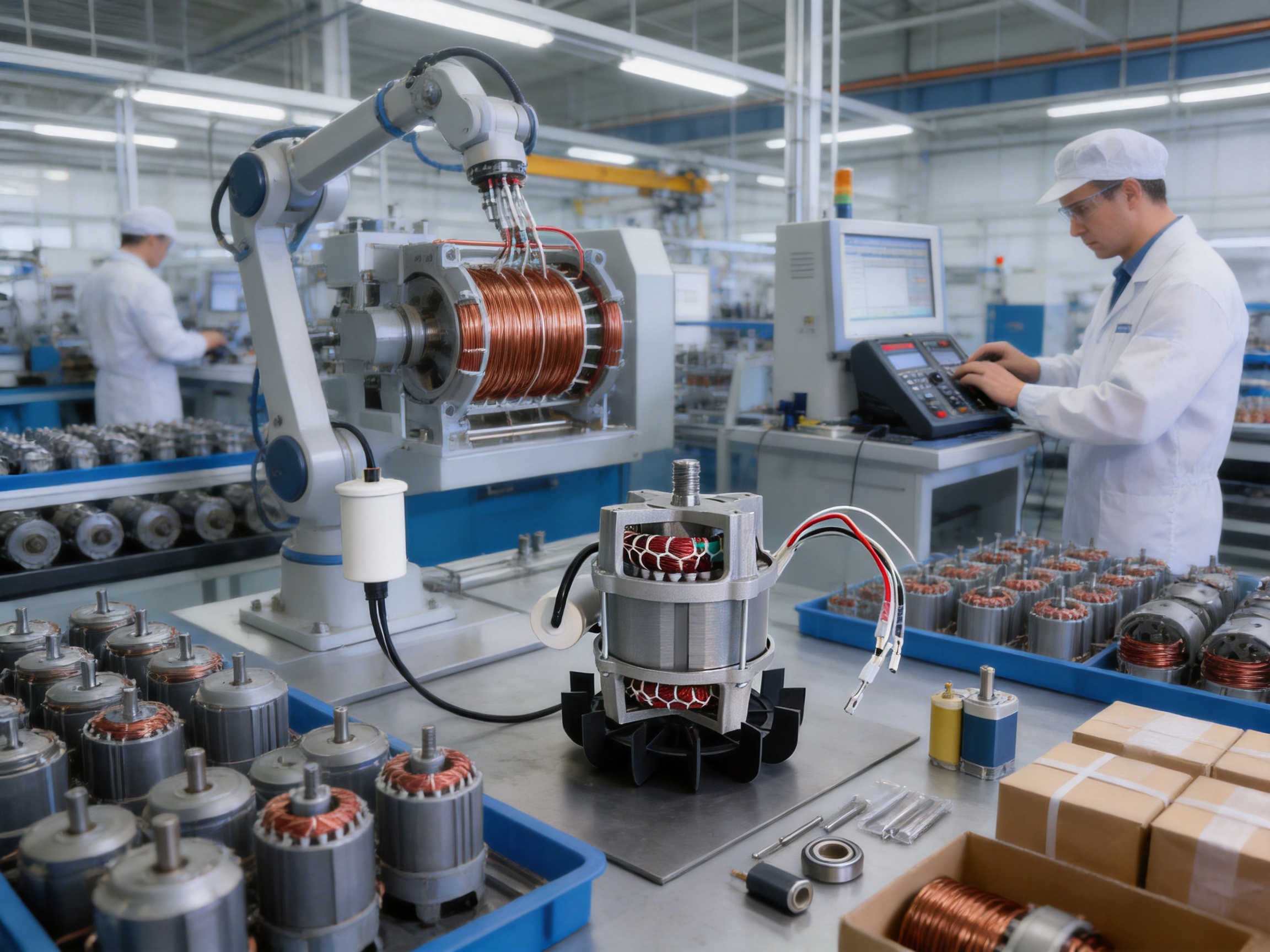
The company’s manufacturing strengths include modern production facilities, automated equipment, a professional research and development team, and strict quality control systems. These resources are important for motors because product performance depends on many manufacturing details that cannot be judged from external appearance alone.
Automated Production Equipment
Automated production equipment can improve repeatability in processes such as stator assembly, rotor handling, winding, connection, testing, and final inspection. Automation does not eliminate the need for skilled engineering and quality supervision, but it can reduce variation caused by inconsistent manual operations and provide more stable production results.
For a motor with full copper winding, process control is particularly important. The conductor must be wound with appropriate tension and placement, connections must be secure, and insulation must be protected during assembly. Automated or semi-automated equipment can help maintain consistent winding patterns and reduce the possibility of assembly defects.
Production automation can also improve output efficiency. This benefits customers that require regular supply for equipment assembly, distribution, or replacement programs. Consistent processes make it easier to organize batch production and maintain model-specific standards.
Research and Development Strength
Motor development requires the coordination of electrical, mechanical, thermal, and application engineering. A professional research and development team can evaluate how a motor performs within the actual equipment rather than treating the motor as an isolated component.
For portable mixer applications, development work may consider starting behavior, load fluctuations, vibration, heat dissipation, drive matching, installation space, and maintenance access. These considerations help create a product that is better aligned with the needs of small construction machinery.
The company’s ability to develop customized motors is also valuable for customers whose mixer designs require modified mounting dimensions, shaft arrangements, electrical specifications, or performance characteristics. Any customization should be evaluated through a formal technical process that includes application information, drawings, sample testing, and confirmation of production requirements.
Quality Control and Testing
Motor quality control should extend from incoming materials to final shipment. Copper wire, laminations, insulation materials, bearings, capacitors, housings, shafts, and other components all contribute to final performance. Quality management helps verify that materials and assembled products meet the defined requirements.
Typical motor quality checks may include visual inspection, dimensional verification, winding resistance measurement, insulation testing, no-load operation, current measurement, speed verification, noise and vibration observation, and sample-based load testing. The exact test program depends on the model, customer requirements, applicable standards, and production controls.
For the YY71-2, quality control is especially relevant to the stated characteristics of 230V operation, 650W output, 2800 RPM speed, full copper winding, stable performance, and temperature resistance. Reliable testing helps ensure that products supplied under the same model designation maintain consistent basic characteristics.
Customers purchasing motors for commercial production should request the applicable inspection records, product drawings, test standards, and certification documents required for their market. These documents support technical evaluation and help ensure that the motor is suitable for the completed machine.
Application in Portable Concrete Mixers
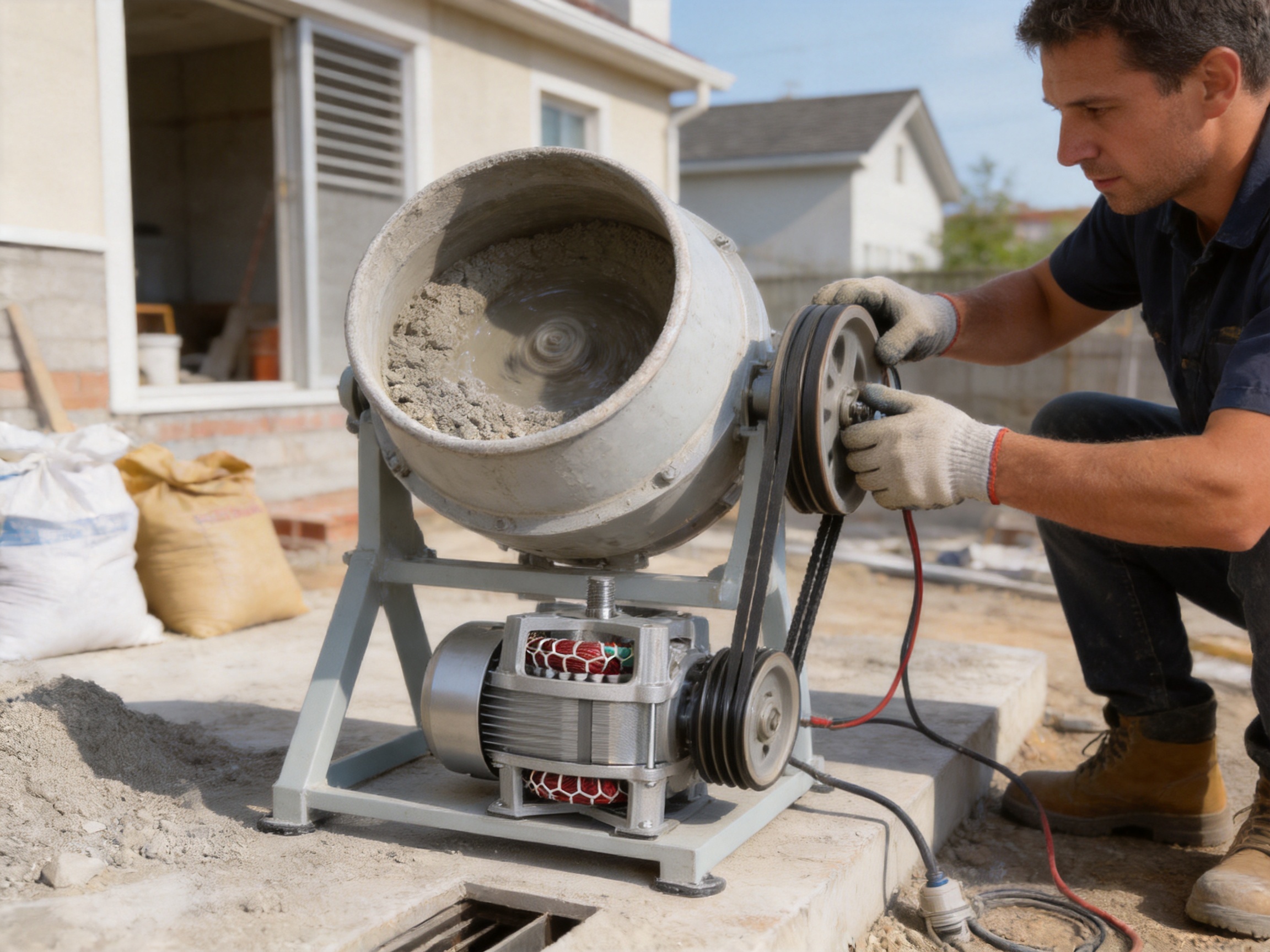
The YY71-2 is intended for small portable concrete mixers used to prepare cement-based materials close to the work area. Portable mixers are valuable because they reduce the need to transport wet concrete over long distances and allow contractors to produce batches according to project requirements.
Typical uses may include foundation repairs, small slabs, pathways, masonry work, landscaping projects, fence installation, agricultural construction, and general building maintenance. In these situations, users often need equipment that can be moved easily, connected to commonly available power, and operated without a large industrial installation.
The motor drives the mixing mechanism through a transmission system. Depending on the mixer design, this may involve a belt and pulley arrangement, chain drive, gears, or another reduction mechanism. The motor’s 2800 RPM output is normally reduced to achieve the appropriate drum or paddle speed. The selected transmission must be protected against dust and accidental contact while allowing sufficient ventilation around the motor.
Concrete and Cement Mixing Conditions
Concrete and cement mixtures can create substantial mechanical resistance. The load is not always constant because aggregate may collect in different areas of the drum and the mixture may become more difficult to move as hydration progresses. A mixer motor must therefore operate with an appropriate safety margin and should not be selected solely according to the average load.
Operators should follow the mixer manufacturer’s recommended batch capacity and loading sequence. Adding excessive material, introducing dry aggregate too quickly, or allowing hardened material to accumulate inside the drum can increase the load beyond the motor’s intended duty. Good operating practice protects the motor, transmission, drum, and supporting frame.
The motor should also be protected from direct contamination. Cement dust can enter unsuitable openings, accumulate around cooling surfaces, and contribute to electrical or mechanical problems. The final equipment should include appropriate guarding and enclosure arrangements that balance contamination protection with heat dissipation.
Construction and Renovation Sites
Construction sites can be demanding environments for electrical equipment. Motors may experience vibration during transport, temporary power connections, extension-cable voltage drops, dust, moisture, and frequent starting and stopping. These conditions make product quality and correct installation important.
The 230V rating enables use in many locations with standard single-phase supply, but the supply must remain within the acceptable voltage range for the motor. Long or undersized extension cables can cause voltage drop and reduced starting performance. Connections should be protected from water, mechanical damage, and accidental disconnection.
The mixer frame should be placed on a stable surface. Excessive frame movement can transfer additional vibration to the motor and drive system. Regular checks of mounting bolts, belt tension, and protective guards are recommended, especially when the machine is frequently moved between work areas.
Operating and Maintenance Recommendations
Correct use is essential for achieving the advantages of any motor. The following recommendations are general guidance and should be supplemented by the motor manufacturer’s technical documentation and the instructions for the completed mixer.
Before Installation
Confirm that the motor rating matches the equipment design. Verify the voltage, power, speed, mounting dimensions, shaft dimensions, transmission ratio, and capacitor arrangement. Check that the mixer’s drum capacity and expected batch load are compatible with a 650W motor.
Inspect the motor for transport damage. Check the housing, terminal area, shaft, mounting points, cooling openings, and supplied accessories. Do not install a motor with visible cracks, damaged insulation, bent shaft components, or missing protective parts until it has been evaluated by a qualified technician.
Review the electrical system before connection. The supply should include suitable overcurrent protection, an appropriate switch, proper grounding, and wiring of adequate capacity. Electrical work should be completed by personnel familiar with local regulations and motor-control practices.
During Mechanical Installation
Mount the motor on a rigid, level support. Make sure that the mounting bolts are properly tightened and that the motor cannot shift during starting or operation. Align the motor shaft and driven shaft carefully. For belt-driven systems, the pulleys should be parallel and located in the same plane.
Set belt tension according to the mixer manufacturer’s recommendation. A belt that is too loose may slip and generate heat, while a belt that is too tight can impose excessive radial load on the motor bearings. If a gear or chain system is used, ensure correct engagement, lubrication, guarding, and alignment.
Allow enough space around the motor for cooling and maintenance. Do not place combustible materials against the housing or block ventilation passages with protective covers. Any enclosure used in the final machine should be designed to provide the required level of protection without creating excessive heat accumulation.
During Operation
Start the mixer according to the equipment instructions. If the machine is not intended for loaded starting, allow the drum or mixing mechanism to reach stable operation before adding material. Avoid repeated rapid starts and stops unless the motor and control system are specifically designed for that duty.
Observe the motor during operation. Unusual noise, strong vibration, repeated tripping of protection devices, abnormal heating, burning odor, or reduced mixing performance may indicate an electrical, mechanical, or load-related problem. Stop the equipment and investigate rather than continuing to operate under suspicious conditions.
Do not exceed the recommended material capacity. If the mixer frequently stalls or struggles to start, inspect the load, transmission, bearings, drum condition, voltage supply, and motor connection. Replacing the motor with a higher-rated unit without checking the frame and transmission may create new safety and compatibility problems.
After Operation
Disconnect the power supply before cleaning or servicing. Remove cement residue from the drum and surrounding frame according to the equipment manufacturer’s procedures. Prevent water from entering the motor housing, terminal box, capacitor area, or other electrical components.
Inspect the motor and transmission for cement dust buildup. Check the cable, switch, guards, fasteners, pulleys, belt, and mounting brackets. A regular inspection schedule is especially important for rental equipment and machines used in harsh conditions.
Purchasing and Technical Evaluation
When purchasing the YY71-2 for a new mixer or replacement application, buyers should provide complete information about the intended machine. This helps the supplier confirm whether the motor is appropriate and identify any required customization.
| Information to Confirm | Reason for Evaluation |
|---|---|
| Supply voltage and frequency | Ensures compatibility with the local electrical system |
| Required motor power | Confirms that the motor can support the intended mechanical load |
| Drum capacity and batch weight | Helps determine starting and continuous load requirements |
| Target drum speed | Allows correct selection of pulleys, gears, or other reduction components |
| Mounting dimensions | Ensures that the motor fits the equipment frame |
| Shaft size and extension | Confirms mechanical connection compatibility |
| Duty cycle | Helps evaluate heating and operating endurance requirements |
| Ambient conditions | Supports decisions regarding protection, cooling, and materials |
| Required certifications | Ensures compliance with destination-market and customer requirements |
For replacement orders, buyers should provide photographs or drawings of the original motor, nameplate information, and the mixer’s mechanical connection details. A product alias or model number alone may not be sufficient when several motor variants use similar designations.
For original equipment projects, a technical discussion with the supplier can help determine whether the standard YY71-2 meets the application or whether a customized version is required. Important customization topics may include mounting structure, shaft configuration, lead-wire length, terminal arrangement, capacitor placement, protection requirements, and packaging.
International Supply and Customer Support
Shengzhou Jiangxin Motor Technology Co., Ltd. serves customers in international markets, with products exported to more than 60 countries and regions. International experience can be valuable for customers who require coordinated communication, export packaging, documentation, production scheduling, and after-sales support.
For overseas buyers, a dependable supply relationship includes more than product availability. It also involves clear technical communication, stable model identification, consistent production quality, appropriate packaging, shipment coordination, and responsiveness when application questions arise.
The company’s range of AC/DC motors and customized motor products allows it to support customers with more than one equipment category. A buyer that manufactures portable concrete mixers, air coolers, industrial fans, heating equipment, or hydraulic machinery may be able to coordinate motor sourcing through one experienced supplier.
Customer-oriented service is particularly important when motors are integrated into finished machines. The supplier and equipment manufacturer need to communicate about mechanical interfaces, electrical requirements, testing, sample approval, production quantities, and quality expectations. Early technical coordination can prevent costly modifications later in the project.
Quality, Reliability, and Total Ownership Value
The value of a mixer motor should be considered over its full service life rather than only by its purchase price. A reliable motor can reduce unexpected downtime, protect production schedules, and lower the frequency of emergency repairs. It may also simplify spare-parts management when the same model is used across a standardized equipment range.
The YY71-2 supports total ownership value through its application-focused design, full copper winding, compact structure, easy installation, and maintenance-friendly characteristics. Its 230V single-phase configuration may reduce infrastructure requirements, while its 650W rating can provide a practical solution for small portable mixers when properly matched to the mechanical load.
Reliability is the result of both product quality and operating discipline. Even a well-manufactured motor can fail prematurely if the mixer is overloaded, ventilation is blocked, the voltage is incorrect, the belt is misaligned, or cement contamination is allowed to accumulate. Conversely, correct application, proper protection, and regular inspection can help the motor deliver consistent service.
For equipment manufacturers, the motor should be evaluated together with the complete machine. A reliable drive system includes a suitable motor, correctly sized transmission, robust frame, appropriate electrical protection, effective guarding, and clear user instructions. The YY71-2 can be a strong component within this system when these elements are designed together.
Frequently Asked Questions
What type of motor is the YY71-2?
The YY71-2 is a single-phase motor with a capacitor. It is rated for 230V operation and is designed primarily for small portable concrete mixers, cement mixers, and related construction machinery.
What is the rated power of the motor?
The rated power is 650W. This rating is intended for applications where the mixer capacity, transmission system, and operating conditions are appropriately matched to the motor.
What is the rated speed?
The rated speed is 2800 RPM. Because portable mixer drums generally operate at a lower speed, the final equipment normally uses a belt, pulley, gear, chain, or other reduction arrangement to achieve the required drum speed and torque.
Can the motor be used with any concrete mixer?
No. The motor should be selected according to the mixer’s drum capacity, batch weight, starting load, transmission ratio, mounting arrangement, shaft dimensions, duty cycle, and electrical system. The YY71-2 is intended for small portable mixers and should not be used beyond its designed application without technical confirmation.
Why is the full copper winding important?
Full copper winding provides high electrical conductivity and can support stable motor performance and effective thermal behavior when the motor is correctly designed and operated. Winding quality also depends on insulation, assembly precision, connection quality, and manufacturing controls.
Does the motor have low power consumption?
The product is described as having low power consumption. Actual energy use depends on the load, operating time, voltage, power factor, motor efficiency, starting frequency, and mechanical transmission. Correct loading and regular maintenance help prevent unnecessary energy consumption.
Is the YY71-2 suitable for standard single-phase power?
The motor is rated at 230V and uses a single-phase capacitor-assisted configuration, making it suitable for many standard single-phase power systems. The actual electrical connection must follow the motor documentation and local safety requirements.
What should be checked before replacing an existing mixer motor?
Check the original motor’s voltage, power, speed, mounting dimensions, shaft dimensions, capacitor arrangement, rotation direction, transmission ratio, and duty cycle. Also confirm that the mixer’s drum capacity and mechanical condition are suitable for the replacement motor.
How can the motor be protected from overheating?
Use the correct voltage, avoid overloading the mixer, maintain proper ventilation, keep cooling openings clean, check belt tension, ensure correct shaft alignment, and use suitable electrical protection. Persistent overheating should be investigated by a qualified technician.
What maintenance does the motor require?
Routine maintenance may include checking the housing, cooling passages, electrical terminals, cables, mounting bolts, capacitor, bearings, pulleys, belt, and protective guards. Always isolate the power supply before inspection or service, and prevent water or cleaning fluids from entering electrical components.
Can the motor be customized?
Shengzhou Jiangxin Motor Technology Co., Ltd. provides customized motor solutions. Possible customization requirements should be discussed in advance and may involve mounting dimensions, shaft configuration, electrical connections, lead wires, capacitor arrangement, packaging, or other application-specific details.
What information should be sent when requesting a quotation?
Buyers should provide the required quantity, destination market, supply voltage and frequency, mixer model, drum capacity, motor mounting information, shaft dimensions, desired delivery schedule, packaging requirements, and any necessary certifications or inspection documents.
Conclusion
The YY71-2 230V 650W Portable Concrete Mixer Motor is a practical motor solution for small portable concrete mixers and related construction machinery. Its single-phase capacitor-assisted design supports convenient use with many common power systems, while the 2800 RPM rated speed provides a suitable high-speed source for properly engineered reduction drives.
Its full copper winding, high temperature resistance, compact structure, stable performance, low power consumption, easy installation, and maintenance-friendly design address many of the challenges associated with portable mixer operation. These features can give it an advantage over generic motors that are not selected with the mechanical and environmental demands of concrete mixing in mind.
The motor’s performance also reflects the capabilities of its manufacturer. Shengzhou Jiangxin Motor Technology Co., Ltd. combines research and development, automated production equipment, modern manufacturing facilities, quality control, and international supply experience. This combination supports customers seeking reliable AC/DC motor products, micro motors, industrial motors, and customized solutions.
For the best results, the YY71-2 should be integrated into a complete, properly engineered mixer system. Correct load matching, transmission design, electrical protection, ventilation, installation, and maintenance are essential. When these factors are addressed, the motor can provide a dependable and efficient drive solution for small-scale concrete mixing applications in construction, renovation, agriculture, and general building work.
References
1. Product specification information for the YY71-2 230V 650W Portable Concrete Mixer Motor, including rated voltage, rated power, rated speed, motor configuration, winding material, and intended applications.
2. Shengzhou Jiangxin Motor Technology Co., Ltd. company information concerning AC/DC motor research and development, manufacturing facilities, automated equipment, quality systems, product categories, and international markets.
3. General principles of single-phase AC motor operation and capacitor-assisted starting and running configurations.
4. General engineering practices for concrete mixer drive selection, transmission reduction, mechanical alignment, and load matching.
5. General maintenance practices for electric motors used in dusty construction and material-processing environments.
6. General electrical safety principles for low-voltage motor installation, grounding, overcurrent protection, isolation, and equipment guarding.
Product: YY71-2 230V 650W Portable Concrete Mixer Motor
 Ready To Customise
 Your Motor Products?

We are professional motor manufacturers, delivering powerful, stable, and efficient power cores for all industries through precision craftsmanship and innovation.
Contact Us
-
 Mobile:+86 13575536911
-
 Tel:+86 18357538240
-
 Whatsapp:+8618357538240
-
 Email:betty@dbjxmotor.com
-
 Company Address
Copyright © by Shengzhou Jiangxin Motor Technology Co., Ltd. All Rights Reserved.
Wholesale Industrial Fan Motors Manufacturers
