

 English
 русский
 Español
 عربى
عربى
No. 8, Duxiu San Road, Ganlin Town, Shengzhou City, Shaoxing City, Zhejiang Province, China

News Category
Product Category
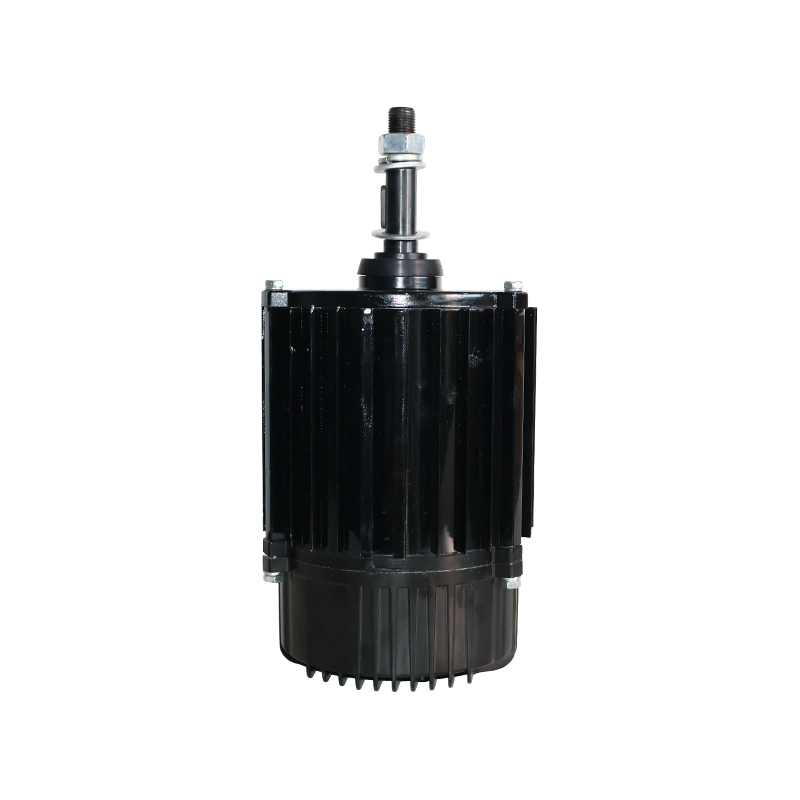
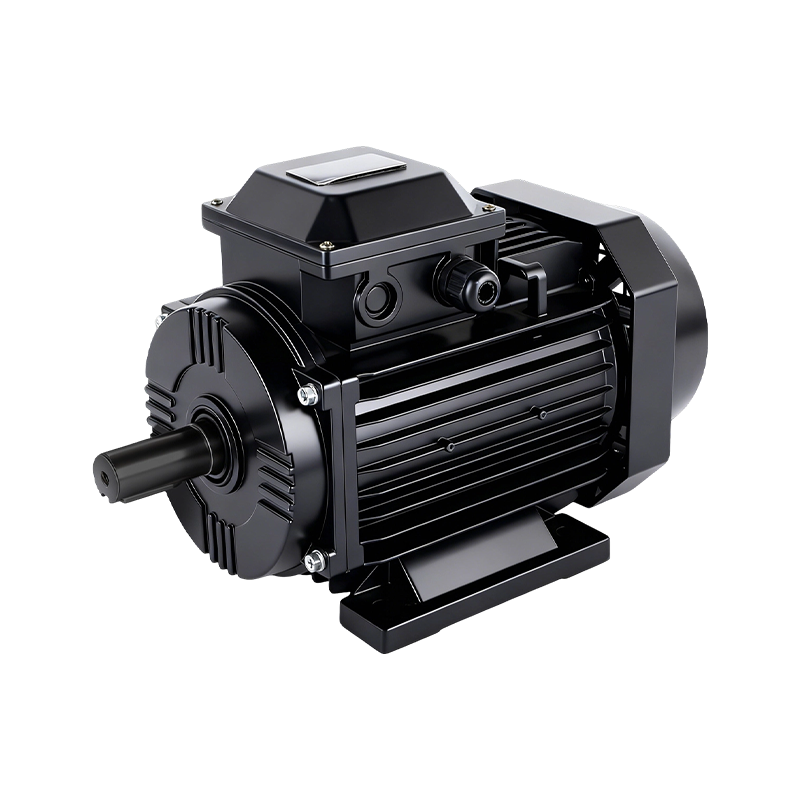
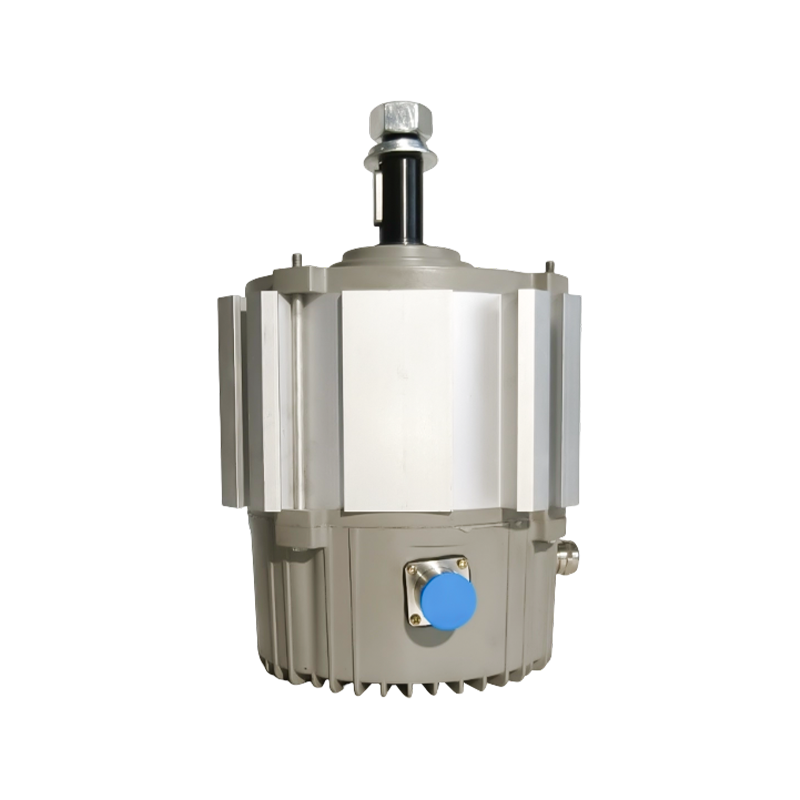
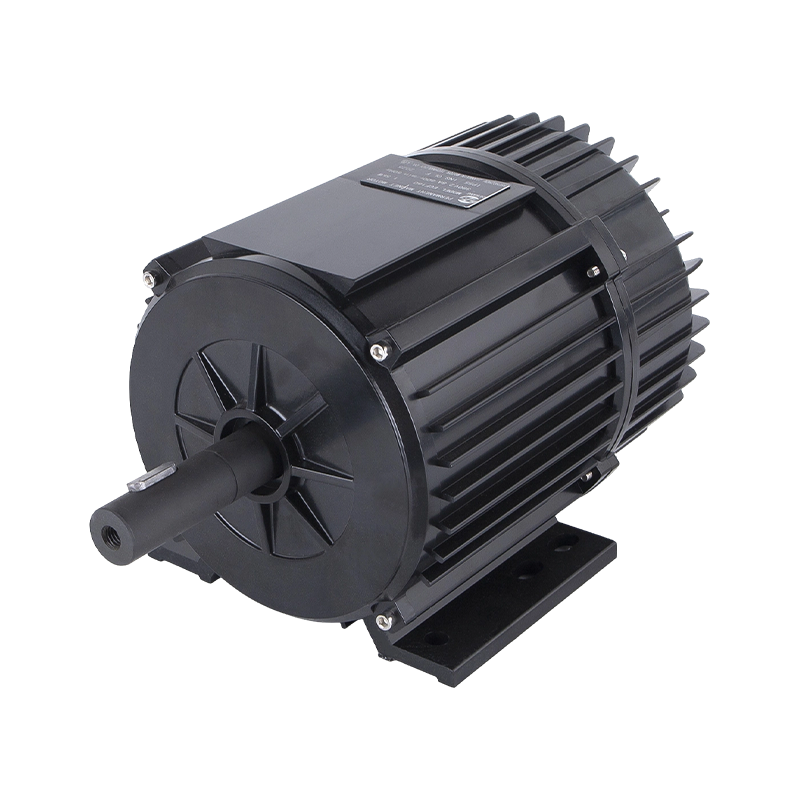
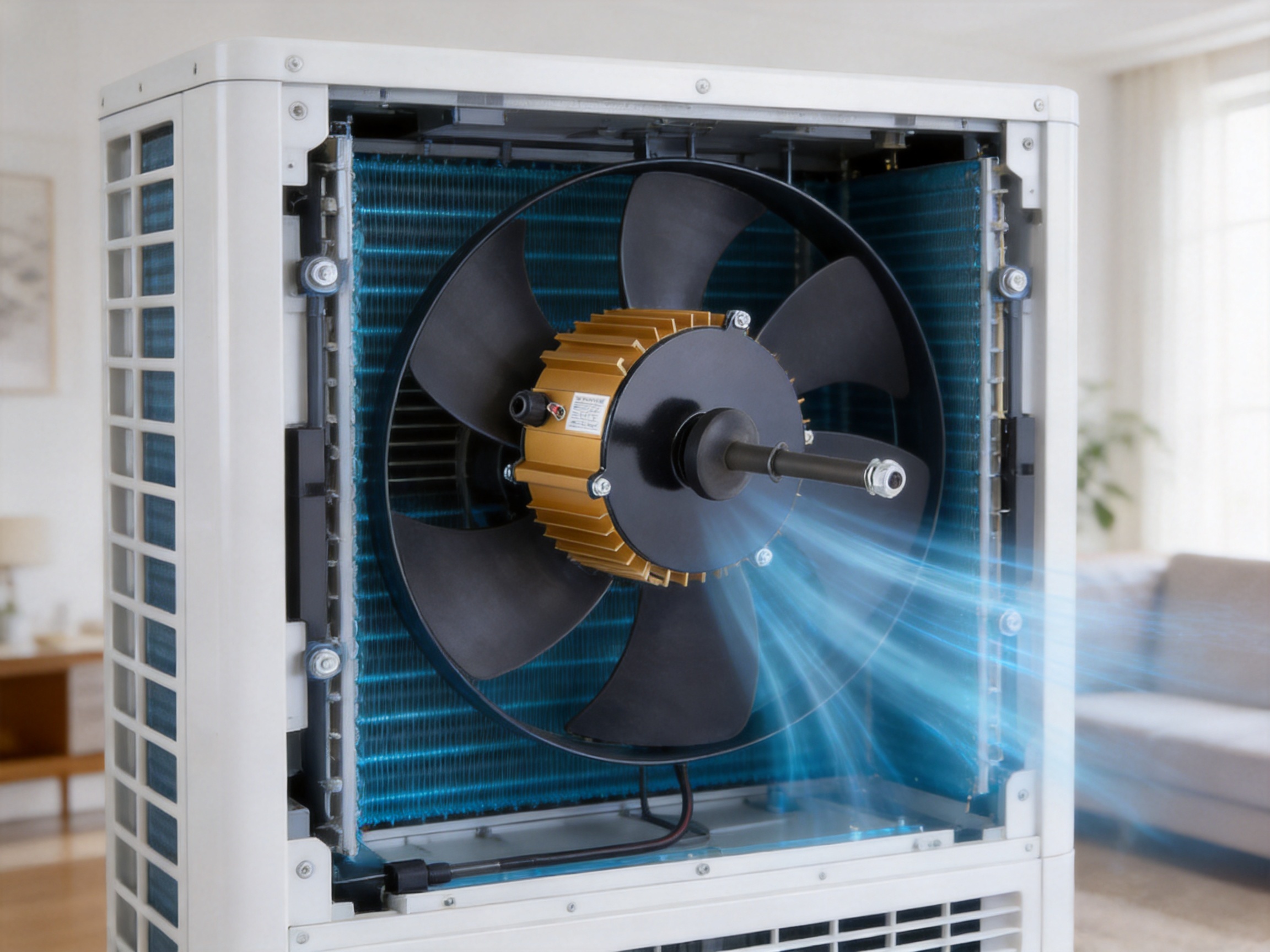
ECF-350-10 220V 350W EC Fan Motor: Efficient Drive Technology for Evaporative Air Coolers
Content
- 1 Product Overview
- 2 How EC Motor Technology Improves Air Cooler Performance
- 3 Key Advantages Compared with Conventional Fan Motors
- 4 Application in Evaporative Air Coolers
- 5 Engineering Considerations for Product Integration
- 6 Manufacturing Strengths and Production Capabilities
- 7 Why Choose the ECF-350-10 for Competitive Air Cooler Products?
- 8 Recommended Quality and Validation Process
- 9 Installation and Operating Recommendations
- 10 Business Value for Global Equipment Manufacturers
- 11 Frequently Asked Questions
- 11.1 What is the rated power of the ECF-350-10 motor?
- 11.2 What voltage does the motor use?
- 11.3 What is an EC fan motor?
- 11.4 What is the main application of this motor?
- 11.5 How efficient is the ECF-350-10?
- 11.6 Can the motor reduce electricity consumption?
- 11.7 Does the motor require brush replacement?
- 11.8 How long can the motor operate?
- 11.9 Is the motor quiet?
- 11.10 Can the motor be customized?
- 11.11 What should be checked before ordering?
- 11.12 Where is the motor manufactured?
- 12 Conclusion
- 13 References
- 14 Product: ECF-350-10 220V 350W EC Fan Motor
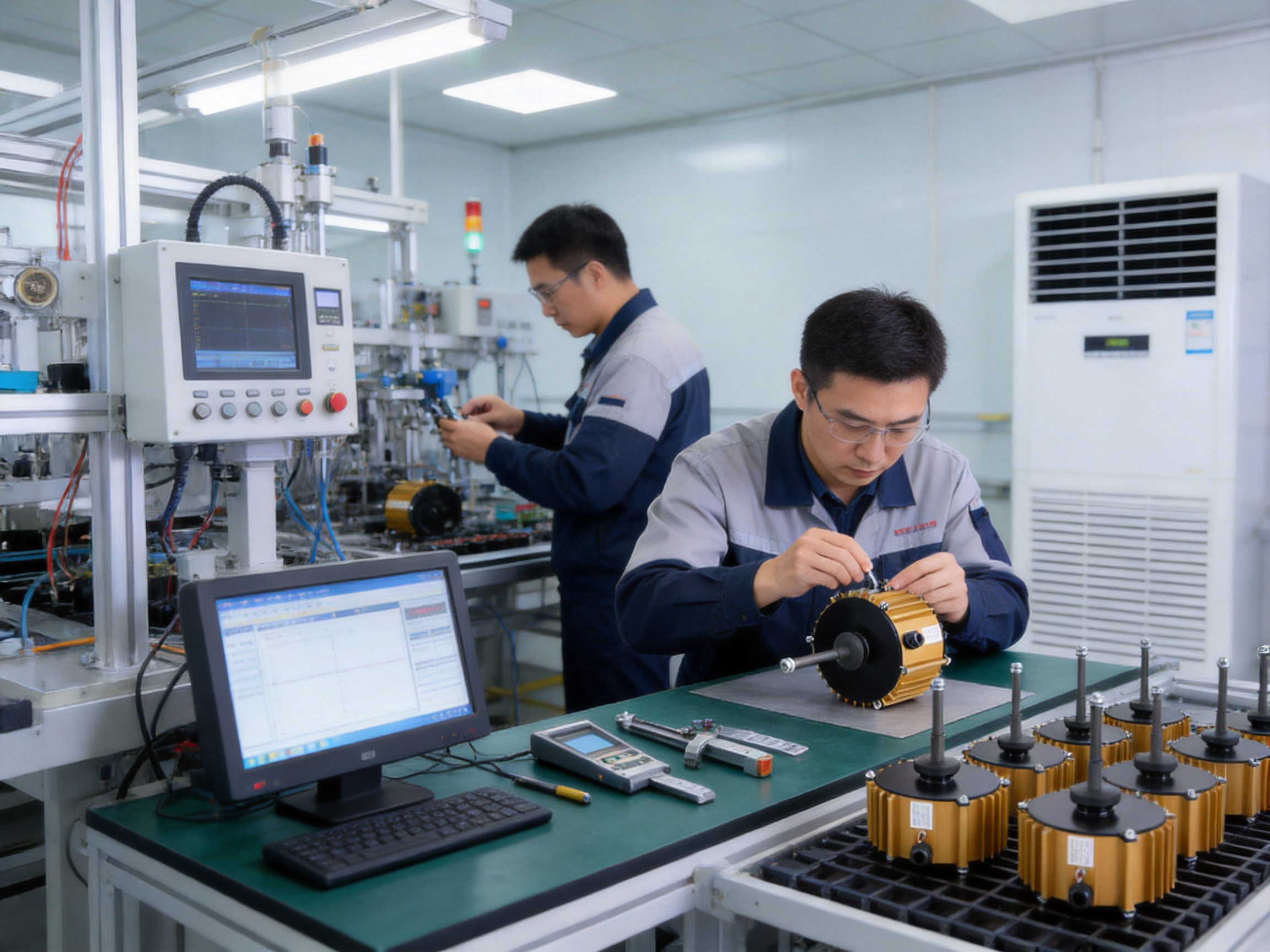
Modern evaporative air coolers require more than a motor that simply rotates a fan. They need a drive system that can provide dependable airflow, stable operation, low energy consumption, quiet performance and long service life. The ECF-350-10 220V 350W EC Fan Motor is designed to meet these requirements through electronically commutated motor technology, brushless construction and optimized operation across a wide range of working conditions.
With a rated voltage of 220V and rated power of 350W, this EC fan motor is suitable for evaporative air cooler systems and other air-moving equipment that require efficient and reliable fan drive performance. Its electronically controlled operating principle allows the motor to achieve high efficiency at different speeds, while its brushless BLDC structure reduces mechanical wear and maintenance requirements.
The motor is manufactured by Shengzhou Jiangxin Motor Technology Co., Ltd., a professional AC/DC motor and micro motor producer based in Zhejiang, China. Since its establishment in 2017, the company has focused on research and development, production and sales of motors for air-cooling, heating, hydraulic and other industrial applications. Its production capabilities, automated equipment, engineering resources and quality control systems support the consistent manufacture of motors for customers in more than 60 countries and regions.
Product Overview
The ECF-350-10 is a 220V, 350W EC fan motor developed primarily for evaporative air coolers. The motor combines the advantages of electronically commutated control with a permanent-magnet rotor and brushless design. This combination enables efficient conversion of electrical energy into mechanical output while reducing the losses associated with traditional motor structures.
Unlike a basic fixed-speed AC motor, an EC motor can be controlled electronically to match the motor output with the actual airflow requirement. This is important in evaporative cooling equipment because the fan does not always need to run at full capacity. During mild weather, nighttime operation, low-occupancy periods or partial-load cooling, the motor can operate at a lower speed and reduce electricity consumption.
The ECF-350-10 is also designed for applications where noise and vibration must be controlled. Evaporative air coolers are frequently installed in homes, workshops, warehouses, commercial facilities and other occupied areas. A motor that produces excessive mechanical noise can negatively affect the user experience. The brushless design and optimized rotor and winding engineering help create a smoother operating profile.
| Product Item | Specification or Feature |
|---|---|
| Model | ECF-350-10 |
| Motor Type | EC fan motor / electronically commutated BLDC motor |
| Rated Voltage | 220V |
| Rated Power | 350W |
| Primary Application | Evaporative air coolers |
| Efficiency | Up to approximately 85%–95% across operating speeds |
| Construction | Brushless design with electronically controlled commutation |
| Expected Service Life | Approximately 30,000–50,000 operating hours, depending on conditions |
| Maintenance Profile | Low maintenance and no brush replacement |
Actual performance can vary according to the fan blade, system resistance, ambient temperature, installation method, control parameters, bearing conditions and operating duty. Customers should confirm detailed mechanical dimensions, wiring, control interface, rotational direction and environmental requirements before final integration.
How EC Motor Technology Improves Air Cooler Performance
Electronically Commutated Operation
An EC motor uses electronic control instead of mechanical brushes and a commutator to switch the current in the stator windings. The electronic controller determines the appropriate energizing sequence and maintains the rotating magnetic field required to drive the permanent-magnet rotor.
This operating principle provides several important advantages. The motor can be controlled more precisely, the switching process is not subject to brush wear, and the electrical input can be adjusted more effectively to the required mechanical output. The result is a drive system that is better suited to variable-speed fan applications than many conventional fixed-speed motor designs.
In an evaporative air cooler, airflow demand can change throughout the day. A conventional motor may continue to consume a relatively high amount of power even when the required airflow is lower. By contrast, an EC motor can be integrated with a speed controller or system control strategy to provide the required airflow with less unnecessary energy consumption.
Permanent-Magnet Rotor and Brushless Construction
The brushless BLDC structure eliminates the physical contact between brushes and a mechanical commutator. In traditional brushed motors, these components gradually wear and may generate electrical arcing, carbon dust and additional friction. Brush replacement can eventually become necessary, particularly in applications that run for long periods.
The ECF-350-10 avoids this maintenance issue through electronic commutation. The absence of brushes reduces one of the common wear points in motor construction. It also supports a cleaner and more stable operating environment, which is useful for equipment installed in commercial or industrial spaces.
A permanent-magnet rotor contributes to efficient torque production. Because the rotor magnetic field is produced without requiring the same type of electrical excitation losses found in certain traditional motor arrangements, the system can achieve a higher proportion of useful output from the supplied electricity.
Variable-Speed Efficiency
The stated efficiency range of approximately 85%–95% across operating speeds reflects the motor’s suitability for partial-load operation. In practical terms, the motor is not limited to efficient performance only when running at its maximum rated condition. It can continue to provide useful efficiency when the fan system is adjusted to a lower speed.
This characteristic is particularly valuable in evaporative cooling equipment. Cooling demand is influenced by outdoor temperature, humidity, building occupancy, airflow requirements and user preferences. A variable-speed motor allows the cooler manufacturer to design more flexible operating modes, including low, medium, high and automatic airflow settings.
Energy savings will depend on the complete system and control method. However, the use of an EC motor can reduce the amount of electricity consumed compared with conventional AC motor solutions, especially when the cooler frequently operates below full speed. The available product information indicates potential power savings of approximately 30%–70% compared with conventional AC motors, depending on operating conditions and system design.
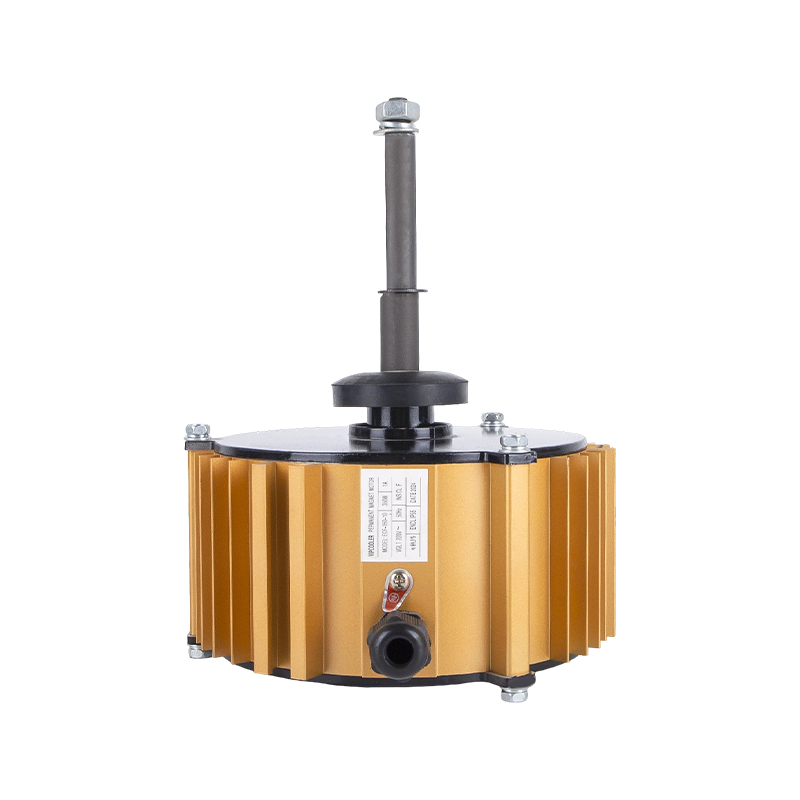
ECF-350-10 220V 350W EC Fan Motor
Key Advantages Compared with Conventional Fan Motors
Lower Energy Consumption
Energy efficiency is one of the principal reasons manufacturers select EC motor technology. Conventional AC motors can perform reliably, but their efficiency may decrease when they operate away from their optimum load point. If a fan system uses mechanical throttling or inefficient speed control to reduce airflow, some of the input energy may be wasted.
The ECF-350-10 is designed to align motor output more closely with actual airflow demand. Electronic control can reduce the speed and power input when full airflow is unnecessary. Over a long operating season, this can produce meaningful reductions in electricity consumption.
Lower power consumption also benefits the rest of the cooling system. Reduced electrical input can decrease heat generation within the motor and may reduce the cooling burden on electrical components. For equipment manufacturers, energy-efficient motor selection can support the development of products with improved operating economy and stronger market appeal.
Quiet Operation
Noise is an important consideration for air coolers used in bedrooms, offices, stores, workshops, schools and other occupied spaces. Motor noise can originate from electromagnetic forces, bearing operation, rotor imbalance, mechanical friction, structural resonance and airflow interaction.
The ECF-350-10 uses a brushless structure that eliminates brush contact noise. The product description also identifies advanced rotor and winding engineering intended to reduce acoustic noise and vibration. When correctly matched with a balanced fan assembly and a rigid, well-designed mounting structure, the motor can help an air cooler achieve a quieter overall sound profile.
It is important to recognize that total equipment noise is not determined by the motor alone. Fan blade geometry, air turbulence, housing design, water distribution, mounting hardware and operating speed also have significant effects. Nevertheless, selecting a low-vibration, electronically controlled motor gives the system designer a strong foundation for reducing noise.
Long Service Life
The ECF-350-10 is designed for an expected service life of approximately 30,000–50,000 hours, depending on the operating environment and maintenance conditions. This range can support many years of service in equipment that runs seasonally or for extended daily periods.
Brushless operation removes the need for brush replacement and reduces wear associated with mechanical commutation. The use of high-performance bearings further supports long-term operation. Proper bearing selection is especially important in fan applications because the motor may operate continuously for many hours while exposed to vibration, temperature changes and airborne particles.
Long service life can reduce the total cost of ownership. Equipment owners may experience fewer service interruptions, while manufacturers can reduce warranty exposure and replacement requirements. A reliable motor also helps protect the reputation of the finished air cooler, since motor failure can make the entire product unavailable even when the other components remain functional.
Reduced Maintenance Requirements
Traditional motor maintenance may include brush inspection, brush replacement, commutator cleaning, lubrication and periodic checks for mechanical wear. The brushless structure of the ECF-350-10 removes brush-related tasks from the normal maintenance schedule.
Although no motor is completely maintenance-free under every condition, an EC motor typically requires less routine attention than a brushed alternative. Maintenance personnel can focus on keeping the fan assembly clean, checking mounting conditions, inspecting wiring and confirming that the air cooler is operating within its intended environment.
Reduced maintenance is particularly beneficial for equipment installed in locations that are difficult to access. Examples include high-bay workshops, warehouses, outdoor service areas and distributed cooling systems. Fewer service interventions can lower labor expenses and minimize disruption to operations.
Stable Performance at Different Operating Speeds
Air cooler users often expect more than a single airflow setting. They may require gentle airflow during quiet periods, stronger airflow during peak heat and automatic adjustment as conditions change. An EC motor is well suited to this type of operating flexibility.
Electronic commutation allows the control system to regulate motor speed without relying exclusively on inefficient mechanical methods. This can help the fan maintain smoother performance across its working range. Stable speed control may also improve user comfort by avoiding abrupt changes in airflow.
Application in Evaporative Air Coolers
Evaporative air coolers lower air temperature by passing air through wetted cooling media. As water evaporates, it absorbs heat from the air. The fan motor is responsible for moving air through the cooling pads and delivering the conditioned air into the target space.
The motor must therefore provide sufficient torque to overcome fan inertia, air resistance, housing pressure losses and the resistance created by cooling media. At the same time, it must operate efficiently because the air cooler may run for many hours during hot weather.
The ECF-350-10 offers a 350W power rating suitable for selected air cooler designs requiring this level of fan drive output. The exact suitability depends on the fan diameter, blade design, airflow target, static pressure, speed range and installation arrangement. System engineers should evaluate the complete fan curve rather than selecting a motor based only on rated wattage.
Residential Cooling Equipment
In residential applications, low noise and energy efficiency are often more important than maximum output. The motor can support air coolers used in living rooms, bedrooms, home offices and other personal spaces. Variable-speed operation allows users to select a comfortable airflow level instead of operating the fan continuously at full speed.
The brushless construction can also be beneficial for household users who prefer low-maintenance products. A motor that does not require brush replacement can improve convenience and help the appliance remain dependable over multiple cooling seasons.
Commercial and Retail Spaces
Retail stores, restaurants, workshops and small commercial buildings may use evaporative air coolers to improve air movement and comfort. These environments often require extended operation, making energy consumption a significant factor in operating costs.
The ECF-350-10 can support a more efficient cooling strategy by allowing the fan to operate according to actual demand. In a store, for example, the cooler may operate at a lower speed before opening, increase airflow during busy hours and reduce speed during quieter periods.
Warehouses and Workshops
Warehouses and workshops may have large open areas where traditional air-conditioning systems are expensive or impractical. Evaporative coolers can provide localized or general air movement while consuming less energy than full mechanical refrigeration systems in suitable climates.
In these applications, the motor may be required to operate for long periods in environments containing dust, vibration or temperature variation. Proper equipment enclosure, ventilation, filtration and installation remain important. The motor should be applied within the environmental limits confirmed by the equipment manufacturer.
Engineering Considerations for Product Integration
Electrical Compatibility
The ECF-350-10 is specified for 220V operation and has a rated power of 350W. Before integration, the equipment designer should confirm the available supply voltage, frequency, current requirements, startup behavior and protection strategy.
Because EC motors incorporate electronic control components, correct wiring is essential. The motor should be connected according to the manufacturer’s wiring documentation. Appropriate protection against overcurrent, voltage variation, short circuits and abnormal operating conditions should be included in the complete product design.
Customers should also confirm whether the desired control method is built into the motor or provided through an external controller. Depending on the configuration, the product may require specific control signals or operating instructions. These details should be clarified during technical communication and sample evaluation.
Mechanical Matching
Motor performance depends strongly on the fan assembly. Engineers should match the motor with a suitable fan blade, shaft arrangement, mounting bracket and housing. Important mechanical parameters may include shaft diameter, shaft length, mounting hole pattern, motor envelope, rotation direction, fan hub dimensions and allowable axial or radial loads.
The fan should be balanced carefully. An unbalanced impeller can create vibration that affects bearings, mounting structures and surrounding components. Even a high-quality motor may produce unacceptable noise if the fan assembly is poorly balanced or the housing resonates at a particular speed.
Thermal Management
Motor temperature is influenced by electrical loading, ambient temperature, ventilation, mounting orientation, operating speed and the airflow surrounding the motor. The complete air cooler design should provide adequate heat dissipation.
Operating a motor continuously at a load beyond its intended rating can increase winding temperature and shorten insulation and bearing life. For this reason, the system designer should evaluate the motor under realistic conditions, including high ambient temperature, blocked airflow, dirty cooling media and prolonged operation.
Environmental Protection
Evaporative air coolers operate in the presence of water and increased humidity. The motor and its electrical connections should be positioned and protected to minimize the risk of water ingress, condensation and corrosion. The final equipment should include appropriate drainage, sealing, shielding and cable management.
Environmental protection requirements can vary considerably between indoor and outdoor applications. A customer purchasing the ECF-350-10 for a specific project should request the applicable protection rating, temperature range, humidity limits and installation guidance before mass production.
Control and System Optimization
The greatest energy benefit of an EC motor is achieved when the control strategy is designed intelligently. A system can use temperature sensors, user-selected speed settings, humidity conditions, occupancy schedules or other input signals to adjust airflow.
For example, a cooler may use a low-speed setting when the room is comfortable and increase the motor speed when the temperature rises. Automatic adjustment can avoid the waste associated with running at maximum speed continuously. It may also reduce noise during periods when high airflow is not required.
Manufacturing Strengths and Production Capabilities
The ECF-350-10 is supported by the manufacturing capabilities of Shengzhou Jiangxin Motor Technology Co., Ltd. The company is based in Shengzhou, Zhejiang Province, within the industrially developed Yangtze River Delta region. This location provides access to a broad supply chain, engineering resources, logistics networks and supporting manufacturing services.
Professional Motor Development
The company focuses on AC/DC motors and micro motors, giving it experience in the development of compact drive systems for different equipment categories. Its product range includes evaporative air cooler motors, industrial heater motors, oil pump motors, EC fan motors and customized motor solutions.
This product focus is valuable because motor development is not limited to selecting a winding and a rotor. It requires attention to electromagnetic design, thermal performance, bearing selection, shaft structure, noise, vibration, manufacturing tolerances and application requirements. A manufacturer with experience across multiple motor applications can apply practical engineering knowledge to new product projects.
Research and Development Resources
Jiangxin Motor maintains a professional research and development team and has been recognized as a provincial-level technology enterprise. Its engineering activities support the continuous improvement of product efficiency, reliability and application suitability.
For buyers, access to engineering support can be as important as the product specification itself. Different air cooler manufacturers may require changes to the mounting structure, shaft dimensions, wiring, speed control or output characteristics. A capable motor supplier can communicate with the equipment designer, evaluate technical requirements and develop a more appropriate solution.
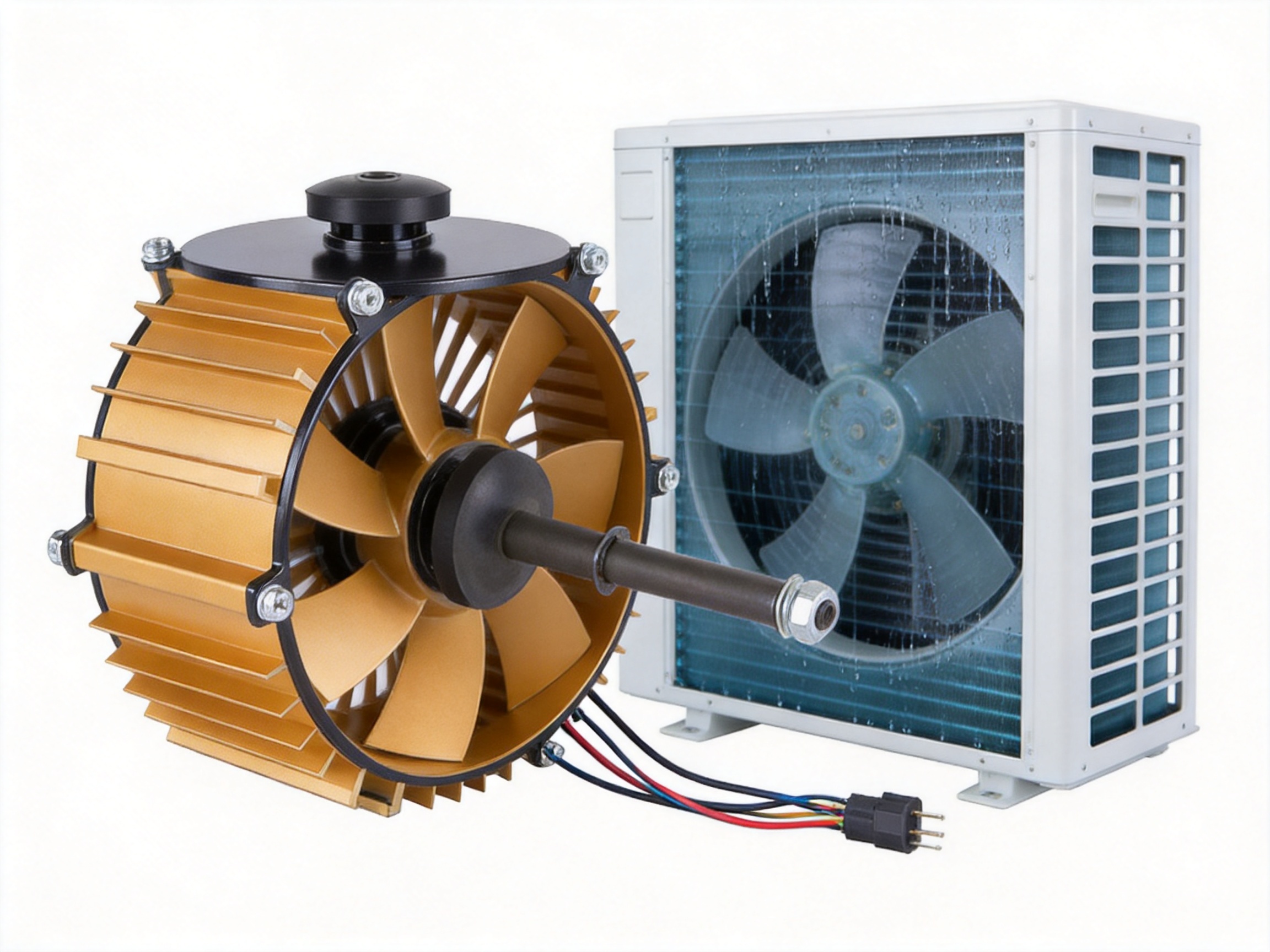
Modern Production Facilities
The company operates modern production facilities supported by automated equipment. Automation can improve repeatability in processes such as winding, assembly, component placement and inspection. Consistent process control is especially important in motor manufacturing because small variations in winding configuration, air gap, bearing installation or rotor balance can influence efficiency and noise.
Automated or semi-automated production also allows a manufacturer to establish standardized work procedures. These procedures help reduce variation between production batches and support more predictable quality for customers purchasing motors in volume.
Quality Control Systems
Motor quality depends on both component quality and process quality. A comprehensive quality system may include incoming material inspection, process checks, dimensional verification, electrical testing, insulation testing, running tests, noise evaluation and final inspection.
For an EC fan motor, quality control should also consider the electronic control system and the interaction between electrical and mechanical components. The motor must start correctly, maintain stable rotation, respond to control commands and operate without abnormal vibration or overheating.
Jiangxin Motor emphasizes strict quality control and reliable, energy-efficient products. Buyers can further strengthen project confidence by requesting inspection standards, test reports, sample approval procedures and batch traceability arrangements relevant to their application.
International Supply Experience
The company exports products to more than 60 countries and regions. International experience can help a manufacturer understand different customer expectations, packaging requirements, documentation practices and application environments.
Export experience also encourages attention to communication and consistency. Customers may need technical data sheets, installation guidance, commercial documents, samples and production updates. A supplier accustomed to international business can provide a more organized project experience from initial inquiry through delivery.
Why Choose the ECF-350-10 for Competitive Air Cooler Products?
Air cooler manufacturers compete on several factors, including purchase price, electricity consumption, noise, reliability, control flexibility and service life. A motor that performs well in only one category may not create a strong overall product. The ECF-350-10 is positioned as a balanced solution that combines useful power output with EC efficiency and low-maintenance operation.
Competitive Total Cost of Ownership
The initial purchase price is only one part of motor economics. Electricity consumption, maintenance labor, downtime, replacement parts and warranty service can have a greater effect over the equipment’s life.
The potential energy savings of EC operation can reduce recurring operating expenses. Brushless construction can reduce maintenance requirements, while a long expected service life can reduce replacement frequency. These advantages may make the total cost of ownership more attractive than a lower-priced motor with higher energy consumption or more frequent maintenance needs.
Product Differentiation
Manufacturers can use the benefits of the ECF-350-10 to strengthen the value proposition of their air coolers. High efficiency can support energy-saving claims when verified through appropriate testing. Quiet operation can appeal to residential and office users. Variable-speed control can provide a more comfortable user experience, and long service life can increase customer confidence.
These features help distinguish a finished product from basic air coolers equipped with conventional fixed-speed motors. The motor is not merely a replacement component; it can contribute directly to the performance identity of the complete appliance.
Suitable for OEM and Customized Projects
Different equipment manufacturers may have different motor requirements. Some may need a particular shaft size, mounting pattern, cable configuration or fan rotation direction. Others may require modifications to meet local market expectations or a specific air cooler architecture.
As a professional AC/DC motor manufacturer, Jiangxin Motor can discuss customized motor requirements with customers. Customization should be evaluated through drawings, samples, technical specifications and performance testing. Early communication is recommended to confirm which parameters can be adjusted without compromising efficiency, reliability or production consistency.
Recommended Quality and Validation Process
Sample Evaluation
Before placing a large order, customers should evaluate samples in the intended air cooler. The test should include startup, low-speed operation, rated-speed operation, speed changes, abnormal load checks and extended running.
Testing the motor only without the final fan and housing may not reveal system-level noise, vibration or thermal issues. A complete assembly test provides a more accurate understanding of the motor’s performance in the actual product.
Performance Testing
Performance validation may include input power, rotational speed, airflow, static pressure, current, efficiency, temperature rise and sound level. Test conditions should be recorded clearly so that results can be compared between suppliers and production batches.
Because fan performance varies with system resistance, airflow and pressure should be measured using an appropriate test arrangement. Efficiency should also be evaluated at several operating points rather than at only one speed.
Reliability Testing
Reliability testing can include extended operation, repeated starts and stops, high-temperature operation, voltage variation and environmental exposure appropriate to the final equipment. Bearings, electronic components, windings and insulation systems should be considered as part of the complete reliability evaluation.
Customers should work with the motor supplier to define acceptance criteria. A clear technical agreement helps prevent misunderstandings regarding rated conditions, allowable tolerances, noise limits and service-life expectations.
Production Approval
Once samples are approved, the customer should establish a production approval process. This may include confirmation of the approved sample, inspection points, packaging requirements, labeling, critical dimensions and change-control procedures.
Any later change to the rotor, winding, controller, bearing, shaft material or manufacturing process should be communicated when it may affect performance or interchangeability. Consistent production is essential when the motor is used in a large volume of air coolers.
Installation and Operating Recommendations
The motor should be installed by qualified personnel according to the approved technical documentation. Incorrect wiring, inadequate mounting or exposure to water can reduce performance and create safety risks.
The mounting structure should be rigid and accurately aligned. Fasteners should be tightened correctly, and the fan should be balanced before operation. Flexible mounting elements, if used, should be selected to control vibration without allowing excessive movement.
Air passages should remain clear. Dust, dirt and debris can restrict cooling airflow, increase system resistance and place additional load on the motor. In evaporative air coolers, the cooling pads and water circulation system should also be maintained so that excessive moisture, mineral deposits or blocked airflow do not affect the motor assembly.
The motor should be operated within its rated voltage, power and environmental conditions. Repeated overload, stalled operation or operation with a damaged fan can cause abnormal heating. If unusual noise, vibration, smell or temperature is detected, the equipment should be switched off and inspected.
Even though the motor is brushless and designed for low maintenance, periodic inspection of the complete air cooler remains advisable. Electrical connections, mounting hardware, fan balance, protective covers and surrounding components should be checked at suitable intervals.
Business Value for Global Equipment Manufacturers
For international buyers, the selection of a motor supplier involves more than technical performance. Supply stability, communication, customization support, quality consistency and export experience all influence the success of a project.
Shengzhou Jiangxin Motor Technology Co., Ltd. offers a focused product range, manufacturing resources and international market experience. Its location in Zhejiang provides access to an established industrial ecosystem, while its R&D and automated production capabilities support ongoing product development.
The company’s stated product philosophy emphasizes craftsmanship, customer-oriented service, reliable quality, energy efficiency and long service life. These principles are relevant to manufacturers seeking a stable supply of EC fan motors for private-label products, OEM equipment or customized air-cooling systems.
By selecting a motor designed specifically for efficient fan operation, equipment manufacturers can address several market expectations at the same time. They can reduce operating costs, improve user comfort, offer variable-speed functionality and build products with a stronger reliability profile.
Frequently Asked Questions
What is the rated power of the ECF-350-10 motor?
The rated power is 350W. The motor is designed for applications that require this level of fan drive output, particularly evaporative air cooler systems. Final suitability depends on the fan load, airflow target, pressure and operating speed.
What voltage does the motor use?
The specified voltage is 220V. Customers should confirm the applicable electrical frequency, current, wiring arrangement and control requirements with the supplier before integrating the motor into production equipment.
What is an EC fan motor?
An EC fan motor is an electronically commutated motor that uses electronic control to switch current in the stator windings. It commonly combines a brushless BLDC structure with a permanent-magnet rotor. This design supports efficient operation, variable-speed control and reduced mechanical wear.
What is the main application of this motor?
The primary application is evaporative air coolers. Depending on the confirmed mechanical and electrical specifications, the motor may also be considered for other air-moving equipment requiring a 220V, 350W EC motor.
How efficient is the ECF-350-10?
The available product information indicates efficiency of approximately 85%–95% across operating speeds. Actual efficiency depends on speed, load, control settings, supply conditions, fan design and installation. System-level testing is recommended for precise results.
Can the motor reduce electricity consumption?
Yes. Compared with conventional AC motors, the EC design can reduce power consumption by adjusting motor output to actual airflow demand. The stated potential saving is approximately 30%–70%, although the actual result depends on the complete air cooler and its operating schedule.
Does the motor require brush replacement?
No brush replacement is required because the motor uses a brushless design and electronic commutation. Routine inspection of the complete equipment is still recommended, including checks of bearings, mounting, wiring, fan balance and cleanliness.
How long can the motor operate?
The expected service life is approximately 30,000–50,000 hours under suitable operating conditions. Actual life depends on load, ambient temperature, humidity, water protection, bearing conditions, maintenance and installation quality.
Is the motor quiet?
The motor is designed for quiet, low-vibration operation. Its brushless structure eliminates brush contact noise, while rotor and winding engineering is intended to reduce vibration and acoustic output. The final noise level also depends on fan balance, blade design, housing resonance and mounting.
Can the motor be customized?
Customization may be available for selected parameters such as mechanical dimensions, shaft configuration, mounting arrangement, wiring and control requirements. Customers should provide drawings and application details so the engineering team can confirm feasibility and performance implications.
What should be checked before ordering?
Customers should confirm voltage, frequency, rated power, speed range, rotation direction, shaft dimensions, mounting dimensions, control method, environmental conditions, protection requirements, wiring and packaging. A sample test in the intended air cooler is recommended before mass production.
Where is the motor manufactured?
The motor is manufactured by Shengzhou Jiangxin Motor Technology Co., Ltd., located in Shengzhou, Zhejiang Province, China. The company operates production facilities and provides AC/DC motor, micro motor and customized motor solutions for international customers.
Conclusion
The ECF-350-10 220V 350W EC Fan Motor is a practical drive solution for evaporative air cooler manufacturers seeking improved efficiency, lower noise and reduced maintenance. Its electronically commutated brushless BLDC structure supports variable-speed operation and helps reduce the energy losses associated with conventional motor technologies.
With efficiency of up to approximately 85%–95%, potential power savings of 30%–70% compared with conventional AC motors, and an expected service life of approximately 30,000–50,000 hours, the motor is designed to provide value over the complete equipment life cycle. Its high-performance bearings, brushless operation and optimized rotor and winding design further support dependable operation.
The product is backed by Shengzhou Jiangxin Motor Technology Co., Ltd., a specialized AC/DC motor manufacturer with R&D resources, modern production facilities, automated equipment, quality control systems and export experience in more than 60 countries and regions. These capabilities make the company a suitable partner for air cooler producers, OEM customers, distributors and equipment developers.
For the best results, the motor should be evaluated as part of the complete fan and air cooler system. Proper mechanical matching, electrical protection, thermal management, environmental protection and control programming are essential. When these factors are addressed carefully, the ECF-350-10 can help manufacturers develop air coolers that are more energy-efficient, quieter, easier to maintain and competitive in international markets.
References
1. Product information supplied for the ECF-350-10 220V 350W EC Fan Motor.
2. Company information supplied for Shengzhou Jiangxin Motor Technology Co., Ltd.
3. General principles of brushless DC motor construction and electronic commutation.
4. General engineering practices for fan motor selection, airflow matching and system-level performance testing.
5. General principles of evaporative cooling equipment design and energy-efficient fan operation.
Product: ECF-350-10 220V 350W EC Fan Motor
 Ready To Customise
 Your Motor Products?

We are professional motor manufacturers, delivering powerful, stable, and efficient power cores for all industries through precision craftsmanship and innovation.
Contact Us
-
 Mobile:+86 13575536911
-
 Tel:+86 18357538240
-
 Whatsapp:+8618357538240
-
 Email:betty@dbjxmotor.com
-
 Company Address
Copyright © by Shengzhou Jiangxin Motor Technology Co., Ltd. All Rights Reserved.
Wholesale Industrial Fan Motors Manufacturers
