

 English
 русский
 Español
 عربى
عربىNo. 8, Duxiu San Road, Ganlin Town, Shengzhou City, Shaoxing City, Zhejiang Province, China

News Category
Product Category
YS90L-4 380V 1500W Three-Phase Evaporative Air Cooler Motor: Efficient Power for Demanding Cooling Applications
Content
- 1 Product Overview
- 2 Why a Specialized Evaporative Air Cooler Motor Matters
- 3 Core Performance Advantages
- 4 Advantages Over General-Purpose Alternatives
- 5 Manufacturing Strengths
- 6 Application Areas
- 7 Engineering and Installation Considerations
- 8 Maintenance and Service Life Support
- 9 Energy Efficiency and Total Operating Value
- 10 Selection Guidance for Equipment Manufacturers and Buyers
- 11 Role of the Manufacturer in Project Success
- 12 Quality, Reliability, and Responsible Use
- 13 Frequently Asked Questions
- 13.1 What is the rated power of the YS90L-4 motor?
- 13.2 What power supply does the motor use?
- 13.3 Why is a three-phase motor suitable for industrial air coolers?
- 13.4 What does the four-pole configuration mean?
- 13.5 Is the motor suitable for humid environments?
- 13.6 Why are pure copper windings important?
- 13.7 Does the aluminum alloy housing improve cooling?
- 13.8 Can the motor be used in a breeding farm?
- 13.9 Is the motor suitable for direct drive?
- 13.10 Can it be used with a belt-driven fan?
- 13.11 What should be checked before ordering?
- 13.12 How can abnormal vibration be investigated?
- 13.13 What maintenance does the motor require?
- 13.14 Does the manufacturer provide customized motor solutions?
- 13.15 Where is the motor manufactured?
- 14 Conclusion
- 15 References
- 16 Product: YS90L-4 380V 1500W 3-Phase Evaporative Air Cooler Motor
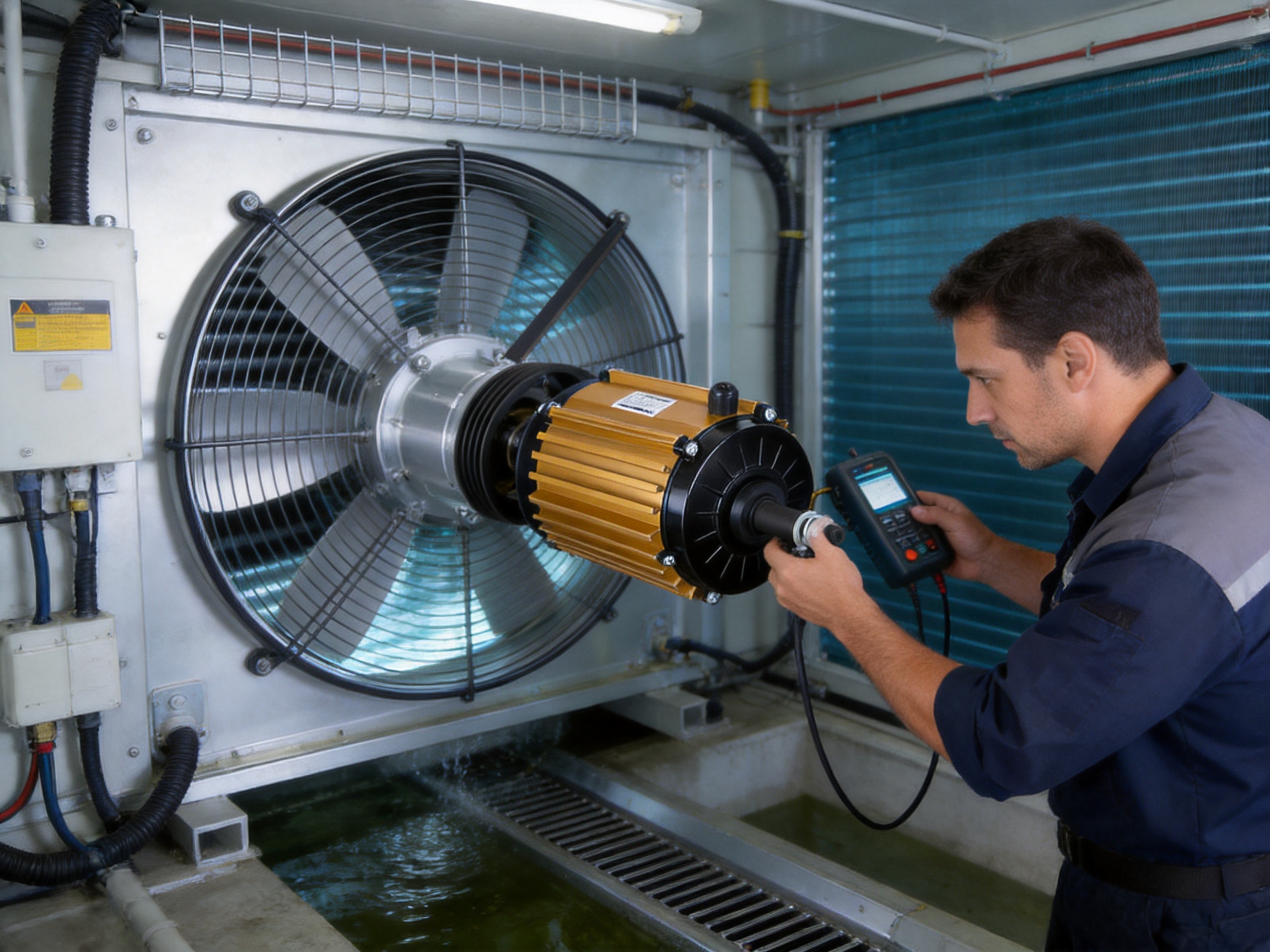
Reliable air movement is essential for evaporative cooling systems used in workshops, factories, warehouses, agricultural buildings, commercial facilities, and other large spaces. At the center of every dependable air cooler is a motor capable of delivering stable torque, efficient operation, manageable noise, and long service life in a humid environment. The YS90L-4 380V 1500W three-phase evaporative air cooler motor is designed to meet these requirements with a combination of robust mechanical construction, pure copper winding technology, moisture-oriented protection, and consistent industrial performance.
With a rated power of 1500W, a 380V three-phase power supply, and a four-pole configuration, this motor is intended for applications that require steady speed and substantial torque over extended operating periods. It is suitable for large evaporative air coolers and industrial ventilation equipment where a smaller household motor may not provide sufficient airflow or durability.
The motor is manufactured by Shengzhou Jiangxin Motor Technology Co., Ltd., a professional Chinese producer of AC/DC motors, micro motors, evaporative air cooler motors, industrial heater motors, oil pump motors, and customized motor solutions. The company combines product development, automated production, quality control, and export experience to provide motors for customers in multiple industrial markets.
This article examines the product’s operating characteristics, construction, application value, manufacturing advantages, selection considerations, and maintenance requirements. It also explains how the motor compares with less specialized alternatives and answers common questions from equipment manufacturers, distributors, installers, and end users.
Product Overview
The YS90L-4 is a three-phase AC motor developed for evaporative air cooler applications. Its rated electrical information is 380V and 1500W. The four-pole design provides a balanced combination of operating speed, starting characteristics, torque, and mechanical stability for air-moving equipment.
Evaporative air coolers often operate in conditions that are more demanding than those found in ordinary indoor machinery. Water circulation, airflow, condensation, dust, and frequent exposure to humid air can affect electrical insulation, bearings, housings, and terminal connections. A motor designed for this application must therefore do more than simply rotate a fan. It must maintain dependable performance while resisting the environmental stresses associated with evaporative cooling.
The YS90L-4 is engineered around this application requirement. Its full-enclosed structure and strong insulation performance help protect internal electrical components. Its aluminum alloy housing supports heat dissipation and contributes to a practical balance between strength and weight. Pure copper windings improve electrical conductivity and help reduce losses during prolonged operation.
The motor is also based on standard YS-series mounting dimensions, supporting installation in compatible air cooler and industrial equipment designs. Exact mounting dimensions, shaft size, terminal arrangement, protection classification, and other technical parameters should be confirmed with the supplier before final equipment integration.
| Item | Product Information | Application Significance |
|---|---|---|
| Model | YS90L-4 | Industrial motor designation for compatible equipment selection |
| Rated voltage | 380V | Suitable for compatible three-phase industrial power systems |
| Rated power | 1500W | Provides substantial driving power for large air-moving equipment |
| Phase | Three-phase | Supports stable industrial operation and balanced power delivery |
| Number of poles | Four poles | Provides a practical balance of speed, torque, and operating stability |
| Motor type | AC induction motor for evaporative cooling applications | Designed for continuous-duty industrial air movement |
| Housing | Aluminum alloy | Supports heat dissipation and structural strength |
| Winding material | Pure copper | Improves conductivity, efficiency, and thermal performance |
| Primary application | Evaporative air coolers and industrial ventilation equipment | Suitable for workshops, factories, farms, and commercial buildings |
Why a Specialized Evaporative Air Cooler Motor Matters
An evaporative air cooler uses the natural cooling effect of water evaporation to reduce air temperature. A fan or blower draws air through a wetted cooling medium and distributes the cooled air into a room or open industrial area. The process is energy-efficient compared with many compressor-based systems, but it creates a humid operating environment for the motor and other electrical components.
The motor must operate reliably while the cooler is exposed to moisture, water spray, airflow turbulence, dust, and fluctuating thermal conditions. If the motor is not appropriately selected, several problems may occur. Electrical insulation can deteriorate, the winding temperature can rise, bearings can become noisy, and corrosion can affect both mechanical and electrical parts. A motor that is suitable for a dry, protected indoor machine may not deliver the same service life inside a humid cooler assembly.
The YS90L-4 addresses this challenge through several coordinated design choices. The full-enclosed structure helps limit direct exposure of internal components. The insulation system is designed to support reliable operation in a moisture-prone application. Pure copper windings reduce electrical resistance and help control heat generation. The aluminum alloy housing promotes heat release from the motor body, which is important when the motor is operating continuously.
These features do not eliminate the need for correct installation or environmental protection. The motor should still be installed according to the manufacturer’s instructions, and the final equipment should include suitable drainage, ventilation, electrical protection, and guarding. However, starting with a motor designed for evaporative cooling gives equipment builders a stronger foundation for long-term reliability.
Core Performance Advantages
1500W Power for Large Airflow Requirements
The 1500W rating gives the motor the capacity required by many large evaporative air coolers and industrial ventilation systems. High-power air-moving equipment must overcome the resistance of fan blades, ducts, cooling pads, protective grilles, and the surrounding installation environment. A motor with insufficient power may struggle to reach the required operating point, resulting in lower airflow, overheating, unstable operation, or premature failure.
By providing 1500W of rated power, the YS90L-4 is positioned for applications that need more than the output of compact residential air cooler motors. It can support substantial airflow in industrial and commercial spaces when correctly matched with the fan, impeller, pulley, belt system, and overall aerodynamic design.
Power alone does not determine the final airflow of a cooler. The fan profile, blade angle, system resistance, transmission arrangement, and operating speed are also important. The motor’s value lies in its ability to provide stable mechanical input so that the complete air-moving system can work close to its intended design point.
380V Three-Phase Operation
The 380V three-phase configuration is widely used in industrial power systems. Three-phase motors are often selected for industrial equipment because they can deliver smooth, balanced power and support efficient operation in applications that run for many hours each day.
Compared with many single-phase alternatives, a three-phase motor can provide a more consistent rotating magnetic field. This supports smooth torque production and can reduce certain forms of pulsation associated with less suitable motor arrangements. For industrial air coolers, smooth torque helps maintain steady fan operation and reduces mechanical stress on the drive system.
Three-phase systems also suit factories, workshops, warehouses, agricultural facilities, and commercial buildings where industrial electrical distribution is already available. Before installation, the user must verify that the equipment supply is compatible with the motor’s rated voltage, frequency, phase configuration, starting method, and protection requirements.
Four-Pole Design for Balanced Operation
The four-pole configuration provides a practical balance between rotational speed and torque. In a typical AC motor, the number of poles influences the relationship between electrical frequency and synchronous speed. Actual operating speed is affected by slip and load, so the final speed should be confirmed from the motor’s technical documentation rather than estimated only from the pole count.
For evaporative air cooler applications, a balanced four-pole design can be advantageous because the motor must drive a fan steadily without creating excessive vibration or demanding unnecessarily high rotational speed. The result is a suitable platform for large air volume, stable airflow, and long operating cycles.
Equipment designers should match the motor to the fan and transmission system. If a belt drive, pulley, or speed-reduction arrangement is used, the selected ratio must be evaluated carefully. Incorrect matching can cause overload, insufficient airflow, excessive noise, or operation outside the motor’s recommended range.
Pure Copper Windings
The motor uses pure copper windings, a feature that contributes directly to electrical and thermal performance. Copper has high electrical conductivity, allowing current to pass through the winding with relatively low resistance. Lower winding resistance can reduce copper losses and support improved energy efficiency compared with lower-conductivity winding materials of equivalent design.
Reduced electrical losses are especially valuable in an air cooler that operates for long periods. Even modest efficiency improvements can produce meaningful energy savings over a full cooling season. Lower losses also reduce the amount of heat generated inside the winding, helping the motor maintain a more manageable temperature under normal load.
Pure copper windings can also support reliable starting and load performance when the winding design, core, rotor, and electrical system are properly matched. For a motor used in industrial ventilation, consistent winding quality is essential because repeated operation under high load can expose weaknesses that may not appear during short laboratory tests.
It is important to understand that winding material is only one part of motor efficiency. Efficiency also depends on the magnetic core, air gap, rotor construction, bearing condition, load level, power factor, supply quality, and manufacturing accuracy. The YS90L-4’s copper winding design works together with these other elements to support dependable operation.
Moisture-Oriented Full-Enclosed Construction
Evaporative air coolers operate with water as part of the cooling process. Moisture can enter the general equipment environment through evaporation, splashing, condensation, or airflow. A full-enclosed motor structure helps separate the internal winding and rotating components from direct exposure to the surrounding atmosphere.
The YS90L-4 is designed with a full-enclosed structure and strong insulation performance for the specialized conditions associated with evaporative coolers. This design helps reduce the likelihood that humidity and airborne contaminants will directly affect sensitive internal components.
Protection must be considered as part of the complete system. The motor should not be deliberately immersed, exposed to uncontrolled water jets, or installed where drainage is inadequate. Correct sealing of cable entries, proper positioning, protection from direct spray, and routine inspection remain important. A moisture-oriented design improves resilience, but it does not replace sound equipment engineering.
Heat Dissipation Through an Aluminum Alloy Housing
Motor efficiency and service life are strongly influenced by operating temperature. Excessive heat can accelerate insulation aging, reduce lubricant life, affect bearing performance, and increase the risk of winding damage. A housing that can transfer heat away from the internal components is therefore important for continuous-duty operation.
The YS90L-4 uses an aluminum alloy housing. Aluminum alloy offers a useful combination of low weight, thermal conductivity, corrosion resistance, and structural strength. It can help transfer heat from the motor interior to the outer surface, where it can be released into the surrounding air.
The housing also makes the motor easier to handle during equipment assembly than an equivalently robust heavier construction. Lower weight can be useful for wall-mounted air coolers, modular industrial units, and installations where the motor is positioned above or beside the fan assembly. The final mechanical design should still include adequate support and vibration control.
Low Noise and Reduced Vibration
Noise and vibration can negatively affect workers, customers, nearby equipment, and the service life of the air cooler. The YS90L-4 is designed with precision dynamic balance and high-quality bearings to support smooth running. These features help reduce unnecessary vibration and mechanical noise during normal operation.
Dynamic balance is important because an unbalanced rotor can produce cyclic forces that increase as speed rises. Excessive imbalance may cause housing vibration, bearing wear, fastener loosening, and fan misalignment. A balanced rotating assembly helps the motor transfer power more smoothly.
Bearings also play a central role in operating sound and mechanical reliability. High-quality bearings can reduce friction and support consistent shaft rotation when properly lubricated and protected. However, the complete air cooler must also be balanced. Bent shafts, damaged fan blades, loose brackets, misaligned pulleys, worn belts, and obstructed airflow can all create vibration even when the motor itself is properly manufactured.
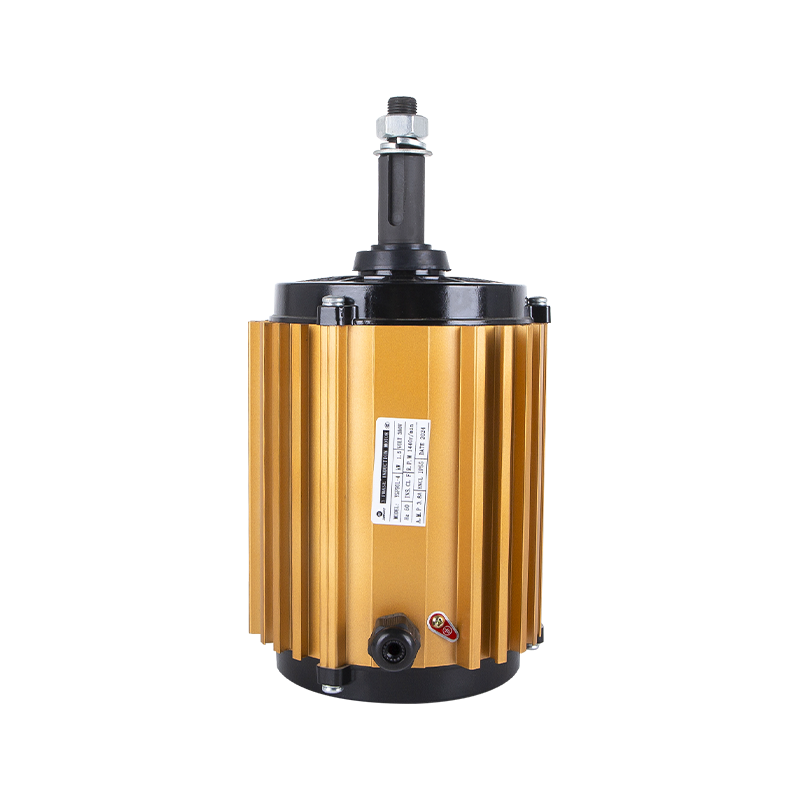
YS90L-4 380V 1500W 3-Phase Evaporative Air Cooler Motor
Advantages Over General-Purpose Alternatives
One of the main advantages of the YS90L-4 is that it is positioned specifically for evaporative air cooler and industrial air-moving applications rather than being treated as an interchangeable general-purpose motor. Application-focused design allows the manufacturer to prioritize the conditions that matter most in the target equipment: humid surroundings, extended duty, stable airflow, heat management, and compatibility with industrial mounting arrangements.
A basic motor selected only by voltage and power may appear suitable at first, but it may not have the desired environmental protection, winding quality, mechanical balance, or bearing construction. Such a motor could experience faster insulation degradation or higher temperature rise when used in a wet cooling environment. The specialized design of the YS90L-4 provides a more appropriate starting point for product reliability.
The three-phase 380V configuration is another advantage in industrial applications. It allows the motor to be integrated into facilities that already use three-phase electrical distribution. The four-pole arrangement supports steady operation and useful torque characteristics, while the 1500W output gives equipment designers greater capacity for large cooling systems.
The use of an aluminum alloy housing also creates a practical advantage over heavier constructions. It supports heat dissipation without adding unnecessary mass to the equipment. Combined with pure copper windings, this construction helps address two important operating concerns: electrical loss and thermal management.
Noise and vibration control further distinguish the product from low-cost motors manufactured with limited attention to rotor balance or bearing quality. In commercial and workplace environments, a quieter cooling system can improve comfort and reduce complaints. In industrial equipment, lower vibration can support longer service intervals and reduce stress on connected fan components.
Cost should be evaluated over the complete operating life rather than only by initial purchase price. Energy use, downtime, maintenance, replacement labor, and damage to connected equipment can all exceed the original price difference between a basic motor and a more suitable industrial model. A reliable motor can support lower total ownership costs when it is correctly matched and maintained.
Manufacturing Strengths
Professional Motor Development
Shengzhou Jiangxin Motor Technology Co., Ltd. was established in 2017 and focuses on the research, development, production, and sales of AC/DC motors and micro motors. Its product range includes evaporative air cooler motors, industrial heater motors, oil pump motors, and customized motor solutions.
This product focus gives the company experience across several equipment environments. Air cooler motors require attention to moisture and airflow. Heater motors require thermal stability. Oil pump motors require dependable torque transmission and continuous operation. Customized motors require the ability to adapt electrical and mechanical features to customer equipment. Experience across these categories supports broader motor engineering capabilities.
Modern Production Facilities
The company operates modern production facilities supported by automated equipment. Automation can improve production consistency by controlling repeatable processes such as component handling, winding operations, assembly, fastening, and testing. It can also help reduce variations that may arise from purely manual production.
For motors, manufacturing consistency is important at every stage. Winding placement affects electrical performance. Bearing installation affects noise and shaft alignment. Rotor and stator relationships influence efficiency and vibration. Housing assembly affects protection and heat transfer. Automated or semi-automated processes help establish repeatable production conditions for these critical operations.
Automation does not replace engineering judgment or quality personnel. Instead, it provides controlled production support while technical staff monitor process parameters, inspect components, and verify finished units. A strong combination of equipment, process control, and skilled workers is necessary for dependable motor manufacturing.
Research and Development Capability
The company maintains a professional research and development team and has been recognized as a provincial-level technology enterprise. This indicates an organizational focus on technical advancement and product improvement. Research and development work may include motor structure, winding arrangements, heat dissipation, mechanical compatibility, application matching, and customized product design.
In the air cooler market, product development must respond to changing customer requirements. Equipment manufacturers may request different mounting dimensions, shaft arrangements, wiring configurations, performance ranges, or environmental adaptations. An established engineering team can help evaluate these requirements and determine whether an existing motor is appropriate or whether a customized design is needed.
R&D capability is also valuable for improving efficiency and reliability over time. Motor performance depends on the interaction of electrical, magnetic, thermal, mechanical, and environmental factors. Continuous product development allows the manufacturer to refine this interaction rather than relying on a fixed, one-size-fits-all design.
Strict Quality Control
Quality control is central to motor production because many critical defects are not visible from the outside. A motor may have a clean housing while still containing a winding problem, bearing issue, insulation weakness, rotor imbalance, or connection fault. A structured quality system should therefore include inspection of incoming materials, control of production processes, and testing of finished motors.
For the YS90L-4, quality considerations include the purity and placement of copper winding wire, insulation condition, housing integrity, bearing installation, shaft alignment, rotor balance, electrical connections, and overall operating performance. Testing requirements should be confirmed with the supplier and may vary according to the customer’s technical specification and intended market.
Strict quality control also supports consistency between batches. Equipment manufacturers need motors that behave predictably when installed in multiple units. Consistent performance simplifies system design, commissioning, troubleshooting, and after-sales support.
Customized Motor Solutions
Not every air cooler uses the same fan, frame, transmission arrangement, or control system. Some installations require special shaft lengths, mounting positions, cable exits, terminal boxes, or performance configurations. The company’s experience with customized motors allows it to discuss application-specific requirements with equipment manufacturers and distributors.
Customization should begin with a complete technical brief. Important information includes the required power, voltage, frequency, phase, operating speed, load type, duty cycle, ambient temperature, humidity, installation position, shaft dimensions, mounting dimensions, control method, and expected production volume. A detailed brief helps avoid misunderstandings and reduces the risk of selecting a motor that is electrically suitable but mechanically incompatible.
For standard equipment, the YS90L-4 may be selected as a ready solution when its parameters match the system. For new equipment platforms, the manufacturer can assist in evaluating whether the standard model or a modified version provides the best overall result.
Export Experience and International Service
The company reports that its products are exported to more than 60 countries and regions. International experience requires attention to communication, packaging, documentation, production scheduling, quality expectations, and after-sales coordination. It also exposes the manufacturer to different application environments and customer requirements.
For overseas buyers, supplier capability is not limited to the motor itself. Buyers may need assistance with technical confirmation, sample evaluation, batch production, packing, shipping coordination, and replacement support. A manufacturer experienced in international supply can help make these stages more organized.
Customers should still confirm all documentation and compliance requirements applicable to their destination market. Voltage, frequency, electrical safety, efficiency, labeling, customs, and product certification requirements can differ by country and application.
Application Areas
Industrial Evaporative Air Coolers
The primary application of the YS90L-4 is the industrial evaporative air cooler. These systems are used to reduce perceived temperature and improve air circulation in large spaces where conventional air conditioning may be expensive or impractical. The motor provides the mechanical drive required to move substantial volumes of air through cooling pads and into the working area.
Factories and workshops often have high internal heat loads generated by machinery, lighting, and production processes. Evaporative cooling can improve working conditions by increasing air movement and lowering the temperature of incoming air in suitable climates. The motor must be capable of operating for extended periods during hot seasons, making efficiency and thermal management important selection criteria.
Commercial and Eco-Friendly Air Conditioning Systems
The motor can also be used in large commercial cooling systems and eco-friendly air-conditioning equipment. Retail facilities, logistics buildings, exhibition spaces, and service areas may require high airflow without the energy demands of a fully compressor-based system.
In these applications, noise and vibration are important. Customers and employees may spend many hours near the equipment, so smooth operation contributes to a more comfortable environment. The motor’s balanced design and bearing quality support this requirement when the complete system is properly assembled.
Breeding Farms and Agricultural Buildings
Agricultural buildings and breeding farms require dependable ventilation to control heat, humidity, and air quality. Large fans and evaporative coolers are commonly used to move air through livestock or poultry housing. Motor reliability is especially important because ventilation failure can quickly affect animal welfare and production conditions.
Farm environments can contain dust, moisture, ammonia, and other contaminants. The motor should therefore be installed with suitable protection and maintained regularly. Air inlets, filters, drainage paths, and electrical connections should be inspected so that the motor is not exposed to avoidable stress.
Workshops and Factory Buildings
Workshops and factories often require localized or general-area cooling. The YS90L-4 can support large industrial air coolers installed in production areas, assembly spaces, storage zones, and loading areas. Its three-phase configuration is suitable for many industrial electrical systems, while its 1500W power rating supports substantial air movement.
Equipment planners should consider the layout of the building, the direction of air movement, exhaust paths, make-up air, and the position of heat-generating machinery. Correct motor selection is essential, but the system will perform best when the cooler is integrated into a complete ventilation strategy.
Engineering and Installation Considerations
Electrical Compatibility
Before installation, verify that the available power supply matches the motor requirements. The stated rating is 380V, three-phase operation. Frequency, rated current, starting current, connection method, and rotation direction should be confirmed from the motor nameplate and technical documentation.
A suitable motor protection device should be used to protect against overload, phase loss, short circuit, and abnormal operating conditions. The selection of breakers, overload relays, contactors, cables, and control components should be made by a qualified electrical professional according to local regulations and the complete equipment design.
Phase sequence can affect rotation direction. If the fan is designed for a specific direction, the motor should be checked during commissioning. Incorrect rotation may reduce airflow or create an unsuitable load. Power should be isolated before any wiring adjustment is performed.
Mechanical Matching
The motor must be matched to the fan or blower’s required torque and speed. A motor with sufficient rated power may still be unsuitable if the shaft, mounting dimensions, pulley, belt, coupling, or fan load is incorrect.
The standard YS-series mounting dimensions provide versatility for compatible equipment, but buyers should verify every dimension before ordering. Important details include frame size, mounting hole pattern, shaft diameter, shaft extension, keyway, overall length, terminal position, and available installation space.
Belts should be correctly tensioned. Excessive tension can overload bearings, while insufficient tension can cause slip and reduced airflow. Direct-drive systems require careful shaft alignment. All rotating parts must be guarded to protect operators and maintenance personnel.
Moisture and Drainage Management
The cooler should be designed so that water does not collect around the motor. Drainage channels, splash shields, seals, and installation angles should be reviewed before commissioning. Cable entries should be protected against moisture migration, and terminal enclosures should remain properly closed.
Although the motor is designed for moisture-prone evaporative cooling applications, it should not be treated as an immersion motor unless the supplier specifically confirms such capability. Direct high-pressure washing should be avoided. Cleaning procedures should protect the motor from water penetration and should follow the equipment manufacturer’s recommendations.
Ventilation and Heat Release
The motor housing must have sufficient access to surrounding air for heat dissipation. The cooler should not be installed in a confined space where hot air is trapped around the motor. Dust, dirt, or obstructions should not be allowed to cover the external housing or air passages.
Operating temperature is affected by ambient conditions, load, voltage quality, frequency, installation position, and airflow. If the motor repeatedly trips on overload or becomes excessively hot, the cause should be investigated rather than simply resetting the protection device.
Commissioning Procedure
A careful commissioning procedure can prevent many early failures. First, inspect the motor and equipment for shipping damage. Check the mounting structure, shaft, fasteners, wiring, grounding, fan assembly, belt tension, and guards. Confirm that the fan can rotate freely by hand when the power is isolated.
After electrical connections are completed, conduct a controlled test run. Observe rotation direction, startup behavior, vibration, noise, airflow, current, and temperature. If abnormal sound, strong vibration, excessive current, or unusual heating occurs, stop the system and identify the problem before continuing operation.
Initial observations should be recorded for future comparison. A baseline helps maintenance personnel recognize changes in bearing noise, vibration, current draw, or temperature as the equipment ages.
Maintenance and Service Life Support
Regular maintenance helps preserve the motor’s advantages. Maintenance frequency depends on the operating environment, duty cycle, dust level, humidity, water quality, and equipment design. Industrial coolers operating continuously in dusty or humid areas usually require more frequent inspection than lightly used units in clean environments.
Inspect the housing for corrosion, damage, loose fasteners, and signs of water accumulation. Check cable glands and terminal connections for looseness or discoloration. Examine the fan, pulley, belt, coupling, and mounting brackets for wear or misalignment.
Listen for changes in operating sound. A new grinding, rumbling, clicking, or squealing noise may indicate bearing wear, fan imbalance, belt problems, or contact between rotating and stationary parts. Vibration should also be monitored because it can develop gradually before a visible failure occurs.
Keep the motor surface reasonably clean so heat can escape. When cleaning, use a method that does not force water into the motor. If the motor has been exposed to unusual flooding, prolonged condensation, or heavy spray, it should be inspected by qualified personnel before being re-energized.
Electrical inspections may include checking insulation condition, terminal tightness, current balance, grounding continuity, and overload protection. These checks should be carried out by trained technicians using appropriate instruments and safe isolation procedures.
Bearings should be serviced according to the manufacturer’s instructions. Over-lubrication can be as harmful as insufficient lubrication, and the correct lubricant must be used if lubrication is permitted. Some bearing arrangements are designed for replacement rather than routine relubrication, so the product documentation should be followed.
A clean, correctly tensioned, and properly aligned transmission system reduces the mechanical load on the motor. Maintenance should therefore address the entire air cooler assembly rather than treating the motor as an isolated component.
Energy Efficiency and Total Operating Value
Energy efficiency is a major consideration for industrial cooling. An air cooler may run for many hours each day, and the motor can represent a significant portion of the equipment’s operating energy consumption. Pure copper windings, effective heat dissipation, and correct load matching contribute to efficient operation.
The motor should be operated close to its intended load range. Oversizing can increase purchase cost and may reduce system efficiency if the fan is not matched properly. Undersizing can cause overheating, overload trips, low airflow, and shortened service life. The best result comes from matching motor power with the complete fan curve and system resistance.
Power quality also affects energy use. Voltage imbalance, low voltage, excessive voltage, and phase loss can increase current and heating. Electrical systems should be maintained so that the motor receives a stable and appropriate supply.
Energy savings should be evaluated over the motor’s complete service period. A product with good winding conductivity and stable thermal performance may offer value through reduced electrical losses and fewer interruptions. When combined with proper maintenance and a suitable control strategy, the motor can support a more economical cooling solution.
Selection Guidance for Equipment Manufacturers and Buyers
Buyers should begin by identifying the air cooler’s required airflow, static pressure, fan speed, duty cycle, and installation conditions. The motor should then be selected according to power, voltage, frequency, phase, speed, torque, mounting, shaft arrangement, and environmental requirements.
The YS90L-4 is a strong candidate for large evaporative air coolers that require 1500W of three-phase power at 380V. It is especially relevant when the equipment operates for long periods in humid conditions and when stable, low-vibration performance is important.
Before placing an order, request confirmation of the following information:
Rated frequency and operating speed.
Rated current and starting current.
Mounting dimensions and shaft specifications.
Terminal configuration and cable arrangement.
Protection classification and insulation class.
Permitted ambient temperature and installation conditions.
Duty rating and recommended operating cycle.
Bearing type and maintenance requirements.
Noise and vibration expectations.
Available inspection reports and product documentation.
When purchasing in volume, buyers should also discuss sample approval, batch consistency, packaging, lead time, spare parts, warranty terms, and technical support. A clear specification sheet protects both the buyer and the manufacturer by establishing the expected product configuration before production begins.
Role of the Manufacturer in Project Success
Choosing a motor manufacturer is a strategic decision because motor performance affects the reliability of the finished air cooler. A supplier with product development capability can help identify issues before mass production, including incompatible dimensions, unsuitable load conditions, inadequate protection, and poor transmission matching.
Shengzhou Jiangxin Motor Technology Co., Ltd. provides a combination of product specialization, production resources, R&D capability, and international supply experience. Its focus on AC/DC motors and related industrial motor categories enables it to support both standard product purchases and customized requirements.
The company’s location in Shengzhou, Zhejiang Province, places it within the industrial network of the Yangtze River Delta. This region is known for manufacturing resources, logistics connections, engineering talent, and supplier networks. Access to these resources can support component procurement, production coordination, equipment maintenance, and export operations.
A professional manufacturer should also help customers understand the difference between a motor’s nominal rating and its actual application performance. The company can work with customers to evaluate load conditions, environmental factors, installation details, and production goals. This technical approach is more valuable than simply quoting a motor based on voltage and wattage.
Quality, Reliability, and Responsible Use
Product reliability depends on both manufacturing quality and correct application. The YS90L-4’s pure copper windings, aluminum alloy housing, balanced rotor design, quality bearings, and moisture-oriented construction provide important technical advantages. However, these advantages can be compromised by poor installation, excessive overload, blocked airflow, water intrusion, incorrect wiring, or neglected maintenance.
Responsible use begins with reading the product documentation and confirming the motor’s suitability for the intended equipment. Installation should be performed by qualified personnel. Safety guards and grounding systems should be provided. Electrical protection should be properly sized. The motor should be operated within its approved voltage, frequency, load, and environmental limits.
Equipment manufacturers should validate the motor in the final cooler design rather than relying only on bench tests. Testing should cover startup, continuous operation, airflow, noise, vibration, current, temperature, moisture exposure, and emergency shutdown conditions as appropriate for the product.
Distributors should preserve the motor’s identification information and provide customers with accurate technical guidance. End users should follow recommended service intervals and report abnormal conditions promptly. These practices help the motor deliver the long service life expected from an industrial component.
Frequently Asked Questions
What is the rated power of the YS90L-4 motor?
The stated rated power is 1500W. This output is intended for substantial air-moving applications, including large evaporative air coolers and industrial ventilation equipment. The final airflow depends on the fan, system resistance, speed, and mechanical arrangement.
What power supply does the motor use?
The product is specified for 380V three-phase power. The exact frequency, current, connection method, and protection requirements should be confirmed from the nameplate and technical documentation before installation.
Why is a three-phase motor suitable for industrial air coolers?
Three-phase motors provide a balanced rotating magnetic field and are widely used in industrial electrical systems. They are suitable for equipment that requires stable torque and extended operation. They should be connected only to a compatible three-phase supply with appropriate electrical protection.
What does the four-pole configuration mean?
The four-pole configuration describes the motor’s electromagnetic design and influences its operating speed and torque characteristics. Actual speed depends on electrical frequency and load. Buyers should confirm the rated speed and match the motor to the fan or transmission system.
Is the motor suitable for humid environments?
The motor is designed for the moisture-prone environment associated with evaporative air coolers. Its full-enclosed structure and strong insulation performance provide application advantages in humid conditions. It should still be protected from immersion, uncontrolled water jets, poor drainage, and direct water intrusion.
Why are pure copper windings important?
Pure copper has high electrical conductivity, which helps reduce winding resistance and electrical losses. This can support improved efficiency, lower heat generation, and reliable long-term operation when the motor is correctly loaded and supplied with suitable power.
Does the aluminum alloy housing improve cooling?
Aluminum alloy supports heat transfer from the motor interior to the outer housing. It also provides a useful combination of low weight and structural strength. Adequate surrounding airflow and a clean housing are still necessary for effective heat release.
Can the motor be used in a breeding farm?
It can be considered for evaporative cooling and ventilation equipment used in breeding farms and agricultural buildings. These environments may contain moisture, dust, and corrosive contaminants, so the complete installation should include suitable drainage, protection, cleaning, and maintenance procedures.
Is the motor suitable for direct drive?
The motor may be suitable for direct-drive equipment if the shaft, speed, torque, mounting, fan load, and rotation direction are compatible. This must be confirmed during engineering evaluation. A motor should not be connected to a fan solely because the voltage and power appear suitable.
Can it be used with a belt-driven fan?
It may be used in a belt-driven system when the pulley sizes, belt type, tension, shaft dimensions, and load are correctly matched. Excessive belt tension can overload the bearings, while insufficient tension can cause slip and lower airflow.
What should be checked before ordering?
Buyers should confirm voltage, frequency, phase, rated power, speed, current, mounting dimensions, shaft specifications, terminal arrangement, environmental conditions, protection classification, duty cycle, and required documentation. A drawing or technical data sheet should be reviewed before final approval.
How can abnormal vibration be investigated?
Check rotor and fan balance, mounting bolts, shaft alignment, belt tension, bearings, couplings, and foreign objects. Vibration may originate from the connected fan or transmission rather than the motor itself. The system should be stopped and inspected if vibration is strong or increases rapidly.
What maintenance does the motor require?
Maintenance typically includes inspection of the housing, electrical connections, grounding, bearings, fan, belts, mounting structure, and drainage. The motor should be kept clean and protected from direct water entry. Lubrication and bearing replacement should follow the manufacturer’s instructions.
Does the manufacturer provide customized motor solutions?
The company develops and supplies customized motors in addition to standard products. Customers should provide detailed mechanical, electrical, environmental, and production requirements so the engineering team can evaluate the appropriate configuration.
Where is the motor manufactured?
The motor is manufactured by Shengzhou Jiangxin Motor Technology Co., Ltd., located in Shengzhou City, Shaoxing City, Zhejiang Province, China. The company focuses on AC/DC motors, micro motors, evaporative air cooler motors, industrial heater motors, oil pump motors, and customized motor products.
Conclusion
The YS90L-4 380V 1500W three-phase evaporative air cooler motor is designed for industrial cooling and ventilation systems that demand stable power, reliable torque, efficient operation, and resilience in humid environments. Its 1500W output supports large air-moving equipment, while the 380V three-phase configuration fits many industrial power systems. The four-pole design provides a practical balance of speed and torque for continuous fan operation.
Pure copper windings help improve conductivity and control electrical losses. The full-enclosed construction and strong insulation performance address the moisture-related challenges of evaporative air cooler applications. An aluminum alloy housing supports heat dissipation while keeping the motor relatively lightweight. Precision dynamic balance and quality bearings contribute to low vibration and smooth operation.
Beyond the product design, the manufacturing resources of Shengzhou Jiangxin Motor Technology Co., Ltd. add value for equipment builders and international buyers. The company offers motor R&D, modern production facilities, automated equipment, quality control, customized solutions, and export experience across more than 60 countries and regions.
For industrial air cooler manufacturers, distributors, and end users, the most important step is to match the motor carefully with the complete system. Electrical compatibility, fan load, mounting dimensions, moisture protection, heat release, safety controls, and maintenance planning should all be considered. When properly selected, installed, and maintained, the YS90L-4 can provide a dependable drive solution for factories, workshops, farms, commercial buildings, and other demanding cooling environments.
References
1. Manufacturer-provided product information for the YS90L-4 380V 1500W three-phase evaporative air cooler motor.
2. Manufacturer-provided company information for Shengzhou Jiangxin Motor Technology Co., Ltd.
3. General principles of three-phase AC induction motor operation and four-pole motor design.
4. General engineering practices for motor selection, fan matching, belt-drive alignment, and industrial ventilation systems.
5. General maintenance practices for motors operating in humid, dusty, and continuous-duty environments.
6. General principles of evaporative cooling, air movement, heat dissipation, electrical protection, and equipment commissioning.
Product: YS90L-4 380V 1500W 3-Phase Evaporative Air Cooler Motor
Related Products
-
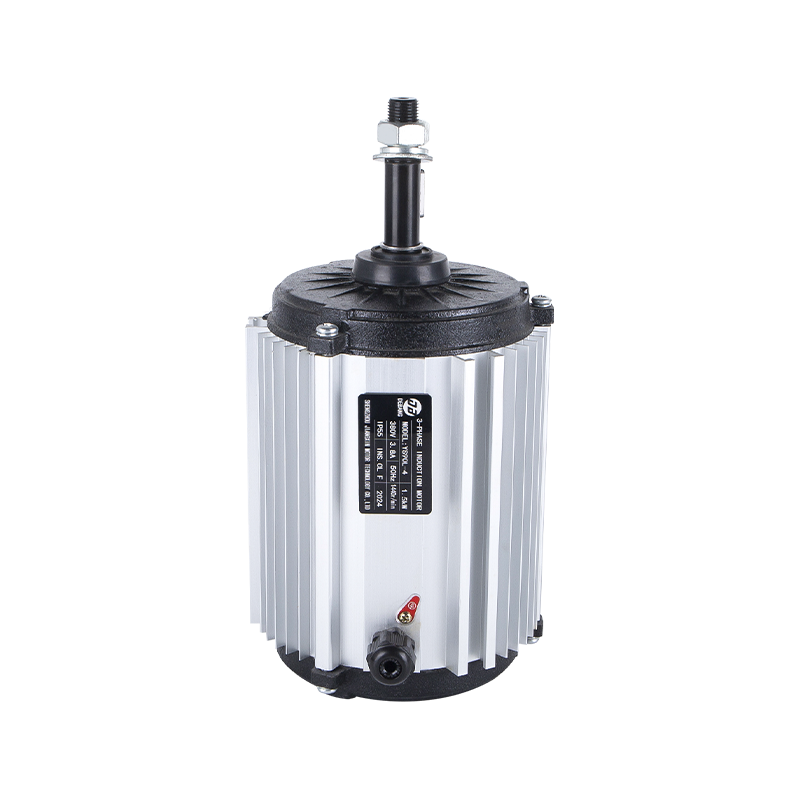 YS90L-4 380V 1500W 3-Phase Evaporative Air Cooler Motor
-
YS90L-4 380V 1500W 3-Phase Evaporative Air Cooler Motor
-
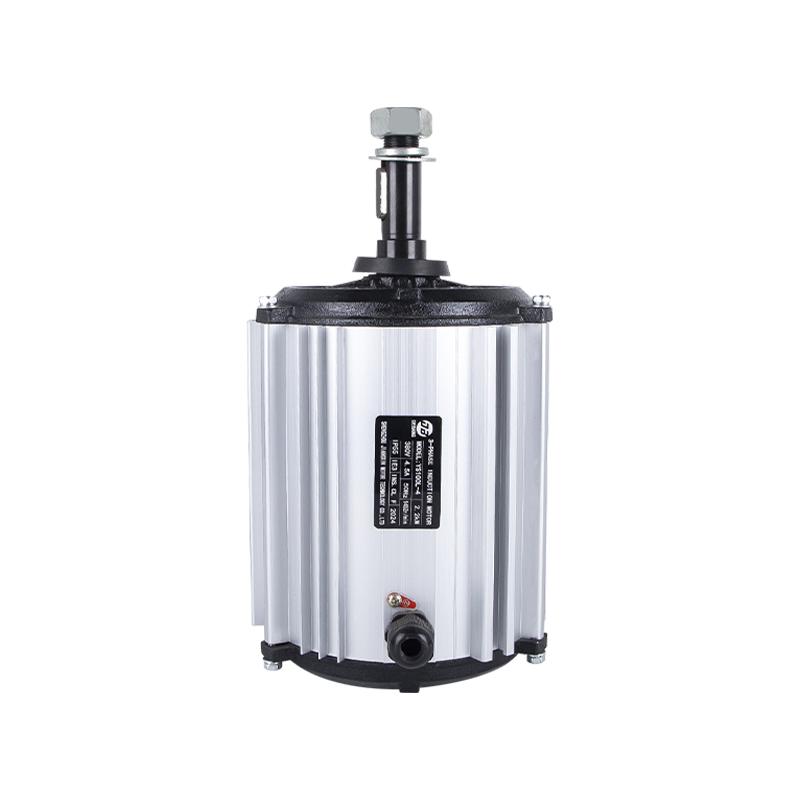 YS100L-4 380V 2200W 3-Phase Evaporative Air Cooler Motor
-
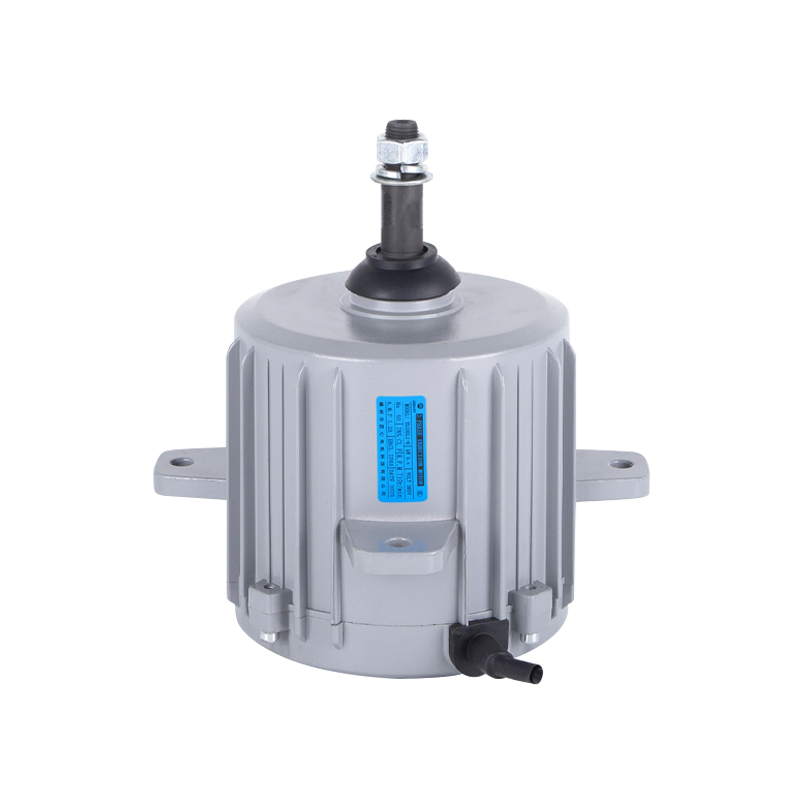 YS100L1-8 380V 50Hz 400W Cattle House Fan Motor
-
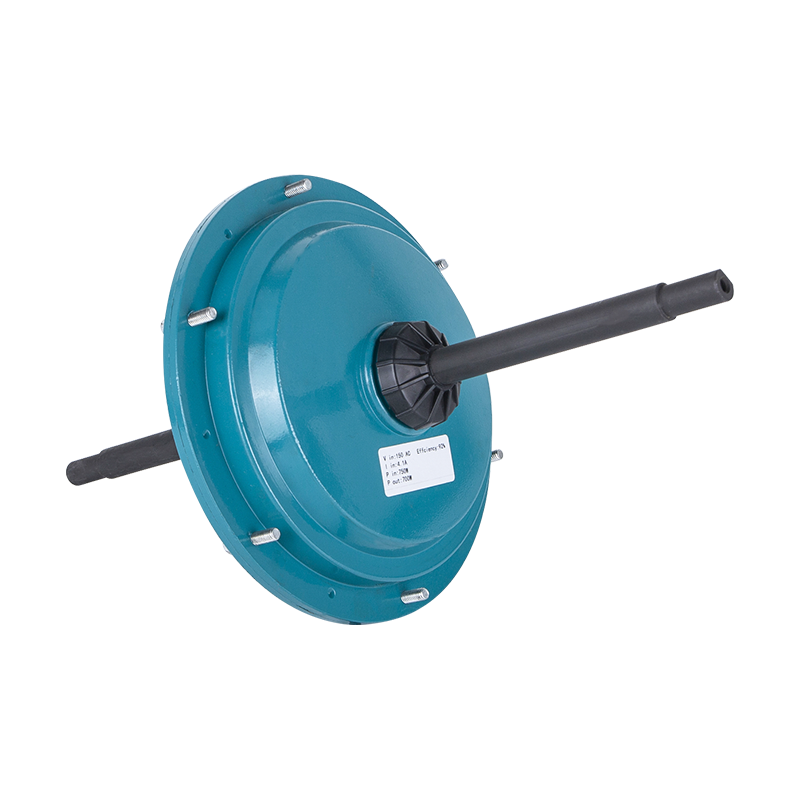 DC149 220V/700W External BLDC Air Cooler Motor
-
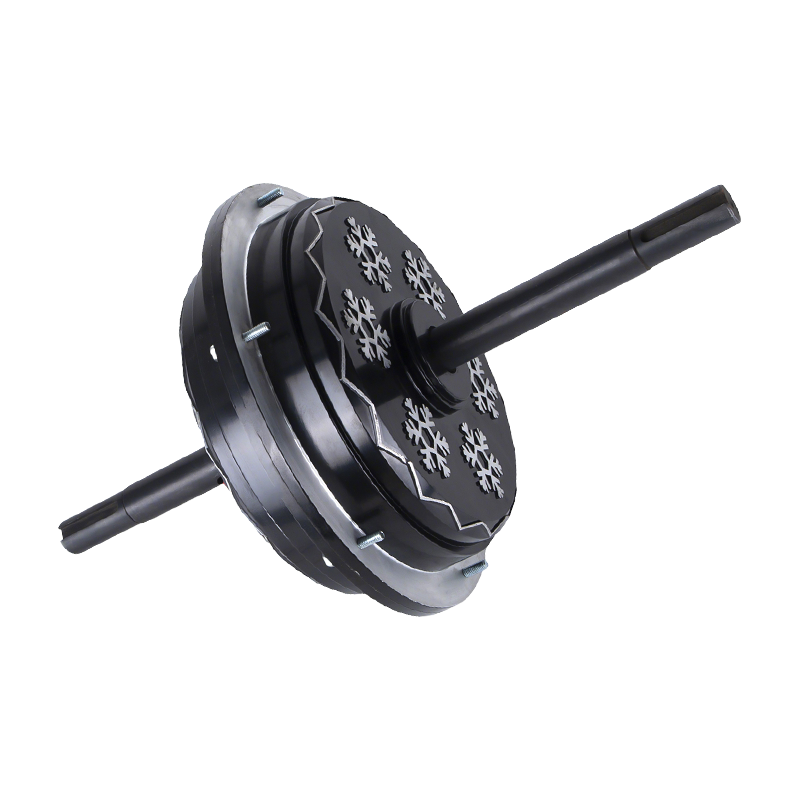 DC198 220V 1500W External BLDC Air Cooler Motor
 Ready To Customise
 Your Motor Products?

We are professional motor manufacturers, delivering powerful, stable, and efficient power cores for all industries through precision craftsmanship and innovation.
Contact Us
-
 Mobile:+86 13575536911
-
 Tel:+86 18357538240
-
 Whatsapp:+8618357538240
-
 Email:betty@dbjxmotor.com
-
 Company Address
Copyright © by Shengzhou Jiangxin Motor Technology Co., Ltd. All Rights Reserved.
Wholesale Industrial Fan Motors Manufacturers
