

 English
 русский
 Español
 عربى
عربى
No. 8, Duxiu San Road, Ganlin Town, Shengzhou City, Shaoxing City, Zhejiang Province, China

News Category
Product Category
380V 400W Eight-Pole Motor for Reliable Cattle House Ventilation
Content
- 1 Why Cattle House Ventilation Requires a Dedicated Motor
- 2 Core Product Specifications
- 3 Advantages of the Eight-Pole Low-Speed Design
- 4 Electrical Characteristics and Three-Phase Operation
- 5 Energy Efficiency and Operating Cost Considerations
- 6 Stable Performance for Livestock Buildings
- 7 Comparison with General-Purpose Alternatives
- 8 Manufacturing Strengths and Production Capability
- 9 Production Process for a Low-Speed Fan Motor
- 10 Application in Cattle House Fan Systems
- 11 Installation Recommendations
- 12 Maintenance and Service Practices
- 13 Purchasing and Integration Considerations
- 14 Company Capabilities and Global Supply Experience
- 15 How This Motor Creates Competitive Value
- 16 Frequently Asked Questions
- 16.1 What is the primary use of the YS100L1-8 motor?
- 16.2 What are the main electrical ratings?
- 16.3 Why does the motor use an eight-pole design?
- 16.4 Is this motor suitable for continuous operation?
- 16.5 Can it be used with a variable-speed controller?
- 16.6 What should be checked before purchasing?
- 16.7 How can the motor’s service life be extended?
- 16.8 Can the company provide customized motor solutions?
- 16.9 Does the motor require a three-phase power supply?
- 16.10 What environmental precautions are necessary in a cattle house?
- 17 Conclusion
- 18 References
- 19 Product: YS100L1-8 380V 50Hz 400W Cattle House Fan Motor
Modern cattle housing depends on dependable ventilation. Fresh air must move continuously through enclosed or semi-enclosed buildings to control heat, humidity, odors, dust, and airborne contaminants. When ventilation is inadequate, cattle may experience heat stress, reduced feed intake, slower growth, lower milk production, and greater health pressure. For this reason, the motor driving a large cattle house fan is not simply a power component. It is the foundation of a stable environmental-control system.
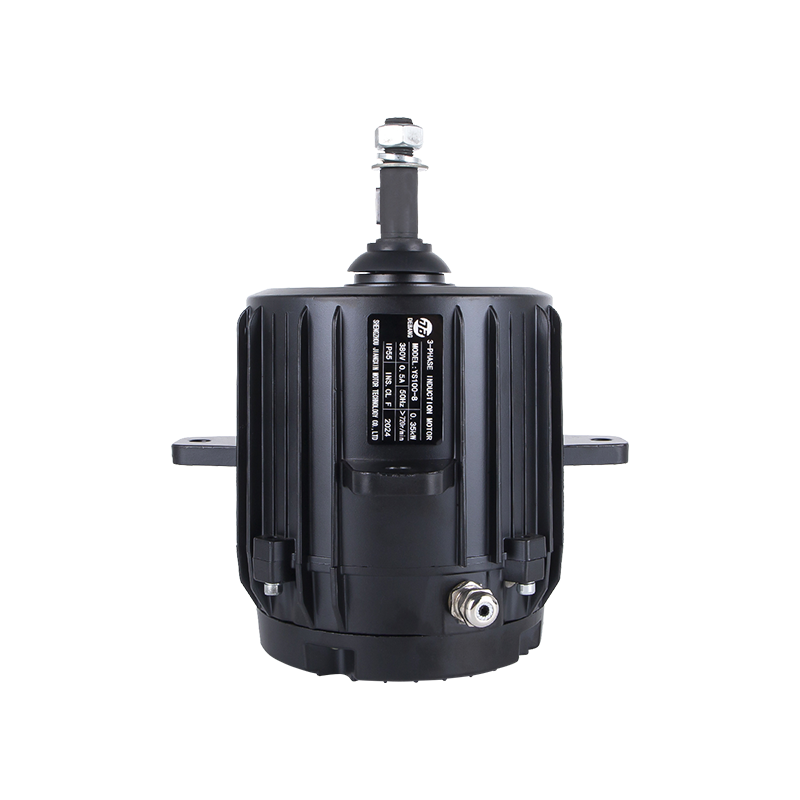
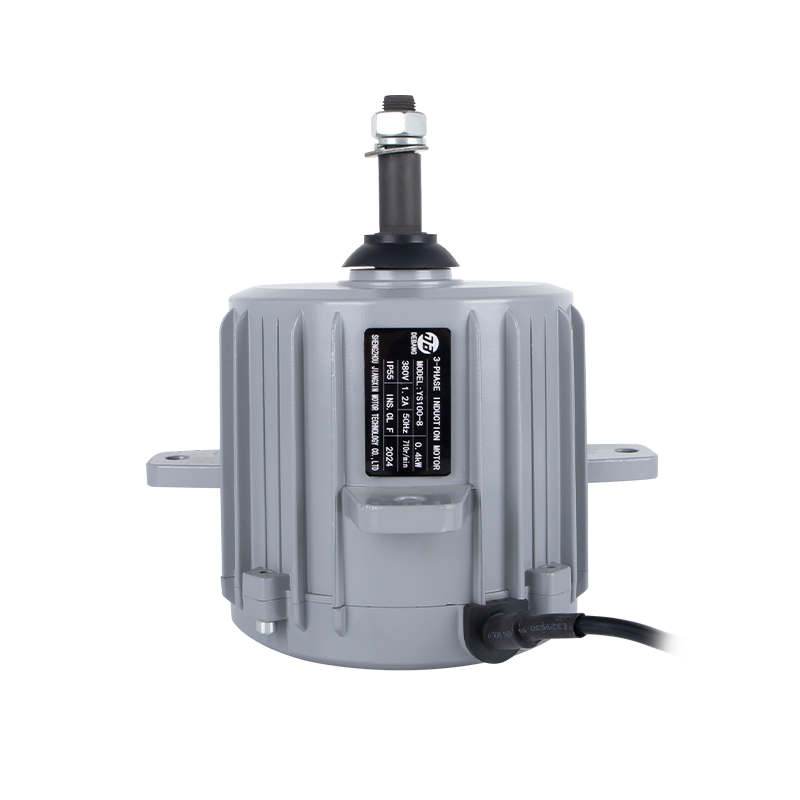
The YS100L1-8 380V 50Hz 400W Cattle House Fan Motor is designed for this demanding application. It is a low-speed, three-phase asynchronous motor developed for long-hour operation in livestock ventilation systems. With a rated voltage of 380V, a frequency of 50Hz, a power rating of 400W, and an eight-pole construction, the motor is intended to provide steady rotational performance for large cattle house fans.
Compared with general-purpose motors that may be selected without considering ventilation requirements, this motor is more closely aligned with the operating characteristics of livestock fans. Its low-speed design supports smooth airflow, its three-phase construction is suitable for industrial and agricultural electrical systems, and its robust operating concept is intended to support reliable service in applications where fans may run for extended periods.
The motor is manufactured by Shengzhou Jiangxin Motor Technology Co., Ltd., a professional AC/DC motor and micro motor manufacturer based in Zhejiang, China. The company combines product development, production, quality control, and export experience to supply motors for air-cooling equipment, industrial heating systems, hydraulic equipment, fans, and customized applications.
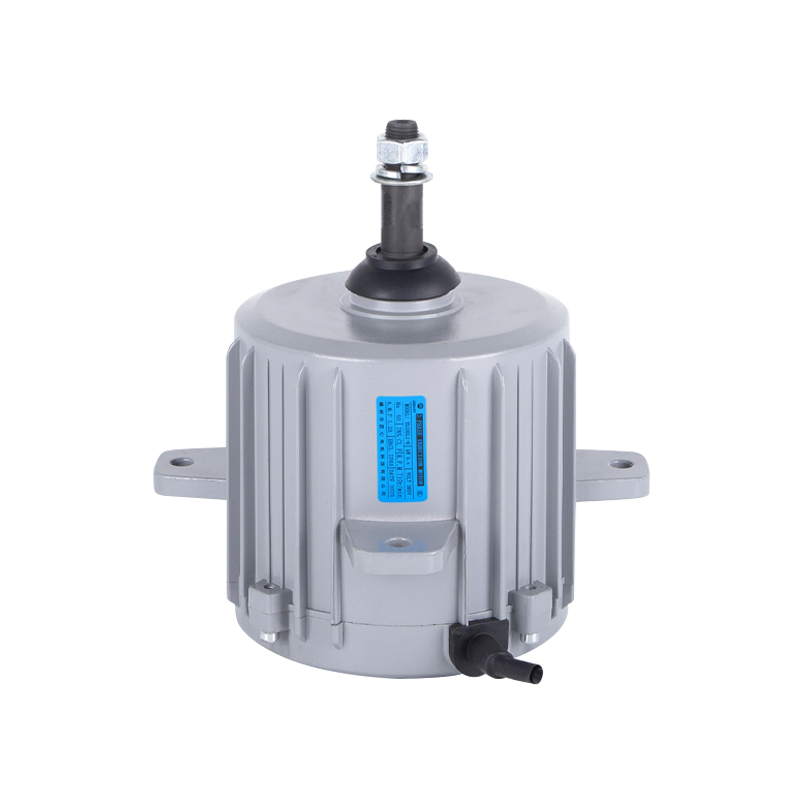
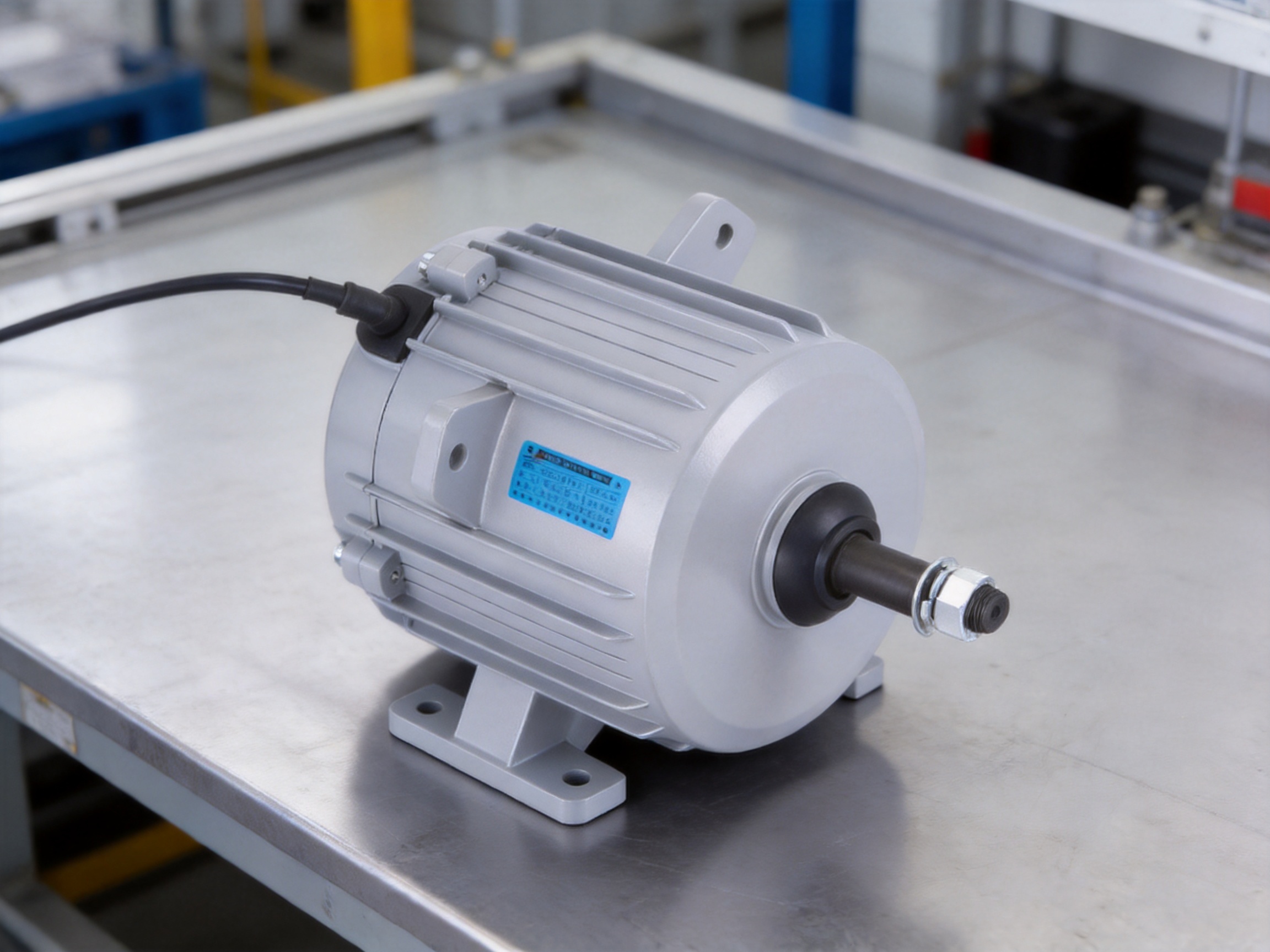
YS100L1-8 380V 50Hz 400W Cattle House Fan Motor
Why Cattle House Ventilation Requires a Dedicated Motor
Cattle houses often contain a high number of animals in a relatively concentrated area. Every animal generates heat, moisture, and carbon dioxide through respiration and metabolism. Manure and bedding can also contribute to odor, ammonia, dust, and humidity. During warm weather, the heat load inside the building can rise rapidly, particularly when natural airflow is insufficient.
Mechanical fans provide a practical way to control this environment. However, a ventilation fan can only perform consistently when its motor can tolerate long operating periods and deliver predictable rotation. A motor used in a cattle house may start and stop repeatedly during changing weather, or it may run almost continuously during hot seasons. The motor must therefore be selected not only for nominal power but also for application suitability.
A motor that is too fast may create harsh, concentrated air movement rather than a broad and uniform airflow pattern. A motor that is not suited to extended operation may experience unnecessary thermal stress. A motor with an unsuitable electrical configuration may require additional equipment or may not match the available power supply. The eight-pole, 400W design addresses these practical considerations by emphasizing controlled speed, stable mechanical output, and compatibility with a 380V, 50Hz three-phase supply.
In a cattle house, the objective is generally not to create a strong draft in one narrow area. The objective is to exchange indoor air across a large space. Uniform ventilation can help reduce stagnant zones while minimizing abrupt airflow that may disturb animals. The low-speed design of the YS100L1-8 motor is therefore relevant to applications where smooth, stable fan operation is more valuable than high rotational speed.
Core Product Specifications
The following specifications identify the main configuration of the product. Final installation details, including mounting dimensions, shaft dimensions, protection requirements, and connection arrangements, should be confirmed against the motor nameplate and the purchaser’s technical drawings before production or installation.
| Item | Specification | Application Significance |
|---|---|---|
| Product type | Cattle house fan motor | Designed for livestock ventilation equipment and large agricultural fans |
| Motor model | YS100L1-8 | Identifies the supplied motor configuration |
| Rated voltage | 380V | Suitable for matching three-phase industrial or agricultural power systems |
| Frequency | 50Hz | Configured for regions and electrical systems using 50Hz supply |
| Rated output | 400W | Provides the stated mechanical power for the intended fan application |
| Motor construction | Three-phase asynchronous motor | Offers a practical, durable solution for continuous-duty ventilation equipment |
| Number of poles | 8 poles | Supports low-speed operation and smooth airflow delivery |
| Primary use | Cattle house ventilation | Supports air circulation, heat removal, and environmental management |
The eight-pole configuration is one of the most important features of the product. In an alternating-current motor, the number of poles influences synchronous speed. At 50Hz, an eight-pole motor has a theoretical synchronous speed of approximately 750 revolutions per minute, while the actual operating speed is slightly lower because of slip in an asynchronous motor. This speed range is appropriate for applications requiring controlled, moderate rotation rather than the higher speed associated with two-pole or four-pole motors.
Advantages of the Eight-Pole Low-Speed Design
Smoother Airflow
Large livestock buildings benefit from airflow that is distributed steadily across the occupied space. An eight-pole motor can drive a fan at a lower rotational speed, helping the fan produce a less aggressive airflow pattern. This can be particularly useful where the fan is installed near animals or where excessive drafts could cause discomfort.
Smoother airflow also supports better ventilation planning. Instead of relying on short bursts of high-speed air, a facility can use continuous or scheduled operation to maintain a more stable internal environment. The motor’s low-speed design is therefore suited to ventilation strategies that prioritize consistency and broad air exchange.
Reduced Mechanical Stress
Fan assemblies are affected by rotational speed. Bearings, shafts, blades, guards, pulleys, and mounting structures all experience mechanical forces during operation. When a motor is correctly matched to the fan, a lower operating speed can help reduce unnecessary vibration and mechanical stress. This does not eliminate the need for correct balancing, alignment, lubrication, or maintenance, but it provides a sound foundation for a durable system.
Lower speed can also make the start-up and running behavior of the complete fan assembly more manageable. The actual result depends on the fan blade design, load characteristics, starting method, transmission arrangement, and installation quality. Nevertheless, an eight-pole motor is a logical choice when the application calls for controlled fan rotation.
Better Suitability for Long-Hour Operation
Ventilation systems in cattle houses may operate for many hours per day, particularly in warm or humid weather. A motor selected specifically for this type of use is more appropriate than a motor chosen only because it has a similar power rating. The YS100L1-8 is presented as a dedicated low-speed motor for cattle house fan applications, with an emphasis on stable running and long-hour service.
Long operating periods make temperature management important. The supplied content identifies an optimized copper winding design intended to reduce power consumption and lower operating temperature. Winding quality, copper fill, insulation, ventilation, bearing condition, supply voltage, and load matching all influence actual motor temperature. In practice, the motor should be installed with suitable ventilation and protected from overload, blocked airflow, abnormal voltage, and excessive ambient contamination.
Electrical Characteristics and Three-Phase Operation
The motor is rated for 380V and 50Hz three-phase power. Three-phase motors are widely used in industrial, agricultural, and commercial equipment because they can provide stable torque and efficient power transmission. In a properly designed system, three-phase operation supports smooth electromagnetic rotation and avoids the pulsating torque characteristics associated with some single-phase arrangements.
For cattle house applications, a three-phase motor can be a practical option where the farm or agricultural facility already has a suitable three-phase distribution system. It can be integrated into larger ventilation control systems, contactor panels, overload protection circuits, or variable-speed arrangements when the motor and control method are properly matched.
The 380V rating must be respected during installation. A qualified electrician should verify the supply voltage, frequency, phase sequence, grounding arrangement, protection devices, and cable sizing. Incorrect voltage or wiring can cause poor starting, excessive current, overheating, rotation in the wrong direction, or permanent motor damage.
Protection against overload is especially important for fan motors. A blocked fan, damaged bearing, foreign object, incorrect belt tension, or excessive mechanical load can increase current demand. A properly selected overload relay or motor protection device can disconnect the motor before the problem causes serious damage. Emergency stop arrangements may also be appropriate in large livestock facilities.
Energy Efficiency and Operating Cost Considerations
Fan motors often represent a recurring operating cost because ventilation equipment may run for long periods. Even a relatively small difference in power consumption can become significant when multiplied by many hours of operation, multiple fans, and an entire season. The 400W rating provides a clear reference for evaluating the motor’s nominal electrical output requirement, although actual input power depends on efficiency, load, power factor, control method, and operating conditions.
The product description emphasizes an optimized copper winding design. Copper windings are central to motor performance because they carry the operating current and create the magnetic field needed for rotation. Careful winding design can help control electrical losses and operating temperature. Lower losses may contribute to improved energy utilization and more stable operation, especially when the motor is correctly matched to the fan load.
Energy savings should be considered at the system level rather than judged by the motor alone. Fan blade design, air resistance, building layout, inlet openings, exhaust openings, shutter condition, belt transmission, bearing friction, and control schedules all affect the energy required to move air. A well-designed motor can be undermined by an obstructed duct, dirty fan guard, poorly tensioned belt, or oversized fan load.
For farm operators, the most practical approach is to compare the expected operating hours, number of fans, local electricity price, and ventilation requirements. The product’s low-speed configuration may also support energy-conscious ventilation by delivering steady air exchange without forcing the system to operate at an unnecessarily high rotational speed.
Stable Performance for Livestock Buildings
Livestock buildings present a different environment from a clean indoor factory. Air may contain dust, moisture, feed particles, fibers, and corrosive compounds. The motor itself should be protected according to the environmental conditions and the final equipment design. Enclosures, guards, drainage, cable glands, and installation orientation must all be considered.
The motor’s suitability for a cattle house fan does not mean that it can be exposed without protection to water spray, manure, pressure washing, or corrosive chemicals. The installer should confirm the required enclosure and ingress protection level for the completed fan assembly. If the motor is located in a humid or dusty area, appropriate protective measures can extend service life and improve safety.
Stable operation also depends on mechanical installation. The motor should be mounted on a rigid, level support. The fan shaft or transmission system should be aligned correctly. Excessive belt tension can overload bearings, while insufficient tension can cause slipping and heat generation. Direct-coupled assemblies should be aligned carefully to prevent vibration and premature bearing wear.
Routine cleaning is valuable in agricultural ventilation systems. Dust accumulation can restrict cooling airflow, increase surface temperature, and contribute to insulation contamination. Maintenance personnel should inspect the fan guard, blades, bearings, mounting bolts, electrical terminals, and protective devices at regular intervals.
Comparison with General-Purpose Alternatives
Many motors may appear suitable for a fan because they share a similar wattage or voltage. However, the most appropriate motor is determined by the complete application. A general-purpose high-speed motor may require additional speed reduction, pulleys, gearboxes, or electronic controls to achieve the desired fan speed. These extra components can increase cost, installation complexity, noise, and maintenance requirements.
The eight-pole design provides a direct application advantage when a large cattle house fan requires low-speed rotation. It can reduce the need to rely on extensive mechanical reduction. A simpler drive arrangement may improve system efficiency and make inspection easier, although the final benefit depends on the fan structure and transmission design.
Compared with a single-phase motor of similar output, a three-phase asynchronous motor can be more suitable for sites with three-phase power. It can provide smooth operation and is widely understood by industrial maintenance teams. The choice between three-phase and single-phase equipment should always be based on the available supply, site regulations, starting requirements, and control system.
Compared with an ordinary motor selected without regard to pole count, the eight-pole configuration gives purchasers a more predictable speed range. This matters because fan performance is highly sensitive to speed. Increasing fan speed can raise airflow, but it can also increase noise, power demand, mechanical stress, and draft intensity. A low-speed motor helps place the system closer to the operating range required by large livestock fans.
Compared with a motor designed only for intermittent household equipment, a dedicated cattle house fan motor is better aligned with the long-hour demands of agricultural ventilation. The product positioning, winding design, low-speed construction, and three-phase configuration all support this application focus.
Manufacturing Strengths and Production Capability
The manufacturer, Shengzhou Jiangxin Motor Technology Co., Ltd., was established in 2017 and focuses on the research, development, production, and sales of AC/DC motors and micro motors. Its product range includes evaporative air cooler motors, industrial heater motors, oil pump motors, fan motors, and customized motors.
The company operates in Shengzhou, Zhejiang Province, within the industrial network of the Yangtze River Delta. This region provides access to component suppliers, manufacturing services, logistics infrastructure, engineering resources, and export channels. A location within a strong industrial cluster can support more responsive sourcing and coordinated production.
According to the supplied company information, the factory has modern production facilities and advanced automated equipment. Automation can improve process consistency in operations such as winding, assembly, testing, and inspection. It can also support repeatability when manufacturing batches for overseas customers or equipment manufacturers.
Automation does not replace engineering judgment or quality management. A dependable motor requires controlled materials, accurate dimensions, proper winding parameters, effective insulation, balanced rotating parts, reliable bearings, and electrical testing. The value of an advanced production facility comes from combining equipment with documented procedures, trained personnel, inspection standards, and traceable manufacturing control.
Research and Development
The company maintains a professional research and development team and has been recognized as a provincial-level technology enterprise, according to the supplied information. Research and development capability is important because fan motor requirements vary by application. A cattle house fan may need a different speed, mounting arrangement, winding configuration, shaft design, or protection approach from an air cooler motor or industrial pump motor.
Product development can include electromagnetic design, thermal evaluation, mechanical structure, noise reduction, material selection, control compatibility, and endurance testing. For a low-speed motor, engineers must consider torque delivery, rotor behavior, winding arrangement, starting performance, bearing loads, and the fan’s resistance curve. These factors help determine whether the motor can operate reliably under the actual load.
Quality Control
Quality control should cover both incoming materials and finished motor performance. Copper wire, insulation materials, bearings, laminations, shafts, housings, fasteners, and terminal components must meet the required specifications. During production, inspectors may verify winding resistance, insulation condition, assembly accuracy, rotation, noise, vibration, current, and output-related characteristics.
Testing procedures should be selected according to the product and customer requirements. Electrical safety tests can help identify insulation or grounding problems. No-load testing can reveal abnormal sound, vibration, or current. Load testing can provide information about temperature rise and operating behavior. Dimensional inspection helps ensure that the motor fits the fan assembly as intended.
For international purchasers, documented quality procedures also support more consistent communication. Technical drawings, nameplate information, packing records, inspection reports, and shipment documentation can reduce confusion between the factory, distributor, equipment integrator, and end user.
Production Process for a Low-Speed Fan Motor
A motor such as the YS100L1-8 is the result of multiple controlled manufacturing stages. The exact process may vary by production line and customer specification, but the main stages generally include electromagnetic component preparation, winding, insulation, rotor and stator assembly, mechanical assembly, testing, and packing.
Material Preparation
Motor performance begins with material selection. Electrical steel laminations form the magnetic core and must be processed accurately to reduce unwanted losses. Copper wire is selected according to the winding design, current requirement, insulation class, and manufacturing process. The shaft and housing must provide suitable mechanical strength and dimensional stability.
Bearings are particularly important because they support the rotating assembly. Correct bearing selection affects noise, vibration, friction, service life, and temperature. For agricultural applications, the final bearing and sealing arrangement should also reflect humidity, dust, operating hours, and maintenance practices.
Stator Winding
The stator winding creates the rotating magnetic field that drives the rotor. Winding machines can help control the number of turns, wire placement, coil shape, and production repeatability. After winding, the coils must be positioned correctly in the slots and insulated from the core and from one another.
The optimized copper winding design identified for this motor is intended to support lower power consumption and reduced operating temperature. The actual result is influenced by the complete electromagnetic design, including core dimensions, air gap, rotor structure, winding distribution, resistance, and load characteristics.
Insulation and Varnishing
Insulation systems protect the winding against electrical breakdown. Slot liners, phase insulation, wire enamel, binding materials, and varnish may all contribute to the finished system. Proper treatment can also help secure the winding against vibration and movement during operation.
In a fan motor that may operate for long periods, thermal stress and vibration can gradually affect insulation. Consistent insulation processing and electrical testing are therefore essential parts of quality control.
Rotor Assembly
The rotor must be manufactured and assembled with accurate dimensions. Its shaft must run true, and the rotating mass should be balanced. Poor balance can cause vibration, noise, bearing wear, and structural stress in the fan assembly. Because cattle house fans may operate for many hours, rotor balance is especially relevant to long-term reliability.
Final Assembly and Testing
During final assembly, the stator, rotor, bearings, housing, end covers, terminal components, and other parts are fitted together. The finished motor may then undergo electrical, mechanical, and appearance inspections. Tests can include insulation resistance, dielectric strength, no-load current, direction of rotation, vibration, noise, and temperature-related evaluation, depending on the applicable specification.
Every stage contributes to the performance of the final product. A strong design cannot compensate for inaccurate assembly, and an advanced assembly line cannot compensate for unsuitable materials. Reliable motor production requires control across the entire process.
Application in Cattle House Fan Systems
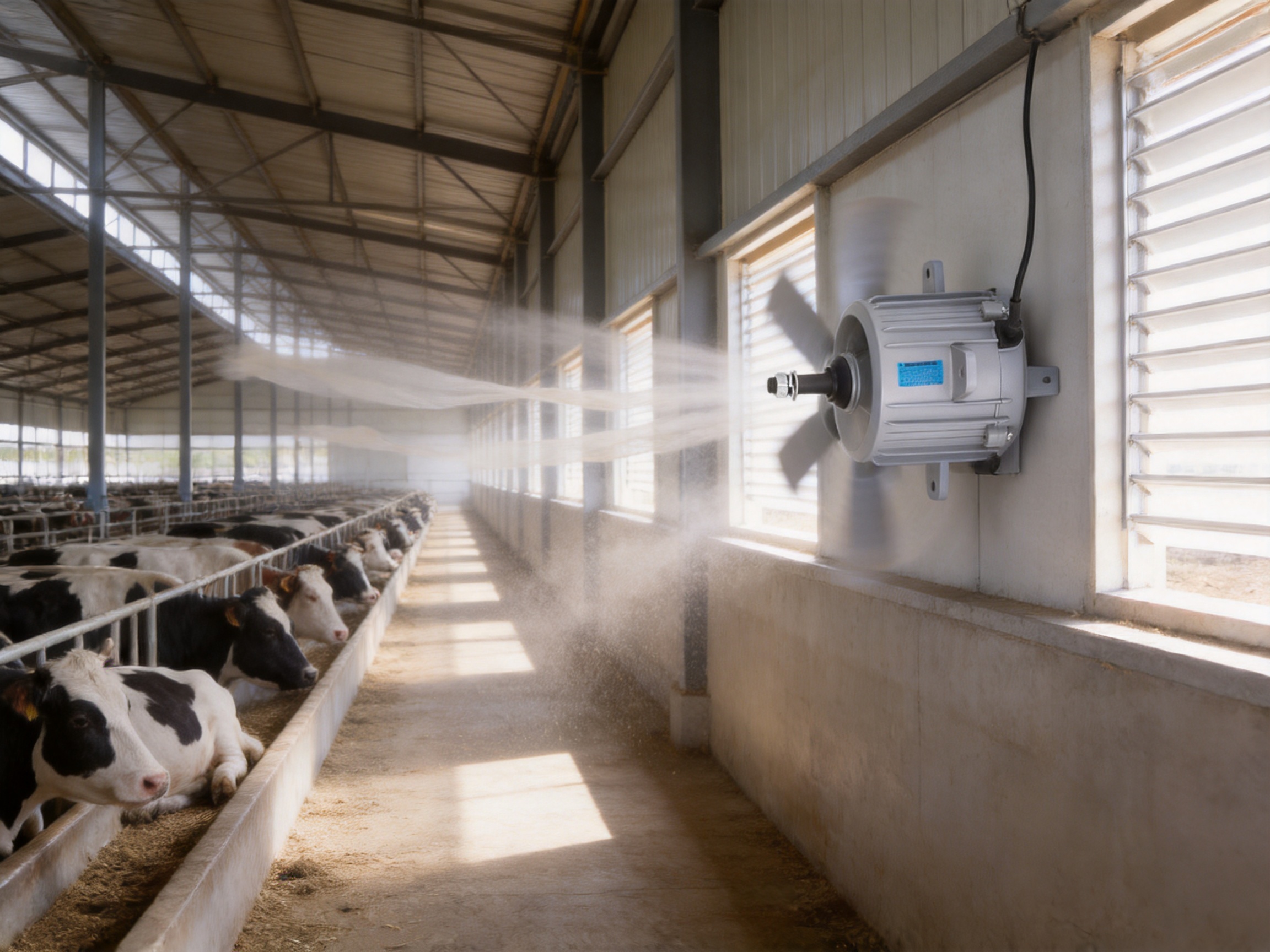
The motor can be used as the drive source for large fans installed in cattle houses, dairy barns, livestock shelters, and related agricultural buildings. The final fan capacity depends on blade diameter, blade pitch, fan housing, installation height, static pressure, air openings, and the overall building layout.
During hot periods, the fan may be used to remove accumulated heat and promote convective cooling around the animals. In humid conditions, ventilation can help reduce moisture accumulation. During routine operation, controlled air exchange can help limit stale air and reduce localized concentrations of odors and contaminants.
Ventilation design must consider both air movement and fresh-air replacement. A fan that moves air internally without providing an effective exhaust and intake path may deliver less benefit than expected. The building should have suitable air inlets, outlet arrangements, and control logic. The motor is one part of this complete environmental system.
In larger facilities, several fans may be installed in zones. The low-speed characteristics of the motor can support staged operation, allowing operators to activate only the required number of fans under moderate conditions and increase ventilation capacity when temperatures rise. Proper controllers and electrical protection should be selected for the number of motors and the intended switching frequency.
Installation Recommendations
Before installation, confirm that the motor specifications match the fan design and the available power supply. Verify 380V, 50Hz three-phase compatibility, rated output, rotational direction, mounting arrangement, shaft interface, and required protection level. The motor should not be installed based only on its nominal wattage.
The support structure must be rigid enough to resist vibration. All mounting bolts should be tightened according to suitable mechanical practice, and the motor should be aligned with the driven fan or transmission system. If belts are used, the pulleys should be parallel and properly aligned. Belt tension should be sufficient to prevent slip but not so high that it imposes excessive radial load on the bearings.
Electrical installation should be completed by qualified personnel. The system should include appropriate grounding, short-circuit protection, overload protection, isolation, and emergency stopping where required. Cable size should reflect motor current, cable length, installation method, and local electrical regulations.
After installation, the fan should be checked at low-risk operating conditions before full service. Observe the starting process, direction of rotation, unusual noise, vibration, current behavior, and bearing temperature. If the fan rotates in the wrong direction, the phase sequence should be corrected according to the electrical installation procedure.
Maintenance and Service Practices
Preventive maintenance can significantly improve the service life of a fan motor. Maintenance intervals should be based on operating hours, environmental conditions, manufacturer recommendations, and the consequences of ventilation failure. A fan in a dusty cattle house may require more frequent inspection than a motor operating in a clean indoor environment.
Cleaning should remove accumulated dust and debris from accessible motor surfaces and nearby fan components. Cleaning methods must not force water or chemicals into the motor. High-pressure washing should be avoided unless the entire motor and fan assembly are specifically designed for it.
Inspect the motor for abnormal noise, vibration, overheating, loose fasteners, damaged cables, discoloration, and unusual odor. Check the fan blades for cracks, deformation, imbalance, or material buildup. Examine bearings, belts, pulleys, guards, and shutters as part of the same maintenance routine.
Electrical terminals should be checked for looseness or signs of overheating, but power must be isolated before opening or servicing electrical components. Protection devices should be tested according to the facility’s safety program. Any repeated overload trip should be treated as a warning that requires investigation rather than simply resetting the device.
Lubrication requirements depend on the bearing design. Some bearings are sealed for life, while others may require controlled relubrication. Excessive or unsuitable lubricant can be harmful. The maintenance team should follow the applicable bearing and motor instructions.
Purchasing and Integration Considerations
Equipment distributors and fan manufacturers should evaluate the motor as part of a complete product package. Important questions include the required airflow, fan diameter, operating speed, starting torque, mounting method, control system, duty cycle, environmental conditions, and expected annual operating hours.
Purchasers should also confirm whether the delivered motor includes the exact nameplate data and mechanical dimensions required for installation. If the motor will replace an existing unit, compare shaft size, shaft extension, mounting dimensions, frame arrangement, terminal box position, rotation, and electrical ratings.
For original equipment manufacturers, the manufacturer’s customization capability can be valuable. Different markets may require alternate mounting structures, cable arrangements, terminal configurations, insulation systems, protective enclosures, or packaging. Because the company produces several types of AC/DC and micro motors, it may be able to support related motor development and application discussions.
Export buyers should consider packaging protection, moisture control, labeling, inspection documentation, spare parts, and after-sales communication. Motors should be packed to prevent impact, shaft damage, contamination, and corrosion during transport and storage. Storage areas should be dry, clean, and protected from large temperature fluctuations.
Company Capabilities and Global Supply Experience
Shengzhou Jiangxin Motor Technology Co., Ltd. supplies motors for customers in China and international markets. The supplied company information states that its products are exported to more than 60 countries and regions. Such export experience can help the company understand the documentation, communication, packaging, and product consistency expected by overseas purchasers.
The company’s product portfolio includes evaporative air cooler motors, industrial heater motors, oil pump motors, and customized motors in addition to fan motors. This range indicates experience with different combinations of speed, torque, power, thermal requirements, and installation environments.
Its customer-oriented approach is based on providing stable products and professional solutions. For cattle house ventilation projects, this can include selecting a suitable motor configuration, confirming the electrical system, discussing mechanical integration, and supporting repeat orders for equipment manufacturers or agricultural distributors.
The company’s focus on energy efficiency, reliability, and long service life aligns with the priorities of ventilation equipment users. In farming environments, equipment downtime can affect animal welfare and production conditions. A motor supplier that understands the importance of dependable operation can contribute more value than a supplier focused only on a low initial purchase price.
How This Motor Creates Competitive Value
The main competitive value of the YS100L1-8 lies in application matching. It is not presented as a universal high-speed motor for every fan. Instead, it is configured for a specific need: low-speed, three-phase operation for cattle house ventilation. This application focus helps buyers avoid unnecessary adaptation and makes the product easier to evaluate against the actual requirements of a livestock facility.
The eight-pole design provides a clear speed-related advantage for large fans that require controlled airflow. The 380V, 50Hz rating suits many industrial and agricultural electrical systems. The 400W output provides a defined power level for selecting a compatible fan. The asynchronous construction offers a familiar and practical technology for agricultural maintenance teams.
The copper winding design supports the stated objectives of reduced consumption and lower operating temperature. When combined with suitable ventilation, correct loading, quality electrical protection, and regular maintenance, these features can contribute to reliable long-hour operation.
The manufacturer’s automated production equipment, research and development capability, quality-control approach, and export experience further strengthen the product’s value. Buyers are not only selecting a motor; they are selecting a production partner capable of supplying a repeatable product and supporting application requirements.
Frequently Asked Questions
What is the primary use of the YS100L1-8 motor?
The motor is designed primarily for large cattle house fans and related livestock ventilation equipment. It is intended to provide low-speed, stable rotation for long-hour air circulation in agricultural buildings.
What are the main electrical ratings?
The stated electrical ratings are 380V, 50Hz, and 400W. It is a three-phase asynchronous motor. The available power supply and control equipment should be checked by a qualified electrician before installation.
Why does the motor use an eight-pole design?
An eight-pole design produces a lower operating speed than many two-pole or four-pole motors. This is useful for large cattle house fans that require smooth, steady airflow rather than an unnecessarily high rotational speed.
Is this motor suitable for continuous operation?
The product is engineered for stable, long-hour ventilation service. Actual continuous-duty suitability depends on correct fan matching, installation, cooling, electrical protection, ambient conditions, and maintenance. The motor should not be overloaded or operated in conditions beyond its specified design.
Can it be used with a variable-speed controller?
Compatibility depends on the controller type, motor design, operating range, and control method. A suitable controller should be selected only after confirming the motor’s electrical requirements and the fan manufacturer’s recommendations. Unapproved control methods may cause overheating, vibration, or poor starting performance.
What should be checked before purchasing?
Buyers should check voltage, frequency, phase, power, pole count, mounting dimensions, shaft dimensions, fan load, operating speed, environmental conditions, protection requirements, and control arrangements. Nameplate and technical drawing confirmation is recommended.
How can the motor’s service life be extended?
Use correct overload protection, maintain proper alignment, keep the fan and motor clean, inspect bearings and belts, prevent water intrusion, tighten electrical connections safely, and investigate abnormal noise, vibration, overheating, or repeated protection trips.
Can the company provide customized motor solutions?
The company manufactures AC/DC motors, micro motors, fan motors, and other customized motor products. Buyers with special mounting, shaft, winding, voltage, or application requirements should provide technical drawings and operating information for evaluation.
Does the motor require a three-phase power supply?
The stated configuration is a 380V, 50Hz three-phase asynchronous motor. It should be connected to a compatible three-phase supply. It should not be connected to a different supply configuration without confirmed engineering approval.
What environmental precautions are necessary in a cattle house?
Cattle houses may contain dust, moisture, and corrosive contaminants. The completed fan assembly should have suitable protection, drainage, cleaning procedures, grounding, and enclosure arrangements. Direct water spray and aggressive chemical exposure should be avoided unless the equipment is specifically designed for those conditions.
Conclusion
The YS100L1-8 380V 50Hz 400W Cattle House Fan Motor is a purpose-oriented solution for agricultural ventilation. Its eight-pole, low-speed construction is suited to large cattle house fans that require stable and uniform airflow. Its three-phase asynchronous design offers a practical foundation for industrial and agricultural power systems, while the optimized copper winding concept supports the goals of efficient operation and controlled temperature.
The motor’s value is strengthened by its application-specific configuration and by the manufacturing capabilities of Shengzhou Jiangxin Motor Technology Co., Ltd. The company combines product development, automated production equipment, quality control, customized motor experience, and international supply capability.
For farms, fan manufacturers, distributors, and equipment integrators, the most important consideration is correct system matching. When the motor is paired with a suitable fan, installed correctly, protected against overload, and maintained according to operating conditions, it can provide a dependable drive solution for long-hour cattle house ventilation.
References
1. Product technical information supplied for the YS100L1-8 380V 50Hz 400W Cattle House Fan Motor.
2. Company profile and manufacturing information supplied for Shengzhou Jiangxin Motor Technology Co., Ltd.
3. General principles of three-phase asynchronous motor operation, pole count, synchronous speed, and slip.
4. General agricultural ventilation practices for cattle houses and livestock buildings.
5. General motor installation, overload protection, electrical safety, inspection, and preventive maintenance principles.
Product: YS100L1-8 380V 50Hz 400W Cattle House Fan Motor
 Ready To Customise
 Your Motor Products?

We are professional motor manufacturers, delivering powerful, stable, and efficient power cores for all industries through precision craftsmanship and innovation.
Contact Us
-
 Mobile:+86 13575536911
-
 Tel:+86 18357538240
-
 Whatsapp:+8618357538240
-
 Email:betty@dbjxmotor.com
-
 Company Address
Copyright © by Shengzhou Jiangxin Motor Technology Co., Ltd. All Rights Reserved.
Wholesale Industrial Fan Motors Manufacturers
