

 English
 русский
 Español
 عربى

No. 8, Duxiu San Road, Ganlin Town, Shengzhou City, Shaoxing City, Zhejiang Province, China

News Category
Product Category
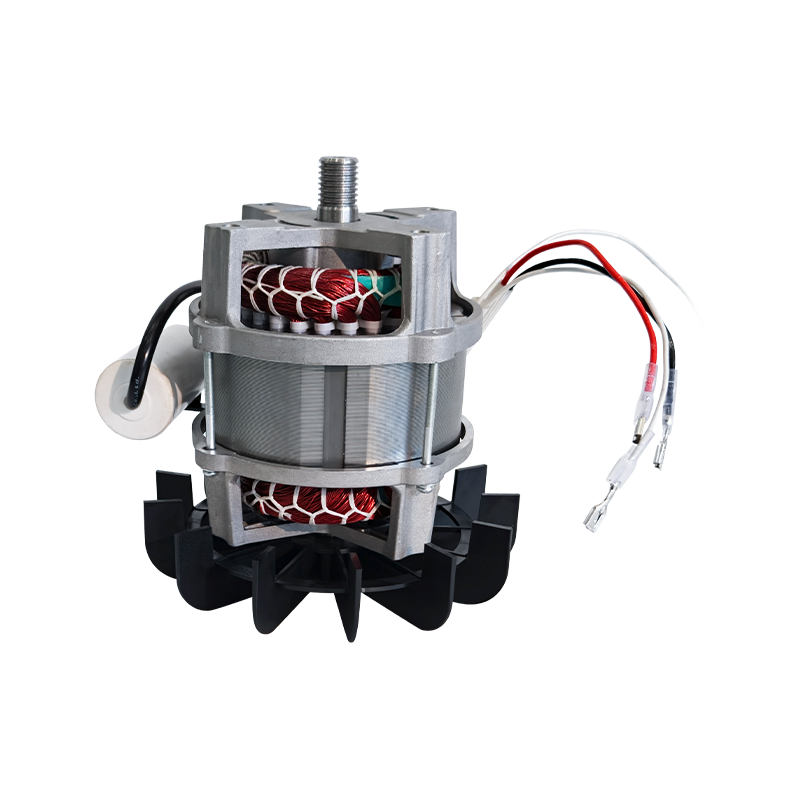
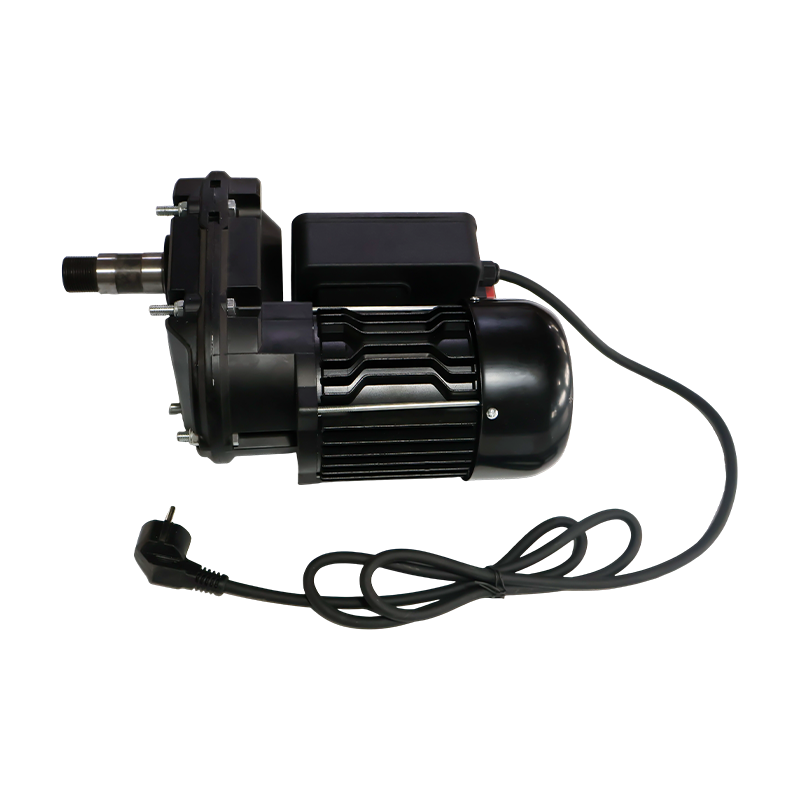
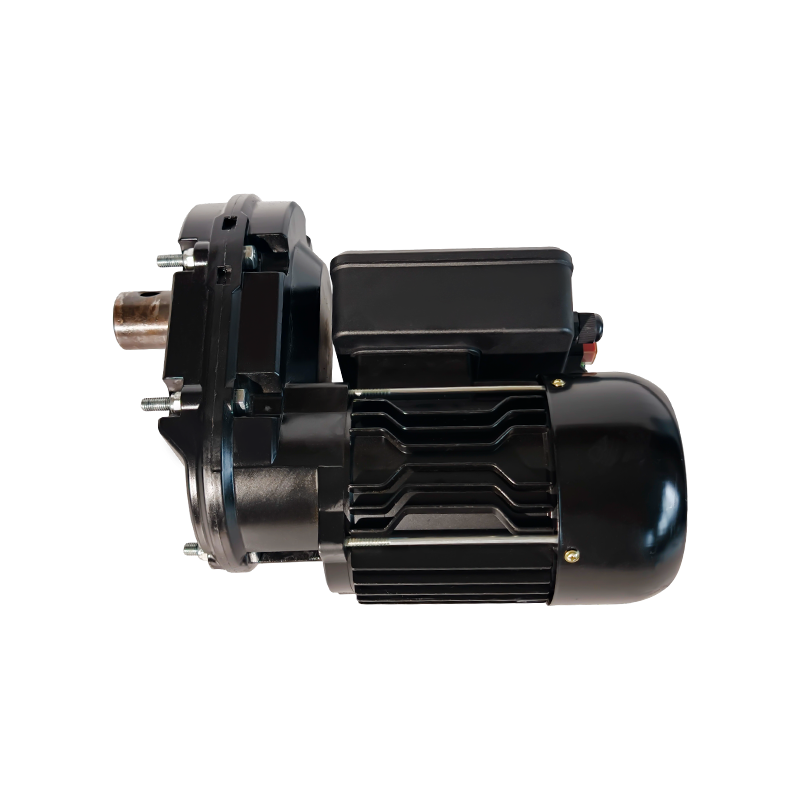
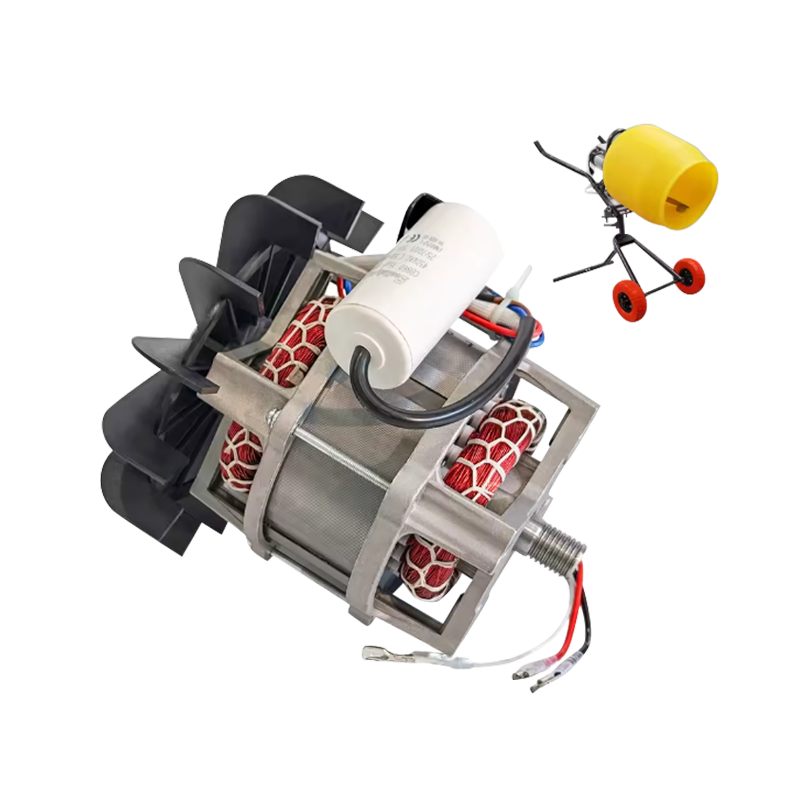
YY71-2 110V 800W Portable Concrete Mixer Motor: Reliable Power for North American Mixing Applications
Content
- 1 Product Overview
- 2 Designed for 110V North American Power
- 3 800W Power for Portable Mixing Equipment
- 4 High Starting Torque and Smooth Operation Under Load
- 5 2-Pole High-Speed Configuration
- 6 100% Pure Copper Windings
- 7 Stable Continuous Operation
- 8 Low Noise and Improved Working Comfort
- 9 Simple Installation and Maintenance
- 10 Suitable Applications
- 11 Advantages Compared with Ordinary Low-Power Alternatives
- 12 Manufacturing Strengths and Engineering Capability
- 13 Advanced Production and Quality Control
- 14 Energy Efficiency and Service Life
- 15 Selection and Compatibility Guidelines
- 16 Installation Best Practices
- 17 Maintenance Recommendations
- 18 Value for Original Equipment Manufacturers
- 19 Value for Distributors and Replacement-Part Suppliers
- 20 Why Choose This Motor for a Portable Mixer?
- 21 Q&A
- 21.1 What type of equipment is the YY71-2 designed for?
- 21.2 What voltage does the motor use?
- 21.3 Does the motor require a transformer?
- 21.4 How much power does the motor provide?
- 21.5 What is the motor speed?
- 21.6 Why are pure copper windings important?
- 21.7 Can this motor start a loaded mixer?
- 21.8 Is the motor suitable for continuous operation?
- 21.9 Is this motor quiet?
- 21.10 What should be checked before ordering a replacement?
- 21.11 Who manufactures the YY71-2?
- 21.12 What manufacturing strengths does the supplier have?
- 21.13 Can the manufacturer support customized applications?
- 21.14 How can the motor’s service life be extended?
- 22 Conclusion
- 23 References
- 24 Product: YY71-2 110V 800W Portable Concrete Mixer Motor
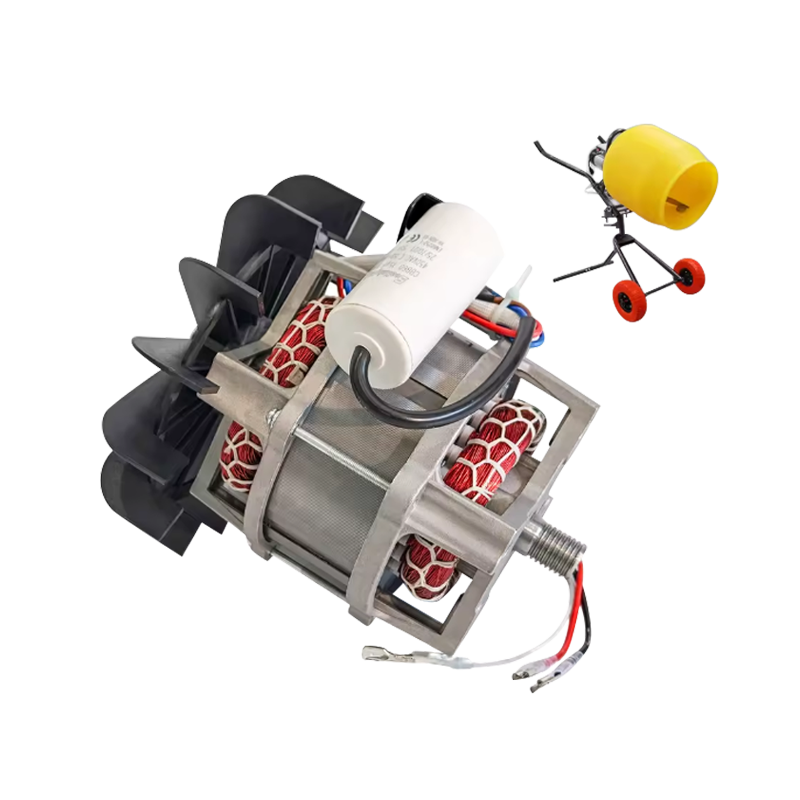
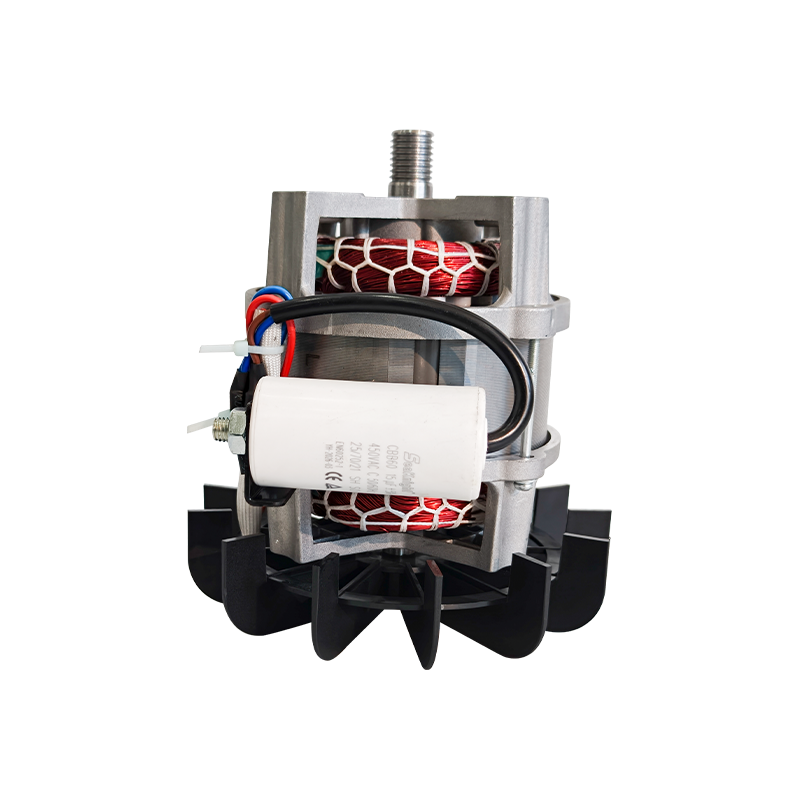
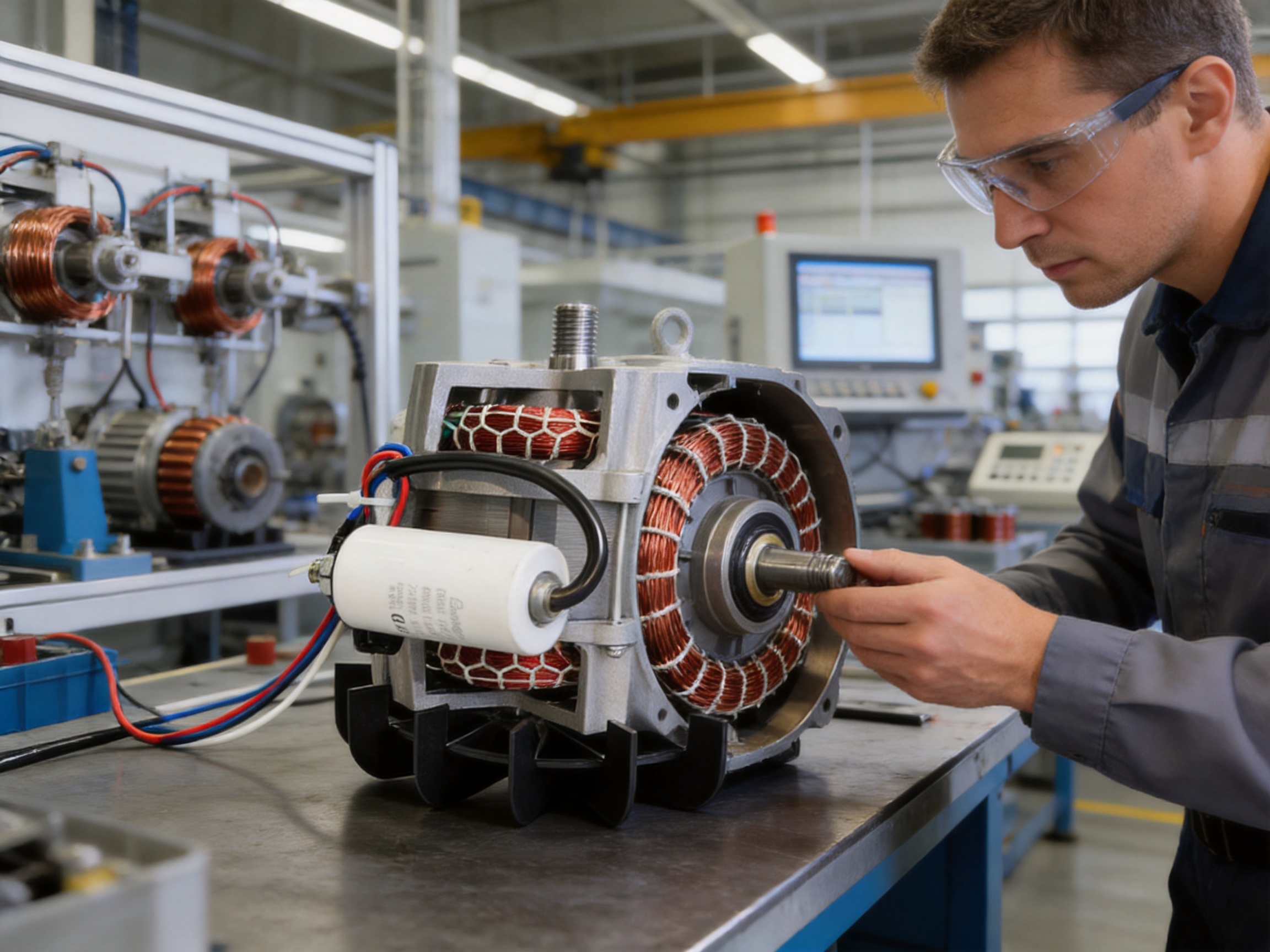
The YY71-2 110V 800W Portable Concrete Mixer Motor is designed to provide dependable drive power for portable concrete mixers used in household construction, renovation, landscaping, repair work and small job-site projects. Combining a North American-compatible 110V supply with an 800W high-torque motor, this model offers a practical solution for users who need strong mixing performance without installing a transformer or arranging specialized industrial power.
Portable mixers depend on motor performance to maintain drum rotation when cement, aggregate, water and other materials create a heavy load. A motor that lacks starting torque may stall, overheat or produce inconsistent mixing results. The YY71-2 is developed around the requirements of portable mixing equipment, delivering a high-speed two-pole configuration, stable operation and a compact structure that supports straightforward installation and maintenance.
With a rated voltage of 110V, a power rating of 800W and a frequency range of 50/60Hz, the motor is suitable for many North American household and job-site electrical environments. Its 2,800 RPM operating speed provides the rotational energy required by an appropriate mixer transmission or reduction system. The motor is not intended to turn the mixing drum directly at motor speed; instead, it is normally matched with the mixer’s mechanical drive arrangement to achieve the correct drum rotation speed and torque.
The motor uses 100% pure copper windings, which contribute to efficient electrical conduction, reduced energy loss and reliable heat management. This construction supports stable continuous operation and can help extend service life when the motor is correctly installed, ventilated and operated within the intended load range.
YY71-2 110V 800W Portable Concrete Mixer Motor
Product Overview
The YY71-2 is a portable concrete mixer motor developed for equipment manufacturers, replacement-parts distributors, repair companies and end users who require an 110V motor with practical power output. It is categorized as a Concrete Mixer Motor and is identified by the model number YY71-2.
| Specification | Details |
|---|---|
| Product type | Concrete Mixer Motor |
| Model | YY71-2 |
| Rated voltage | 110V |
| Rated power | 800W |
| Frequency | 50/60Hz |
| Motor configuration | 2-pole high-speed motor |
| Approximate rated speed | 2,800 RPM |
| Winding material | 100% pure copper |
| Typical application | Portable concrete mixers |
| Suggested mixer range | Approximately 120–180L portable mixers, subject to equipment design |
The combination of 800W output and high-speed operation makes the YY71-2 suitable for portable mixer systems that require a compact motor with a useful balance of starting performance, operating efficiency and installation convenience. The final performance of any mixer depends on the complete system, including the drum design, gearbox or belt drive, mixing blade configuration, material ratio, duty cycle and mechanical alignment.
For original equipment manufacturers, the model can be considered when designing compact mixers for residential users, rental fleets, construction contractors and maintenance teams. For replacement applications, buyers should verify mounting dimensions, shaft specifications, pulley or gearbox compatibility, electrical connections and the required direction of rotation before ordering.
Designed for 110V North American Power
One of the main advantages of the YY71-2 is its 110V electrical design. Many portable mixers used in North America are operated near homes, workshops, farms, landscaping sites and small construction projects where standard household power is preferred. A motor that matches the available supply can simplify equipment preparation and reduce the need for additional electrical conversion equipment.
The 110V rating supports a plug-and-play approach when the complete mixer is equipped with a suitable plug, switch, overload protection and wiring system. Users do not need to purchase a separate transformer simply to convert the normal local supply for the motor. This can reduce equipment complexity, simplify transportation and help make the mixer easier to deploy at different work locations.
Eliminating a transformer can also reduce the number of components that must be stored, inspected and protected during operation. For rental companies and contractors, fewer external components may mean faster setup and fewer opportunities for connection errors. For household users, a direct-compatible motor can make the equipment more approachable and easier to operate.
Electrical compatibility should always be verified at the equipment level. The stated motor frequency is 50/60Hz, while the voltage, current, plug style, circuit capacity and control components must be selected according to the final market and mixer design. Installation should be performed by a qualified person, and suitable grounding, overcurrent protection and emergency shutdown arrangements should be included in the finished machine.
800W Power for Portable Mixing Equipment
An 800W motor provides a substantial power level for a portable concrete mixer when it is matched with the correct transmission system. Mixing materials become increasingly resistant as the drum fills and as cement, sand, gravel and water combine. The motor must therefore provide sufficient torque to start the drum and maintain rotation under changing load conditions.
The YY71-2 is described as a high-power motor for portable mixing applications. Its 800W rating gives equipment designers useful capacity for compact mixer platforms, particularly those in the approximate 120–180L class. The appropriate capacity depends on whether the stated volume represents total drum volume or practical working volume, as well as on the material formulation and the mixer’s mechanical design.
A higher power rating can provide advantages over smaller motors in applications where the mixer must start under load, process heavier batches or operate for longer periods. Compared with an underpowered motor, an 800W motor may help reduce the likelihood of sluggish starting, excessive belt slipping and repeated thermal stress. It can also support more consistent drum rotation when the material load changes during the mixing cycle.
Power alone does not determine mixer performance. A well-designed mixer must also use appropriate gearing, correct belt tension, properly sized bearings and a rigid frame. The YY71-2 is most effective when it is integrated into a balanced drive system rather than treated as an isolated replacement component.
High Starting Torque and Smooth Operation Under Load
Concrete mixing equipment often experiences its greatest mechanical demand during startup. A partially filled or heavily loaded drum can resist movement, while the mixture may settle unevenly when the mixer is stopped. The motor must overcome this initial resistance without causing excessive vibration or an abrupt mechanical shock.
The YY71-2 is designed to provide stronger torque and smooth starting under load. This characteristic is valuable for portable mixers because it supports reliable operation during the transition from stationary equipment to active mixing. Smooth starting can help protect belts, gears, shafts, bearings and drum supports from sudden impact forces.
Compared with a low-power motor that struggles to start a loaded drum, a properly matched 800W motor may deliver a more confident startup and maintain steadier rotation. Smooth acceleration can also make the mixer easier to control, particularly when the operator is working on a construction site where the equipment may be started and stopped frequently.
Starting performance is affected by supply voltage, cable length, circuit capacity, ambient temperature, mechanical friction and material loading. For this reason, users should avoid overfilling the drum or starting the mixer with an excessive batch. The motor’s stated power should be treated as part of a complete operating specification rather than as permission to exceed the mixer manufacturer’s recommended capacity.
2-Pole High-Speed Configuration
The YY71-2 uses a 2-pole high-speed design with an approximate operating speed of 2,800 RPM. A high-speed motor can offer a compact and efficient source of mechanical power for a mixer that uses a reduction gearbox, belt drive or other speed-reduction mechanism.
High motor speed allows the drive system to transform rotational speed into the lower drum speed required for concrete mixing. Through the correct reduction ratio, the motor can provide the torque needed at the drum while maintaining a compact motor size. This arrangement is common in portable equipment where weight, space and transportability are important design considerations.
The high-speed configuration may also contribute to a compact overall machine structure. A smaller motor package can make it easier for equipment manufacturers to arrange the motor, transmission and drum within a portable frame. This can support more convenient storage and transportation without sacrificing the electrical power required by the mixer.
However, the motor must be operated with the correct transmission ratio. Directly coupling a 2,800 RPM motor to a mixing drum without appropriate reduction would generally produce an unsuitable drum speed and could create dangerous mechanical conditions. The completed mixer should include suitable guards over rotating parts, and all pulleys, belts, gears and couplings should be correctly aligned.
100% Pure Copper Windings
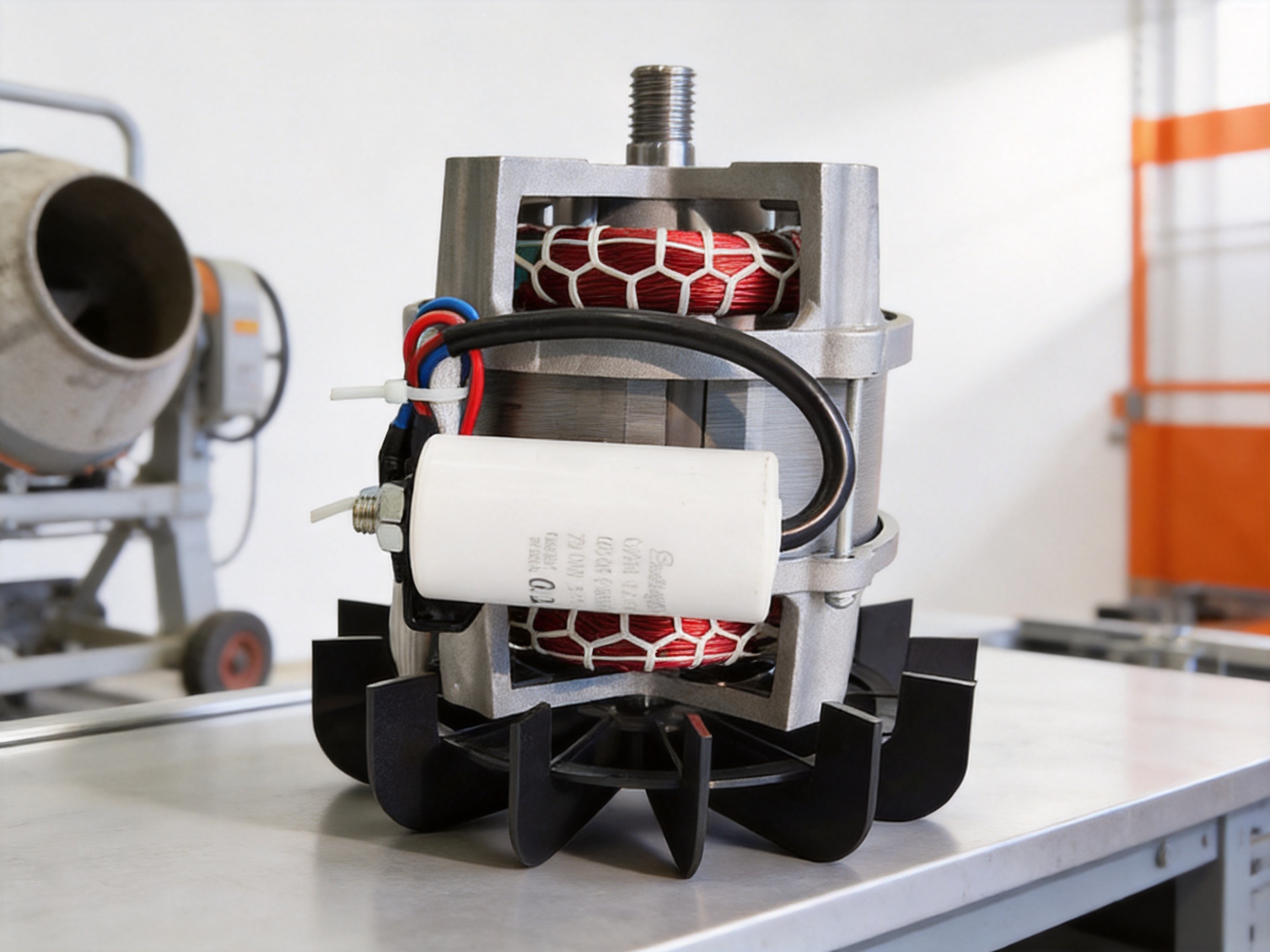
The use of 100% pure copper winding wire is one of the key construction advantages of the YY71-2. Copper has strong electrical conductivity, allowing current to pass through the winding with comparatively low resistance. In a motor, efficient conduction helps convert electrical input into useful magnetic force while limiting unnecessary electrical loss.
Pure copper windings can support lower heat generation under comparable operating conditions than lower-conductivity winding materials. Reduced heat can be beneficial in a portable mixer because the motor may be installed in a compact housing or exposed to demanding job-site conditions. Better thermal behavior may help the motor maintain stable output during normal operation.
Winding material also contributes to long-term reliability. Excessive heat is a common source of insulation aging, winding deterioration and performance decline in electric motors. By using pure copper, the YY71-2 is designed to support low heat, low loss, high efficiency and a longer service life when used within its rated conditions.
Compared with motors made with inferior or inconsistent winding materials, a pure copper motor can offer a more dependable foundation for continuous equipment operation. It may also provide more predictable electrical performance for manufacturers who need stable motor characteristics across multiple mixer units.
Pure copper construction is not a substitute for correct cooling or overload protection. The motor still requires adequate airflow, proper electrical connection and appropriate operating intervals. If the drum is overloaded, the motor is obstructed or the ventilation openings are blocked, the winding temperature can rise beyond the intended range regardless of the winding material.
Stable Continuous Operation
Portable mixers may be used for repeated batches over an extended work period. A motor that operates reliably through multiple cycles can improve productivity and reduce interruptions. The YY71-2 is designed for stable continuous operation, supporting applications where the mixer must work consistently rather than only for short demonstration or intermittent use.
Stable operation depends on the motor maintaining electrical and mechanical balance. The pure copper winding, high-efficiency design and appropriate power rating work together to support consistent performance. When the motor is correctly matched to the drum and transmission, the mixer can maintain a more uniform rotational movement, helping the materials blend evenly.
Continuous operation should still follow the duty requirements of the complete machine. Operators should observe unusual heat, odor, vibration, noise or changes in speed. These symptoms may indicate an overloaded drum, a blocked ventilation path, worn bearings, loose fasteners, incorrect belt tension, electrical problems or another condition requiring inspection.
For professional users, stable operation can reduce downtime and improve scheduling. For rental businesses, it can support more predictable equipment availability. For equipment manufacturers, a motor designed for dependable operation can contribute to a stronger product offering and fewer field-service concerns.
Low Noise and Improved Working Comfort
Noise is an important consideration for portable construction equipment. Mixers are often used near homes, workshops, public areas or occupied buildings. Excessive motor noise can make communication difficult and contribute to operator fatigue.
The YY71-2 is designed for low-noise operation compared with louder or poorly balanced motor systems. Smooth electrical performance, accurate assembly and a properly aligned mechanical drive can help reduce unwanted sound during operation. Lower noise does not mean silent operation, since the drum, material movement, belts and gears also produce sound.
To preserve low-noise performance, the motor should be installed on a rigid and secure support. Loose mounting bolts can create vibration, while misaligned pulleys can produce belt noise and premature wear. Bearings, guards and transmission components should be inspected regularly. A clean, balanced and correctly tensioned drive system is essential to the acoustic performance of the complete mixer.
Compared with an inefficient motor that vibrates or struggles under load, a stable high-speed motor can help create a more controlled working environment. This is particularly useful when the mixer is used for long periods or in locations where noise must be managed responsibly.
Simple Installation and Maintenance
The YY71-2 is intended to support easy installation and maintenance. A practical motor design allows equipment manufacturers and service technicians to integrate the motor without unnecessary complexity. It can also help replacement users restore a mixer to working condition more efficiently.
Before installation, the technician should compare the replacement motor with the original unit and verify voltage, frequency, power, speed, mounting arrangement, shaft dimensions, rotation direction and electrical connections. The mixer frame should be strong enough to support the motor and maintain alignment during operation.
The motor should be mounted firmly, with all fasteners tightened according to the equipment design. The pulley, coupling or gearbox input should be aligned with the motor shaft. Excessive belt tension can overload bearings, while insufficient tension can cause slipping and heat. Any protective cover removed during installation must be correctly refitted before the mixer is operated.
Routine maintenance can include cleaning dust and cement residue from the motor exterior, checking ventilation openings, inspecting cables and terminals, verifying mounting bolts and examining the belt or transmission system. Maintenance should be performed with the power disconnected and with the drum secured against unexpected movement.
Simple maintenance is an advantage over complicated motor systems that require specialized service equipment for basic inspection. The YY71-2’s practical construction can help reduce routine service demands, although all electrical work should be handled by a qualified technician.
Suitable Applications
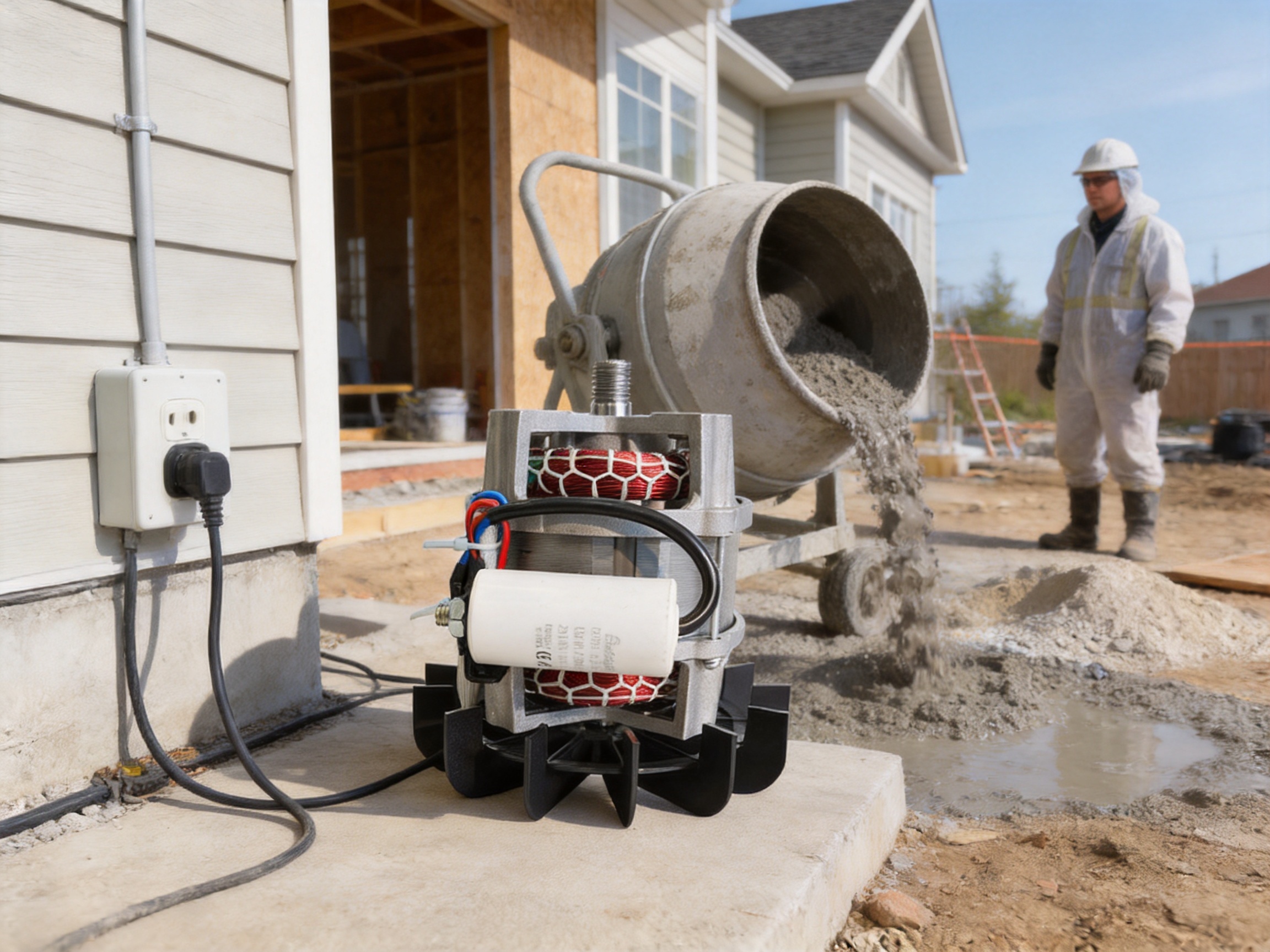
The YY71-2 is suitable for portable concrete mixers designed for residential construction, small commercial work, landscaping, paving preparation, masonry, farm improvements and general repair projects. It may also be considered for replacement applications where a mixer requires a 110V, 800W high-speed motor.
Typical users may include building contractors, maintenance teams, equipment rental companies, home improvement users, concrete-product workshops and original equipment manufacturers. Its North American-oriented voltage makes it particularly practical for markets where 110V operation is expected.
The motor can be used in mixers handling cement-based materials when the complete equipment is designed for the required batch size and operating conditions. It may also be useful in custom portable machinery that uses a similar motor and drive arrangement, provided that the electrical, mechanical and thermal requirements are carefully verified.
The model is especially appropriate when the buyer values direct 110V compatibility, useful power output, pure copper windings, high-speed operation, stable starting and straightforward service. These characteristics make it a balanced choice for equipment that must remain portable while still providing dependable mixing performance.
Advantages Compared with Ordinary Low-Power Alternatives
Portable mixer motors are available in a wide range of power levels and construction qualities. The YY71-2 offers several practical advantages when compared with ordinary low-power alternatives that may be selected primarily for low purchase cost.
First, the 800W rating provides more operating capacity than smaller motors that may be suitable only for very light loads. Additional power can be valuable when the drum contains dense or unevenly distributed material. It can support stronger starting performance and reduce the risk of operating continuously near the motor’s limit.
Second, the pure copper winding provides a more efficient electrical foundation than lower-grade winding construction. Better conductivity can help limit heat and energy loss, supporting more stable operation over the working life of the motor.
Third, the 110V design simplifies use in common North American environments. Buyers do not need to plan around a transformer solely because the motor requires a different voltage. This can reduce installation complexity and improve portability.
Fourth, the 2-pole high-speed arrangement supports compact equipment design. When paired with the correct reduction drive, it can provide an effective balance between motor size and mixer torque requirements.
Fifth, the model is designed with maintenance practicality in mind. Easy installation and service can help reduce downtime for contractors and rental operators, while also making replacement work more manageable for repair professionals.
These advantages should be assessed together with the total mixer design. A motor with strong specifications cannot compensate for a weak frame, inadequate transmission, poor ventilation or improper operating procedures. The strongest performance is achieved when the motor and mixer are engineered as a compatible system.
Manufacturing Strengths and Engineering Capability
The YY71-2 is produced by Shengzhou Jiangxin Motor Technology Co., Ltd., a Chinese manufacturer specializing in AC/DC motors and micro motors. Established in 2017, the company focuses on the research, development, production and sales of motor products for various equipment applications.
The company operates in Shengzhou, Zhejiang Province, a region supported by the manufacturing resources and industrial supply chains of the Yangtze River Delta. This location can provide access to component suppliers, production services, engineering resources and logistics networks. Such industrial support is valuable for a motor manufacturer that must coordinate electrical materials, stamped components, housings, shafts, bearings and assembly processes.
Jiangxin Motor owns modern production facilities and automated equipment, supported by a professional research and development team. Automated manufacturing can improve process repeatability by controlling winding, assembly, testing and inspection steps more consistently than highly manual production methods. Repeatability is important in motor manufacturing because small variations in winding quality, air gap, shaft alignment or bearing installation can affect performance.
A professional R&D team also supports product adaptation. Different mixer manufacturers may require changes to mounting details, shaft arrangements, wiring, protective components or operating specifications. A company with engineering capability can communicate with customers about application requirements and develop more suitable motor solutions instead of offering only a fixed standard product.
The company has been recognized as a provincial-level technology enterprise. This recognition reflects its emphasis on technical development and innovation capability. For buyers, engineering resources and technology-oriented management can be important indicators when selecting a long-term motor supplier.
Advanced Production and Quality Control
Motor quality is created through a complete manufacturing process rather than through one material or one assembly step. For a product such as the YY71-2, quality control begins with the selection and inspection of electrical materials, copper wire, insulation components, laminations, shafts, bearings, housings and fasteners.
During winding production, the copper wire must be formed and placed consistently so that the finished winding has the intended electrical characteristics. Correct winding tension, orderly placement and secure insulation support stable operation. Automated or controlled winding equipment can help reduce variation between individual motors.
Assembly accuracy is equally important. The rotor, stator, bearings and housing must be positioned correctly to maintain the designed air gap and minimize mechanical friction. Shaft alignment affects the performance of the connected pulley, coupling or gearbox. Careful assembly helps reduce vibration, noise and unnecessary bearing load.
Testing is an essential part of the production process. Depending on the manufacturing control plan, motor testing may include electrical continuity checks, insulation checks, winding resistance verification, no-load operation, speed measurement, vibration inspection and sound evaluation. Load-related validation may also be used to confirm that the motor performs as expected under representative conditions.
Quality control systems help identify problems before products are shipped. Consistent inspection is particularly important for motors supplied to international customers, because the products may be integrated into different mixer designs and used in different climates and work environments. Reliable production records and process management can support traceability and continuous improvement.
Jiangxin Motor emphasizes strict quality control, strong innovation capabilities and the production of reliable, energy-efficient and long-lasting motors. These strengths support the YY71-2’s positioning as a practical motor for demanding equipment applications rather than a basic low-cost component.
Energy Efficiency and Service Life
Energy efficiency is important for both operating cost and motor temperature. A motor that converts more of its electrical input into useful mechanical output can reduce wasted energy and limit unnecessary heat. The YY71-2’s pure copper windings and efficient design support this objective.
Lower heat generation can benefit service life because insulation systems, bearings and other motor components are affected by temperature. When the motor operates at an appropriate load with adequate ventilation, effective heat management can help slow material aging and maintain performance over time.
Long service life also depends on environmental conditions. Cement dust, sand particles and moisture can affect portable equipment. The motor should be protected from direct water exposure, excessive dust accumulation and corrosive materials. Ventilation openings should remain clear, but cleaning should not force contaminants deeper into the housing.
Operators can help extend motor life by using correct batch sizes, avoiding repeated overloads, allowing appropriate cooling time when required and inspecting the mechanical drive regularly. A correctly maintained belt or gearbox reduces the load placed on the motor and helps preserve its electrical and mechanical condition.
For equipment owners, a longer-lasting motor can reduce replacement frequency and ownership cost. For manufacturers, durable motor performance can support product reputation, lower warranty exposure and improve customer satisfaction.
Selection and Compatibility Guidelines
Before purchasing the YY71-2 as a replacement motor, buyers should collect the specifications of the existing motor and mixer. Voltage is the first consideration, but it is not the only one. The new motor must also be compatible with the required power, speed, frequency, mounting location, shaft configuration and drive method.
The 110V rating should match the intended supply. The 50/60Hz specification supports use in systems designed for either common frequency, but the complete electrical system must still be correctly configured. The available circuit should be capable of supplying the motor and any other mixer components without excessive voltage drop.
The 800W rating should be appropriate for the drum size and material load. Buyers should not assume that the motor can increase the capacity of a mixer beyond the structural limits of the drum, frame, gearbox, belt, bearings or support legs. A higher-power motor installed on an undersized machine could cause mechanical damage or unsafe operation.
The approximate 2,800 RPM speed must be considered when selecting pulleys or gear reduction. Changing pulley sizes without confirming the resulting drum speed and torque can affect mixing quality and create excessive stress. The final drive ratio should be determined by the mixer designer or a qualified technician.
Mounting dimensions and shaft details should be confirmed before shipment. Photographs alone may not provide enough information for a reliable replacement decision. Buyers should request or compare technical drawings and provide the motor’s intended application to the supplier.
Installation Best Practices
Installation begins with a complete power shutdown. The mixer should be disconnected from the electrical supply, and stored mechanical energy should be released before the motor is removed or fitted. A lockout or warning procedure is advisable in professional work environments.
The mounting surface should be clean, flat and structurally sound. The motor must be secured using suitable fasteners, and the mounting arrangement should prevent movement during starting and operation. Any adjustable motor base should be tightened after belt tension and alignment have been set.
Electrical wiring should follow the applicable local requirements. The system should include suitable grounding, overcurrent protection, switching and emergency stopping provisions. Cable connections must be protected from abrasion, moisture and cement contamination. The motor should not be operated with exposed conductors or damaged insulation.
The transmission should be aligned before the first test. Belts should run centrally on their pulleys, while couplings and gearboxes should be aligned according to their design. Guards must cover moving parts so that operators cannot contact rotating shafts or belts during use.
After installation, the motor should be tested without a concrete load. The technician should observe the start, rotation, vibration, sound and any unusual heating. The mixer can then be tested with a small, controlled load before normal operation begins.
Maintenance Recommendations
Regular maintenance helps preserve the YY71-2’s advantages. The exterior should be kept clean, particularly around ventilation openings. Cement dust should not be allowed to build up around the motor, switchgear or transmission components.
Mounting bolts should be checked periodically because vibration can loosen hardware over time. The belt should be inspected for cracking, glazing, stretching or contamination. Pulley alignment and belt tension should be corrected when necessary.
Electrical cables, plugs, terminals and switches should be inspected for damage, loose connections or signs of overheating. Any burning smell, repeated tripping or irregular starting should be treated as a warning. The mixer should be taken out of service until the cause is identified.
Bearings and transmission components should be serviced according to the complete mixer manufacturer’s instructions. Excessive noise or vibration may indicate bearing wear, shaft misalignment, drum imbalance or a loose component. Continuing to operate under such conditions can transfer additional stress to the motor.
Maintenance intervals should be adjusted for working conditions. A mixer used daily in dusty construction environments requires more frequent cleaning and inspection than a machine used occasionally for small household projects.
Value for Original Equipment Manufacturers
For original equipment manufacturers, the YY71-2 offers a combination of electrical compatibility, useful power and practical integration. The 110V rating is suitable for portable mixers intended for North American markets, while the 800W output can support a broad range of compact equipment designs.
The 2-pole high-speed format gives designers flexibility in selecting pulleys, belts and reduction gearboxes. The motor’s compact concept can support portable frames where space and weight must be carefully controlled. Pure copper windings provide a quality-oriented specification that can strengthen the technical profile of the finished mixer.
Jiangxin Motor’s R&D and manufacturing capabilities can also be valuable for customers who need customized motor solutions. Depending on the project, customers may discuss mounting arrangements, shaft dimensions, wiring requirements, production quantities and other application details with the supplier.
Working with a specialized motor manufacturer can help equipment companies reduce development risk. Rather than selecting a general-purpose motor without considering the application, the manufacturer can evaluate the motor as part of a mixer system and identify suitable production and testing requirements.
Value for Distributors and Replacement-Part Suppliers
Distributors and replacement-part suppliers can benefit from offering a motor that addresses a clear application need. The YY71-2 has a defined model, voltage, power rating and intended use, making it easier to present to customers searching for a portable concrete mixer motor.
The model’s 110V compatibility may be attractive to customers who want a direct replacement for equipment used in North American locations. Its 800W rating and pure copper construction provide understandable selling points for buyers comparing motors with different specifications.
Suppliers should provide customers with complete compatibility guidance rather than focusing only on voltage. Information about frequency, speed, mounting, shaft dimensions, transmission requirements and installation safety can reduce incorrect orders and improve the customer experience.
Because the company exports products to more than 60 countries and regions, international customers may also find value in its export experience and production capacity. Global distribution requires attention to packaging, documentation, communication and consistent manufacturing, all of which are important to long-term supply relationships.
Why Choose This Motor for a Portable Mixer?
The YY71-2 is a strong candidate for users who need an 110V motor with more capability than a basic light-duty unit. Its 800W output, high-speed two-pole configuration and high starting torque are suited to the changing loads found in portable concrete mixing.
Its pure copper winding supports low loss, efficient operation and improved heat management. The motor is designed for smooth starting, stable continuous operation and low noise, while its practical construction supports installation and maintenance.
Compared with an unsuitable motor selected only by physical size or purchase price, the YY71-2 offers a more complete application-oriented solution. It combines electrical compatibility with mechanical performance and manufacturing support. When correctly matched to the mixer, it can contribute to dependable productivity, lower maintenance demands and a longer operating life.
The most important selection principle is system compatibility. Buyers should confirm that the motor’s voltage, power, speed and mounting arrangement match the mixer. When those conditions are met, the YY71-2 can provide an effective drive solution for portable concrete mixers in household and professional environments.
Q&A
What type of equipment is the YY71-2 designed for?
The YY71-2 is designed primarily for portable concrete mixers. It may be used in household, construction, landscaping, repair and small job-site applications when the complete mixer is engineered for the motor’s specifications.
What voltage does the motor use?
The motor is rated for 110V operation. This makes it suitable for many North American household and job-site power environments, subject to correct wiring, grounding, circuit capacity and local electrical requirements.
Does the motor require a transformer?
The 110V design is intended to operate with a compatible 110V supply, so a transformer is not needed solely to convert a different voltage. The final mixer must still use the correct plug, control system and protective electrical components.
How much power does the motor provide?
The rated power is 800W. This power level is intended to provide strong performance for suitable portable mixer systems, including designs in the approximate 120–180L range, depending on the drum, transmission and material conditions.
What is the motor speed?
The YY71-2 is a 2-pole high-speed motor with an approximate operating speed of 2,800 RPM. A suitable reduction system must be used to convert motor speed into the correct drum speed for concrete mixing.
Why are pure copper windings important?
Pure copper has strong electrical conductivity. In motor windings, this can help reduce electrical loss and heat generation, support efficient operation and contribute to stable performance and longer service life when the motor is used correctly.
Can this motor start a loaded mixer?
The motor is designed for stronger torque and smooth starting under load. However, starting performance depends on the complete mixer, supply voltage, transmission, batch size and mechanical condition. The drum should not be overloaded beyond the equipment’s rated capacity.
Is the motor suitable for continuous operation?
The YY71-2 is designed for stable continuous operation within its rated conditions. Operators should maintain adequate ventilation, avoid repeated overloads and follow the duty requirements of the complete mixer.
Is this motor quiet?
The motor is designed for low-noise operation. Actual sound levels also depend on the drum, belt, gearbox, bearings, mounting frame and material movement. Proper alignment and maintenance are important for minimizing noise.
What should be checked before ordering a replacement?
Buyers should verify voltage, frequency, power, speed, mounting dimensions, shaft size, rotation direction, pulley or gearbox compatibility and electrical connections. The original motor information and mixer specifications should be compared before purchase.
Who manufactures the YY71-2?
The motor is manufactured by Shengzhou Jiangxin Motor Technology Co., Ltd., a company established in 2017 and focused on AC/DC motors, micro motors and customized motor solutions.
What manufacturing strengths does the supplier have?
The company has modern production facilities, automated equipment, a professional R&D team and quality control systems. It focuses on reliable, energy-efficient and long-lasting motors and exports products to more than 60 countries and regions.
Can the manufacturer support customized applications?
The company’s R&D and manufacturing capabilities support communication about customized motor requirements. Customers should provide information about the application, installation arrangement, power supply, shaft, mounting and production needs for technical evaluation.
How can the motor’s service life be extended?
Use the motor within its rated load, keep ventilation openings clean, protect it from excessive dust and moisture, maintain correct belt tension and alignment, inspect electrical connections and stop operation if abnormal heat, smell, vibration or noise occurs.
Conclusion
The YY71-2 110V 800W Portable Concrete Mixer Motor is a practical high-performance drive solution for compatible portable mixers. Its North American-oriented 110V design supports direct use with suitable local power, while the 800W rating provides useful capacity for demanding mixing conditions. Strong starting torque, smooth operation under load and an approximate 2,800 RPM 2-pole configuration make it suitable for compact mixer systems using the correct reduction drive.
The motor’s 100% pure copper windings support low loss, efficient electrical performance, heat management and long-term reliability. Low-noise operation, stable continuous performance and straightforward installation further improve its value for contractors, manufacturers, distributors and replacement users.
Behind the product is a manufacturer with modern facilities, automated equipment, professional R&D resources and international supply experience. Shengzhou Jiangxin Motor Technology Co., Ltd. combines application-focused engineering with quality-controlled production to serve customers requiring dependable AC/DC and micro motor solutions.
When properly matched with the mixer’s structure, transmission, electrical system and operating capacity, the YY71-2 can help deliver consistent mixing performance, reduced downtime and reliable service for household and professional job-site applications.
References
1. Product specification information for the YY71-2 Concrete Mixer Motor, including voltage, power, frequency, speed configuration and winding material.
2. Shengzhou Jiangxin Motor Technology Co., Ltd. corporate profile and manufacturing capability information.
3. General principles of electric motor selection for portable construction equipment.
4. General guidelines for concrete mixer drive systems, belt alignment, mechanical reduction and motor maintenance.
5. General electrical safety practices for low-voltage motor installation and portable job-site equipment.
Product: YY71-2 110V 800W Portable Concrete Mixer Motor
 Ready To Customise
Your Motor Products?

We are professional motor manufacturers, delivering powerful, stable, and efficient power cores for all industries through precision craftsmanship and innovation.
Contact Us
-
 Mobile:+86 13575536911
-
 Tel:+86 18357538240
-
 Whatsapp:+8618357538240
-
 Email:betty@dbjxmotor.com
-
 Company Address
Copyright © by Shengzhou Jiangxin Motor Technology Co., Ltd. All Rights Reserved.
Wholesale Industrial Fan Motors Manufacturers
