

 English
 русский
 Español
 عربى

No. 8, Duxiu San Road, Ganlin Town, Shengzhou City, Shaoxing City, Zhejiang Province, China

News Category
Product Category
YS100-8 380V 350W Cattle House Fan Motor: Reliable Ventilation for Modern Livestock Farms
Content
- 1 Product Overview
- 2 Why Ventilation Motors Matter in Cattle Houses
- 3 Environmental Adaptability in Harsh Agricultural Conditions
- 4 Stable Three-Phase Asynchronous Operation
- 5 Low Noise and Low Vibration Performance
- 6 Protection and Insulation for Long-Term Operation
- 7 Advantages Compared with General-Purpose Alternatives
- 8 Manufacturing Strengths and Quality-Oriented Production
- 9 Energy Efficiency and Operating Economics
- 10 Installation Recommendations
- 11 Maintenance in Livestock Facilities
- 12 Applications Beyond Cattle Houses
- 13 How to Select the Correct Motor for a Ventilation Project
- 14 Frequently Asked Questions
- 14.1 What is the main application of the YS100-8 motor?
- 14.2 Is the YS100-8 a single-phase or three-phase motor?
- 14.3 What is the rated power of the motor?
- 14.4 What does the IP55 rating mean?
- 14.5 What does Class F insulation provide?
- 14.6 Can the motor operate at both 50Hz and 60Hz?
- 14.7 Why is low vibration important for a cattle house fan?
- 14.8 Can the motor be washed with a high-pressure cleaner?
- 14.9 How can the motor’s service life be extended?
- 14.10 Can the YS100-8 be customized?
- 15 Why Work with an Experienced Motor Manufacturer?
- 16 Conclusion
- 17 References
- 18 Product: YS100-8 380V 50Hz 350W Cattle House Fan Motor
Reliable ventilation is one of the most important requirements in modern cattle housing. A well-designed ventilation system helps control temperature, humidity, airborne contaminants and unpleasant gases while supporting a healthier and more comfortable environment for cattle. At the center of many mechanical ventilation systems is the fan motor. If the motor is unstable, inefficient or poorly suited to harsh agricultural conditions, the entire ventilation system can suffer from unexpected downtime, excessive maintenance and reduced airflow.
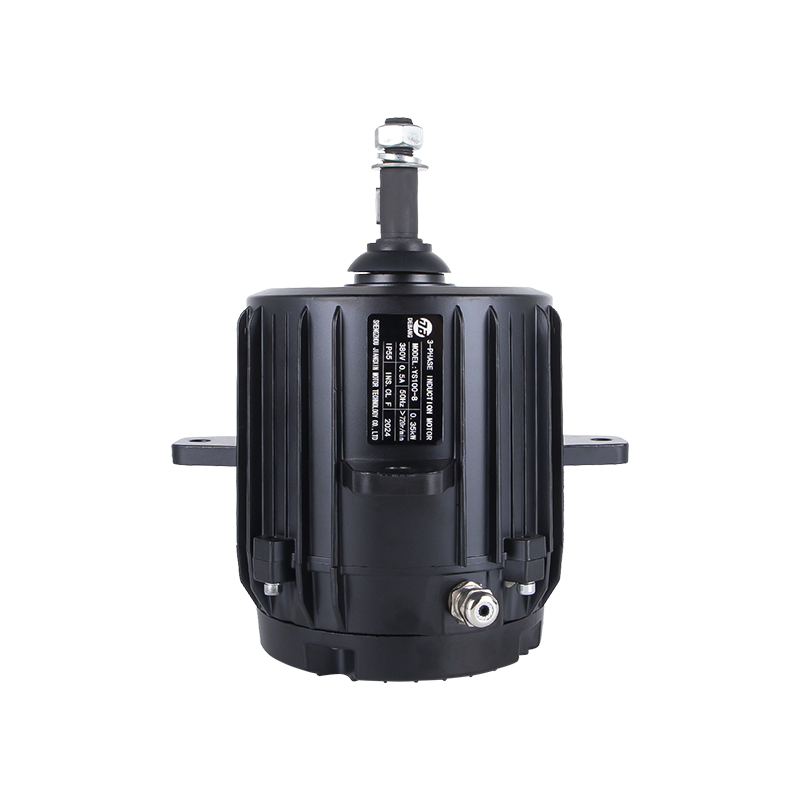
The YS100-8 380V 350W cattle house fan motor is a three-phase asynchronous motor developed for ventilation fans used in cattle farms and similar livestock facilities. It combines a 380V power supply, 350W output, IP55 protection and Class F insulation in a compact and practical motor solution. Its design is intended to support long operating periods in environments characterized by humidity, dust, ammonia gas and corrosive substances.
Unlike ordinary general-purpose motors designed primarily for clean industrial workshops, a cattle house fan motor must be selected with the operating environment in mind. Livestock buildings can expose equipment to moisture, organic dust, airborne particles and aggressive gases. Continuous fan operation also places special demands on bearing reliability, winding insulation, vibration control and heat dissipation. The YS100-8 addresses these needs through a combination of environmental adaptability, stable three-phase operation, low vibration and dependable construction.
This article explains the product’s specifications, operating advantages, application value, manufacturing strengths and selection considerations. It also examines why a purpose-oriented cattle house fan motor can provide practical benefits over less specialized alternatives.
YS100-8 380V 50Hz 350W Cattle House Fan Motor
Product Overview
The YS100-8 is a 350W three-phase asynchronous motor intended for cattle house ventilation fans. It is designed to convert electrical energy into the mechanical power needed to drive fan blades, pulleys or other ventilation components. With a 380V supply, it is suitable for farms and agricultural facilities equipped with three-phase electrical distribution systems.
The motor’s rated power is 350W, providing a balance between compact size and useful fan-driving capacity. This power level can be suitable for ventilation equipment that requires steady operation without the excessive energy consumption associated with oversized motors. Correct matching between motor output, fan diameter, blade design, transmission structure and system resistance remains essential, but the YS100-8 provides a practical motor platform for appropriately selected cattle house fans.
The model is associated with an eight-pole design designation. In a 50Hz system, an eight-pole asynchronous motor has a theoretical synchronous speed of 750 revolutions per minute, while its actual operating speed is somewhat lower because of motor slip. This relatively moderate speed can be advantageous in ventilation applications where stable airflow, manageable noise and controlled mechanical stress are more important than very high rotational speed.
The available product information identifies the principal operating frequency as 50Hz in the product title and also lists a 50/60Hz frequency range in the technical information. Therefore, buyers should confirm the required frequency, rated speed, current and performance curve before ordering. When properly matched to the local power system and fan assembly, the motor can provide reliable continuous ventilation support.
Main Technical Specifications
| Item | Specification |
|---|---|
| Product type | Cattle house fan motor |
| Model | YS100-8 |
| Motor type | Three-phase asynchronous motor |
| Rated voltage | 380V |
| Rated power | 350W |
| Frequency | 50Hz application; 50/60Hz availability subject to confirmation |
| Protection rating | IP55 |
| Insulation class | Class F |
| Primary application | Ventilation fans for cattle houses and livestock facilities |
The specifications show that the YS100-8 is not simply a low-power motor intended for light indoor equipment. Its IP55 protection and Class F insulation are particularly relevant to agricultural ventilation, where the motor may face airborne dust, water exposure during cleaning and elevated humidity. The combination of three-phase power and asynchronous operation also makes it suitable for installations that require robust and economical industrial motor technology.
Why Ventilation Motors Matter in Cattle Houses
Cattle produce heat, moisture and carbon dioxide as part of their normal biological activity. In addition, manure, bedding and feed residues can contribute to ammonia and other airborne contaminants. Without sufficient air exchange, these factors can accumulate and create an uncomfortable environment for animals and workers.
Ventilation fans help remove warm, humid and contaminated air while drawing in fresher air. During hot weather, air movement across the animals can improve the perceived cooling effect. During colder periods, controlled ventilation helps reduce moisture and contaminants without creating unnecessary drafts. The performance of the ventilation system therefore influences animal comfort, building conditions, equipment life and farm management efficiency.
A fan motor used in this environment must operate for long periods and often under variable seasonal conditions. It may start and stop repeatedly, run at high duty cycles or operate continuously during hot weather. At the same time, it must tolerate the environmental conditions created by livestock production. An ordinary motor may work initially but suffer premature deterioration if its enclosure, insulation or mechanical balance is unsuitable.
The YS100-8 is designed around these practical requirements. Its purpose is not only to produce rotational force, but also to provide a stable mechanical power source in a demanding agricultural setting. By combining appropriate electrical characteristics with environmental protection and vibration control, it supports a more dependable ventilation system.
Environmental Adaptability in Harsh Agricultural Conditions
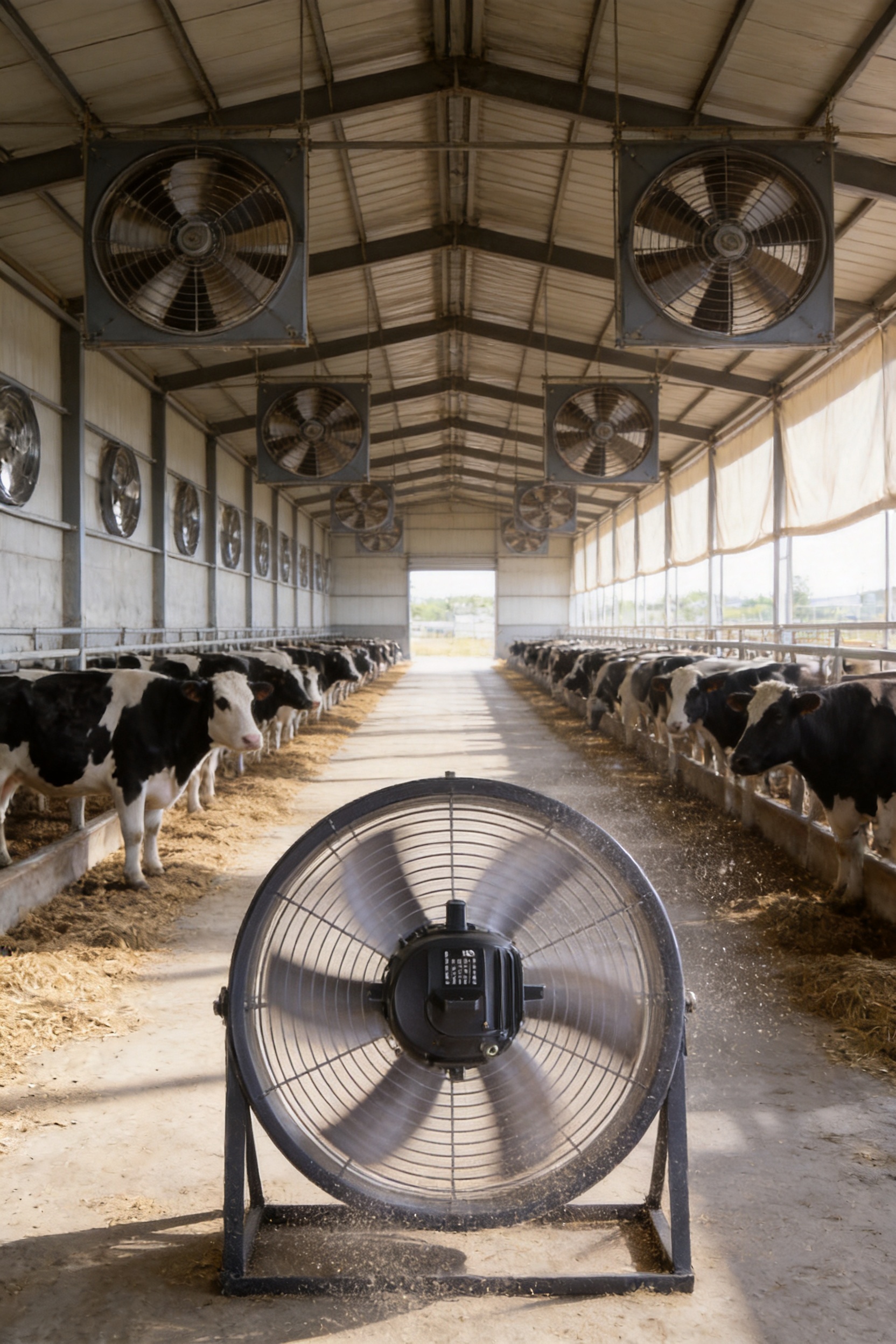
One of the most important advantages of a cattle house fan motor is its ability to work in an environment that is considerably harsher than a clean factory or commercial building. Cattle houses commonly contain high humidity, dust and ammonia gas. Cleaning procedures may also expose equipment to splashes or damp conditions. Over time, these factors can affect motor windings, terminals, bearings, housings and fasteners.
The YS100-8 is specified with an IP55 protection rating. The first digit, 5, indicates protection against harmful dust deposits rather than complete dust-tightness. The second digit, 5, indicates protection against water jets from different directions under defined test conditions. IP55 does not mean that the motor can be submerged or subjected to unlimited high-pressure washing. However, it provides a meaningful level of protection for many industrial and agricultural installations when the motor is correctly mounted and maintained.
This protection helps reduce the risk of dust and moisture reaching sensitive internal components. In a cattle house, that can contribute to more stable insulation performance, reduced contamination of the winding system and longer service intervals. The protection rating also provides a practical advantage over open or lightly protected motors that are intended for dry, clean environments.
Environmental protection must always be considered together with installation. The motor should be positioned where it receives suitable airflow for cooling and is not directly exposed to unnecessary water impact. Cable glands, terminal covers and mounting interfaces should be properly sealed. Drainage and condensation control should also be considered, especially where temperatures change significantly between day and night.
Ammonia and other corrosive substances can be especially challenging because they may gradually affect exposed metal surfaces and electrical connections. No motor housing can eliminate the need for maintenance in such conditions, but a purpose-selected motor with an enclosed and protected construction can reduce the speed at which environmental exposure causes damage.
Stable Three-Phase Asynchronous Operation
The YS100-8 uses a three-phase asynchronous motor design. Three-phase motors are widely used in industrial and agricultural equipment because they offer dependable starting and running characteristics, straightforward electrical integration and good durability in continuous-duty applications.
Compared with many single-phase alternatives, a three-phase motor can provide smoother torque production. This is valuable for fan applications because smoother torque can help reduce pulsation, mechanical stress and unwanted vibration. A stable rotating field also supports consistent operation when the fan is properly balanced and the electrical supply is suitable.
Asynchronous motors are known for their practical construction and relatively simple operating principle. The stator creates a rotating magnetic field, while electromagnetic induction produces rotor torque. Because the rotor does not need a direct electrical connection in the common squirrel-cage configuration, the design can be mechanically robust and well suited to long-term operation.
The 380V rating makes the motor suitable for three-phase distribution systems commonly used in industrial, commercial and agricultural facilities. Before installation, the farm’s electrical system should be checked to confirm phase voltage, frequency, protective devices, grounding and motor current compatibility. Incorrect voltage or phase connection can cause overheating, poor starting performance or damage.
For large-scale livestock facilities, three-phase operation may also simplify the distribution of electrical loads across the building. Multiple fans can be arranged across circuits according to the site’s electrical design. Proper motor protection, overload protection and disconnecting equipment should be included in the control system.
Low Noise and Low Vibration Performance
Noise and vibration are important considerations in cattle housing. Excessive noise can create an uncomfortable environment for animals and workers, while vibration can accelerate wear in the motor, fan assembly, mounting frame and bearings. Vibration may also loosen fasteners and reduce the service life of adjacent components.
The YS100-8 is described as using precision dynamic balancing to reduce vibration and operating noise. Dynamic balancing is especially important for rotating equipment because even a small imbalance can produce significant centrifugal force at operating speed. When the motor and fan are correctly aligned, balanced and mounted, reduced vibration can contribute to quieter operation and a more stable airflow system.
A low-vibration motor can offer several practical benefits. It may reduce structural noise transmitted through the frame, improve the working environment around the fan and lower mechanical stress on bearings. It can also support more consistent performance over time by reducing the risk of loosened bolts, fatigue in mounting brackets and irregular wear in connected components.
However, the final noise level of a ventilation system depends on more than the motor alone. Fan blade shape, air velocity, duct configuration, louvers, guards, belt tension, bearing condition and building structure all influence acoustic performance. The motor’s balanced operation provides an important foundation, but the entire fan system should be assembled and maintained as a coordinated unit.
Protection and Insulation for Long-Term Operation
The motor is specified with Class F insulation. Insulation class relates to the thermal capability of the winding insulation system. Class F generally permits a higher temperature capability than Class B, although actual allowable operating temperature depends on the motor design, ambient conditions, temperature rise and applicable standards.
In cattle houses, elevated humidity, dust accumulation and long operating periods can place additional thermal and electrical stress on the winding system. Class F insulation provides a useful margin when the motor is operated within its specified conditions. It can help the windings tolerate the thermal demands associated with continuous fan operation, provided that overload, voltage imbalance and blocked airflow are avoided.
Insulation class should not be interpreted as permission to run the motor beyond its rated load. A motor that is overloaded, poorly ventilated or operated with an unstable power supply can still overheat. The appropriate overload relay, circuit breaker, conductor size and grounding arrangement should be selected according to the motor’s actual electrical parameters and local regulations.
IP55 protection and Class F insulation work together in the product’s intended application. The enclosure helps limit the entry of harmful dust and water, while the insulation system supports electrical reliability under expected thermal conditions. These features distinguish the motor from basic indoor-use products that may not be designed for livestock ventilation.
Advantages Compared with General-Purpose Alternatives
The YS100-8 offers several application-oriented advantages over a conventional motor chosen without considering the cattle house environment. The first advantage is environmental suitability. Many general-purpose motors are designed for relatively clean, dry and controlled locations. A cattle house fan motor must instead address humidity, dust, corrosive gases and prolonged operation.
The second advantage is the combination of compact power and practical operating speed. At 350W, the motor can support an appropriately matched fan without requiring the energy consumption or physical size of a much larger motor. Its eight-pole configuration is associated with a moderate speed that can help support stable airflow and controlled noise when used with a compatible fan design.
The third advantage is smoother three-phase operation. A three-phase asynchronous motor can provide reliable torque and a durable operating structure for continuous ventilation. This may be more suitable for farm ventilation than a small, lightly constructed motor intended for occasional household use.
The fourth advantage is vibration control. Precision dynamic balancing can help reduce the mechanical problems associated with unbalanced rotating assemblies. Lower vibration can improve comfort, reduce structural stress and support longer service life for the motor and fan system.
The fifth advantage is maintainability. A motor with a defined protection rating and industrial construction is easier to incorporate into a planned maintenance program. Operators can inspect the housing, terminals, mounting points, fan connection and protective devices according to a regular schedule.
These advantages do not mean that the YS100-8 is suitable for every fan or every livestock building. Motor selection must be based on the fan load, required airflow, static pressure, operating schedule, ambient temperature, electrical supply and mounting arrangement. Nevertheless, its specification profile is strongly aligned with the needs of cattle house ventilation.
Manufacturing Strengths and Quality-Oriented Production
The manufacturer, Shengzhou Jiangxin Motor Technology Co., Ltd., was established in 2017 and focuses on the research, development, production and sales of AC/DC motors and micro motors. Its product range includes evaporative air cooler motors, industrial heater motors, oil pump motors, industrial fan motors and customized motor solutions.
The company operates in Shengzhou, Zhejiang Province, within the industrial environment of the Yangtze River Delta. This region provides access to manufacturing resources, component suppliers, technical talent and transportation infrastructure. Such an industrial base can support efficient procurement, coordinated production and responsive product development.
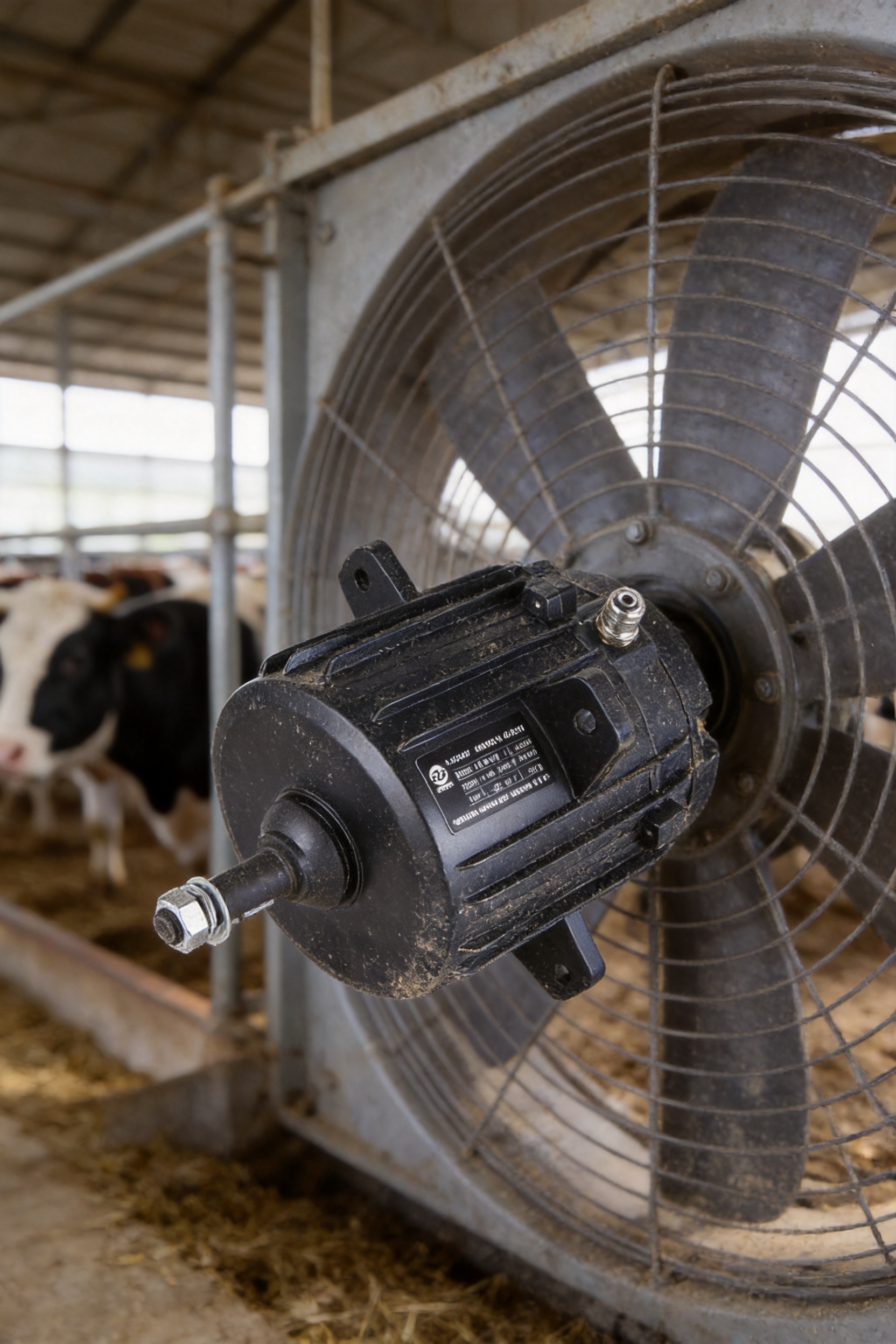
According to the supplied company information, the manufacturer owns modern production facilities and advanced automated equipment. Automation can contribute to repeatability in processes such as winding, assembly, balancing and inspection. Consistent process control is particularly valuable in motor production because small variations in winding placement, rotor balance, bearing installation or assembly alignment can influence performance.
A professional research and development team also supports the ability to adapt motor designs to different applications. Livestock ventilation is not identical to residential air movement, industrial exhaust or evaporative cooling. Each application may require a different combination of speed, torque, enclosure protection, installation dimensions and operating duty. Engineering capability allows a manufacturer to evaluate these requirements rather than relying only on a one-size-fits-all product.
The company has been recognized as a provincial-level technology enterprise, according to the provided information. It also emphasizes strict quality control and innovation. For buyers, the practical importance of these strengths lies in production consistency, technical communication and the ability to support customized requirements. A supplier with both manufacturing and engineering capabilities can be better positioned to address questions about voltage, frequency, mounting, wiring, fan matching and application conditions.
Key Manufacturing Processes
Although the exact internal production sequence may vary by model, a professional motor manufacturing process generally includes several critical stages. The first is the preparation and inspection of raw materials and components. Electrical steel, copper wire, insulation materials, housings, shafts, bearings, fasteners and other parts must meet the required dimensional and performance specifications.
The stator winding process is another important stage. Copper wire must be wound with appropriate tension and placed accurately within the stator slots. Insulation materials must be positioned correctly to prevent electrical contact with the core. Consistency in winding quality supports stable resistance, reliable insulation and predictable motor performance.
Rotor production and shaft assembly require careful dimensional control. The rotor must be concentric with the shaft, and the shaft must be suitable for the mechanical load imposed by the fan or transmission arrangement. Any excessive runout or imbalance can contribute to vibration and noise.
Dynamic balancing is especially relevant to the YS100-8 because the product description highlights precision balancing as a way to reduce vibration. During this process, the rotating assembly is evaluated and corrected so that its mass distribution is more uniform. This helps the motor operate more smoothly at its working speed.
Bearing installation is also important. Bearings must be seated correctly, aligned with the shaft and protected from contamination. Improper installation can create noise, heat and premature wear. In a livestock environment, maintaining the integrity of the housing and seals around rotating components is particularly important.
Final assembly may include the installation of the terminal box, protective cover, fan, fasteners and other components. Electrical testing can include winding resistance, insulation performance, phase verification and no-load operation. Mechanical checks may include noise, vibration, rotation direction and overall running stability.
Quality control is most effective when it is applied throughout the production process rather than only at the final inspection stage. Incoming material checks, process monitoring, automated equipment and final testing can work together to reduce variation. This approach supports the stable performance expected from a motor used in continuous agricultural ventilation.
Energy Efficiency and Operating Economics
Ventilation fans may operate for many hours each day, particularly during warm seasons or in buildings with high stocking density. Even a relatively small motor can consume significant energy over its service life when operated continuously. For this reason, energy efficiency should be considered alongside purchase price.
The YS100-8 provides a 350W power rating, which can help avoid unnecessary oversizing when the selected fan requires a similar output. An oversized motor may operate below its most appropriate load range and can increase equipment and energy costs. An undersized motor, on the other hand, may overheat or fail to provide the required airflow. Proper matching is therefore central to efficient operation.
Three-phase asynchronous motors can provide an economical solution for stable mechanical loads such as ventilation fans. Their established design, durable construction and straightforward control requirements can support predictable operating costs. The actual efficiency depends on motor design, load factor, power quality, fan condition and control strategy.
Regular cleaning also influences energy use. Dust accumulation on fan blades, guards and motor surfaces can restrict airflow and increase resistance. A dirty or damaged fan may require greater motor effort to deliver the same ventilation result. Maintaining the fan assembly helps preserve the value of the motor and prevents avoidable energy consumption.
In installations where variable ventilation is required, the suitability of speed control should be discussed with the manufacturer or system engineer. Not every motor and fan arrangement should be connected to a variable-frequency drive without confirming compatibility. Electrical frequency, cooling conditions, torque requirements and minimum operating speed must be considered before implementing speed control.
Installation Recommendations
Correct installation is essential for achieving the expected performance of the YS100-8. The mounting frame should be strong, level and capable of resisting vibration. All mounting bolts should be tightened according to appropriate mechanical practice, and the motor should be aligned with the fan or transmission system.
The motor should be installed in a position that allows adequate heat dissipation. Although the motor has IP55 protection, its ventilation paths should not be blocked by dust, insulation materials or structural components. Sufficient clearance should be maintained around the housing for inspection and cleaning.
Electrical installation should be carried out by qualified personnel. The supply voltage must match the motor rating, and the frequency should correspond to the intended operating condition. Phase sequence should be checked because it determines the direction of rotation in a three-phase motor. If the fan rotates in the wrong direction, airflow may be reduced and the motor may not deliver the expected ventilation result.
Appropriate overload protection and short-circuit protection should be installed. The motor should be grounded correctly, and cables should be selected for the operating current, length, ambient conditions and installation method. Connections must be protected against moisture and corrosion, especially in areas with high humidity or airborne contaminants.
If the motor is connected to a belt-driven fan, pulley alignment and belt tension require careful adjustment. A belt that is too tight can overload bearings, while a belt that is too loose may slip and reduce fan speed. If the motor is directly coupled to a fan, shaft alignment and coupling balance become critical.
Before placing the system into continuous operation, the installer should verify rotation direction, abnormal noise, vibration, current draw, mounting stability and airflow. Any unusual temperature rise, burning smell, repeated overload trip or mechanical noise should be investigated immediately.
Maintenance in Livestock Facilities
Preventive maintenance can significantly improve motor reliability. The motor housing, fan blades and protective grille should be inspected regularly for dust, manure residues and other deposits. Cleaning should be performed using methods appropriate for an IP55 motor. High-pressure water should not be directed at seals, terminal boxes or openings unless the equipment and procedure are specifically approved for that practice.
Electrical connections should be checked for looseness, corrosion or signs of overheating. A loose connection can create resistance, heat and voltage imbalance. Over time, this may damage the terminal components or motor windings. Inspection intervals should reflect the severity of the environment and the operating schedule.
Mechanical mounting points should also be checked. Vibration may gradually loosen fasteners, especially when the fan assembly is not perfectly balanced. Any new vibration or noise should be treated as a maintenance signal rather than ignored. Fan blades, guards, bearings, belts and pulleys should be inspected together because a problem in one component can affect the entire rotating system.
Operating temperature and current should be monitored when possible. A gradual increase in temperature or current may indicate blocked ventilation, excessive fan resistance, bearing wear, voltage imbalance or overload. Early detection can prevent an unexpected shutdown during periods of high ventilation demand.
Maintenance records are useful for larger farms. Recording inspection dates, operating hours, cleaning work, current measurements and observed defects can help identify trends. Planned maintenance is generally less disruptive than emergency motor replacement during hot weather or periods of high animal occupancy.
Applications Beyond Cattle Houses
The primary application of the YS100-8 is cattle house ventilation. However, its environmental protection, three-phase construction and moderate output may also make it relevant to other agricultural and industrial ventilation systems, subject to engineering confirmation.
Potential applications may include ventilation fans in dairy buildings, livestock barns, agricultural storage areas, greenhouse support systems and other locations where moderate-power air movement is required. The suitability of the motor depends on the specific environmental exposure, fan load, installation method and duty cycle.
It may also be considered for equipment that requires reliable rotation in humid or dusty surroundings. However, buyers should not assume that an agricultural fan motor is automatically appropriate for hazardous locations, explosive atmospheres, submerged applications or severe chemical exposure. Those conditions require specialized certifications and construction details that must be confirmed separately.
How to Select the Correct Motor for a Ventilation Project
The first selection factor is the required fan power. The motor’s 350W rating should be compared with the fan manufacturer’s recommended motor capacity. Fan power requirements depend on airflow, static pressure, blade geometry, fan diameter, speed and transmission efficiency.
The second factor is the electrical supply. The YS100-8 is specified for 380V three-phase operation, with product information referring to 50Hz and 50/60Hz conditions. The buyer should confirm the actual site voltage and frequency before ordering. Electrical compatibility should include phase arrangement, starting method, protection devices and control equipment.
The third factor is the environmental condition. IP55 is suitable for many dusty and humid applications, but the buyer should evaluate cleaning methods, direct water exposure, ammonia concentration, ambient temperature and the possibility of condensation. If the installation is unusually severe, additional protective measures may be required.
The fourth factor is the mechanical interface. Important details may include mounting dimensions, shaft diameter, shaft extension, keyway, rotation direction, terminal position and fan connection. A motor that meets the electrical requirements may still be unsuitable if it cannot be mounted or coupled correctly.
The fifth factor is operating duty. Fans may run intermittently, seasonally or continuously. The motor should be selected according to the actual duty cycle, starting frequency and expected load. Continuous operation at or near rated output requires appropriate ventilation, protection and maintenance.
The sixth factor is supplier support. A manufacturer capable of producing AC/DC motors, fan motors and customized products may be able to provide more useful technical assistance than a supplier focused only on standard catalog items. Product drawings, wiring information, test data and customization discussions should be requested when necessary.
Frequently Asked Questions
What is the main application of the YS100-8 motor?
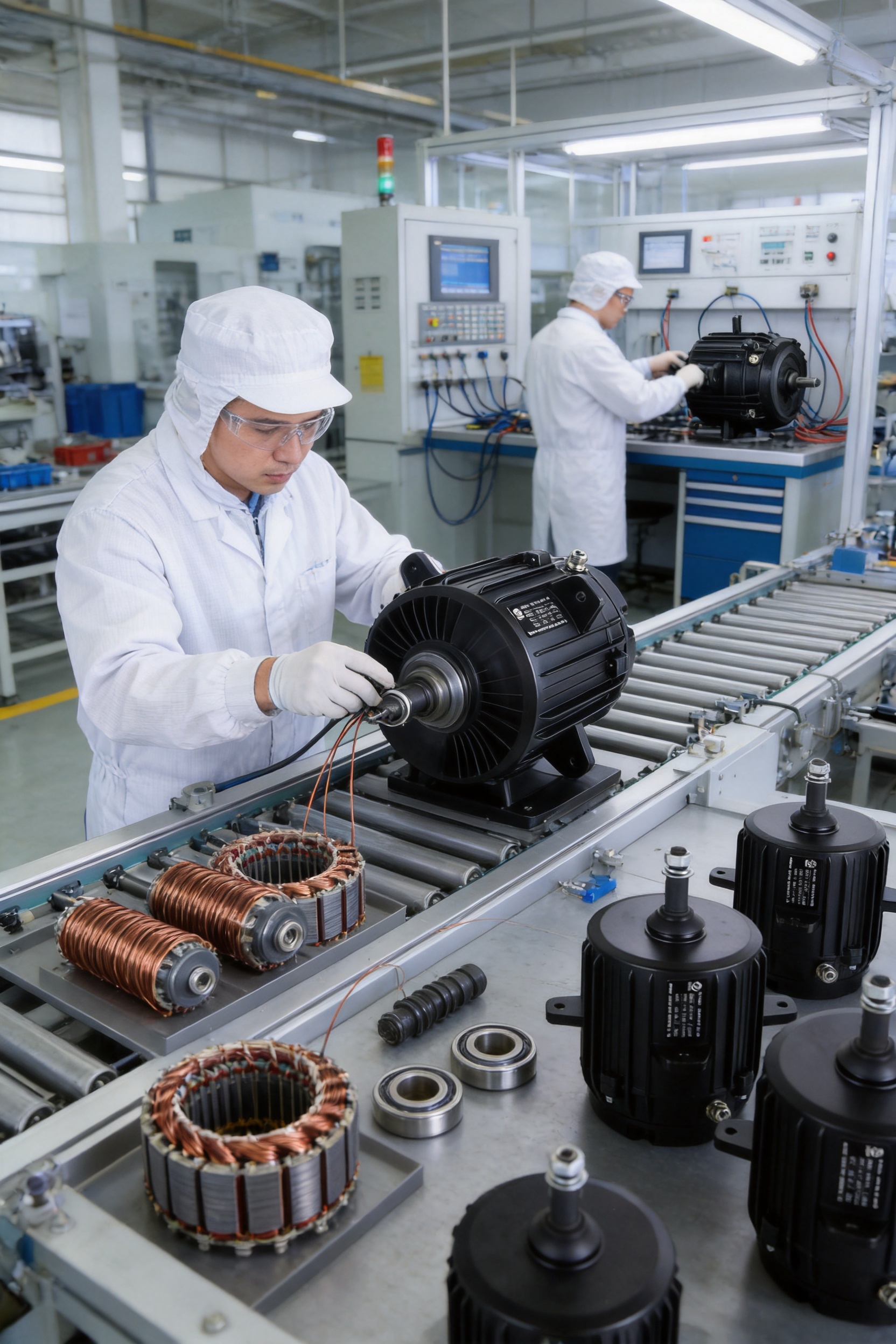
The YS100-8 is primarily designed to drive ventilation fans in cattle houses and similar livestock facilities. It is intended to provide stable mechanical power for air movement in environments that may contain humidity, dust, ammonia gas and corrosive substances.
Is the YS100-8 a single-phase or three-phase motor?
It is a three-phase asynchronous motor. The listed voltage is 380V, so the electrical installation must provide a compatible three-phase supply and suitable motor protection.
What is the rated power of the motor?
The rated power is 350W. The actual fan size and airflow capacity must be determined by matching the motor with the fan’s mechanical load and operating requirements.
What does the IP55 rating mean?
IP55 indicates protection against harmful dust deposits and protection against water jets from different directions under defined test conditions. It is not a waterproof or submersible rating. Proper installation and maintenance are still required in a cattle house.
What does Class F insulation provide?
Class F insulation indicates a winding insulation system with a defined thermal capability. It can provide useful thermal margin for long operating periods, but it does not permit overload or operation outside the motor’s specified conditions.
Can the motor operate at both 50Hz and 60Hz?
The technical information lists 50/60Hz, while the product title identifies a 50Hz application. Buyers should confirm the required frequency, rated speed, current and performance with the supplier before placing an order, particularly when the motor will be used in a 60Hz power system.
Why is low vibration important for a cattle house fan?
Low vibration can reduce noise, mechanical stress and wear on the motor, fan, bearings and mounting structure. It can also help create a more comfortable environment for cattle and workers. Correct fan balancing and installation remain essential for achieving the best result.
Can the motor be washed with a high-pressure cleaner?
IP55 protection does not automatically authorize unrestricted high-pressure washing. Cleaning procedures should prevent direct water entry through terminals, seals and openings. The motor manufacturer’s instructions and the site’s safety procedures should be followed.
How can the motor’s service life be extended?
Service life can be supported through correct installation, proper overload protection, regular cleaning, inspection of electrical connections, checking of mounting bolts, monitoring of vibration and timely replacement of worn fan components. Avoiding overload and maintaining adequate cooling are especially important.
Can the YS100-8 be customized?
The manufacturer provides AC/DC motors, fan motors and customized motor solutions. Customization possibilities should be discussed directly and may involve voltage, frequency, mounting dimensions, shaft configuration, wiring, protection requirements or other application details.
Why Work with an Experienced Motor Manufacturer?
A motor is only one part of a ventilation system, but its reliability affects the performance of the complete installation. An experienced manufacturer can help customers evaluate the relationship between motor output, fan load, operating speed, environmental protection and electrical control.
Shengzhou Jiangxin Motor Technology Co., Ltd. states that it serves customers in more than 60 countries and regions. International experience can help a supplier understand different electrical systems, documentation expectations, packaging requirements and application conditions. It may also support more efficient communication for overseas agricultural equipment distributors and system integrators.
The company’s focus on AC/DC motors and micro motors provides a broad technical base. Its product portfolio includes motors for evaporative air coolers, industrial heaters, oil pumps and other applications. This range suggests experience with different combinations of airflow, heating, pumping, compact installation and customized operating requirements.
For buyers, the value of a manufacturer includes more than the motor’s initial price. Consistent production, technical support, quality control, replacement availability and communication during the design stage can all affect the total cost of ownership. A reliable supplier can help reduce the risk of selecting a motor that appears inexpensive but is poorly matched to the application.
Conclusion
The YS100-8 380V 350W cattle house fan motor is a practical three-phase asynchronous motor for livestock ventilation systems. Its key features include 380V operation, 350W rated power, IP55 protection, Class F insulation and a design focused on low noise and reduced vibration.
Its main advantage over a basic general-purpose motor is its alignment with the conditions found in cattle houses. Humidity, dust, ammonia gas, continuous operation and mechanical vibration all create challenges that should be considered during motor selection. The YS100-8 addresses these challenges through environmental protection, industrial construction and balanced rotating performance.
The manufacturer strengthens the product offering through modern production facilities, automated equipment, research and development capabilities, quality control systems and experience in AC/DC and customized motor production. These capabilities can support consistent manufacturing and more professional technical cooperation with farm equipment manufacturers, distributors and end users.
To obtain the best performance, the motor must be correctly matched to the fan, electrical supply and installation environment. Proper grounding, overload protection, alignment, cleaning and preventive maintenance are essential. When these requirements are addressed, the YS100-8 can serve as a dependable power source for cattle house ventilation and other compatible agricultural air movement applications.
References
1. Product technical information for the YS100-8 cattle house fan motor, including voltage, power, frequency, protection rating and insulation class.
2. Manufacturer information concerning AC/DC motor production, research and development, automated equipment and customized motor solutions.
3. General principles of three-phase asynchronous motor operation and squirrel-cage induction motor construction.
4. General guidance on IP protection ratings for electrical enclosures.
5. General engineering practices for livestock building ventilation, motor installation and preventive maintenance.
Product: YS100-8 380V 50Hz 350W Cattle House Fan Motor
Related Products
-
YS100-8 380V 50Hz 350W Cattle House Fan Motor
-
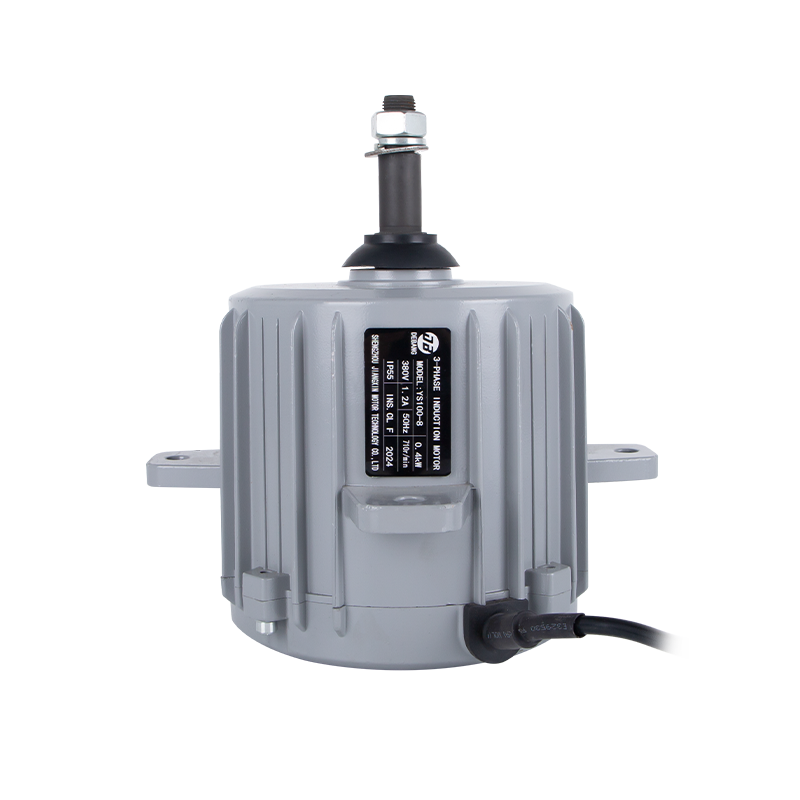 YS100-8 380V 50Hz 350W Cattle House Fan Motor
-
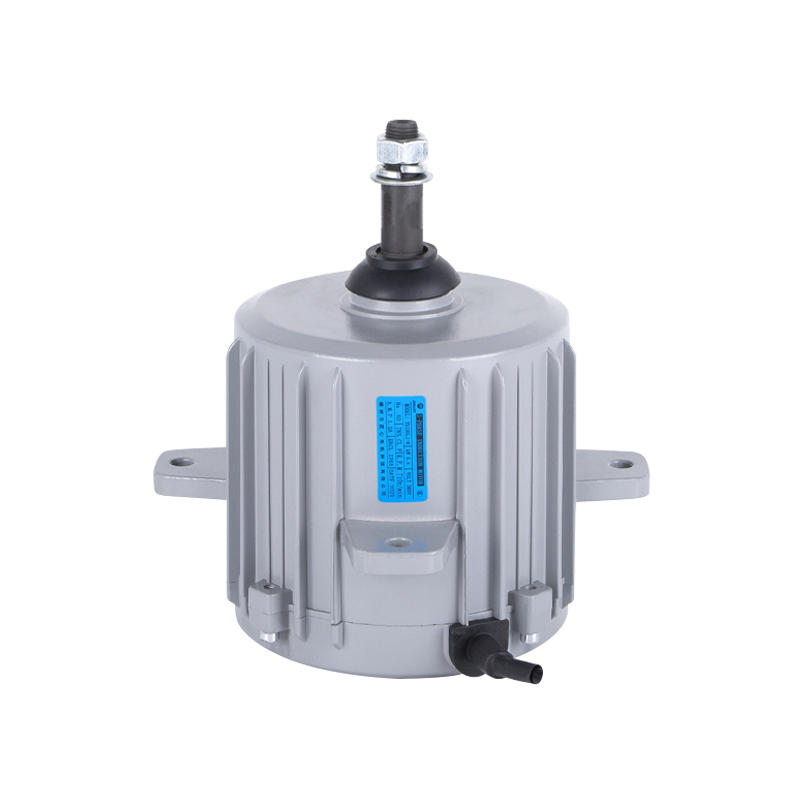 YS100L1-8 380V 50Hz 400W Cattle House Fan Motor
-
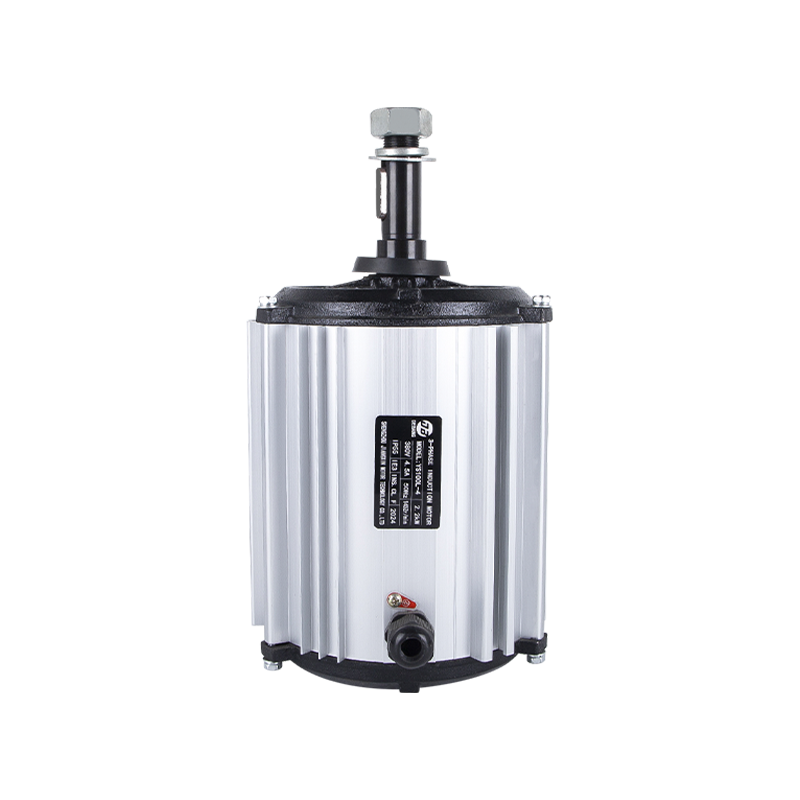 YS100L-4 380V 2200W 3-Phase Evaporative Air Cooler Motor
-
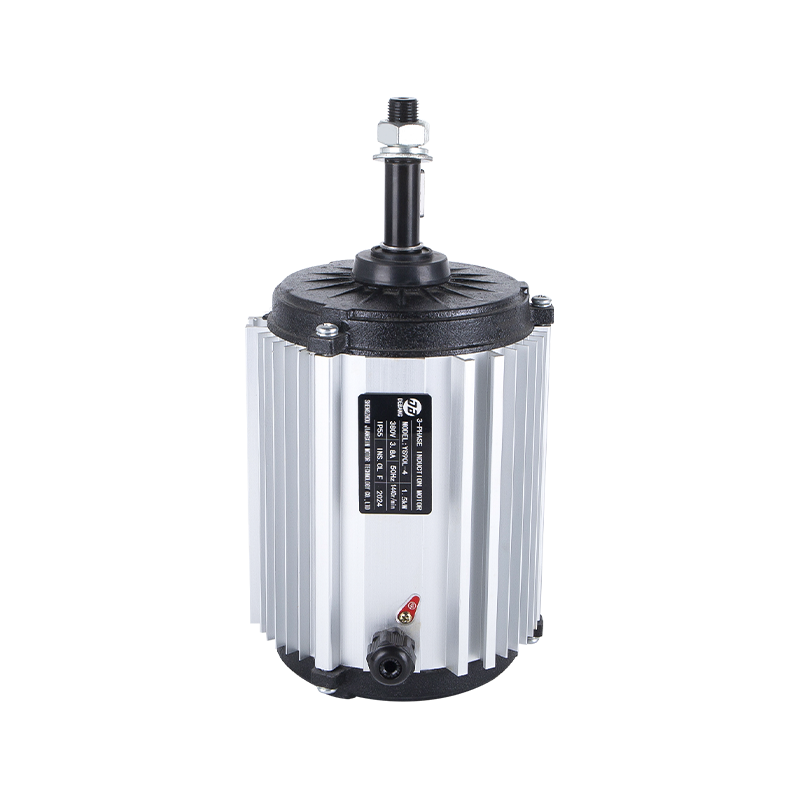 YS90L-4 380V 1500W 3-Phase Evaporative Air Cooler Motor
-
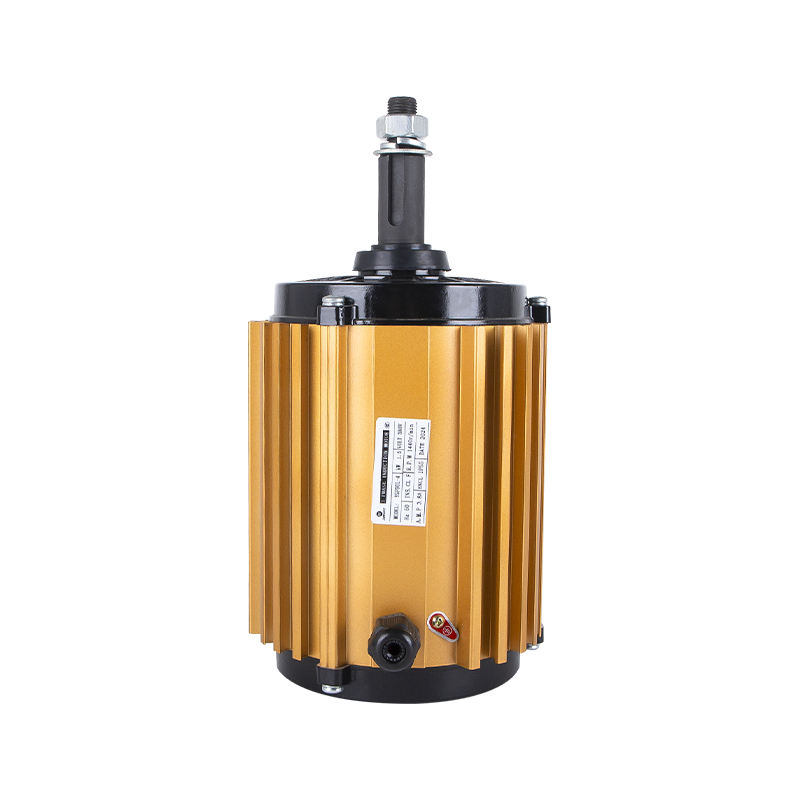 YS90L-4 380V 1500W 3-Phase Evaporative Air Cooler Motor
 Ready To Customise
Your Motor Products?

We are professional motor manufacturers, delivering powerful, stable, and efficient power cores for all industries through precision craftsmanship and innovation.
Contact Us
-
 Mobile:+86 13575536911
-
 Tel:+86 18357538240
-
 Whatsapp:+8618357538240
-
 Email:betty@dbjxmotor.com
-
 Company Address
Copyright © by Shengzhou Jiangxin Motor Technology Co., Ltd. All Rights Reserved.
Wholesale Industrial Fan Motors Manufacturers
