

 English
 русский
 Español
 عربى

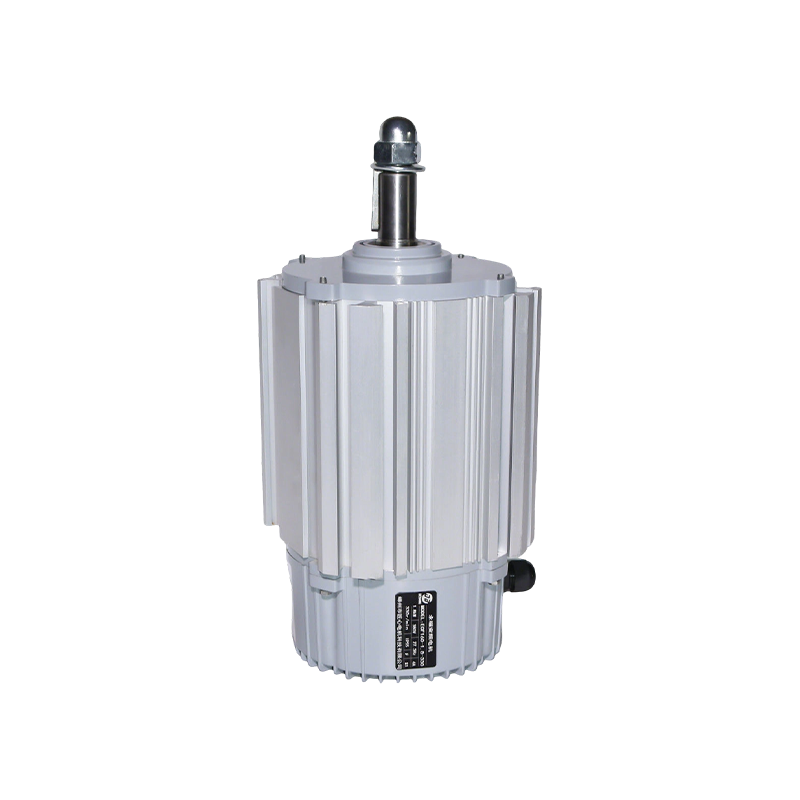
No. 8, Duxiu San Road, Ganlin Town, Shengzhou City, Shaoxing City, Zhejiang Province, China

News Category
Product Category
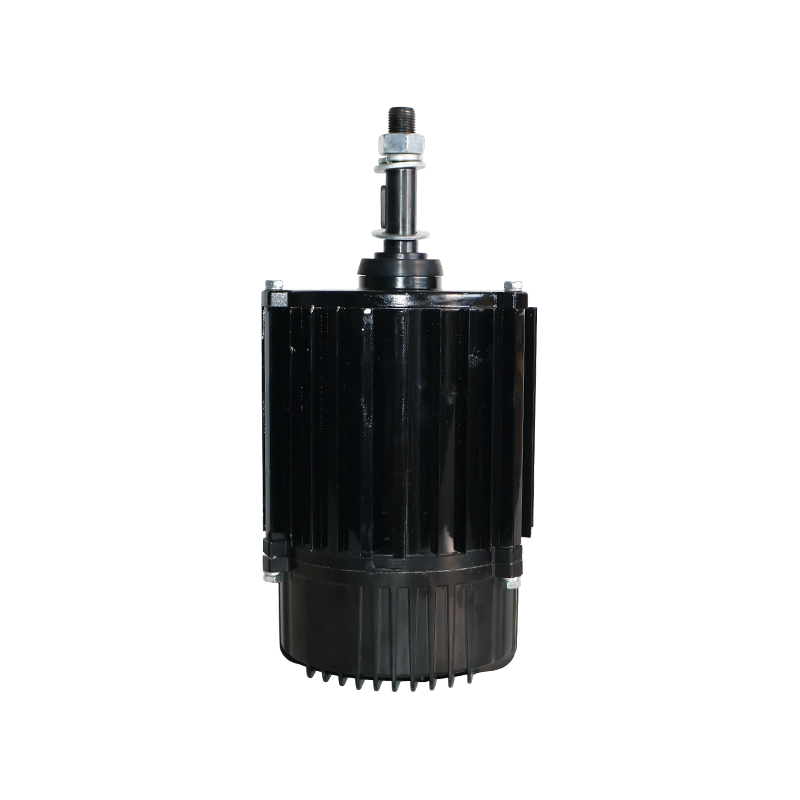
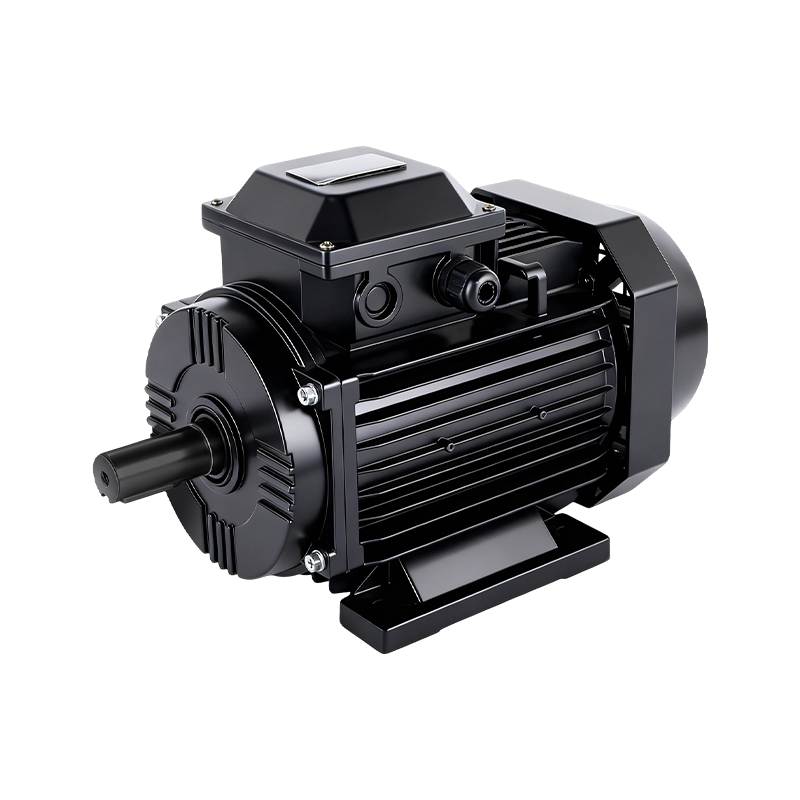
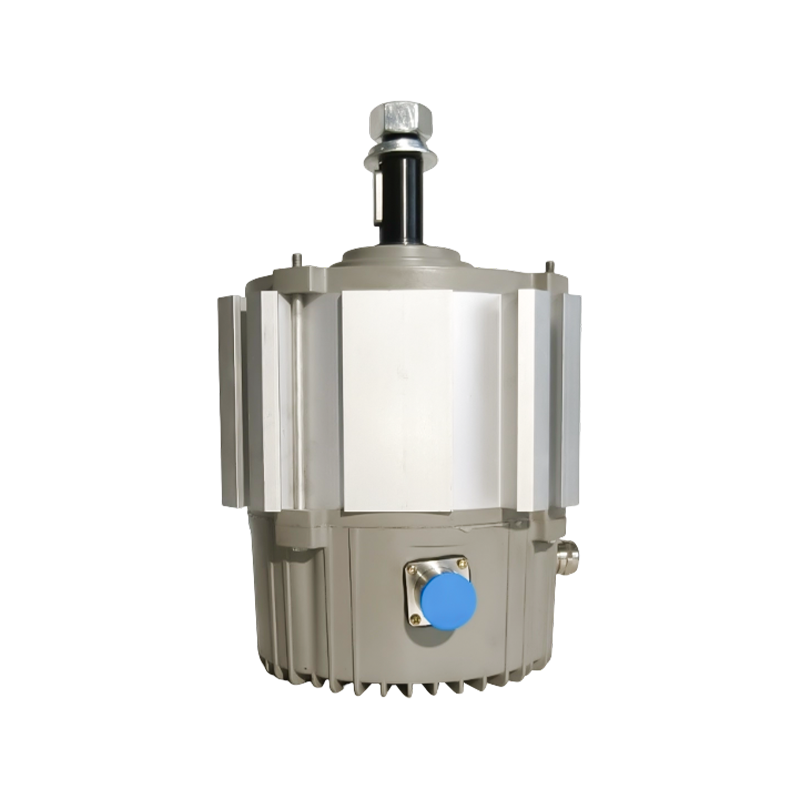
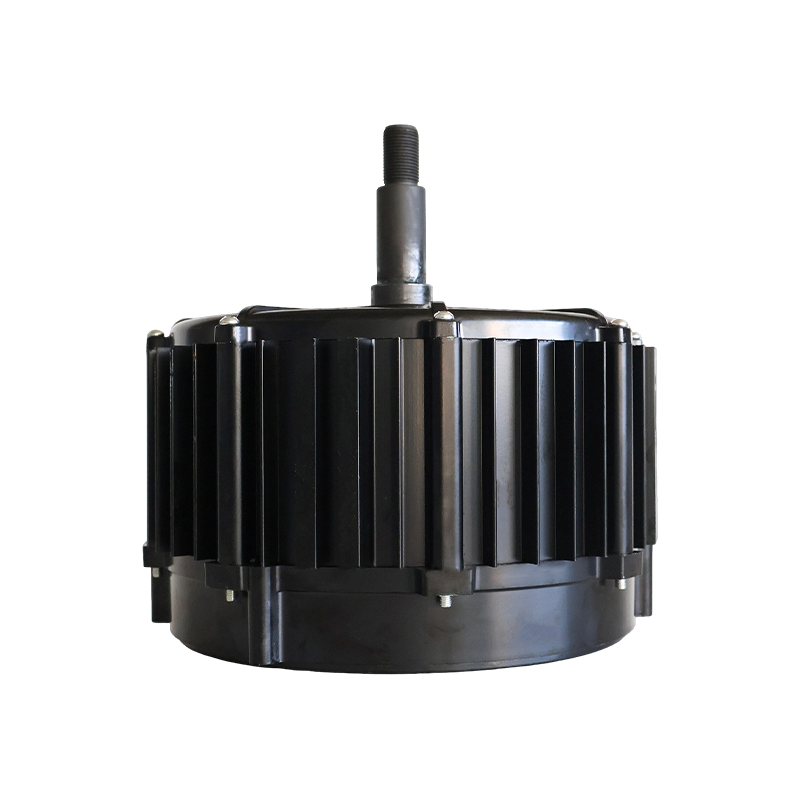
ECF-350-10 220V 350W EC Fan Motor: High-Efficiency Power for Evaporative Air Cooler Applications
Content
- 1 Product Overview
- 2 Designed for Evaporative Air Cooler Systems
- 3 High Efficiency and Reduced Energy Consumption
- 4 Quiet Operation and Low Vibration
- 5 Brushless Construction and Long Service Life
- 6 IP55 Protection for Practical Industrial Use
- 7 Class F Insulation and Thermal Reliability
- 8 Comparison with Conventional Motor Technologies
- 9 Advanced Manufacturing Strengths
- 10 Benefits for Equipment Manufacturers
- 11 Benefits for Distributors and System Integrators
- 12 Installation and Operating Considerations
- 13 Maintenance Recommendations
- 14 Application Selection Guide
- 15 Why Choose a Specialized Motor Manufacturer?
- 16 Q&A
- 16.1 What type of motor is the ECF-350-10?
- 16.2 What voltage does the motor use?
- 16.3 Can the motor operate with both 50Hz and 60Hz power?
- 16.4 What is the rated power?
- 16.5 What does EC mean in an EC motor?
- 16.6 How efficient is the ECF-350-10?
- 16.7 How much energy can the motor save compared with a conventional AC motor?
- 16.8 Is the motor suitable for continuous operation?
- 16.9 What does IP55 protection provide?
- 16.10 What is Class F insulation?
- 16.11 Does the motor require brush replacement?
- 16.12 Can the motor be used for applications other than evaporative air coolers?
- 16.13 What should buyers verify before ordering?
- 16.14 Why is motor-fan matching important?
- 16.15 Who manufactures the ECF-350-10?
- 17 Conclusion
- 18 References
- 19 Product: ECF-350-10 220V 350W EC Fan Motor
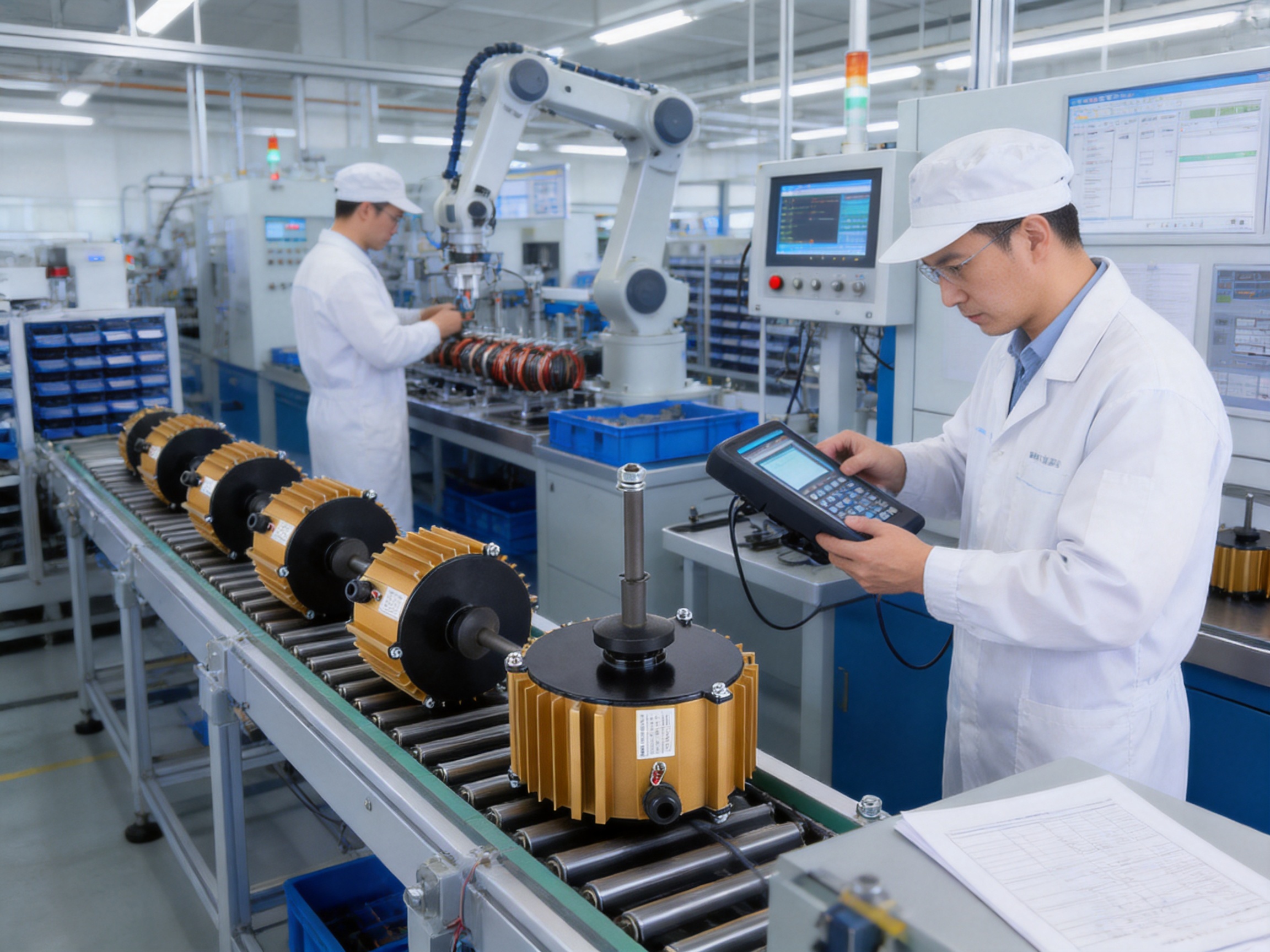
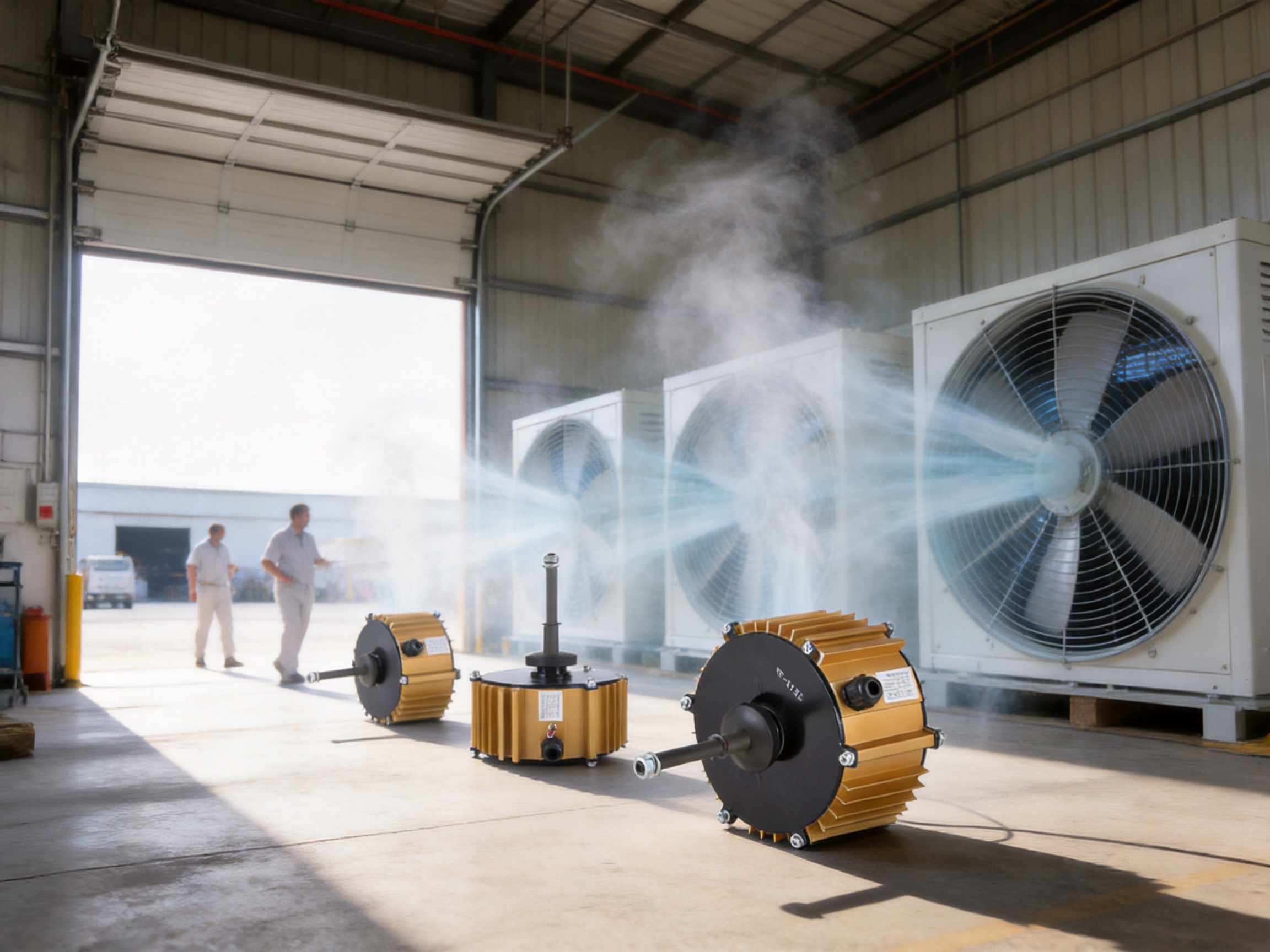
The ECF-350-10 220V 350W EC Fan Motor is an electronically commutated motor developed for evaporative air coolers and other air-moving equipment that require dependable, efficient, and quiet operation. Combining brushless DC motor technology with electronic commutation, the motor is designed to deliver stable airflow while reducing energy consumption, vibration, maintenance requirements, and operating noise.
As energy efficiency becomes increasingly important in residential, commercial, and industrial ventilation equipment, motor selection has a direct effect on total product performance. A motor that consumes excessive power, produces high noise levels, or requires frequent maintenance can increase operating costs throughout the equipment’s service life. The ECF-350-10 addresses these challenges through an efficient electromagnetic design, durable construction, IP55 protection, Class F insulation, and a service life rated at approximately 30,000 to 50,000 hours under suitable operating conditions.
With a rated voltage of 220V, rated output power of 350W, and compatibility with 50Hz and 60Hz electrical systems, this EC motor provides a practical solution for evaporative air coolers and related air-handling applications. Its design is particularly suitable for equipment that operates for long periods, including commercial cooling systems, workshops, warehouses, agricultural facilities, factories, and other spaces where reliable air circulation is essential.
Product Overview
The ECF-350-10 is an EC motor, meaning that it combines the permanent-magnet rotor characteristics of a brushless DC motor with an integrated electronic control system. Instead of relying on mechanical brushes and a commutator to transfer electrical energy to the rotating assembly, the motor uses electronic switching to control the magnetic field and maintain rotation.
This structure provides several important advantages. Mechanical brush wear is eliminated, electrical commutation is controlled more precisely, and the motor can maintain efficient operation across a broad range of working conditions. The result is a motor that can provide reliable rotational performance while using less energy than many conventional AC induction motors of comparable application capacity.
The motor is specified for 220V operation and has a rated power of 350W. Its 50/60Hz frequency compatibility supports use in different power environments, subject to the requirements of the final equipment and control system. The IP55 protection grade helps protect the motor against dust ingress and water projected from any direction, making it suitable for demanding air-cooling environments when correctly installed.
| Item | Specification |
|---|---|
| Product type | EC motor |
| Model | ECF-350-10 |
| Rated voltage | 220V |
| Rated power | 350W |
| Frequency | 50/60Hz |
| Protection grade | IP55 |
| Insulation class | Class F |
| Typical application | Evaporative air coolers and air-moving equipment |
| Estimated service life | Approximately 30,000–50,000 operating hours under suitable conditions |
The stated specifications make the ECF-350-10 a balanced choice for manufacturers and equipment integrators seeking a combination of power, efficiency, durability, and compact motor technology. Final performance will depend on fan design, load conditions, ambient temperature, installation quality, operating speed, and the matching of the motor to the complete air-cooling system.
Designed for Evaporative Air Cooler Systems
Evaporative air coolers depend on consistent air movement to transfer cooled air into a room, workshop, warehouse, or other space. The fan motor is therefore one of the most important components in the complete system. If the motor is inefficient, the cooler may require more electricity to provide the desired airflow. If it generates excessive vibration, it can reduce comfort and place additional stress on bearings, fan housings, brackets, and other mechanical components.
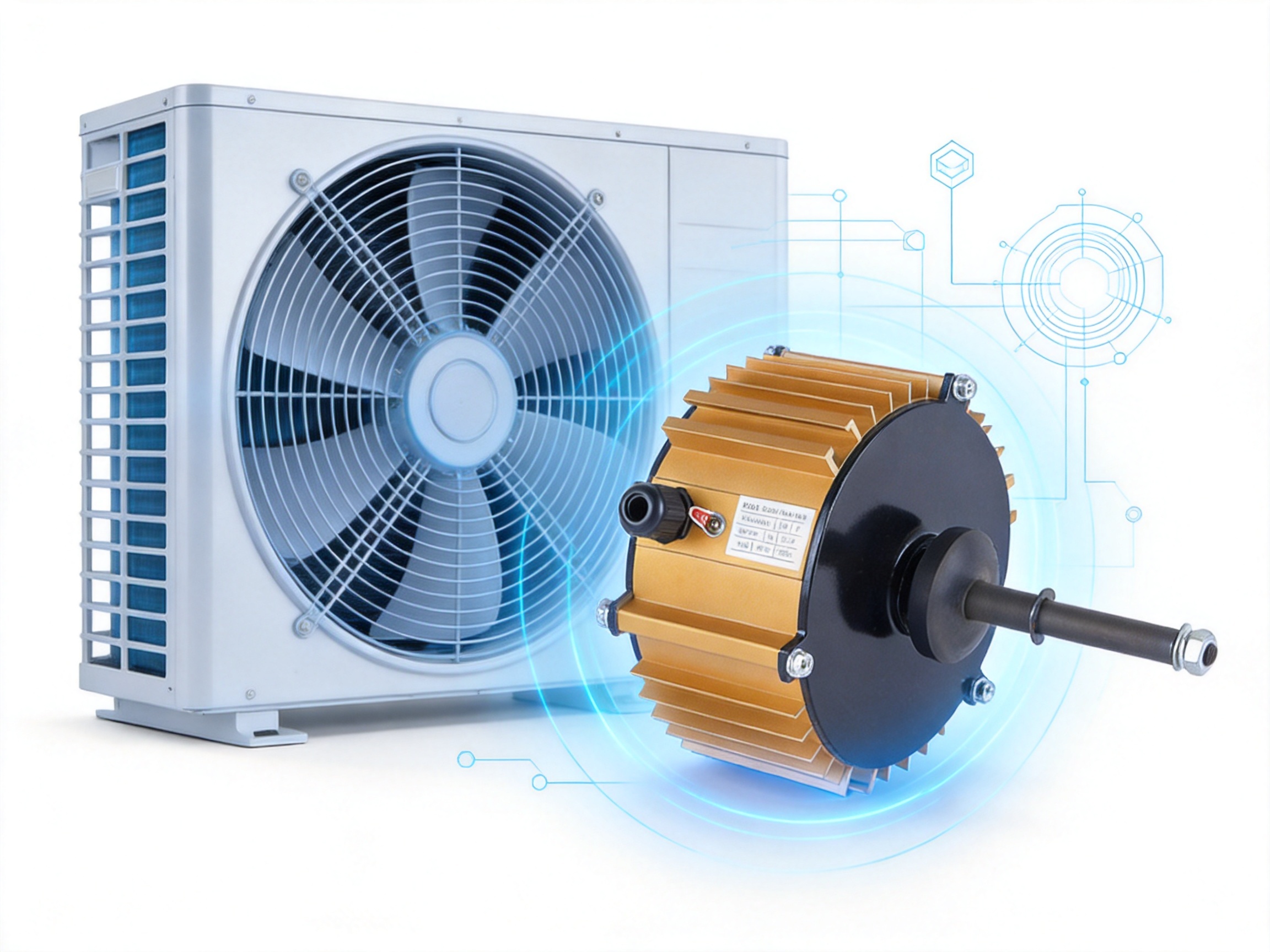
The ECF-350-10 has been developed around the operating needs of evaporative air-cooling equipment. Its 350W power rating provides a practical output level for suitable fan assemblies, while its electronically commutated design supports efficient operation over different load conditions. This is especially valuable for coolers that operate for extended periods during warm seasons or in environments where continuous ventilation is necessary.
Unlike a motor intended only for short-term or intermittent operation, a motor for air-cooling equipment must be able to deliver stable performance over long operating cycles. It must also tolerate the environmental conditions commonly associated with air coolers, including airborne dust, moisture, temperature variation, and repeated starting and stopping. The ECF-350-10’s IP55 protection and Class F insulation provide important support for this type of application when the motor is installed and maintained according to appropriate technical requirements.
In addition to evaporative air coolers, the motor may be considered for selected ventilation, air circulation, fan, and air-handling systems. Before use in any new application, engineers should verify fan load, starting requirements, control compatibility, mounting arrangement, airflow demand, ambient conditions, and applicable safety standards.
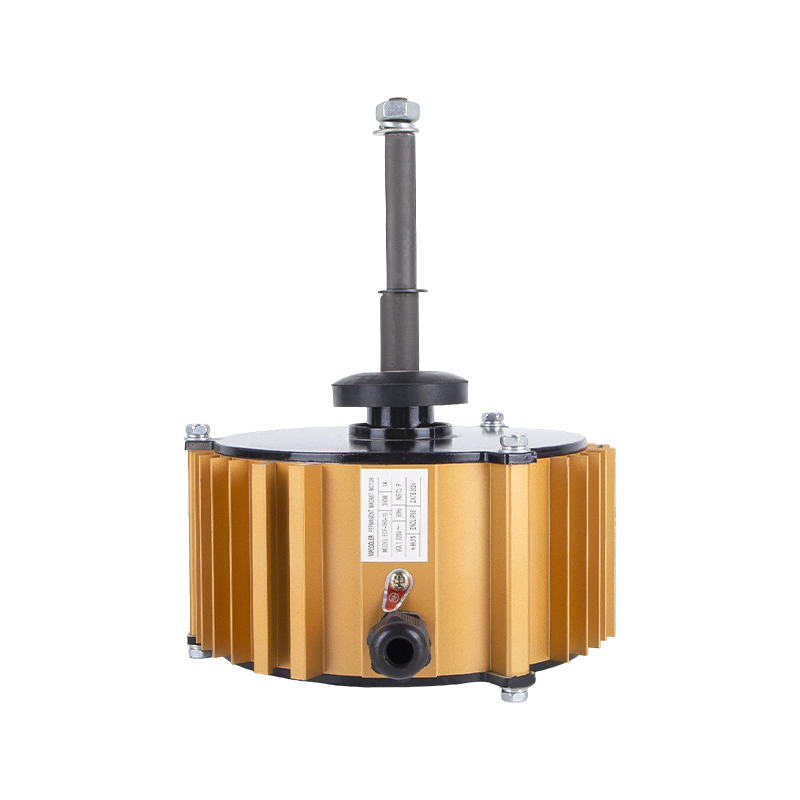
ECF-350-10 220V 350W EC Fan Motor
High Efficiency and Reduced Energy Consumption
One of the most significant benefits of EC motor technology is its ability to reduce energy consumption compared with many conventional AC motor solutions. The ECF-350-10 is designed to achieve approximately 85%–95% efficiency across operating speeds under appropriate conditions. Actual efficiency will vary according to voltage, speed, load, controller behavior, fan aerodynamics, and system configuration.
Traditional AC induction motors can perform reliably, but they may lose efficiency when operated away from their rated load or when speed control is achieved through less efficient methods. In air-cooling equipment, the motor often does not need to operate at full capacity at all times. During mild weather, nighttime operation, partial occupancy, or lower cooling demand, the fan may only require a portion of its maximum airflow. An EC motor is well suited to such conditions because electronic control can regulate motor operation more efficiently.
The supplied product information indicates that this type of motor can use approximately 30%–70% less power than conventional AC motors, depending on the comparison conditions and operating point. This range should be understood as application-dependent rather than a guaranteed result in every installation. Nevertheless, the potential energy reduction can be substantial when the motor operates for many hours per day or when multiple coolers are installed at the same facility.
Energy savings provide value in several ways. Equipment owners may reduce electricity expenditure, manufacturers may improve the energy performance of their finished products, and system designers may be able to meet increasingly demanding energy-efficiency targets. Lower electrical consumption can also reduce the heat released into the surrounding environment, which may be beneficial in enclosed equipment compartments or warm industrial areas.
Advantages during Partial-Load Operation
Airflow demand is rarely constant throughout the entire operating day. A cooler may operate at high speed during the hottest part of the afternoon and at a lower speed during the morning, evening, or periods of lower occupancy. Because the ECF-350-10 is controlled electronically, it can support efficient adjustment to changing operating requirements when paired with a compatible control system.
At partial load, the motor can help avoid the unnecessary energy consumption associated with running a fixed-speed motor at full output while controlling airflow through mechanical restrictions or inefficient methods. Matching motor speed more closely to actual airflow demand can improve overall system efficiency and may also reduce noise.
For commercial and industrial customers, the benefits become more significant when considered over an entire fleet of equipment. A small reduction in the power consumed by one cooler may become a meaningful annual saving when dozens or hundreds of units operate every day. For original equipment manufacturers, an efficient motor can also become a key feature in product differentiation and customer value.
Quiet Operation and Low Vibration
Noise is a major consideration in air-cooling equipment installed in offices, retail locations, schools, restaurants, workshops, and other occupied spaces. A fan motor that produces excessive mechanical or electromagnetic noise can reduce user comfort even when the cooler provides adequate airflow.
The ECF-350-10 uses a brushless BLDC-based structure, which eliminates the friction and sparking associated with mechanical brushes. The absence of brush contact helps reduce one source of noise and wear. In addition, rotor and winding engineering are intended to support smoother operation, helping reduce vibration and acoustic disturbance when the motor is correctly matched with the fan and properly mounted.
Low vibration is also important for mechanical reliability. Continuous vibration can loosen fasteners, fatigue mounting structures, affect fan balance, and increase stress on bearings. A smoother motor can contribute to more stable operation of the complete air-cooling assembly. However, the final acoustic result depends on more than the motor alone. Fan blade balance, housing shape, air turbulence, mounting rigidity, bearing condition, and control settings also influence total sound levels.
For noise-sensitive applications, the motor should be installed on a rigid and properly aligned support structure. The fan assembly should be balanced, and the motor shaft, coupling, pulley, or direct-drive arrangement should be checked for alignment. These installation practices allow the motor’s low-vibration characteristics to contribute fully to the finished equipment.
Brushless Construction and Long Service Life
Mechanical brushes are wear components. Over time, brush contact can create friction, carbon dust, electrical noise, and gradual performance deterioration. Brush replacement may also require equipment downtime and additional service labor. By using electronic commutation instead of mechanical brushes, the ECF-350-10 avoids brush replacement as part of normal maintenance.
The brushless design supports long-term operation and is particularly useful for equipment installed in locations where routine servicing is difficult. Evaporative coolers may be installed on rooftops, in large workshops, in agricultural facilities, or in industrial areas where access requires additional labor or safety arrangements. Reducing the number of wear components can simplify maintenance planning and help improve equipment availability.
The motor is equipped with high-performance bearings, and the stated service-life expectation is approximately 30,000–50,000 hours under suitable operating conditions. This figure is influenced by bearing load, ambient temperature, installation alignment, operating speed, dust and moisture exposure, electrical quality, and maintenance practices. It should therefore be treated as an engineering reference rather than an unconditional guarantee for every environment.
Long service life can lower the total cost of ownership. The purchase price of a motor is only one part of its economic impact. Energy use, replacement frequency, service labor, spare-parts inventory, production interruptions, and equipment downtime can have a greater effect over several years. A durable EC motor can help equipment manufacturers and end users manage these costs more effectively.
IP55 Protection for Practical Industrial Use
The ECF-350-10 is rated IP55. The first numeral indicates protection against dust sufficient to prevent harmful deposits from entering the enclosure, while the second numeral indicates protection against water projected by nozzles from any direction under defined test conditions. This makes the motor more suitable for demanding environments than an unprotected motor designed only for clean and dry indoor installation.
Evaporative air-cooling equipment may operate in locations where dust, airborne particles, humidity, and incidental water exposure are present. The IP55 enclosure helps protect internal components from these common environmental factors. It is especially useful in workshops, warehouses, agricultural buildings, manufacturing areas, and other spaces where air quality may not be comparable to a clean office environment.
IP55 does not mean that the motor is completely sealed against every form of water exposure. It should not be submerged, exposed to sustained high-pressure washing beyond its rating, or installed where condensation can accumulate without suitable drainage and protection. Proper mounting orientation, ventilation, cable sealing, and routine inspection remain important.
When used in a cooler, the motor should be positioned and protected in accordance with the complete equipment design. Water distribution systems, drainage paths, spray direction, and maintenance procedures should be reviewed to prevent unnecessary exposure. The motor’s protection grade is an important advantage, but it should work together with good system engineering rather than replace it.
Class F Insulation and Thermal Reliability
The motor uses Class F insulation. Insulation class describes the thermal capability of the winding insulation system under recognized testing and operating conditions. Class F insulation provides a higher temperature capability than lower insulation classes and is widely used in industrial motors and equipment exposed to demanding thermal conditions.
Thermal performance is important because motor winding temperature can influence efficiency, insulation aging, bearing life, and overall reliability. Air-cooling equipment may operate in hot ambient conditions, particularly during summer months when demand is highest. The use of Class F insulation provides an additional level of thermal design margin when the motor is operated within its rated limits.
Insulation class should not be interpreted as permission to exceed the rated temperature, voltage, current, or environmental conditions. Good ventilation, correct load selection, secure electrical connections, and appropriate overload protection remain necessary. Overloading, blocked airflow, excessive ambient temperature, or frequent abnormal starting can still raise winding temperature and shorten service life.
Comparison with Conventional Motor Technologies
Manufacturers often compare EC motors with conventional AC induction motors because both technologies are widely used in fan applications. The most suitable choice depends on the equipment’s required speed range, control method, cost target, environmental conditions, and expected operating schedule.
| Performance factor | ECF-350-10 EC motor | Typical conventional AC motor |
|---|---|---|
| Commutation method | Electronic commutation | Electromagnetic induction with conventional AC operation |
| Brush maintenance | No mechanical brushes | Usually brushless, but efficiency and control depend on motor type |
| Speed control | Well suited to electronic speed regulation | May require a separate control device or less efficient adjustment method |
| Partial-load efficiency | Designed to remain efficient across operating speeds | May decline significantly away from the rated operating point |
| Noise and vibration potential | Low-vibration brushless design | Depends strongly on motor, fan, and control arrangement |
| Maintenance requirements | Low routine maintenance when correctly installed | May require more attention to heat, bearings, controls, or mechanical components |
| Environmental protection | IP55 enclosure | Varies by model and enclosure design |
| Insulation | Class F | Varies by model and manufacturer |
The ECF-350-10 is not simply a replacement for every motor in every system. Mechanical compatibility, electrical interfaces, control requirements, shaft dimensions, mounting dimensions, fan load, and operating speed must be verified before substitution. However, for new designs and energy-conscious upgrades, its EC architecture can offer a stronger combination of efficiency and controllability than many fixed-speed alternatives.
Compared with brushed DC motors, the ECF-350-10 eliminates brush replacement and reduces the possibility of brush-related electrical noise. Compared with fixed-speed motors, it offers greater potential for speed adjustment and energy savings at reduced airflow demand. Compared with basic low-cost motors, its protection grade, insulation class, long-life bearing arrangement, and manufacturing support provide advantages for applications where reliability matters.
Advanced Manufacturing Strengths
Motor performance depends not only on the design concept but also on manufacturing discipline. Electromagnetic calculations, material selection, winding quality, rotor balance, bearing installation, insulation treatment, enclosure assembly, and final testing all influence the behavior of the finished motor.
Shengzhou Jiangxin Motor Technology Co., Ltd. was established in 2017 and specializes in the research, development, production, and sales of AC motors, DC motors, EC motors, and micro motors. The company operates in Shengzhou, Zhejiang Province, within the industrially developed Yangtze River Delta region. This location provides access to manufacturing resources, supply-chain support, engineering talent, and transportation connections.
The company has modern production facilities and automated equipment intended to improve consistency during repeated manufacturing operations. Automation can help control winding processes, assembly positioning, production speed, and process repeatability. In motor manufacturing, consistent process control is important because small variations in winding placement, insulation treatment, rotor alignment, or bearing installation can influence efficiency, vibration, sound, and service life.
A professional research and development team supports product improvement and application adaptation. EC motor development requires coordination between electrical design, embedded or electronic control, mechanical structure, thermal management, fan matching, and production engineering. A manufacturer with experience across these areas is better positioned to optimize motors for different equipment requirements rather than offering only a one-size-fits-all solution.
Quality Control and Process Consistency
Quality control for an EC motor should cover incoming materials, winding components, magnets, bearings, insulation systems, electronic parts, housings, shafts, and finished assemblies. Process inspections may include winding resistance, insulation performance, rotor balance, bearing seating, assembly torque, rotational behavior, noise, vibration, and operating current.
Final testing is particularly important for electronically commutated products. The motor and its control system must operate correctly across the intended voltage and frequency range. Abnormal current, unstable starting, excessive heating, irregular speed, or control faults can indicate problems that should be identified before shipment.
Jiangxin Motor emphasizes strict quality-control systems and innovation capabilities in its manufacturing operations. The company has also been recognized as a provincial-level technology enterprise, reflecting its focus on technical development and industrial manufacturing. Such capabilities are relevant to buyers seeking stable production, repeatable quality, and ongoing technical support.
For original equipment manufacturers, production consistency can be as important as individual motor performance. A motor may meet expectations in a prototype but create problems if dimensions, wiring, performance, or control behavior vary between production batches. A structured factory process helps reduce these risks and supports more predictable equipment assembly.
Research, Development, and Application Support
Different air-cooling systems place different demands on a motor. A compact residential cooler may prioritize low sound and low power consumption, while a factory cooler may prioritize continuous operation, dust protection, and service life. Agricultural or warehouse applications may require additional attention to humidity, temperature, and installation conditions.
A capable motor supplier can help evaluate the relationship between motor power, fan diameter, airflow, static pressure, operating speed, and energy consumption. This application-based approach is more effective than choosing a motor based solely on its rated wattage. The ECF-350-10’s 350W rating must be matched with a fan and system load that allow the motor to operate within its designed electrical and thermal limits.
Technical communication is also important when integrating the motor into a new product. Buyers may need information about wiring, controller compatibility, mounting, shaft configuration, rotation direction, overload protection, operating temperature, and inspection procedures. Cooperation between the motor factory and equipment manufacturer can shorten development time and reduce integration problems.
Benefits for Equipment Manufacturers
For air-cooler manufacturers, the ECF-350-10 can support the development of products with stronger energy-efficiency and reliability characteristics. The motor’s 220V input, 350W power rating, 50/60Hz frequency compatibility, IP55 protection, and Class F insulation provide a practical foundation for a range of air-moving products.
Energy performance is increasingly used as a purchasing criterion. A cooler that delivers the required airflow with lower electricity consumption may be more attractive to distributors, commercial operators, building owners, and industrial customers. Efficient operation can also help manufacturers respond to customer demands for lower operating costs and more sustainable equipment.
Low noise and low vibration can improve the user experience. This is especially useful when coolers are installed near workers, customers, students, residents, or visitors. A quieter product can be easier to position in occupied spaces and may reduce complaints associated with continuous fan operation.
The brushless design can also help manufacturers reduce after-sales service requirements. Without brush replacement, the motor has fewer routine wear components. When combined with high-quality bearings and appropriate protection, this can support a longer maintenance interval and reduce the need for early motor replacement.
From a product-development perspective, EC technology can provide more opportunities for control features. Speed regulation, operating schedules, temperature-based adjustment, and energy-management functions may be incorporated into the complete equipment system when the motor and controller are properly coordinated.
Benefits for Distributors and System Integrators
Distributors and system integrators often need products that can serve multiple customer segments. The ECF-350-10 is suitable for evaporative air-cooling equipment and may also be considered for selected fan and air-handling applications. Its combination of efficiency, protection, and long-life design can make it easier to recommend for customers who need more than a basic low-cost motor.
The product’s standardized core specifications simplify initial evaluation. Buyers can review the voltage, power, frequency, protection grade, and insulation class before conducting application-specific checks. The manufacturer’s experience with AC/DC motors and micro motors can also support inquiries involving customized equipment or alternative motor requirements.
For customers operating multiple air coolers, the potential energy savings of EC motor technology may provide a clear commercial argument. A distributor can explain that the motor’s value is not limited to its purchase price; it also includes electricity consumption, maintenance frequency, noise performance, and expected service life.
System integrators should still complete technical validation before approving the motor for a project. They should compare the fan curve with the motor’s operating envelope, confirm electrical compatibility, examine the installation environment, and evaluate the complete system’s safety and control requirements.
Installation and Operating Considerations
Correct installation is essential for achieving the expected performance of any motor. The motor should be mounted securely on a suitable support structure that can withstand operating forces and vibration. Mounting surfaces should be flat and stable, and fasteners should be tightened according to appropriate engineering practice.
The fan assembly should be correctly balanced and aligned. An unbalanced fan can generate vibration that may be incorrectly attributed to the motor. Shaft alignment, coupling condition, pulley alignment, and clearance from surrounding components should be checked before operation.
Electrical connections should be completed by qualified personnel. The supply voltage, frequency, grounding, wiring size, protective devices, and control interface must be compatible with the motor and the complete air-cooling system. Loose terminals, undersized wiring, incorrect polarity in control circuits, or unsuitable switching devices can affect performance and safety.
The motor should not be overloaded. Fan resistance, blocked air passages, damaged blades, incorrect rotation, or excessive static pressure can increase the motor load. The operating current, temperature, vibration, and sound should be monitored during commissioning and after any major maintenance work.
Although the IP55 rating offers meaningful environmental protection, the motor should not be exposed unnecessarily to direct water spray, flooding, or chemical contamination. Drainage should be maintained, and the installation should prevent water from collecting around electrical connections or entering through cable routes.
Maintenance Recommendations
The brushless structure reduces routine maintenance, but low maintenance does not mean no maintenance. Periodic inspection helps protect the motor and the complete air-cooling system. Recommended checks may include cleaning external surfaces, inspecting air passages, checking mounting bolts, reviewing cable connections, examining fan balance, and listening for unusual sound.
Dust accumulation can reduce heat dissipation and affect the fan’s aerodynamic performance. In dusty environments, inspection intervals may need to be shorter. Any cleaning method should be compatible with the motor’s IP55 rating and should avoid forcing water or contaminants into seals, cable entries, or control components.
Bearings are important to long-term performance. Unusual bearing noise, increased vibration, rising operating temperature, or irregular rotation may indicate wear or contamination. Early investigation can prevent secondary damage to the rotor, stator, fan assembly, or mounting structure.
If the motor is stored before installation, it should be kept in a clean, dry environment protected from condensation, impact, corrosive substances, and extreme temperature changes. Long-term storage procedures should follow the requirements of the equipment manufacturer and the motor supplier.
Application Selection Guide
The ECF-350-10 may be a strong candidate when an application requires a 220V motor with a 350W power rating, efficient operation, low maintenance, and protection suitable for dusty or moisture-prone environments. It is especially relevant to evaporative air coolers that operate for extended periods and benefit from adjustable or efficient fan operation.
Before final selection, the following questions should be reviewed:
| Selection topic | Key consideration |
|---|---|
| Electrical supply | Confirm 220V compatibility and verify whether the installation uses 50Hz or 60Hz power. |
| Power requirement | Ensure the connected fan load is appropriate for the 350W motor rating. |
| Speed and airflow | Match motor operation with fan diameter, airflow target, and static pressure. |
| Environment | Review dust, humidity, water exposure, ambient temperature, and corrosive substances. |
| Mechanical fit | Confirm mounting dimensions, shaft arrangement, rotation direction, and clearance. |
| Control system | Verify compatibility with the intended controller, switching method, and speed regulation system. |
| Safety | Provide suitable grounding, overload protection, wiring, and service access. |
| Maintenance plan | Establish inspection and cleaning intervals based on actual operating conditions. |
When these factors are properly evaluated, the motor can contribute to a reliable and efficient air-cooling solution. The best results are achieved when motor selection is completed together with fan selection and system design rather than treating the motor as an isolated component.
Why Choose a Specialized Motor Manufacturer?
A specialized motor manufacturer can offer more than a catalog item. Experience in AC motors, DC motors, EC motors, and micro motors provides a foundation for understanding different application requirements. It also allows the manufacturer to compare technologies and recommend a suitable product according to efficiency, power, space, control, and environmental needs.
Shengzhou Jiangxin Motor Technology Co., Ltd. focuses on research, production, and sales of motor products for multiple industries. Its product range includes evaporative air cooler motors, industrial heater motors, oil pump motors, and customized motors. This broad application experience can support customers who require different motor solutions across several types of equipment.
The company reports that its products are exported to more than 60 countries and regions. International experience can be valuable because export customers often require consistent documentation, stable packaging, reliable production scheduling, and communication across different technical and commercial environments.
A manufacturing partner should also be evaluated according to responsiveness, engineering capability, quality management, production capacity, and willingness to support product integration. Jiangxin Motor’s modern facilities, automated equipment, professional research and development team, and customer-oriented service approach are intended to support these requirements.
Q&A
What type of motor is the ECF-350-10?
The ECF-350-10 is a 350W electronically commutated motor based on brushless motor technology. It is designed for evaporative air coolers and other compatible air-moving applications.
What voltage does the motor use?
The motor is rated for 220V operation. Electrical installation should be checked by qualified personnel to confirm supply compatibility and appropriate protection.
Can the motor operate with both 50Hz and 60Hz power?
The product specification lists compatibility with 50Hz and 60Hz systems. The complete equipment design, control method, and local electrical requirements should still be verified before installation.
What is the rated power?
The rated power is 350W. The connected fan and mechanical load should be selected so that the motor operates within its rated electrical and thermal limits.
What does EC mean in an EC motor?
EC means electronically commutated. The motor uses electronic switching to control the magnetic field instead of relying on mechanical brushes and a traditional commutator. This supports efficient, brushless operation and flexible control.
How efficient is the ECF-350-10?
The supplied product information states efficiency of approximately 85%–95% across operating speeds under suitable conditions. Actual efficiency depends on speed, load, voltage, controller settings, fan design, and installation.
How much energy can the motor save compared with a conventional AC motor?
The product information indicates potential power savings of approximately 30%–70% compared with conventional AC motors, depending on the operating conditions and comparison basis. The actual saving must be verified for the complete air-cooling system.
Is the motor suitable for continuous operation?
The motor is designed for long-term air-cooling applications and has an estimated service life of approximately 30,000–50,000 hours under suitable conditions. Continuous operation must remain within the rated load, temperature, voltage, and environmental limits.
What does IP55 protection provide?
IP55 provides protection against harmful dust deposits and water projected from any direction under defined test conditions. It does not mean that the motor can be submerged or exposed to unlimited high-pressure water.
What is Class F insulation?
Class F is a motor winding insulation classification with a higher thermal capability than lower insulation classes. It provides useful thermal design margin but does not permit operation beyond the motor’s specified limits.
Does the motor require brush replacement?
No. The brushless construction eliminates mechanical brushes as routine wear components. Periodic inspection of the motor, bearings, fan, mounting, wiring, and surrounding environment is still recommended.
Can the motor be used for applications other than evaporative air coolers?
It may be suitable for selected ventilation, fan, and air-handling applications, provided that voltage, power, speed, load, mounting, environmental protection, and control compatibility are confirmed.
What should buyers verify before ordering?
Buyers should verify the required voltage, frequency, power, fan load, mounting arrangement, shaft configuration, rotation direction, controller compatibility, installation environment, expected operating schedule, and applicable safety requirements.
Why is motor-fan matching important?
The fan determines the mechanical load and airflow demand placed on the motor. A motor that is suitable by wattage alone may not perform correctly if the fan requires excessive torque, operates at an unsuitable speed, or produces excessive static pressure.
Who manufactures the ECF-350-10?
The motor is manufactured by Shengzhou Jiangxin Motor Technology Co., Ltd., a China-based manufacturer of AC motors, DC motors, EC motors, and micro motors.
Conclusion
The ECF-350-10 220V 350W EC Fan Motor is designed to meet the practical requirements of modern evaporative air-cooling equipment. Its electronically commutated brushless architecture supports high efficiency, reduced energy consumption, smooth operation, and low maintenance. With an efficiency range stated at approximately 85%–95%, potential energy savings compared with conventional AC motors, IP55 protection, Class F insulation, and an estimated service life of 30,000–50,000 hours under suitable conditions, it offers a strong technical foundation for long-running fan applications.
The motor’s advantages are particularly relevant where equipment owners need to control electricity costs, reduce noise, minimize service interruptions, and maintain reliable airflow. Its 220V, 350W, 50/60Hz specification provides a practical solution for compatible air coolers, while its brushless design and electronic control offer opportunities for efficient partial-load operation.
Product performance ultimately depends on correct application engineering. Fan selection, mechanical installation, electrical protection, controller compatibility, environmental conditions, and maintenance all influence the final result. When these factors are properly managed, the ECF-350-10 can help manufacturers develop more efficient air-cooling equipment and help end users obtain dependable, quiet, and economical operation.
Supported by modern production facilities, automated manufacturing equipment, research and development capabilities, strict quality-control practices, and international supply experience, Shengzhou Jiangxin Motor Technology Co., Ltd. provides a manufacturing base for customers seeking reliable AC/DC and EC motor solutions. For evaporative air cooler manufacturers, distributors, and system integrators, the ECF-350-10 represents a balanced combination of efficiency, durability, protection, and application flexibility.
References
1. Product specification information for the ECF-350-10 220V 350W EC Fan Motor, including voltage, power, frequency, protection grade, insulation class, efficiency, and service-life data.
2. General engineering principles for electronically commutated and brushless DC motor operation.
3. General guidance on motor efficiency, partial-load operation, fan performance, and energy consumption in air-moving systems.
4. General interpretation of IP protection ratings for electrical enclosures.
5. General motor insulation-class principles and thermal design considerations.
6. Company information supplied for Shengzhou Jiangxin Motor Technology Co., Ltd., including manufacturing capabilities, product categories, research and development activities, and export experience.
Product: ECF-350-10 220V 350W EC Fan Motor
 Ready To Customise
Your Motor Products?

We are professional motor manufacturers, delivering powerful, stable, and efficient power cores for all industries through precision craftsmanship and innovation.
Contact Us
-
 Mobile:+86 13575536911
-
 Tel:+86 18357538240
-
 Whatsapp:+8618357538240
-
 Email:betty@dbjxmotor.com
-
 Company Address
Copyright © by Shengzhou Jiangxin Motor Technology Co., Ltd. All Rights Reserved.
Wholesale Industrial Fan Motors Manufacturers
