

 English
 русский
 Español
 عربى

No. 8, Duxiu San Road, Ganlin Town, Shengzhou City, Shaoxing City, Zhejiang Province, China

News Category
Product Category
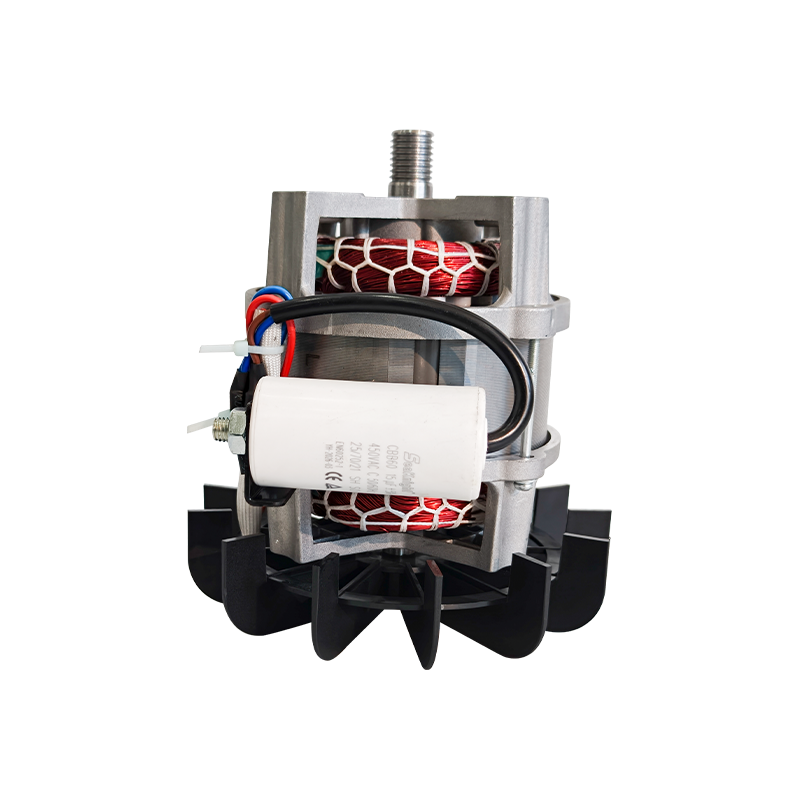
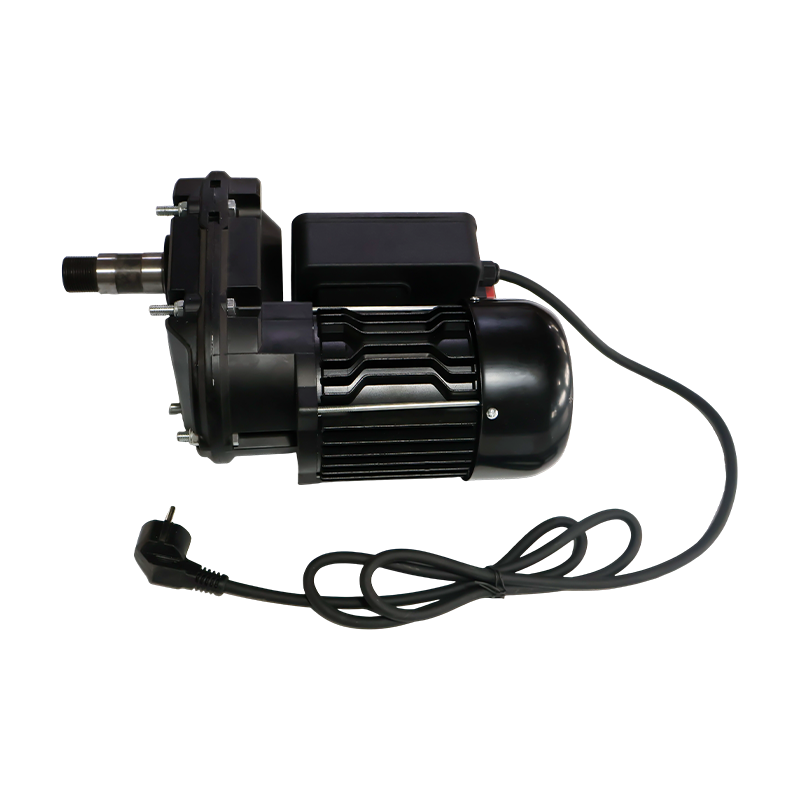
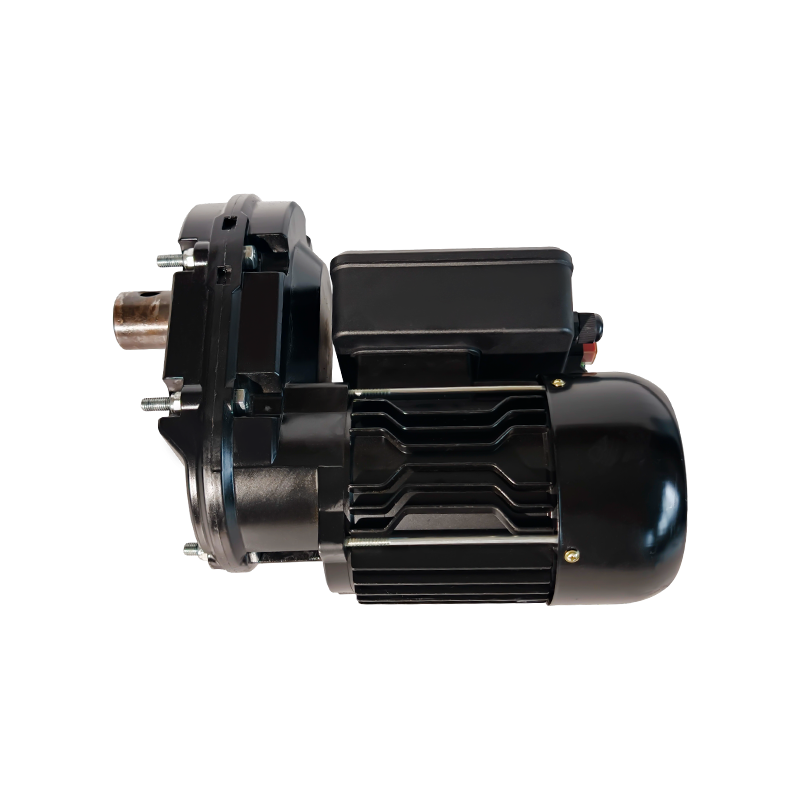
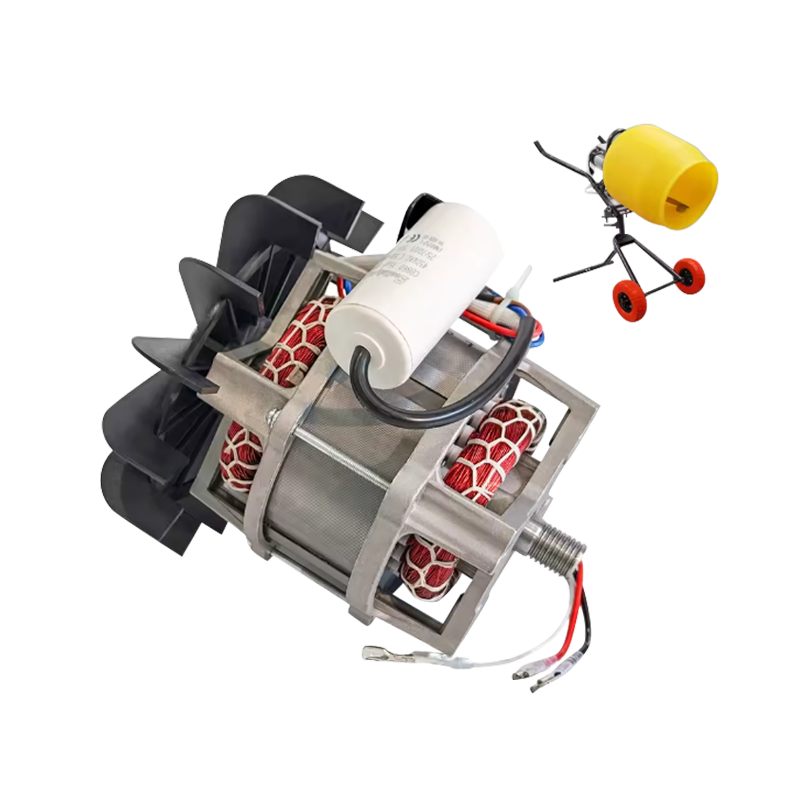
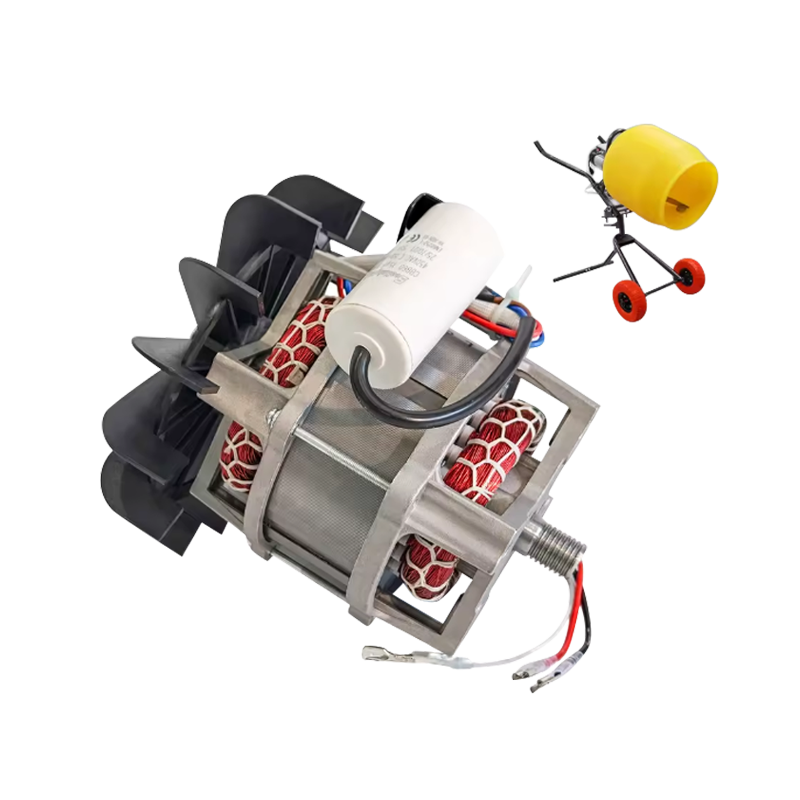
YY71-2 230V 650W Portable Concrete Mixer Motor: Compact Power for Demanding Mixing Applications
Content
- 1 Product Overview
- 2 Why a Dedicated Concrete Mixer Motor Matters
- 3 Key Performance Advantages
- 4 Advantages Compared with Generic Motor Alternatives
- 5 Manufacturing Strengths of the Producer
- 6 Installation Considerations
- 7 Operating Recommendations
- 8 Maintenance and Service Benefits
- 9 Applications and Target Users
- 10 Purchasing and Specification Verification
- 11 Quality, Reliability, and Long-Term Value
- 12 Environmental and Energy Considerations
- 13 Q&A
- 13.1 What is the YY71-2 motor designed for?
- 13.2 What is the rated voltage of the motor?
- 13.3 What is the rated power?
- 13.4 What is the rated speed?
- 13.5 Why is a capacitor used in this motor?
- 13.6 Does the motor use copper winding?
- 13.7 Can the motor be used as a replacement motor?
- 13.8 Can it be used with any portable concrete mixer?
- 13.9 What are the main advantages over a generic motor?
- 13.10 What should be checked before installation?
- 13.11 How can overheating be reduced?
- 13.12 What manufacturing strengths support this product?
- 13.13 Does the manufacturer offer customized motor solutions?
- 13.14 How should buyers evaluate a sample?
- 14 Conclusion
- 15 References
- 16 Product: YY71-2 230V 650W Portable Concrete Mixer Motor
Portable concrete mixers require a dependable motor that can deliver stable mechanical power in a compact package. The motor must operate reliably in workshops, construction areas, renovation projects, agricultural applications, and other locations where cement, mortar, concrete, or related materials are prepared in limited quantities. Unlike many general-purpose motor applications, a concrete mixer motor must tolerate repeated starting, changing mechanical loads, vibration, dust, and frequent operating cycles. Choosing the correct motor therefore has a direct effect on mixing consistency, equipment productivity, maintenance requirements, and service life.
The YY71-2 230V 650W Portable Concrete Mixer Motor is designed specifically for small portable concrete mixers and related construction machinery. It is a single-phase motor equipped with a capacitor and rated for operation at 230 volts. With a rated output of 650 watts and a rated speed of 2,800 revolutions per minute, the motor provides a practical balance between compact size, useful working power, and efficient operation for small mixing equipment.
Its full copper winding, high-temperature resistance, compact construction, stable performance, and convenient installation make it suitable for equipment manufacturers, repair distributors, construction tool suppliers, and end users seeking a dedicated replacement or original equipment motor. The motor is not simply a general motor adapted to a mixer; it is specially designed around the operating requirements of small portable concrete mixers, cement mixers, and similar machinery.
Product Overview
The YY71-2 is a single-phase AC motor intended for portable concrete mixer applications. Its 230V electrical rating enables use with common single-phase power systems in many commercial, workshop, residential construction, and light industrial environments. The 650W power rating is suitable for compact mixing equipment in which the motor must remain small enough for portable installation while still providing adequate drive power for the mixer transmission and drum assembly.
The motor operates at a rated speed of 2,800 RPM. In a complete concrete mixer, this high motor speed is normally transferred through a gearbox, belt drive, pulley arrangement, or other reduction mechanism so that the mixing drum rotates at a much lower and more suitable speed. The motor therefore serves as the compact high-speed power source within the mixer’s complete drive system.
A built-in or specified capacitor-based single-phase design allows the motor to operate from a standard single-phase supply without requiring a three-phase electrical installation. This is an important practical advantage for portable machines. Small mixers are often used at temporary construction sites, private renovation projects, landscaping locations, farms, and maintenance areas where three-phase electricity may not be available.
The full copper winding is another important construction feature. Copper conductors provide good electrical conductivity and support efficient transfer of electrical energy into mechanical output. High-quality copper winding also contributes to dependable thermal behavior when the motor is correctly selected, installed, ventilated, and operated within its intended conditions.
| Item | Specification or Feature | Application Value |
|---|---|---|
| Model | YY71-2 | Identifies the motor design and product configuration |
| Rated voltage | 230V | Suitable for compatible single-phase power systems |
| Rated output | 650W | Provides practical drive power for small portable mixers |
| Rated speed | 2,800 RPM | Works with a reduction drive or transmission system |
| Motor type | Single-phase motor with capacitor | Supports convenient operation where three-phase power is unavailable |
| Winding material | Full copper winding | Supports conductivity, durability, and stable motor operation |
| Primary use | Portable concrete mixers and cement mixers | Designed for small construction and material-mixing equipment |
| Construction focus | Compact structure | Helps simplify integration into portable machinery |
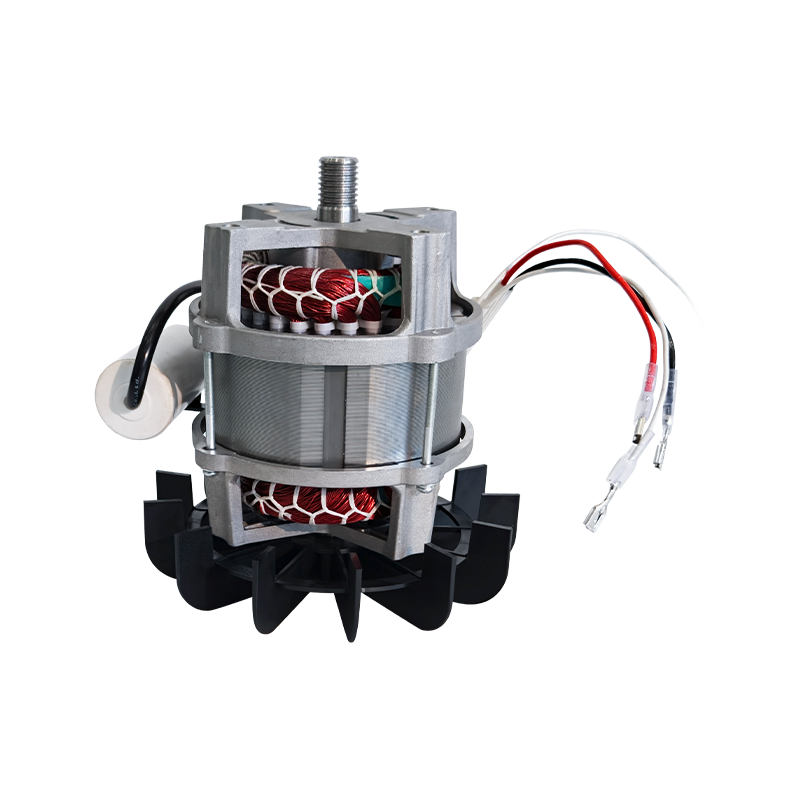
YY71-2 230V 650W Portable Concrete Mixer Motor
Why a Dedicated Concrete Mixer Motor Matters
A concrete mixer is exposed to operating conditions that differ from those of a fan, pump, or light-duty workshop machine. The load is not always constant. When the drum contains dry aggregate, cement, sand, and water, the resistance against rotation can change as the contents move. Starting the mixer may require additional torque, while uneven loading can create short periods of increased mechanical demand.
A motor selected only by voltage and wattage may not deliver the best result if its construction, winding configuration, cooling arrangement, or starting characteristics are unsuitable for a mixer. A dedicated concrete mixer motor is developed with the complete equipment application in mind. It is expected to work with the mechanical transmission, installation space, operating cycle, and portable nature of the target machine.
The YY71-2 responds to this requirement with a compact single-phase design and capacitor-supported operation. It is intended to provide stable mechanical energy for small portable mixers rather than serving as an oversized or unnecessarily complex power source. This helps equipment designers maintain a practical balance between motor cost, machine weight, available electrical supply, and usable mixing capacity.
Using the correct motor can also reduce the risk of inefficient operation. An underpowered motor may struggle to start or maintain speed when the mixer is loaded. An unnecessarily oversized motor may add weight, cost, and electrical demand without improving the performance of a properly matched small mixer. The 650W rating is therefore valuable when it corresponds correctly with the drum size, transmission ratio, material volume, and working cycle of the final equipment.
Key Performance Advantages
Stable 230V Single-Phase Operation
One of the most practical benefits of the YY71-2 is its 230V single-phase configuration. Portable mixers are frequently moved between work areas and connected to readily available electrical outlets, temporary distribution boards, or small job-site power systems. A single-phase motor makes this type of deployment simpler than a motor that requires three-phase infrastructure.
The capacitor-assisted design supports the electrical phase relationship required for single-phase motor operation. In practical terms, this allows the motor to produce useful rotating force from a standard compatible supply. The capacitor and associated electrical components must be correctly matched and installed, and the supply voltage must correspond to the motor rating. When these conditions are satisfied, the design offers a convenient solution for portable equipment.
For machinery manufacturers, a 230V single-phase motor can also simplify product positioning. The mixer can be designed for a broader range of customers, including small contractors, rental companies, repair workshops, agricultural users, and household construction users who may not have access to industrial three-phase power.
Useful 650W Power Rating
The 650W output rating is well suited to compact portable mixing equipment when the complete drive system is properly engineered. The motor can provide the energy required to drive a reduction mechanism and rotate a small mixing drum while maintaining a compact equipment footprint.
Power selection should always consider the entire machine. Drum capacity, mixing material, fill level, gearbox efficiency, belt tension, starting load, duty cycle, ambient temperature, and mechanical condition all affect motor performance. Within a correctly matched system, the 650W rating can provide an efficient and economical power level for small mixers without the excessive size or energy consumption associated with a much larger motor.
For replacement applications, the rated output is especially important. A replacement motor should not be selected merely because it fits physically. Its power, voltage, speed, shaft arrangement, mounting dimensions, capacitor specification, and operating conditions should be compared with the original motor and with the requirements of the mixer.
High-Speed Motor for Reduction Drive Systems
The rated speed of 2,800 RPM enables the motor to deliver power in a compact form. Portable concrete mixers typically use a mechanical reduction system to convert the motor’s high rotational speed into the slower drum speed required for effective mixing. This approach allows the motor to remain relatively compact while the transmission provides the torque multiplication needed at the drum.
A high-speed motor can also support a practical power-to-size ratio. However, the reduction drive must be correctly designed and maintained. Belts, pulleys, gears, bearings, and couplings must be aligned and properly tensioned. If the transmission is worn, misaligned, or incorrectly sized, the motor may experience unnecessary load, vibration, heat, or premature wear.
The YY71-2 should therefore be considered as one part of a complete mixer power system. Its rated speed is an important design parameter, and equipment manufacturers should ensure that the final drum speed and torque meet the intended mixing requirements.
Full Copper Winding
The use of full copper winding is a significant advantage in a motor intended for repeated practical operation. Copper has strong electrical conductivity, allowing current to pass through the winding with comparatively low resistance when the winding is properly designed. This supports efficient electromagnetic conversion and helps the motor deliver consistent performance.
Full copper winding can also support thermal reliability. Every motor generates heat during operation, and winding resistance is one factor contributing to that heat. Good conductor material, appropriate wire sizing, accurate winding, and effective heat dissipation work together to help manage operating temperature.
It is important to understand that copper winding alone does not guarantee unlimited overload capability. The motor must still be used within its rated voltage, power, speed, and environmental conditions. Adequate ventilation, correct mechanical loading, proper capacitor matching, and appropriate protection remain essential. Nevertheless, the full copper winding provides a strong foundation for dependable service and is preferable to inferior winding materials in demanding applications.
High-Temperature Resistance
Portable mixers may operate in warm outdoor environments, enclosed workshops, or dusty construction areas. The motor can also experience temperature increases caused by repeated starts, extended operation, restricted airflow, or mechanical resistance. High-temperature resistance helps the motor withstand normal thermal stress when the equipment is operated correctly.
Thermal performance depends on several factors, including insulation quality, winding design, housing construction, cooling airflow, ambient temperature, load level, and duty cycle. Jiangxin Motor’s production focus on quality control and reliable motor construction supports the application requirements of small machinery used in practical working environments.
Users should avoid covering ventilation openings, operating the motor in standing water, or allowing concrete dust and debris to accumulate around cooling areas. The motor should be protected from conditions beyond its intended environmental rating. If the mixer is used in an unusually hot, humid, corrosive, or dusty environment, the final equipment designer should evaluate additional protection and cooling measures.
Compact Structure
Portable equipment must balance power with transportability. A motor that is too large or heavy can make a mixer difficult to move, install, and store. The compact structure of the YY71-2 helps equipment manufacturers use available space efficiently and design a portable machine with a practical overall weight.
Compact construction also supports replacement and maintenance. When the motor is integrated with a suitable mounting frame, access to the motor, capacitor, transmission, and wiring can be organized more efficiently. This may reduce service time during inspection or replacement, particularly for rental fleets and repair workshops that maintain multiple machines.
Space-saving construction should not be confused with reduced capability. The objective is to deliver suitable motor power in a form that complements small mixing equipment. Correct mounting and ventilation remain necessary to preserve the advantages of the compact design.
Advantages Compared with Generic Motor Alternatives
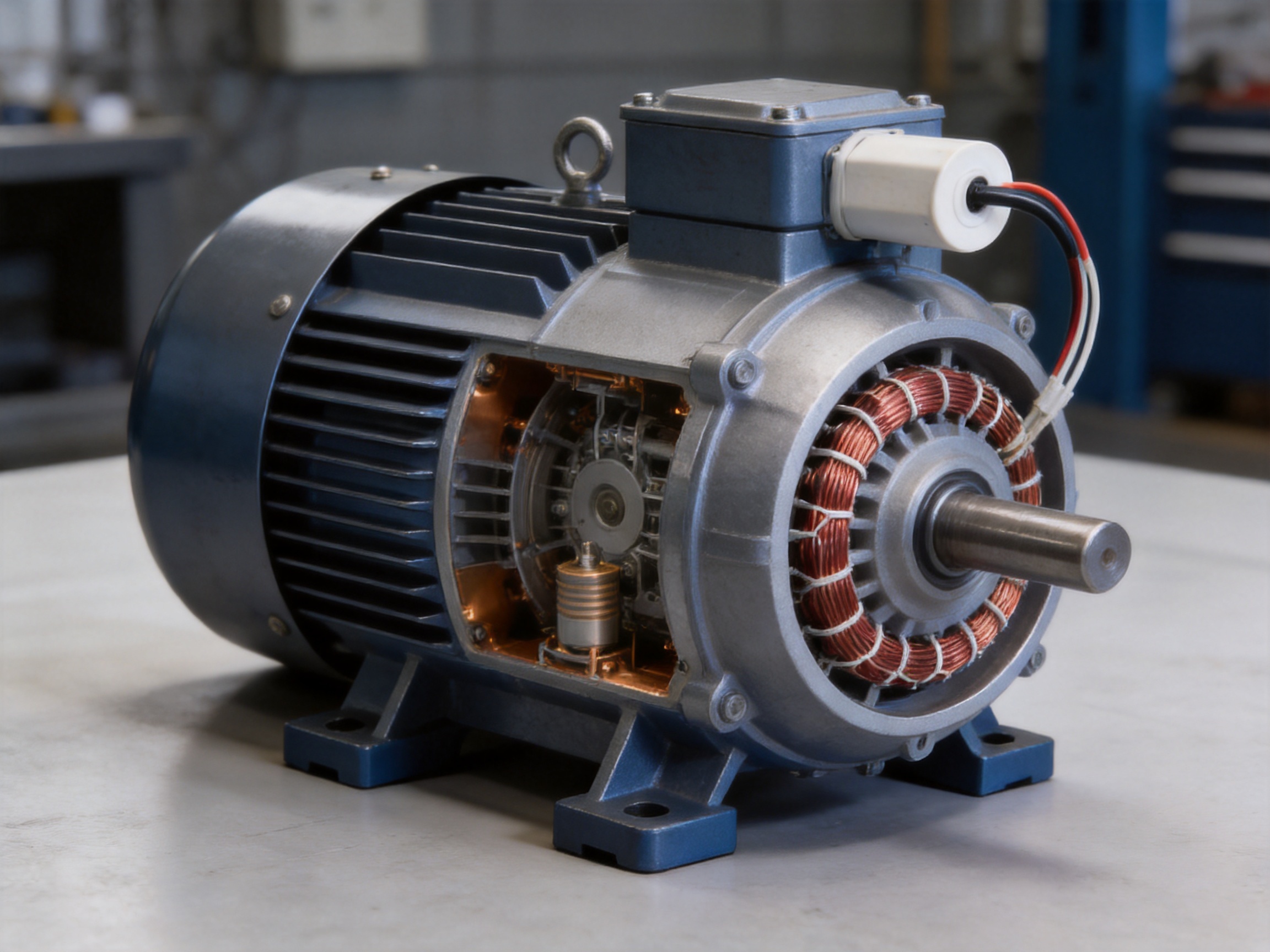
Many motor types may appear suitable for a small mixer when viewed only by their nominal voltage or power. However, the most appropriate option is usually the one that matches the complete operating environment. The YY71-2 offers several application-specific advantages over a generic motor that has not been selected with portable concrete mixers in mind.
Application-Focused Configuration
The YY71-2 is specifically intended for small portable concrete mixers, cement mixers, and related construction machinery. This application focus helps buyers begin with a more relevant motor specification instead of adapting a motor intended for a different product category.
A fan motor, for example, is designed primarily to rotate a lightweight impeller under a defined airflow load. A pump motor may be selected around hydraulic resistance and continuous operation. A mixer motor, by contrast, must work through a transmission and respond to changing material resistance. Choosing a motor developed for the correct application reduces the likelihood of an unsuitable starting characteristic, speed, mounting arrangement, or thermal profile.
Practical Power Without Unnecessary Oversizing
The 650W rating provides a useful middle ground for compact mixing equipment. A smaller motor may be unable to cope with starting and mixing loads, while an oversized motor may increase machine cost, weight, electrical requirements, and structural demands. The YY71-2 allows manufacturers to design a balanced system when the mixer capacity and transmission are appropriately matched.
Accessible Electrical Infrastructure
The 230V single-phase configuration is more accessible for many small users than a three-phase motor. This expands the possible operating locations and can reduce the need for specialized electrical installation. It is particularly useful for portable construction equipment that is transported to different sites with different power arrangements.
Reliable Winding Material
Full copper winding supports the electrical and thermal requirements of a practical working motor. Compared with motors built with less conductive winding materials, a full copper construction can offer a stronger basis for efficient performance, provided that the motor is produced with accurate winding techniques and tested under appropriate quality procedures.
Simple Integration and Maintenance
The compact structure and straightforward single-phase configuration can simplify integration into small machines. For service personnel, a dedicated motor specification can also make replacement planning easier. The model, voltage, power, speed, and application can be identified clearly, helping distributors and maintenance teams reduce the risk of selecting an incompatible product.
Manufacturing Strengths of the Producer
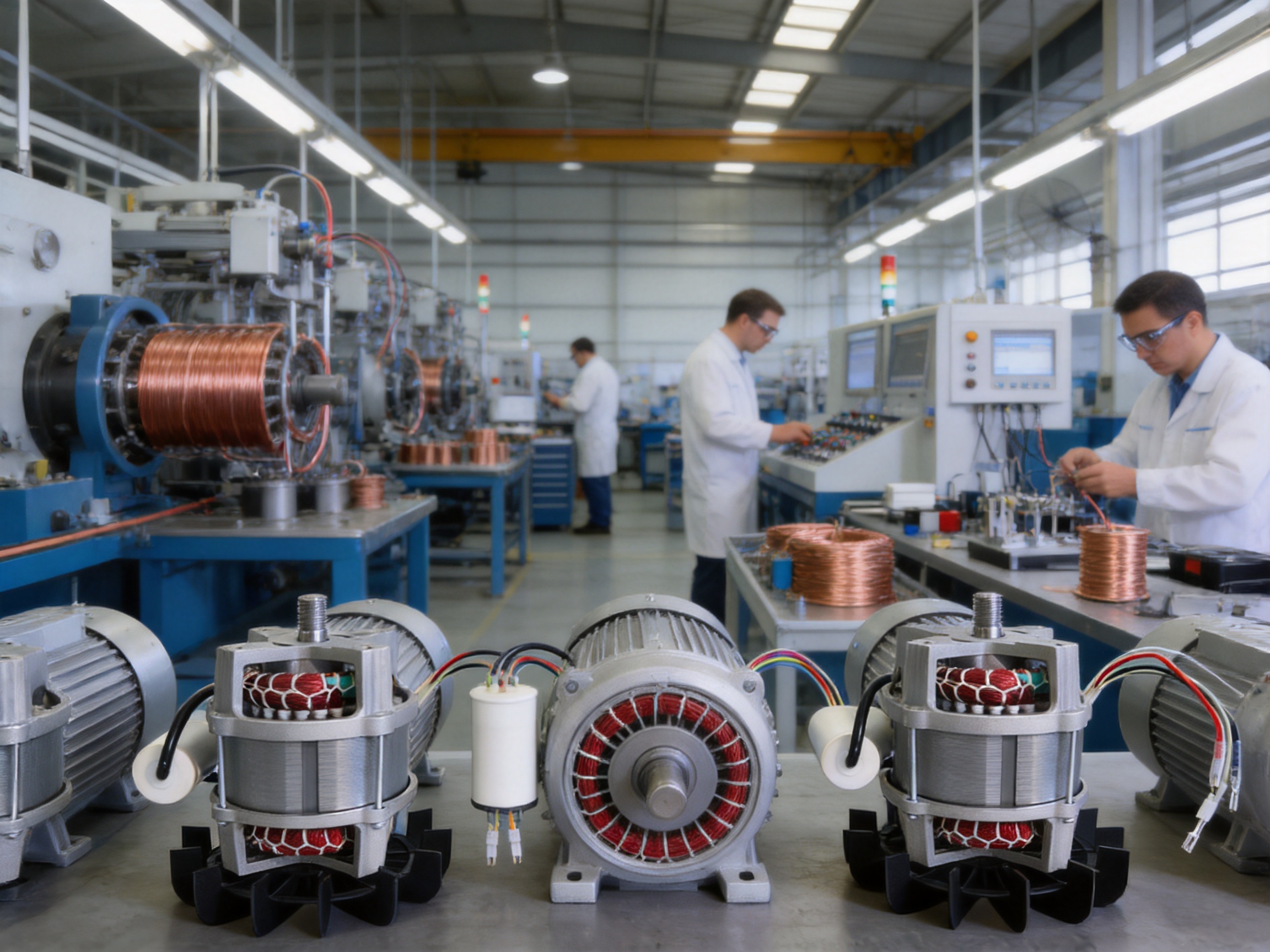
Shengzhou Jiangxin Motor Technology Co., Ltd. was established in 2017 and specializes in the research, development, production, and sales of AC/DC motors and micro motors. The company is located in Shengzhou, Zhejiang Province, within the industrially active Yangtze River Delta. This location provides access to manufacturing resources, component supply networks, engineering talent, logistics infrastructure, and supporting industrial services.
The company operates modern production facilities and uses advanced automated equipment. Automation is important in motor manufacturing because repeatable processes influence winding quality, assembly consistency, dimensional accuracy, and production efficiency. When automated equipment is combined with trained technical personnel and documented quality procedures, it can help reduce variation between production batches.
Jiangxin Motor also maintains a professional research and development team. This supports the development of application-oriented motor products rather than limiting production to standardized designs. For equipment manufacturers, the ability to discuss voltage, output, speed, mounting, shaft, capacitor, thermal, and application requirements with a motor producer can be valuable when designing or updating machinery.
The company has been recognized as a provincial-level technology enterprise, reflecting its emphasis on technical capability and product development. Such recognition should be understood as part of the company’s broader technology profile; buyers should still evaluate the detailed specifications, inspection documents, samples, and production requirements relevant to each order.
Research and Development Capability
Motor design requires coordination among electromagnetic performance, mechanical construction, insulation, thermal behavior, noise, vibration, manufacturability, and cost. A capable R&D team can analyze these factors together when developing a motor for a specific machine.
For the YY71-2, application-oriented development helps align the 650W output, 2,800 RPM speed, capacitor-based single-phase operation, compact structure, and intended concrete mixer use. The result is a product positioned for practical integration rather than a one-size-fits-all motor solution.
Customization is also important for buyers whose equipment has special requirements. Depending on the order and technical feasibility, manufacturers may discuss variations involving mounting dimensions, shaft details, wiring configuration, protective features, capacitor selection, packaging, or other design parameters. Any modification should be confirmed through technical drawings and written specifications before production.
Automated Production
Advanced automated equipment can support consistency in processes such as stator preparation, winding, assembly, balancing, and inspection. Precise winding placement can influence electrical performance and thermal behavior. Consistent assembly can influence bearing alignment, rotor clearance, vibration, and service life. Repeatable production also helps support larger orders for equipment manufacturers and distributors.
Automation does not eliminate the need for human technical supervision. Skilled personnel remain important for process adjustment, quality analysis, equipment maintenance, sample approval, troubleshooting, and final evaluation. The strongest manufacturing systems combine automated repeatability with engineering judgment and inspection discipline.
Quality Control
Jiangxin Motor emphasizes strict quality control systems. For a motor such as the YY71-2, quality management should cover incoming materials, copper wire, insulation components, bearings, capacitor compatibility, rotor and stator components, housing parts, wiring, assembly, and final performance checks.
Typical motor inspection activities may include visual inspection, dimensional verification, winding resistance measurement, insulation testing, no-load testing, rotational direction confirmation, vibration observation, noise evaluation, and other checks appropriate to the product. The exact inspection plan depends on the design, customer requirements, applicable standards, and order agreement.
Buyers can strengthen project control by requesting the relevant technical data before order confirmation. Useful documents may include a specification sheet, outline drawing, wiring diagram, nameplate information, capacitor details, inspection requirements, packaging information, and sample approval records. Clear documentation benefits both the buyer and the manufacturer.
Installation Considerations
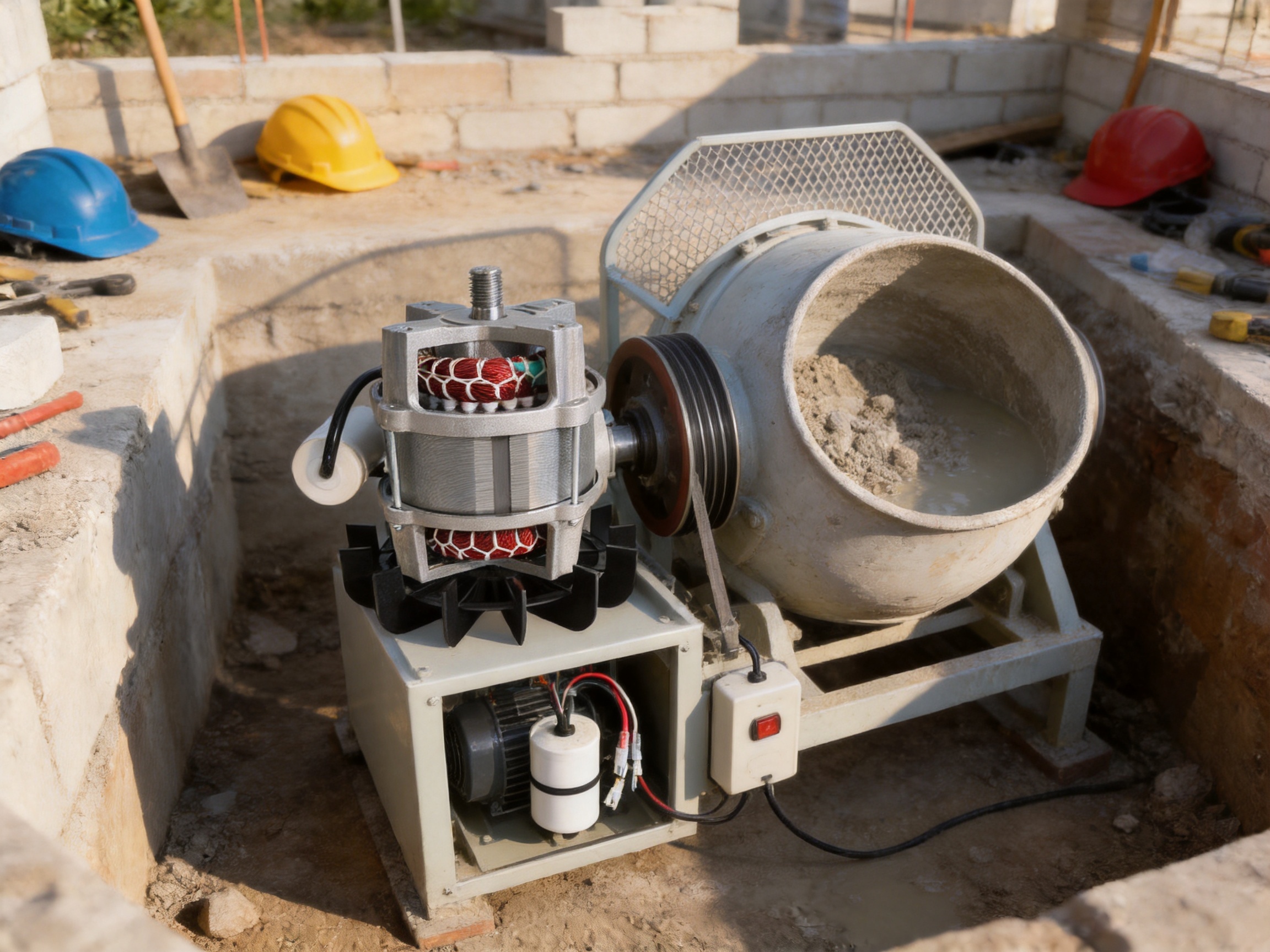
Correct installation is essential to obtaining the expected performance from the YY71-2. Before installation, verify that the supply voltage is compatible with the 230V rating and that the frequency, wiring arrangement, capacitor, protective device, and control system correspond to the approved motor specification.
The motor should be mounted on a rigid and accurately aligned support. Loose mounting can increase vibration and noise, while misalignment between the motor shaft and the mixer transmission can create additional bearing and shaft loads. If the drive uses belts, pulley alignment and belt tension should be checked carefully. If the drive uses gears, gear engagement and lubrication should be verified according to the machinery design.
The electrical installation should be completed by qualified personnel. Appropriate overcurrent protection, grounding, isolation, and emergency stopping arrangements should be provided as required by the machine design and local regulations. The motor should not be connected to a supply that exceeds its rated voltage.
Ventilation openings must remain clear. Concrete dust, cement powder, sand, and other particles should not be allowed to build up around the cooling areas. If the motor is mounted inside a protective enclosure, the enclosure should provide sufficient airflow and should not cause the internal temperature to exceed the motor’s permitted operating conditions.
Operating Recommendations
The mixer should be loaded according to its intended capacity. Overfilling the drum increases mechanical resistance and may cause the motor to operate above its intended load. Materials should be added using the procedure recommended by the mixer manufacturer, and the drum should not be forced to rotate when it is jammed or blocked.
Repeated starting and stopping can increase thermal stress. If the mixer is intended for intermittent operation, users should follow the appropriate operating cycle and allow sufficient cooling time. Continuous operation beyond the specified duty conditions may reduce motor life even if the motor appears to continue running normally.
Unusual sounds, burning odors, excessive vibration, repeated thermal trips, slow acceleration, or abnormal current should be treated as warning signs. The equipment should be stopped and inspected before continued use. Potential causes may include overloading, a damaged capacitor, blocked ventilation, belt misalignment, bearing wear, supply problems, or material trapped in the drum.
Maintenance personnel should keep the motor and transmission clean and inspect the mounting hardware periodically. Electrical connections should be checked for looseness, discoloration, or damage. The capacitor should be replaced only with a component that matches the approved specification. Using an incorrect capacitor can affect starting performance, current, temperature, and motor reliability.
Maintenance and Service Benefits
A well-maintained motor can deliver more consistent service and help protect the complete mixer. Maintenance should begin with a regular inspection schedule based on operating frequency, working environment, and machine usage. Rental equipment and machines used in dusty construction areas may require more frequent checks than equipment used occasionally in a clean workshop.
Mechanical inspection should cover the mounting bolts, shaft, coupling, pulley, belt, gearbox, bearings, and protective guards. Any abnormal looseness or wear should be corrected before it creates additional load. The motor should be isolated from the power supply before maintenance begins.
Electrical inspection should cover the power cable, terminal connections, capacitor, grounding, switchgear, and protection devices. Signs of overheating, cracked insulation, moisture entry, or corrosion should be investigated promptly. Repairs should be performed by qualified technicians using suitable replacement components.
The compact structure of the YY71-2 can support practical service access when the mixer is designed with appropriate maintenance openings. Equipment manufacturers should consider serviceability during the original design stage. A motor that is technically suitable but difficult to access can increase downtime and labor costs over the life of the machine.
Applications and Target Users
The primary application for the YY71-2 is the small portable concrete mixer. It can be used in equipment designed for construction, renovation, landscaping, masonry, farm maintenance, and other projects requiring portable preparation of concrete or mortar.
The motor is also suitable for small cement mixers and related construction machinery when the electrical and mechanical requirements match the motor specification. Potential users include original equipment manufacturers, concrete mixer assemblers, replacement-parts distributors, machinery repair companies, equipment rental businesses, and contractors maintaining their own machines.
For original equipment manufacturers, the motor provides a defined power source around which the drum capacity, transmission ratio, frame, control system, and protective enclosure can be designed. For replacement distributors, the model and core specifications offer a clear basis for matching the motor to existing equipment. For repair companies, the full copper winding and application-specific design can support dependable refurbishment work when the installation dimensions and electrical characteristics are compatible.
Purchasing and Specification Verification
Before purchasing, buyers should verify more than the model number. Important details include rated voltage, frequency, rated power, rated speed, capacitor value, shaft dimensions, mounting dimensions, rotation requirements, wiring arrangement, protection requirements, duty cycle, environmental conditions, packaging, and quantity.
The buyer should provide the manufacturer with the mixer’s technical information whenever possible. Useful information includes drum size, transmission type, existing motor model, mounting drawing, shaft drawing, operating cycle, typical material load, and available power supply. This helps confirm whether the 650W motor is appropriate for the intended equipment.
For volume orders, buyers may request a sample or pre-production unit for evaluation. The sample should be tested in the actual mixer or in a representative test fixture. Evaluation may include starting behavior, loaded speed, current, temperature rise, vibration, noise, and operation over the intended duty cycle.
Documentation should be aligned before mass production. Any approved changes to the winding, capacitor, housing, shaft, terminal box, mounting, label, or packaging should be recorded clearly. Strong communication between the buyer and manufacturer helps reduce misunderstandings and supports consistent repeat orders.
Quality, Reliability, and Long-Term Value
The value of a motor is not determined only by its initial purchase price. A motor that offers stable operation, predictable maintenance, suitable efficiency, and reliable availability can provide better long-term value than a cheaper but inconsistent alternative.
The YY71-2 combines a practical output rating with a compact single-phase structure, full copper winding, high-temperature resistance, and a design intended for small portable mixers. These features can help reduce the risk of selecting a motor that is technically incompatible with the machine’s intended use.
Long-term value also depends on manufacturing consistency and supplier support. Jiangxin Motor’s product range includes evaporative air cooler motors, industrial heater motors, oil pump motors, customized motors, AC motors, DC motors, and other micro motor solutions. This broader technical background can be useful to customers whose product programs include several motor categories or require customized development.
The company exports products to more than 60 countries and regions. International supply experience can support communication regarding product specifications, packaging, shipment coordination, documentation, and customer requirements. Buyers should still confirm commercial terms, lead time, quality requirements, warranty conditions, and after-sales procedures for each project.
Environmental and Energy Considerations
Energy consumption is influenced by motor efficiency, load, operating time, transmission losses, starting frequency, and maintenance condition. A correctly matched 650W motor can help avoid unnecessary electrical demand in a small mixer. Operating the mixer with the appropriate material load and maintaining the transmission can also improve the overall energy performance of the machine.
Efficient operation does not mean operating below the required power level. If the motor is consistently overloaded, it may draw excessive current, produce more heat, and deliver reduced service life. The best result comes from matching the motor to the mixer’s real capacity and using the machine according to its design.
At the end of the product’s service life, the motor should be handled according to applicable local procedures for electrical equipment, metals, insulation, and electronic components. Copper and steel components may be suitable for recycling through authorized channels. Proper disposal supports responsible resource management.
Q&A
What is the YY71-2 motor designed for?
The YY71-2 is designed primarily for small portable concrete mixers, cement mixers, and related construction machinery. It is intended for equipment that requires a compact single-phase motor with a 230V rating and 650W output.
What is the rated voltage of the motor?
The rated voltage is 230V. The actual supply frequency, wiring method, protection arrangement, and capacitor specification should be confirmed against the approved product documentation before installation.
What is the rated power?
The rated output is 650W. Whether this power is suitable depends on the mixer drum size, material load, transmission ratio, starting requirements, duty cycle, and mechanical condition of the complete machine.
What is the rated speed?
The rated speed is 2,800 RPM. Portable concrete mixers normally use a reduction mechanism to convert this motor speed into the slower drum speed required for mixing.
Why is a capacitor used in this motor?
The capacitor supports the operation of the single-phase motor by assisting the phase relationship needed to produce rotating electromagnetic force. The capacitor must be correctly matched to the motor specification.
Does the motor use copper winding?
Yes. The YY71-2 uses a full copper winding. This supports electrical conductivity, stable operation, and thermal reliability when the motor is installed and operated within its specified conditions.
Can the motor be used as a replacement motor?
It may be used as a replacement when its voltage, power, speed, mounting dimensions, shaft details, capacitor, wiring, rotation, and operating conditions match the original mixer and the replacement requirements. Buyers should compare technical drawings and specifications before ordering.
Can it be used with any portable concrete mixer?
No motor should be assumed to fit every mixer. The YY71-2 is intended for small portable mixers, but compatibility depends on the equipment’s mechanical and electrical design. Drum capacity, transmission, mounting, shaft, and duty cycle must be evaluated.
What are the main advantages over a generic motor?
The main advantages are its application-focused design, 230V single-phase configuration, 650W output, 2,800 RPM speed, full copper winding, compact structure, and suitability for small portable concrete mixers. These characteristics can make it more appropriate than a motor designed for a different application.
What should be checked before installation?
Check the power supply, rated voltage, frequency, capacitor, wiring, grounding, protective devices, mounting dimensions, shaft alignment, belt or gear transmission, ventilation, and rotation direction. Installation should be performed by qualified personnel.
How can overheating be reduced?
Use the motor within its rated load, keep ventilation openings clear, avoid overfilling the mixer, maintain correct belt or gear alignment, inspect the capacitor and electrical connections, and follow the appropriate operating cycle. Excessive heat should be investigated rather than ignored.
What manufacturing strengths support this product?
Shengzhou Jiangxin Motor Technology Co., Ltd. combines motor research and development, modern production facilities, automated equipment, professional technical personnel, and quality control systems. The company focuses on AC/DC motors, micro motors, and application-specific motor solutions.
Does the manufacturer offer customized motor solutions?
The company develops customized motors in addition to standard product categories. Customers should provide drawings, electrical requirements, operating conditions, target quantities, and performance expectations so that technical feasibility can be reviewed before production.
How should buyers evaluate a sample?
A sample should be installed in the actual mixer or a representative test fixture. Buyers can evaluate starting, loaded operation, speed, current, temperature, noise, vibration, and performance over the intended duty cycle. The evaluation results should be recorded before mass production.
Conclusion
The YY71-2 230V 650W Portable Concrete Mixer Motor is a practical power solution for small portable concrete mixers, cement mixers, and related construction machinery. Its single-phase capacitor design supports convenient operation from compatible 230V supplies, while the 650W output and 2,800 RPM rated speed provide a useful foundation for a compact mixer drive system.
The motor’s full copper winding, high-temperature resistance, stable performance, compact construction, and easy installation contribute to its suitability for demanding everyday applications. Compared with a generic motor selected only by voltage or power, the YY71-2 offers a more application-focused combination of electrical, mechanical, and structural characteristics.
Its performance is supported by the manufacturing capabilities of Shengzhou Jiangxin Motor Technology Co., Ltd., including research and development, automated production equipment, modern facilities, professional engineering resources, and quality control systems. Through appropriate specification matching, installation, protection, and maintenance, the motor can help equipment manufacturers and users achieve dependable operation and practical long-term value.
References
1. Product information supplied for the YY71-2 230V 650W Portable Concrete Mixer Motor.
2. Technical information supplied by Shengzhou Jiangxin Motor Technology Co., Ltd.
3. General principles of single-phase AC motor operation and capacitor-assisted starting.
4. General practices for electric motor installation, grounding, overload protection, and maintenance.
5. General engineering guidance for portable concrete mixer drive systems, mechanical reduction, and equipment serviceability.
6. General manufacturing principles for copper windings, motor assembly, thermal management, and production quality control.
Product: YY71-2 230V 650W Portable Concrete Mixer Motor
 Ready To Customise
Your Motor Products?

We are professional motor manufacturers, delivering powerful, stable, and efficient power cores for all industries through precision craftsmanship and innovation.
Contact Us
-
 Mobile:+86 13575536911
-
 Tel:+86 18357538240
-
 Whatsapp:+8618357538240
-
 Email:betty@dbjxmotor.com
-
 Company Address
Copyright © by Shengzhou Jiangxin Motor Technology Co., Ltd. All Rights Reserved.
Wholesale Industrial Fan Motors Manufacturers
