

 English
 русский
 Español
 عربى

No. 8, Duxiu San Road, Ganlin Town, Shengzhou City, Shaoxing City, Zhejiang Province, China

News Category
Product Category
ECF160-1.8 380V 1800W EC Fan Motor: High-Efficiency Performance for Industrial Ventilation
Content
- 1 Introduction
- 2 Product Overview
- 3 Why EC Motor Technology Matters
- 4 Advantages Over Conventional and Less Integrated Alternatives
- 5 Industrial Applications
- 6 Manufacturing Strengths and Engineering Capabilities
- 7 Comparison with Alternative Motor Solutions
- 8 Installation and System Integration Considerations
- 9 Maintenance and Long-Term Reliability
- 10 Purchasing and Technical Selection Guidance
- 11 Company Manufacturing and Supply Advantages
- 12 Environmental and Economic Value
- 13 Frequently Asked Questions
- 13.1 What is the rated power of the ECF160-1.8 EC fan motor?
- 13.2 What voltage does this motor use?
- 13.3 Does the motor require an external VFD?
- 13.4 What frequency is supported?
- 13.5 What efficiency level does the motor provide?
- 13.6 What protection functions are included?
- 13.7 What do IP55 and Class F mean?
- 13.8 Can the motor run continuously?
- 13.9 Where can this motor be used?
- 13.10 Is the motor suitable for outdoor installation?
- 13.11 What model number should be used when ordering?
- 13.12 What should be checked before replacing another motor?
- 13.13 How does the integrated driver benefit equipment manufacturers?
- 13.14 What maintenance does the motor require?
- 14 Conclusion
- 15 References
- 16 Product: ECF160-1.8 380V 1800W EC Fan Motor
Introduction
Industrial ventilation systems, heating equipment, air-handling units and other continuous-duty applications increasingly require motors that combine high efficiency, stable operation, compact integration and dependable protection. The ECF160-1.8 380V 1800W EC Fan Motor is designed to meet these requirements through an electronically commutated motor structure with an integrated EC driver. By combining the motor and control electronics in one coordinated assembly, this model helps simplify system design while reducing the need for a separate variable frequency drive.
The motor is rated at 1800 watts and is designed for operation with a 380-volt supply at 50 or 60 hertz. Its IE4 super-high-efficiency design is particularly suitable for equipment that runs for long periods, including industrial ventilation systems, HVAC equipment, environmental protection machinery and other air-moving applications. Lower operating losses can contribute to reduced energy consumption, improved thermal performance and lower operating costs over the service life of the equipment.
In addition to energy efficiency, the ECF160-1.8 incorporates multiple built-in protective functions. Overvoltage, overcurrent, rotor-lock and overheat protection help safeguard the motor under abnormal operating conditions. A fault signal feedback function can also help equipment operators and control systems identify problems more quickly, supporting preventive maintenance and reducing unnecessary downtime.
Manufactured by Shengzhou Jiangxin Motor Technology Co., Ltd., the motor reflects the company’s focus on AC and DC motor development, automated production, quality control and application-oriented engineering. The company serves customers in more than 60 countries and regions, providing motors for air coolers, industrial heating systems, hydraulic equipment, ventilation systems and customized applications.
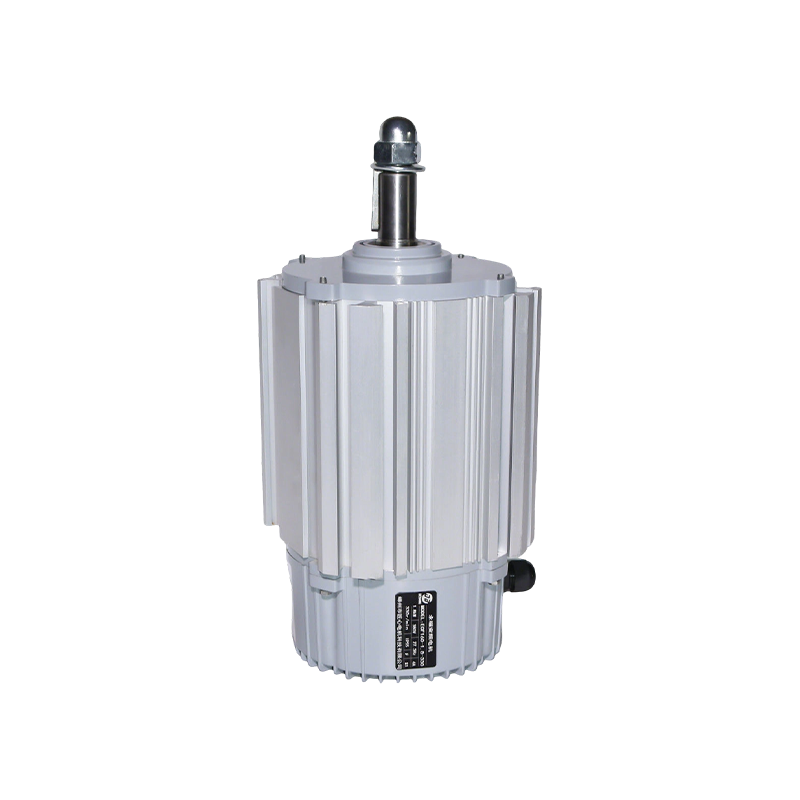
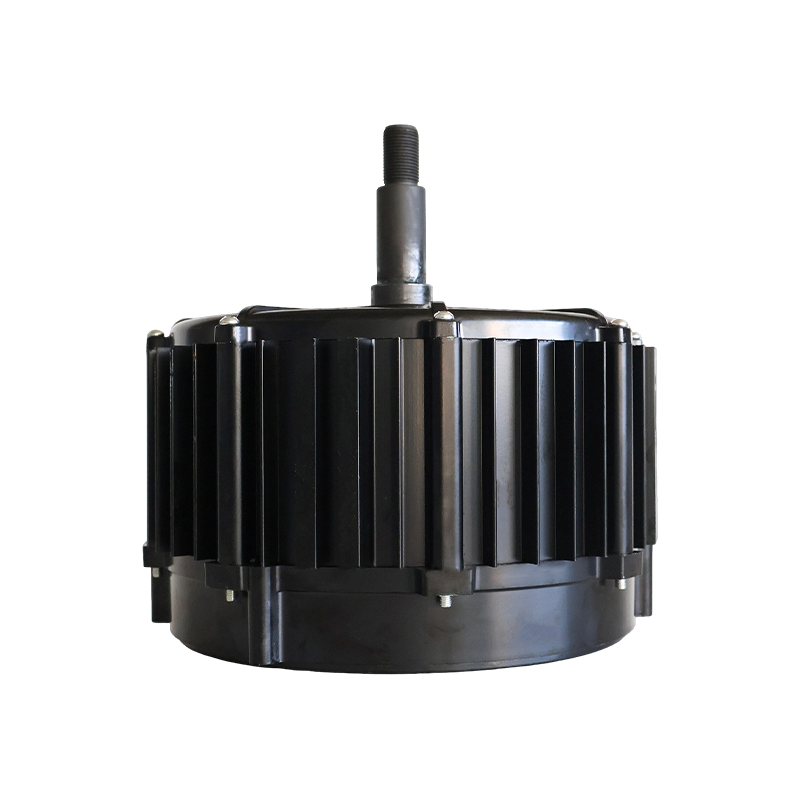
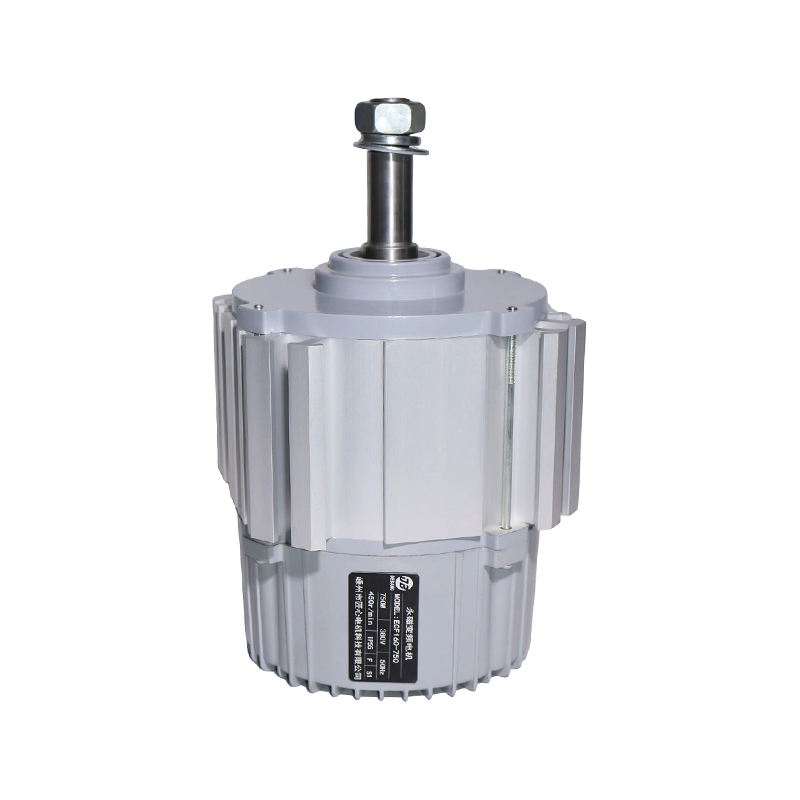
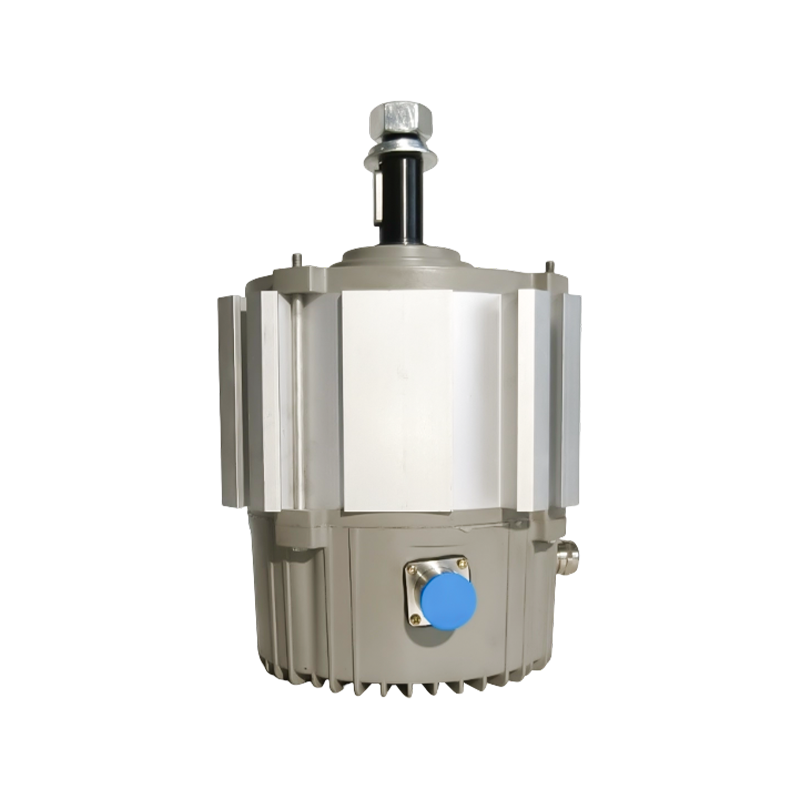
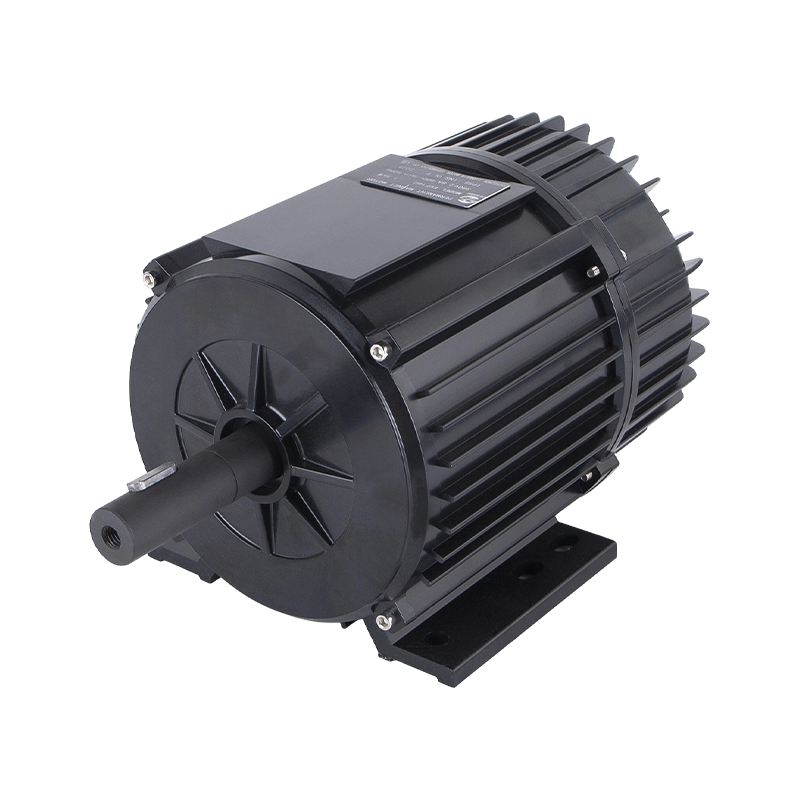
ECF160-1.8 380V 1800W EC Fan Motor
Product Overview
The ECF160-1.8 380V 1800W EC Fan Motor belongs to the EC fan motor category. EC, or electronically commutated, motor technology uses electronic switching to control the magnetic field and rotation of the motor. In practical terms, this allows the motor to operate efficiently while offering precise compatibility with modern control systems.
Unlike a conventional motor that may require a separate inverter or variable frequency drive for speed control, this product incorporates an integrated EC driver. This integrated design can reduce the number of external components required in the installation. It may also reduce control-panel space, wiring complexity and the amount of coordination needed between the motor and external drive equipment.
The motor is intended for applications where dependable airflow, long operating hours and efficient electrical performance are important. It can be installed in a range of industrial ventilation and HVAC equipment, subject to the mechanical, electrical and airflow requirements of the complete system.
Main Technical Specifications
| Item | Specification |
|---|---|
| Product type | EC motor |
| Product category | EC fan motor |
| Model reference | ECF160-1.8-330 |
| Product title reference | ECF160-1.8 380V 1800W EC Fan Motor |
| Rated voltage | 380 V |
| Rated power | 1800 W |
| Frequency | 50/60 Hz |
| Efficiency class | IE4 super-high efficiency |
| Protection rating | IP55 |
| Insulation class | Class F |
| Operating duty | S1 continuous duty |
| Integrated control | Built-in EC driver |
| Protection functions | Overvoltage, overcurrent, rotor-lock and overheat protection |
| Feedback function | Fault signal feedback |
The model is identified in the technical information as ECF160-1.8-330, while the product title uses the shorter ECF160-1.8 designation. Buyers should confirm the exact model suffix, terminal arrangement, mounting dimensions, control interface and delivery configuration before placing an order, particularly when replacing an existing motor or integrating the product into a standardized equipment platform.
Why EC Motor Technology Matters
Motor energy consumption is a major consideration in ventilation and air-moving equipment. A motor may operate for thousands of hours each year, and even small differences in efficiency can accumulate into significant energy costs. EC technology addresses this issue by combining a high-efficiency motor design with electronic commutation and integrated control.
In a conventional induction motor system, speed regulation often requires a separate inverter or variable frequency drive. This arrangement can work effectively, but it also involves additional components, wiring, cabinet space and system-level configuration. The integrated EC approach places the motor and electronic driver in a coordinated package, which can make the overall equipment architecture more compact.
Electronic commutation also allows the motor to avoid some of the electrical and mechanical losses associated with traditional commutation methods. When correctly matched to the fan load and operating point, an EC motor can provide efficient airflow with reduced wasted energy. The result is especially valuable in ventilation equipment that operates continuously or at extended daily duty cycles.
The ECF160-1.8 is designed for S1 continuous duty. This means it is intended to operate continuously under suitable rated conditions rather than being limited to short intermittent cycles. Continuous-duty capability is important in industrial ventilation, HVAC air circulation, equipment cooling and environmental systems where stopping the motor may affect temperature, air quality or production stability.
Advantages Over Conventional and Less Integrated Alternatives
Integrated EC Driver
One of the product’s most important advantages is its built-in EC driver. An external VFD is not required for the basic motor installation. This can simplify system architecture, reduce the number of separate components and help equipment manufacturers make more efficient use of enclosure space.
A separate drive system may require additional circuit protection, control wiring, programming, ventilation and maintenance. By integrating the motor drive electronics, the ECF160-1.8 helps reduce the distance between the motor and its control function. This can support cleaner wiring arrangements and reduce potential compatibility issues between a motor and an independently selected drive.
The integrated format is also helpful for original equipment manufacturers that want to standardize a fan module. Instead of selecting a motor, external drive and associated accessories separately, an engineering team can evaluate an integrated EC motor as a unified operating unit. This can shorten design cycles and make assembly more consistent.
IE4 Super-High Efficiency
The IE4 efficiency classification places the product in a high-efficiency category. Compared with lower-efficiency motor options, an IE4 motor can reduce electrical losses during operation. The practical energy benefit depends on the system load, operating speed, duty cycle, airflow requirement and control strategy, but the efficiency advantage becomes increasingly important as annual operating hours increase.
For industrial equipment operating continuously, energy consumption often represents a larger portion of total ownership cost than the initial purchase price. An efficient motor can therefore support a more favorable lifecycle cost. Reduced losses may also lower heat generation within the motor, which can contribute to improved operating conditions for both the motor and the surrounding equipment.
The ECF160-1.8 is a strong fit for applications where fans run through long production shifts, overnight periods or full-time ventilation schedules. It can also support energy-conscious equipment designs that seek to meet customer demand for lower electricity consumption and more sustainable operation.
Built-In Protection Functions
Industrial motors can be exposed to voltage fluctuation, blocked fans, excessive current, high ambient temperature and other abnormal conditions. The ECF160-1.8 includes built-in protection against overvoltage, overcurrent, rotor-lock and overheat conditions.
Overvoltage protection helps respond to electrical supply conditions that exceed the intended operating range. Overcurrent protection can help limit damage caused by excessive electrical load. Rotor-lock protection is important when a fan becomes obstructed or when the rotating assembly cannot reach normal operating speed. Overheat protection helps safeguard the motor when temperature rises beyond an acceptable level.
These functions do not eliminate the need for correct system design, appropriate circuit protection, proper ventilation and regular maintenance. Instead, they provide an additional layer of protection inside the motor system. The fault signal feedback function can further assist maintenance personnel and equipment controllers by indicating that a protective event has occurred.
Low Vibration and Low Noise
Noise and vibration affect the comfort, reliability and perceived quality of ventilation equipment. Excessive vibration can loosen fasteners, accelerate bearing wear, transfer stress to connected structures and create unwanted noise throughout a building or production area.
The ECF160-1.8 is designed for low vibration and low noise operation. These characteristics are valuable in HVAC equipment, industrial air-handling systems, workshops, commercial facilities and machinery rooms where sound levels and mechanical stability are important. Actual system noise will also depend on fan blade geometry, impeller balance, airflow turbulence, mounting rigidity, duct design and operating speed.
A motor that operates smoothly can support more stable fan performance. When combined with suitable balancing and correct installation, the low-vibration design can help improve the service environment and reduce mechanical stress on the complete fan assembly.
Flexible Mounting
The product is designed to support flexible mounting positions. This can be beneficial for equipment manufacturers working with different cabinet layouts, airflow directions or installation constraints. A flexible mounting arrangement may simplify integration into ventilation units, compact HVAC assemblies and industrial air-moving equipment.
Mounting flexibility should always be evaluated together with shaft alignment, fastener strength, cooling clearance, cable routing, fan balance and access for inspection. The motor should be installed according to the supplied technical drawing and the requirements of the complete equipment design.
Industrial Applications
Industrial Ventilation
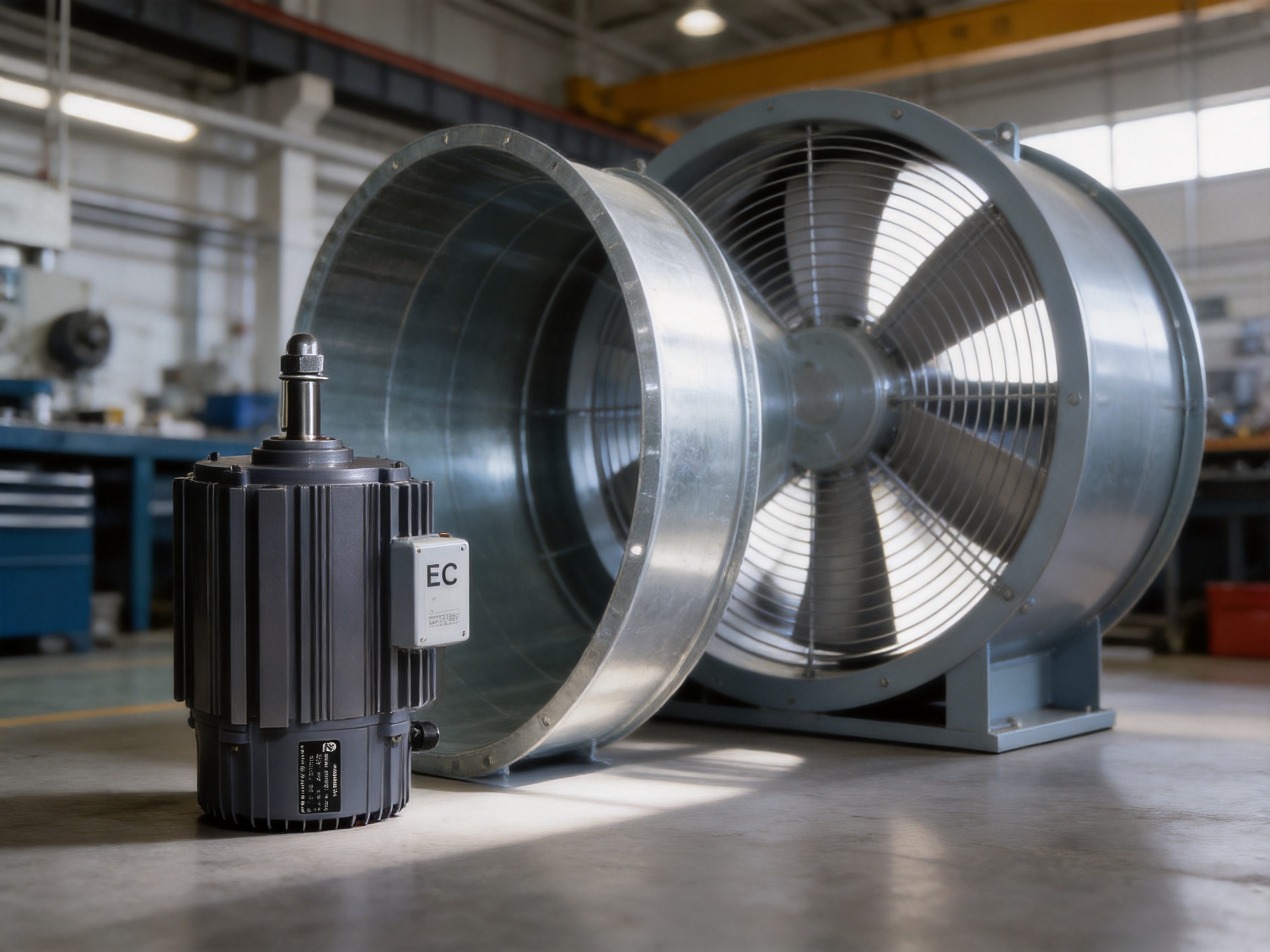
Industrial ventilation systems require reliable air movement to remove heat, humidity, dust, fumes or stale air. In these environments, the motor may operate for extended periods and may be exposed to variable loads. The ECF160-1.8 can provide an efficient drive solution for fan assemblies used in workshops, factories, warehouses and process areas.
The IP55 protection rating provides protection against dust ingress that could interfere with normal operation and against water jets from specified directions. IP55 does not mean the motor is waterproof or suitable for immersion. The complete equipment designer must consider the actual environment, including humidity, corrosive substances, temperature, cleaning procedures and airborne contaminants.
HVAC Equipment
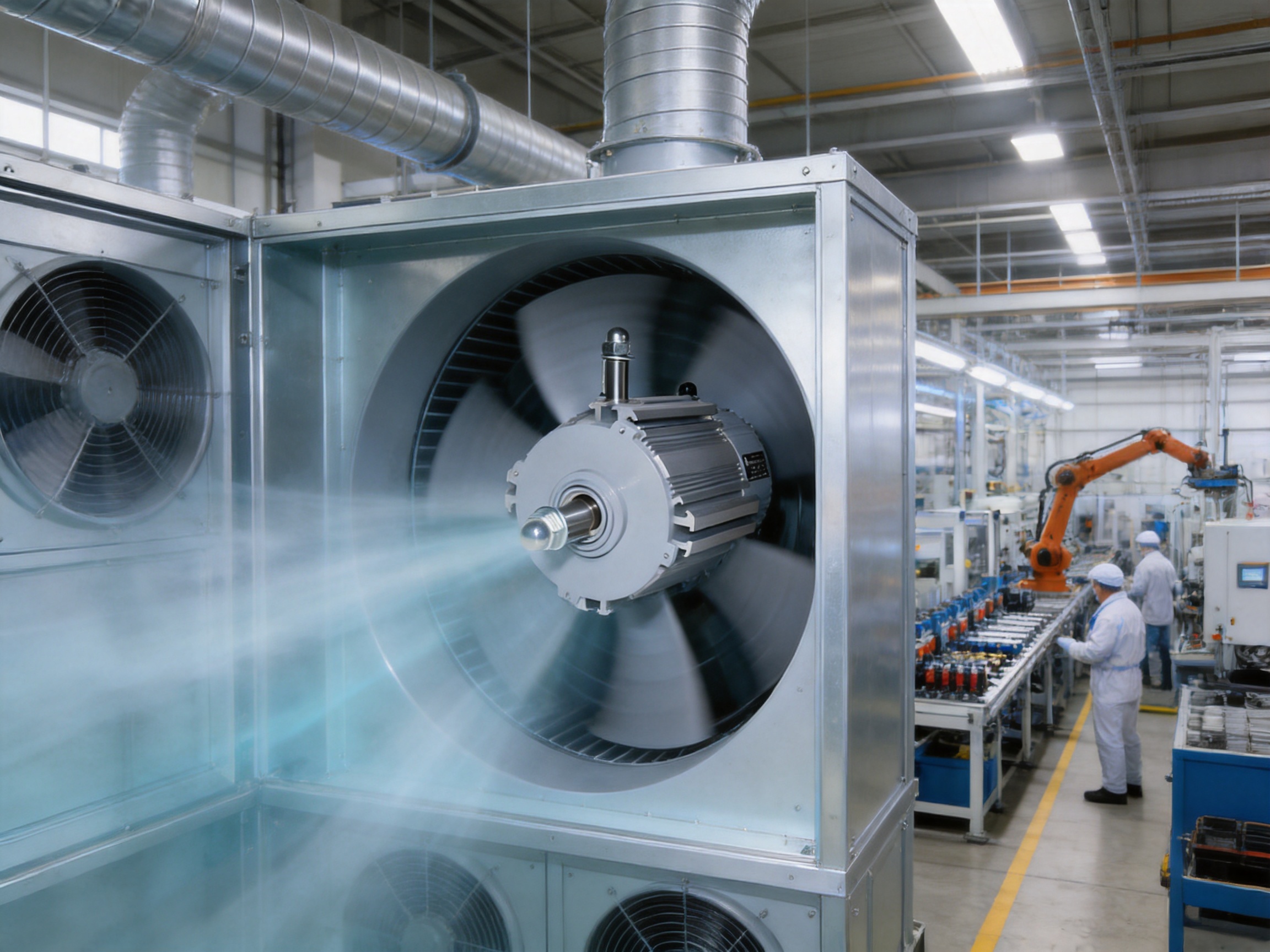
Heating, ventilation and air-conditioning systems often place strong emphasis on energy efficiency, low noise and controllable airflow. The integrated driver and IE4 efficiency of this motor can support compact air-handling equipment, ventilation units and industrial HVAC assemblies.
In a building or industrial facility, fan motors may run during occupied hours, production hours or continuously. An efficient motor can help reduce electricity demand during these operating periods. Low vibration and low noise can also support more comfortable indoor conditions and reduce disturbance in areas close to mechanical equipment.
Environmental Protection Equipment
Environmental equipment, including air treatment and exhaust systems, frequently depends on consistent airflow. If a fan stops unexpectedly, the performance of filtration, exhaust or heat removal may be reduced. Built-in protective features and fault feedback can help maintenance teams respond more effectively when abnormal conditions occur.
The motor can be considered for equipment that moves air through filters, ducts, heat exchangers or other treatment components. System designers should match the motor and fan combination to the required pressure, volume flow, speed and duty cycle.
Equipment Cooling
Industrial machinery, electrical cabinets and production equipment often require forced-air cooling. In these applications, a compact and efficient EC motor can help maintain the airflow needed to remove heat. The motor’s integrated control design may also simplify the cooling module and reduce the need for a separate drive enclosure.
When used for equipment cooling, engineers should verify the thermal load, minimum and maximum airflow, control response, ambient temperature and available installation space. The motor should not be operated beyond its specified electrical or environmental limits.
Customized Motor Systems
Many industrial applications require more than a standard motor selection. Customers may need a particular mounting arrangement, cable configuration, control method, shaft design or operating profile. A manufacturer with motor research and development capabilities can help evaluate these requirements and determine whether a standard model or customized configuration is more appropriate.
Shengzhou Jiangxin Motor Technology Co., Ltd. identifies customized motors as part of its product and service scope. This is relevant to equipment manufacturers seeking a long-term motor supplier rather than a one-time component source.
Manufacturing Strengths and Engineering Capabilities
The performance of an industrial motor depends not only on the design specification but also on manufacturing consistency. Electrical materials, winding quality, rotor balance, insulation treatment, bearing installation, electronic assembly and final testing must be controlled carefully to achieve stable results across production batches.
Shengzhou Jiangxin Motor Technology Co., Ltd. was established in 2017 and focuses on the research, development, production and sales of AC motors, DC motors and micro motors. The company operates in Shengzhou, Zhejiang Province, within the industrially developed Yangtze River Delta region. This location provides access to manufacturing resources, engineering talent, component suppliers and logistics infrastructure.
The company has modern production facilities, advanced automated equipment and a professional research and development team. Automation can help improve repeatability in processes such as component handling, assembly and inspection. It can also help reduce variation caused by inconsistent manual operations when the process is correctly designed and monitored.
A professional R&D team supports the development of motors for different applications and operating conditions. Motor development typically requires coordination between electromagnetic design, mechanical structure, thermal behavior, control electronics and system integration. This application-oriented approach is important for EC fan motors because motor performance is closely linked to the fan load and control method.
The company has also been recognized as a provincial-level technology enterprise. Together with its quality control systems and innovation capabilities, this recognition reflects a focus on technical development and production management. Customers can benefit from working with a supplier that combines product manufacturing with engineering and application support.
Material and Component Control
A reliable motor begins with suitable raw materials and components. Electrical steel, copper winding materials, permanent magnetic components, insulation materials, bearings, housings and electronic parts all influence final performance. Quality control procedures should verify that incoming materials meet relevant specifications before they enter production.
For an EC motor, electronic components are particularly important because the integrated driver must operate reliably under the motor’s expected voltage, current, temperature and load conditions. Consistent component sourcing and inspection can help reduce the risk of premature electronic failure.
Winding and Insulation Processes
The stator winding must be formed and placed accurately so that the motor can generate the intended electromagnetic performance. Winding tension, coil placement, connection quality and insulation treatment all affect efficiency and reliability. Class F insulation provides a defined thermal insulation capability when the complete motor is operated within appropriate conditions.
Insulation quality is important not only for normal operation but also for resistance to voltage stress, temperature changes and long operating cycles. Production inspection may include checks of winding resistance, insulation resistance and electrical continuity. The exact inspection program depends on the design and customer requirements.
Rotor Assembly and Balance
The rotor must be assembled with accurate alignment and suitable balance. An imbalanced rotating assembly can create vibration, noise and bearing stress. For fan motors, rotor and fan balance must be considered together because the motor is often directly connected to or integrated with an air-moving assembly.
Careful mechanical assembly and balance control support the low-vibration objective of the ECF160-1.8. Proper bearing installation and shaft alignment are also important for stable operation throughout the motor’s service life.
Electronic Driver Integration
The built-in EC driver is a central part of the product. Its integration requires careful coordination between the motor’s electromagnetic characteristics and the electronic control system. The driver must manage commutation, respond to operating conditions and support the motor’s protection functions.
Integration can also improve product consistency because the motor and driver are designed and tested as one product family. This reduces the uncertainty that may occur when an end user combines a motor from one supplier with a drive from another supplier without complete compatibility testing.
Final Testing and Quality Assurance
Final testing is essential for confirming that the completed motor meets its intended electrical and mechanical requirements. Typical test categories for an EC fan motor may include no-load operation, current measurement, insulation testing, vibration evaluation, noise observation, protection-function verification and visual inspection.
Quality control should extend through incoming materials, production stages, assembly and final shipment. Traceability records can help manufacturers identify production batches, investigate quality concerns and improve process control. For international customers, consistent documentation and packaging are also important parts of reliable supply.
Comparison with Alternative Motor Solutions
Compared with Standard Induction Motors
Standard induction motors are widely used and can be robust, familiar and economical. However, they may require a separate drive when variable-speed operation is needed. Their efficiency can also be lower than that of a properly applied IE4 EC motor, particularly when the application operates for long periods.
The ECF160-1.8 offers an integrated control solution and high-efficiency performance. This can reduce system complexity and support lower energy consumption. The best choice still depends on application requirements, purchase budget, control strategy, maintenance preferences and available technical support.
Compared with Motor and External VFD Combinations
A motor paired with an external VFD provides flexible control and can be an effective solution for large or highly customized systems. However, it also requires additional panel space, wiring, configuration and coordination. Heat generated by the drive may require cabinet ventilation or cooling, and installation teams must ensure that the selected drive is compatible with the motor.
The integrated EC design reduces these separate integration tasks. It can be particularly advantageous when equipment space is limited or when the manufacturer wants a compact, repeatable fan module. For applications requiring advanced centralized drive control, an external VFD may still be preferred, so system-level evaluation remains necessary.
Compared with Basic Economical Fan Motors
Basic fan motors may offer a lower initial purchase price, but they may not provide the same combination of IE4 efficiency, integrated electronics, protection functions and S1 continuous-duty capability. In applications with long operating hours, the energy and maintenance implications of the complete motor system can be more important than the initial component price.
The ECF160-1.8 is positioned as a higher-value solution for demanding applications where efficiency, protection, reliability and installation simplicity matter. Its suitability should be assessed using lifecycle cost rather than purchase price alone.
Installation and System Integration Considerations
Correct installation is essential for achieving the expected performance of any motor. Before installation, the user should verify the rated voltage, frequency, power requirement, model suffix, mounting dimensions, shaft or coupling arrangement and control interface.
The 380-volt supply must be compatible with the motor’s electrical requirements. Power connections should be made by qualified personnel using suitable protection and wiring. The installation should include appropriate grounding and should follow applicable electrical safety regulations.
The motor should be mounted on a sufficiently rigid structure. Mounting surfaces must be clean, level and capable of supporting the motor and connected fan assembly. Fasteners should be tightened according to the equipment manufacturer’s instructions. Loose or weak mounting can increase vibration and may damage the motor or surrounding equipment.
Airflow clearance around the motor and driver should be maintained. Even an efficient motor generates some heat during operation, and the integrated electronics may require suitable thermal conditions. The motor should not be enclosed in a way that prevents heat dissipation or exposes the driver to excessive ambient temperature.
The fan impeller, shaft and coupling should be correctly aligned and balanced. The system should be inspected for obstructions before startup. If the rotor-lock protection activates, the cause should be identified and corrected rather than repeatedly restarting the motor.
Control and fault feedback wiring should be installed according to the product documentation. The feedback function can be connected to a supervisory controller, alarm circuit or maintenance indicator where appropriate. This can help operators identify abnormal operation before it develops into a larger equipment failure.
Maintenance and Long-Term Reliability
Although the ECF160-1.8 includes protective functions, preventive maintenance remains important. Inspection intervals should be based on the operating environment, duty cycle, dust level, humidity, vibration exposure and manufacturer recommendations.
Maintenance personnel should inspect the motor housing, mounting fasteners, cable connections, fan assembly and surrounding airflow passages. Dust accumulation can restrict cooling or affect the connected fan. Loose connections may produce heat or intermittent operation. Unusual noise, vibration, temperature or fault indications should be investigated promptly.
The motor should be kept clean and dry within the limits of its IP55 protection rating. IP55 protection is not a substitute for environmental engineering. Where corrosive vapors, heavy condensation, high-pressure washing or explosive atmospheres are present, additional suitability checks are required.
Bearings, fan blades and mechanical couplings should be inspected as part of the complete equipment maintenance program. The motor may be operating correctly while a damaged fan bearing, obstructed duct or unbalanced impeller creates excessive load. Diagnosing the complete system is therefore more effective than examining the motor alone.
Fault feedback should be recorded when available. Repeated overcurrent, overheat or rotor-lock events may indicate an underlying issue such as incorrect fan selection, blocked airflow, excessive system pressure, supply instability or insufficient cooling. Correcting the root cause can prevent repeated protection trips and extend service life.
Purchasing and Technical Selection Guidance
When selecting the ECF160-1.8 for a new project, buyers should provide the supplier with the application type, required airflow, static pressure, operating speed, duty cycle, ambient temperature, installation position and control requirements. This information helps confirm whether the motor is appropriate for the intended fan assembly.
For replacement projects, the purchaser should compare more than rated power. Voltage, frequency, mounting dimensions, shaft dimensions, rotation direction, connector arrangement, control signals and mechanical clearances must all be checked. A motor with the same power rating may not be a direct replacement if its mounting or control interface differs.
The model information includes the reference ECF160-1.8-330. Because the product title and technical table use slightly different naming formats, customers should confirm the exact designation on quotations, drawings, labels and shipping documents. Clear model confirmation helps prevent ordering errors and supports future maintenance.
International buyers may also wish to confirm packaging, documentation, inspection records, sample availability, production lead time, warranty terms and after-sales support. A dependable motor supplier should be able to communicate technical information clearly and support customers throughout product selection and implementation.
Company Manufacturing and Supply Advantages
Shengzhou Jiangxin Motor Technology Co., Ltd. combines motor research, production and sales within one organization. This structure can support faster communication between product engineers, manufacturing personnel and customers. It is particularly useful when a customer requires application guidance or a customized motor solution.
The company’s product range includes evaporative air cooler motors, industrial heater motors, oil pump motors, AC motors, DC motors, micro motors and customized motor products. This broader experience provides a useful foundation for developing motors for different environmental and operating conditions.
Modern production facilities and automated equipment can support production efficiency and repeatability. A professional R&D team contributes to product improvement, application adaptation and technical problem solving. The company’s quality control systems are intended to support reliable performance and consistent delivery.
Its location in Zhejiang provides access to the mature industrial ecosystem of the Yangtze River Delta. This can support component sourcing, production coordination and export logistics. The company’s products are exported to more than 60 countries and regions, demonstrating experience in serving international customers and different market requirements.
For equipment manufacturers, supplier stability is often as important as the motor specification. A supplier that understands product development, production control and international delivery can help reduce project risk. The company’s stated customer-oriented approach supports cooperation on standard products, repeat orders and application-specific requirements.
Environmental and Economic Value
Energy efficiency is an important part of modern industrial equipment design. A fan motor may operate continuously, making electrical consumption a recurring cost throughout the equipment’s lifetime. By using an IE4 EC motor, designers can pursue reduced operating losses and improved energy performance.
The integrated driver may also reduce material and space requirements in the control system. Fewer external components can simplify assembly and may reduce the footprint of the final equipment. Depending on the design, this can contribute to lower cabinet material usage and a more streamlined product architecture.
Long-term economic value includes energy cost, maintenance requirements, downtime exposure and replacement complexity. Built-in protective functions and fault feedback can support more timely maintenance. Low vibration can help protect connected mechanical components. These benefits may improve the total cost of ownership when the motor is correctly applied.
Environmental performance depends on the complete system, but an efficient motor can support lower electricity demand and reduced indirect emissions associated with operation. For industrial customers working toward energy-reduction targets, an efficient fan motor is one practical component of a broader energy-management strategy.
Frequently Asked Questions
What is the rated power of the ECF160-1.8 EC fan motor?
The rated power is 1800 watts, or 1.8 kilowatts.
What voltage does this motor use?
The motor is specified for a 380-volt supply. The complete electrical installation should be checked by qualified personnel to confirm compatibility with the available power system.
Does the motor require an external VFD?
The product has a built-in EC driver, so an external VFD is not required for the basic motor operation. Control and feedback requirements should be confirmed for the specific equipment design.
What frequency is supported?
The listed frequency is 50/60 Hz, making the motor suitable for systems designed around either of these standard supply frequencies, subject to all other electrical requirements.
What efficiency level does the motor provide?
The motor is described as an IE4 super-high-efficiency EC motor. Actual system efficiency depends on the motor, fan, operating point, control method, airflow and installation conditions.
What protection functions are included?
The built-in protection functions include overvoltage, overcurrent, rotor-lock and overheat protection. The motor also provides fault signal feedback to support monitoring and maintenance.
What do IP55 and Class F mean?
IP55 indicates protection against harmful dust ingress and water jets from specified directions. It does not indicate that the motor can be submerged or exposed to every type of washing process. Class F refers to the insulation class of the motor winding system under applicable operating conditions.
Can the motor run continuously?
Yes. The product is designed for S1 continuous duty, making it suitable for continuous operation when installed and operated within the specified electrical, mechanical and environmental conditions.
Where can this motor be used?
Potential applications include industrial ventilation, HVAC equipment, environmental protection equipment, air-handling systems, machinery cooling and other industrial fan assemblies. The motor should be matched to the required airflow, pressure, speed and mounting arrangement.
Is the motor suitable for outdoor installation?
The IP55 rating offers a degree of protection, but outdoor suitability depends on the complete environment. Temperature, rain exposure, condensation, salt, dust, ultraviolet radiation and enclosure design should be evaluated before outdoor use.
What model number should be used when ordering?
The technical information identifies the model as ECF160-1.8-330, while the product title uses ECF160-1.8. Customers should confirm the exact model suffix, dimensions, connection method and configuration with the supplier before ordering.
What should be checked before replacing another motor?
Buyers should check rated voltage, frequency, power, mounting dimensions, shaft dimensions, rotation direction, control interface, feedback wiring, environmental conditions and fan compatibility. Matching power alone is not sufficient to guarantee a successful replacement.
How does the integrated driver benefit equipment manufacturers?
It can reduce the need for a separate VFD, simplify wiring, save control-panel space and create a more compact fan module. It may also reduce compatibility concerns between separately sourced motors and drives.
What maintenance does the motor require?
Maintenance should include inspection of mounting fasteners, wiring, fan balance, airflow passages, operating temperature, vibration, noise and fault indications. The motor and the complete fan assembly should be maintained according to the operating environment and technical instructions.
Conclusion
The ECF160-1.8 380V 1800W EC Fan Motor is a practical solution for industrial ventilation and HVAC applications that demand efficiency, continuous-duty reliability, compact integration and built-in protection. Its IE4 efficiency can help reduce energy consumption during long operating cycles, while the integrated EC driver eliminates the need for a separate VFD in the basic installation.
Overvoltage, overcurrent, rotor-lock and overheat protection provide additional safeguards, and fault signal feedback can assist equipment monitoring. Low vibration, low noise, flexible mounting and IP55 protection further support its use in demanding industrial environments.
The product is supported by the manufacturing and engineering capabilities of Shengzhou Jiangxin Motor Technology Co., Ltd. The company’s modern facilities, automated equipment, R&D resources, quality control systems and international export experience provide a foundation for standard and customized motor supply.
For equipment manufacturers and system integrators, the motor offers a combination of electrical efficiency and installation convenience. For end users, its continuous-duty design and protection functions can support reliable operation when the motor is correctly selected, installed and maintained. Before final purchase, customers should confirm the exact model suffix, technical drawings, control interface and application compatibility with the supplier.
References
1. Product technical information for the ECF160-1.8 380V 1800W EC Fan Motor, including voltage, power, frequency, protection rating and insulation class.
2. Manufacturer-provided company information concerning AC/DC motor development, production facilities, automated equipment, research and development capabilities and international sales.
3. IEC 60034 series, Rotating Electrical Machines, general principles for motor performance, ratings and testing.
4. IEC 60034-1, Rotating Electrical Machines: Rating and Performance.
5. IEC 60034-5, Rotating Electrical Machines: Degrees of Protection Provided by the Integral Design of Rotating Electrical Machines.
6. IEC 60034-30-1, Rotating Electrical Machines: Efficiency Classes of Line Operated AC Motors.
7. IEC 60529, Degrees of Protection Provided by Enclosures.
Product: ECF160-1.8 380V 1800W EC Fan Motor
 Ready To Customise
Your Motor Products?

We are professional motor manufacturers, delivering powerful, stable, and efficient power cores for all industries through precision craftsmanship and innovation.
Contact Us
-
 Mobile:+86 13575536911
-
 Tel:+86 18357538240
-
 Whatsapp:+8618357538240
-
 Email:betty@dbjxmotor.com
-
 Company Address
Copyright © by Shengzhou Jiangxin Motor Technology Co., Ltd. All Rights Reserved.
Wholesale Industrial Fan Motors Manufacturers
