

 English
 русский
 Español
 عربى

No. 8, Duxiu San Road, Ganlin Town, Shengzhou City, Shaoxing City, Zhejiang Province, China

News Category
Product Category
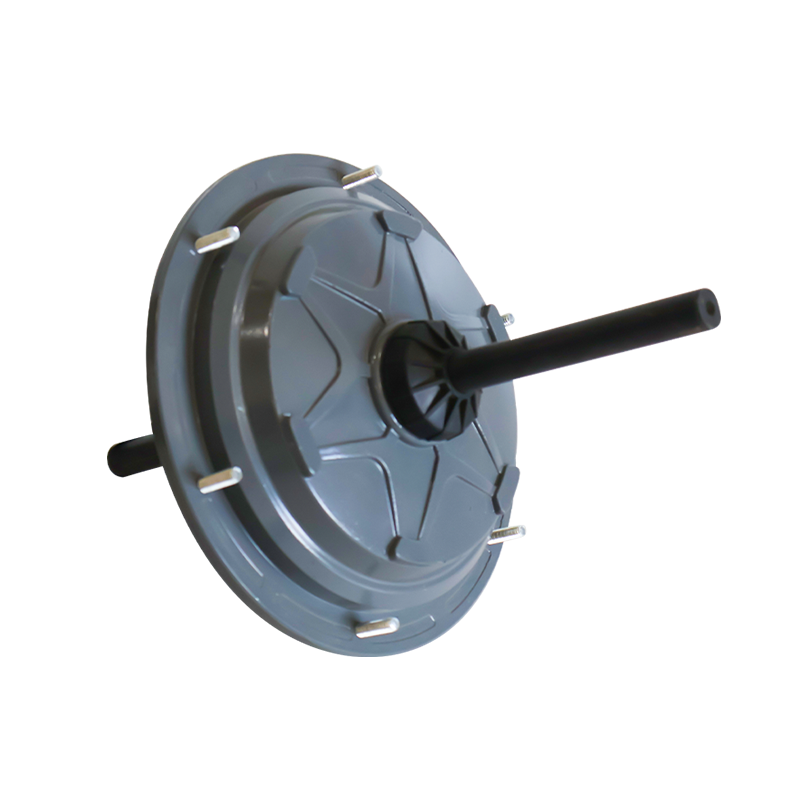
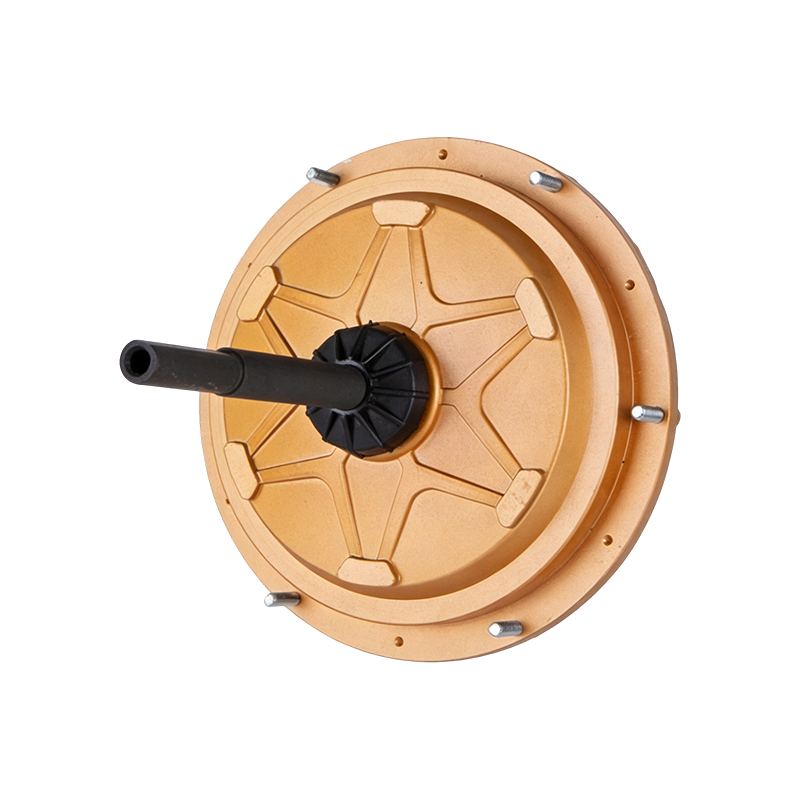
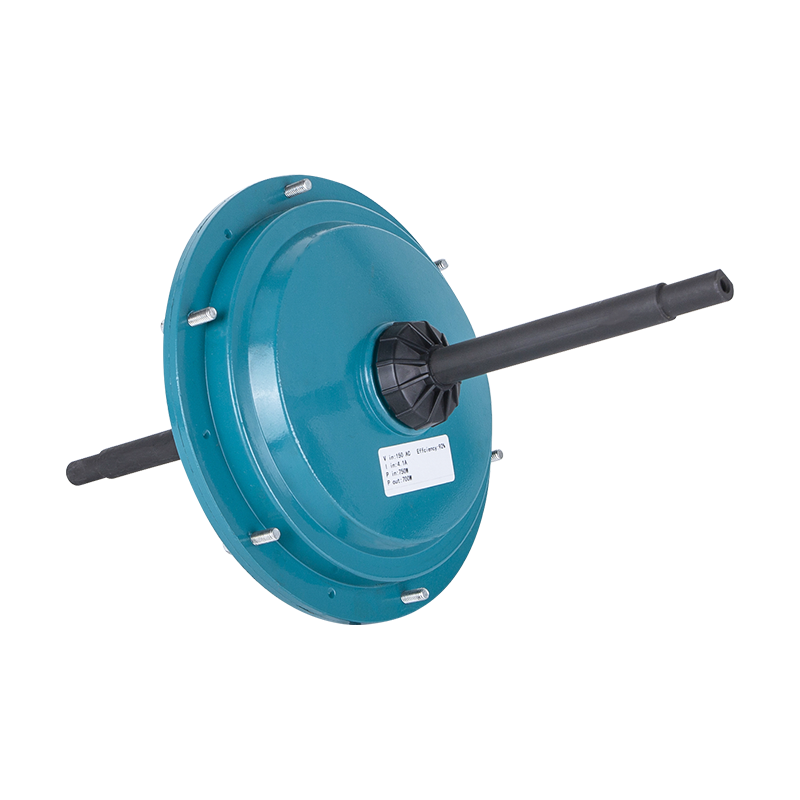
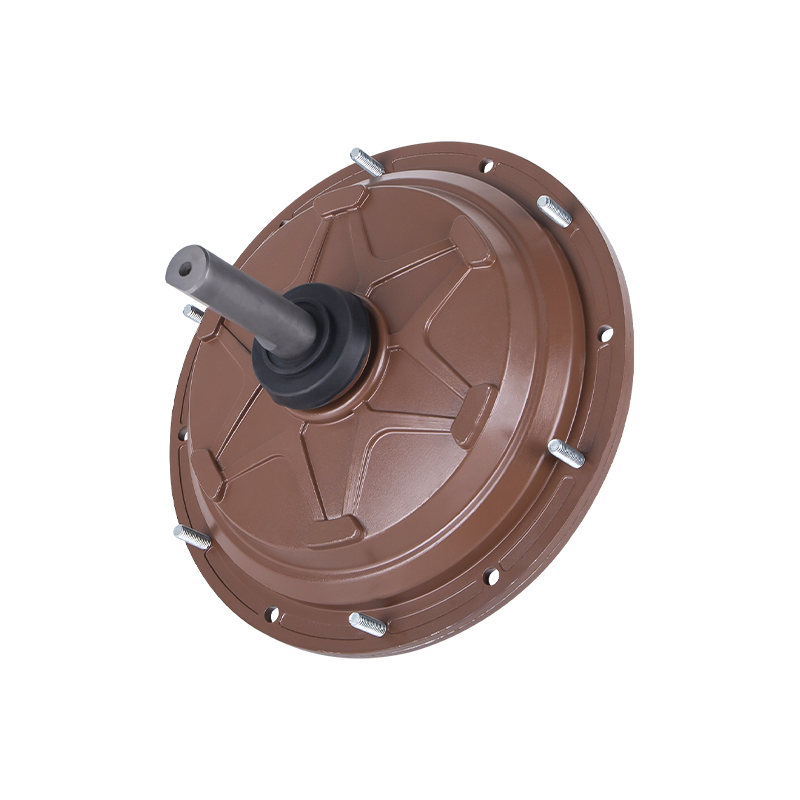
DC144 220V 600W External BLDC Air Cooler Motor for Efficient Cooling and Ventilation
Content
- 1 Product Overview
- 2 Key Technical Specifications
- 3 How the External Rotor BLDC Design Supports Cooling Equipment
- 4 Advantages of Brushless DC Technology
- 5 Performance Benefits Compared with Conventional Alternatives
- 6 Application in Evaporative Air Coolers
- 7 Application in Industrial Ventilation
- 8 Application in Commercial Cooling Equipment
- 9 Manufacturing Strengths of the Supplier
- 10 Manufacturing Process Considerations
- 11 Quality and Reliability Factors
- 12 Energy Efficiency and Operating Cost
- 13 Installation and Integration Guidelines
- 14 Procurement Advantages for Equipment Manufacturers
- 15 Recommended Selection Process
- 16 Frequently Asked Questions
- 16.1 What type of motor is the DC144?
- 16.2 What are the rated voltage and power?
- 16.3 Can the motor operate at both 50 Hz and 60 Hz?
- 16.4 What does the external rotor structure mean?
- 16.5 Does the motor use carbon brushes?
- 16.6 Is a matching driver included?
- 16.7 What does the IP55 rating indicate?
- 16.8 What is the purpose of Class F insulation?
- 16.9 Can the DC144 be used outdoors?
- 16.10 Is this motor suitable for every air cooler?
- 16.11 How can customers improve service life?
- 16.12 Can the supplier provide customized motor solutions?
- 17 Why Select the DC144 for Competitive Equipment Design?
- 18 Conclusion
- 19 References
- 20 Product: DC144 220V 600W External BLDC Air Cooler Motor
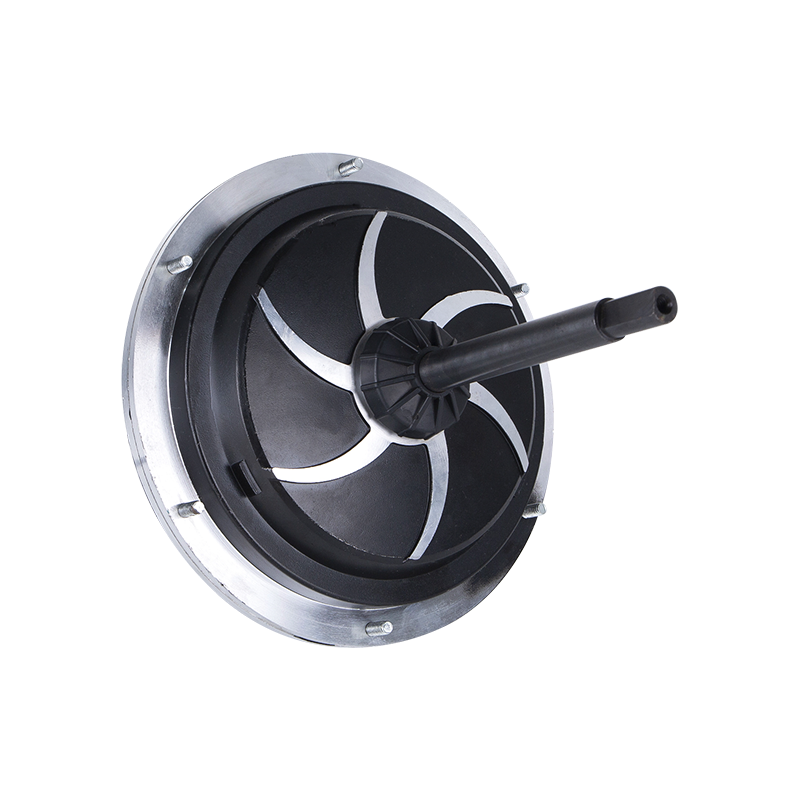
The DC144 220V 600W External Rotor BLDC Motor is a purpose-oriented drive solution for evaporative air coolers, industrial ventilation systems, commercial cooling equipment and other applications that require dependable airflow over extended operating periods. Combining brushless DC technology, an external rotor configuration, 600 W rated power and 220 V operating voltage, the motor is designed to deliver stable mechanical output while reducing the maintenance concerns commonly associated with traditional brushed motors.
In modern cooling and ventilation equipment, the motor is more than a simple rotating component. It affects airflow, energy consumption, acoustic performance, operating stability, service intervals and the overall reliability of the finished machine. A suitable motor must therefore provide consistent performance under changing loads, tolerate long operating cycles and integrate effectively with the fan, controller and equipment enclosure. The DC144 addresses these requirements with a brushless design, an optimized external rotor structure and a specification suitable for medium- and large-capacity cooling systems.
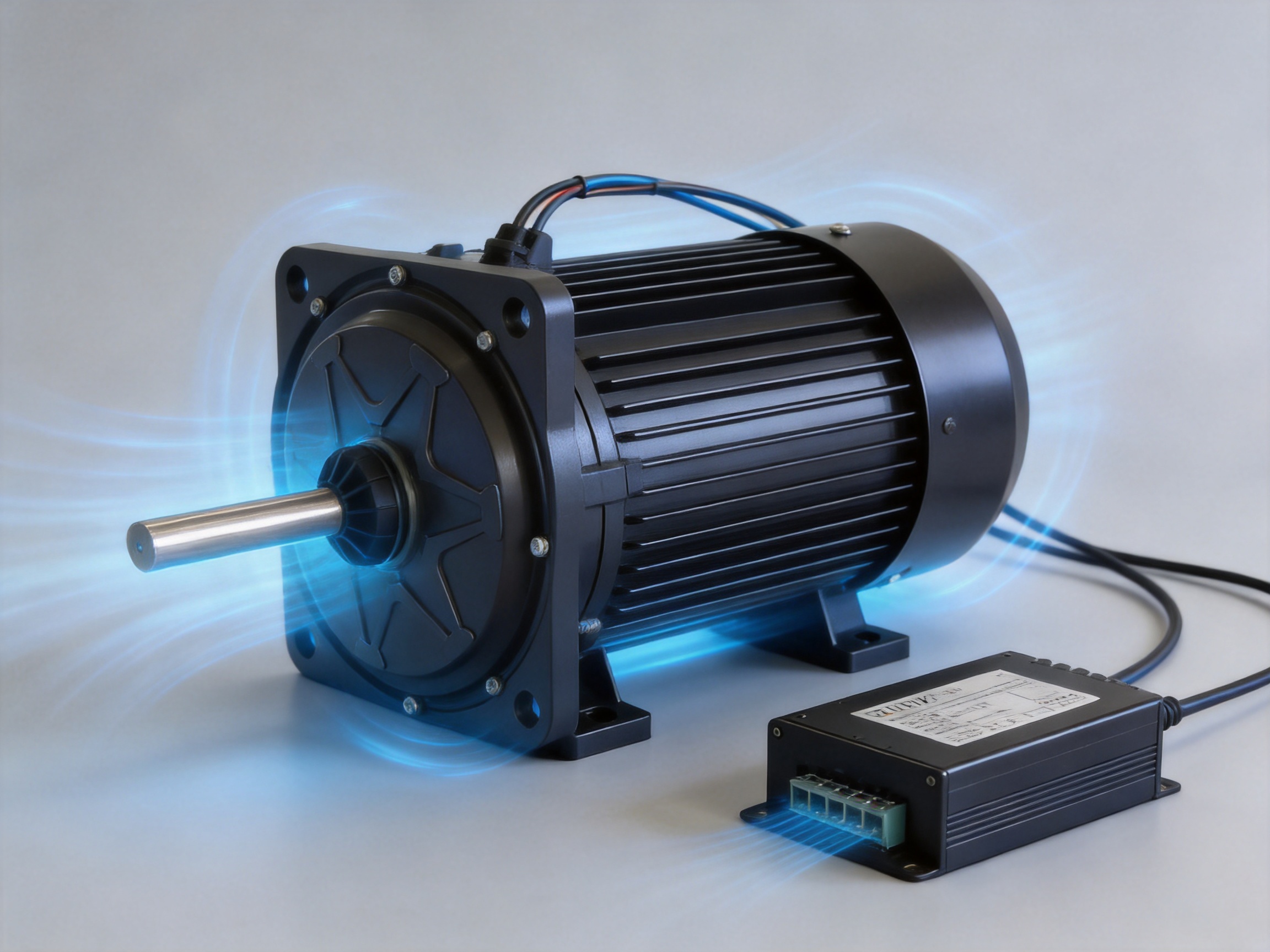
Manufactured by Shengzhou Jiangxin Motor Technology Co., Ltd., the DC144 is positioned as a reliable option for equipment manufacturers, system integrators, distributors and professional users seeking an AC/DC motor supplier with dedicated production capabilities. Its rated parameters include 220 V, 600 W, 50/60 Hz operation, IP55 protection and Class F insulation. A matching driver is available as an optional component, allowing customers to select a control solution according to their system architecture and operating requirements.
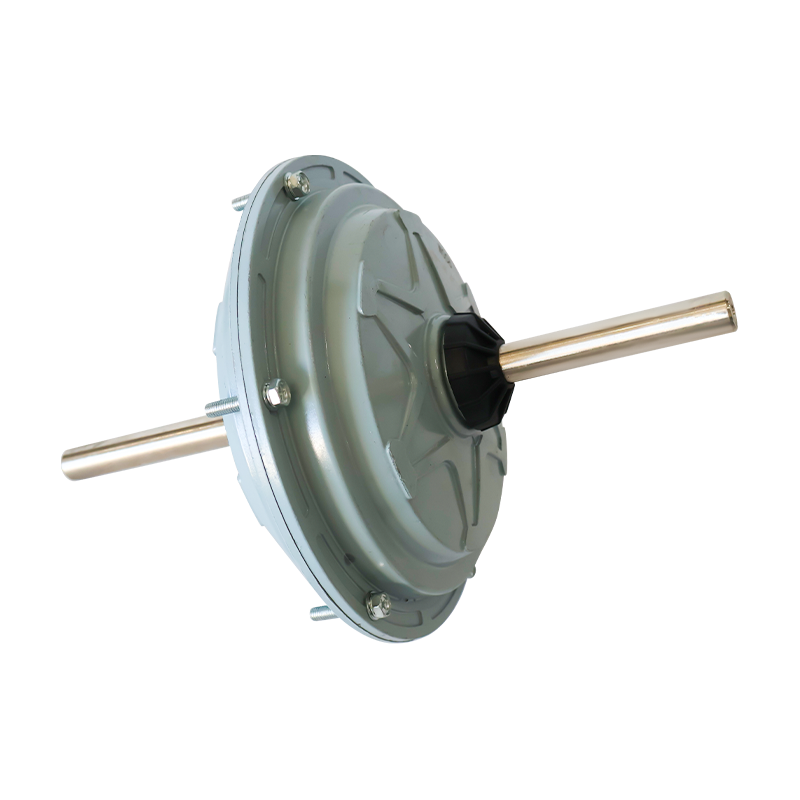
DC144 220V 600W External BLDC Air Cooler Motor
Product Overview
The DC144 is an external rotor brushless DC motor developed for applications where efficient airflow generation, stable operation and long service life are essential. Its external rotor arrangement places the rotating assembly around the fixed stator, creating a compact motor structure that can be well suited to fan and blower equipment. This arrangement supports effective integration with air-moving assemblies and can help equipment designers make efficient use of available installation space.
With a rated output of 600 W, the motor is intended for more demanding applications than small domestic fans or low-power ventilation units. It can provide the driving capacity required by larger evaporative air coolers, commercial cooling equipment, industrial ventilation products and other air-handling systems. The 220 V rating allows it to fit power environments commonly used in commercial and industrial installations, subject to the electrical requirements of the final equipment and local regulations.
Unlike a conventional brushed motor, the DC144 uses electronic commutation instead of carbon brushes and a mechanical commutator. This eliminates direct brush friction during normal operation and reduces the wear mechanism associated with brush replacement. The motor is therefore suitable for equipment expected to operate for long periods, including cooling and ventilation systems used throughout the day or during extended seasonal operating cycles.
The motor’s design is intended to support consistent output, effective energy conversion and dependable load handling. Its performance, however, should always be evaluated together with the selected fan blade, impeller, controller, power supply, airflow path and equipment enclosure. Motor selection is most successful when the complete drive system is considered rather than the motor in isolation.
Key Technical Specifications
| Item | Specification |
|---|---|
| Product type | External rotor BLDC motor |
| Model | DC144 |
| Rated voltage | 220 V |
| Rated power | 600 W |
| Frequency | 50/60 Hz |
| Protection rating | IP55 |
| Insulation class | Class F |
| Matching driver | Optional |
| Primary application areas | Evaporative air coolers, industrial ventilation and commercial cooling equipment |
The listed specifications provide a practical foundation for equipment matching. The 600 W rating indicates the motor’s nominal power class, while the actual system performance will depend on operating speed, torque demand, fan geometry, pressure resistance, control strategy and thermal conditions. Customers should confirm detailed dimensional, electrical and control-interface requirements with the manufacturer before finalizing a production design.
How the External Rotor BLDC Design Supports Cooling Equipment
An external rotor motor differs from a conventional internal rotor motor in the location of its rotating assembly. In an external rotor structure, the rotor surrounds the stator and rotates on the outside. This configuration can provide useful packaging advantages in fan applications because the rotating body can be positioned close to or integrated with the air-moving component.
For evaporative air coolers and ventilation equipment, available space is often restricted by the cabinet, water circulation system, air duct, filter assembly and fan housing. A motor that can be integrated efficiently into the air-moving section may help equipment designers optimize the overall layout. External rotor construction can also support a direct-drive arrangement, reducing the need for separate transmission components in suitable applications.
Direct-drive integration may reduce the number of mechanical parts between the motor and the fan. Compared with systems that use belts, pulleys or additional transmission stages, a direct arrangement can help simplify assembly and reduce certain maintenance points. It can also avoid belt tension adjustment and belt-related wear. The specific benefit depends on the complete equipment design, but the external rotor format provides a useful platform for compact and efficient fan assemblies.
The rotor structure is also relevant to torque transmission and airflow equipment integration. Since the motor is engineered for fan-oriented applications, it can be paired with an appropriate impeller or fan blade to create a balanced rotating system. Correct balancing, shaft or mounting compatibility and suitable protective design remain essential to achieving smooth operation and long service life.
Advantages of Brushless DC Technology
Reduced Mechanical Wear
Traditional brushed motors rely on carbon brushes and a mechanical commutator to transfer electrical energy to the rotating winding assembly. These components are subject to friction, electrical arcing and gradual wear. Over time, brush wear can lead to performance changes, dust generation, increased electrical noise and the need for maintenance or replacement.
The DC144 uses electronic commutation, removing the need for carbon brushes in the motor’s normal operating process. This can reduce the mechanical wear associated with brush contact and make the motor better suited to continuous or frequently repeated operation. For cooling equipment installed in commercial buildings, workshops, production areas or outdoor facilities, reduced brush-related maintenance can be an important ownership advantage.
Efficient Power Conversion
Brushless DC motors can achieve efficient operation through electronically controlled commutation and optimized magnetic interaction between the stator and rotor. The actual efficiency of a complete system depends on the controller, operating point, load profile, motor design, fan and power supply. Nevertheless, the BLDC format provides a strong foundation for reducing unnecessary energy loss compared with less efficient motor arrangements.
For air coolers and ventilation systems that run for many hours, even moderate improvements in energy utilization can influence operating cost. The DC144 is designed to provide stable power output while avoiding the brush friction found in traditional brushed motors. When matched correctly with a suitable driver and fan load, it can support an energy-conscious equipment design.
Stable Operation Under Extended Use
Cooling and ventilation equipment is often expected to operate continuously during hot weather, working shifts or high-occupancy periods. A motor used in these systems must maintain reliable rotation while managing heat generated by electrical and mechanical losses. The DC144 is intended for long-duration operation and is designed to provide steady output under appropriate load and environmental conditions.
Long operating life is influenced by many factors, including winding temperature, bearing quality, operating speed, airflow around the motor, overload conditions, supply stability and installation accuracy. The brushless design removes one common source of wear, while the motor’s protection and insulation specifications provide an important foundation for dependable service.
Strong Load-Handling Capability
A 600 W motor rating gives the DC144 the capacity required by a range of medium- and large-size air-moving systems. Evaporative air coolers may need to overcome resistance from filters, cooling pads, ducts, louvers and outlet structures. Industrial ventilation systems may face changing static pressure and varying air volumes. A motor must therefore be selected based on the complete fan curve and required operating point.
The DC144 is designed to provide stable power for suitable fan loads and to maintain reliable performance during demanding operating cycles. Its load-handling capability makes it a practical candidate for equipment where a smaller motor would lack sufficient reserve and a larger motor would create unnecessary cost, size or energy consumption.
Performance Benefits Compared with Conventional Alternatives
When compared with a traditional brushed motor of a similar power class, the DC144 offers several potential advantages. The first is the elimination of carbon brush replacement as a routine service requirement. The second is the reduction of brush friction and associated mechanical losses. The third is the ability to use electronic control for more precise motor operation, depending on the selected driver and system configuration.
Compared with some internal rotor solutions, an external rotor design may offer more convenient integration with fan assemblies and direct-drive equipment. The compact arrangement can assist with equipment layout, although final suitability depends on the mounting structure and air-handling design. The external rotor format is especially relevant for applications in which the motor and fan need to occupy a coordinated position within a cabinet or ventilation module.
Compared with low-power fan motors, the 600 W DC144 offers a higher power class for larger cooling and ventilation systems. This allows equipment manufacturers to develop products with greater airflow potential, stronger load capacity and broader industrial application. The motor should not be treated as a universal replacement for every motor type, but it is well matched to systems requiring a reliable drive in the 600 W range.
Compared with less protected motor designs, the IP55 rating provides a more appropriate foundation for equipment exposed to dust and water jets under defined test conditions. IP55 does not mean that the motor is waterproof or suitable for immersion. Proper sealing, drainage, installation orientation and environmental assessment remain necessary, particularly in evaporative cooling systems where water, humidity and airborne particles may be present.
Class F insulation also gives the motor a useful thermal insulation category for industrial and commercial applications. Insulation class relates to the thermal endurance of the insulation system and should be considered together with actual winding temperature, ambient conditions, ventilation and overload protection. Correct system design is essential to fully benefit from the motor’s insulation capability.
Application in Evaporative Air Coolers
Evaporative air coolers use airflow and water evaporation to provide cooling in suitable climates and environments. The fan motor is responsible for driving the air-moving assembly that draws warm air through cooling media and distributes cooled air into the target space. Because the fan operates at the center of the airflow process, motor stability directly affects perceived cooling performance.
The DC144 is suitable for evaporative air cooler designs that require a 600 W external rotor BLDC motor. It can be considered for portable commercial coolers, large workshop coolers, warehouse ventilation coolers, agricultural cooling equipment and outdoor air-circulation products. The final application should account for moisture exposure, fan balance, water management, electrical isolation and the location of the motor within the cooler cabinet.
A motor for an evaporative cooler must operate effectively despite changing airflow resistance. Filters can become loaded with dust, cooling pads can accumulate mineral deposits and outlet conditions may vary. These changes can affect the fan load. A correctly selected BLDC motor and driver combination can help maintain controlled, stable operation as the equipment works through normal variations.
For product developers, the optional matching driver offers flexibility. Some customers may require a complete motor-and-driver package, while others may already use a control board or system-level controller. The driver arrangement should be confirmed according to start-up requirements, speed control, protection functions, wiring, communication needs and compatibility with the equipment’s power architecture.
Application in Industrial Ventilation
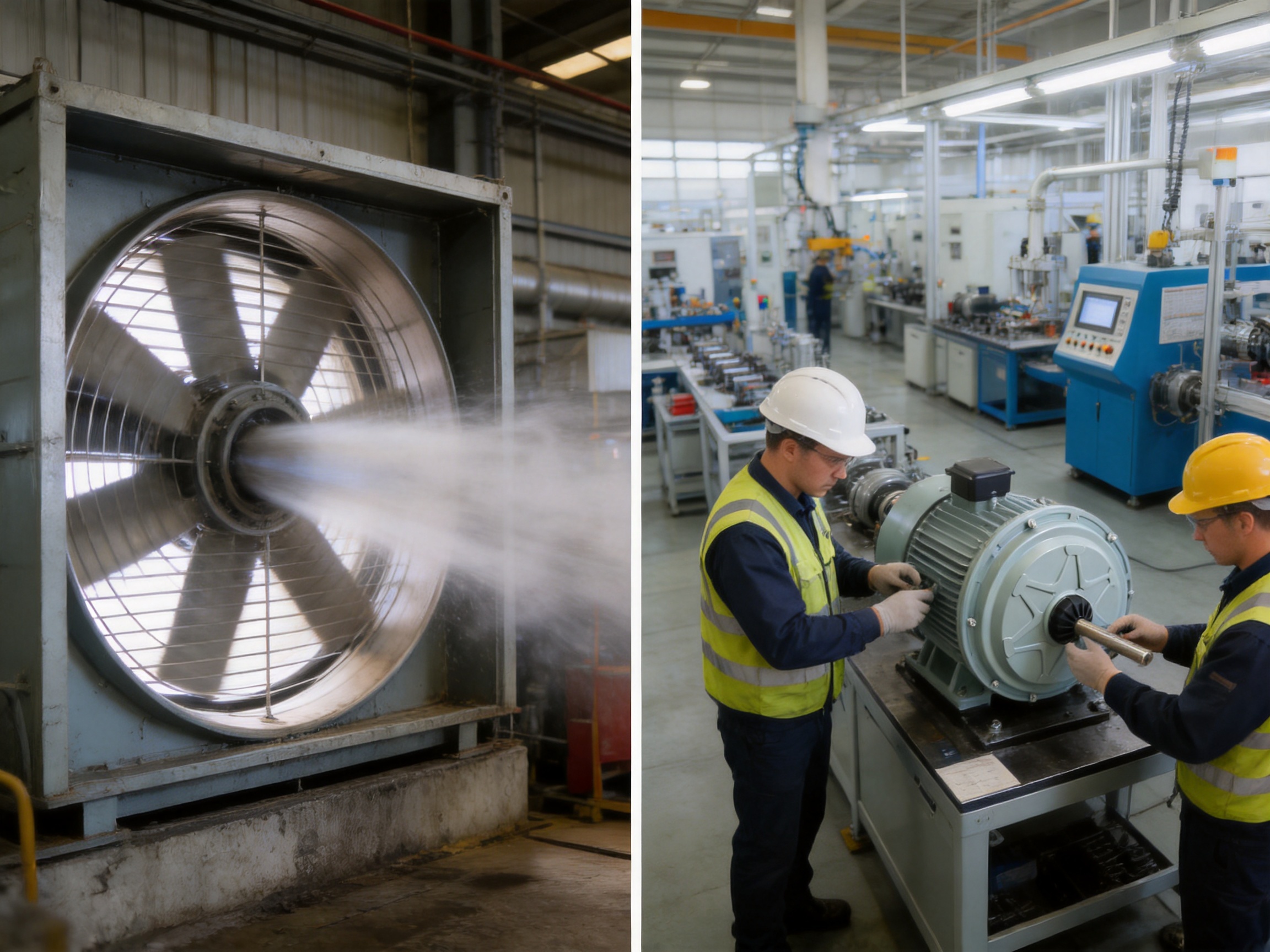
Industrial ventilation equipment is used to move air through factories, workshops, warehouses, processing areas, agricultural buildings and other working environments. Such systems may operate continuously or according to a scheduled ventilation cycle. Reliability, power efficiency and resistance to common industrial conditions are therefore important selection criteria.
The DC144 can serve as a drive source for industrial fan assemblies that require 220 V input and 600 W motor power. It may be integrated into exhaust fans, air circulation units, air replacement systems and equipment designed to remove heat, humidity, odors or airborne contaminants. System designers should evaluate the fan curve, required static pressure, noise limits, operating temperature and installation environment before approving the motor for a specific project.
Industrial applications often demand straightforward maintenance. A brushless motor can reduce the need for brush inspection and replacement, allowing service teams to focus on bearings, electrical connections, fan cleanliness and overall system condition. Preventive maintenance remains necessary, but the absence of carbon brushes can simplify the routine service strategy.
The IP55 protection level is also relevant to many industrial applications where dust and limited water exposure may occur. It should be used as part of a broader environmental protection plan rather than as the sole safeguard. If the installation involves corrosive chemicals, heavy condensation, salt spray, high-pressure washing or explosive atmospheres, additional assessment and potentially specialized motor protection will be required.
Application in Commercial Cooling Equipment
Commercial cooling equipment must often operate for long periods while maintaining comfortable airflow and predictable energy consumption. Examples include cooling units for retail areas, workshops, event venues, storage buildings, restaurants, agricultural spaces and semi-open commercial environments.
The DC144 combines a practical power rating with a brushless construction that can support the demands of commercial use. Its 220 V rating may simplify integration into equipment intended for compatible commercial power systems. The 50/60 Hz specification provides flexibility for markets operating on either frequency, subject to the design of the driver and complete equipment.
Commercial equipment manufacturers can also benefit from the motor’s repeatable product specification. A standardized model can simplify product development, purchasing and replacement planning. For businesses supplying equipment to multiple markets, a motor that supports common voltage and frequency requirements may reduce the number of motor variants needed in the product range, although country-specific certification and electrical requirements must still be verified.
Manufacturing Strengths of the Supplier
Shengzhou Jiangxin Motor Technology Co., Ltd. was established in 2017 and focuses on the research, development, production and sales of AC/DC motors and micro motors. The company operates in Shengzhou, Zhejiang Province, within the Yangtze River Delta industrial region. This location provides access to an established manufacturing ecosystem, engineering resources, component suppliers and logistics networks.
The company operates modern production facilities and uses automated equipment in its manufacturing activities. Automation can support repeatable assembly, consistent process control and improved production efficiency when properly managed. For motor manufacturing, controlled processes are important because small variations in winding, rotor assembly, bearing installation, electrical connections or balancing can influence operating performance.
A professional research and development team supports the company’s ability to develop application-focused motor solutions. Rather than treating every motor as a generic commodity, an application-oriented manufacturer can evaluate factors such as airflow demand, installation space, duty cycle, voltage, insulation, protection requirements and control strategy. This approach is particularly valuable for air cooler and industrial fan customers who may require more than a standard catalog specification.
The company has been recognized as a provincial-level technology enterprise and maintains a focus on innovation, quality control and energy-efficient motor products. Its product range includes evaporative air cooler motors, industrial heater motors, oil pump motors and customized motors. This range indicates experience across multiple equipment sectors, including environmental protection equipment, industrial heating and hydraulic systems.
Jiangxin Motor serves customers in more than 60 countries and regions. International experience can help a manufacturer understand the practical needs of overseas buyers, including different power systems, documentation expectations, packaging requirements, communication practices and application environments. Export experience does not eliminate the need for customer-side verification, but it can support more efficient cooperation during product selection and project development.
Manufacturing Process Considerations
Design and Engineering Review
A reliable motor begins with a clear understanding of the intended application. The engineering process should consider rated voltage, rated power, target speed, torque demand, duty cycle, installation arrangement, fan load, ambient temperature and environmental exposure. For the DC144, the application focus on air coolers and ventilation equipment provides a practical direction for motor configuration and performance evaluation.
Engineering review also includes the relationship between the motor and its matching driver. Electronic commutation requires suitable coordination between motor characteristics and control electronics. Start-up behavior, acceleration, operating speed, overload response and protection functions should be evaluated as a complete system. The optional driver arrangement allows customers to discuss whether a supplied driver or an existing control platform is the better solution.
Winding and Electrical Assembly
Winding quality influences electrical performance, thermal behavior and motor life. Controlled winding processes help maintain consistency in the number of turns, wire placement, insulation arrangement and connection quality. Electrical assembly must also protect the winding system from damage during installation and operation.
For a motor operating at 600 W, appropriate electrical design is important to manage current, heat and load changes. The motor’s Class F insulation specification provides a defined insulation category, while actual performance depends on the winding system, materials, cooling conditions and operating limits. Quality inspection should verify electrical continuity, insulation integrity and relevant production parameters.
Rotor and Stator Assembly
External rotor construction requires accurate alignment between the rotor, stator, bearings and mounting components. Assembly tolerances can affect vibration, noise, air gap consistency and mechanical efficiency. Automated equipment and controlled fixtures can help improve repeatability, while skilled technicians and inspection procedures remain important for identifying abnormal conditions.
Rotor balance is especially important in fan applications. An imbalance can increase vibration, bearing load and acoustic output. It may also reduce the service life of the complete cooling or ventilation equipment. Appropriate balancing and final running checks are therefore essential parts of responsible external rotor motor production.
Protection and Insulation Verification
The DC144 is specified with IP55 protection and Class F insulation. Production verification should support the integrity of the motor enclosure, cable entry and protective structure. The final equipment designer must also ensure that the mounting arrangement and surrounding cabinet do not compromise the intended protection level.
Insulation checks help confirm that the electrical system is appropriately separated from accessible conductive parts. Depending on the production and certification program, tests may include insulation resistance, dielectric strength, winding resistance and functional operation. Exact test procedures and acceptance values should be established according to applicable standards and customer requirements.
Final Functional Testing
Final testing can include no-load running, rotation direction, current behavior, vibration, noise, temperature rise and driver compatibility. Load testing is especially relevant for a motor intended for fan applications because no-load performance alone cannot demonstrate suitability for the actual operating point.
Functional testing also provides an opportunity to verify that the motor starts smoothly and maintains stable operation. For equipment manufacturers, test data can support incoming inspection, product validation and after-sales troubleshooting. Jiangxin Motor’s focus on strict quality control is relevant to customers seeking consistency across production batches.
Quality and Reliability Factors
Motor reliability is the result of coordinated design, material selection, manufacturing control and correct application. The DC144’s brushless topology reduces one source of mechanical wear, but the complete motor still depends on bearing quality, rotor balance, winding temperature, electronic control and installation conditions.
Customers should protect the motor from sustained overload, blocked airflow, incorrect voltage, excessive moisture and improper mounting. Fan blades and impellers should be balanced, and the motor should not be forced to operate outside its recommended speed or load range. Regular cleaning can help prevent dust accumulation that restricts cooling or increases the fan load.
In evaporative cooling equipment, water management is particularly important. Water should not be allowed to enter the motor through openings, cable connections or poorly positioned drainage paths. Condensation and spray patterns should be evaluated during equipment testing. IP55 protection provides resistance under defined conditions, but it does not replace good cabinet design and installation practice.
For industrial installations, vibration from the surrounding equipment should be considered. The motor and fan assembly should be mounted on a sufficiently rigid structure, with suitable fasteners and alignment. Excessive vibration may originate from the fan, mounting frame, bearing, shaft alignment or motor itself, so troubleshooting should examine the complete rotating assembly.
Energy Efficiency and Operating Cost
Energy consumption is a major consideration in cooling and ventilation because these systems may operate for long hours. The motor, driver and fan must work together to deliver the required airflow with minimal unnecessary loss. A high-quality BLDC motor can contribute to an efficient system by reducing brush friction and supporting electronically controlled operation.
The real energy benefit depends on operating conditions. A motor running at an unsuitable speed or driving an oversized fan may consume more energy than expected, even if the motor itself is efficient. Conversely, correct fan selection, appropriate speed control and clean airflow paths can help the motor operate closer to its intended performance range.
For equipment manufacturers, the DC144 may provide a useful balance between output capacity and system simplicity. Its 600 W rating supports substantial airflow applications without requiring the oversized construction of a much higher-power motor. Selecting the correct motor rating can reduce both initial equipment cost and long-term energy waste.
Installation and Integration Guidelines
Before installation, confirm the voltage, frequency, power requirements, driver compatibility, mounting dimensions, shaft or rotor interface and rotation direction. The motor should be installed only in equipment for which its electrical and mechanical characteristics have been verified.
The mounting surface should be rigid and accurately aligned. Fasteners should be tightened according to the equipment manufacturer’s requirements, and the motor should not be subjected to abnormal radial or axial forces. If the motor is directly integrated with a fan or impeller, the connection must be secure and properly balanced.
Electrical connections should be completed by qualified personnel. The power supply, driver and protective devices must be selected according to the motor and local electrical regulations. Wiring should be protected from abrasion, excessive heat, water and moving components. Grounding and system-level safety measures should be addressed during product design.
Airflow around the motor should be considered as part of thermal management. Enclosures must allow sufficient heat dissipation while maintaining the required protection from dust and moisture. Equipment designers should test the motor under worst-case ambient temperature, maximum load and longest expected duty cycle.
Procurement Advantages for Equipment Manufacturers
For original equipment manufacturers, choosing a specialized motor supplier can simplify development and purchasing. Jiangxin Motor’s focus on AC/DC motors, air cooler motors and customized motor products allows customers to discuss application requirements with a manufacturer familiar with several related equipment categories.
The DC144 provides a defined starting point for projects requiring 220 V and 600 W output in an external rotor BLDC format. Customers can use the specification to assess mechanical compatibility, driver requirements and fan performance at an early stage. If modifications are required, an experienced manufacturer may be able to evaluate customized electrical, mechanical or control-related requirements.
International production and export experience can also support customers that need stable supply across different markets. Product selection should include a review of quality documentation, sample testing, production capacity, packaging, lead time and after-sales communication. These commercial factors are important because motor performance is only one part of a successful equipment supply chain.
The company’s product portfolio provides an additional advantage for customers developing more than one type of equipment. A buyer requiring motors for evaporative coolers, heaters, oil pumps or other systems may be able to coordinate sourcing through one experienced supplier. Consolidated communication can reduce administrative complexity and support a more consistent quality-management process.
Recommended Selection Process
Step One: Define the Airflow Requirement
Begin by identifying the required airflow, static pressure, operating speed and duty cycle. Fan selection should be based on the actual system resistance, including filters, cooling pads, ducts, grilles and dampers. The motor must then be matched to the fan’s torque and power demand across the intended operating range.
Step Two: Confirm Electrical Conditions
Confirm whether the installation provides a compatible 220 V supply and whether the system operates at 50 Hz, 60 Hz or both. Review the driver arrangement, start-up conditions, speed control method and protection functions. If the customer already has a controller, compatibility testing should be completed before mass production.
Step Three: Review the Environment
Assess temperature, humidity, dust, water exposure, corrosive substances, altitude and installation location. The IP55 rating may be suitable for many dust- and splash-exposed environments, but every application requires an individual evaluation. Evaporative coolers should receive particular attention because water and humid air are part of normal operation.
Step Four: Verify Mechanical Integration
Confirm the motor’s mounting design, fan or impeller interface, installation orientation and available clearance. Review balance, vibration and noise requirements. A sample motor should be tested with the intended fan assembly rather than evaluated only as a standalone component.
Step Five: Complete Reliability Testing
Run the motor under representative and worst-case conditions. Measure current, temperature, vibration, noise, airflow and power consumption. Long-duration testing can help identify problems that may not appear during a short functional check.
Frequently Asked Questions
What type of motor is the DC144?
The DC144 is a 600 W external rotor brushless DC motor designed primarily for evaporative air coolers, industrial ventilation equipment and commercial cooling systems.
What are the rated voltage and power?
The motor is rated at 220 V and 600 W. Customers should confirm the complete electrical arrangement, including the matching driver and protection devices, before installation.
Can the motor operate at both 50 Hz and 60 Hz?
The listed specification identifies a 50/60 Hz frequency range. Final operating compatibility should be confirmed with the motor and driver configuration selected for the target market.
What does the external rotor structure mean?
An external rotor motor has the rotating assembly positioned around the stator. This format can be advantageous for fan integration and compact direct-drive equipment, subject to the mechanical design of the final application.
Does the motor use carbon brushes?
No. The DC144 uses brushless electronic commutation, so it does not rely on carbon brushes for normal operation. This can reduce brush friction, brush dust and brush replacement requirements.
Is a matching driver included?
The matching driver is optional. Customers can discuss whether they need a driver supplied with the motor or whether an existing control system can be used after compatibility verification.
What does the IP55 rating indicate?
IP55 indicates protection against dust ingress at a defined level and protection against water jets under specified test conditions. It does not indicate that the motor is submersible or suitable for unrestricted water exposure.
What is the purpose of Class F insulation?
Class F identifies the thermal endurance category of the motor’s insulation system. Actual winding temperature depends on load, ambient conditions, ventilation, operating speed and installation, so the complete system must be designed within appropriate limits.
Can the DC144 be used outdoors?
It may be considered for outdoor equipment when the complete installation provides suitable protection from rain, direct water entry, condensation, ultraviolet exposure, corrosion and unauthorized contact. Outdoor suitability should be confirmed through application testing and equipment-level design review.
Is this motor suitable for every air cooler?
No motor is suitable for every air cooler. The DC144 should be matched to the fan load, required airflow, static pressure, voltage, controller, mounting arrangement and environmental conditions of the specific cooler.
How can customers improve service life?
Use the correct driver, avoid overload, maintain clean airflow paths, protect the motor from unsuitable moisture exposure, ensure accurate fan balance and inspect the installation regularly. Proper equipment design and preventive maintenance are essential.
Can the supplier provide customized motor solutions?
Shengzhou Jiangxin Motor Technology Co., Ltd. focuses on AC/DC motors and customized motor products. Customers should provide detailed requirements such as voltage, power, speed, torque, dimensions, control method and application environment for technical evaluation.
Why Select the DC144 for Competitive Equipment Design?
The DC144 offers a combination of features that address several common priorities in modern cooling and ventilation equipment. Its brushless design reduces the maintenance issues associated with brushes. Its 600 W rating provides a practical power class for medium- and large-capacity air-moving systems. Its external rotor configuration can simplify fan integration. Its IP55 protection and Class F insulation support demanding commercial and industrial applications when correctly implemented.
These advantages are strengthened by the supplier’s manufacturing focus. Jiangxin Motor combines product development, automated production equipment, quality-control procedures and international supply experience. The company’s specialization in AC/DC motors and application-specific products provides a useful foundation for customers seeking more than a basic off-the-shelf motor.
Competitiveness should always be evaluated through total system value rather than purchase price alone. Reduced maintenance, efficient power conversion, stable operation, simplified integration and dependable supply can all influence the cost of ownership. The DC144 is designed to support these objectives while giving equipment manufacturers a clear and adaptable motor platform.
Conclusion
The DC144 220V 600W External Rotor BLDC Motor is a robust solution for evaporative air coolers, industrial ventilation systems and commercial cooling equipment. Its brushless construction supports reduced mechanical wear and dependable long-term operation, while its external rotor format provides useful opportunities for compact fan integration and direct-drive design.
With 220 V rated voltage, 600 W power, 50/60 Hz frequency compatibility, IP55 protection, Class F insulation and an optional matching driver, the motor can serve a broad range of medium- and large-capacity air-moving applications. Its final performance will depend on appropriate fan matching, controller selection, installation quality, environmental protection and system-level testing.
Shengzhou Jiangxin Motor Technology Co., Ltd. contributes manufacturing experience, research and development capability, automated production resources and international market experience. Through its focus on AC/DC motors, air cooler motors and customized solutions, the company is positioned to support equipment manufacturers and distributors that require reliable motor products for demanding cooling and ventilation applications.
For customers evaluating the DC144, the recommended approach is to define the complete operating requirement, verify electrical and mechanical compatibility, test the motor with the intended fan assembly and confirm environmental suitability before volume production. When correctly specified and integrated, the DC144 can provide a dependable foundation for efficient, durable and professionally engineered cooling equipment.
References
International Electrotechnical Commission. IEC 60034 Series: Rotating Electrical Machines.
International Electrotechnical Commission. IEC 60529: Degrees of Protection Provided by Enclosures, commonly identified through IP codes.
International Electrotechnical Commission. IEC 60085: Electrical Insulation and Thermal Evaluation.
National Electrical Manufacturers Association. Guidance on motor application, performance and installation considerations.
Manufacturer technical information supplied for the DC144 220V 600W External Rotor BLDC Motor.
Manufacturer company information supplied for Shengzhou Jiangxin Motor Technology Co., Ltd.
Product: DC144 220V 600W External BLDC Air Cooler Motor
 Ready To Customise
Your Motor Products?

We are professional motor manufacturers, delivering powerful, stable, and efficient power cores for all industries through precision craftsmanship and innovation.
Contact Us
-
 Mobile:+86 13575536911
-
 Tel:+86 18357538240
-
 Whatsapp:+8618357538240
-
 Email:betty@dbjxmotor.com
-
 Company Address
Copyright © by Shengzhou Jiangxin Motor Technology Co., Ltd. All Rights Reserved.
Wholesale Industrial Fan Motors Manufacturers
