

 English
 русский
 Español
 عربى
عربى
No. 8, Duxiu San Road, Ganlin Town, Shengzhou City, Shaoxing City, Zhejiang Province, China

News Category
Product Category
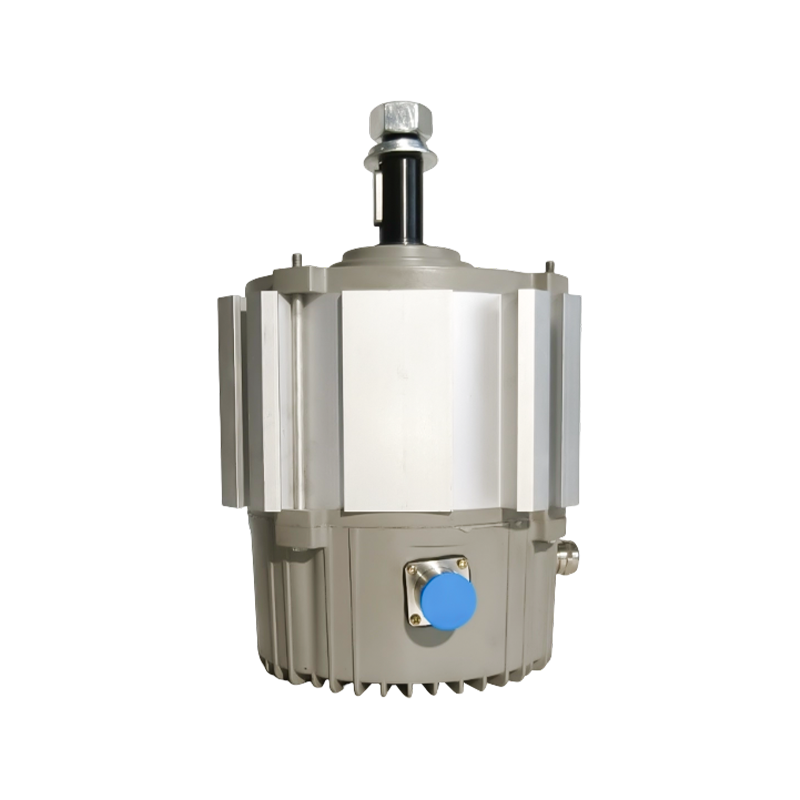
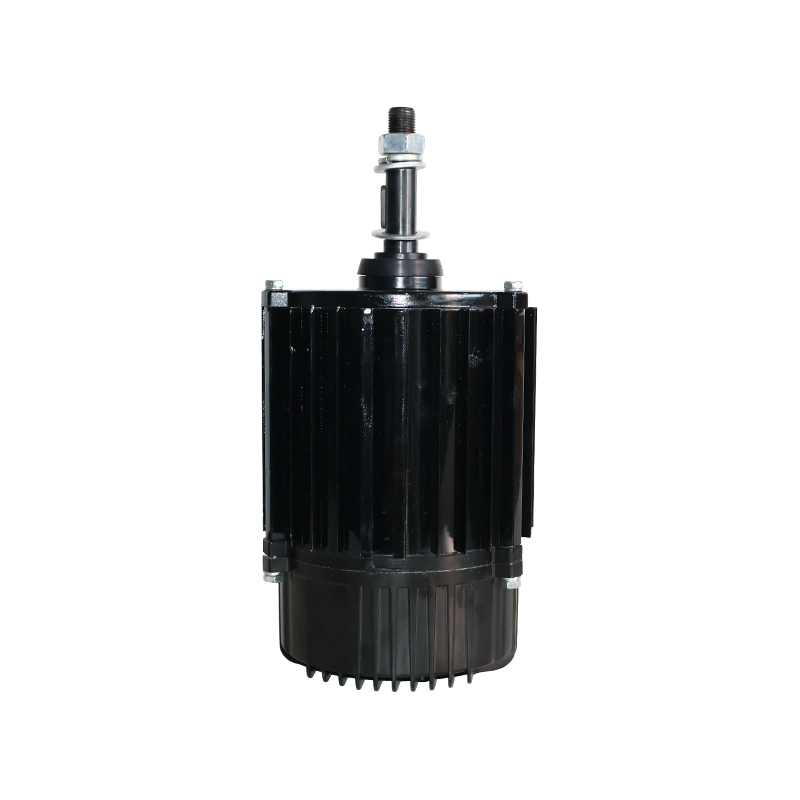
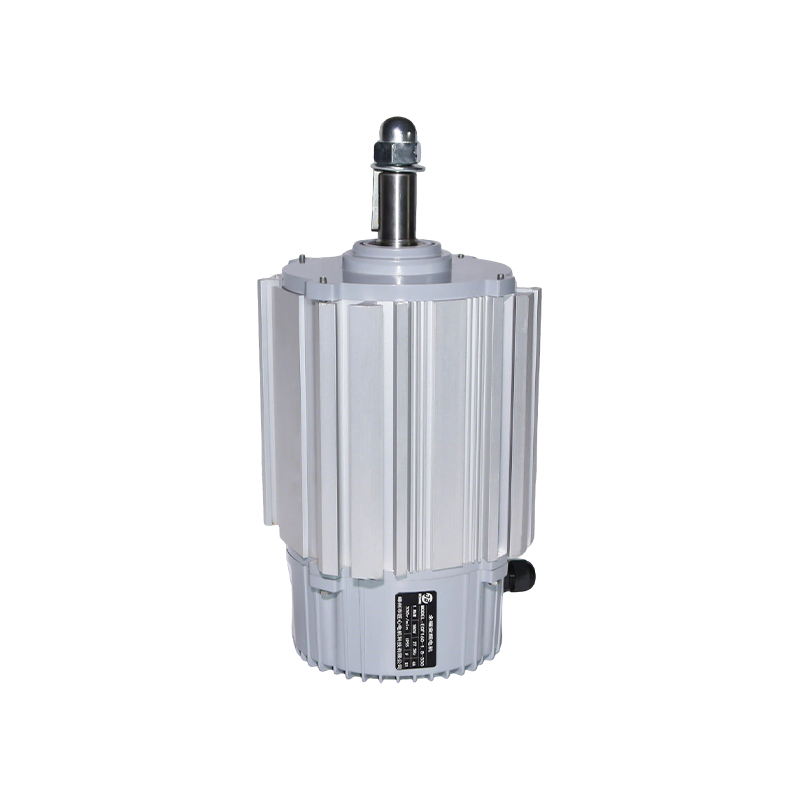
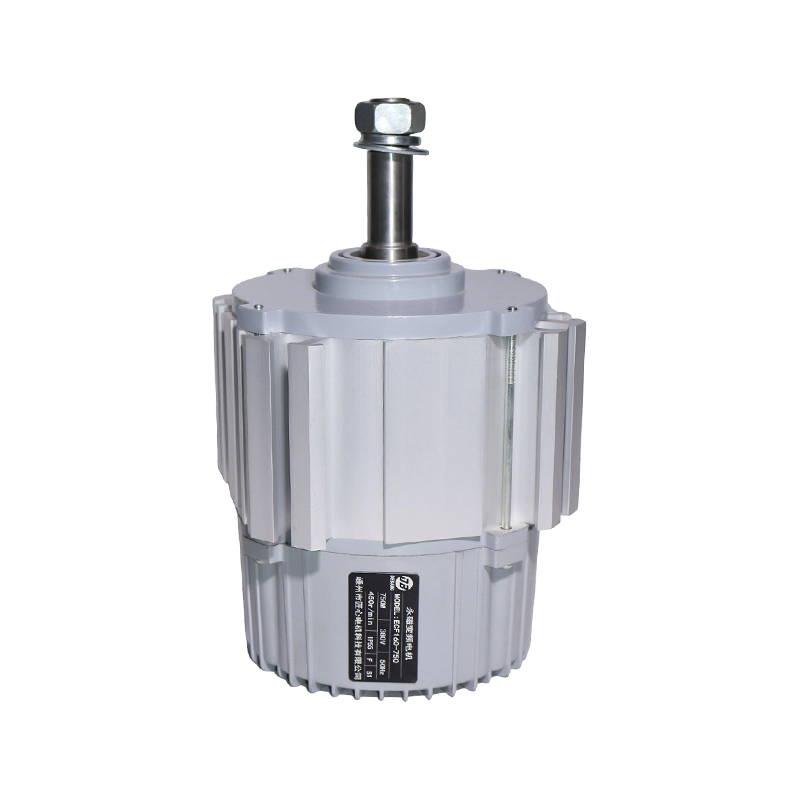
ECF-155-10 380V 2200W EC Fan Motor: Efficient Power for Demanding Air Movement Systems
Content
- 1 1. Product Overview
- 2 2. EC Motor Technology for Modern Fan Systems
- 3 3. Advantages Compared with Conventional Fan Motors
- 4 4. Application Compatibility
- 5 5. Manufacturing Strengths and Engineering Capabilities
- 6 6. Production Process for a Reliable EC Fan Motor
- 7 7. Product Selection and System Integration
- 8 8. Commercial Value for Equipment Manufacturers
- 9 9. Recommended Evaluation Checklist
- 10 10. Questions and Answers
- 10.1 Q1. What type of product is the ECF-155-10?
- 10.2 Q2. What are the main advantages of an EC fan motor?
- 10.3 Q3. Which protection functions are included?
- 10.4 Q4. Can the ECF-155-10 be used in air handling units?
- 10.5 Q5. Is it suitable for cooling towers?
- 10.6 Q6. Can it be used for cold-storage equipment?
- 10.7 Q7. Does wide voltage tolerance mean that any voltage can be applied?
- 10.8 Q8. Does the motor require an external controller?
- 10.9 Q9. Is the motor suitable for continuous operation?
- 10.10 Q10. What should be checked before connecting the motor to a fan?
- 10.11 Q11. What manufacturing capabilities support this product?
- 10.12 Q12. Can customized motor solutions be discussed?
- 11 11. Conclusion
- 12 References
- 13 Product: ECF-155-10 380V 2200W EC Fan Motor
Modern ventilation, cooling, and air-handling equipment requires more than a motor that simply rotates a fan blade. Industrial users need dependable starting, stable operation, protection against electrical and thermal stress, and compatibility with demanding working environments. The ECF-155-10 380V 2200W EC Fan Motor is designed to meet these requirements with an electronically commutated motor platform that combines high output power, intelligent protection, and broad application flexibility.
With a rated supply of 380V and a power rating of 2200W, the ECF-155-10 is suitable for commercial and industrial air movement systems that require consistent fan performance. It can be used in air handling units, cooling towers, cold storage equipment, precision cooling systems, industrial ventilation installations, and public or commercial building systems. Its integrated safeguards are designed to help protect the motor during overcurrent, overvoltage, overtemperature, and locked-rotor conditions.
Unlike a conventional motor that may depend on external protective devices and basic mechanical switching, an EC fan motor integrates motor technology and electronic control into one coordinated operating system. This design can support more stable operation, improved controllability, and reduced maintenance requirements. For equipment manufacturers and system integrators, these characteristics can simplify product development while helping end users achieve reliable long-term service.
The ECF-155-10 is manufactured by Shengzhou Jiangxin Motor Technology Co., Ltd., a professional producer of AC motors, DC motors, EC motors, micro motors, and customized motor solutions. Since its establishment in 2017, the company has developed production capabilities supported by modern facilities, automated equipment, research and development resources, and structured quality-control procedures. Its products are exported to more than 60 countries and regions, giving the company practical experience in serving different market requirements.
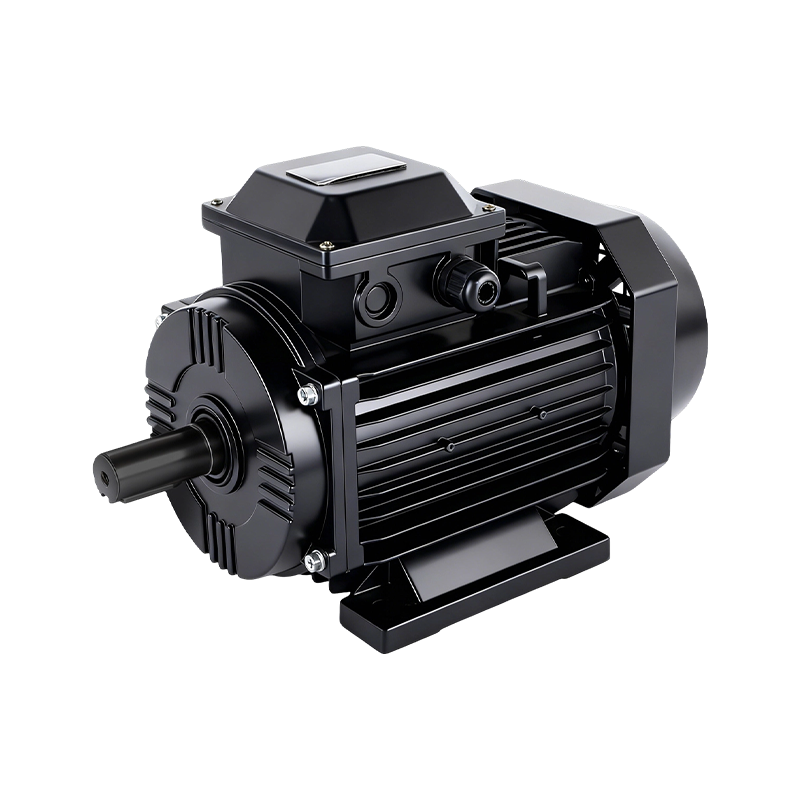
ECF-155-10 380V 2200W EC Fan Motor
1. Product Overview
The ECF-155-10 is a 380V, 2200W EC fan motor developed for fan and air-moving equipment requiring high electrical capacity and dependable continuous operation. The designation identifies the product model, while the primary electrical information establishes its main power class: 380V supply and 2200W rated output.
As an electronically commutated motor, the ECF-155-10 uses electronic switching rather than relying solely on traditional mechanical commutation. The electronic operating structure allows the motor to manage electrical energy more precisely and supports coordinated operation between the motor and its control system. In practical applications, this can help equipment designers achieve more predictable fan performance and better operating stability.
The motor is intended for applications in which airflow is essential to equipment performance. In an air handling unit, it can drive a fan that circulates and conditions air throughout a building or process area. In a cooling tower, it can provide the mechanical power needed to move air through the heat-transfer system. In cold storage and precision cooling environments, stable airflow helps support temperature management. In industrial ventilation, reliable air movement is necessary for heat removal, process control, and workplace comfort.
The ECF-155-10 is also suitable for public and commercial building systems. These may include central ventilation equipment, air-conditioning systems, equipment-room cooling, and other installations where fans operate for long periods. The motor’s integrated protections are particularly valuable in these applications because ventilation and cooling equipment may be exposed to changing loads, unstable power conditions, dust, temperature variation, and occasional mechanical obstruction.
1.1 Main Product Characteristics
The most important product characteristics can be summarized as follows:
• Rated voltage: 380V.
• Rated power: 2200W.
• Motor type: EC fan motor.
• Model: ECF-155-10.
• Integrated protection functions: overcurrent, overvoltage, overtemperature, and locked rotor protection.
• Operating feature: wide voltage tolerance for more consistent performance during power fluctuation.
• Application areas: air handling units, cooling towers, cold storage, precision cooling, industrial ventilation, and public or commercial building systems.
These characteristics make the ECF-155-10 a practical choice for system builders that need a powerful fan motor with built-in operating safeguards. Final selection should always be confirmed against fan load, installation conditions, control requirements, airflow targets, and the complete equipment design.
1.2 Why the Electrical Rating Matters
A 380V, 2200W configuration is suited to many industrial and commercial electrical systems. Higher-voltage three-phase infrastructure is commonly used in larger facilities because it can deliver substantial power efficiently to motors and other equipment. For system designers, selecting a motor that matches the available electrical architecture can help simplify equipment integration and avoid unnecessary electrical conversion.
The 2200W power rating indicates that the motor is intended for applications requiring considerably more drive power than small residential or light-duty fan motors. It can therefore support larger air-moving assemblies and more demanding ventilation duties, subject to correct fan matching and system design.
Electrical rating alone does not determine final airflow or pressure performance. The fan blade, impeller, housing, ductwork, filter condition, air density, and system resistance all affect the final result. However, the ECF-155-10 provides an appropriate motor platform for equipment where a 2200W drive capacity is required.
2. EC Motor Technology for Modern Fan Systems
EC stands for electronically commutated. In an EC motor, electronic circuitry controls the switching of current through the motor windings. This differs from many traditional AC motor designs, which may use a simpler direct connection to the electrical supply and rely on external methods for speed adjustment and protection.
The electronic control architecture can provide several advantages. It allows the motor to respond more precisely to operating requirements, supports stable rotation, and can make speed control more practical when the complete fan system includes an appropriate controller or control signal. It also enables the integration of protective functions that monitor electrical and thermal conditions.
For fan applications, this is important because airflow demand is rarely constant. A ventilation system may require high output during a process cycle and lower output during standby operation. A cooling system may need to respond to changing outdoor temperature, room load, refrigerant conditions, or heat exchanger demand. An EC motor can provide a more adaptable platform for these changing requirements than a basic fixed-speed motor.
2.1 Stable Operation
Stable motor operation contributes directly to system reliability. Fluctuating voltage, excessive current, elevated temperature, and mechanical obstruction can all affect motor performance. If these conditions are not managed, the motor may experience unnecessary stress, reduced service life, or an unexpected shutdown.
The ECF-155-10 includes built-in safeguards against overcurrent, overvoltage, overtemperature, and locked rotor conditions. These functions are intended to detect or respond to abnormal operating conditions and help prevent damage. They do not eliminate the need for proper equipment design, electrical protection, ventilation, and maintenance, but they provide an additional protective layer within the motor system.
Wide voltage tolerance is another useful feature. Industrial power systems may experience temporary variation caused by heavy equipment starting, long cable runs, grid instability, or changes in facility load. A motor designed to tolerate a wider voltage range can continue operating more consistently under such conditions, provided the voltage remains within the product’s specified operating limits.
2.2 Protection Against Overcurrent
Overcurrent may occur when the fan load becomes excessive, the impeller is obstructed, the bearing system develops abnormal resistance, or the electrical system is incorrectly configured. Excess current increases thermal stress in the windings and electronic components.
The ECF-155-10 incorporates overcurrent protection to help respond to this type of abnormal condition. The function is valuable in applications where airflow equipment may be exposed to changing resistance, blocked filters, debris, or other conditions that increase the motor load. Proper installation and system maintenance remain essential, but integrated overcurrent protection can reduce the risk associated with unexpected load changes.
2.3 Protection Against Overvoltage
Overvoltage can place stress on electronic components and motor insulation. It may occur because of supply disturbances, incorrect electrical connection, switching events, or other power-quality problems. An overvoltage protection function helps the motor manage abnormal electrical input and supports safer operation.
For equipment installed in commercial buildings, factories, and infrastructure facilities, this is an important consideration. The motor may share an electrical network with compressors, pumps, heaters, elevators, or other large loads. Integrated protection provides an additional safeguard when the power environment is not perfectly stable.
2.4 Protection Against Overtemperature
Temperature is one of the most important factors affecting motor life. Excessive temperature can result from overload, poor ventilation, high ambient temperature, blocked airflow, or repeated starting. Electronic and thermal protection helps the motor respond when operating temperature becomes excessive.
The ECF-155-10 is therefore appropriate for systems in which the motor may operate for long periods. Applications such as cooling towers, air handling units, and industrial ventilation often require extended running hours. The integrated overtemperature safeguard helps support dependable operation, although the equipment manufacturer must still provide adequate ventilation and avoid installing the motor outside its approved environmental conditions.
2.5 Locked-Rotor Protection
A locked rotor condition occurs when the motor receives power but cannot rotate normally. This may be caused by a blocked fan, a foreign object, mechanical failure, incorrect assembly, or excessive starting resistance. Without protection, a locked rotor can cause rapid heating and electrical stress.
The ECF-155-10 includes locked-rotor protection to help reduce the consequences of this condition. This is especially useful in ventilation equipment that may be exposed to dust, debris, ice formation, or mechanical interference. Operators should still investigate and remove the cause of a locked rotor before restarting the equipment.
3. Advantages Compared with Conventional Fan Motors
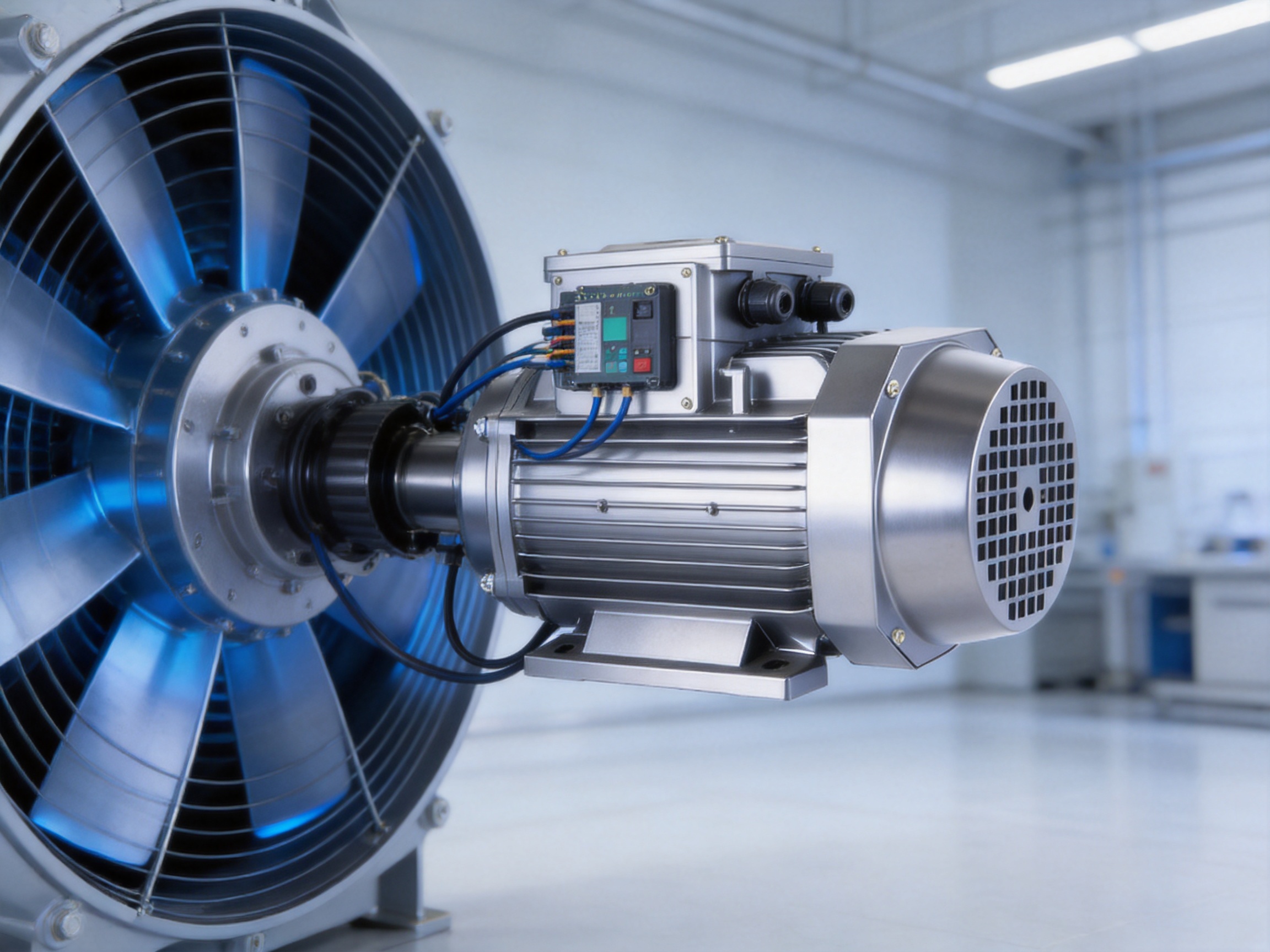
The ECF-155-10 offers several advantages when compared with conventional fan motor solutions. These advantages are related to control, protection, integration, and suitability for changing operating conditions. Actual energy performance and operating cost depend on the complete system, but an EC motor can provide a strong foundation for efficient fan equipment.
3.1 Integrated Electronic Control
Traditional fan motors may require separate control units, protection devices, speed regulators, and additional wiring. Each external component increases the number of interfaces in the system and may require additional space inside the equipment cabinet.
An EC fan motor combines the motor and electronic operating functions into a coordinated assembly. This can simplify system architecture and reduce the need for separate control hardware. For original equipment manufacturers, the integrated design may help reduce assembly complexity, shorten wiring routes, and support more compact equipment layouts.
Integration can also improve consistency. When motor control and motor protection are designed to work together, the operating response may be more predictable than a system assembled from unrelated components. This can help equipment manufacturers standardize product platforms across different models.
3.2 Better Adaptability to Variable Airflow Requirements
Many fan systems do not need to operate at maximum capacity all the time. A building ventilation system may adjust airflow according to occupancy. A cold-storage system may respond to temperature demand. An industrial process may require different ventilation rates during loading, production, cleaning, and standby conditions.
EC technology is well suited to variable operating conditions because the electronic control architecture can support coordinated speed management. When used with a compatible control strategy, the motor can help the fan system deliver airflow closer to the actual demand. This may support lower noise, lower mechanical stress, and improved operating efficiency compared with running a basic fixed-speed motor continuously at full output.
3.3 Built-In Protection
External protection is still important, but the integrated safeguards of the ECF-155-10 provide protection directly within the motor system. Overcurrent, overvoltage, overtemperature, and locked-rotor conditions are all relevant to industrial fan operation. Having these functions integrated can reduce dependence on separate devices and provide an additional defense against abnormal conditions.
3.4 Suitability for Long-Term Operation
Industrial and commercial fan systems commonly operate for extended periods. A motor used in these systems must be designed with stable operation in mind. The ECF-155-10’s protection features and wide voltage tolerance support its use in systems where the motor must operate consistently over long working cycles.
Long-term reliability also depends on the surrounding equipment. Correct fan selection, clean filters, balanced impellers, suitable electrical connections, proper mounting, and regular inspection are all necessary. The motor provides a dependable drive component, but overall system reliability is achieved through the combined quality of the motor, fan, controls, installation, and maintenance program.
3.5 Reduced System Complexity
System complexity affects purchasing, assembly, commissioning, troubleshooting, and maintenance. A motor that includes coordinated control and protection can reduce the number of separate items that engineers need to specify. It may also simplify replacement because the motor and its electronic functions are supplied as one product platform.
For equipment exporters and contract manufacturers, this can be particularly useful. A standardized EC fan motor can be integrated into different product lines while maintaining a consistent motor technology. The equipment manufacturer can focus on fan geometry, airflow design, housing structure, and control programming without creating a completely different motor architecture for every model.
4. Application Compatibility
The ECF-155-10 is designed for a broad range of air movement applications. Its 380V, 2200W configuration makes it appropriate for systems that require substantial fan drive power, while its integrated protections support operation in demanding commercial and industrial environments.
4.1 Air Handling Units
Air handling units circulate, filter, heat, cool, and distribute air in commercial buildings, factories, hospitals, transportation facilities, and other large structures. The fan motor is central to the performance of the air handling unit because it must move air through filters, coils, ducts, dampers, and terminal equipment.
The ECF-155-10 can serve as a drive motor for air handling fan assemblies when its power, voltage, mounting arrangement, and operating characteristics match the equipment design. Its protection functions are useful in systems where filters may become loaded, airflow resistance may change, and operating schedules may vary throughout the day.
4.2 Cooling Towers
Cooling towers depend on airflow to remove heat from circulating water. The fan motor must provide reliable operation in an environment that may include moisture, changing temperature, vibration, and long operating periods.
The ECF-155-10 can be considered for cooling tower fan systems where the electrical and mechanical requirements are suitable. Engineers should evaluate the environmental protection of the complete motor installation, including enclosure, ventilation, drainage, corrosion control, and electrical connection. The motor’s thermal and electrical safeguards add value, but the overall cooling tower design must protect all components from the site environment.
4.3 Cold Storage
Cold-storage facilities require dependable temperature management. Fans circulate air through storage rooms, evaporators, heat exchangers, and refrigeration equipment. If airflow is interrupted, temperature uniformity and product protection may be affected.
The ECF-155-10 can support cold-storage air movement applications when the complete installation is designed for low-temperature conditions. Engineers should confirm the permitted ambient temperature, condensation control, defrost environment, cable selection, and mounting arrangement before final adoption. The motor’s locked-rotor protection can be beneficial where ice or debris could create abnormal mechanical resistance.
4.4 Precision Cooling
Precision cooling equipment is used in data rooms, laboratories, production areas, telecommunications facilities, and other spaces where temperature and airflow must be controlled carefully. In these applications, stable fan operation can help maintain consistent environmental conditions.
An EC motor is suitable for precision cooling because the technology can support controlled fan operation and may respond effectively to changing thermal demand when connected to an appropriate control system. The ECF-155-10 provides the power capacity and protection features needed for larger systems, subject to engineering verification.
4.5 Industrial Ventilation
Industrial ventilation systems remove heat, fumes, dust, moisture, and process emissions, or provide fresh air to occupied areas. The fan motor may operate continuously and may face changing static pressure as filters, ducts, dampers, and collection systems change condition.
The ECF-155-10 is suitable for consideration in industrial ventilation systems requiring a 2200W EC drive. Its protective functions can help manage electrical and mechanical abnormalities, while its wide voltage tolerance supports operation in facilities where power conditions may fluctuate. As with any industrial motor, the selected configuration must match the air quality, ambient temperature, duty cycle, fan load, and installation environment.
4.6 Public and Commercial Buildings
Public and commercial buildings depend on ventilation and cooling systems to maintain indoor comfort and air quality. Shopping centers, offices, hotels, schools, hospitals, and transportation buildings may operate fans for many hours each day.
The ECF-155-10 can be incorporated into commercial HVAC and ventilation equipment where the system requires its electrical and mechanical characteristics. The potential advantages include integrated protection, suitability for variable airflow strategies, and compatibility with equipment designs that require a high-power EC motor.
5. Manufacturing Strengths and Engineering Capabilities
The quality of a motor depends not only on its design but also on how consistently it is manufactured. Shengzhou Jiangxin Motor Technology Co., Ltd. combines product development, production, quality management, and customer service within one manufacturing organization. This structure supports the development of standard motors and customized solutions for different equipment requirements.
5.1 Professional Motor Manufacturing Background
Established in 2017, the company focuses on the research, development, production, and sales of AC motors, DC motors, EC motors, and micro motors. This product orientation gives the manufacturer experience across several motor technologies and application areas.
The company’s product range includes evaporative air cooler motors, industrial heater motors, oil pump motors, customized motors, and other motor solutions. This broad portfolio indicates an ability to serve different industries rather than relying on a single narrow application. Knowledge gained from cooling, heating, pumping, and ventilation products can contribute to more complete motor engineering support.
5.2 Modern Production Facilities
Modern production facilities provide the foundation for repeatable motor manufacturing. A professional motor factory typically coordinates component preparation, winding, assembly, electrical connection, inspection, testing, and packaging in a controlled sequence. Each stage affects the final motor’s electrical performance, mechanical stability, and service reliability.
For an EC fan motor, manufacturing precision is especially important because the product combines electromagnetic components with electronic control components. The stator, rotor, bearings, wiring, circuit board, and protective structures must operate together correctly. Accurate assembly helps reduce vibration, electrical inconsistency, and premature component stress.
5.3 Automated Equipment
Automated equipment can improve repeatability in high-volume manufacturing. It can help control process parameters, reduce variation between units, and increase production efficiency. Automation is valuable for tasks such as component positioning, winding-related operations, assembly assistance, and electrical testing.
Automation does not replace engineering judgment or quality personnel. Instead, it provides a more consistent manufacturing platform. When automated processes are combined with inspection and testing, manufacturers can identify production deviations earlier and maintain more stable product quality.
5.4 Research and Development
A professional R&D team allows the manufacturer to adapt products to changing market requirements. EC motor applications may require different voltage classes, power levels, control methods, dimensions, mounting structures, or environmental adaptations. Engineering resources are necessary to evaluate these requirements and develop suitable solutions.
Research and development also supports continuous improvement. Product improvements may involve electrical design, electronic protection, thermal management, noise control, material selection, production efficiency, and compatibility with customer equipment. The goal is not simply to produce a motor that operates, but to provide a motor that performs consistently in the intended system.
5.5 Quality Control
Strict quality control is essential for industrial motor production. Quality management should address incoming components, in-process operations, finished-motor inspection, and final performance verification. For an EC fan motor, relevant inspection areas may include electrical connection, winding integrity, electronic control response, protection functions, rotational behavior, and visual assembly quality.
Quality control also supports traceability and continuous improvement. When production information is recorded and analyzed, manufacturers can identify recurring issues, improve processes, and respond more effectively to customer feedback. This is especially important for export products supplied to customers with different technical standards and operating environments.
5.6 Technology-Oriented Enterprise Development
The company has been recognized as a provincial-level technology enterprise. This recognition reflects an emphasis on technical development and innovation. For customers, a technology-oriented manufacturing partner can provide more than a standard catalog product. It can also offer engineering discussion, application evaluation, and customized motor development where required.
Technical capability is particularly important for EC motor projects because the motor often forms part of a larger controlled system. Customers may need support in selecting power, voltage, control method, operating conditions, and protective functions. A manufacturer with development resources is better positioned to participate in these discussions.
6. Production Process for a Reliable EC Fan Motor
The exact manufacturing sequence may vary according to product configuration, but a high-quality EC fan motor generally requires disciplined control across multiple stages. The objective is to achieve reliable electromagnetic performance, accurate mechanical assembly, effective electronic operation, and consistent final inspection.
6.1 Engineering Review
Production begins with engineering review of the product design and customer requirements. For the ECF-155-10, this includes confirmation of the 380V supply, 2200W power class, intended fan application, protection features, and physical integration requirements.
Engineering review helps identify potential conflicts before production. These may include unsuitable mounting space, insufficient ventilation, incorrect cable routing, unsuitable fan load, or control-system incompatibility. Early review reduces the risk of costly modifications after the motor has been installed in the customer’s equipment.
6.2 Component Preparation
Motor components must be prepared and inspected before assembly. This may include magnetic components, stator and rotor parts, bearings, electronic control components, wiring, connectors, structural parts, and protective elements. Correct component selection is essential because even a small deviation can affect motor performance.
Electronic components require particular attention because they control switching, protection, and operating response. Mechanical components must also meet appropriate dimensional and surface requirements to support smooth rotation and stable assembly.
6.3 Stator and Rotor Assembly
The stator and rotor form the core of the motor’s electromagnetic system. Accurate assembly helps ensure that the magnetic circuit functions correctly and that the rotating assembly remains properly centered. Incorrect alignment may increase vibration, noise, friction, and heat.
Controlled assembly procedures help maintain consistent clearances and positioning. This is important for fan motors because many systems operate continuously and may be sensitive to vibration. A stable rotating assembly supports both motor reliability and the service life of the connected fan equipment.
6.4 Electronic System Integration
The electronic control system must be integrated carefully with the motor body. Wiring, insulation, connectors, control boards, and protective elements must be correctly positioned and secured. The electronic system must also be protected from excessive heat, vibration, moisture, and mechanical damage within the approved product design.
Integration testing verifies that the motor responds correctly to electrical input and that the protection functions operate as intended. This stage is central to EC motor quality because the electronic system is responsible for controlled commutation and abnormal-condition response.
6.5 Mechanical and Electrical Testing
Testing provides evidence that the assembled motor meets the expected operating requirements. Electrical checks can verify connection integrity and basic electrical behavior. Mechanical checks can evaluate rotation, abnormal noise, vibration, and assembly consistency.
Protection testing may be used to verify response to selected abnormal conditions, including overcurrent, overvoltage, overtemperature, and locked-rotor scenarios. The specific test method depends on the product design and applicable quality procedures. Testing should be conducted in a controlled manner so that the product is not damaged during verification.
6.6 Final Inspection and Packaging
Final inspection confirms that the motor is correctly assembled, properly labeled, visually acceptable, and ready for shipment. Packaging should protect the motor from impact, moisture, dust, and vibration during transportation and storage.
For export products, packaging and documentation are especially important. The motor may pass through multiple logistics stages before reaching the equipment factory or final installation site. Proper protection helps preserve product condition throughout the supply chain.
7. Product Selection and System Integration
Selecting the ECF-155-10 requires more than comparing voltage and power. The motor must be matched with the fan, control system, electrical network, installation environment, and operating schedule.
7.1 Fan Load Matching
The connected fan must impose a load that is compatible with the motor. Engineers should evaluate airflow, static pressure, rotational speed, fan efficiency, starting behavior, and operating range. A motor that is too small may overload, while a motor that is significantly oversized may increase cost and reduce system optimization.
Fan curves and system resistance should be reviewed together. Filters, coils, ducts, dampers, grilles, and heat exchangers all contribute to pressure loss. The final operating point should remain within the acceptable performance range of both the fan and motor.
7.2 Electrical Compatibility
The electrical system must be compatible with the motor’s 380V rating and installation requirements. Engineers should confirm supply frequency, phase arrangement, wiring method, control interface, protective devices, grounding, and local electrical regulations.
Voltage tolerance should not be interpreted as permission to operate outside the specified limits. A stable power supply, appropriate circuit protection, and correct connection remain necessary for safe and reliable operation.
7.3 Environmental Conditions
Ambient temperature, humidity, dust, moisture, corrosive substances, vibration, altitude, and installation orientation may affect motor performance. The complete application should be evaluated before purchase, especially for cooling towers, cold-storage rooms, industrial plants, and outdoor or semi-outdoor equipment.
Where condensation, water spray, ice, or corrosive air is present, the motor installation may require additional protective measures. The enclosure and surrounding equipment should prevent direct exposure beyond the product’s approved environmental capability.
7.4 Maintenance Planning
EC technology can reduce certain maintenance demands, but fan systems still require inspection. Filters should be cleaned or replaced, fan blades should be checked for contamination and imbalance, mounting points should be inspected, and electrical connections should be verified.
Operators should monitor unusual noise, vibration, overheating, repeated protective shutdowns, and changes in airflow. These symptoms may indicate a mechanical obstruction, dirty filter, damaged bearing, electrical issue, or control-system problem. Prompt investigation can prevent minor issues from becoming major failures.
8. Commercial Value for Equipment Manufacturers
For equipment manufacturers, the ECF-155-10 offers value beyond its basic motor rating. It provides a high-power EC platform that can be integrated into commercial and industrial fan products while supporting a modern approach to control and protection.
8.1 Product Differentiation
Equipment manufacturers can use EC motor technology to develop products with more advanced operating characteristics than basic fixed-speed fan systems. Variable operation, integrated protection, and modern control compatibility can help manufacturers respond to customer demand for smarter and more adaptable equipment.
8.2 Streamlined Procurement
A manufacturer that can supply standard and customized motor solutions may simplify procurement for customers. Instead of sourcing separate motor types from multiple suppliers, an equipment builder can discuss application requirements with one experienced motor partner.
8.3 Support for Export Equipment
Jiangxin Motor exports products to more than 60 countries and regions. International experience can help a manufacturer understand the importance of documentation, communication, packaging, quality consistency, and application support. These factors are important when motors are integrated into equipment shipped across different markets.
8.4 Customization Potential
Different fan systems may require different mechanical interfaces, wiring arrangements, operating parameters, or control strategies. A manufacturer with R&D and production resources can evaluate customization requests more effectively than a supplier focused only on standardized products.
Customization should be based on clear technical information, including fan type, rated load, voltage, frequency, control requirements, ambient conditions, operating cycle, mounting dimensions, and required protection. A detailed specification helps the manufacturer determine whether the existing ECF-155-10 configuration is suitable or whether an adapted design is more appropriate.
9. Recommended Evaluation Checklist
Before selecting the ECF-155-10 for a project, users and equipment manufacturers should review the following points:
• Is the available electrical supply compatible with 380V operation?
• Does the fan require approximately 2200W of motor power?
• Are the fan load and operating point compatible with the motor?
• Is variable-speed or electronically controlled operation required?
• Does the complete system need protection against overcurrent, overvoltage, overtemperature, and locked rotor conditions?
• Are the ambient temperature, humidity, dust, vibration, and installation conditions acceptable?
• Is the motor mounting arrangement compatible with the fan assembly?
• Are the control interface and wiring requirements clearly defined?
• Is the equipment designed for continuous, intermittent, or variable-duty operation?
• Are maintenance access and inspection procedures included in the equipment design?
• Does the application require additional environmental protection?
• Have local electrical and safety requirements been reviewed?
This checklist helps prevent incorrect selection and supports a more reliable commissioning process.
| Evaluation Area | ECF-155-10 Information | Engineering Consideration |
|---|---|---|
| Motor type | EC fan motor | Confirm compatibility with the fan and control system |
| Rated voltage | 380V | Verify the facility electrical supply and connection method |
| Rated power | 2200W | Match the motor to fan load, airflow, and pressure requirements |
| Protection functions | Overcurrent, overvoltage, overtemperature, locked rotor | Use as an integrated safeguard within a complete protection system |
| Voltage behavior | Wide voltage tolerance | Confirm the permitted operating range for the specific installation |
| Application areas | AHUs, cooling towers, cold storage, precision cooling, industrial ventilation, commercial buildings | Review environmental and duty-cycle conditions |
| Manufacturer capability | AC/DC, EC, micro motor, and customized motor production | Discuss standard or application-specific configurations |
10. Questions and Answers
Q1. What type of product is the ECF-155-10?
The ECF-155-10 is an electronically commutated fan motor designed for air movement equipment. It has a rated voltage of 380V and a rated power of 2200W.
Q2. What are the main advantages of an EC fan motor?
An EC fan motor uses electronic commutation and can support more coordinated control than a basic conventional motor. It can provide stable operation, compatibility with variable airflow strategies, integrated protection functions, and simplified system integration when correctly applied.
Q3. Which protection functions are included?
The motor includes safeguards against overcurrent, overvoltage, overtemperature, and locked rotor conditions. These functions help protect the motor during abnormal operating conditions, but they do not replace correct installation, circuit protection, and regular maintenance.
Q4. Can the ECF-155-10 be used in air handling units?
Yes. The motor is suitable for air handling unit applications when its voltage, power, mounting arrangement, fan load, and control requirements match the equipment design.
Q5. Is it suitable for cooling towers?
It can be used in cooling tower fan systems when the complete installation is compatible with the motor’s electrical and environmental requirements. Moisture, corrosion, vibration, temperature, and enclosure conditions should be reviewed carefully.
Q6. Can it be used for cold-storage equipment?
Yes, it is suitable for consideration in cold-storage air movement applications. The user should confirm low-temperature conditions, condensation, defrost exposure, wiring, and mechanical installation requirements before final selection.
Q7. Does wide voltage tolerance mean that any voltage can be applied?
No. Wide voltage tolerance means the motor is designed to operate more consistently within its specified voltage range. The actual supply must remain within the approved limits stated in the technical documentation.
Q8. Does the motor require an external controller?
The required control arrangement depends on the equipment design and the motor configuration. Customers should confirm control signals, speed adjustment requirements, wiring, and interface details with the manufacturer before integration.
Q9. Is the motor suitable for continuous operation?
The motor is intended for demanding air movement applications, including systems that may operate for long periods. Continuous operation must still be evaluated according to fan load, ambient conditions, ventilation, installation, and the approved technical specifications.
Q10. What should be checked before connecting the motor to a fan?
Users should check voltage, frequency, phase arrangement, power requirement, fan load, mounting dimensions, rotation requirements, control compatibility, environmental conditions, grounding, and protection arrangements. The fan should not be operated if it is blocked or mechanically damaged.
Q11. What manufacturing capabilities support this product?
The manufacturer has modern production facilities, automated equipment, a professional R&D team, structured quality-control systems, and experience producing AC, DC, EC, micro, and customized motors.
Q12. Can customized motor solutions be discussed?
Yes. Customized requirements can be reviewed based on technical information such as voltage, power, fan type, mounting structure, control method, operating environment, duty cycle, and required protection features.
11. Conclusion
The ECF-155-10 380V 2200W EC Fan Motor is designed for industrial and commercial air movement systems that require substantial motor power, stable operation, and integrated protection. Its electronically commutated architecture provides a modern alternative to conventional fan motor solutions, particularly where variable airflow, coordinated control, and dependable long-term operation are important.
The motor’s built-in safeguards against overcurrent, overvoltage, overtemperature, and locked rotor conditions help address common causes of motor stress. Its wide voltage tolerance supports more consistent performance during acceptable power fluctuations. These features make it suitable for air handling units, cooling towers, cold storage, precision cooling, industrial ventilation, and public or commercial building systems.
Product performance depends on correct application engineering. The motor must be matched with the fan load, electrical supply, control system, environmental conditions, and maintenance plan. When these factors are properly considered, the ECF-155-10 can serve as a reliable drive solution for modern ventilation and cooling equipment.
The manufacturer’s capabilities further strengthen the product offering. With experience in AC, DC, EC, micro motor, and customized motor production, modern facilities, automated equipment, R&D resources, and quality-control procedures, Shengzhou Jiangxin Motor Technology Co., Ltd. is positioned to support both standard product supply and application-specific motor development.
For equipment manufacturers seeking a high-power EC fan motor, the ECF-155-10 offers a practical combination of electrical capacity, operating protection, application flexibility, and manufacturing support. It is a suitable platform for developing more stable, adaptable, and efficient air movement equipment.

References
1. IEC 60034 Series, Rotating Electrical Machines, International Electrotechnical Commission.
2. IEC 60335 Series, Safety of Household and Similar Electrical Appliances, International Electrotechnical Commission.
3. AMCA Publication 203, Field Performance Measurement of Fan Systems, Air Movement and Control Association.
4. ASHRAE Handbook—HVAC Systems and Equipment, American Society of Heating, Refrigerating and Air-Conditioning Engineers.
5. ASHRAE Handbook—Fundamentals, American Society of Heating, Refrigerating and Air-Conditioning Engineers.
6. U.S. Department of Energy, Improving Fan System Performance: A Sourcebook for Industry.
7. Product information supplied for the ECF-155-10 380V 2200W EC Fan Motor.
8. Manufacturer information supplied by Shengzhou Jiangxin Motor Technology Co., Ltd.
Product: ECF-155-10 380V 2200W EC Fan Motor
 Ready To Customise
 Your Motor Products?

We are professional motor manufacturers, delivering powerful, stable, and efficient power cores for all industries through precision craftsmanship and innovation.
Contact Us
-
 Mobile:+86 13575536911
-
 Tel:+86 18357538240
-
 Whatsapp:+8618357538240
-
 Email:betty@dbjxmotor.com
-
 Company Address
Copyright © by Shengzhou Jiangxin Motor Technology Co., Ltd. All Rights Reserved.
Wholesale Industrial Fan Motors Manufacturers
