

 English
 русский
 Español
 عربى
عربى
No. 8, Duxiu San Road, Ganlin Town, Shengzhou City, Shaoxing City, Zhejiang Province, China

News Category
Product Category
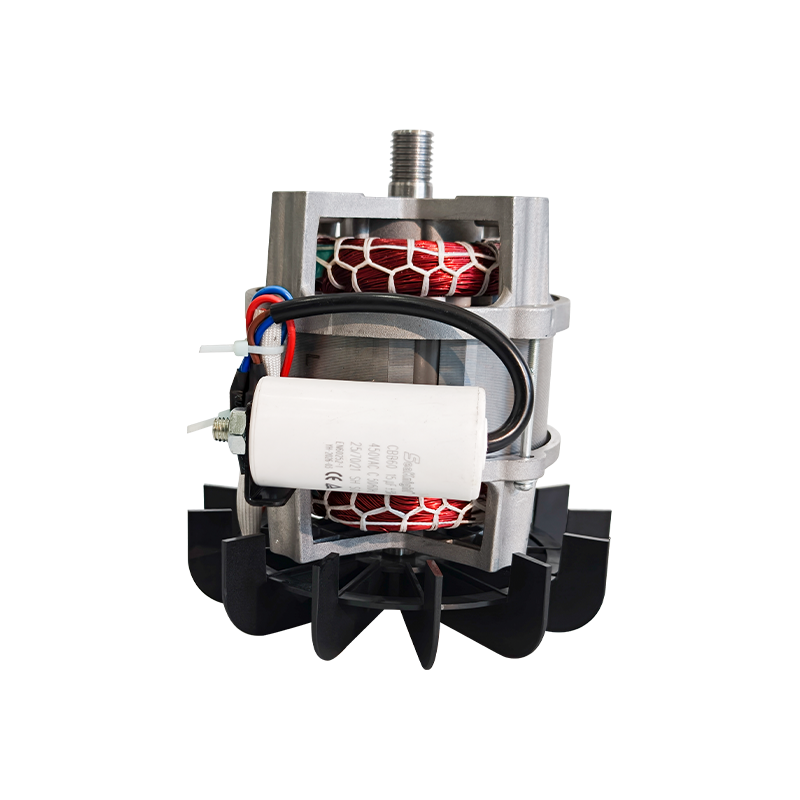
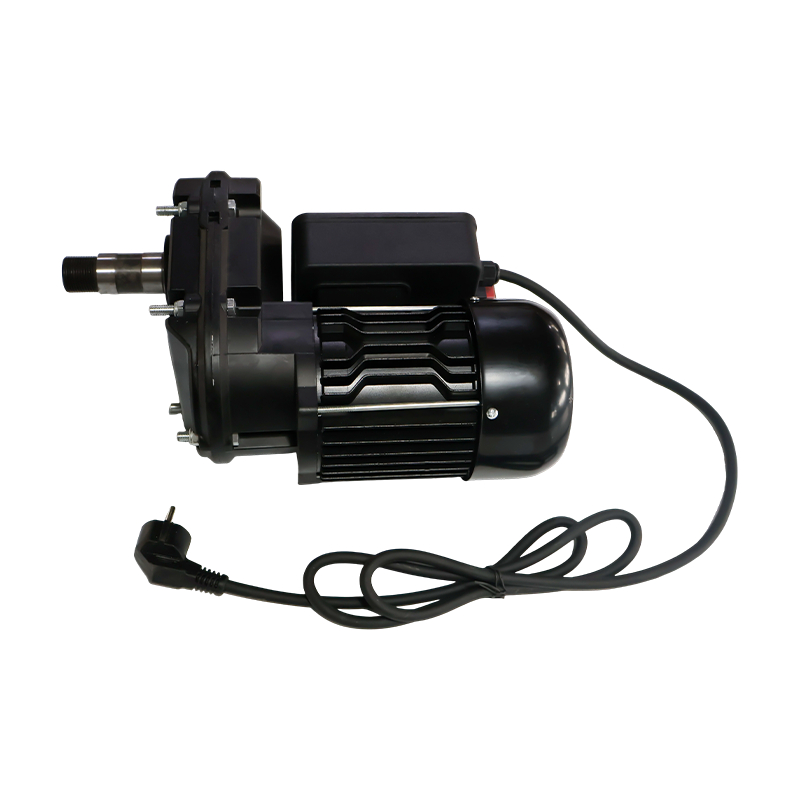
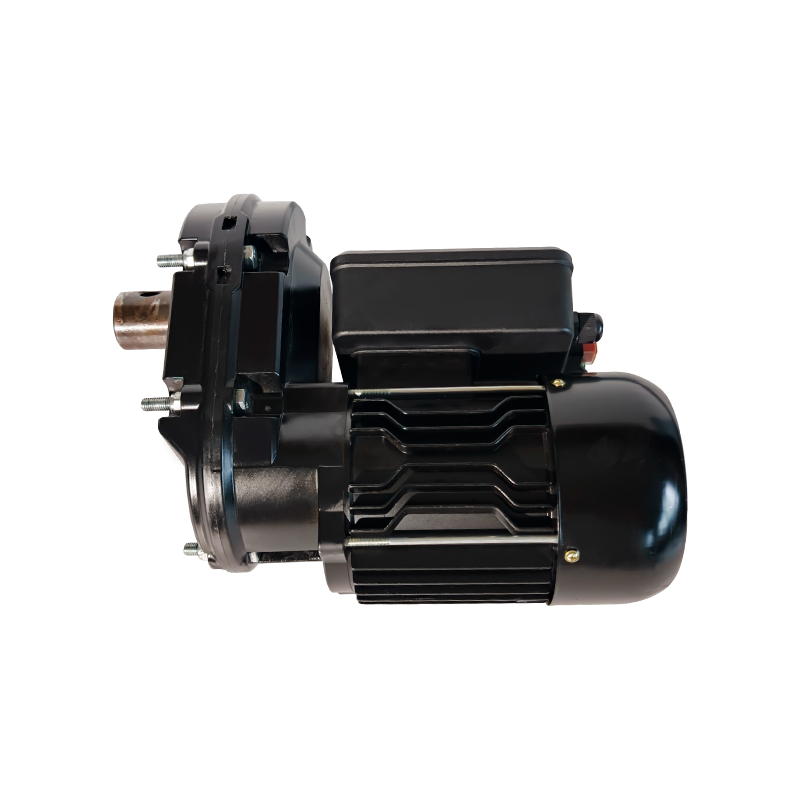
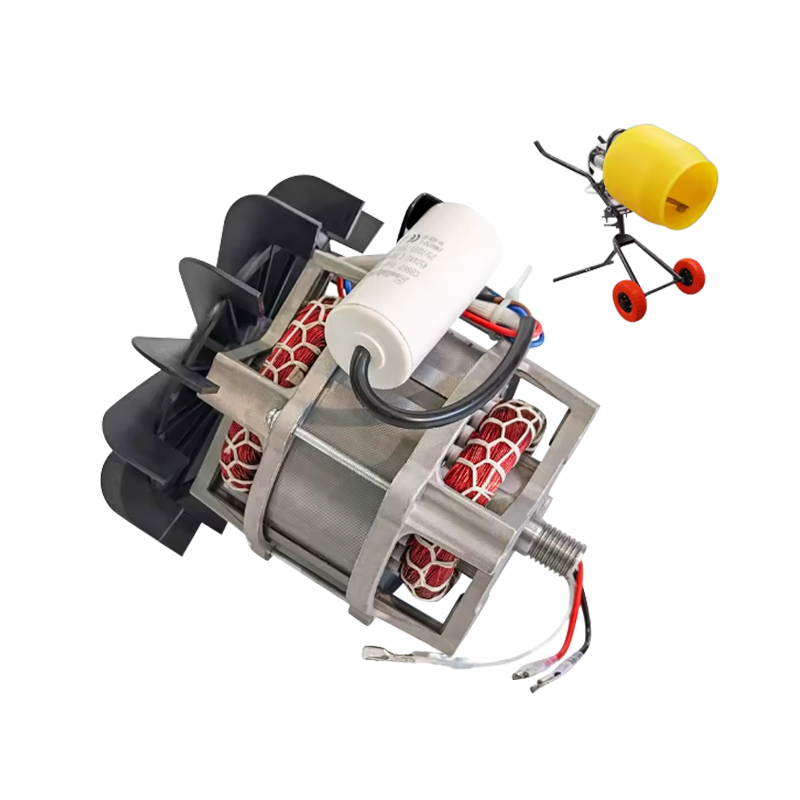
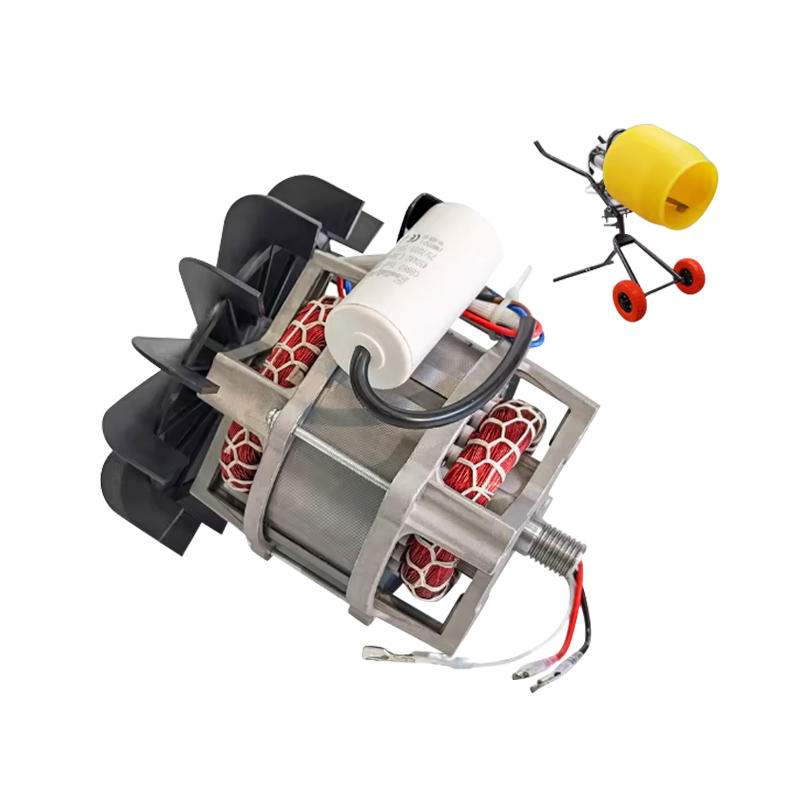
YY71-2 230V 650W Portable Concrete Mixer Motor: Performance, Efficiency, and Reliable Construction
Content
- 1 Product Overview
- 2 Application-Focused Motor Design
- 3 Full Copper Windings and Electrical Performance
- 4 Power and Speed for Portable Mixers
- 5 Advantages Compared with Less Specialized Alternatives
- 6 Manufacturing Strengths
- 7 Quality Control and Product Consistency
- 8 Installation Considerations
- 9 Maintenance for Long-Term Reliability
- 10 Safety in Construction Environments
- 11 Use in Different Portable Mixer Applications
- 12 Why Manufacturer Experience Matters
- 13 Customization and OEM Support
- 14 Selection Guide for Buyers
- 15 Packaging, Supply, and Service Value
- 16 Environmental and Energy Considerations
- 17 Troubleshooting Common Problems
- 18 Q&A
- 18.1 What is the rated power of the YY71-2 motor?
- 18.2 What voltage does the motor use?
- 18.3 What is the rated speed?
- 18.4 Is the YY71-2 suitable for every concrete mixer?
- 18.5 Why is full copper winding important?
- 18.6 Does 650W indicate the drum’s output power?
- 18.7 Can the motor be used with a portable generator?
- 18.8 What should be checked when replacing an existing motor?
- 18.9 How can overheating be reduced?
- 18.10 Is maintenance difficult?
- 18.11 Can the manufacturer provide customized versions?
- 18.12 Where is the manufacturer located?
- 18.13 How can buyers request technical information?
- 19 Overall Product Assessment
- 20 References
- 21 Product: YY71-2 230V 650W Portable Concrete Mixer Motor
Portable concrete mixers are essential tools for construction sites, home improvement projects, agricultural repairs, landscaping work, and small infrastructure applications. At the center of every portable mixer is its motor. The motor determines how consistently the drum rotates, how efficiently the machine uses electricity, how well it manages starting and operating loads, and how reliably it performs under demanding working conditions. A suitable motor must combine adequate power, stable speed, durable construction, convenient installation, and manageable maintenance requirements.
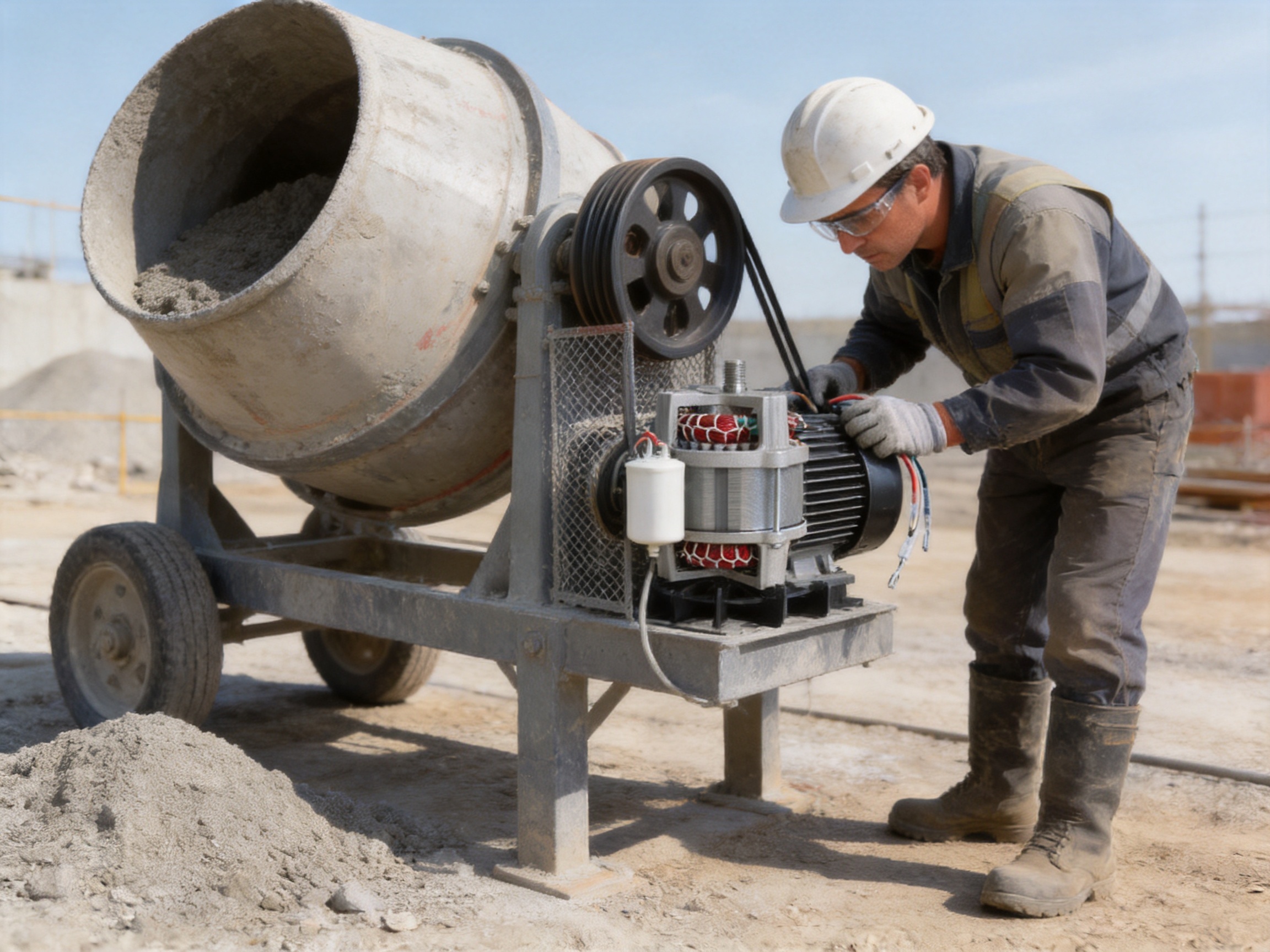
The YY71-2 230V 650W Portable Concrete Mixer Motor is designed specifically for small portable concrete mixers, cement mixers, and related construction machinery. It is a single-phase motor equipped with a capacitor and rated at 650 watts, with a rated speed of 2,800 revolutions per minute. Its design emphasizes practical performance, compact dimensions, copper windings, high-temperature resistance, low power consumption, and straightforward installation.
Unlike a general-purpose motor that may require extensive adaptation, the YY71-2 is developed around the operating requirements of portable mixing equipment. This application-focused design helps equipment manufacturers and replacement-parts distributors select a motor that is easier to integrate into compact mixer structures. It also provides end users with a practical balance between operating power, reliability, and serviceability.
This article examines the motor’s construction, operating characteristics, application value, manufacturing strengths, installation considerations, maintenance requirements, and advantages compared with less specialized alternatives. It also explains how a professional AC/DC motor manufacturer can support consistent quality, customization, and international supply requirements.
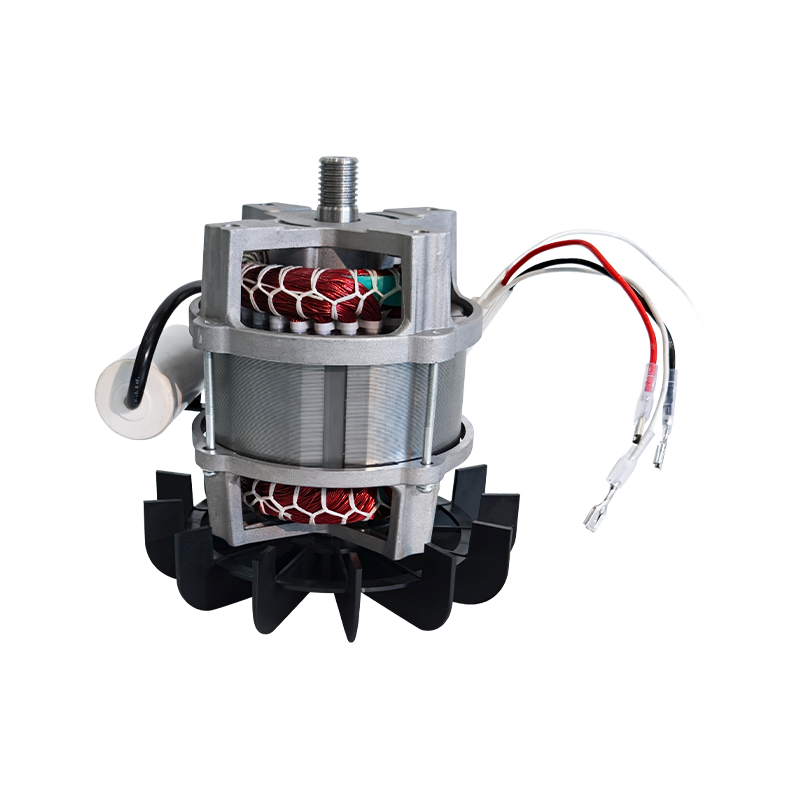
YY71-2 230V 650W Portable Concrete Mixer Motor
Product Overview
The YY71-2 is a 230V, 650W single-phase motor intended for portable concrete mixer applications. Its rated speed is 2,800 RPM, making it suitable for mixer drive systems that require a compact, high-speed motor connected to the drum through an appropriate transmission, reduction, belt, gear, or chain mechanism.
| Item | Specification |
|---|---|
| Model | YY71-2 |
| Rated voltage | 230V |
| Rated power | 650W |
| Motor type | Single-phase motor with capacitor |
| Rated speed | 2,800 RPM |
| Primary application | Portable concrete mixers and cement mixers |
| Winding material | Full copper winding |
| Design priorities | Compact structure, stable performance, high-temperature resistance, low power consumption, and easy maintenance |
| Manufacturer | Shengzhou Jiangxin Motor Technology Co., Ltd. |
The 650W power rating positions this motor in a practical range for small portable mixers. It can provide a useful combination of electrical efficiency and mechanical output when matched correctly with the mixer’s drum capacity, reduction ratio, load conditions, and operating cycle. The motor is not intended to replace large industrial drives used for heavy continuous-duty production. Instead, it is optimized for the portability and working requirements of smaller equipment.
The 230V rating corresponds to common single-phase electrical systems in many markets. Because portable mixers are frequently used at temporary construction locations, workshops, farms, and residential building sites, compatibility with commonly available single-phase power is a valuable feature. Users should always verify local voltage, frequency, wiring, protection, and plug standards before installation.
Application-Focused Motor Design
A portable concrete mixer has different requirements from a ventilation fan, pump, compressor, or industrial conveyor. The motor must fit within a restricted housing, operate in a dusty environment, start the connected mechanism, and maintain useful torque while the drum contains a changing quantity of concrete ingredients. The motor may also experience repeated start-stop cycles rather than one uninterrupted operating period.
The YY71-2 design addresses these conditions by combining a compact structure with a capacitor-assisted single-phase operating system. The capacitor supports the motor’s phase relationship and helps it produce the starting and running characteristics needed by suitable portable mixer drive assemblies. This is especially important because a single-phase motor cannot operate in the same manner as a basic two-wire winding without an appropriate phase-shifting arrangement.
The motor’s 2,800 RPM rated speed is also significant. A concrete mixer drum normally rotates much more slowly than the motor shaft. Therefore, the motor is generally used with a reduction mechanism that converts the motor’s relatively high rotational speed into the slower drum speed needed for effective mixing. A higher motor speed can contribute to a compact motor design, while the transmission system supplies the required output speed and torque relationship.
When selecting a replacement or original motor, it is important to consider the entire drive system rather than the motor rating alone. The drum size, gearbox or pulley ratio, belt tension, material loading method, mixing angle, duty cycle, and mechanical resistance all influence performance. A correctly matched 650W motor can provide dependable operation, while an incorrectly selected motor may overheat, start slowly, trip protection devices, or fail to deliver sufficient mixing force.
Full Copper Windings and Electrical Performance
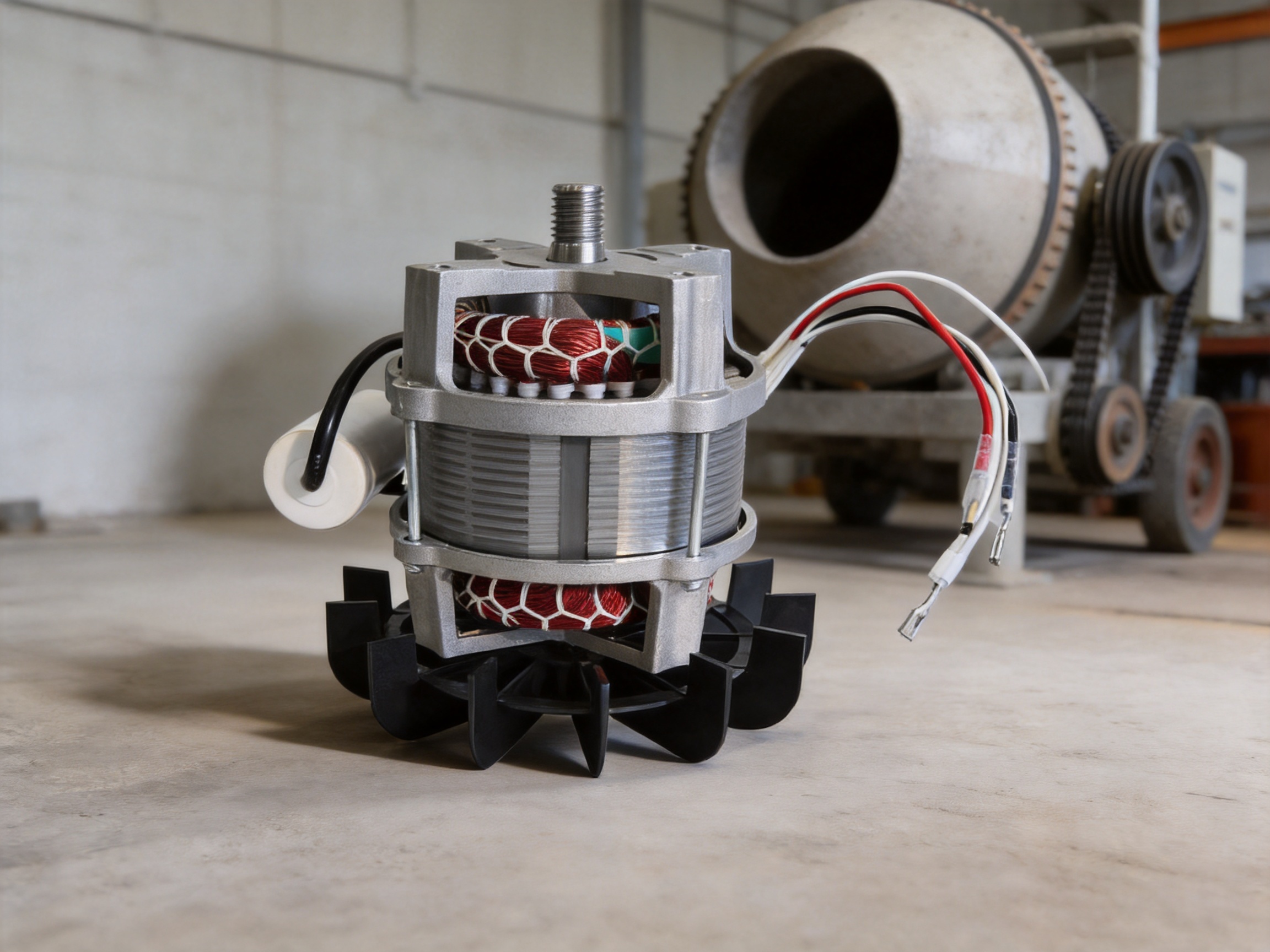
One of the important features identified for the YY71-2 is its full copper winding. Copper is widely used in quality motor windings because it offers strong electrical conductivity, good thermal behavior, mechanical flexibility during winding, and dependable long-term performance when properly insulated and assembled.
Efficient windings help reduce electrical losses within the stator. Lower winding resistance can support improved energy use and reduce the amount of heat generated during normal operation. In a compact motor, heat management is particularly important because the available surface area for heat dissipation may be limited. A well-designed copper winding system helps the motor maintain stable performance during appropriate operating cycles.
Copper windings can also contribute to consistent electromagnetic characteristics. The motor’s magnetic field depends on the relationship between winding arrangement, wire size, turn count, core construction, voltage, and frequency. Consistency in these elements helps produce predictable starting and running behavior from one motor to another.
Compared with low-cost motors that use lower-conductivity winding materials or inconsistent winding processes, a full copper design can provide a stronger foundation for durability. However, winding material is only one part of motor quality. Insulation quality, winding tension, slot filling, varnish treatment, rotor balance, bearing selection, assembly accuracy, and final testing all influence the finished product. The advantage of the YY71-2 is therefore best understood as part of a complete manufacturing and quality-control system.
Thermal Resistance
Portable concrete mixer motors often operate in environments where ambient temperatures can vary considerably. Construction sites may expose equipment to direct sunlight, high summer temperatures, dust, moisture, and restricted airflow. The motor may also be installed inside a protective frame or housing that limits ventilation. These conditions make thermal resistance an important consideration.
The YY71-2 is described as having high-temperature resistance. This characteristic supports more reliable operation when the motor is exposed to normal heat generated by electrical loading and mechanical work. It does not mean that the motor can be operated indefinitely under overload or in any ambient condition. Correct loading, ventilation, protection, and duty-cycle management remain essential.
Effective thermal performance depends on several connected factors. The winding insulation must tolerate the intended temperature range. The housing must transfer heat away from internal components. The rotor and stator must maintain suitable clearances. Bearings must operate correctly without excessive friction. The cooling path must remain free from accumulated cement dust and debris. Together, these details help prevent premature aging of insulation and other internal components.
Power and Speed for Portable Mixers
The rated output of 650W gives the YY71-2 a useful working capacity for small portable mixers. Power determines how much mechanical work the motor can deliver over time, while torque determines the turning force available at a particular speed. In a mixer, the effective drum torque is also influenced by the reduction system. The motor and transmission must be selected as a matched combination.
The motor’s 2,800 RPM rating is appropriate for a compact drive unit. A high-speed motor can be smaller and lighter than a low-speed motor producing the same practical drum movement directly. The mixer’s gearbox, belt system, or other transmission reduces the speed and increases the available torque at the drum. This arrangement can make the overall mixer easier to design and transport.
Mixing resistance is not constant. An empty drum creates limited resistance, while a loaded drum containing aggregate, cement, water, and other materials produces a greater and changing load. The material may shift during rotation, creating temporary peaks in resistance. A proper motor must tolerate these normal changes without excessive temperature rise or repeated protective shutdown.
Operators should avoid filling the drum beyond the mixer’s stated capacity. Overloading can increase mechanical resistance beyond the intended operating range. It can also increase belt slip, gearbox stress, bearing load, starting difficulty, and motor temperature. A 650W motor can perform effectively when used within the design conditions of the portable mixer, but no motor should be expected to compensate for poor mechanical matching or excessive material loading.
Stable Operation
Stable performance is one of the most practical benefits of a motor used on a construction machine. Stable operation helps maintain predictable drum movement and reduces interruptions during the mixing cycle. It may also reduce stress on connected belts, gears, couplings, and bearings.
For a single-phase motor, stability depends on the motor’s electrical design, capacitor condition, supply quality, mechanical load, and cooling. A properly selected capacitor supports the intended starting and running behavior. If the capacitor is damaged, incorrectly rated, loosely connected, or installed with unsuitable wiring, the motor may hum, fail to start, draw excessive current, or overheat.
Users should therefore treat the capacitor as an important part of the drive system. It should be inspected during troubleshooting, and replacement components should match the motor’s specified electrical requirements. Electrical work should be performed by qualified personnel with the power supply fully isolated.
Advantages Compared with Less Specialized Alternatives
The YY71-2 offers several advantages when compared with motors selected only by voltage and wattage without considering the application.
Purpose-Built Application Suitability
A general-purpose motor may have the correct voltage but still be unsuitable for a portable concrete mixer. It may have the wrong mounting dimensions, shaft configuration, speed, starting characteristics, cooling arrangement, or duty profile. The YY71-2 is identified specifically for portable concrete mixers and related construction machinery, which makes it easier for equipment designers and replacement buyers to evaluate.
Compact Structure
Portability is a major requirement for small mixers. A motor with a compact structure can help reduce the overall size and weight of the machine, improve frame layout, and simplify transport between job locations. Compactness also helps equipment manufacturers develop practical protective covers and mounting arrangements.
Full Copper Winding
The full copper winding provides a strong basis for electrical efficiency, thermal performance, and long-term reliability. It can be particularly valuable in a compact motor where heat must be managed carefully and where the motor may be subjected to repeated starting and loading cycles.
Common Single-Phase Power Compatibility
Many portable mixers are used where three-phase industrial power is unavailable. A 230V single-phase motor allows the equipment to operate from widely available electrical infrastructure in applicable markets. This supports use at residential construction sites, small workshops, farms, and temporary work areas.
Practical Maintenance
The motor’s straightforward single-phase configuration and compact construction support practical servicing. Maintenance personnel can focus on commonly inspected areas such as the capacitor, cable connections, bearings, ventilation passages, mounting bolts, belt condition, and overload protection. Easy maintenance can reduce downtime and help operators identify problems before they become major failures.
Energy-Conscious Operation
The product description emphasizes low power consumption. Efficient operation is useful not only for reducing electricity use but also for limiting unnecessary heat generation. Lower electrical consumption can be beneficial for users working with portable generators or temporary power supplies, although the generator must still be sized to handle the motor’s starting requirements.
Manufacturing Strengths
Shengzhou Jiangxin Motor Technology Co., Ltd. was established in 2017 and specializes in the research, development, production, and sales of AC/DC motors and micro motors. The company operates in Shengzhou, Zhejiang Province, within the industrially developed Yangtze River Delta region. This location provides access to manufacturing resources, engineering support, component supply chains, logistics services, and skilled technical personnel.
The company’s product range includes evaporative air cooler motors, industrial heater motors, oil pump motors, customized motors, and other AC/DC motor products. This broad product experience is relevant to the YY71-2 because it indicates knowledge of different motor structures, application environments, electrical systems, and customer requirements.
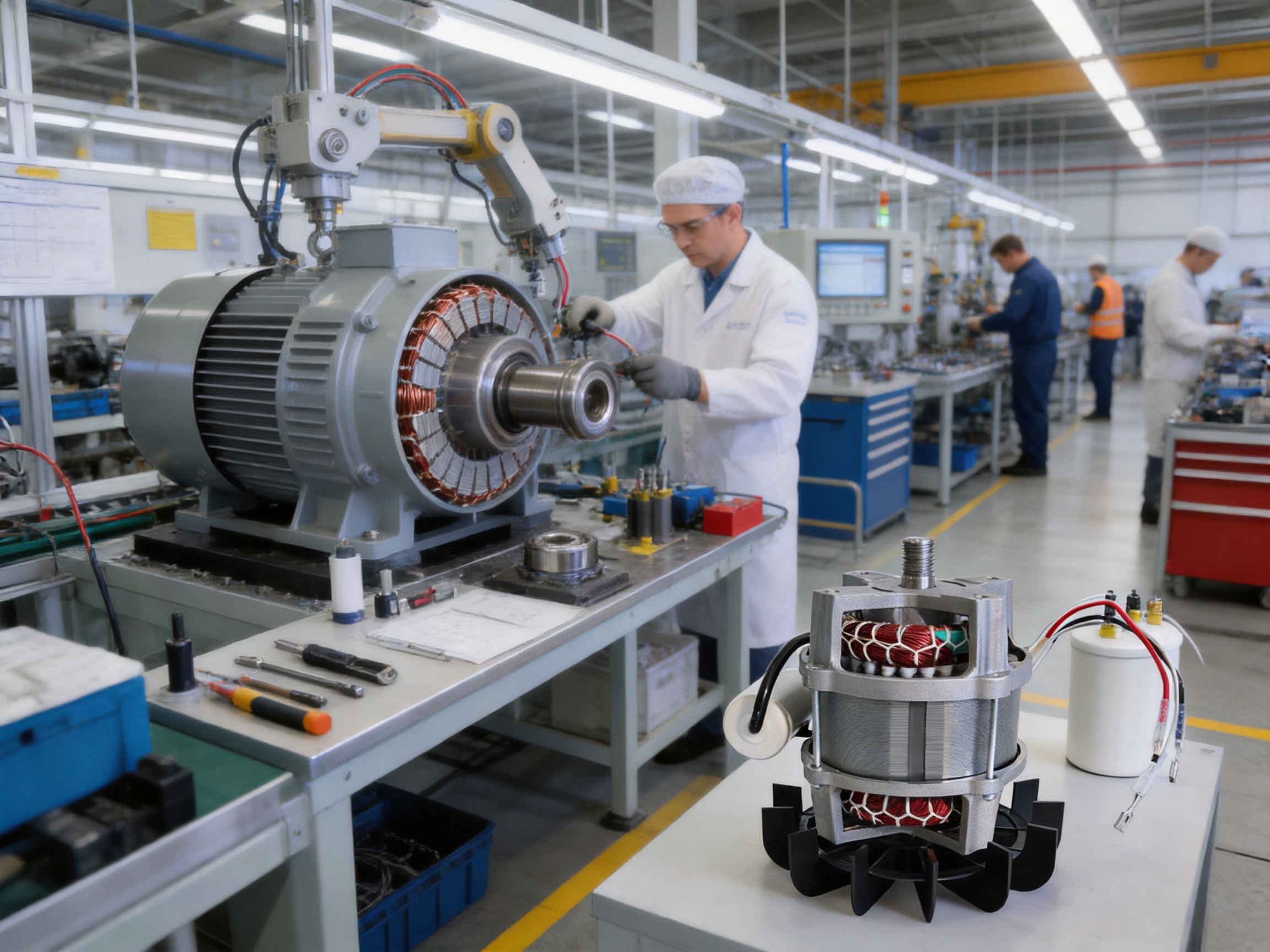
The company reports modern production facilities, advanced automated equipment, and a professional research and development team. Automated equipment can improve repeatability in processes such as component handling, winding, assembly, testing, and inspection. Automation does not replace engineering judgment or quality management, but it can help reduce variation when properly maintained and controlled.
A professional motor manufacturing process normally begins with engineering review. Product drawings, electrical specifications, material requirements, dimensional tolerances, and application conditions must be translated into controlled production documents. For a portable mixer motor, this may include attention to shaft dimensions, mounting points, terminal arrangement, capacitor selection, insulation system, cooling structure, and connection method.
Core and Stator Preparation
The stator core forms an important part of the motor’s electromagnetic circuit. Laminated electrical steel is typically arranged to reduce certain forms of magnetic loss and to create the slots needed for the windings. The quality of lamination stacking, slot consistency, core alignment, and pressing influences the motor’s electromagnetic performance and mechanical soundness.
Controlled core preparation helps ensure that the winding fits correctly and that the air gap between rotor and stator remains within the intended design range. Inconsistent assembly can increase noise, vibration, current draw, or heat generation. For this reason, manufacturing accuracy in the early stages contributes directly to final motor reliability.
Winding Operations
Winding is a central process for a copper-wound motor. The wire must be arranged according to the electrical design, with appropriate turns, direction, slot placement, insulation separation, and connection points. Winding tension and wire handling must be controlled to avoid damage to the enamel coating.
After winding, the coils are positioned and secured in the stator slots. Insulating materials help protect the copper wire from the core and from adjacent turns. The winding may then receive varnish treatment or another suitable consolidation process to improve mechanical stability, electrical insulation, and resistance to vibration.
In a portable mixer, vibration and repeated mechanical loading make secure winding construction especially valuable. Movement of a loose winding can damage insulation over time. A stable winding system helps maintain electrical integrity and reduces the likelihood of noise caused by internal vibration.
Rotor and Shaft Assembly
The rotor must be assembled with accurate alignment and suitable balance. The shaft transfers mechanical energy to the mixer’s transmission system, so shaft dimensions and surface condition are important for proper coupling, pulley, gear, or belt installation. A rotor that is not adequately balanced may create vibration, noise, bearing stress, and accelerated wear.
Precision in rotor assembly also helps maintain the correct air gap between the rotor and stator. Excessive variation in the air gap can affect electromagnetic performance and increase operating losses. Manufacturing controls covering shaft straightness, bearing seating, rotor balance, and assembly alignment support smooth operation.
Housing and Cooling Design
The motor housing protects internal components and provides a path for heat transfer. A compact housing must balance mechanical protection, cooling, mounting convenience, and weight. Ventilation openings or external surface features may be used to support heat dissipation, depending on the detailed motor design.
Portable concrete mixers operate in dusty environments, so housing and ventilation design must be considered together with cleaning and maintenance. Dust accumulation can restrict airflow and create an insulating layer over heat-dissipating surfaces. Operators should keep the motor exterior reasonably clean while avoiding the use of water or cleaning methods that could force moisture into electrical components.
Electrical and Performance Testing
Testing is essential for verifying that assembled motors meet their intended specifications. Typical quality-control activities may include winding resistance checks, insulation checks, no-load operation, current measurement, speed verification, noise and vibration observation, capacitor verification, and appearance inspection.
Testing can identify defects such as incorrect winding connections, damaged insulation, abnormal bearing noise, rotor imbalance, poor terminal contact, or unsuitable operating current. A robust testing system helps prevent inconsistent products from reaching customers and provides useful information for process improvement.
The company’s stated emphasis on strict quality control and innovation supports the use of a structured manufacturing system rather than relying only on final visual inspection. Quality must be built into material selection, process control, worker training, equipment maintenance, testing, packaging, and customer feedback.
Quality Control and Product Consistency
For motor buyers, product consistency is nearly as important as the performance of one individual sample. Equipment manufacturers need motors that can be installed across multiple production batches without repeated redesign. Distributors need dependable specifications to reduce returns. End users need replacement motors that match the original mounting and operating requirements.
Consistency begins with controlled raw materials. Copper wire, electrical steel, insulation materials, bearings, capacitors, terminals, fasteners, and housings should be purchased according to defined specifications. Incoming inspection helps identify deviations before components enter production.
Process control is equally important. Winding machines, pressing equipment, balancing machines, assembly tools, and test instruments must be calibrated and maintained. Operators should follow documented work instructions. When a process changes, the effect on electrical performance, temperature, dimensions, and reliability should be reviewed.
Traceability can also improve quality management. Recording production batches, component sources, inspection results, and test data helps manufacturers investigate problems efficiently. It also supports communication with customers who require technical documentation or repeat orders.
For international customers, clear product information is especially valuable. Voltage, power, speed, phase type, capacitor requirements, mounting dimensions, shaft details, insulation class, protection level, frequency, duty cycle, and wiring diagrams should be confirmed before a purchase. If a particular specification is not provided, it should be requested rather than assumed.
Installation Considerations
Correct installation is necessary to obtain the intended performance of the YY71-2. The motor should be mounted on a rigid and properly aligned support. Loose or flexible mounting can increase vibration and may cause the shaft, belt, gearbox, or frame to operate under abnormal stress.
The motor shaft must align correctly with the driven system. In belt-driven mixers, pulleys should be parallel and belt tension should be adjusted according to the mixer manufacturer’s instructions. Excessive belt tension increases bearing load, while insufficient tension can cause slipping, heat, and reduced drum speed.
In gear-driven systems, the gear centers and tooth engagement must be correctly positioned. Misalignment may produce noise, uneven wear, and additional resistance. Couplings should be installed without forcing the motor shaft into an offset position.
The electrical supply must match the motor’s rated voltage and applicable frequency. The supply circuit should include suitable overcurrent protection and grounding. Cable size should be appropriate for the current, cable length, environmental conditions, and local electrical regulations. A qualified electrician should complete connections, especially in outdoor or damp construction environments.
The capacitor must be installed according to the motor’s specified requirements. It should be securely fixed and protected from impact, excessive heat, and moisture. Incorrect capacitor selection can affect starting performance and may lead to abnormal current or overheating.
Before the first full-load operation, the installer should check the mounting bolts, shaft rotation, belt or gear movement, electrical connections, protective devices, and clearance around rotating parts. A brief no-load test can help identify unusual noise, vibration, smell, or current behavior before materials are added to the mixer.
Maintenance for Long-Term Reliability
Routine maintenance helps preserve motor performance and reduces unexpected downtime. The maintenance schedule should reflect the mixer’s operating frequency, environment, load, and duty cycle.
Cleaning
Concrete dust, sand, cement powder, and other debris can accumulate around the motor and ventilation passages. Accumulation may restrict cooling and increase operating temperature. The external motor surface and nearby airflow paths should be cleaned regularly using a safe method that does not introduce water into the electrical assembly.
Mechanical Inspection
Mounting bolts should be checked for looseness. Vibration can gradually reduce fastener tightness, particularly when the mixer is frequently transported or operated on uneven ground. The shaft, pulley, belt, gearbox, and frame should be inspected for signs of wear, misalignment, cracks, or abnormal movement.
Capacitor and Wiring Inspection
Electrical terminals should remain tight and free from damage. Signs of overheating, discoloration, melted insulation, or unusual odor require prompt investigation. The capacitor should be inspected for swelling, leakage, physical damage, or deterioration. Replacement work must be performed with the power disconnected and the capacitor safely discharged.
Bearing and Noise Monitoring
Changes in operating sound can provide an early indication of bearing wear, rotor imbalance, belt problems, or misalignment. A gradual increase in noise or vibration should not be ignored. Early correction can prevent secondary damage to the shaft, housing, transmission, or frame.
Load Management
The motor should be used within the mixer’s rated capacity. Operators should follow recommended loading procedures and avoid repeated starts with an excessively full drum. If the motor repeatedly trips protection, runs unusually hot, or struggles to start, the cause may be overload, mechanical obstruction, incorrect voltage, capacitor failure, poor ventilation, or a transmission problem.
Safety in Construction Environments
Concrete mixer operation involves rotating machinery, electrical power, heavy materials, and potentially wet conditions. Motor safety must therefore be considered as part of the complete equipment system.
The motor should be protected from accidental contact with rotating components. Guards should cover belts, pulleys, gears, and couplings. The mixer frame should be stable, and the machine should be positioned on a suitable surface. Operators should keep hands, clothing, tools, and loose materials away from moving parts.
Electrical protection is equally important. The equipment should be properly grounded or otherwise protected according to local regulations. Residual-current protection may be appropriate in locations where moisture or outdoor use creates additional risk. Extension cables should be suitable for the operating environment and should not be damaged, undersized, or placed where vehicles and materials can crush them.
Before cleaning, adjustment, jam removal, or maintenance, the power supply must be isolated. The drum should stop completely, and stored mechanical or electrical energy should be considered. Restarting controls should be protected against accidental activation while work is being performed.
These practices protect operators and also support motor life. Electrical faults, blocked cooling, mechanical impacts, and repeated overloads can shorten the service life of even a well-manufactured motor.
Use in Different Portable Mixer Applications
The YY71-2 can be used in a range of small-scale construction and material-mixing applications when the motor’s voltage, power, speed, dimensions, and duty cycle match the equipment.
Residential Construction
Small building projects often require concrete for foundations, paths, repairs, posts, slabs, and other work. A portable mixer powered by a 650W motor can provide a practical alternative to hand mixing. Its single-phase configuration is convenient for locations with standard electrical access.
Renovation and Repair Work
Repair contractors may need to move equipment between several sites. A compact motor contributes to a portable machine that can be transported more easily. Stable operation and straightforward maintenance are useful when downtime could delay a short project.
Landscaping and Agricultural Work
Concrete is frequently used for fence posts, drainage channels, paving, retaining structures, equipment bases, and small foundations. Farm and landscaping users may not have access to industrial three-phase power, making a 230V single-phase motor a practical choice where local electrical standards permit.
Small Contractor Equipment
Small contractors often need equipment that balances purchase cost, operating efficiency, portability, and service availability. A specialized motor can simplify replacement planning and reduce the need to modify the mixer frame or transmission system.
Why Manufacturer Experience Matters
Motor performance is influenced by design and production experience accumulated across many product categories. A manufacturer working with air cooler motors, heater motors, oil pump motors, micro motors, and customized AC/DC products develops knowledge of winding systems, thermal behavior, compact structures, component selection, and application-specific requirements.
This experience can support the refinement of concrete mixer motors. For example, lessons learned from compact air movement motors may contribute to space-efficient housing and cooling ideas, while experience with industrial or pump applications can support attention to load behavior and durability. Each product still requires its own engineering validation, but cross-application knowledge can strengthen the development process.
Jiangxin Motor reports a professional R&D team, modern facilities, automated equipment, and recognition as a provincial-level technology enterprise. These resources can help the company respond to customer requests involving product improvements, technical clarification, model adaptation, and customized motor solutions.
Export experience is also important for international customers. The company states that its products are exported to more than 60 countries and regions. International supply requires attention to packaging, documentation, communication, voltage variations, regional standards, shipping arrangements, and after-sales coordination. A manufacturer familiar with global customers is better positioned to manage these practical requirements.
Customization and OEM Support
Portable mixer manufacturers may require variations in shaft length, mounting dimensions, terminal location, cable arrangement, capacitor configuration, rotation direction, protection structure, or packaging. A motor supplier with research and development capabilities can review these requirements and determine whether a standard model, modified model, or new design is appropriate.
Customization should begin with complete technical information. Customers should provide the mixer’s installation drawing, existing motor data, drum capacity, transmission ratio, power supply, operating cycle, environmental conditions, and expected annual quantity. Photographs and samples can assist with mechanical evaluation, but drawings and measured dimensions are preferred for formal confirmation.
Engineering review should consider whether a requested change affects electromagnetic performance, starting behavior, thermal rise, shaft strength, bearing loading, housing cooling, or safety. A seemingly minor change in shaft length or pulley position may alter the mechanical load or alignment. A change in capacitor value may affect motor current and starting torque. Professional review helps avoid unintended consequences.
For repeat production, approved samples and controlled specifications are important. The customer and manufacturer should agree on critical dimensions, performance criteria, inspection methods, labeling, packaging, and change-control procedures. This supports consistency across future orders.
Selection Guide for Buyers
Before purchasing the YY71-2, buyers should confirm that the motor matches the target mixer. The following questions can help organize the selection process.
| Selection Factor | What to Confirm | Why It Matters |
|---|---|---|
| Voltage | 230V supply and local frequency | Incorrect voltage or frequency can cause poor performance or overheating |
| Power | 650W requirement of the mixer | Ensures the motor can handle the intended mechanical load |
| Speed | 2,800 RPM compatibility with the transmission | Determines drum speed and output torque after reduction |
| Mounting | Hole pattern, frame dimensions, and fixing method | Ensures direct and secure installation |
| Shaft | Diameter, length, keyway, and extension | Ensures compatibility with pulley, gear, or coupling |
| Capacitor | Required capacitance, voltage rating, and mounting method | Supports correct starting and running characteristics |
| Duty cycle | Operating time, rest periods, and start frequency | Influences thermal behavior and expected service life |
| Environment | Dust, moisture, ambient temperature, and ventilation | Helps determine protection and cooling requirements |
Buyers should also request technical drawings or dimensional confirmation when replacing an existing motor. Product names alone may not guarantee interchangeability. Two motors with the same wattage and voltage can have different mounting dimensions, shaft arrangements, rotation directions, or capacitor specifications.
Packaging, Supply, and Service Value
Motor reliability extends beyond production. Packaging must protect the shaft, housing, terminals, capacitor, and painted or finished surfaces during handling and transportation. Appropriate internal support can reduce the risk of impact damage. Export packaging should also account for extended logistics, container movement, humidity, and repeated loading and unloading.
Clear labeling helps customers identify the model, electrical rating, production information, and installation orientation. Supporting documentation may include a product specification sheet, wiring information, installation notes, inspection records, and maintenance recommendations.
Communication is another important part of supply reliability. The manufacturer’s listed contact details include telephone and email channels for technical and commercial communication. Buyers can use these channels to confirm specifications, request quotations, discuss customization, arrange samples, and clarify delivery requirements.
For distributors, stable product information simplifies catalog preparation and customer support. For equipment manufacturers, consistent communication helps coordinate product development and production scheduling. For end users, access to technical assistance can reduce installation errors and shorten troubleshooting time.
Environmental and Energy Considerations
Energy efficiency is increasingly important for both operating cost and environmental responsibility. The YY71-2 is described as having low power consumption, which is beneficial when the motor is correctly matched to the mixer and operated within its intended load range.
Efficient energy use can be especially useful in portable applications powered by generators. Lower operating consumption may help reduce fuel demand over time, although generator selection must account for starting current and the complete electrical load. A generator that is too small may produce voltage drops, unstable operation, or repeated shutdowns.
Longer motor service life also supports resource efficiency. A durable motor that can be maintained or replaced without discarding the entire mixer reduces equipment waste. Proper cleaning, alignment, overload prevention, and timely component replacement contribute to this benefit.
Manufacturing efficiency is another consideration. Automated production equipment, controlled processes, and quality systems can reduce material waste and improve production repeatability. Responsible manufacturing also involves appropriate handling of copper, insulation materials, packaging, lubricants, and rejected components in accordance with applicable environmental requirements.
Troubleshooting Common Problems
Motor Does Not Start
Possible causes include a disconnected power supply, incorrect wiring, a failed capacitor, excessive mechanical resistance, a jammed drum, a damaged switch, or an overloaded circuit. The motor should not be left energized while humming or failing to rotate because this condition can produce rapid heating.
Motor Starts Slowly
Slow starting may be related to low supply voltage, an incorrect or deteriorated capacitor, excessive belt tension, gearbox resistance, drum overloading, or bearing problems. The electrical supply and mechanical drive should be checked systematically.
Motor Overheats
Overheating can result from overload, restricted ventilation, high ambient temperature, incorrect voltage, repeated starts, bearing friction, belt misalignment, or winding damage. Operators should stop the machine and investigate rather than continuing operation at an abnormal temperature.
Excessive Noise or Vibration
Noise and vibration may come from loose mounting bolts, rotor imbalance, worn bearings, misaligned pulleys, damaged belts, gear problems, or an uneven mixer frame. A motor replacement will not solve a problem caused by the surrounding transmission or structure, so the complete drive system should be inspected.
Protection Device Trips
Repeated tripping may indicate overload, short circuit, insulation damage, incorrect wiring, insufficient supply capacity, capacitor problems, or a mechanical jam. Protection devices should never be bypassed. A qualified technician should determine the cause before the equipment is returned to service.
Q&A
What is the rated power of the YY71-2 motor?
The rated power is 650 watts. It is intended for small portable concrete mixers and related equipment when the motor is correctly matched to the mixer’s mechanical and electrical requirements.
What voltage does the motor use?
The motor is rated at 230V and uses a single-phase electrical system with a capacitor. Buyers should confirm the local supply frequency and wiring requirements before installation.
What is the rated speed?
The rated speed is 2,800 RPM. Because a concrete mixer drum normally rotates more slowly, the motor is generally used with a suitable reduction system such as a gearbox, belt drive, chain drive, or gear arrangement.
Is the YY71-2 suitable for every concrete mixer?
No. It is designed for small portable concrete mixers, but suitability depends on drum capacity, transmission ratio, mounting dimensions, shaft configuration, duty cycle, supply conditions, and load requirements. These details should be confirmed before purchase.
Why is full copper winding important?
Full copper winding provides good electrical conductivity and supports efficient electromagnetic operation. It can also contribute to thermal performance and durability when combined with proper insulation, winding, assembly, and testing processes.
Does 650W indicate the drum’s output power?
The 650W rating refers to the motor’s rated power, not necessarily the exact mechanical power available at the drum. The transmission system changes speed and torque, and mechanical losses occur in belts, gears, bearings, and couplings.
Can the motor be used with a portable generator?
It may be used with a suitable generator if the voltage, frequency, waveform, grounding, and capacity are compatible. The generator must be able to handle the motor’s starting demand as well as the continuous load. A qualified electrical professional should confirm the arrangement.
What should be checked when replacing an existing motor?
Check the voltage, frequency, power, speed, mounting hole pattern, motor dimensions, shaft diameter, shaft length, keyway, rotation direction, capacitor requirements, terminal position, and duty cycle. Matching wattage alone is not sufficient.
How can overheating be reduced?
Operate the motor within the mixer’s rated capacity, keep ventilation passages clean, avoid excessive belt tension, maintain correct alignment, prevent repeated overloaded starts, and ensure that the voltage and capacitor are correct. Persistent overheating requires professional inspection.
Is maintenance difficult?
The motor is described as having easy installation and maintenance. Routine work generally includes cleaning, checking mounting hardware, inspecting belts and couplings, examining wiring and the capacitor, and monitoring noise and vibration. Electrical repairs should be handled by qualified personnel.
Can the manufacturer provide customized versions?
The company produces customized motors in addition to standard AC/DC motor products. Customers should provide complete mechanical and electrical requirements so the engineering team can assess whether a modified YY71-2 or another design is appropriate.
Where is the manufacturer located?
Shengzhou Jiangxin Motor Technology Co., Ltd. is located at No. 8, Duxiu San Road, Ganlin Town, Shengzhou City, Shaoxing City, Zhejiang Province, China.
How can buyers request technical information?
Buyers can contact the manufacturer through the listed telephone numbers, fax number, or email address to request specifications, drawings, quotations, samples, customization discussions, and order support.
Overall Product Assessment
The YY71-2 230V 650W Portable Concrete Mixer Motor is a practical motor solution for small portable mixers and cement mixers. Its main strengths include a 230V single-phase configuration, capacitor-assisted operation, 650W rated power, 2,800 RPM speed, full copper winding, compact construction, high-temperature resistance, low power consumption, and easy installation and maintenance.
Its greatest advantage is application suitability. Instead of treating the motor as an interchangeable electrical component, the design is presented as a solution for portable concrete mixing equipment. This focus helps equipment builders and replacement buyers consider the motor together with the mixer’s transmission, mounting structure, load, and duty cycle.
The manufacturing background of Shengzhou Jiangxin Motor Technology Co., Ltd. adds further value. The company combines AC/DC motor experience, automated production equipment, R&D capability, quality-control systems, international export experience, and customized product support. These strengths can be important for customers seeking more than a single replacement unit, especially OEMs, distributors, and construction-equipment manufacturers.
As with any motor, correct selection and installation remain essential. The YY71-2 should be operated within its rated electrical and mechanical conditions, with suitable protection, ventilation, alignment, and maintenance. When these requirements are respected, the motor can provide a dependable drive foundation for small portable mixers used in construction, repair, agricultural, and landscaping applications.
References
1. Product specification information supplied for the YY71-2 230V 650W Portable Concrete Mixer Motor.
2. Company profile information supplied for Shengzhou Jiangxin Motor Technology Co., Ltd.
3. General principles of single-phase capacitor motor operation and application.
4. General practices for electric motor installation, alignment, protection, and maintenance.
5. General guidance for portable concrete mixer operation and mechanical load management.
Product: YY71-2 230V 650W Portable Concrete Mixer Motor
 Ready To Customise
 Your Motor Products?

We are professional motor manufacturers, delivering powerful, stable, and efficient power cores for all industries through precision craftsmanship and innovation.
Contact Us
-
 Mobile:+86 13575536911
-
 Tel:+86 18357538240
-
 Whatsapp:+8618357538240
-
 Email:betty@dbjxmotor.com
-
 Company Address
Copyright © by Shengzhou Jiangxin Motor Technology Co., Ltd. All Rights Reserved.
Wholesale Industrial Fan Motors Manufacturers
