

 English
 русский
 Español
 عربى
عربى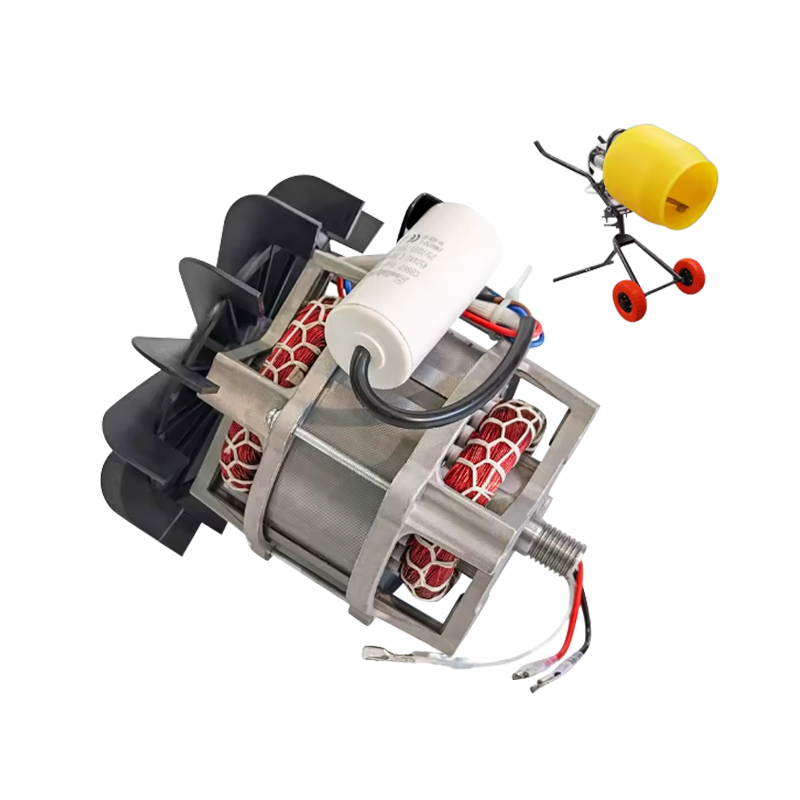
No. 8, Duxiu San Road, Ganlin Town, Shengzhou City, Shaoxing City, Zhejiang Province, China

News Category
Product Category
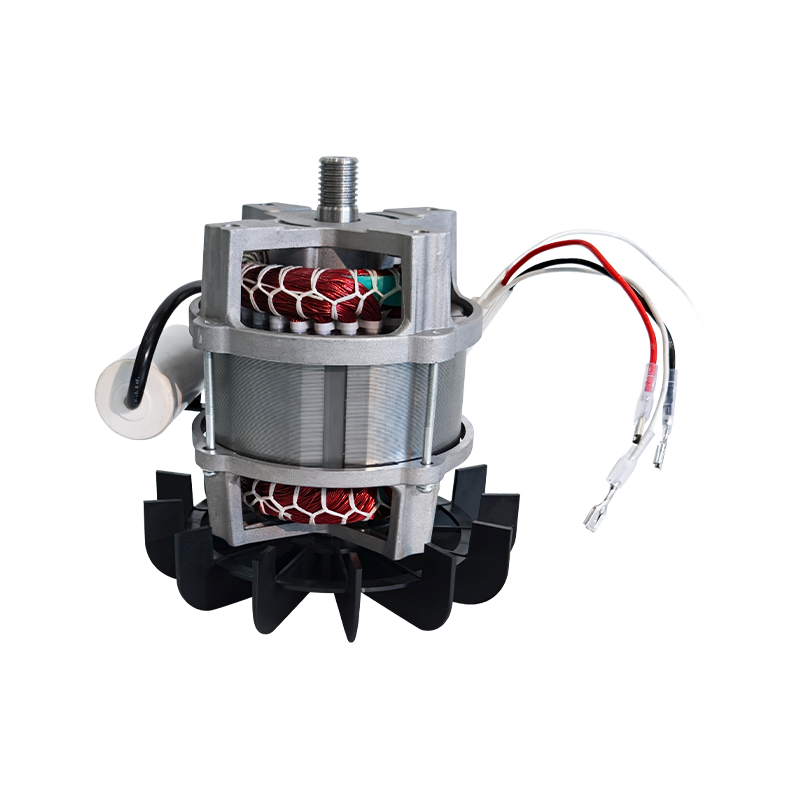
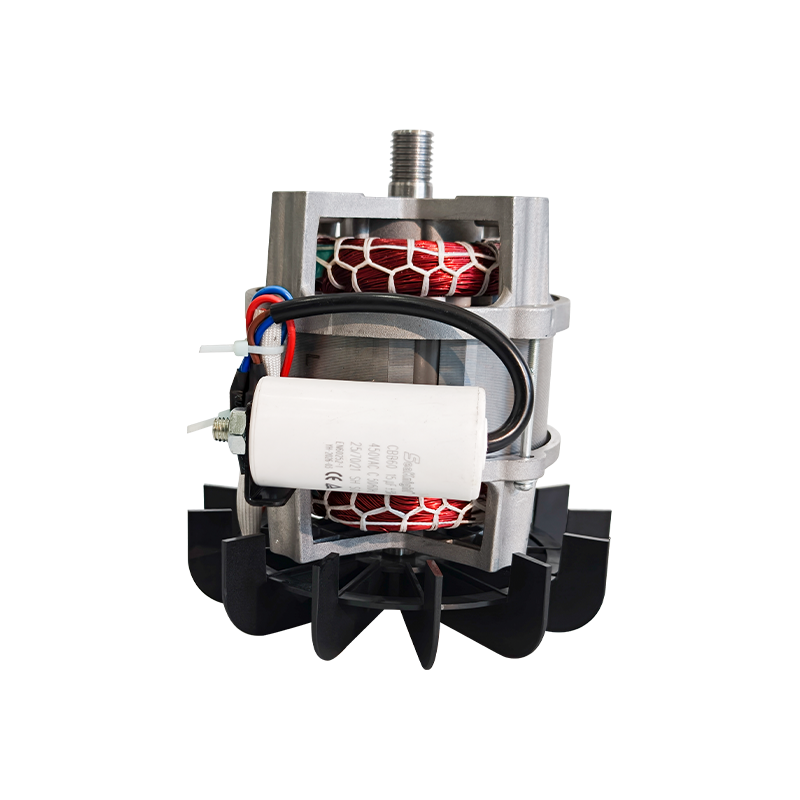
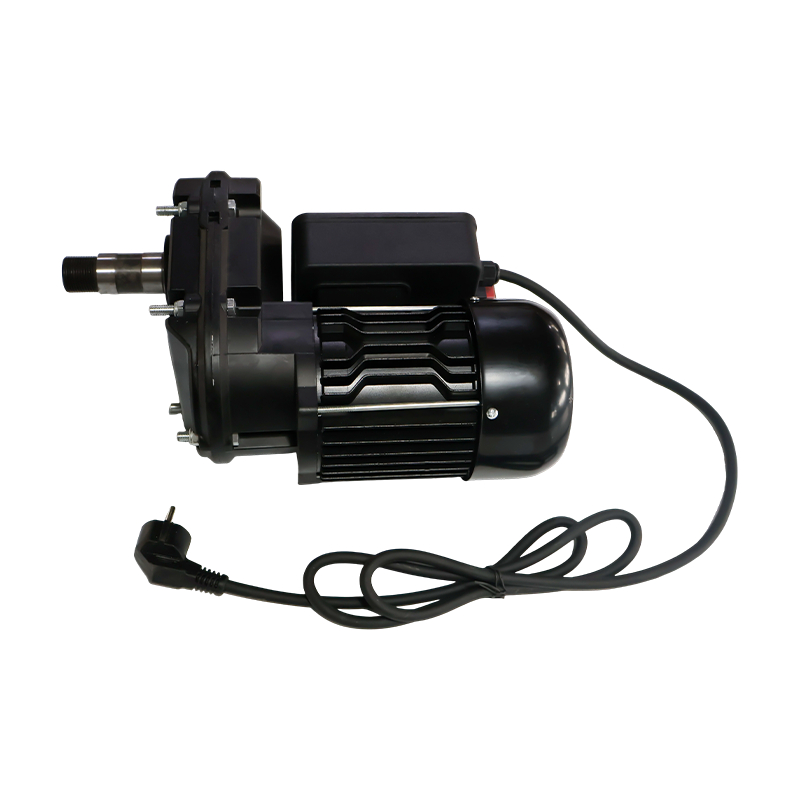
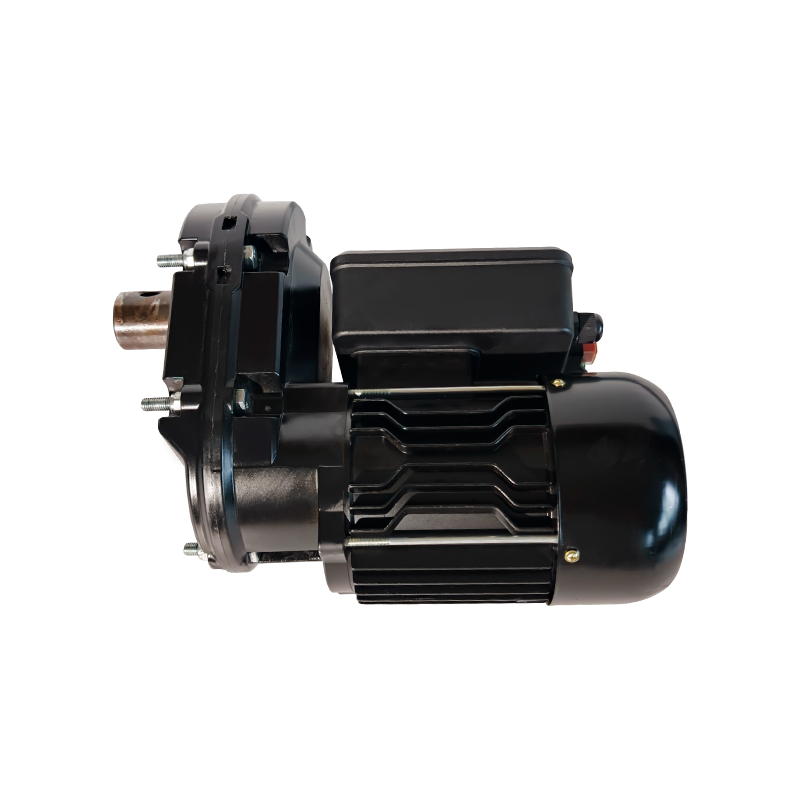
YY71-2 230V 375W Mini Cement Mixer Motor: Compact Power for Reliable Mixing
Content
- 1 Product Overview
- 2 Purpose-Built Performance for Mini Cement Mixers
- 3 Advantages of the 375W Power Rating
- 4 230V Compatibility for Broad Market Use
- 5 Single-Phase Capacitor-Run Asynchronous Motor Design
- 6 Compact Structure and Lightweight Handling
- 7 Energy-Conscious Operation
- 8 Suitable Applications
- 9 Advantages Over General-Purpose Motor Alternatives
- 10 Manufacturing Strengths and Production Capabilities
- 11 Quality Control and Process Consistency
- 12 Research and Development Support
- 13 Global Supply and Customer Service
- 14 Installation Considerations
- 15 Operating Practices for Longer Service Life
- 16 Replacement and Equipment Integration
- 17 Value for Equipment Manufacturers
- 18 Value for Distributors and Wholesalers
- 19 Safety and Responsible Use
- 20 Why the YY71-2 Is a Practical Choice
- 21 Frequently Asked Questions
- 21.1 What is the YY71-2 motor used for?
- 21.2 What voltage does the motor require?
- 21.3 Is the YY71-2 a three-phase motor?
- 21.4 Is 375W enough for every cement mixer?
- 21.5 Can the YY71-2 replace another motor with the same voltage?
- 21.6 What are the main benefits of the compact design?
- 21.7 Why is a capacitor-run design suitable for mini mixers?
- 21.8 How can users extend the motor’s service life?
- 21.9 Does the manufacturer provide customized motor solutions?
- 21.10 What information should be provided when requesting a replacement?
- 21.11 Is the motor suitable for large industrial concrete mixers?
- 21.12 Why should buyers consider the manufacturer’s production capabilities?
- 22 Conclusion
- 23 References
- 24 Product: YY71-2 230V 375W Mini Cement Mixer Motor
Mini cement mixers are widely used on construction sites, in renovation projects, landscaping work, agricultural maintenance and small-scale concrete applications. Although these machines are compact, they require a dependable motor that can provide stable torque, efficient operation and sufficient durability under demanding working conditions. The YY71-2 230V 375W Mini Cement Mixer Motor is designed specifically for this type of equipment. It combines a compact structure, low power consumption, convenient installation and broad electrical compatibility in a practical motor solution for portable concrete mixers and other small construction tools.
As a single-phase capacitor-run asynchronous motor, the YY71-2 is engineered for applications where reliable operation and straightforward maintenance are more important than excessive complexity. Its 375W output provides an appropriate balance between useful mechanical power and energy-conscious operation. The motor is suitable for mini cement mixers that need stable drum rotation without the size, weight or energy demand associated with larger industrial motors.
The motor operates at 230V, a common supply voltage in Europe, Asia and many other markets. This broad compatibility simplifies equipment design and supports easier distribution across different regions. For manufacturers of mini mixers, wholesalers of replacement motors and operators who need a dependable spare motor, the YY71-2 offers a focused and practical choice.
Product Overview
The YY71-2 is a 230V, 375W mini cement mixer motor developed for compact concrete and cement mixing equipment. It belongs to the category of single-phase capacitor-run asynchronous motors. This motor type is commonly selected for equipment connected to ordinary single-phase power supplies because it offers a practical combination of starting performance, operating stability and uncomplicated construction.
The product is designed for portable cement mixers, mini concrete mixers and small construction tools. Its compact dimensions and light weight make it easier to transport, install and replace. These characteristics are particularly valuable for rental companies, maintenance contractors and construction teams that frequently move equipment between locations.
Key product information includes:
| Item | Specification |
|---|---|
| Model | YY71-2 |
| Rated voltage | 230V |
| Rated power | 375W |
| Motor type | Single-phase capacitor-run asynchronous motor |
| Primary application | Mini cement mixers and portable concrete mixers |
| Product category | Concrete Mixer Motor |
| Typical use environment | Small construction projects, renovation, landscaping and maintenance |
The YY71-2 is not intended to replace high-power motors used in large commercial batching plants or heavy-duty industrial mixers. Instead, it is optimized for compact mixing equipment where space, portability, energy consumption and ease of installation are important purchasing factors.
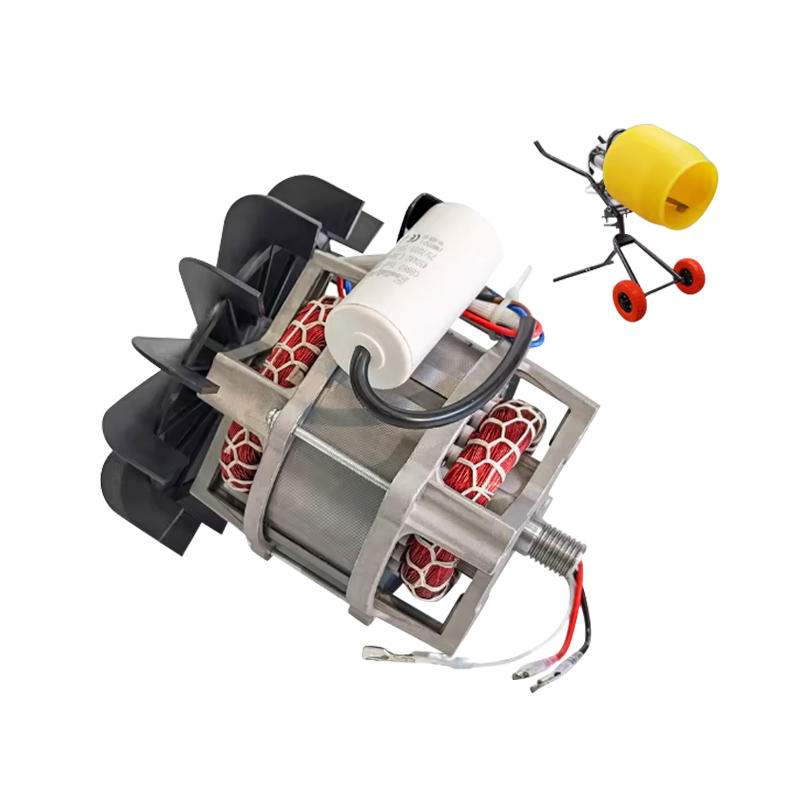
YY71-2 230V 375W Mini Cement Mixer Motor
Purpose-Built Performance for Mini Cement Mixers
A cement mixer motor must do more than simply rotate a shaft. It must provide dependable mechanical output while operating in an environment that may include dust, vibration, intermittent loading and repeated starting cycles. A mini mixer motor also needs to fit within a restricted equipment frame and avoid adding unnecessary weight to a portable machine.
The YY71-2 addresses these requirements through its dedicated 375W design. The power rating is suitable for many small mixers that handle modest batches of concrete, mortar, plaster or other construction compounds. By matching the motor to the intended equipment class, the design avoids the disadvantages of using an unnecessarily large motor, including excessive energy consumption, increased equipment weight and higher installation requirements.
During mixing, the motor transfers rotational energy through the mixer’s drive system to the drum or mixing mechanism. The capacitor-run configuration supports stable operation from a single-phase supply, making the motor suitable for locations where three-phase electrical power is not available. This is especially useful for residential renovation sites, small building projects and temporary work areas.
The motor’s compact form also supports flexible machine design. Equipment manufacturers can develop smaller mixer frames, while end users can move the machine more easily around a worksite. A lighter motor can reduce the overall handling burden, which is an important advantage when the mixer must be loaded into a vehicle or repositioned several times during a project.
Advantages of the 375W Power Rating
The 375W power rating represents a practical middle ground for mini cement mixer applications. A motor with insufficient power may struggle under load, leading to slow rotation, overheating or frequent interruptions. On the other hand, an oversized motor can make the machine more expensive, heavier and less efficient for its actual workload.
By focusing on a 375W output, the YY71-2 is positioned for compact equipment that needs useful mixing performance without excessive electrical demand. The motor can support the rotation required by many small drums and mixing mechanisms when the mixer is operated within its intended capacity.
Lower rated power can also help reduce operating costs. For users who run a mini mixer for extended periods, energy efficiency is an important part of total ownership cost. A motor that is appropriately matched to the machine avoids wasting energy on capacity that the equipment does not need. This can be particularly relevant for rental businesses, contractors and workshops using several small machines at the same time.
The 375W rating also makes the motor suitable for electrical systems with limited capacity. Small renovation sites and temporary workspaces may not have access to high-capacity electrical infrastructure. A compact single-phase motor can be easier to integrate into these environments than a larger industrial motor.
230V Compatibility for Broad Market Use
The YY71-2 is designed for 230V operation, a widely used voltage standard in many international markets. This makes it suitable for equipment intended for European, Asian and numerous other regional power systems. For mixer manufacturers and distributors, a commonly used voltage can simplify product planning and reduce the need to maintain multiple motor versions for different markets.
Electrical compatibility is an important consideration when selecting a replacement motor. A motor must match the equipment’s rated voltage and electrical configuration to operate safely and effectively. The 230V specification of the YY71-2 gives buyers a clear starting point for checking compatibility with their existing mixer.
Before installation, users should verify the equipment nameplate, wiring diagram, capacitor requirements, mounting arrangement, shaft dimensions and operating conditions. Voltage compatibility alone does not guarantee a direct replacement. Proper matching helps protect the motor, the mixer and the operator while supporting reliable long-term performance.
For original equipment manufacturers, a 230V motor can also simplify product standardization. A single motor platform may be incorporated into several versions of a mini mixer designed for regions using compatible electrical systems. This can help reduce engineering complexity and make spare-parts management more efficient.
Single-Phase Capacitor-Run Asynchronous Motor Design
The YY71-2 uses a single-phase capacitor-run asynchronous motor design. This configuration is well suited to equipment powered by standard single-phase electricity. Unlike a three-phase motor, it does not require a three-phase supply, which makes it more practical for household construction projects, small workshops and portable machinery.
The capacitor supports the phase relationship needed for effective motor operation. During running, the motor can maintain a useful rotating magnetic field and deliver stable mechanical output. This design is commonly used in applications where the motor must start and continue operating from a single-phase power source.
Asynchronous motors are valued for their robust construction and relatively simple operating principle. The rotor does not require a direct electrical connection through brushes in the same way as certain other motor types. This can reduce the number of wear components and contribute to straightforward maintenance when the motor is used under suitable conditions.
For a mini cement mixer, the capacitor-run structure offers an effective combination of usability and durability. It supports practical operation without adding the complexity associated with more sophisticated drive systems. This is beneficial for equipment manufacturers seeking a cost-effective motor and for end users who prefer accessible maintenance procedures.
However, every motor should be operated within its specified conditions. Overloading the mixer, using an incorrect capacitor, blocking ventilation openings or repeatedly restarting the motor under excessive load can negatively affect service life. Proper equipment design and responsible operation are essential to achieving the best results from the motor.
Compact Structure and Lightweight Handling
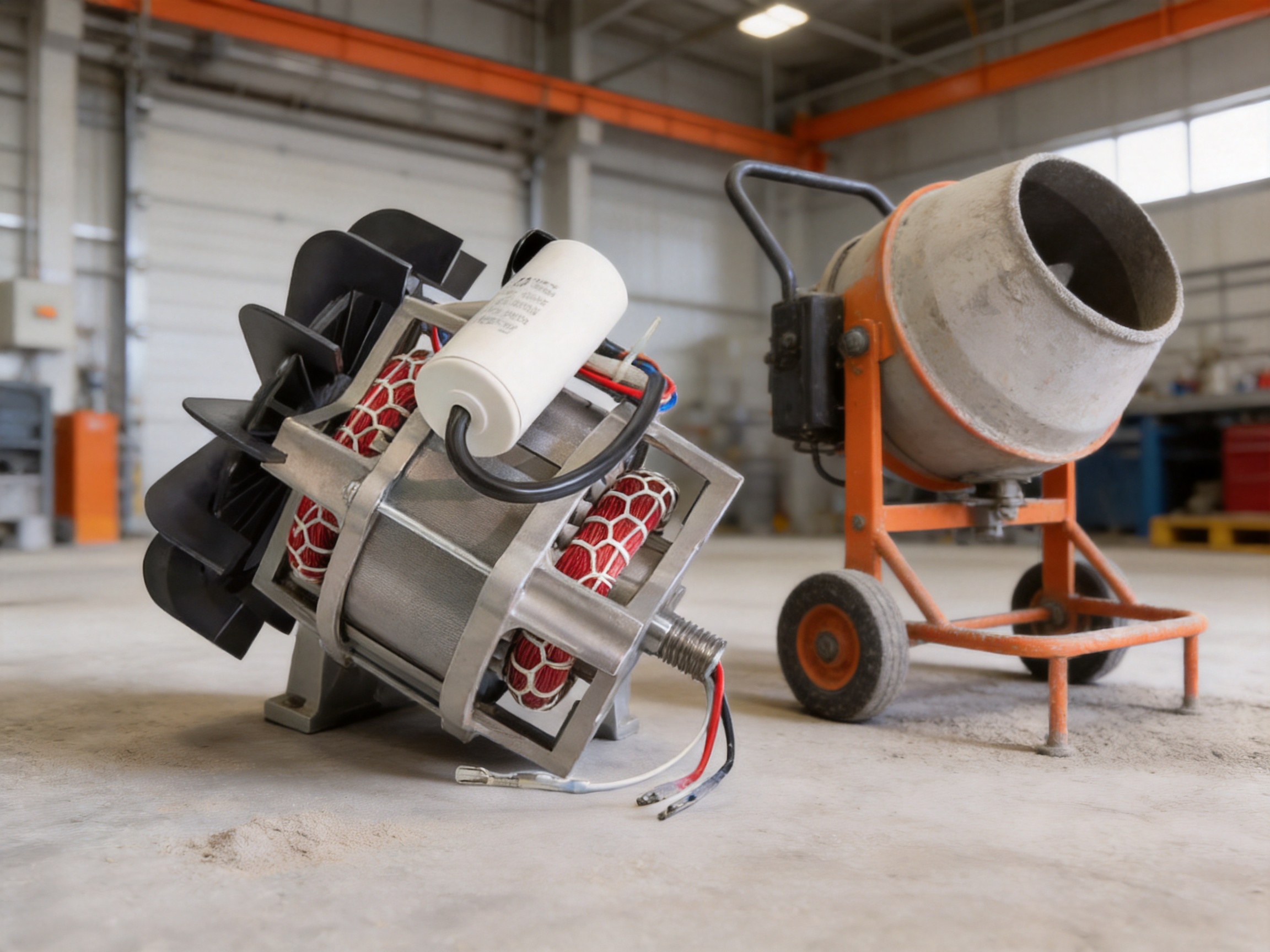
Portability is a defining characteristic of many mini cement mixers. These machines are often used in locations where materials must be transported manually or where the mixer needs to be moved through narrow spaces. A large or heavy motor can undermine the portability of the complete machine.
The YY71-2 is designed with a small body and light weight to support compact mixer construction. Its form factor can help manufacturers reduce the overall footprint of their equipment while preserving the power required for small-batch mixing. For users, this may make the mixer easier to carry, load, store and reposition.
A compact motor can also improve workshop organization. Mini mixers are often stored in garages, construction containers, agricultural buildings or maintenance rooms where floor space is limited. Equipment with a smaller motor assembly can be easier to place alongside tools and materials.
Lightweight construction may also reduce strain on supporting components. When the motor contributes less mass to the machine, the frame, wheels, handles and mounting structure may be designed more efficiently. This does not eliminate the need for a robust frame, but it can help the equipment achieve a better balance between strength and portability.
For replacement applications, a compact motor can simplify access to the original installation location. Maintenance personnel may find it easier to remove and install a smaller unit, especially when working in a confined machine housing. The exact ease of replacement will depend on mounting dimensions and equipment design, so buyers should confirm mechanical specifications before ordering.
Energy-Conscious Operation
Energy consumption is becoming an increasingly important factor in the selection of construction equipment. Users want machines that deliver useful performance without imposing unnecessary operating costs. The YY71-2 supports this goal through its moderate 375W power rating and application-specific design.
A motor’s actual energy consumption depends on load, operating time, electrical conditions, mechanical transmission efficiency and maintenance. Even so, selecting a motor that matches the mixer’s intended capacity is a fundamental step toward responsible energy use. A properly sized motor avoids the inefficiency of installing a significantly larger unit for a small application.
For occasional users, energy-conscious operation can reduce the cost of completing individual projects. For professional users, the effect may be more significant because the mixer can operate over many hours and across numerous jobs. Lower energy demand may also be helpful when several tools are connected to the same electrical supply.
Energy efficiency must be considered together with loading discipline. A mixer should not be filled beyond its recommended capacity in an attempt to increase productivity. Overloading can cause the motor to draw more current, generate more heat and experience greater mechanical stress. Operating the drum with a suitable material quantity helps the motor work closer to its intended range.
Suitable Applications
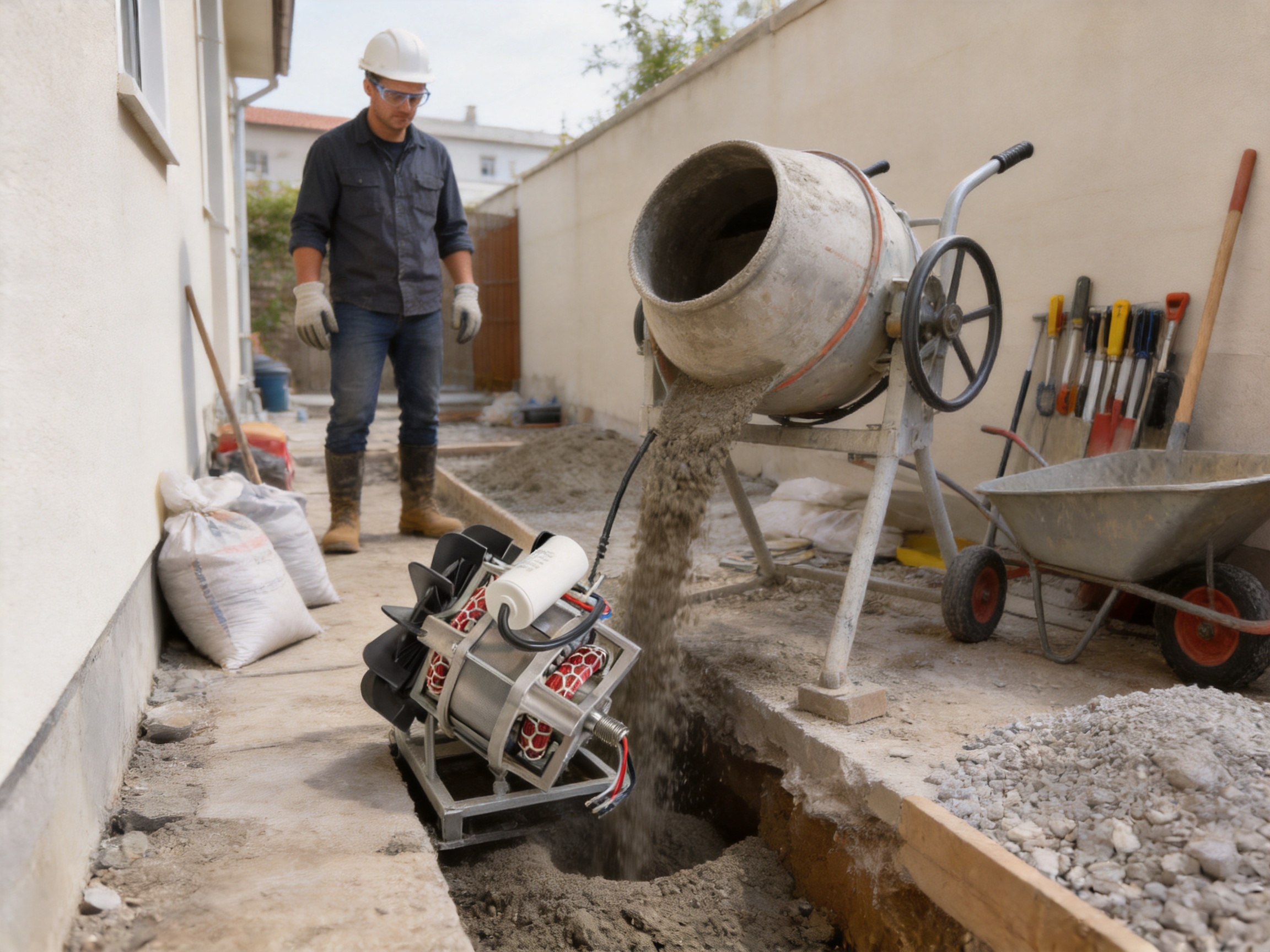
The YY71-2 is intended for a broad range of small-scale mixing and construction applications. Its primary use is in mini cement mixers and portable concrete mixers. These machines are commonly used to prepare limited quantities of concrete, mortar, plaster and similar compounds.
Typical application environments may include:
| Application | Typical Requirement | Why the YY71-2 Is Suitable |
|---|---|---|
| Residential construction | Compact equipment for small concrete batches | Portable size and 230V single-phase operation |
| Renovation projects | Easy movement through restricted spaces | Lightweight structure and moderate power demand |
| Landscaping | Mixing concrete for paths, posts and small foundations | Designed for mini mixer applications |
| Agricultural maintenance | Occasional mixing at farms or rural sites | Compatible with common single-phase supplies |
| Equipment rental | Reliable, serviceable motor platform | Simple motor configuration and practical replacement potential |
| Small construction tools | Compact power for portable machinery | 375W output and compact design |
The motor may also be considered for other equipment with matching electrical, mechanical and performance requirements. Any alternative application should be evaluated carefully. Shaft dimensions, rotation direction, mounting position, duty cycle, cooling requirements and load characteristics must all be checked before using the motor in equipment other than a mini cement mixer.
Advantages Over General-Purpose Motor Alternatives
A general-purpose motor may appear suitable for a mini mixer simply because it has a similar voltage or power rating. However, a motor selected specifically for compact mixing equipment can offer practical advantages in system integration. The YY71-2 is designed around the needs of mini cement mixers, including portability, limited installation space and single-phase operation.
One advantage is the balance between output and size. Some larger motors may provide more power than the mixer requires, adding weight and cost without improving the performance of a properly matched machine. The YY71-2 is focused on a lower-power application, helping equipment designers create a proportionate solution.
Another advantage is the use of a capacitor-run asynchronous configuration. This allows the motor to operate from a common single-phase supply while maintaining a practical structure. In areas without three-phase electricity, a three-phase alternative may require additional equipment or electrical modifications. The YY71-2 avoids that complexity when the application matches its specification.
The motor’s compact design can also be more convenient than adapting a larger industrial motor into a small machine. A motor that fits the intended equipment class reduces the risk of awkward mounting arrangements, excess frame reinforcement and unnecessary changes to the transmission system.
Compared with highly specialized electronically controlled motors, a conventional asynchronous motor may be easier for some users to understand, service and replace. Its operation does not depend on a complex external controller for basic running. This can be valuable in locations where maintenance resources and diagnostic equipment are limited.
These advantages do not mean that one motor is appropriate for every mixer. Large drums, continuous-duty industrial mixers and machines handling unusually dense materials may require a different motor class. The strongest competitive advantage of the YY71-2 is its suitability for the compact, portable and cost-sensitive segment for which it was designed.
Manufacturing Strengths and Production Capabilities
The performance of a motor depends not only on its design but also on the consistency of its manufacturing process. Dimensional accuracy, winding quality, insulation integrity, rotor balance, assembly control and final testing all influence product reliability. The manufacturer of the YY71-2, Shengzhou Jiangxin Motor Technology Co., Ltd., has built its business around the research, development, production and sales of AC/DC motors and micro motors.
Established in 2017, the company operates in Shengzhou, Zhejiang Province, an area supported by a strong manufacturing base and convenient industrial connections within the Yangtze River Delta. This location provides access to supply-chain resources, engineering capabilities and transportation networks that support motor production and international distribution.
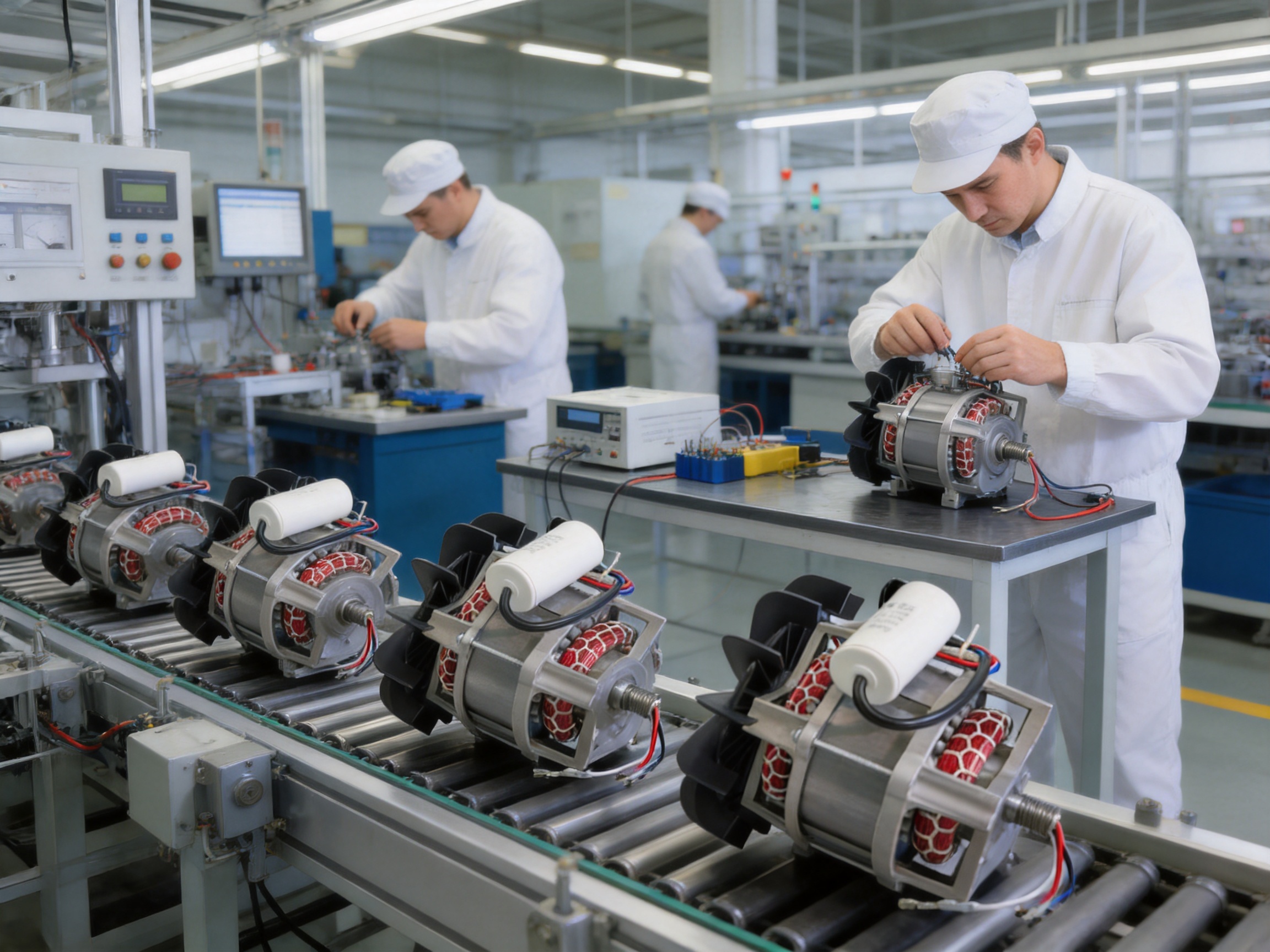
The company owns modern production facilities and advanced automated equipment. Automation can improve repeatability in processes such as component handling, winding, assembly and inspection. When supported by appropriate process controls, automated equipment helps reduce variation between production batches and supports stable product quality.
A professional research and development team provides additional technical strength. Motor applications differ widely in terms of load, installation space, duty cycle, voltage and environmental conditions. An experienced technical team can help evaluate these requirements and develop suitable product configurations or customized solutions.
The company has also been recognized as a provincial-level technology enterprise. This recognition reflects an emphasis on technical development and innovation. For customers purchasing motors for equipment manufacturing, technical capability is important because product support may involve more than supplying a standard component. It may include application consultation, specification confirmation and cooperation during equipment development.
Quality Control and Process Consistency
Quality control is essential for motors used in construction equipment. A mixer motor may experience repeated starts, changing loads, vibration and exposure to dust. Consistent manufacturing helps reduce the likelihood of premature failures caused by assembly variation or component defects.
A robust quality system should address incoming materials, process control and final product evaluation. Materials used in windings, insulation systems, bearings, housings and electrical connections need to conform to the required specifications. Production operations should be performed according to documented procedures, with attention to critical dimensions and assembly conditions.
Winding quality is particularly important because the stator winding influences the motor’s electrical performance and heat generation. Proper winding arrangement, secure connections and suitable insulation contribute to dependable operation. The capacitor and related electrical connections must also be compatible with the motor’s intended operating characteristics.
Mechanical accuracy is equally important. The rotor, shaft, bearings and housing must work together with appropriate alignment. Excessive imbalance or misalignment can increase vibration and noise, place extra stress on bearings and reduce the efficiency of power transmission to the mixer.
Final inspection and testing provide an opportunity to identify problems before shipment. Depending on the manufacturer’s procedures and the product specification, testing may include electrical checks, insulation checks, no-load operation, current measurement, noise evaluation, vibration observation and visual inspection. Consistent testing supports better product reliability and gives customers greater confidence in the motor’s suitability.
Jiangxin Motor emphasizes strict quality control systems, reliable products and energy-efficient motor solutions. These manufacturing strengths support the YY71-2 as a practical component for customers who need repeatable quality rather than an unverified general-purpose replacement.
Research and Development Support
Research and development is important when motor performance must be matched to a specific machine. A cement mixer is a system that includes a drum, gearbox or belt transmission, frame, controls and electrical protection. The motor must work effectively with all of these elements.
An R&D team can help analyze the relationship between motor output and mixer capacity. It can also support decisions regarding mounting, shaft configuration, cooling, duty cycle and electrical connections. This kind of cooperation helps reduce the risk of selecting a motor based only on a superficial comparison of voltage and wattage.
Customized motor development may be useful for equipment manufacturers with special requirements. For example, a customer may need a particular mounting arrangement, shaft extension, wiring configuration or housing adaptation. The feasibility of customization depends on engineering review, production quantity and technical specifications, but a manufacturer with dedicated R&D resources is better positioned to evaluate such requests.
Technical development also supports continuous improvement. Feedback from international customers and different application environments can help identify opportunities to improve efficiency, durability, assembly convenience or product compatibility. This process is especially valuable for motors used in global markets where operating conditions and equipment designs may vary.
Global Supply and Customer Service
Jiangxin Motor’s products are exported to more than 60 countries and regions worldwide. International experience can provide valuable insight into different customer expectations, electrical standards, packaging needs and application conditions. It also indicates that the company has developed experience in supporting customers beyond its domestic market.
For importers and equipment manufacturers, a reliable supplier must be able to communicate clearly about specifications, production arrangements and delivery requirements. Product information should be confirmed before an order is placed, including voltage, output, motor type, mounting details, shaft dimensions, capacitor requirements and packaging.
Customer-oriented service is another stated strength of the company. Professional service can help buyers select an appropriate motor, clarify technical questions and identify whether a standard product meets their needs. For replacement buyers, sharing photographs, nameplate information and mechanical measurements can make the specification process more efficient.
Stable supply is also relevant to businesses that manufacture or distribute mini cement mixers. Maintaining access to replacement motors helps reduce equipment downtime and supports after-sales service. A supplier with production facilities, automated equipment and an established export base may be better prepared to support recurring orders than a short-term trading source.
Installation Considerations
Correct installation is essential for safe and reliable motor operation. Before installing the YY71-2, the user should confirm that the motor’s voltage and power rating match the mixer’s electrical and mechanical requirements. The motor should not be connected to a supply that does not correspond to its rated voltage.
The mounting arrangement must be checked carefully. The mounting holes, center height, shaft diameter, shaft length and transmission connection should match the mixer. If the motor drives the drum through a belt, the pulley alignment and belt tension should be adjusted correctly. If a gear or chain transmission is used, the coupling should be aligned according to the equipment manufacturer’s instructions.
Incorrect alignment can cause additional radial or axial loads on the shaft and bearings. It may also produce excess vibration, noise and heat. A properly secured motor should not move relative to the frame during operation, and all fasteners should be tightened using appropriate procedures.
The electrical installation should be completed by qualified personnel. Wiring must be protected from abrasion, moisture, excessive heat and accidental contact. The equipment should include suitable overcurrent protection and an accessible disconnecting method. The capacitor must be the correct type and rating for the motor and should be installed in a protected location.
Ventilation should not be blocked. Although the motor is compact, it still needs to release heat generated during operation. Dust and construction debris should be prevented from accumulating around ventilation openings. Where the mixer operates in a particularly dusty environment, periodic cleaning and inspection are recommended.
Operating Practices for Longer Service Life
Good operating habits can significantly affect the service life of a mini cement mixer motor. The mixer should be loaded within its rated capacity and should not be forced to turn a drum filled with an excessive quantity of heavy material. If the drum becomes jammed, the power should be disconnected before attempting to clear the obstruction.
Users should observe the motor during operation. Unusual noise, strong vibration, burning odor, visible smoke, repeated tripping of protective devices or abnormal heating may indicate a problem. Continuing to operate the motor under these conditions can cause more serious damage.
Starting conditions should also be considered. Repeated rapid starts and stops can increase electrical and thermal stress. If the mixer is used intermittently, operators should allow the motor to stop fully before restarting it unless the equipment’s control system is specifically designed for another operating sequence.
Mechanical components such as belts, pulleys, gears, bearings and drum supports should be inspected regularly. A motor may appear to be underperforming when the actual problem is belt slippage, a misaligned pulley, a worn bearing or excessive resistance in the drum assembly. Maintaining the complete mixer helps the motor operate within a reasonable load range.
At the end of a project, the motor and mixer should be cleaned and stored in a dry, protected area. Cement and mortar residue can harden around moving components and increase resistance during the next operation. Proper storage also helps protect electrical connections and mechanical surfaces from corrosion.
Replacement and Equipment Integration
The YY71-2 can be considered for replacement applications where the original motor is a 230V, approximately 375W single-phase capacitor-run motor and the mechanical arrangement is compatible. Replacement should never be based on electrical rating alone. A successful replacement requires both electrical and mechanical matching.
Important comparison points include:
| Check Point | Reason for Verification |
|---|---|
| Rated voltage | Ensures compatibility with the available electrical supply |
| Rated power | Helps maintain the intended mixer performance |
| Motor type | Confirms compatibility with the single-phase system and capacitor arrangement |
| Mounting dimensions | Determines whether the motor can be secured to the existing frame |
| Shaft size and length | Ensures proper connection to the pulley, gear or coupling |
| Rotation direction | Confirms that the mixer mechanism will operate correctly |
| Capacitor specification | Supports correct starting and running performance |
| Duty cycle | Helps confirm suitability for the intended operating pattern |
If any of these points are uncertain, the buyer should provide the supplier with the original motor nameplate, photographs, dimensional drawings and information about the mixer. This allows the technical team to evaluate compatibility before shipment.
Value for Equipment Manufacturers
For manufacturers of mini cement mixers, the motor is a key component that affects product size, weight, operating cost, serviceability and market positioning. The YY71-2 provides a focused motor platform for equipment intended for small construction and portable applications.
The 230V single-phase specification supports the development of equipment for markets with common single-phase supplies. The 375W rating helps manufacturers create a compact system without automatically selecting a larger motor than necessary. The small and lightweight design can contribute to a more portable final product.
A manufacturer also benefits from a motor supplier with production and engineering capabilities. Standardized product supply can support repeat manufacturing, while R&D cooperation may assist with special equipment configurations. Automated production and quality control can contribute to consistent motor availability for ongoing assembly programs.
After-sales support is another consideration. Mini mixers are often sold through distributors and used by customers who expect replacement parts to remain available. A stable source for the motor can help manufacturers and dealers respond more effectively to warranty service and repair requirements.
Value for Distributors and Wholesalers
Distributors and wholesalers need products that address clear market requirements. The YY71-2 fits a recognizable application category: compact, portable cement and concrete mixers operating from a 230V supply. Its defined power rating and motor type make it easier to present to customers seeking a replacement or an original equipment component.
The product’s broad regional voltage compatibility can support sales in multiple markets, subject to local regulations and equipment requirements. Its compact application range also makes it relevant to construction tool retailers, machinery dealers, equipment rental companies and maintenance suppliers.
Distributors should provide accurate product information and avoid presenting the motor as suitable for every type of mixer. Clear communication about the 375W output, 230V supply and intended mini mixer application helps customers select the correct product and reduces the possibility of mismatched orders.
Stocking a practical replacement motor can create additional value for customers who already own portable mixers. A failed motor can stop a small construction project, even when the rest of the machine remains serviceable. Ready access to a suitable replacement can reduce downtime and extend the useful life of the equipment.
Safety and Responsible Use
Electrical motors should be installed and serviced by qualified personnel. Before inspection, cleaning or mechanical adjustment, the equipment should be disconnected from the power supply. Operators should follow the safety instructions provided with the complete mixer and comply with applicable local electrical and workplace requirements.
The motor should be used only within its intended voltage, power and duty conditions. Protective devices should be selected appropriately for the motor and the complete machine. Exposed wiring, damaged insulation, loose terminals and unsuitable extension cables should be corrected before operation.
Construction environments can contain water, cement dust, aggregate particles and other materials that may affect electrical equipment. The mixer should be positioned to reduce exposure to water and should not be operated in conditions beyond the motor’s specified protection capability. Any required enclosure, grounding and protective measures should be incorporated into the equipment design.
Safety is also connected to mechanical condition. Guards should be installed around belts, pulleys, gears and other moving parts. Operators should keep hands, clothing and tools away from rotating components. The motor should never be used as a substitute for a complete machine safety system.
Why the YY71-2 Is a Practical Choice
The YY71-2 brings together several characteristics that are valuable in the mini cement mixer market. Its 375W output is suitable for compact equipment, while its 230V rating supports operation from common single-phase power supplies. The capacitor-run asynchronous design is practical, familiar and appropriate for many portable machines.
Its small body and light weight support easier handling and compact equipment construction. The motor’s moderate power demand can help control energy use and reduce the need for oversized electrical infrastructure. Its intended application in mini cement mixers gives buyers a clearer basis for selection than a completely generic motor.
Behind the product is a manufacturer with experience in AC/DC motors and micro motors, modern production facilities, automated equipment, professional R&D resources and international export experience. These capabilities support both standard product supply and potential technical cooperation for customized requirements.
Compared with an oversized industrial motor, the YY71-2 can offer a better balance of size, weight and application-specific performance for small mixers. Compared with an unverified low-cost alternative, manufacturing process control and technical support can provide greater confidence in consistency and serviceability. The most important consideration is correct application matching, and the YY71-2 is designed to make that process straightforward for the compact mixer segment.
Frequently Asked Questions
What is the YY71-2 motor used for?
The YY71-2 is primarily used for mini cement mixers, portable concrete mixers and similar small construction tools. It is designed for equipment that requires a compact single-phase motor with a 375W power rating.
What voltage does the motor require?
The motor is rated for 230V operation. Buyers should confirm that the available power supply and the complete mixer’s electrical system are compatible with this rating before installation.
Is the YY71-2 a three-phase motor?
No. The YY71-2 is a single-phase capacitor-run asynchronous motor. This makes it suitable for many locations where standard single-phase electricity is available but three-phase power is not.
Is 375W enough for every cement mixer?
No. The motor is intended for mini and portable cement mixers, not every mixer on the market. The appropriate power depends on drum size, material capacity, transmission design, duty cycle and starting load. Users should confirm the mixer’s requirements before selecting the motor.
Can the YY71-2 replace another motor with the same voltage?
Voltage is only one part of replacement compatibility. The buyer should also compare power, motor type, mounting dimensions, shaft size, shaft length, rotation direction, capacitor requirements and duty cycle. Technical information from the original motor and mixer should be reviewed before purchase.
What are the main benefits of the compact design?
The compact design can help reduce the size and weight of the complete mixer. It may also make the equipment easier to carry, store, install and service, especially in residential construction, renovation and other locations with limited space.
Why is a capacitor-run design suitable for mini mixers?
A capacitor-run motor is suitable for many single-phase applications because the capacitor supports the motor’s operating magnetic field. The design provides a practical combination of stable operation, straightforward construction and compatibility with ordinary single-phase power supplies.
How can users extend the motor’s service life?
Users should avoid overloading the mixer, maintain proper belt or coupling alignment, keep ventilation areas clean, protect the motor from excessive moisture and dust, inspect the equipment regularly and stop operation if unusual noise, vibration, odor or heating occurs.
Does the manufacturer provide customized motor solutions?
The manufacturer has professional R&D resources and produces AC/DC motors and micro motors, which supports technical evaluation and potential customization. Specific customization possibilities depend on the required dimensions, electrical parameters, order quantity and engineering assessment.
What information should be provided when requesting a replacement?
Useful information includes the original motor model, voltage, power, photographs of the nameplate, mounting measurements, shaft dimensions, capacitor information, mixer model and details about the intended operating conditions. Providing complete information helps the supplier evaluate compatibility more accurately.
Is the motor suitable for large industrial concrete mixers?
The YY71-2 is designed for mini cement mixers and portable concrete mixers. Large industrial mixers generally require higher power, different mechanical arrangements and different duty ratings. Such equipment should be evaluated separately by a qualified engineer.
Why should buyers consider the manufacturer’s production capabilities?
Motor reliability depends on consistent materials, winding, assembly, inspection and testing. Modern facilities, automated equipment, quality systems and an experienced R&D team can support more consistent production and better technical assistance than an unverified source.
Conclusion
The YY71-2 230V 375W Mini Cement Mixer Motor is a focused solution for compact mixing equipment. Its single-phase capacitor-run asynchronous design supports practical operation from common 230V power supplies, while its moderate power rating helps balance mixing capability, energy demand and equipment size.
The motor’s compact and lightweight structure is particularly valuable for portable concrete mixers used in renovation, landscaping, residential construction, agricultural maintenance and small construction projects. Compared with oversized alternatives, it can provide a more proportionate solution for machines that do not require high industrial power.
Product value is reinforced by the manufacturer’s experience in AC/DC motors and micro motors, modern production facilities, automated equipment, professional R&D resources, strict quality control and international export capability. These strengths support dependable standard production as well as technical cooperation for appropriate customized applications.
For the best results, buyers should confirm all electrical and mechanical requirements before installation. When correctly matched to the mixer and operated within its intended conditions, the YY71-2 offers a practical combination of compact power, convenient handling, broad 230V compatibility and dependable support for mini cement mixer applications.
References
1. Product specification information for the YY71-2 230V 375W Mini Cement Mixer Motor.
2. Manufacturer-provided company profile and product application information for AC/DC motors and micro motors.
3. General principles of single-phase capacitor-run asynchronous motor operation.
4. General guidance on electric motor installation, alignment, overload protection and preventive maintenance.
5. General equipment design considerations for portable concrete mixers and small construction machinery.
Product: YY71-2 230V 375W Mini Cement Mixer Motor
 Ready To Customise
 Your Motor Products?

We are professional motor manufacturers, delivering powerful, stable, and efficient power cores for all industries through precision craftsmanship and innovation.
Contact Us
-
 Mobile:+86 13575536911
-
 Tel:+86 18357538240
-
 Whatsapp:+8618357538240
-
 Email:betty@dbjxmotor.com
-
 Company Address
Copyright © by Shengzhou Jiangxin Motor Technology Co., Ltd. All Rights Reserved.
Wholesale Industrial Fan Motors Manufacturers
