

 English
 русский
 Español
 عربى
عربى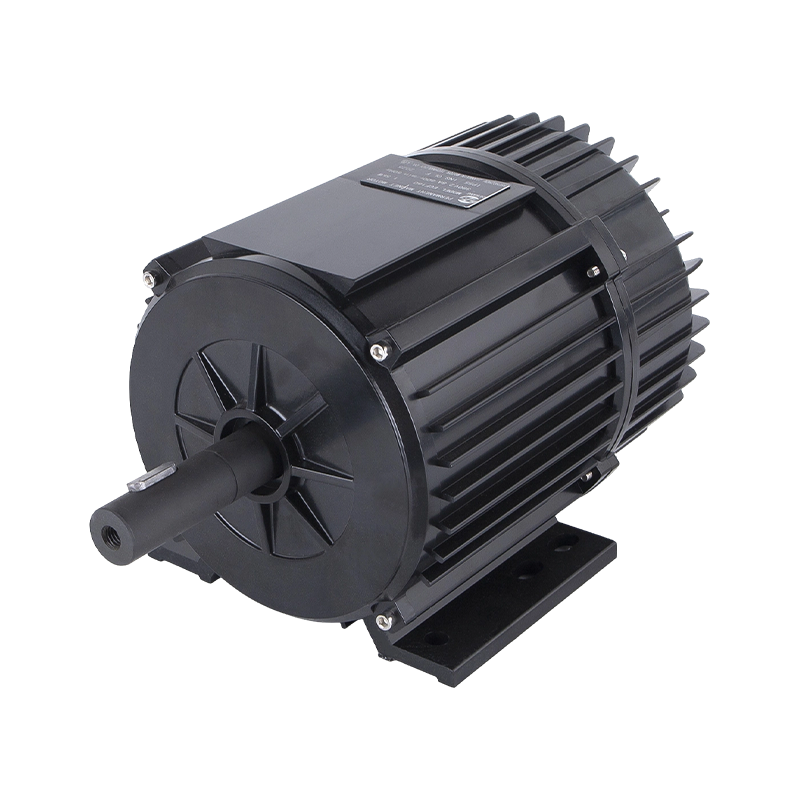
No. 8, Duxiu San Road, Ganlin Town, Shengzhou City, Shaoxing City, Zhejiang Province, China

News Category
Product Category
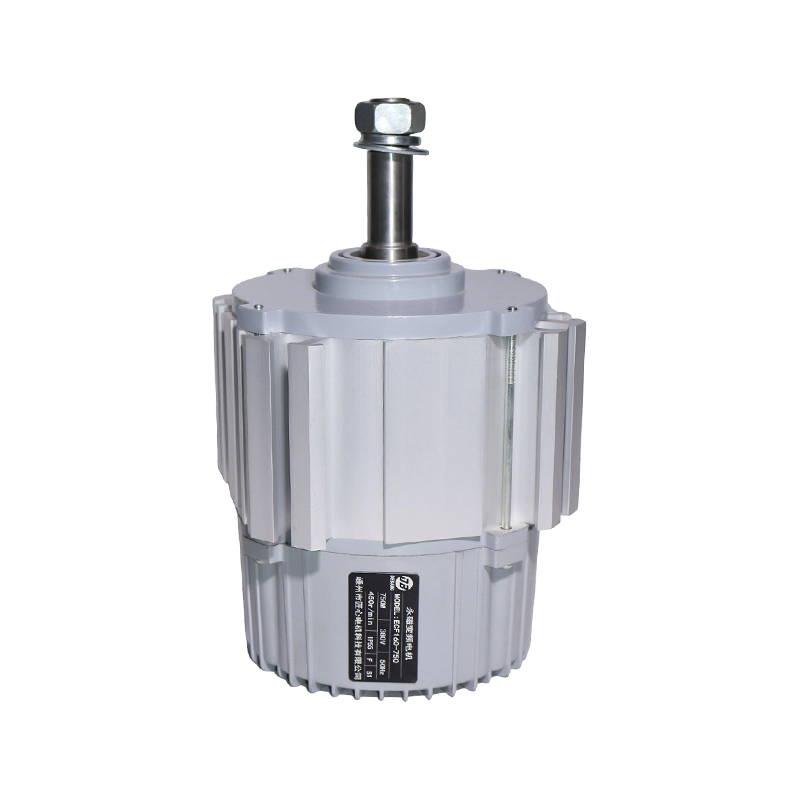
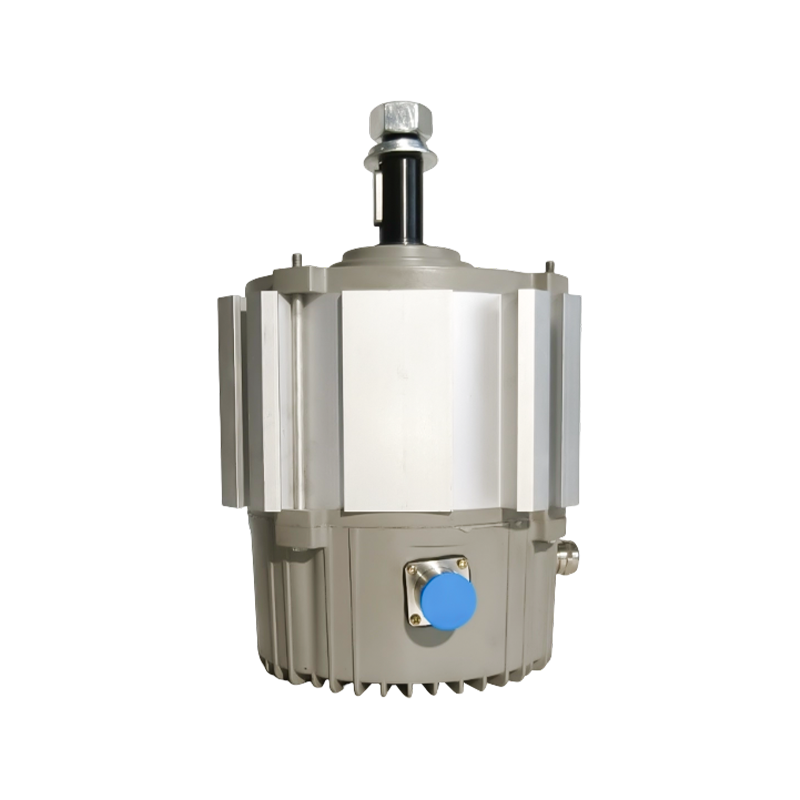
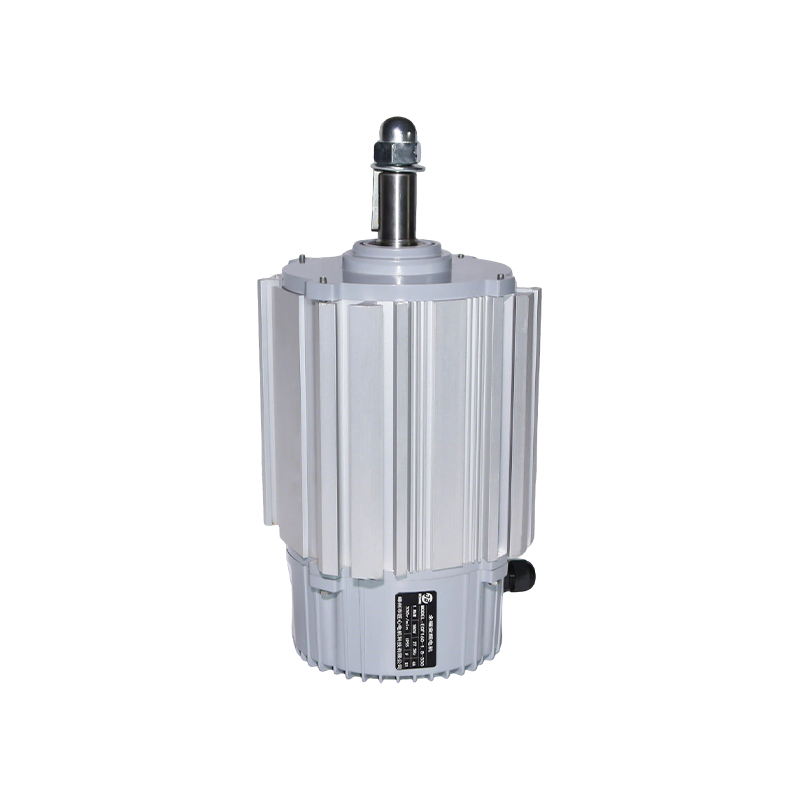
ECF160 380V 1500W EC Fan Motor: High-Efficiency Power for Evaporative Air Cooler Systems
Content
- 1 1. Product Overview
- 2 2. Why EC Motor Technology Is Important for Air Coolers
- 3 3. Main Product Advantages
- 4 4. Advantages Compared with Conventional Motor Solutions
- 5 5. Application in Evaporative Air Cooler Systems
- 6 6. Manufacturing Strengths and Engineering Capability
- 7 7. Reliability, Service Life, and Maintenance Considerations
- 8 8. Integration and Installation Guidance
- 9 9. Total Cost of Ownership
- 10 10. Supplier and Customization Strengths
- 11 11. Environmental and Energy-Saving Value
- 12 12. Product Selection Checklist
- 13 13. Frequently Asked Questions
- 13.1 Q1: What is the ECF160 motor designed for?
- 13.2 Q2: What are the main electrical specifications?
- 13.3 Q3: What does EC mean in an EC fan motor?
- 13.4 Q4: How efficient is the ECF160?
- 13.5 Q5: Can the motor save more energy than a conventional AC motor?
- 13.6 Q6: Is the motor suitable for variable-speed air coolers?
- 13.7 Q7: Does the brushless structure eliminate all maintenance?
- 13.8 Q8: How long can the motor operate?
- 13.9 Q9: Is the ECF160 quiet?
- 13.10 Q10: What should be checked before ordering?
- 13.11 Q11: Can the manufacturer provide customized motors?
- 13.12 Q12: Why should buyers consider total cost of ownership?
- 14 14. Conclusion
- 15 References
- 16 Product: ECF160 380V 1500W EC Fan Motor
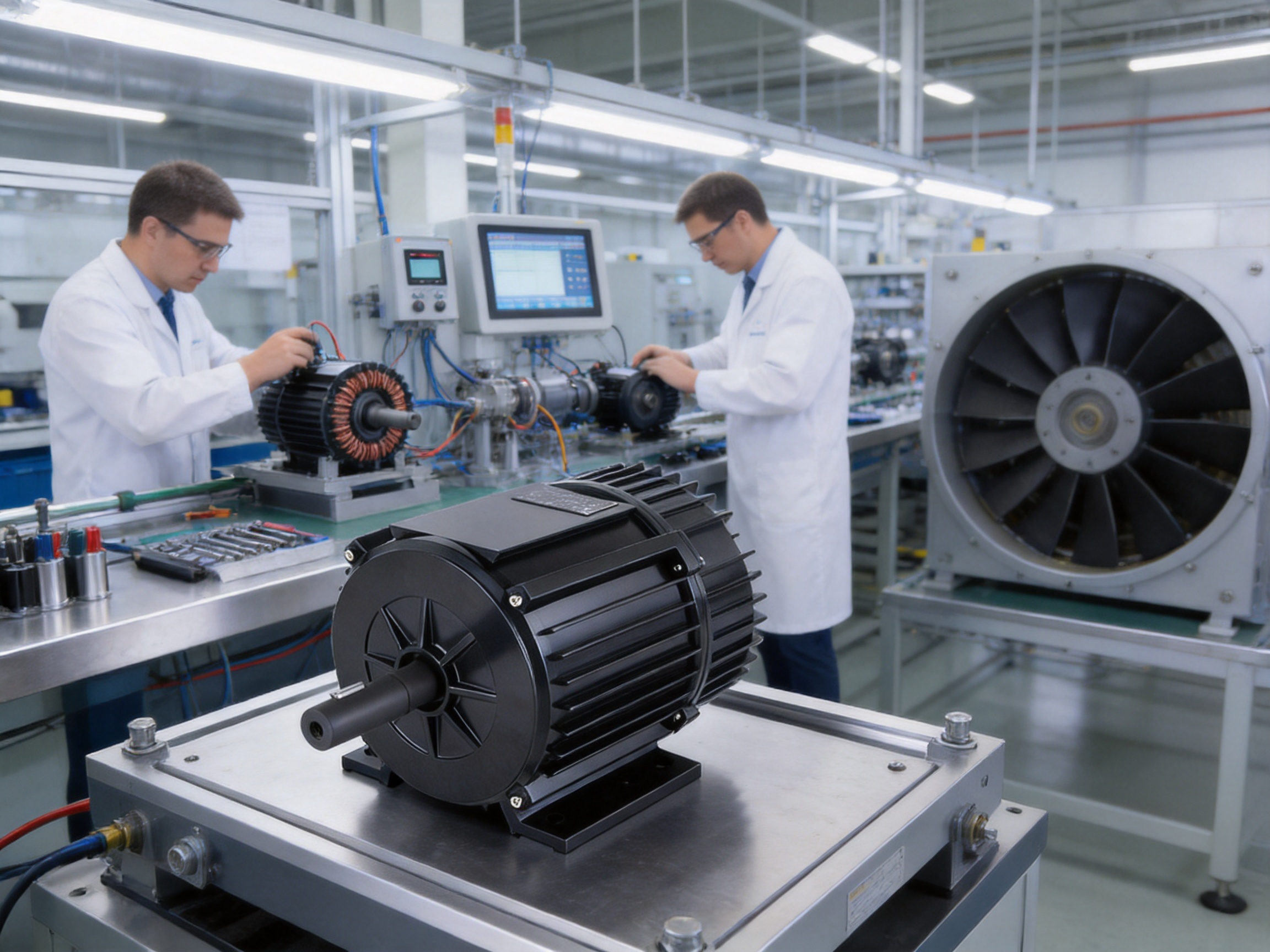
The ECF160 380V 1500W EC Fan Motor is an electronically commutated motor designed to provide efficient, quiet, reliable, and long-lasting operation for evaporative air cooler systems. Combining high output power with intelligent electronic commutation, the motor is suited to applications that require stable airflow, reduced energy consumption, low operating noise, and dependable continuous service. Its 380V electrical specification and 1500W rated power make it a practical solution for industrial, commercial, and large-capacity air-cooling equipment.
Unlike conventional AC fan motors, the ECF160 uses a brushless motor structure and electronic control technology. This design reduces mechanical friction, improves speed control, supports efficient partial-load operation, and minimizes the maintenance requirements associated with brushes and commutators. With a claimed efficiency range of up to 85%–95% across operating speeds, the motor can help equipment operators lower electricity consumption while maintaining the airflow performance needed for effective evaporative cooling.
The motor is manufactured by Shengzhou Jiangxin Motor Technology Co., Ltd., a professional AC/DC motor and micro motor manufacturer established in 2017. The company combines product development, automated production, quality control, and customer-oriented technical service to supply motors for air-cooling, industrial heating, hydraulic, environmental protection, and other equipment applications. Its products are exported to more than 60 countries and regions, providing international customers with access to customized and application-focused motor solutions.
1. Product Overview
The ECF160 is an EC fan motor developed for evaporative air cooler applications. Evaporative coolers depend on fans to move a large volume of air through wetted cooling media. The fan motor must therefore provide stable torque, consistent rotation, and reliable operation under changing airflow resistance. At the same time, the motor should consume as little energy as possible because air coolers may operate for many hours each day during warm seasons.
The ECF160 addresses these requirements through an electronically commutated brushless design. Electronic commutation replaces the mechanical brush-and-commutator system used in many traditional motors. Instead of relying on physical contact to switch current between windings, the motor uses electronic control to manage the magnetic field and maintain rotor movement. This arrangement supports efficient operation, reduces wear, and provides a suitable platform for modern fan systems.
| Item | Specification or Feature |
|---|---|
| Product model | ECF160 |
| Product type | EC fan motor |
| Primary application | Evaporative air cooler |
| Rated voltage | 380V |
| Rated power | 1500W |
| Motor structure | Brushless electronically commutated design |
| Efficiency claim | Up to 85%–95% across operating speeds |
| Expected service life | Approximately 30,000–50,000 hours, depending on operating conditions |
| Maintenance profile | Brush-free and designed for reduced maintenance |
| Manufacturer | Shengzhou Jiangxin Motor Technology Co., Ltd. |
The 380V/1500W configuration is intended for systems requiring substantial fan power and dependable performance. It can be integrated into appropriate three-phase equipment designs, subject to the electrical, mechanical, and control requirements of the complete air cooler. Before installation, equipment manufacturers and users should confirm voltage compatibility, rated current, control method, mounting dimensions, rotation direction, environmental conditions, and protection requirements.
2. Why EC Motor Technology Is Important for Air Coolers
Evaporative air coolers are often used in workshops, warehouses, factories, agricultural facilities, commercial buildings, and other areas where a high volume of air movement is required. In these environments, the fan motor may run for extended periods. Even a moderate difference in motor efficiency can therefore produce a significant difference in annual energy consumption.
An EC motor combines the electromagnetic advantages of a permanent-magnet or brushless motor with an electronic control system. The controller regulates the current delivered to the windings in coordination with rotor position. This allows the motor to operate efficiently over a broad speed range and avoids many of the losses associated with traditional motor designs.
Conventional AC motors can be effective and economical in basic applications, but they may experience reduced efficiency when operating far below their rated load. If airflow requirements vary during the day, a fixed-speed motor may also require mechanical dampers or other methods to reduce air output. These methods can waste energy because the motor may continue consuming significant power even when the system needs less airflow.
The ECF160 is designed to support more efficient operation at different working speeds. When the air cooler does not require maximum airflow, electronic control can help the motor operate closer to the actual demand. This is particularly valuable in systems with variable environmental conditions, temperature-based control, occupancy changes, or multiple operating modes.
According to the supplied product information, the motor can achieve 85%–95% efficiency across operating speeds and may use 30%–70% less power than conventional AC motors, depending on the application and operating conditions. Actual energy savings depend on the fan, air cooler design, control strategy, duty cycle, load profile, installation quality, and local electricity costs. Nevertheless, the technology offers a strong foundation for reducing operating expenses in long-running ventilation and cooling equipment.
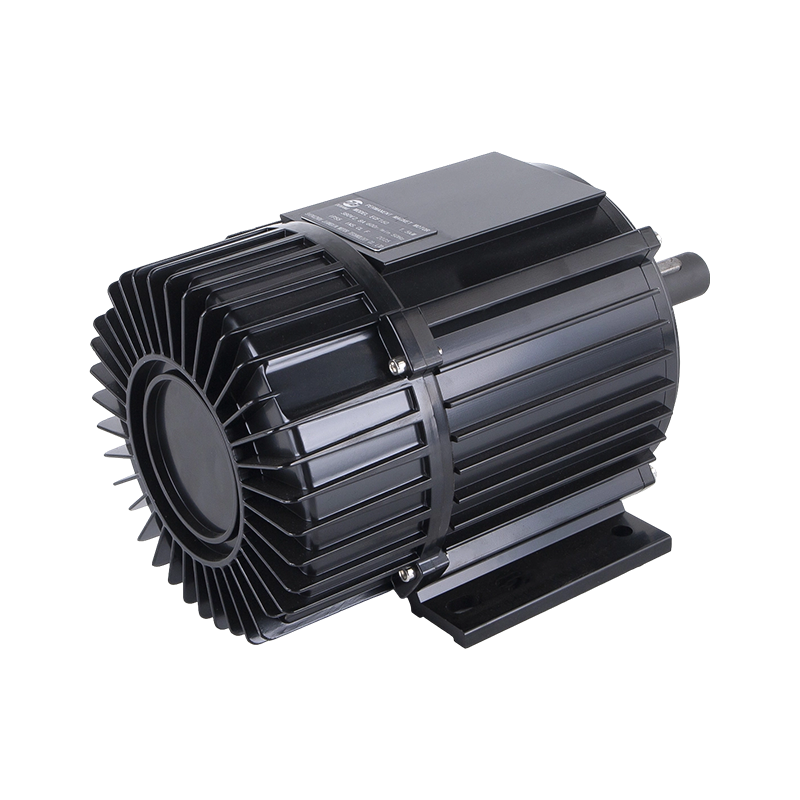
ECF160 380V 1500W EC Fan Motor
3. Main Product Advantages
3.1 High Efficiency and Energy Saving
The primary advantage of the ECF160 is its energy-efficient brushless EC architecture. Motor efficiency determines how much input electricity is converted into useful mechanical output. The remaining energy is converted into heat and other losses. By reducing electrical and mechanical losses, an efficient motor can deliver the required fan performance with lower input power.
The ECF160 is specified with an efficiency range of up to 85%–95% across operating speeds. This broad efficiency performance is important because air coolers do not always operate at maximum capacity. A motor that remains efficient during partial-load operation can provide greater practical savings than a motor optimized only for full-load use.
For industrial and commercial users, the energy-saving advantage can be considered from several perspectives. First, lower motor consumption can reduce direct electricity costs. Second, reduced heat generation may lower the thermal burden on surrounding components. Third, lower energy demand may support more efficient facility-level power management. Finally, equipment manufacturers can use energy performance as a selling point when developing modern, environmentally conscious cooling systems.
The reported potential power reduction of 30%–70% compared with conventional AC motors is application-dependent, but it illustrates the possible value of EC technology. The greatest benefit is often achieved in systems that operate for long periods, use variable airflow, or previously relied on inefficient speed-reduction methods.
3.2 Quiet Operation and Low Vibration
Noise is an important consideration for air-cooling equipment installed in production areas, commercial spaces, agricultural buildings, and occupied facilities. Fan noise can be influenced by blade design, air turbulence, mounting structure, bearing condition, and motor vibration. The ECF160 contributes to a quieter system through its brushless structure and carefully engineered rotor and winding arrangement.
Because the motor does not use mechanical brushes, it avoids brush contact noise and brush-related electrical interference. The absence of brush friction also reduces one source of mechanical vibration. Advanced rotor and winding engineering can further support smoother electromagnetic operation when the motor is correctly matched with its controller and fan assembly.
Low vibration is beneficial beyond acoustic comfort. Excessive vibration can loosen fasteners, increase bearing stress, accelerate fatigue in mounting brackets, and transfer unwanted movement into the air cooler frame. A motor designed for smooth rotation can help improve the overall durability and perceived quality of the finished equipment.
Actual sound pressure and vibration levels depend on the complete fan system. Fan blade balance, housing geometry, airflow resistance, installation alignment, structural stiffness, and operating speed all influence the final result. For this reason, the ECF160 should be evaluated as part of the complete air cooler assembly rather than considered in isolation.
3.3 Long Service Life
The product information indicates an expected service life of approximately 30,000–50,000 hours under suitable operating conditions. This long-life potential is supported by the brushless construction and high-performance bearings. Since there are no brushes to wear down, one common replacement requirement found in brushed motors is eliminated.
Long service life is especially valuable in equipment installed in difficult-to-access locations. An evaporative air cooler may be mounted on a roof, positioned in a large workshop, or integrated into a production ventilation system. Reducing the frequency of motor replacement can lower labor costs, minimize downtime, and simplify maintenance planning.
Bearing life depends on load, speed, temperature, lubrication, alignment, contamination, and installation conditions. Operators should keep the motor and air cooler free from excessive dust, water penetration, corrosive chemicals, and abnormal mechanical loads. Proper fan balancing and correct belt or coupling arrangements, where applicable, can also help protect the motor bearings.
3.4 Maintenance-Free Brushless Structure
The ECF160 is designed to reduce routine maintenance through its brush-free construction. In a brushed motor, brushes gradually wear during operation and may generate dust, electrical arcing, and contact losses. Brushes eventually require inspection and replacement. An electronically commutated brushless motor avoids these specific maintenance tasks.
Reduced maintenance does not mean that the entire cooling system requires no inspection. The air cooler should still be checked for blocked filters, mineral deposits, water-system problems, fan contamination, loose fasteners, electrical connection issues, and abnormal vibration. However, removing brush replacement from the maintenance schedule can make the motor a more convenient choice for long-term equipment operation.
3.5 Stable Performance for High-Capacity Cooling
With a rated power of 1500W, the ECF160 is designed for air-cooling equipment that needs more than a small ventilation motor can provide. Its power class makes it suitable for larger fans and higher-capacity evaporative cooler systems, provided the motor is correctly matched to the fan load and control system.
Stable fan rotation is essential for maintaining consistent air delivery. If the motor struggles under load, the fan may lose speed, airflow may decline, and electrical or thermal stress may increase. A correctly selected 1500W EC motor can provide a strong operating margin for equipment designers while supporting efficient regulation during lower-demand conditions.
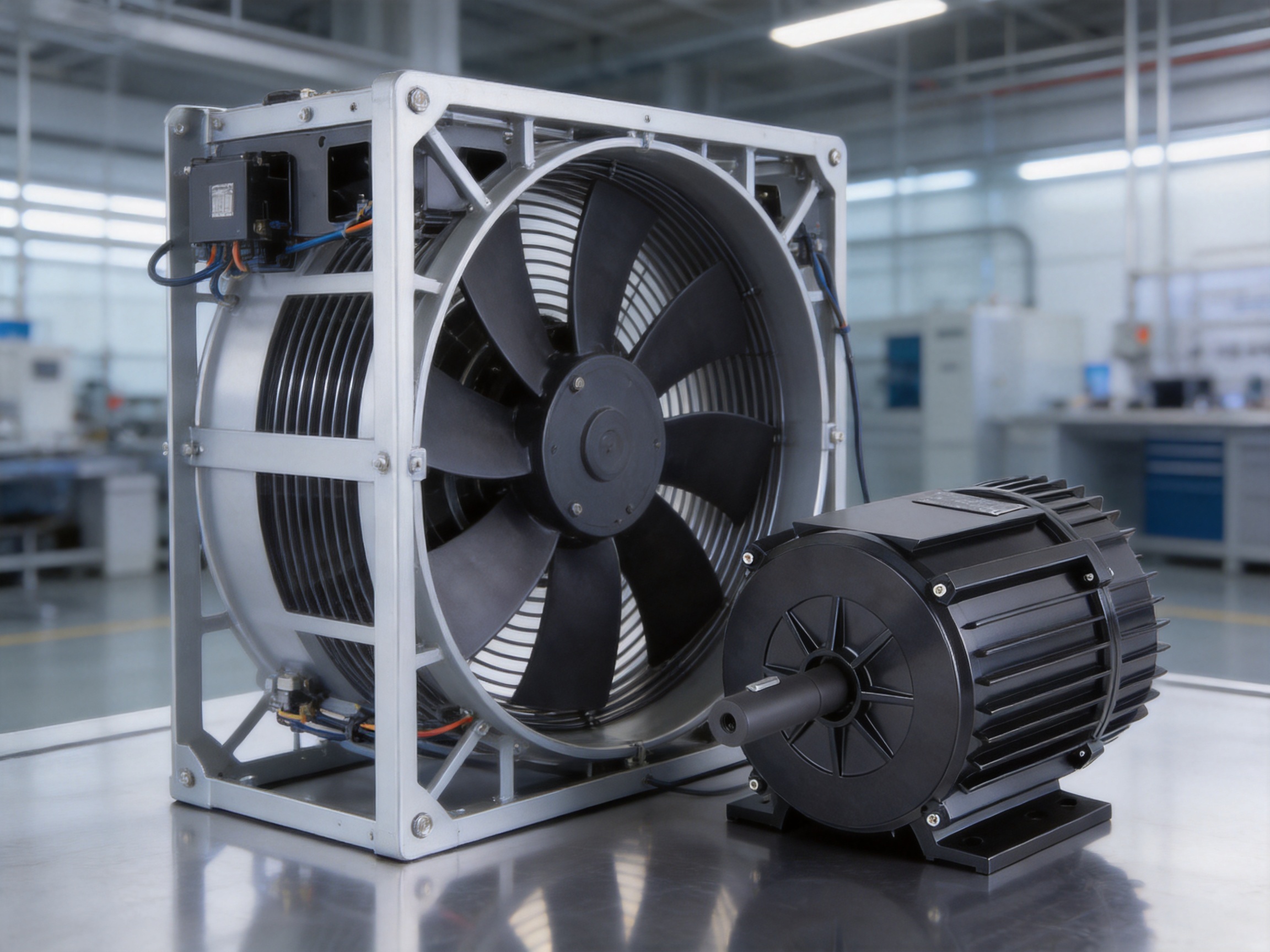
4. Advantages Compared with Conventional Motor Solutions
Product selection should always be based on the needs of the complete application, but EC technology provides several important advantages over conventional fixed-speed AC motors and many brushed motor alternatives.
| Comparison Point | ECF160 EC Fan Motor | Traditional Fixed-Speed AC Motor |
|---|---|---|
| Commutation method | Electronic commutation | Electromagnetic AC operation, often with fixed-speed characteristics |
| Brush maintenance | No mechanical brushes | Depends on motor type; brushed alternatives require brush service |
| Partial-load efficiency | Designed for efficient variable-speed operation | May become less efficient away from rated conditions |
| Speed control | Compatible with electronic control strategies | May require additional control equipment |
| Operating noise | Brushless design supports low-noise operation | Noise depends on motor construction and control method |
| Maintenance demand | Reduced brush-related maintenance | May require more frequent service depending on design |
| Energy-saving potential | High, particularly in long-duty or variable-load applications | Often more limited without additional control systems |
Compared with a fixed-speed motor controlled by throttling or mechanical airflow restriction, an EC motor can adjust motor output more directly. This can reduce the energy wasted when airflow is reduced. Instead of producing maximum mechanical output and then restricting the air, the motor can be controlled to produce a more appropriate operating level.
Compared with brushed motors, the ECF160 eliminates brush wear and associated maintenance. This can be an important advantage in dusty or continuously operating environments. Although all motor technologies require proper application and protection, a brushless construction generally provides a cleaner and more durable operating platform.
Compared with low-cost motors that focus only on initial purchase price, the ECF160 should be evaluated through total cost of ownership. Purchase price is only one part of the financial calculation. Electricity consumption, maintenance, service interruptions, replacement labor, spare parts, and equipment life can have a greater effect over several years of operation.
5. Application in Evaporative Air Cooler Systems
Evaporative air coolers use water evaporation to reduce air temperature. A fan draws or pushes air through wetted cooling media, and the resulting cooled air is distributed into the target space. The fan motor is one of the most important components because it determines the movement of air through the system.
The ECF160 can support several types of evaporative cooling equipment, including industrial air coolers, workshop cooling units, large commercial systems, agricultural ventilation equipment, and other air-moving machines that require a 380V, 1500W EC motor. The final suitability depends on the fan curve, static pressure, airflow volume, operating speed, mounting structure, and controller compatibility.
For industrial buildings, the motor can help provide high-volume ventilation while reducing the electrical cost associated with long operating periods. In warehouses and logistics facilities, it can support air circulation in areas where conventional air conditioning may be too expensive or impractical. In agricultural applications, the motor may be used in systems that require consistent ventilation and cooling for livestock, plants, or working areas.
In commercial or public environments, low noise and reduced vibration can improve comfort. In facilities with multiple air coolers, the energy-saving effect can become more significant because the total motor load is multiplied across the installation.
Designers should consider whether the air cooler requires constant-speed or variable-speed operation. EC motor technology is especially useful when the system includes temperature sensors, humidity controls, scheduled operation, or automatic airflow adjustment. A suitable control system can coordinate the motor with the cooling demand, helping avoid unnecessary full-power operation.
Recommended Application Evaluation
Before selecting the ECF160 for a specific machine, engineers should review the following factors:
1. Electrical supply: Confirm that the equipment provides a compatible 380V supply and that the power distribution system is correctly protected.
2. Fan load: Match the motor output and speed range with the required fan curve, airflow, and static pressure.
3. Control compatibility: Confirm the required control signal, controller type, communication method, and speed-adjustment range.
4. Mechanical installation: Check mounting dimensions, shaft or rotor arrangement, rotation direction, clearances, and structural strength.
5. Environmental conditions: Evaluate ambient temperature, humidity, dust, water exposure, corrosive substances, and altitude.
6. Operating schedule: Estimate daily and annual running hours to determine the potential value of energy savings.
7. Service requirements: Establish inspection intervals for bearings, electrical connections, fan balance, cooling passages, and surrounding components.
6. Manufacturing Strengths and Engineering Capability
The performance of a motor depends not only on its design but also on how consistently it is manufactured. Shengzhou Jiangxin Motor Technology Co., Ltd. focuses on the research, development, production, and sales of AC/DC motors and micro motors. Established in 2017, the company has developed its manufacturing capabilities around reliable, energy-efficient, and long-lasting motor products.
The company operates in Shengzhou, Zhejiang Province, within the Yangtze River Delta industrial region. This location offers access to manufacturing resources, component suppliers, technical talent, logistics networks, and established industrial infrastructure. Such support can help a motor manufacturer maintain a stable supply chain and respond efficiently to customer requirements.
The company owns modern production facilities and advanced automated equipment. Automation is valuable in motor manufacturing because consistent winding, assembly, balancing, testing, and inspection directly affect product reliability. Automated processes can reduce variation between units, improve repeatability, and support higher production efficiency when compared with heavily manual operations.
A professional research and development team provides another important strength. Motor applications vary widely, and a successful product must often be adapted to a specific fan, controller, enclosure, or operating environment. Engineering support can help customers evaluate power, speed, torque, thermal performance, electrical integration, and mechanical compatibility.
The company has also been recognized as a provincial-level technology enterprise. This recognition reflects its focus on technical development and industrial innovation. While certification or recognition should not replace application testing, it indicates that the manufacturer has invested in engineering capability and technology-oriented production.
6.1 Product Development Process
A strong motor development process begins with understanding the intended application. For an EC fan motor, engineers need to know the required airflow, static pressure, speed range, power input, operating environment, installation method, and expected service life. These requirements guide the selection of electromagnetic parameters, winding design, rotor structure, bearings, housing, and control electronics.
During development, design verification may include electrical performance testing, temperature-rise evaluation, noise and vibration assessment, endurance testing, startup testing, and load testing. The exact test program depends on the product configuration and customer requirements. Repeated evaluation helps identify potential weaknesses before the product enters regular production.
For the ECF160, the intended focus is evaporative air cooler operation. This means the motor should be considered in relation to airflow resistance, continuous or intermittent duty, moisture exposure, fan balance, and the thermal conditions surrounding the cooler. Application-specific testing is important because a motor can perform differently when installed in different fan housings or under different load conditions.
6.2 Automated Production and Process Control
Motor production includes multiple processes that must work together accurately. Typical operations may include material preparation, stator assembly, winding, insulation treatment, rotor assembly, bearing installation, electrical connection, mechanical assembly, balancing, and final testing. Advanced automated equipment can improve repeatability in these operations.
Winding consistency is particularly important because variations in wire placement, tension, insulation, and connection quality can affect resistance, efficiency, temperature rise, and service life. Automated or semi-automated winding equipment can support controlled production parameters and reduce the risk of inconsistent winding formation.
Rotor balance is also important for fan motors. An imbalanced rotor may create vibration, noise, bearing load, and mechanical fatigue. Production control that includes balance verification can help the finished motor operate more smoothly when connected to the fan assembly.
Assembly accuracy affects bearing alignment, air gaps, mechanical clearances, and rotor movement. Careful process control helps ensure that the motor performs consistently from one production batch to the next. This is especially valuable for original equipment manufacturers that need stable assembly results across large quantities of air coolers.
6.3 Quality Control
Strict quality control is presented as a central part of the company’s manufacturing approach. Quality management should cover incoming materials, production operations, in-process inspection, finished motor testing, packaging, and traceability. The goal is to identify problems early and prevent nonconforming products from reaching customers.
For an EC fan motor, relevant quality checks may include winding resistance, insulation performance, electrical safety, operating current, rotational behavior, noise, vibration, temperature rise, startup response, and speed-control function. The appropriate tests should be defined according to the product design, applicable standards, customer specifications, and intended market.
Quality control is especially important for motors used in continuous-duty cooling systems. A motor failure can stop airflow, interrupt production, reduce workplace comfort, or damage other equipment if the failure causes abnormal operating conditions. Consistent inspection helps improve confidence in the complete air cooler system.
Customers evaluating the ECF160 may request technical documentation, test records, product drawings, control information, sample testing, and applicable compliance documents. A professional supplier should be able to discuss these requirements and clarify which documents are available for the intended market and application.
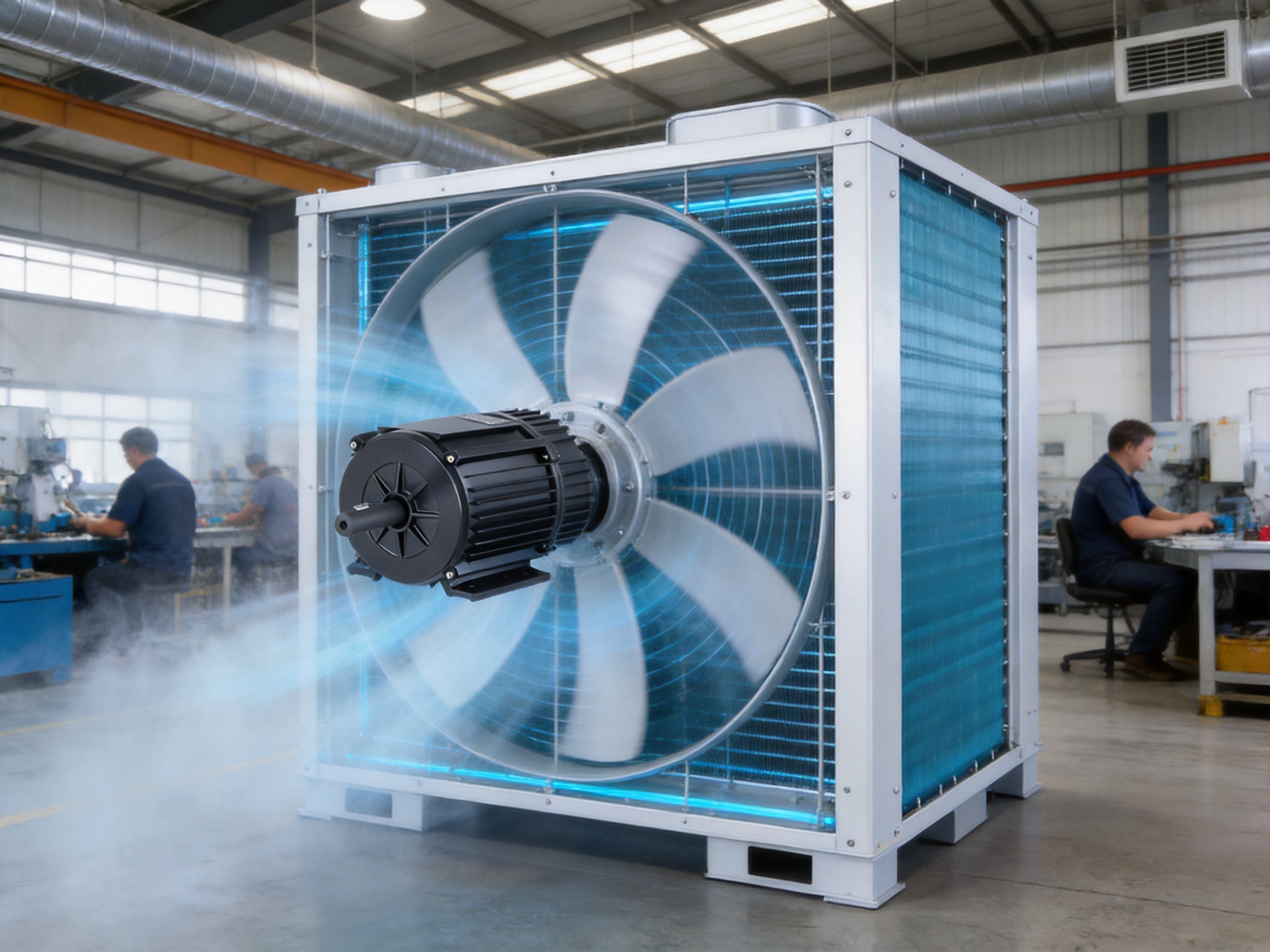
7. Reliability, Service Life, and Maintenance Considerations
The ECF160 is designed for long-term operation, but actual service life depends on how the motor is selected, installed, controlled, and maintained. A properly matched motor operating within its rated conditions generally has a better opportunity to achieve its expected service life than a motor that is overloaded, poorly ventilated, or exposed to unsuitable environmental conditions.
Correct fan selection is essential. If the fan requires more torque than the motor can deliver, the motor may draw excessive current and generate additional heat. If the fan is unbalanced, vibration can increase bearing stress. If the airflow path is blocked, the system may operate outside its intended performance range. These conditions can shorten the life of both the motor and the air cooler.
Environmental protection is also important. Evaporative cooling equipment naturally operates around water, moisture, and airflow. The motor should be installed in a way that prevents direct water entry and excessive condensation. Drainage, sealing, ventilation, and protective covers should be considered during equipment design.
Dust and mineral deposits may accumulate on the fan, motor housing, or cooling passages. Periodic cleaning can help preserve airflow and reduce thermal stress. Maintenance personnel should follow safe shutdown and electrical isolation procedures before inspecting the motor or air cooler.
Although the brushless design reduces maintenance, operators should monitor unusual noise, vibration, smell, temperature, starting behavior, current, and speed instability. Early detection of abnormal conditions can prevent more serious failures and reduce unplanned downtime.
8. Integration and Installation Guidance
Successful integration begins with confirming the electrical requirements. The product is identified as a 380V/1500W motor, so the equipment designer must ensure that the supply voltage, phase arrangement, frequency, protection devices, wiring, and controller are appropriate. Electrical installation should be performed by qualified personnel in accordance with applicable safety requirements.
The control arrangement must be confirmed before production or installation. EC motors may require a specific electronic controller or control input. The correct control architecture depends on the motor configuration and the air cooler design. Incorrect wiring, incompatible control signals, or unsuitable protection settings may prevent starting or cause damage.
Mechanical installation should maintain correct alignment and provide adequate support. The motor should not be subjected to unintended radial or axial loads beyond the design requirements. Fasteners should be properly tightened, and the mounting structure should be rigid enough to limit resonance and vibration.
Fan and motor matching should be verified through performance testing. Engineers should compare the fan curve with the motor’s available torque and speed range. Testing should be conducted under realistic airflow and pressure conditions rather than relying only on unloaded operation.
After installation, commissioning should include a visual inspection, insulation and connection checks, direction-of-rotation confirmation, controlled startup, operating-current measurement, vibration evaluation, and temperature observation. Any abnormal result should be investigated before the system is placed into continuous service.
9. Total Cost of Ownership
The purchase price of a motor is only one element of its economic value. A more useful evaluation considers the total cost of ownership over the expected operating period. This includes acquisition, installation, electricity, maintenance, spare parts, downtime, and eventual replacement.
The ECF160 may reduce operating costs through its high-efficiency design and partial-load performance. The potential savings are most meaningful when the motor operates for many hours, when electricity prices are significant, or when the equipment frequently operates below maximum airflow. Even a small percentage reduction in power consumption can become substantial when multiplied by several motors and several years of operation.
Reduced maintenance can provide another economic benefit. The brushless construction eliminates brush replacement, while the stated 30,000–50,000-hour service-life range may reduce the frequency of motor changes when the product is used under suitable conditions. Less maintenance can also lower labor costs and reduce disruption to facility operations.
Energy savings should be calculated using actual operating data whenever possible. A basic analysis can compare the conventional motor’s input power with the EC motor’s expected input power, then multiply the difference by annual operating hours and the local electricity rate. The calculation should also consider the effect of speed control, fan efficiency, cooling demand, and system-level losses.
10. Supplier and Customization Strengths
Shengzhou Jiangxin Motor Technology Co., Ltd. provides AC/DC motors, evaporative air cooler motors, industrial heater motors, oil pump motors, and customized motor solutions. This product range indicates experience across multiple application fields and supports customers that require more than a standard catalog product.
Customization may involve electrical specifications, power ratings, speed requirements, mounting arrangements, shaft or rotor dimensions, wiring, connectors, control interfaces, materials, packaging, or application-specific performance targets. Any customized design should be confirmed through technical discussion, drawings, samples, and validation testing.
A manufacturer with both production and research capabilities can support customers throughout the product development cycle. This may include initial motor selection, fan matching, prototype evaluation, sample production, performance testing, design adjustments, volume production, and after-sales technical communication.
International supply experience is also valuable. The company reports that its products are exported to more than 60 countries and regions. International customers often require clear documentation, consistent production quality, dependable packaging, delivery coordination, and communication across different technical and commercial environments.
The company’s stated customer-oriented approach is relevant for original equipment manufacturers and distributors seeking a long-term supply relationship. Stable product quality and responsive technical support can be as important as the initial product specification, particularly when the motor is integrated into a larger machine that must be produced repeatedly.
11. Environmental and Energy-Saving Value
Efficient motor technology can contribute to lower energy consumption and reduced indirect environmental impact. When a motor uses less electricity to perform the same useful work, the associated demand on power generation and distribution may also be reduced. The environmental benefit depends on the electricity source, operating schedule, product life, and actual efficiency in the field.
The ECF160 supports energy-conscious air cooler design by combining high efficiency with variable-speed capability. This allows the system designer to consider demand-based airflow rather than continuous operation at maximum output. Better control of airflow can improve comfort, reduce unnecessary energy use, and support more responsible facility management.
Long service life can also reduce the need for frequent replacement. Fewer replacement motors mean lower material consumption, less transportation, and less equipment waste over the life of the system. Product durability should always be supported by suitable maintenance and correct operating conditions.
12. Product Selection Checklist
When evaluating the ECF160 for an evaporative air cooler, purchasing and engineering teams should confirm the following points:
• The application requires a 380V motor and the electrical system can provide the correct supply.
• The 1500W power rating is suitable for the selected fan and the required airflow-pressure operating point.
• The motor’s control interface and speed-adjustment method are compatible with the air cooler controller.
• The mounting dimensions and mechanical configuration fit the equipment structure.
• The operating environment is within the motor’s allowable temperature, humidity, dust, and moisture conditions.
• The system includes suitable electrical protection, grounding, and safe-access provisions.
• The expected operating schedule justifies the investment in high-efficiency EC technology.
• The customer has access to technical documents, samples, testing support, and after-sales communication.
• The fan assembly is balanced and the installation minimizes vibration and mechanical stress.
• The finished air cooler has been tested under realistic load and environmental conditions.
13. Frequently Asked Questions
Q1: What is the ECF160 motor designed for?
The ECF160 is an EC fan motor designed primarily for evaporative air cooler systems. It can be considered for industrial, commercial, agricultural, and other large-airflow applications when its voltage, power, control, and mechanical specifications match the equipment.
Q2: What are the main electrical specifications?
The supplied product information identifies the motor as a 380V, 1500W model. Customers should confirm phase, frequency, current, control requirements, wiring, protection, and other electrical details with the manufacturer before final installation.
Q3: What does EC mean in an EC fan motor?
EC means electronically commutated. The motor uses electronic switching to control current in the windings instead of relying on a mechanical brush-and-commutator arrangement. This supports brushless operation, efficient speed control, and reduced mechanical wear.
Q4: How efficient is the ECF160?
The product information states that the motor can achieve up to 85%–95% efficiency across operating speeds. Actual efficiency depends on speed, load, controller settings, fan matching, voltage quality, temperature, and the complete equipment design.
Q5: Can the motor save more energy than a conventional AC motor?
It is designed to do so, particularly during long operating periods and partial-load conditions. The supplied information indicates potential power savings of 30%–70% compared with conventional AC motors. The actual result must be verified through application-specific measurement.
Q6: Is the motor suitable for variable-speed air coolers?
The EC design is well suited to applications that require variable-speed operation, provided the controller and motor interface are compatible. Engineers should confirm the available control method and speed range before integrating the motor into a variable-airflow system.
Q7: Does the brushless structure eliminate all maintenance?
No motor should be considered completely maintenance-free in every application. The brushless design eliminates brush replacement and reduces brush-related wear, but the air cooler still requires inspection of bearings, electrical connections, fan balance, cleanliness, mounting, cooling, and moisture protection.
Q8: How long can the motor operate?
The stated expected service life is approximately 30,000–50,000 hours under suitable operating conditions. Actual service life is influenced by load, speed, temperature, humidity, contamination, vibration, installation quality, and maintenance.
Q9: Is the ECF160 quiet?
The brushless design and rotor and winding engineering are intended to support quiet, low-vibration operation. Final sound levels depend on the fan blade, housing, airflow, mounting structure, operating speed, and the complete air cooler assembly.
Q10: What should be checked before ordering?
Customers should confirm voltage, power, phase, frequency, speed, torque, control interface, mounting dimensions, rotation direction, environmental conditions, delivery requirements, documentation, and sample-testing needs. Fan and motor matching should be completed before mass production.
Q11: Can the manufacturer provide customized motors?
The company supplies customized motor solutions in addition to standard AC/DC motors. Customization possibilities should be discussed directly with the technical team because available options depend on the required electrical, mechanical, control, and production specifications.
Q12: Why should buyers consider total cost of ownership?
Electricity, maintenance, downtime, and replacement costs can exceed the initial purchase price over the motor’s service life. The ECF160’s efficiency, brushless construction, and long-life design may provide value through lower operating and maintenance expenses when the motor is correctly applied.
14. Conclusion
The ECF160 380V 1500W EC Fan Motor is a strong option for evaporative air cooler systems that require efficient, stable, quiet, and reliable fan operation. Its electronically commutated brushless design supports high efficiency, reduced energy consumption, low vibration, lower maintenance demand, and a long expected service life. These characteristics make it especially suitable for equipment operating for extended periods or under changing airflow requirements.
Compared with conventional fixed-speed AC motors, the ECF160 offers greater potential for partial-load efficiency and electronically controlled airflow. Compared with brushed motor designs, it eliminates brush wear and reduces one category of routine maintenance. Its 1500W power rating also gives equipment designers a practical solution for larger-capacity air-moving applications, subject to correct fan and controller matching.
The product is supported by the manufacturing and engineering capabilities of Shengzhou Jiangxin Motor Technology Co., Ltd. The company’s modern production facilities, automated equipment, research and development team, quality control systems, customized product capability, and international export experience provide a foundation for reliable motor supply.
For the best results, buyers should evaluate the motor as part of the complete air cooler system. Correct electrical integration, fan matching, mechanical installation, environmental protection, commissioning, and maintenance are essential. When these factors are properly managed, the ECF160 can help air cooler manufacturers and users achieve improved energy performance, dependable operation, and a lower long-term cost of ownership.
References
1. Product specification information supplied for the ECF160 380V 1500W EC Fan Motor.
2. Manufacturer information supplied for Shengzhou Jiangxin Motor Technology Co., Ltd.
3. General engineering principles for electronically commutated brushless motors and variable-speed fan applications.
4. General energy-efficiency principles for industrial ventilation and evaporative cooling equipment.
5. General maintenance and application practices for industrial electric motors, fan assemblies, bearings, and air-cooling systems.
Product: ECF160 380V 1500W EC Fan Motor
 Ready To Customise
 Your Motor Products?

We are professional motor manufacturers, delivering powerful, stable, and efficient power cores for all industries through precision craftsmanship and innovation.
Contact Us
-
 Mobile:+86 13575536911
-
 Tel:+86 18357538240
-
 Whatsapp:+8618357538240
-
 Email:betty@dbjxmotor.com
-
 Company Address
Copyright © by Shengzhou Jiangxin Motor Technology Co., Ltd. All Rights Reserved.
Wholesale Industrial Fan Motors Manufacturers
