

 English
 русский
 Español
 عربى
عربى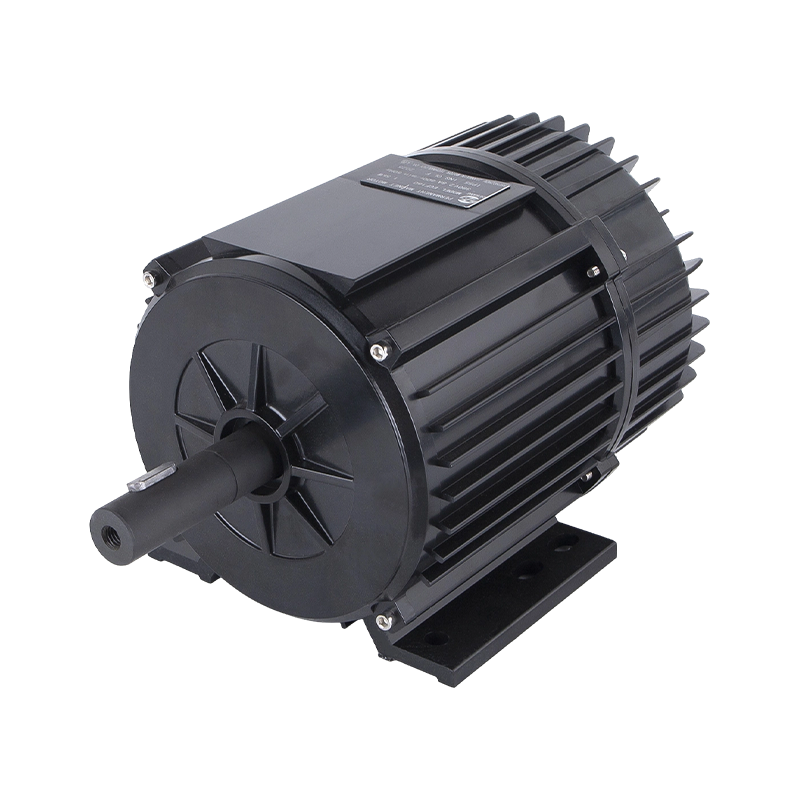
No. 8, Duxiu San Road, Ganlin Town, Shengzhou City, Shaoxing City, Zhejiang Province, China

News Category
Product Category
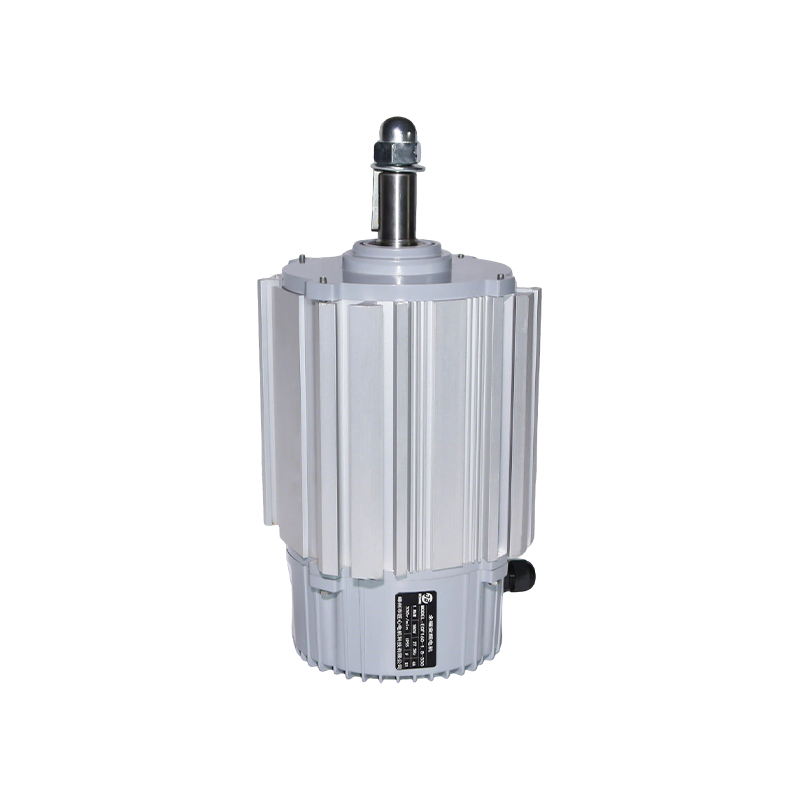
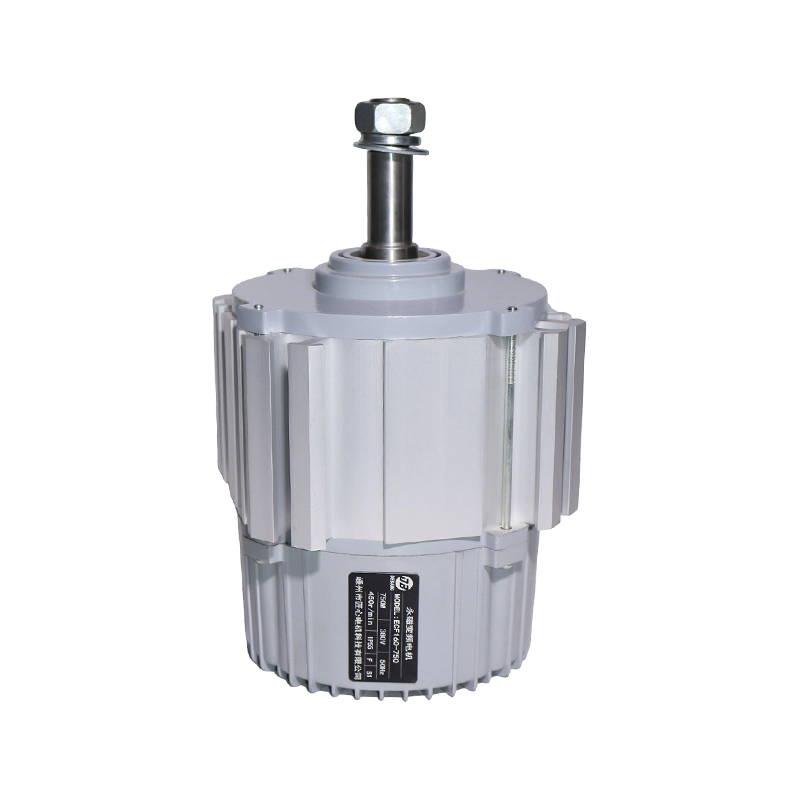
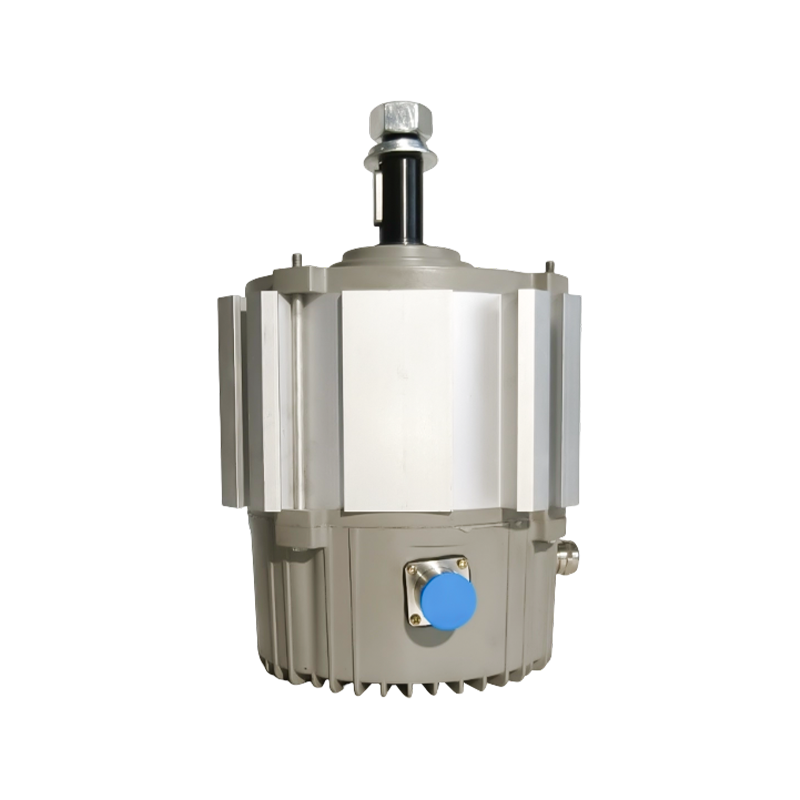
ECF160 380V 1500W EC Fan Motor: High-Efficiency Drive Technology for Evaporative Air Coolers
Content
- 1 Product Overview
- 2 How EC Fan Motor Technology Works
- 3 Energy Efficiency and Operating Cost Advantages
- 4 Quiet Operation and Low Vibration
- 5 Long Service Life and Maintenance-Free Design
- 6 Advantages Compared with Conventional Motor Solutions
- 7 Suitability for Evaporative Air Coolers
- 8 Manufacturing Strengths
- 9 Product Reliability in Practical Operation
- 10 Application and Selection Guidance
- 11 Benefits for Original Equipment Manufacturers
- 12 Why the ECF160 Can Be a Competitive Choice
- 13 Recommended Installation and Maintenance Practices
- 14 Q&A
- 14.1 What is the ECF160?
- 14.2 What does EC mean in an EC fan motor?
- 14.3 Is the ECF160 a brushless motor?
- 14.4 How efficient is the ECF160?
- 14.5 How much energy can it save?
- 14.6 What is the expected service life?
- 14.7 Is the motor suitable for continuous operation?
- 14.8 Can the motor operate at different speeds?
- 14.9 What kind of equipment uses the ECF160?
- 14.10 Does the motor require brush replacement?
- 14.11 Will the motor be completely silent?
- 14.12 What should be checked before ordering?
- 14.13 Can the manufacturer provide customized motors?
- 14.14 Where is the manufacturer located?
- 14.15 How can customers contact the manufacturer?
- 15 Conclusion
- 16 References
- 17 Product: ECF160 380V 1500W EC Fan Motor
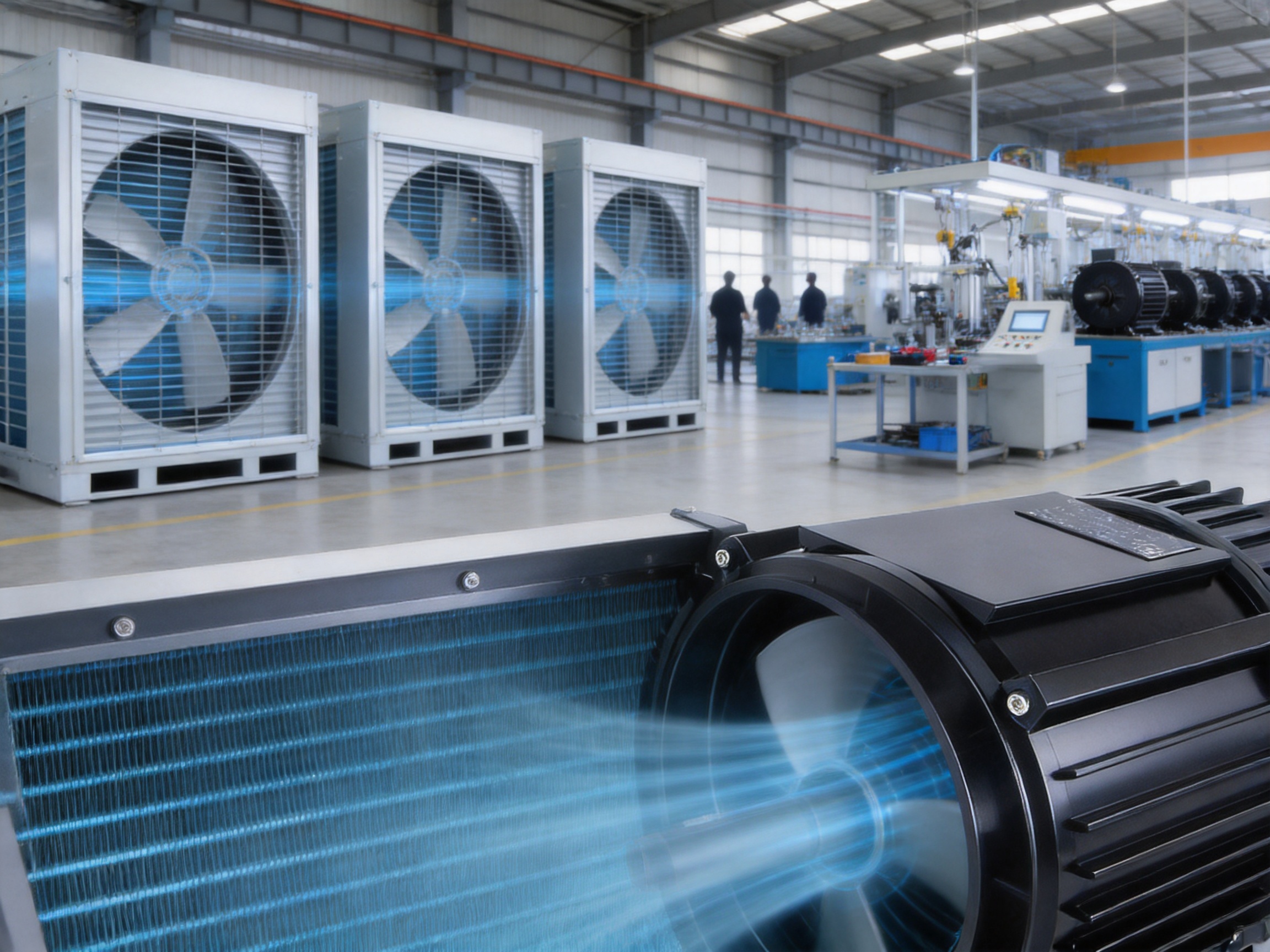
Modern evaporative air coolers require more than a motor that simply turns a fan. The motor must deliver dependable airflow, stable operation, low energy consumption, limited vibration, and a long service life under demanding environmental conditions. The ECF160 380V 1500W EC Fan Motor is designed to address these requirements with electronically commutated motor technology, brushless construction, efficient speed control, and a design intended for evaporative air cooler applications.
With a rated voltage of 380V and a power rating of 1500W, the ECF160 provides a strong drive solution for industrial, commercial, and large-capacity evaporative cooling equipment. It combines the operating advantages of brushless DC motor construction with electronically controlled commutation. This approach allows the motor to operate efficiently across a broad range of speeds while reducing the energy losses, maintenance requirements, and noise commonly associated with conventional motor systems.
The product is manufactured by Shengzhou Jiangxin Motor Technology Co., Ltd., a professional AC/DC motor and micro motor manufacturer established in 2017. The company combines product development, production, quality control, and sales support in one manufacturing organization. Its product portfolio includes evaporative air cooler motors, industrial heater motors, oil pump motors, and customized motor solutions for environmental protection equipment, industrial heating, hydraulic systems, and related applications.
This article examines the ECF160 in detail, including its operating principle, efficiency advantages, construction, application value, manufacturing strengths, selection considerations, maintenance expectations, and comparison with more conventional fan motor technologies.
Product Overview
The ECF160 is a 380V, 1500W EC fan motor developed for evaporative air coolers. The designation identifies a product platform intended to provide high-output fan drive performance in equipment where airflow, energy consumption, and operating reliability are important. Its electronically commutated design eliminates the need for mechanical brushes and commutators, enabling efficient electronic control of the motor’s rotating magnetic field.
Unlike a basic fixed-speed motor, an EC motor can be managed by an electronic control system that adjusts operation according to the required airflow and cooling load. This makes it suitable for applications where the fan does not need to operate continuously at maximum output. During periods of lower cooling demand, the motor can operate at a reduced speed, helping the complete cooling system avoid unnecessary power consumption.
| Item | Specification or Feature | Application Significance |
|---|---|---|
| Model | ECF160 | Product model for the EC fan motor platform |
| Rated voltage | 380V | Suitable for compatible industrial and commercial power systems |
| Rated power | 1500W | Provides substantial drive capacity for evaporative air cooler fans |
| Motor type | Electronically commutated fan motor | Supports efficient electronic operation and speed management |
| Construction | Brushless BLDC design | Reduces brush wear, friction, and routine maintenance |
| Efficiency claim | Up to approximately 85%–95% across operating speeds | Helps reduce energy use in variable-load applications |
| Expected service life | Approximately 30,000–50,000 hours | Supports long-term equipment operation |
| Primary application | Evaporative air cooler | Designed for efficient fan operation in cooling equipment |
Actual performance depends on the complete system, including the fan blade, air resistance, controller, installation method, ambient conditions, power quality, and operating schedule. Nevertheless, the motor’s core design is directed toward applications where efficient and reliable airflow is a priority.
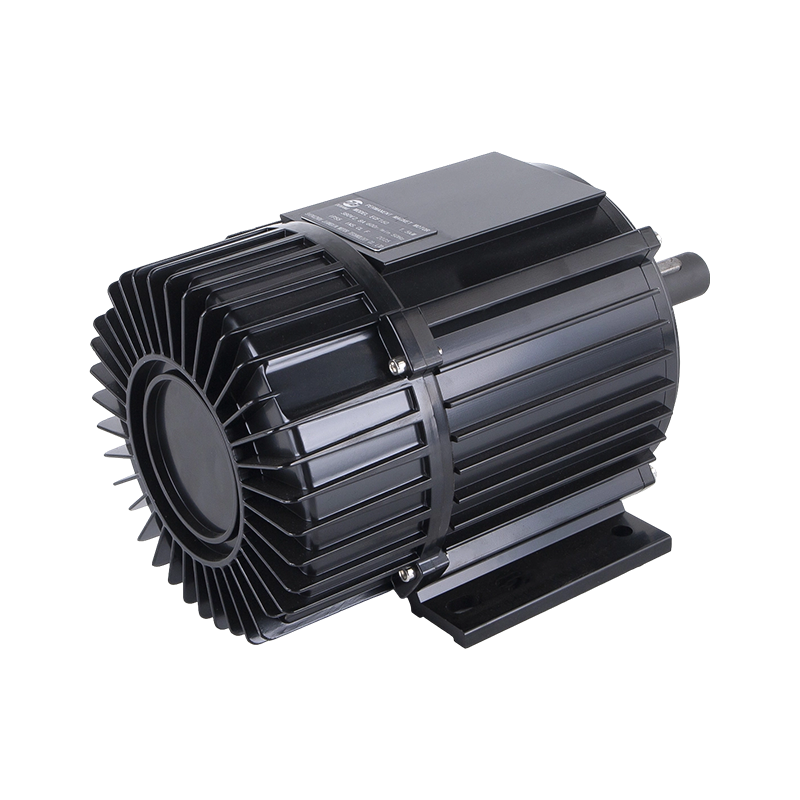
ECF160 380V 1500W EC Fan Motor
How EC Fan Motor Technology Works
An electronically commutated motor uses electronic circuitry instead of mechanical brushes to control the energization of the stator windings. The electronic controller determines when and how the windings are energized, creating a rotating magnetic field that interacts with the rotor magnets. This magnetic interaction produces torque and turns the shaft.
In a traditional brushed DC motor, brushes physically contact a commutator to transfer electrical current to the rotating part of the motor. This mechanical contact creates friction, electrical arcing, wear particles, and eventual brush replacement requirements. The ECF160’s brushless BLDC construction avoids this contact. Commutation is performed electronically, which contributes to longer service life and more consistent operation.
Compared with a conventional fixed-speed AC motor, an EC fan motor also offers more flexible control. A fixed-speed motor generally runs at a predefined speed whenever power is applied. If the air cooler requires less airflow, the system may need to use dampers, mechanical adjustments, intermittent operation, or other methods to reduce output. These methods can introduce additional losses or produce less precise control.
The EC approach allows the motor and control system to match motor speed more closely to the actual cooling requirement. This is particularly valuable in evaporative air coolers because the required airflow may change according to room occupancy, outdoor temperature, humidity, ventilation demand, and user preference.
Electronic Commutation
Electronic commutation is one of the defining features of the ECF160. The controller changes the electrical state of the stator windings in a carefully timed sequence. This produces smooth motor rotation without relying on a mechanical commutator. Proper commutation improves operating consistency and helps reduce the energy losses associated with mechanical contact.
The electronic system can also support speed management. Depending on the final equipment design, the cooling system can use appropriate control signals or integrated controls to select different operating conditions. The available control method should be confirmed during system design because specific wiring, control input, protection functions, and operating limits depend on the motor configuration and the equipment controller.
Permanent-Magnet Rotor and Brushless Operation
A brushless motor normally uses a permanent-magnet rotor and stationary windings. Because the windings remain stationary, electrical connections do not need to be transferred through brushes to a rotating armature. This arrangement reduces mechanical friction and removes one of the most common wear points in traditional brushed motor designs.
The absence of brushes is especially useful in equipment expected to run for long periods. Evaporative air coolers may operate continuously during hot seasons, and industrial or commercial units can be placed in locations where frequent service is inconvenient. A brushless motor can help reduce the need for routine brush inspection and replacement.
Energy Efficiency and Operating Cost Advantages
Energy efficiency is one of the strongest reasons to consider an EC motor for an evaporative air cooler. The ECF160 is designed to achieve approximately 85%–95% efficiency across operating speeds, according to the product information. The stated energy-saving benefit compared with conventional AC motors is approximately 30%–70% less power consumption, depending on the operating point and system conditions.
These figures should be interpreted as application-oriented claims rather than a guarantee for every installation. Actual energy use depends on the fan load, airflow resistance, operating speed, control strategy, voltage stability, and duty cycle. Even so, the design principles behind the claimed savings are important. EC motors can maintain efficient operation over a range of speeds, while conventional motors may be less efficient when operated away from their intended full-load condition.
For many air cooler installations, full-speed operation is not required all day. A unit may operate at high speed during the hottest part of the afternoon and at lower speed during the morning, evening, or periods of reduced occupancy. An electronically controlled motor can respond to those changing requirements more effectively than a simple fixed-speed motor.
Partial-Load Efficiency
Partial-load efficiency is particularly relevant to cooling systems. If an air cooler produces more airflow than needed, the excess capacity does not necessarily improve comfort. It may instead increase noise, draft, energy use, and mechanical stress. The ECF160 is optimized for operation across different speed conditions, allowing the equipment designer to use lower-speed operation when full capacity is unnecessary.
Reducing speed can produce meaningful energy savings because fan power is strongly related to rotational speed. In many fan systems, the relationship between speed, airflow, pressure, and power means that modest speed reductions can produce a disproportionately large reduction in power demand. The exact result depends on the fan and system curve, but the principle reinforces the value of a motor capable of stable variable-speed operation.
Lower Total Cost of Ownership
Purchase price is only one part of motor economics. A motor that consumes less electricity, requires fewer service interventions, and remains reliable for a longer period can offer a lower total cost of ownership. The ECF160 is intended to support this broader economic evaluation.
Energy savings can accumulate throughout the operating season. In a commercial building, workshop, warehouse, greenhouse, or industrial facility, several air coolers may run for many hours each day. A reduction in motor power consumption can therefore contribute to lower utility costs across the entire installation. Reduced maintenance can further improve operating economics by limiting labor, spare-part consumption, and equipment downtime.
Quiet Operation and Low Vibration
Noise is a practical issue in cooling equipment. Excessive motor noise can reduce comfort in offices, retail spaces, workshops, schools, and other occupied areas. Vibration can also transfer through the equipment frame, ductwork, mounting structure, and surrounding building components.
The ECF160 uses a brushless BLDC design that eliminates mechanical brush friction. Its rotor and winding engineering are intended to reduce acoustic noise and vibration during operation. Smooth electronic commutation can contribute to stable rotation, while appropriate balancing and bearing selection help support quieter performance.
Motor noise is only one component of total fan noise. Air velocity, fan blade geometry, turbulence, bearing condition, mounting rigidity, and airflow obstruction also influence the sound level of the complete cooler. For that reason, the motor should be evaluated as part of the entire air-moving assembly rather than as an isolated noise source.
Benefits in Noise-Sensitive Environments
In areas where people work, sleep, study, or receive customers, lower operating noise can improve the user experience. An air cooler that maintains comfortable airflow without a harsh motor sound is easier to accept during extended operation. Low vibration also helps reduce rattling from panels, guards, fasteners, and adjacent components.
For industrial environments, quieter operation can improve communication around machinery and reduce the cumulative noise burden on employees. In commercial environments, it can support a more comfortable atmosphere for customers and staff. These benefits can be especially noticeable when the motor operates at reduced speed during long periods.
Long Service Life and Maintenance-Free Design
The ECF160 is described as having an expected service life of approximately 30,000–50,000 hours. The actual life of any motor depends on temperature, load, voltage, humidity, dust, installation quality, bearing stress, control settings, and maintenance of the surrounding equipment. Nevertheless, the stated service-life range reflects the advantages of a brushless design and high-performance bearings.
Traditional brushed motors gradually wear as brushes contact the commutator. Brush wear can cause performance decline, electrical noise, dust, and eventual stoppage. A brushless EC motor removes this wear mechanism. The use of high-performance bearings further supports long-term rotation and reduces the likelihood of frequent mechanical service.
Maintenance-free does not mean that the complete air cooler can be ignored. Filters, cooling pads, fan blades, guards, electrical terminals, and mounting structures still require inspection. Dust and mineral deposits can affect airflow balance and increase the load on the motor. Good system maintenance protects the motor and helps it achieve its intended service life.
Reduced Downtime
Downtime can be costly when cooling equipment is used in production areas, warehouses, workshops, greenhouses, or commercial facilities. A motor designed for long service with limited routine maintenance can reduce unplanned interruptions. The brushless construction also avoids scheduled brush replacement, which can simplify maintenance planning.
Long service life is valuable not only because it delays replacement, but also because it reduces the disruption associated with removing and reinstalling a motor. In some installations, access to the fan assembly may be difficult or may require temporary shutdown of the entire cooling system. A durable motor helps minimize these operational challenges.
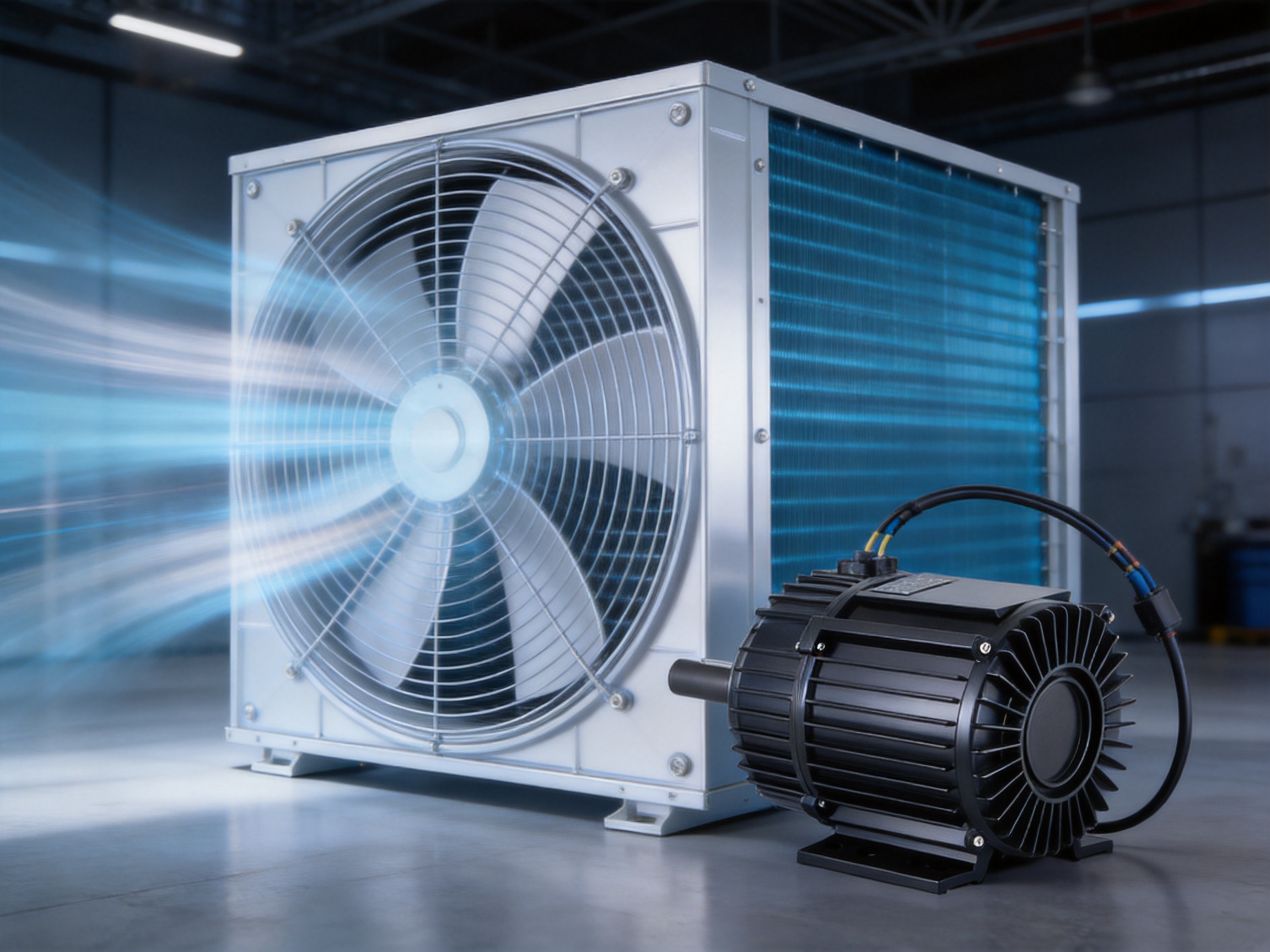
Advantages Compared with Conventional Motor Solutions
The ECF160 competes with several types of motor technology, including conventional single-speed AC motors, brushed DC motors, and less optimized fan motors. Its advantages are most apparent when the application requires extended operating hours, variable airflow, energy savings, and reduced maintenance.
| Comparison Factor | ECF160 EC Fan Motor | Conventional Fixed-Speed AC Motor | Brushed DC Motor |
|---|---|---|---|
| Commutation | Electronic commutation | Typically based on AC magnetic operation | Mechanical brush and commutator contact |
| Speed flexibility | Designed for efficient operation across operating speeds | Often optimized around a narrower operating condition | Can provide speed control but with brush-related limitations |
| Brush wear | No mechanical brushes | Usually no brushes, depending on design | Brushes gradually wear |
| Maintenance demand | Low routine motor maintenance | Usually moderate, depending on bearings and operating conditions | Requires attention to brush and commutator wear |
| Efficiency at partial load | Designed to support efficient partial-load operation | May lose efficiency away from its intended operating point | Varies with design and load |
| Noise and vibration potential | Low-noise, low-vibration design objective | Depends on motor and installation | May include brush noise and mechanical wear effects |
| Long-term operating cost | Potentially lower through energy and maintenance savings | May have higher energy use in variable-load applications | May involve brush replacement and more service |
This comparison should not be understood as meaning that every conventional motor performs poorly. AC motors remain useful in many applications, and the best choice depends on the equipment design, price target, control requirements, and operating profile. The ECF160 is especially advantageous when the system benefits from variable-speed efficiency, long operating hours, and lower maintenance.
Compared with Fixed-Speed AC Motors
A fixed-speed AC motor can be simple and economical, but it may not provide the same level of control over airflow. If the air cooler must operate at several airflow levels, additional controls may be necessary. Even with external control equipment, a conventional motor may not maintain the same efficiency across its full operating range.
The ECF160 integrates the advantages of electronic motor control with a high-power 380V configuration. This can help equipment manufacturers design more responsive cooling systems. Instead of treating the motor as an on-or-off component, the system can use the motor as an active part of its energy-management strategy.
Compared with Brushed DC Motors
Brushed DC motors can provide useful speed control, but mechanical brushes and commutators create wear. Over time, the brushes may require replacement, and the commutator may become damaged or contaminated. Electrical arcing and brush friction can also contribute to noise and energy loss.
The ECF160 eliminates these mechanical contact points. Its electronically controlled brushless design is therefore more suitable for applications in which reliability, long service intervals, and clean operation are important.
Suitability for Evaporative Air Coolers
Evaporative air coolers use the natural cooling effect created when water evaporates into an airflow. A fan draws or pushes air through wetted cooling media, and the resulting air stream can reduce perceived temperature in suitable environmental conditions. The motor is responsible for maintaining the airflow required by the cooler, so its performance directly influences cooling capacity and energy use.
The ECF160 is specifically described for evaporative air cooler applications. Its 1500W rating provides a substantial power level for equipment requiring strong airflow, while its EC technology supports the speed flexibility needed for changing cooling conditions.
In an air cooler, stable motor operation helps maintain consistent air delivery. If motor speed fluctuates excessively, airflow may become uneven and comfort may suffer. A properly matched EC motor and controller can help the fan respond smoothly to operating commands and system demand.
Industrial and Commercial Cooling
Large workshops, warehouses, logistics centers, agricultural facilities, production plants, and commercial spaces may require high-volume air movement. In these locations, cooling equipment often operates for extended periods and may include several fan units. Efficiency and reliability therefore become important selection criteria.
The 380V electrical configuration can be appropriate for compatible industrial and commercial power systems. Before installation, the purchaser should verify the available supply, control arrangement, protection equipment, phase requirements, grounding, mounting dimensions, shaft configuration, and complete fan assembly specifications.
System Matching
The motor should be matched with a fan that is suitable for the intended airflow and static pressure. A motor that is too small may overheat or fail to meet the required airflow. A motor that is unnecessarily large may increase purchase cost and may not operate at the most economical point. The ECF160’s 1500W rating should therefore be evaluated together with the fan curve and the air cooler’s operating requirements.
System designers should also consider the environment. Evaporative coolers can be exposed to moisture, dust, mineral deposits, and temperature changes. Proper enclosure protection, drainage, ventilation, electrical isolation, and installation practices are essential. The motor’s detailed protection rating and environmental limits should be confirmed with the supplier before final selection.
Manufacturing Strengths
Product performance is closely connected to manufacturing capability. A motor’s efficiency, noise, vibration, and service life depend on the consistency of its electrical materials, magnetic circuit, rotor balance, winding quality, bearings, assembly accuracy, and final testing. Shengzhou Jiangxin Motor Technology Co., Ltd. presents itself as a professional manufacturer focused on the research and development, production, and sales of AC/DC motors and micro motors.
Established in 2017, the company operates in Shengzhou, Zhejiang Province, within the Yangtze River Delta industrial region. This location provides access to manufacturing resources, engineering talent, component suppliers, logistics networks, and export infrastructure. The company reports that it owns modern production facilities, advanced automated equipment, and a professional research and development team.
Research and Development Capability
EC motor development requires expertise in electromagnetic design, thermal management, electronic control, mechanical structure, noise reduction, and application matching. A motor is not optimized only by increasing power. The designer must balance torque, speed, efficiency, temperature rise, vibration, bearing load, controller compatibility, and production cost.
The company’s focus on AC/DC motors and micro motors supports a product-development approach centered on specialized motor applications. Its stated recognition as a provincial-level technology enterprise indicates an emphasis on technical development and innovation. For customers, this can be valuable when standard products need to be adapted for a particular air cooler, fan assembly, voltage system, mounting arrangement, or control method.
Automated Production Equipment
Automated equipment can improve repeatability in manufacturing operations. Consistent winding, assembly, balancing, and inspection help reduce variation between individual motors. Automation also supports production efficiency when orders require stable output over an extended period.
For EC fan motors, manufacturing consistency is important because small variations can influence electromagnetic performance, noise, vibration, and temperature. Accurate positioning of rotor and stator components, reliable winding processes, and controlled bearing installation all contribute to stable operation.
Quality Control
The company states that it uses strict quality control systems. A strong quality program for motor manufacturing normally includes incoming material inspection, process control, assembly verification, electrical testing, mechanical inspection, and final performance checks. The exact testing scope for the ECF160 should be confirmed with the supplier according to the customer’s technical requirements.
Useful quality documentation may include electrical test records, insulation checks, no-load and load performance data, vibration inspection, noise evaluation, bearing information, and product traceability. For large commercial or industrial orders, customers may also request sample approval, batch inspection, packaging standards, and agreed acceptance criteria.
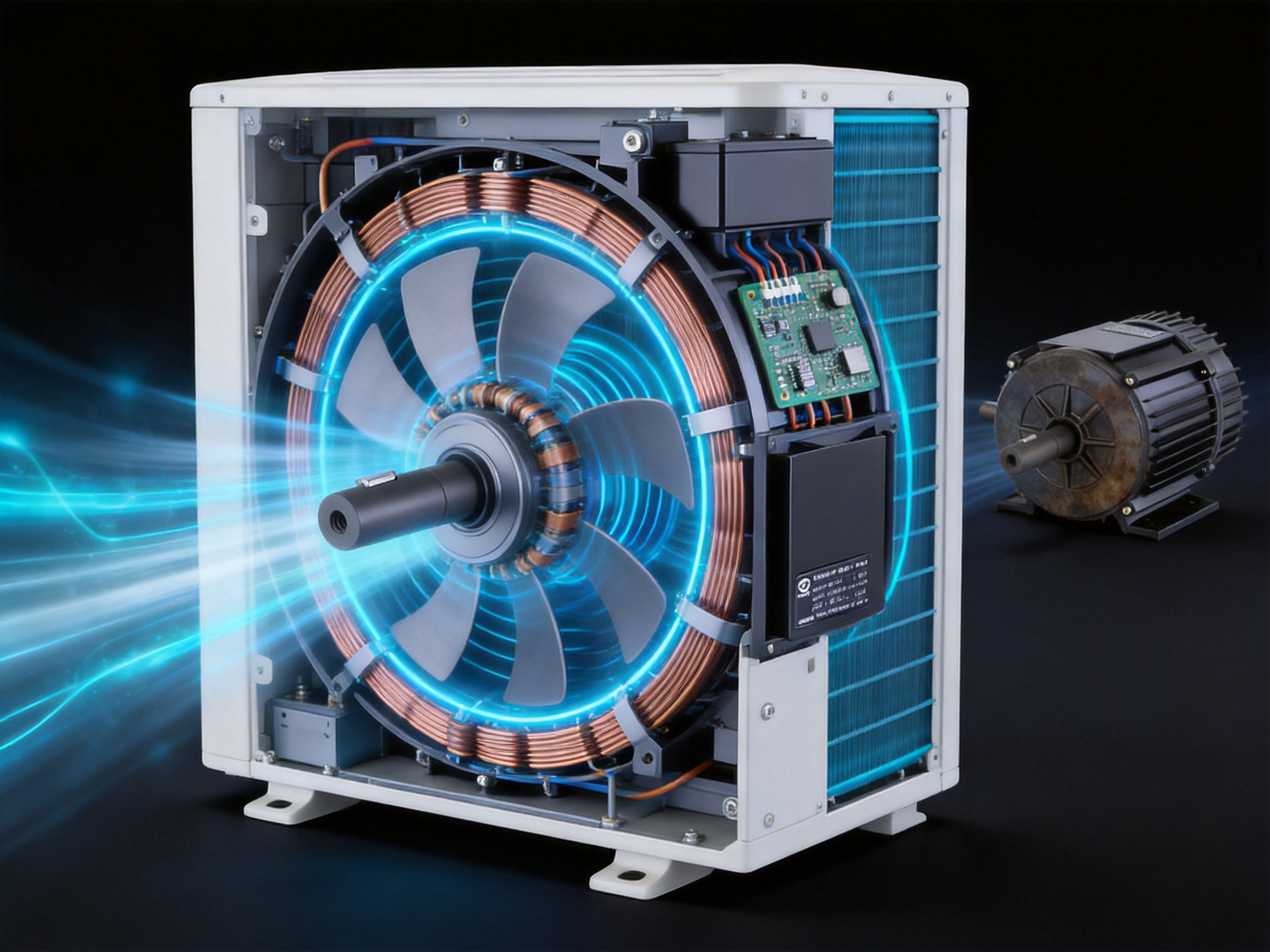
Product Reliability in Practical Operation
Reliability is not determined by one specification. It is the result of the motor’s design, materials, manufacturing process, controller, installation, and operating environment. The ECF160’s brushless construction and high-performance bearings provide a strong foundation for long-term operation, but the system must still be designed and maintained correctly.
Thermal conditions are particularly important. Motor temperature depends on ambient temperature, load, ventilation, operating speed, controller behavior, and installation clearance. Running a motor continuously above its intended load can increase temperature and shorten bearing and insulation life. The fan and motor should therefore be selected so that normal operation remains within the appropriate performance range.
Electrical Protection
A compatible electrical protection system should be used with the 380V motor. Protection may include appropriate overcurrent protection, short-circuit protection, grounding, surge protection, and control-system safeguards. The exact requirements depend on the motor design and applicable regional standards.
Voltage instability, incorrect wiring, phase problems, and unsuitable control signals can damage the motor or controller. Installation should be performed by qualified personnel who can verify the supply conditions and follow the manufacturer’s wiring and commissioning instructions.
Mechanical Installation
Correct mechanical installation helps control vibration and bearing stress. The motor should be securely mounted on a rigid and accurately aligned structure. The fan assembly must be balanced, and the shaft or coupling must be aligned according to the equipment design. Loose panels, bent supports, or unbalanced fan blades can create vibration even when the motor itself is operating correctly.
Airflow passages should remain clear. Blocked filters, dirty cooling pads, obstructed intake areas, or restricted exhaust paths can increase fan load and alter operating conditions. Regular cleaning of the cooler and inspection of the fan assembly are therefore part of responsible motor maintenance.
Application and Selection Guidance
Before ordering the ECF160, buyers should compare the motor’s specifications with the complete equipment design. The 380V/1500W information identifies the basic electrical and power rating, but a successful installation also requires compatibility with the fan, controller, mounting structure, and operating environment.
Key Questions for Equipment Designers
What airflow volume is required at the intended static pressure? The motor should be paired with a fan whose performance curve matches the required operating point.
Will the motor operate continuously, intermittently, or under a variable schedule? Continuous-duty applications require careful attention to thermal conditions and load selection.
What power supply is available? The stated 380V rating must be compatible with the local electrical system and the equipment’s wiring arrangement.
What control method is needed? The customer should confirm the available speed-control interface, controller type, signal requirements, and protective functions.
What environmental conditions will the motor face? Dust, moisture, heat, corrosive substances, and outdoor exposure may affect the required protection and installation method.
What mechanical dimensions are required? Mounting holes, shaft dimensions, rotation direction, cable arrangement, and fan connection details should be verified before production or installation.
What performance documentation is required? Industrial customers may need inspection records, sample testing, batch reports, or customized quality documentation.
Customized Motor Solutions
The manufacturer’s product range includes customized motors, which may be useful when a standard configuration does not fully match a customer’s equipment. Customization may involve mechanical interfaces, electrical arrangements, winding parameters, control compatibility, packaging, or application-specific requirements. Any customized specification should be defined in a written technical agreement before mass production.
Customization is especially valuable for air cooler manufacturers that want to standardize a motor across a product family. A carefully matched motor can improve the overall balance between airflow, efficiency, noise, installation space, and manufacturing cost.
Benefits for Original Equipment Manufacturers
For an original equipment manufacturer, the motor is a key component in the value proposition of the final air cooler. A higher-efficiency motor can support energy-saving product positioning, while quiet operation can improve customer satisfaction. Long service life can also reduce warranty exposure and strengthen the reputation of the finished equipment.
The ECF160 can help an equipment manufacturer develop a more efficient air cooler platform. Its 1500W power rating is suitable for systems requiring a strong fan drive, and its electronically commutated design creates opportunities for variable-speed operation. When properly integrated, the motor may help the manufacturer offer different airflow settings without relying on inefficient mechanical methods.
Working with a manufacturer that provides both standard and customized motor solutions can simplify product development. The supplier can participate in discussions about motor matching, production feasibility, component selection, test requirements, and delivery planning. This type of cooperation is useful when the air cooler design must meet specific regional, electrical, or application requirements.
Export and International Supply
Shengzhou Jiangxin Motor Technology Co., Ltd. reports that its products are exported to more than 60 countries and regions. International experience can help a manufacturer understand the practical requirements of overseas customers, including packaging, documentation, communication, production scheduling, and shipping coordination.
Customers should still confirm the specific documentation and compliance requirements for their destination market. Electrical standards, energy regulations, labeling rules, import procedures, and safety requirements may differ between countries. The motor configuration and supporting documentation should be reviewed before shipment.
Why the ECF160 Can Be a Competitive Choice
The ECF160’s competitive value comes from the combination of several features rather than from its power rating alone. It offers a high-power 380V configuration, brushless EC technology, efficient operation across speeds, low-noise design objectives, and a long expected service life. These features address the main operating concerns of many evaporative air cooler users.
Competitors may offer motors with similar voltage or power ratings, but a comparison should examine more than basic electrical data. Buyers should evaluate efficiency at actual operating points, control flexibility, service requirements, noise behavior, thermal performance, bearing quality, production consistency, and supplier support.
The claimed efficiency range of approximately 85%–95% and potential power savings of approximately 30%–70% compared with conventional AC motors can be meaningful when verified under the customer’s operating conditions. A proper evaluation should use the same fan, airflow, pressure, voltage, and operating schedule for both products. This prevents misleading comparisons based only on no-load or ideal laboratory conditions.
Balanced Performance
A motor that is highly efficient but difficult to control may not be ideal for an air cooler manufacturer. Similarly, a low-cost motor that requires frequent service may create higher expenses after installation. The ECF160 is positioned as a balanced solution that combines electrical efficiency, mechanical durability, acoustic performance, and application suitability.
This balanced approach is important for commercial equipment. Users generally want lower operating cost, dependable cooling, quiet performance, and limited maintenance at the same time. The ECF160 is designed around these combined expectations.
Recommended Installation and Maintenance Practices
Installation should follow the supplier’s technical instructions and the requirements of local electrical regulations. Before energizing the motor, technicians should check the supply voltage, wiring, grounding, controller compatibility, mechanical fastening, shaft alignment, fan balance, and clearance around the motor.
The motor should not be operated with the fan guard removed or with foreign objects near the rotating assembly. All protective covers should be installed before normal operation. Operators should also confirm the direction of rotation and verify that the fan delivers the expected airflow without abnormal noise or vibration.
Routine maintenance should focus on the complete air cooler system. Cooling pads, filters, air passages, fan blades, mounting hardware, and electrical terminals should be inspected at appropriate intervals. Dust and deposits should be removed using methods that do not damage the motor or electronic components.
Any unusual smell, excessive heat, unstable speed, abnormal vibration, or sudden noise should be investigated promptly. Continued operation under abnormal conditions can increase damage and complicate repairs. A maintenance record can help identify changes in performance over time.
Q&A
What is the ECF160?
The ECF160 is an electronically commutated fan motor designed for evaporative air cooler applications. Its stated electrical rating is 380V and 1500W.
What does EC mean in an EC fan motor?
EC means electronically commutated. The motor uses electronic circuitry to control commutation rather than mechanical brushes and a commutator. This supports efficient operation and flexible speed control.
Is the ECF160 a brushless motor?
Yes. The product is described as using a brushless BLDC design. The absence of mechanical brushes eliminates brush wear and reduces a common source of maintenance.
How efficient is the ECF160?
The product information states efficiency of approximately 85%–95% across operating speeds. Actual efficiency depends on the motor load, fan, controller, voltage, installation, and operating conditions.
How much energy can it save?
The stated potential saving is approximately 30%–70% less power consumption than conventional AC motors. The actual saving must be verified in the complete air cooler system and depends on the operating point and duty cycle.
What is the expected service life?
The product information gives an expected service life of approximately 30,000–50,000 hours. Service life depends on load, temperature, humidity, dust, voltage quality, installation, bearings, and maintenance of the surrounding equipment.
Is the motor suitable for continuous operation?
It is intended for long-term fan applications, but continuous operation must remain within the motor’s specified load and environmental limits. The customer should confirm duty-cycle and thermal requirements with the supplier before final selection.
Can the motor operate at different speeds?
The EC design is optimized for operation across operating speeds and is intended to support efficient partial-load operation. The available speed-control method and control interface should be confirmed for the specific configuration.
What kind of equipment uses the ECF160?
The primary application is evaporative air coolers. Depending on the final mechanical and electrical configuration, it may be suitable for industrial, commercial, workshop, warehouse, agricultural, or other high-airflow cooling equipment.
Does the motor require brush replacement?
No. The brushless BLDC construction does not use mechanical brushes, so brush replacement is not part of normal motor maintenance.
Will the motor be completely silent?
No motor and fan assembly is completely silent. The ECF160 is designed for quiet and low-vibration operation, but total noise also depends on the fan blade, airflow, mounting structure, bearings, controller, and surrounding equipment.
What should be checked before ordering?
Buyers should verify voltage, power, speed requirements, control method, mounting dimensions, shaft and fan compatibility, rotation direction, environmental conditions, protection requirements, packaging, and required quality documents.
Can the manufacturer provide customized motors?
The company states that it produces customized motor solutions. Customers should provide technical drawings, operating conditions, performance targets, control requirements, and sample or testing expectations for evaluation.
Where is the manufacturer located?
Shengzhou Jiangxin Motor Technology Co., Ltd. is located at No. 8, Duxiu San Road, Ganlin Town, Shengzhou City, Shaoxing City, Zhejiang Province, China.
How can customers contact the manufacturer?
Customers may contact the company through the provided telephone numbers, fax number, or email address. The listed email is betty@dbjxmotor.com, and the listed telephone numbers are +86 13575536911 and +86 18357538240.
Conclusion
The ECF160 380V 1500W EC Fan Motor is designed for evaporative air coolers that require strong airflow, efficient operation, quiet performance, and long-term reliability. Its electronically commutated brushless BLDC construction eliminates brush wear and supports efficient speed management. The stated efficiency of approximately 85%–95%, potential power savings of approximately 30%–70% compared with conventional AC motors, and expected service life of approximately 30,000–50,000 hours position it as a competitive option for demanding fan applications.
Its advantages are especially relevant where cooling equipment operates for long hours or under changing loads. Partial-load optimization can help reduce unnecessary energy use, while low vibration and low acoustic noise can improve the operating environment. High-performance bearings and brushless construction can also reduce maintenance requirements and downtime.
The strength of the product is supported by the manufacturer’s focus on AC/DC motor research, automated production, professional research and development, strict quality control, and customized motor solutions. With manufacturing facilities in Zhejiang and export experience across more than 60 countries and regions, the company is positioned to serve both standard product requirements and application-specific projects.
For the best results, the ECF160 should be selected as part of a complete system. Proper matching with the fan, controller, power supply, mounting structure, and operating environment is essential. When these factors are addressed during design and installation, the ECF160 can provide an efficient and durable motor solution for modern evaporative air cooling equipment.
References
1. Product specification information for the ECF160 380V 1500W EC Fan Motor.
2. Manufacturer-provided technical description of electronically commutated fan motor efficiency, noise, vibration, and service-life characteristics.
3. Manufacturer profile and company information for Shengzhou Jiangxin Motor Technology Co., Ltd.
4. General engineering principles for brushless DC motors and electronically commutated fan motors.
5. General fan-system principles concerning airflow, partial-load operation, speed control, and energy consumption.
Product: ECF160 380V 1500W EC Fan Motor
 Ready To Customise
 Your Motor Products?

We are professional motor manufacturers, delivering powerful, stable, and efficient power cores for all industries through precision craftsmanship and innovation.
Contact Us
-
 Mobile:+86 13575536911
-
 Tel:+86 18357538240
-
 Whatsapp:+8618357538240
-
 Email:betty@dbjxmotor.com
-
 Company Address
Copyright © by Shengzhou Jiangxin Motor Technology Co., Ltd. All Rights Reserved.
Wholesale Industrial Fan Motors Manufacturers
