

 English
 русский
 Español
 عربى
عربى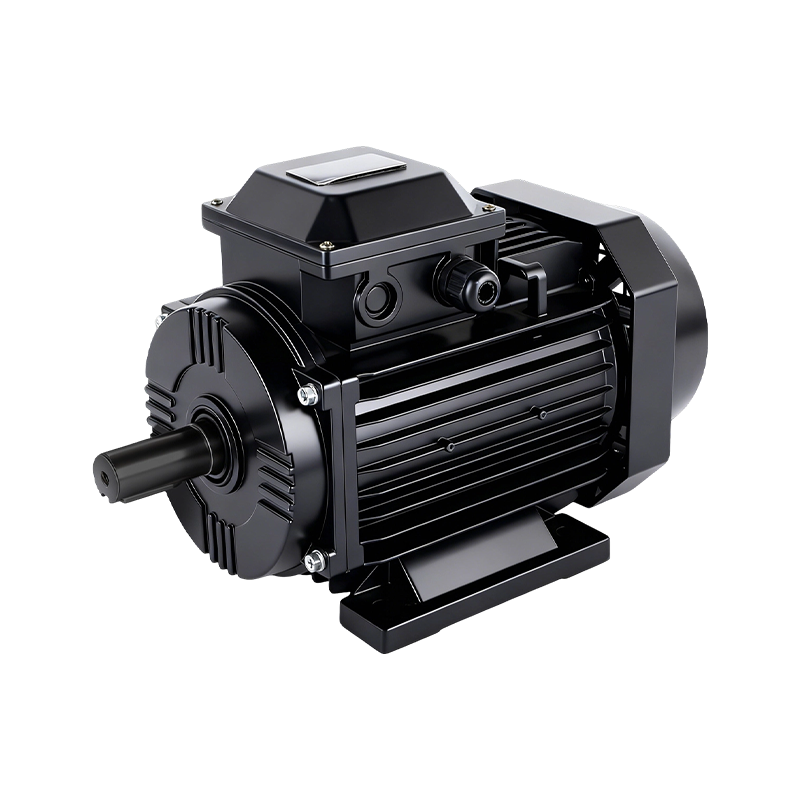
No. 8, Duxiu San Road, Ganlin Town, Shengzhou City, Shaoxing City, Zhejiang Province, China

News Category
Product Category
380V 2200W EC Fan Motor for Efficient Industrial Air Movement
Content
- 1 Understanding the ECF-155-10 EC Fan Motor
- 2 Why EC Technology Is Valuable in Fan Applications
- 3 Integrated Protection for Safer Motor Operation
- 4 Advantages Compared with Conventional Fan Motor Solutions
- 5 Application Compatibility
- 6 Manufacturing Strengths Behind the Product
- 7 Product Development for Different Customer Needs
- 8 Installation and System Integration Considerations
- 9 Maintenance and Reliability Practices
- 10 Commercial Value for Global Buyers
- 11 How to Select the Right Motor for a Fan System
- 12 Q&A About the 380V 2200W EC Fan Motor
- 12.1 What is the rated specification of the ECF-155-10?
- 12.2 What type of motor is the ECF-155-10?
- 12.3 What protection functions are included?
- 12.4 Can the motor operate when the power supply fluctuates?
- 12.5 Where can this motor be used?
- 12.6 Is the motor suitable for continuous operation?
- 12.7 Can it replace a conventional AC fan motor?
- 12.8 Why is locked-rotor protection important?
- 12.9 What should buyers confirm before placing an order?
- 12.10 What manufacturing capabilities does the supplier provide?
- 13 Conclusion
- 14 References
- 15 Product: ECF-155-10 380V 2200W EC Fan Motor
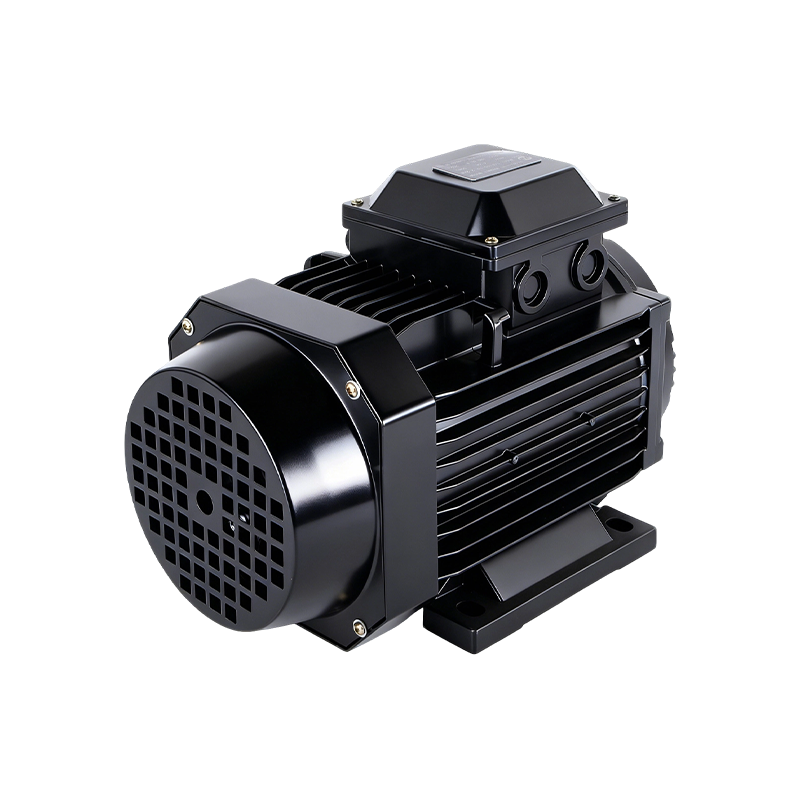
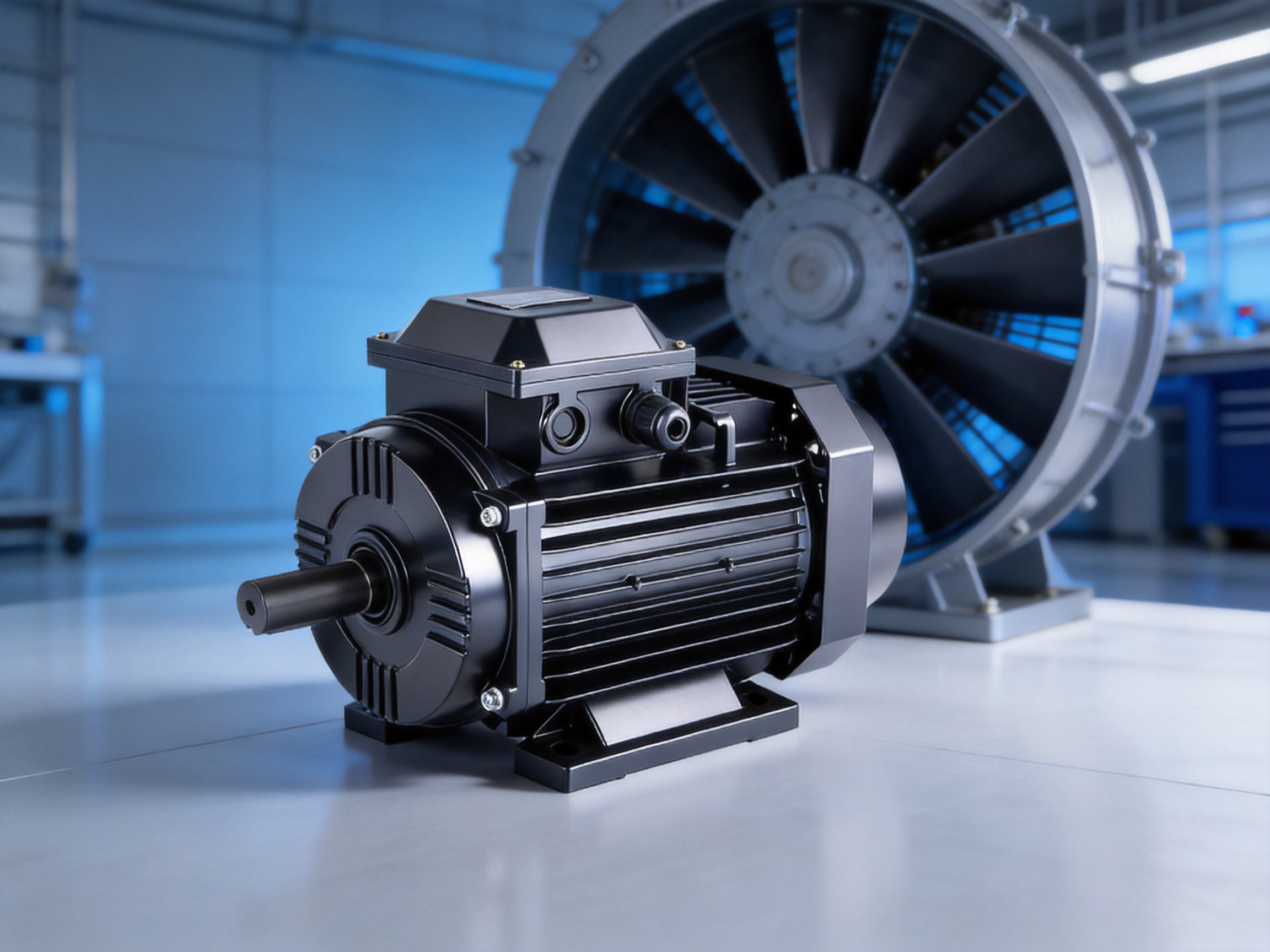
Modern ventilation systems require more than a motor that simply turns a fan blade. Industrial air-handling equipment must deliver stable airflow, operate safely under demanding conditions, respond efficiently to changing loads, and remain dependable over long service periods. The ECF-155-10 380V 2200W EC fan motor is designed for these requirements. It combines electronically commutated motor technology with a high-power 380V electrical configuration, integrated protection functions, and broad application compatibility.
With a rated specification of 380V and 2200W, this EC fan motor is suitable for professional air movement equipment used in air handling units, cooling towers, cold storage facilities, precision cooling installations, industrial ventilation systems, and public or commercial buildings. Its integrated safeguards help protect the motor against overcurrent, overvoltage, overtemperature, and locked-rotor conditions. At the same time, its wide voltage tolerance supports consistent operation when the power supply is not perfectly stable.
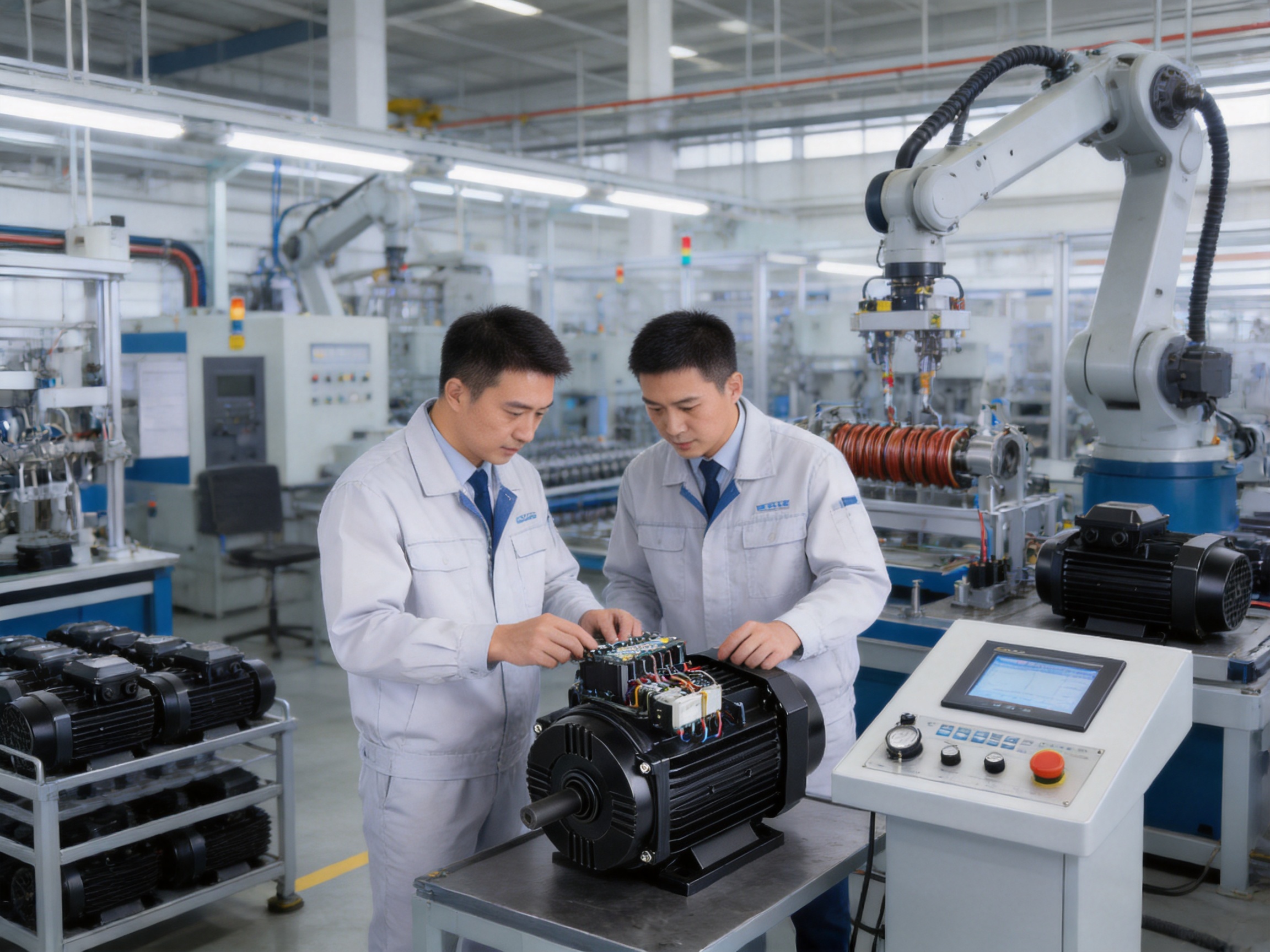
The motor is manufactured by Shengzhou Jiangxin Motor Technology Co., Ltd., a professional AC/DC motor and micro motor manufacturer established in 2017. The company combines product research and development, automated production equipment, process control, inspection procedures, and export experience to serve customers in more than 60 countries and regions. This combination of product engineering and manufacturing capability makes the ECF-155-10 a practical choice for equipment manufacturers, system integrators, wholesalers, and replacement-motor distributors.
Understanding the ECF-155-10 EC Fan Motor
The ECF-155-10 is an electronically commutated fan motor intended for applications that require controlled, reliable, and energy-conscious air movement. Unlike a basic motor that relies only on mechanical switching or a simple fixed operating arrangement, an EC motor uses integrated electronic control to manage commutation and motor operation. This design allows the motor to maintain effective performance while supporting improved control, protection, and system integration.
The product has a rated voltage of 380V and a rated power of 2200W. This electrical configuration is well suited to industrial and commercial equipment where three-phase or higher-voltage power infrastructure is available. The 2200W output class provides a substantial power reserve for large fans and air movement assemblies, including equipment used in demanding ventilation, cooling, and air-conditioning environments.
The motor is identified by the model ECF-155-10. The model designation helps equipment designers and purchasing teams distinguish the unit during technical selection, quotation, production planning, and replacement work. For distributors, a clear model reference also supports inventory management and communication with customers who need a motor for a specific air-handling system.
| Product Item | Specification or Feature |
|---|---|
| Model | ECF-155-10 |
| Motor Type | EC fan motor |
| Rated Voltage | 380V |
| Rated Power | 2200W |
| Protection Functions | Overcurrent, overvoltage, overtemperature, and locked-rotor protection |
| Voltage Capability | Wide voltage tolerance for stable operation under fluctuating power |
| Primary Applications | Air handling units, cooling towers, cold storage, precision cooling, industrial ventilation, and public or commercial buildings |
| Supplier Profile | AC/DC motor and micro motor manufacturer with R&D, production, and export capabilities |
The information above describes the core selection characteristics. Final compatibility should always be evaluated against the fan wheel, impeller, mounting arrangement, controller requirements, airflow target, operating environment, and complete system design.
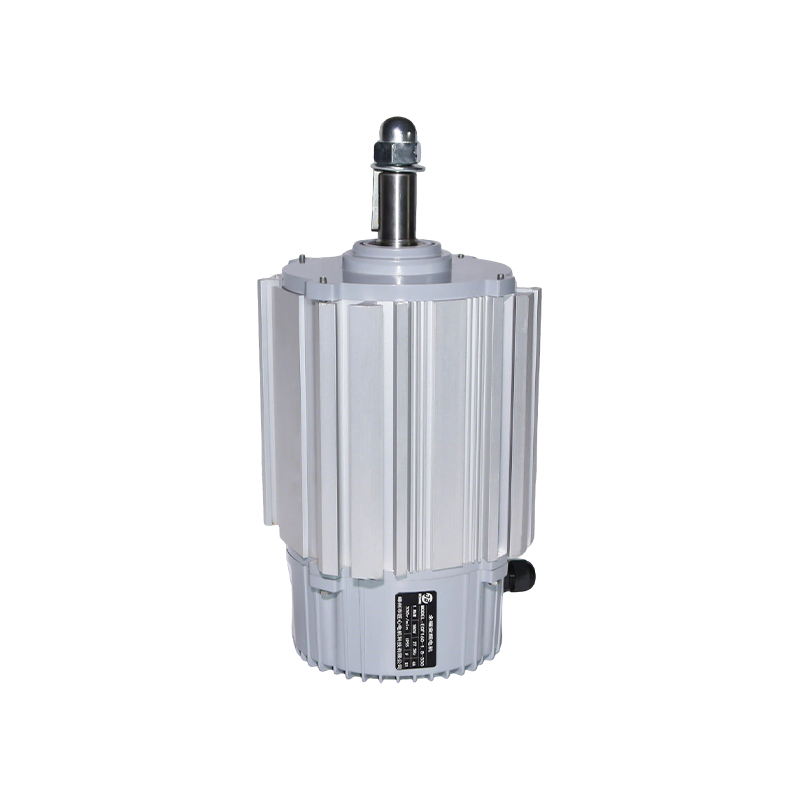
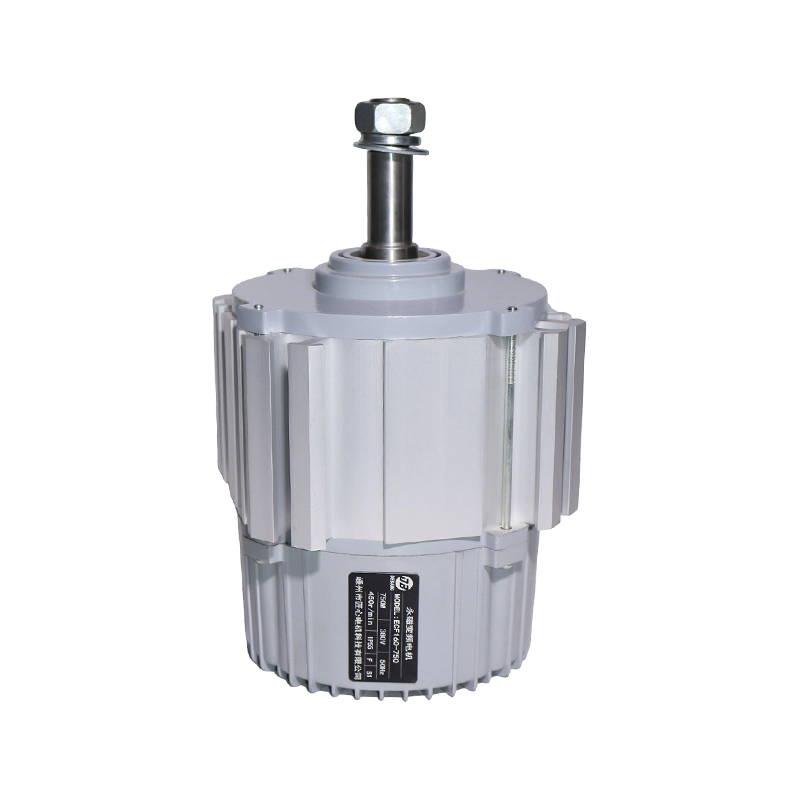
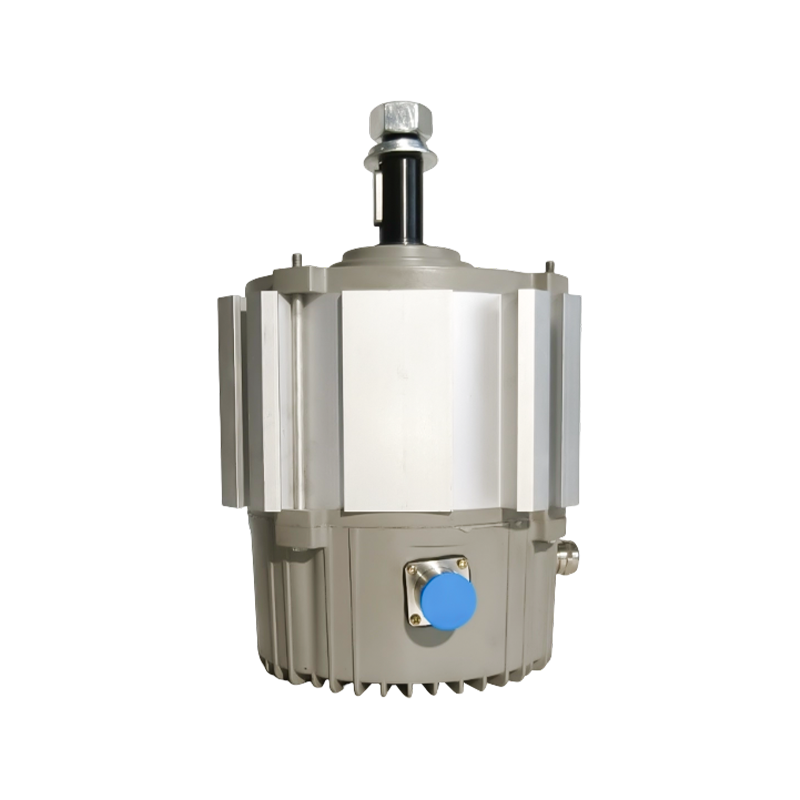
ECF-155-10 380V 2200W EC Fan Motor
Why EC Technology Is Valuable in Fan Applications
Fan motors often operate for many hours each day, and in some applications they run continuously. As a result, even small improvements in operating stability and energy management can produce meaningful benefits over the service life of the equipment. EC technology is valuable because it combines the motor’s electromagnetic structure with electronic control in one coordinated operating system.
In a conventional fixed-speed arrangement, air volume may be adjusted through mechanical dampers, inlet restrictions, or other methods that do not always use energy efficiently. When the required airflow changes, the motor may continue to run at a higher speed than necessary while the system restricts the air path. An electronically controlled fan motor can be better suited to systems that require variable or responsive air movement, depending on the control architecture selected by the equipment manufacturer.
EC motor technology can also support smoother operating behavior. Electronic commutation helps coordinate current and magnetic field timing, reducing reliance on mechanical switching components. This can contribute to dependable operation and simplify the integration of protective control functions. The result is a motor platform that is well matched to modern ventilation systems seeking a combination of power, controllability, and protection.
The ECF-155-10 is particularly suitable where the fan is a major part of the system’s energy consumption. Air handling units, industrial exhaust systems, cooling equipment, and large building ventilation installations can operate under changing thermal and airflow conditions. In these situations, a motor with integrated electronic management provides a more adaptable foundation than a basic motor used in a fixed operating arrangement.
Efficient Operation for Long-Duration Use
Industrial and commercial fans frequently operate during extended shifts, seasonal peaks, or continuous cooling cycles. Motor losses, unnecessary speed, and poor operating control can increase running costs over time. An EC fan motor is designed to support efficient operation by coordinating electronic commutation and motor performance rather than depending solely on a simple fixed-speed approach.
The ECF-155-10 should therefore be considered not only as a replacement power unit, but also as a central component of an air movement system. When paired with a suitable fan assembly and correctly configured control strategy, it can help equipment manufacturers create systems that respond more effectively to real airflow demands.
Stable Performance Under Variable Power Conditions
Power quality can vary between facilities and regions. Voltage fluctuations may result from long distribution lines, heavily loaded industrial networks, generator operation, or the simultaneous starting of other equipment. A narrow voltage operating range can cause instability, nuisance trips, overheating, or reduced performance in a motor system.
The ECF-155-10 includes wide voltage tolerance intended to support consistent performance under fluctuating power. This feature does not eliminate the need for correct electrical installation, suitable protection devices, or compliance with local power requirements. It does, however, provide an additional operating margin that can be valuable in real-world industrial environments.
For equipment manufacturers, this wider tolerance can simplify product planning for different customer regions, provided the complete electrical design is validated. For end users, it can help reduce concerns about minor supply variation during normal operation. The motor’s integrated electronic management works together with its protective functions to create a more resilient operating platform.
Integrated Protection for Safer Motor Operation
Protection is one of the defining strengths of the ECF-155-10. A fan motor may encounter abnormal conditions caused by blocked airflow, mechanical resistance, installation errors, electrical disturbances, or excessive ambient temperature. If these conditions are not detected and managed, they can shorten motor life, damage winding systems, or create unplanned equipment downtime.
The ECF-155-10 includes built-in safeguards against overcurrent, overvoltage, overtemperature, and locked rotor. These functions are designed to help the motor respond to common abnormal operating conditions. Integrated protection is especially valuable in systems installed in remote, elevated, enclosed, or difficult-to-access locations, where manual intervention may not be immediate.
Overcurrent Protection
Overcurrent can occur when the motor is overloaded, when the fan assembly experiences abnormal resistance, or when an electrical fault affects the power circuit. Excessive current increases electrical and thermal stress. The motor’s overcurrent protection helps limit the risk associated with this condition and supports a more controlled response to abnormal loading.
For system designers, overcurrent protection provides an additional layer of safety within the motor itself. It should be used together with correctly sized external circuit protection, proper wiring, and an appropriate installation procedure. Built-in protection is not a substitute for a complete electrical safety design, but it can improve the overall defensive capability of the equipment.
Overvoltage Protection
Unexpected voltage increases can place stress on electronic components, insulation systems, and other motor elements. The ECF-155-10’s overvoltage protection is intended to help guard against this type of electrical disturbance. This can be useful in commercial and industrial facilities where the power network may experience switching events or irregular conditions.
Overvoltage protection also supports confidence in systems that must operate for long periods without continuous supervision. By incorporating protective functions within the motor platform, the equipment manufacturer can reduce dependence on separate, disconnected protective modules, although external protection may still be required by local standards and the application.
Overtemperature Protection
Heat is a major factor in motor aging. High ambient temperature, restricted ventilation, excessive load, dirty heat-transfer surfaces, and poor installation clearance can all increase operating temperature. If excessive heat continues for too long, insulation materials and electronic components may deteriorate more rapidly.
The ECF-155-10 includes overtemperature protection to help manage thermal stress. This is particularly relevant for cooling towers, enclosed air-handling equipment, industrial ventilation installations, and systems installed in warm environments. Proper airflow around the motor and compliance with the recommended installation conditions remain important, but the integrated thermal safeguard adds another level of operational security.
Locked-Rotor Protection
A locked rotor condition occurs when the rotor cannot turn even though the motor is receiving power. Possible causes include a blocked fan, foreign material, bearing or mechanical failure, incorrect assembly, or excessive starting resistance. In this state, the motor can experience high current and rapid heating.
The ECF-155-10 is equipped with locked-rotor protection to help prevent prolonged stress under this condition. This feature is valuable in industrial systems where a fan may be exposed to dust, ice, debris, or mechanical interference. It also helps protect the motor when installation or maintenance issues temporarily prevent normal rotation.
Advantages Compared with Conventional Fan Motor Solutions
When selecting a motor for an air movement system, buyers often compare EC motors with conventional AC motor arrangements. The most important distinction is not simply the motor’s name or rated power. It is the combination of electronic management, operating stability, integrated safety, and application flexibility.
Integrated Control and Protection
A conventional motor may require separate control equipment and additional protection components to achieve functions that are integrated into an EC motor platform. Separate components can increase wiring complexity, cabinet space, installation time, and the number of possible failure points. The ECF-155-10 brings key protective functions into the motor system, allowing the equipment designer to develop a more coordinated solution.
This integrated approach can be advantageous for compact air-handling units and packaged ventilation equipment. It can also simplify the product architecture for manufacturers who want to standardize a motor platform across multiple models. The final control interface and system arrangement must be confirmed during engineering, but the integrated design provides a strong foundation for equipment development.
Better Suitability for Changing Airflow Requirements
Many modern systems do not need maximum airflow at all times. A building may require different ventilation rates during occupied and unoccupied periods. A cold-storage system may respond to changing thermal loads. A precision cooling system may adjust fan operation according to temperature, humidity, or process conditions.
The EC motor concept is naturally suited to applications where fan output must respond to changing conditions. Instead of treating the motor as a simple on-or-off device, system designers can incorporate it into a more responsive air management strategy. This can help reduce unnecessary operation and improve the relationship between delivered airflow and actual demand.
Reduced Dependence on Mechanical Airflow Restriction
Traditional systems often use mechanical restrictions to control airflow after the motor has reached a fixed operating point. While this may provide a simple control method, it can result in energy being consumed to produce airflow that is subsequently restricted. A controlled EC fan arrangement can offer a more direct way to match motor operation with the required airflow, depending on the selected control system.
This difference can be important in large facilities where fans operate for thousands of hours. Lower unnecessary operating intensity may support reduced energy consumption, less thermal stress, and a more comfortable sound profile. Actual energy performance depends on the fan curve, system resistance, control method, operating schedule, and installation quality.
More Resilient Operation in Industrial Environments
Industrial environments can be challenging because equipment may be exposed to temperature variation, vibration, dust, changing loads, and inconsistent power conditions. A motor that includes multiple protective functions and wide voltage tolerance is better positioned to handle these practical concerns than a minimally protected motor arrangement.
The ECF-155-10 is not limited to light-duty indoor ventilation. Its listed application compatibility includes industrial ventilation, cooling towers, cold storage, precision cooling, and commercial building systems. This broad range reflects the motor’s suitability for equipment where stability and protection are important purchasing considerations.
Application Compatibility
Air Handling Units
Air handling units distribute, filter, heat, cool, and condition air throughout commercial, industrial, and institutional buildings. Their fans may operate continuously and may need to respond to changes in occupancy, temperature, pressure, and air quality. The ECF-155-10 provides a high-power EC motor option for air-handling equipment that requires stable operation and integrated protection.
When applied in an air handling unit, the motor should be matched with the correct fan wheel, shaft or mounting arrangement, airflow direction, and system pressure. Designers should also confirm that the motor’s electrical configuration is suitable for the available 380V supply. Correct selection helps ensure that the motor operates within its intended load range rather than being continuously overloaded.
Cooling Towers
Cooling towers depend on air movement to remove heat from circulating water. Fan operation can be affected by ambient temperature, water temperature, seasonal demand, and system load. The ECF-155-10’s power rating and protective functions make it suitable for consideration in cooling-tower fan systems where reliable operation is essential.
Cooling tower installations may be exposed to moisture, temperature changes, and outdoor environmental conditions. The complete motor and fan assembly must therefore be selected and installed according to the required environmental protection level. Appropriate drainage, ventilation, electrical sealing, and maintenance procedures are essential for long-term performance.
Cold Storage and Refrigeration Facilities
Cold-storage facilities require reliable air circulation to maintain consistent temperature distribution. Fans may run for long periods, and a failure can affect product quality, operating efficiency, and process continuity. A motor with locked-rotor, overcurrent, overvoltage, and overtemperature protection can help improve operational security in this type of application.
Low-temperature environments also require careful attention to materials, lubricants, condensation, wiring, and starting conditions. The suitability of the complete ECF-155-10 installation should be confirmed for the actual temperature range and operating environment. The motor’s protection features support reliability, but they must be combined with a suitable cold-storage design.
Precision Cooling
Precision cooling systems are used in locations where temperature and airflow must be controlled closely. Examples include specialized equipment rooms, process facilities, and other environments in which fluctuations can affect sensitive equipment or production results. An EC fan motor can support the responsive control requirements of these systems.
The ECF-155-10 is suitable for consideration in precision cooling equipment because it combines substantial power with electronic control and protective management. Equipment designers can use the motor as part of a system that adjusts fan operation in response to measured conditions. Proper sensors, control logic, airflow design, and commissioning remain necessary to achieve the intended precision.
Industrial Ventilation
Industrial ventilation systems remove heat, fumes, dust, moisture, or process air from production spaces. They often operate under variable loads and may be installed in demanding environments. The 2200W power rating allows the ECF-155-10 to serve as a strong candidate for larger industrial fan assemblies, subject to fan-system calculations and mechanical compatibility.
The built-in protective functions are particularly relevant to industrial ventilation. A blocked duct, contaminated filter, foreign object, or abnormal fan load can create conditions that place stress on the motor. Protection against overcurrent and locked rotor can help reduce the consequences of such events, while overtemperature protection helps manage thermal conditions caused by heavy operation or restricted cooling.
Public and Commercial Buildings
Shopping centers, office buildings, hospitals, schools, transportation facilities, and public venues rely on ventilation systems for comfort, indoor air quality, and environmental control. These systems must balance dependable operation with efficient energy use. Because fans may operate according to occupancy schedules and changing weather conditions, the ability to support responsive motor operation is valuable.
The ECF-155-10 can be incorporated into commercial building equipment where a 380V, 2200W EC fan motor is suitable. Its stable operating design can support continuous building services, while its protective features help reduce the risk of damage during abnormal events. The final application should comply with building codes, electrical regulations, fire-safety requirements, and equipment certification needs.
Manufacturing Strengths Behind the Product
Motor performance depends not only on the product design but also on how consistently that design is manufactured. Small variations in winding quality, assembly accuracy, electronic integration, insulation, balancing, or inspection can affect noise, efficiency, reliability, and service life. For this reason, the manufacturing process is a central part of the value offered by the ECF-155-10.
Shengzhou Jiangxin Motor Technology Co., Ltd. was established in 2017 and focuses on the research and development, production, and sales of AC/DC motors and micro motors. The company operates in Shengzhou, Zhejiang Province, a region supported by the industrial resources and supply-chain advantages of the Yangtze River Delta. This location provides access to manufacturing expertise, component suppliers, logistics networks, and technical resources.
Research and Development Capability
A professional R&D team helps a motor manufacturer convert application requirements into practical product designs. For EC fan motors, research and development may involve electromagnetic performance, electronic control, thermal management, vibration behavior, mechanical integration, protection logic, and adaptation to different fan systems.
The company’s focus on AC/DC motors and micro motors provides a foundation for developing products for different equipment categories. This experience is useful when customers require customized electrical arrangements, mounting solutions, performance targets, or application-specific adaptations. A motor supplier with product-development capability can contribute more effectively than a supplier that only offers standard catalogue units.
Modern Production Facilities
Modern production facilities support repeatable assembly and controlled manufacturing. Motor production may include component preparation, stator and rotor assembly, winding, insulation treatment, electronic integration, mechanical fastening, balancing, inspection, and packaging. The use of organized production processes helps reduce variation between units and supports stable delivery for larger projects.
For equipment manufacturers, production consistency is particularly important. A motor that performs well in a prototype but varies significantly during mass production can create problems in fan balancing, system commissioning, noise control, and warranty management. A manufacturing operation equipped for repeatable production can help customers maintain consistent performance across product batches.
Advanced Automated Equipment
Automated equipment can improve repeatability in processes that require accurate positioning, controlled force, consistent winding, or reliable assembly. Automation also supports production efficiency and can help reduce the effect of manual variation in high-volume operations. The company’s investment in advanced automated equipment reflects an emphasis on modern manufacturing capability.
Automation does not replace engineering judgment or quality personnel. Instead, it works together with process standards, inspection procedures, operator training, and equipment maintenance. The strongest manufacturing systems use automation where it creates consistency while retaining human oversight for process improvement, exception handling, and final quality decisions.
Quality Control and Process Discipline
Quality control is essential for an EC fan motor because the product includes both electromechanical and electronic elements. Inspection should address not only visible workmanship but also electrical integrity, protection response, mechanical operation, and consistency with the specified model.
The company emphasizes strict quality control systems and reliable product manufacturing. For customers, this means that supplier evaluation can extend beyond a single motor sample. Important considerations include production traceability, inspection routines, handling of nonconforming materials, process documentation, technical communication, and the company’s ability to maintain quality during repeated orders.
A disciplined quality system also supports continuous improvement. Feedback from customers and application sites can be used to refine designs, improve assembly processes, and address recurring operating conditions. This approach is valuable in fan applications because motor performance is closely connected to the fan, housing, control system, and installation environment.
Technology Enterprise Recognition
The company has been recognized as a provincial-level technology enterprise. Such recognition reflects its focus on technical capability, innovation, and organized development. While recognition alone does not replace product testing or application validation, it indicates that the manufacturer has established a broader technology and production platform rather than relying only on basic assembly.
For buyers, a technically oriented supplier can provide advantages when a project requires more than a standard motor. Customers may need assistance with product selection, performance matching, mechanical integration, electrical requirements, or customized solutions. A manufacturer with R&D resources is better positioned to participate in these discussions.
Product Development for Different Customer Needs
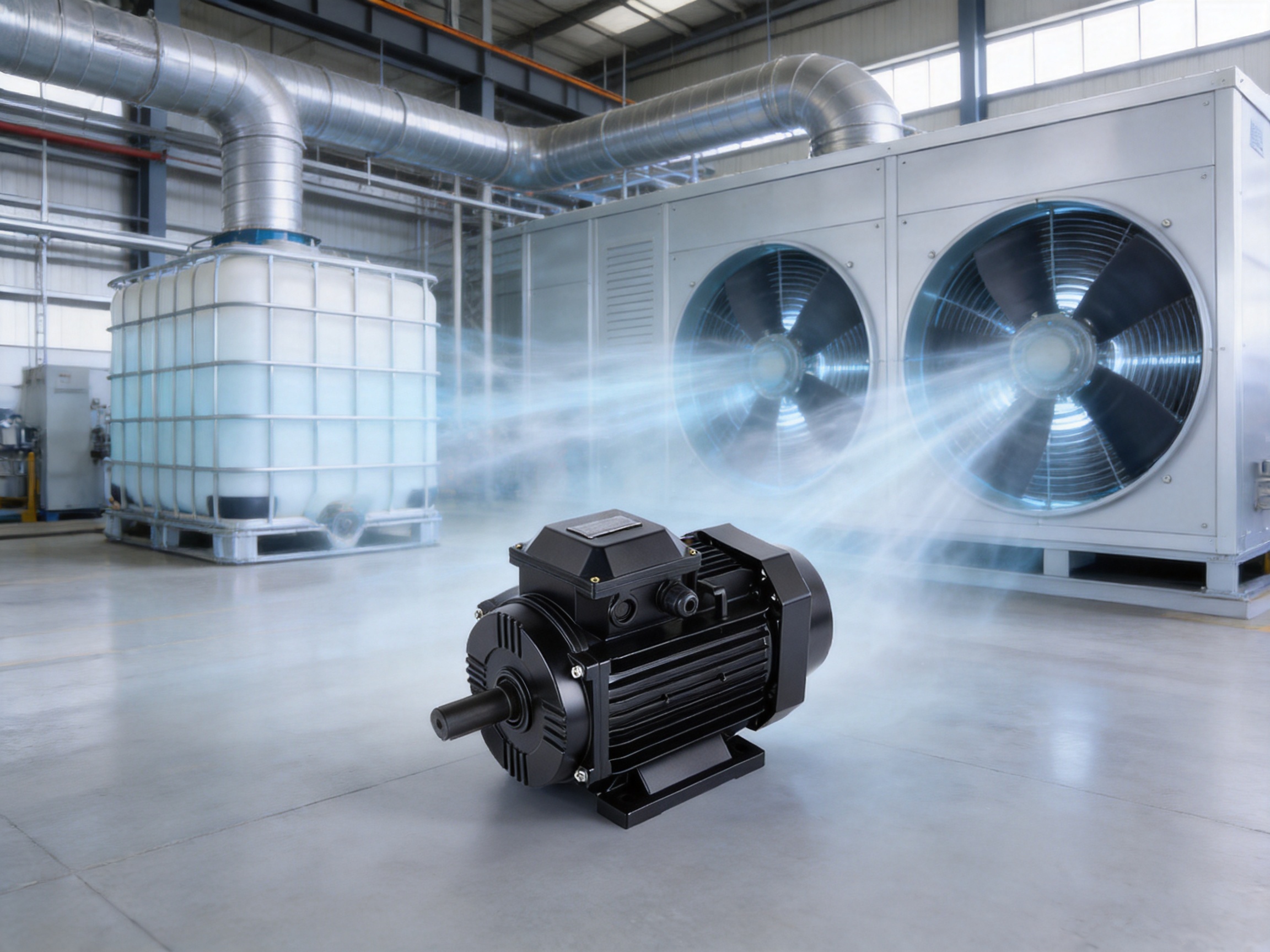
Industrial motor buyers are not all looking for the same purchasing solution. An original equipment manufacturer may require a stable motor platform for a new ventilation product. A distributor may need a dependable replacement model with clear specifications. A system integrator may need help matching the motor to an existing fan assembly. An engineering contractor may require documentation and delivery coordination for a large project.
The ECF-155-10 addresses a defined power and voltage class, but its broader value is its suitability for professional equipment development. The manufacturer’s product portfolio includes evaporative air cooler motors, industrial heater motors, oil pump motors, customized motors, and other AC/DC motor products. This product breadth can help customers communicate multiple motor requirements through one manufacturing partner.
Support for Original Equipment Manufacturers
OEM customers usually need predictable dimensions, repeatable electrical performance, stable quality, and reliable supply. They may also require packaging standards, labeling, production scheduling, and technical communication. A manufacturer involved in both R&D and production can help align the motor with the customer’s equipment from the early design stage.
For the ECF-155-10, OEM evaluation should include the intended fan diameter, blade or impeller characteristics, static pressure, airflow range, duty cycle, environmental conditions, noise expectations, installation orientation, and control method. These factors determine whether the 2200W motor is correctly matched to the complete system.
Support for Distributors and Wholesalers
Distributors require products that are easy to identify, explain, stock, and supply. The ECF-155-10 has a clear model number, defined voltage and power information, and a broad application profile. These characteristics can make it easier for sales teams to present the motor to customers in ventilation, refrigeration, cooling, and building-services markets.
A distributor can also benefit from the manufacturer’s ability to supply multiple motor categories. Instead of sourcing each product from an unrelated supplier, the distributor may be able to build a more coherent product range around a specialist motor factory. This can simplify communication, purchasing, and technical follow-up.
Support for Replacement Projects
Replacement motor selection must be carried out carefully. A motor with the same voltage and power may not be a direct replacement if the mounting dimensions, shaft arrangement, direction of rotation, control interface, fan load, or environmental rating is different. Customers should compare the complete original motor data with the ECF-155-10 specification before ordering.
When the mechanical and electrical conditions are compatible, an EC replacement motor can provide an opportunity to modernize an older fan system. The replacement may add integrated protection and more adaptable operating behavior. However, changes to the controller, wiring, mounting, fan curve, and commissioning procedure may be necessary.
Installation and System Integration Considerations
Correct installation is essential to achieving the intended advantages of any motor. The ECF-155-10 should be installed by qualified personnel who understand high-voltage motor systems and the requirements of the complete fan assembly. The available power supply must be verified before connection, and all wiring should comply with local electrical codes and equipment instructions.
The motor must be mechanically secured and aligned correctly. Excessive vibration, misalignment, unbalanced fan components, or insufficient support can create mechanical stress that no electronic protection system can fully resolve. The fan wheel or impeller should be checked for balance and free rotation before the motor is energized.
Airflow around the motor is also important. Even though the motor includes overtemperature protection, installation should not restrict heat dissipation. Enclosures, insulation, nearby equipment, and duct arrangements should be evaluated to ensure that the motor remains within the appropriate thermal environment.
Before commissioning, technicians should verify the voltage, wiring, protective devices, rotation, fan clearance, vibration, noise, current behavior, and airflow response. Any abnormal sound, heating, smell, vibration, or repeated protective shutdown should be investigated rather than ignored. Proper commissioning helps identify installation issues before they become costly failures.
Electrical Compatibility
The rated electrical information supplied for the product is 380V and 2200W. Buyers should confirm whether the local electrical system and the equipment control architecture are appropriate for this configuration. The motor should not be connected to a supply that does not match the required electrical conditions.
Because the motor includes electronic control and protection, system designers should also consider electromagnetic compatibility, grounding, cable routing, switching devices, and control signals. The correct installation method depends on the final equipment design and applicable standards. External disconnects and circuit protection should be selected according to the complete system’s rated conditions.
Mechanical Compatibility
Electrical matching alone is not sufficient. The motor must be compatible with the fan assembly’s mounting points, shaft or rotor connection, rotational direction, load characteristics, and operating speed requirements. The fan curve should be evaluated so that the motor can operate at a practical point without excessive loading.
Mechanical compatibility is especially important when replacing a conventional motor with an EC motor. The new motor may require different mounting hardware, wiring arrangements, control provisions, or commissioning steps. Careful engineering review helps ensure that the advantages of EC technology are realized without creating installation complications.
Maintenance and Reliability Practices
The ECF-155-10 is designed for stable and protected operation, but routine maintenance remains important. The fan assembly, air path, electrical connections, and surrounding environment should be inspected according to the equipment owner’s maintenance schedule. Dust accumulation, blocked filters, debris, corrosion, and loose fasteners can affect system performance.
Maintenance personnel should check for unusual vibration or noise, changes in airflow, repeated protection events, excessive temperature, and visible damage. A protective shutdown may indicate an underlying mechanical or electrical problem. Resetting the motor repeatedly without identifying the cause can increase the risk of further damage.
Filters and ducts should be kept in suitable condition because restricted airflow can alter the operating point and increase system resistance. Fan blades or impellers should be inspected for contamination and imbalance. Electrical terminals should be checked by qualified personnel, especially in equipment exposed to vibration or temperature cycling.
A clean and correctly maintained fan system allows the motor to operate closer to its intended conditions. This supports energy performance, reduces stress, and helps preserve the value of the motor’s built-in protections.
Commercial Value for Global Buyers
Product value includes more than the initial purchase price. Buyers also consider reliability, energy use, maintenance requirements, replacement frequency, technical support, delivery capability, and supplier stability. The ECF-155-10 offers a combination of high-power EC operation, integrated protection, and broad application suitability that can support a favorable lifecycle evaluation.
The manufacturer exports products to more than 60 countries and regions worldwide. International experience can help a supplier understand the practical needs of overseas customers, including communication across time zones, packaging and shipping coordination, product documentation, and different application environments.
The company’s location in Zhejiang, within the industrially developed Yangtze River Delta, also supports access to established manufacturing and logistics resources. This can be beneficial for customers seeking a motor factory capable of supporting both standard products and customized requirements.
For large-volume projects, buyers should evaluate production capacity, lead times, quality procedures, packaging, inspection records, and after-sales communication. For smaller orders, they should confirm minimum order quantities, sample availability, technical data, and replacement support. These commercial details should be discussed directly with the supplier before final procurement.
How to Select the Right Motor for a Fan System
Before ordering the ECF-155-10, customers should collect the technical information of the intended application. The first items are the available voltage, required power, fan speed, airflow, static pressure, operating schedule, ambient temperature, installation location, and environmental conditions.
The next step is to confirm the mechanical details. These include mounting dimensions, shaft or rotor arrangement, fan connection, rotation direction, installation orientation, and available clearance. A motor that is electrically suitable may still be unsuitable if it cannot be mounted or connected correctly.
Control requirements should also be reviewed. Buyers should determine whether the system requires fixed operation, variable-speed operation, external control, feedback, remote monitoring, or integration with a building management system. The motor and controller must be compatible with the intended control strategy.
Finally, the complete system should be evaluated during commissioning. A technically correct selection should produce the required airflow without excessive current, temperature, vibration, or noise. This process confirms that the motor is working in a suitable region of the fan system’s operating curve.
Q&A About the 380V 2200W EC Fan Motor
What is the rated specification of the ECF-155-10?
The motor is specified at 380V and 2200W. These values should be checked against the available power supply and the requirements of the complete fan system before installation.
What type of motor is the ECF-155-10?
It is an EC fan motor. EC means electronically commutated, indicating that electronic control is integrated into the motor’s operating concept.
What protection functions are included?
The motor includes built-in protection against overcurrent, overvoltage, overtemperature, and locked-rotor conditions. These functions help manage abnormal operating events but should be used together with appropriate external electrical protection and correct installation.
Can the motor operate when the power supply fluctuates?
The product is designed with wide voltage tolerance to support consistent performance under fluctuating power. The actual permitted voltage conditions should be confirmed with the supplier and evaluated against local electrical requirements.
Where can this motor be used?
Listed applications include air handling units, cooling towers, cold storage, precision cooling, industrial ventilation, and public or commercial building systems. Compatibility depends on the electrical, mechanical, thermal, and airflow requirements of the specific equipment.
Is the motor suitable for continuous operation?
The motor is intended for professional air movement applications, including systems that may operate for long periods. Continuous-duty suitability must be confirmed for the complete installation, including ambient temperature, load, ventilation, control method, and maintenance conditions.
Can it replace a conventional AC fan motor?
It may be considered for a replacement project if the voltage, power, mounting, fan load, rotation, control arrangement, and environmental requirements are compatible. An EC motor replacement may require changes to wiring, controls, mounting hardware, or commissioning procedures.
Why is locked-rotor protection important?
Locked-rotor protection helps manage a condition in which the rotor cannot turn because of a blocked fan, mechanical obstruction, excessive resistance, or another fault. Without appropriate protection, this condition can create high current and rapid heating.
What should buyers confirm before placing an order?
Buyers should confirm the rated voltage, power, dimensions, mounting arrangement, fan connection, control requirements, operating environment, airflow and pressure targets, expected duty cycle, packaging, delivery schedule, and any required customization or documentation.
What manufacturing capabilities does the supplier provide?
The supplier focuses on the R&D, production, and sales of AC/DC motors and micro motors. It operates modern production facilities, uses advanced automated equipment, maintains quality control systems, and has a professional R&D team. Its products are exported to more than 60 countries and regions.
Conclusion
The ECF-155-10 380V 2200W EC fan motor is designed for industrial and commercial air movement systems that demand stable operation, meaningful power, integrated protection, and broad application flexibility. Its electronically commutated design provides a strong platform for modern ventilation and cooling equipment, while wide voltage tolerance helps support operation under fluctuating power conditions.
Its built-in safeguards against overcurrent, overvoltage, overtemperature, and locked rotor distinguish it from simpler motor arrangements that may depend more heavily on separate protective components. These functions can improve system resilience when combined with proper electrical design, mechanical installation, environmental control, and routine maintenance.
The product is suitable for consideration in air handling units, cooling towers, cold storage, precision cooling, industrial ventilation, and public or commercial buildings. Its 380V and 2200W configuration gives equipment manufacturers and system integrators a substantial power option for larger fan assemblies, subject to detailed performance matching.
Behind the product is a manufacturer with R&D capability, modern facilities, automated production equipment, quality control systems, and experience serving global markets. Shengzhou Jiangxin Motor Technology Co., Ltd. provides not only standard motor products but also a broader AC/DC motor portfolio and customized development capability. For customers seeking a dependable EC fan motor supplier, the ECF-155-10 offers a balanced combination of technical features, manufacturing strength, and application potential.
References
1. Shengzhou Jiangxin Motor Technology Co., Ltd. Product information for the ECF-155-10 380V 2200W EC fan motor.
2. Shengzhou Jiangxin Motor Technology Co., Ltd. Corporate profile and manufacturing capability information.
3. General principles of electronically commutated motor operation and fan-system energy management.
4. General industrial guidance for motor protection, ventilation equipment installation, and preventive maintenance.
5. General engineering practices for matching fan motors with airflow, static pressure, electrical supply, and operating environment.
Product: ECF-155-10 380V 2200W EC Fan Motor
 Ready To Customise
 Your Motor Products?

We are professional motor manufacturers, delivering powerful, stable, and efficient power cores for all industries through precision craftsmanship and innovation.
Contact Us
-
 Mobile:+86 13575536911
-
 Tel:+86 18357538240
-
 Whatsapp:+8618357538240
-
 Email:betty@dbjxmotor.com
-
 Company Address
Copyright © by Shengzhou Jiangxin Motor Technology Co., Ltd. All Rights Reserved.
Wholesale Industrial Fan Motors Manufacturers
