

 English
 русский
 Español
 عربى
عربى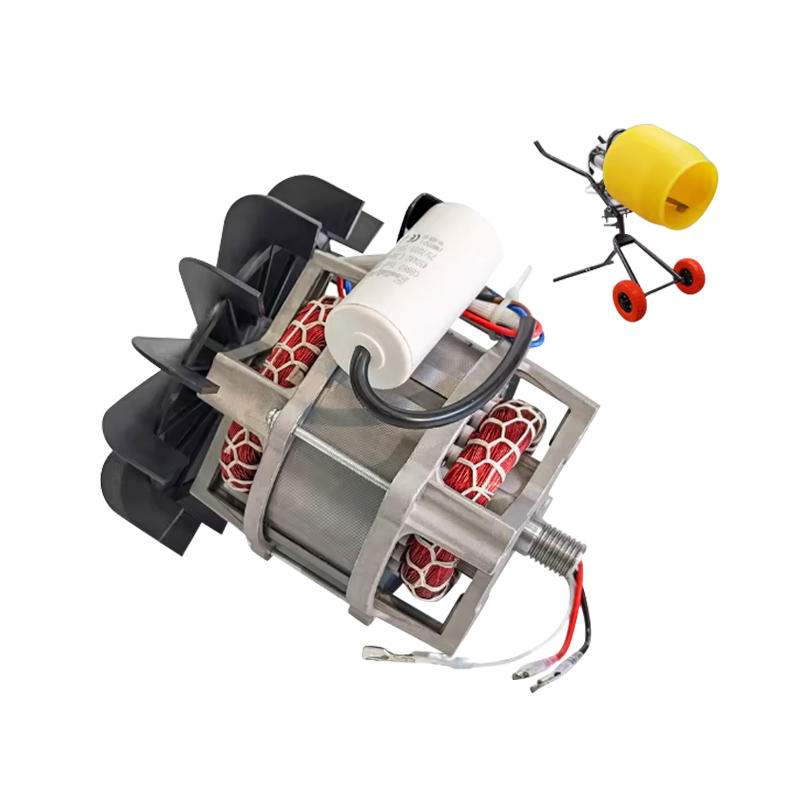
No. 8, Duxiu San Road, Ganlin Town, Shengzhou City, Shaoxing City, Zhejiang Province, China

News Category
Product Category
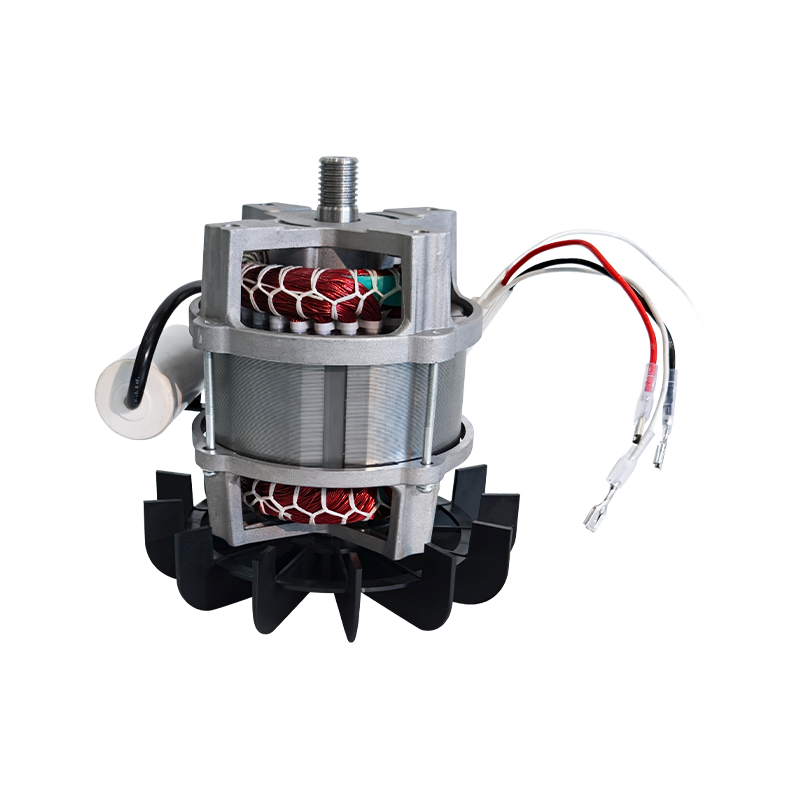
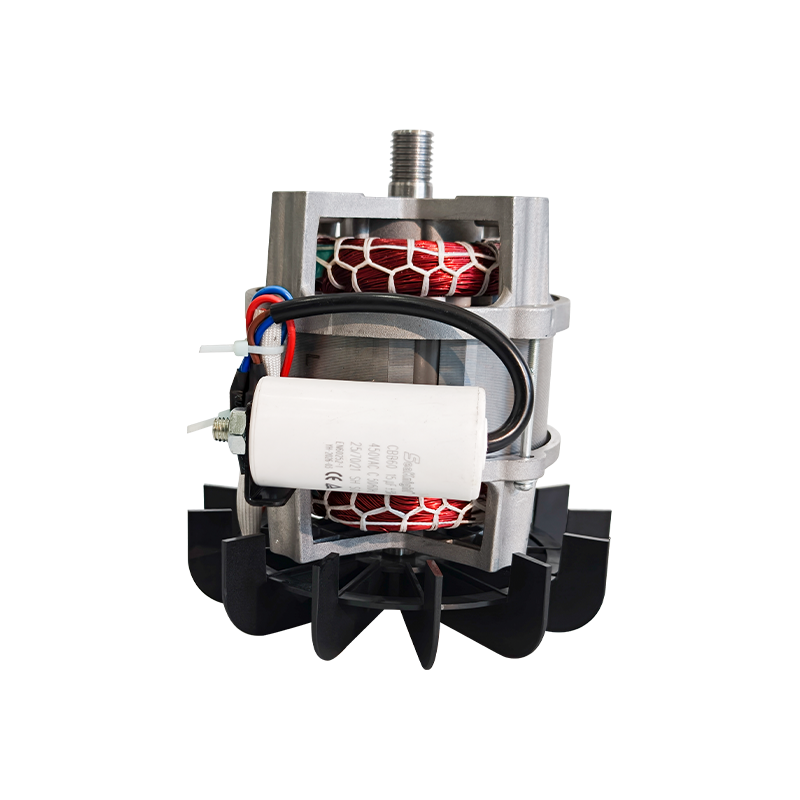
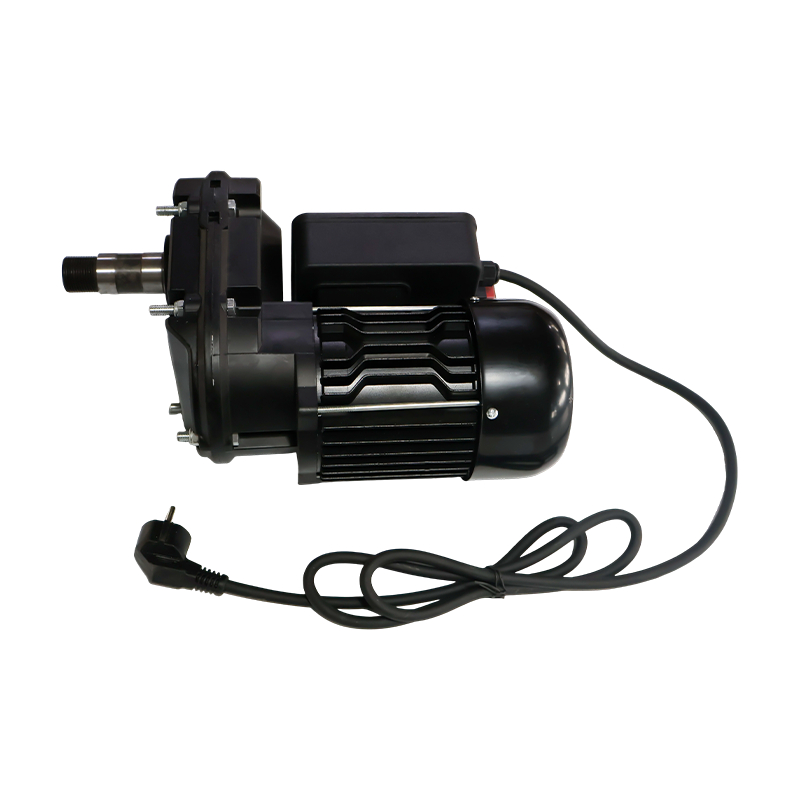
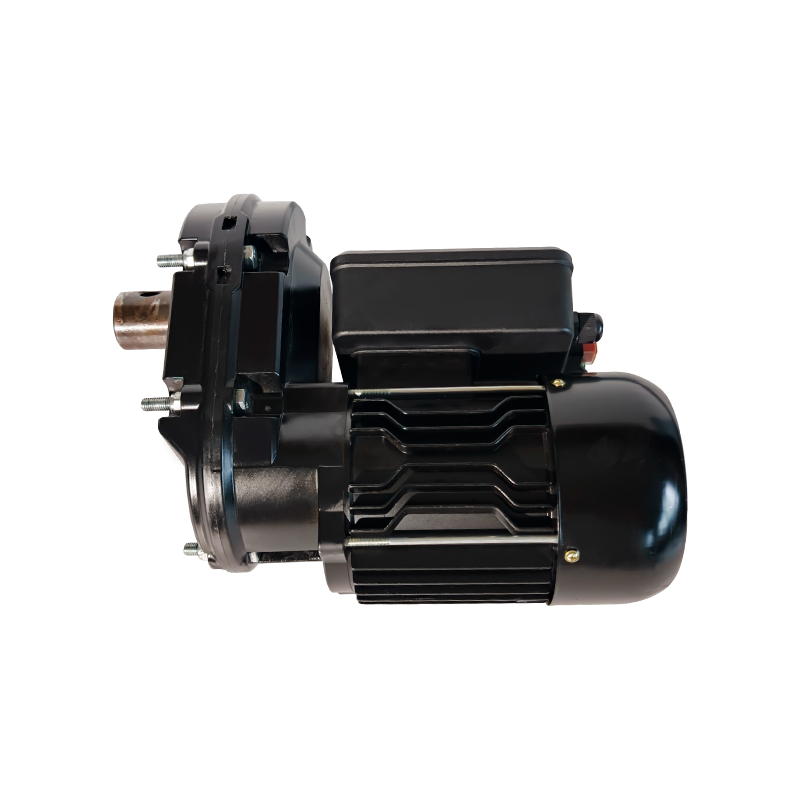
YY71-2 230V 500W Mini Cement Mixer Motor: Compact Power for Reliable Mixing
Content
- 1 Product Overview
- 2 Why Motor Selection Matters in a Mini Cement Mixer
- 3 Stable 500W Power for Compact Mixing Equipment
- 4 230V Compatibility for Broad Market Applications
- 5 Compact and Lightweight Construction
- 6 Reinforced Metal Housing for Demanding Work Environments
- 7 Advantages Compared with Generic Low-Cost Alternatives
- 8 Suitable Applications
- 9 Manufacturing Strengths Behind the Product
- 10 Quality Control Considerations
- 11 Installation and Integration Guidance
- 12 Maintenance Practices for Long Service Life
- 13 Benefits for Equipment Manufacturers
- 14 Benefits for Distributors and Replacement-Motor Suppliers
- 15 Benefits for Contractors and DIY Users
- 16 Evaluating the Motor Before Purchase
- 17 Responsible Performance Expectations
- 18 Company Manufacturing and Export Experience
- 19 Environmental and Efficiency Considerations
- 20 Frequently Asked Questions
- 20.1 What is the YY71-2 motor used for?
- 20.2 What are the main electrical specifications?
- 20.3 Is the motor suitable for a large industrial cement mixer?
- 20.4 Does the reinforced metal housing make the motor waterproof?
- 20.5 Can the motor be used as a replacement component?
- 20.6 What are the advantages of the 500W rating?
- 20.7 Is the 230V configuration suitable for every country?
- 20.8 How can users reduce motor wear?
- 20.9 Can the manufacturer provide customized motor solutions?
- 20.10 What should equipment manufacturers request before mass production?
- 21 Conclusion
- 22 References
- 23 Product: YY71-2 230V 500W Mini Cement Mixer Motor
Mini cement mixers are essential tools for small construction projects, home renovation, landscaping, masonry work, repair operations and do-it-yourself applications. Although these machines are compact, their motors must deliver dependable starting performance, stable running power and sufficient torque to mix cement, concrete, mortar and other construction materials. The YY71-2 230V 500W Mini Cement Mixer Motor is designed to meet these practical requirements in a compact and service-friendly format.
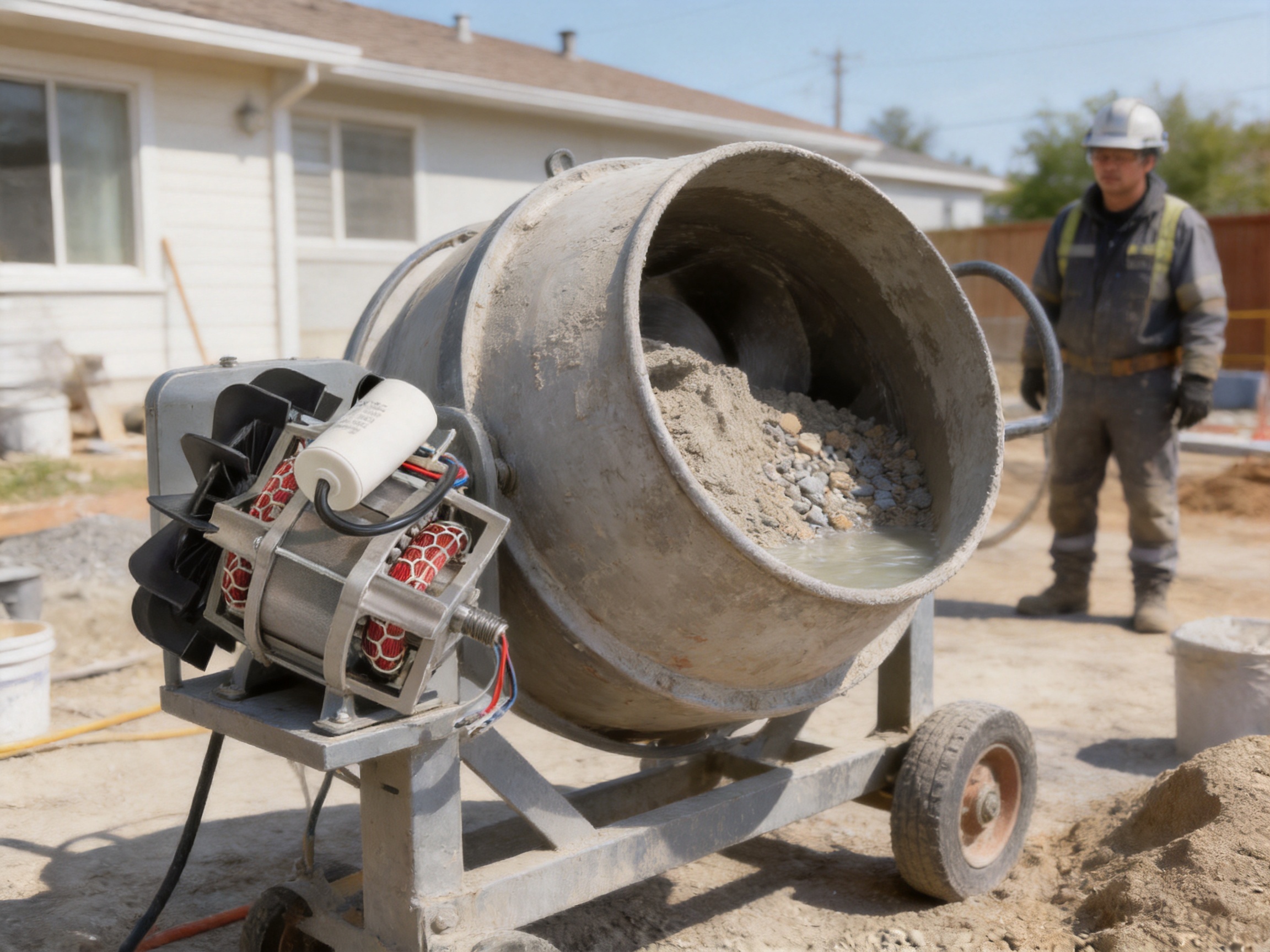
With a rated voltage of 230V and power output of 500W, the YY71-2 offers a balanced solution for mini cement mixer applications. It provides the power required for routine mixing while maintaining a compact structure that is easy to install, transport and integrate into small equipment. Its reinforced metal housing supports durability in demanding working environments, while the motor’s practical configuration makes it suitable for equipment manufacturers, replacement-part distributors, construction tool suppliers and end users.
The motor is manufactured by Shengzhou Jiangxin Motor Technology Co., Ltd., a professional AC/DC motor and micro motor producer based in Zhejiang, China. The company combines product development, production, quality control and export experience to supply motors for environmental equipment, industrial heating, hydraulic systems and other applications. Its broader manufacturing capabilities support consistent production and the development of application-specific motor solutions.
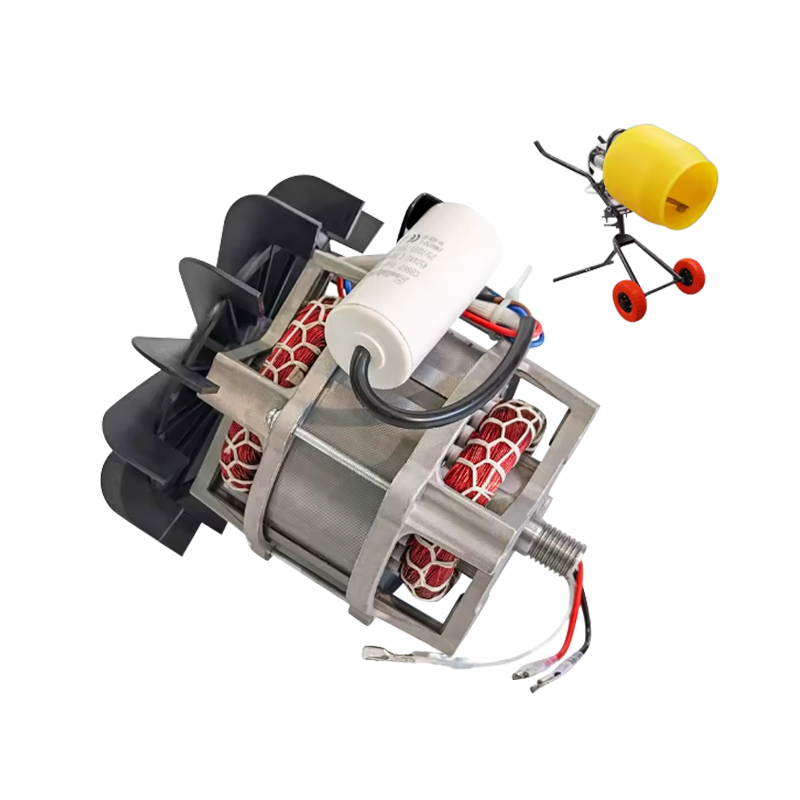
YY71-2 230V 500W Mini Cement Mixer Motor
Product Overview
The YY71-2 is a 230V, 500W motor intended for mini cement mixers and similar compact mixing equipment. It is designed around the practical needs of small machines: adequate operating power, straightforward installation, manageable weight, stable operation and resistance to the vibration commonly associated with mixing applications.
A mini cement mixer normally operates under variable loads. The motor may run with an empty drum during startup, encounter increased resistance as materials are added, and experience repeated load changes as the mixture moves inside the drum. A suitable motor must therefore do more than simply reach a nominal power rating. It should provide dependable operation throughout the mixing cycle and remain mechanically stable when exposed to regular vibration.
The YY71-2 addresses these conditions with a compact motor design and reinforced metal housing. The 500W rating offers a practical power level for mini cement mixers used in household, workshop and light construction environments. The 230V electrical specification is suitable for many European and international household and commercial power systems, subject to local electrical standards and the equipment’s complete wiring design.
| Product Item | Specification |
|---|---|
| Model | YY71-2 |
| Application | Mini cement mixers, small concrete mixers and mortar-mixing equipment |
| Rated voltage | 230V |
| Rated power | 500W |
| Product category | Concrete Mixer Motor |
| Housing | Reinforced metal housing |
| Primary benefits | Compact design, stable power, convenient installation and durable construction |
| Typical users | Equipment manufacturers, distributors, contractors, workshops and DIY users |
Why Motor Selection Matters in a Mini Cement Mixer
The motor is the central power source of a cement mixer. Its performance directly influences drum rotation, material movement, mixing consistency, operating reliability and equipment service life. A motor that is undersized may struggle when the drum is loaded, while an unnecessarily large motor can add cost, weight, installation complexity and energy demand.
For compact mixers, the preferred motor is usually one that balances output with practical machine dimensions. The motor should be powerful enough to support the intended batch size and material density, but compact enough to fit within the mixer frame. This balance is particularly important for portable equipment, where the overall weight affects transportation and handling.
The YY71-2 500W configuration is positioned for mini cement mixer applications where stable and manageable power is more important than the excessive capacity associated with large industrial mixing systems. It is suitable for equipment designed for smaller batches and routine light-duty or medium-duty work, provided that the complete mixer is engineered within the motor’s operating limits.
Motor selection also affects maintenance. A compact motor with a durable housing and accessible mounting arrangement can make replacement or servicing more efficient. For manufacturers, a practical motor format can simplify product design. For distributors and repair professionals, a clearly specified replacement motor can reduce selection errors and improve compatibility assessment.
Stable 500W Power for Compact Mixing Equipment
The 500W rating is one of the most important characteristics of the YY71-2. It provides a stable power level for mini cement mixers handling cement, concrete, mortar and related materials. The output is suitable for machines that require reliable drum rotation without the bulk and energy requirements of a larger motor.
In a small mixer, available power must be used efficiently. The mixer’s drum size, transmission ratio, blade or paddle design, bearing condition and material load all influence the actual work performed by the motor. A properly matched 500W motor can deliver consistent operation when these factors are correctly coordinated.
Stable power is especially valuable during extended mixing cycles. Cement and mortar materials can become more resistant to movement as they are combined with water and aggregate. A motor intended for this application should support steady operation rather than frequent interruption or excessive performance fluctuation. The YY71-2 is designed as a dependable power source for this type of repeated mixing work.
The motor’s output also helps mini mixer manufacturers create equipment that is easier to use in residential and small-site environments. Compact mixers are often moved between locations, stored in limited spaces and operated by users who need practical equipment rather than oversized industrial machinery. A 500W motor provides a useful midpoint between low-power household devices and larger construction motors.
Matching the Power Rating to the Mixer
The 500W specification should always be evaluated together with the mixer’s drum capacity, mechanical transmission and intended material load. It should not be interpreted as an unlimited capacity rating. The complete machine must be designed so that the drum, gearbox, belt system, bearings and motor operate within appropriate limits.
Manufacturers and users should also consider startup conditions. Starting a loaded drum can create a higher temporary demand than normal running. Proper mechanical design, suitable electrical protection and an appropriate starting arrangement are important for reliable operation. The YY71-2 can serve as a strong foundation for a compact mixer, but the final equipment design must account for all operating variables.
230V Compatibility for Broad Market Applications
The YY71-2 is specified for 230V operation, a voltage commonly used in many European, Asian, African and international markets. This makes the motor a convenient option for mini cement mixers intended for regions with compatible household or commercial electrical systems.
A 230V motor can simplify equipment planning for manufacturers serving markets where this voltage is standard. It can also make replacement sourcing more straightforward for distributors and repair companies. However, voltage compatibility should always be confirmed against local regulations, frequency requirements, connection methods, protective devices and the complete mixer control system.
The 230V rating does not eliminate the need for correct installation. Wiring, grounding, switches, overload protection and enclosures should be selected and installed by qualified personnel. The motor should be protected from moisture, excessive dust and accidental contact, especially when the mixer is used outdoors or on construction sites.
For international projects, purchasers should verify whether the motor configuration matches the target country’s electrical frequency and certification requirements. They should also confirm the mounting dimensions, shaft arrangement and control method before placing a production or replacement order. These checks help ensure that the motor functions correctly as part of the complete machine.
Compact and Lightweight Construction
Portability is a defining feature of mini cement mixers. These machines are frequently transported by hand, placed in small vehicles or moved around residential construction areas. A large and heavy motor can make an otherwise practical mixer difficult to handle. The compact and lightweight design of the YY71-2 supports the mobility expected from small mixing equipment.
A compact motor can help equipment designers reduce the overall footprint of the mixer. This may allow more efficient positioning inside the frame, easier access to service points and improved balance between the motor, drum and support structure. For end users, the result can be equipment that is easier to move, store and install.
The motor’s compact format is also useful for replacement applications. Older or damaged motors may need to be removed from confined motor compartments. A manageable design can help maintenance personnel complete replacement work more efficiently, provided that the electrical and mechanical specifications are compatible.
Reduced size does not mean that the motor is intended for careless handling. The motor should be installed with suitable supports, aligned correctly with the transmission system and protected from impacts. Correct installation is essential to preserve the benefits of a compact design and to prevent excessive vibration or premature wear.
Reinforced Metal Housing for Demanding Work Environments
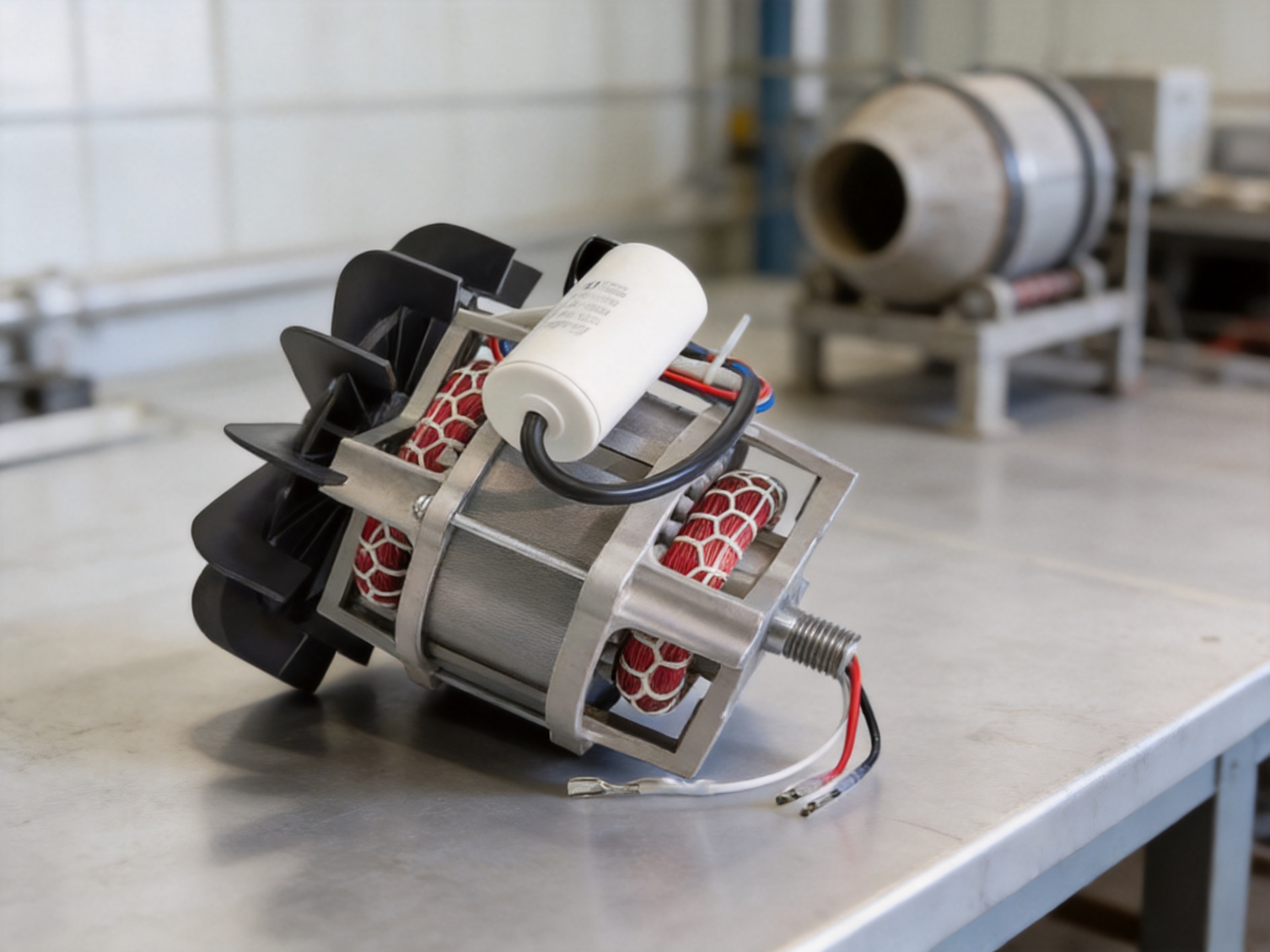
Construction equipment is exposed to conditions that are more demanding than those found in many indoor appliances. Cement dust, aggregate particles, vibration, impact risks and repeated transportation can all affect motor performance. The YY71-2 uses a reinforced metal housing to support mechanical protection and long-term durability in this type of working environment.
The metal housing helps provide structural strength around the motor’s internal components. It can resist ordinary handling stresses and contribute to a more stable mounting structure. In a cement mixer, where vibration is generated by the rotating drum and changing material load, a strong housing can support reliable motor positioning when the mixer is correctly assembled.
Durability is also important for users who operate mixers repeatedly throughout a working day. A motor that is built for regular use can reduce the risk of premature replacement and help improve the overall value of the equipment. The YY71-2 is designed with this practical expectation in mind.
Even with a reinforced housing, the motor should not be regarded as completely immune to environmental damage. Cement dust should be kept away from ventilation openings and electrical connections where possible. The mixer should be cleaned according to safe maintenance procedures, and the motor should not be exposed to direct water spray unless the complete product has been specifically designed and protected for that condition.
Vibration Resistance Through Complete Equipment Design
Vibration performance depends on the motor, mounting brackets, shaft alignment, transmission components, drum balance and foundation. The YY71-2’s reinforced construction provides a solid basis for stable installation, but the complete mixer must be engineered as a coordinated system.
Loose mounting bolts, worn bearings, damaged belts or an unbalanced drum can create excessive vibration regardless of motor quality. For this reason, regular inspection should include motor fasteners, coupling or belt tension, bearing condition and the structural frame. Good maintenance protects both the motor and the mixer.
Advantages Compared with Generic Low-Cost Alternatives
Mini cement mixer motors are available in many configurations, and low purchase price is often an important consideration. However, the lowest initial cost does not always provide the best long-term value. Motor quality, housing strength, power stability, manufacturing consistency and supplier support all influence the total cost of ownership.
Compared with generic alternatives that may be selected only by nominal wattage, the YY71-2 offers a more application-focused specification. It is identified specifically for mini cement mixer use and combines a 500W rating with a 230V electrical configuration, compact dimensions and reinforced metal construction. This makes it easier for purchasers to evaluate whether the motor fits the intended equipment.
A clearly defined model also supports better communication between manufacturers, distributors and end users. Instead of relying on uncertain descriptions such as “small mixer motor” or “500W replacement motor,” buyers can refer to the YY71-2 model and confirm the required electrical and mechanical details with the supplier.
The motor’s practical design can also provide advantages over motors intended for unrelated applications. A general-purpose fan motor, for example, may not be appropriate for the mechanical vibration and load changes of a mixer. Application suitability is therefore more important than comparing wattage alone.
| Evaluation Factor | YY71-2 Benefit | Why It Matters |
|---|---|---|
| Power level | 500W stable output | Supports routine mixing in compact equipment |
| Electrical specification | 230V configuration | Suitable for many compatible regional power systems |
| Mechanical protection | Reinforced metal housing | Helps withstand ordinary vibration and handling stresses |
| Equipment integration | Compact and lightweight format | Supports portable mixer design and convenient installation |
| Application focus | Designed for mini cement mixer use | Provides a clearer starting point for equipment matching |
| Supply capability | Produced by an experienced motor manufacturer | Supports product consistency and technical communication |
Suitable Applications
The YY71-2 is intended primarily for mini cement mixers. These mixers are used where moderate quantities of cement, concrete or mortar must be prepared efficiently without the size and infrastructure required by a large stationary mixing plant.
Typical applications include small building projects, household extensions, garden walls, paving work, repair operations, masonry construction and renovation tasks. The motor can also be considered for compact equipment used by rental companies, maintenance contractors and construction tool suppliers.
For do-it-yourself users, a dependable motor can make small construction work more manageable. Instead of mixing every batch manually, users can employ a compact machine that provides more uniform material movement and reduces physical effort. The YY71-2 is suited to this category of equipment when the mixer capacity and operating conditions are appropriate.
Equipment manufacturers may use the motor in new mini mixer designs or as a replacement component for an existing model. Distributors can include it in product lines serving regional construction equipment markets. Repair specialists may also evaluate it when replacing a failed motor, subject to dimensional, electrical and mechanical compatibility.
Mini Concrete and Mortar Mixers
Concrete and mortar mixing place different demands on equipment depending on the aggregate size, moisture content and batch volume. The YY71-2 is most appropriate for compact machines designed around its 500W power level. The manufacturer or equipment designer should define the recommended load and operating cycle to prevent overloading.
For mortar applications, where the material may be relatively fine but dense, the motor should work with a suitable drum and transmission ratio. For concrete applications containing aggregate, the drum geometry and mixing elements must be selected to maintain effective movement without creating unnecessary resistance.
Construction and DIY Renovation Projects
Small construction and renovation projects often require equipment that is easy to transport and quick to set up. A compact 230V motor can support machines used at homes, workshops and small job sites where a compatible electrical supply is available.
The motor’s manageable size can also support storage between projects. Contractors and homeowners may prefer equipment that can be placed in a garage, utility room or small workshop rather than requiring a dedicated industrial space.
Manufacturing Strengths Behind the Product
The performance of a motor depends not only on its design but also on how consistently it is manufactured. Shengzhou Jiangxin Motor Technology Co., Ltd. was established in 2017 and specializes in the research, development, production and sales of AC/DC motors and micro motors. Its experience across different application areas provides a foundation for producing motors with practical and repeatable specifications.
The company operates in Shengzhou, Zhejiang Province, an important manufacturing region in the Yangtze River Delta. This location provides access to industrial suppliers, engineering resources, component manufacturers and logistics networks. Such an industrial environment can support responsive sourcing, production coordination and export operations.
According to the supplied company information, the manufacturer owns modern production facilities, automated equipment and a professional research and development team. These resources are important for motor production because consistent assembly, winding, component positioning, testing and inspection all contribute to stable product performance.
The company has also been recognized as a provincial-level technology enterprise. This recognition reflects an emphasis on technical development and manufacturing capability. For buyers of application-specific motors, an engineering-oriented supplier can provide more value than a trading source that offers limited product knowledge or customization support.
Research and Development Capability
Motor applications vary widely. An air cooler motor, heater motor, oil pump motor and mixer motor may each require different electrical, mechanical and thermal characteristics. A manufacturer with research and development capability can adapt motor designs to application requirements instead of offering only one standard configuration.
For the YY71-2, this application-oriented approach is relevant because mini cement mixers require a combination of compact construction, stable power and mechanical durability. Product development should consider how the motor interacts with the mixer frame, transmission and load cycle. Technical communication between the motor supplier and equipment manufacturer can help achieve a better match.
Customization may be considered for qualified projects where customers require different mounting arrangements, output characteristics, wiring configurations or production packaging. Any modification should be reviewed through engineering evaluation and confirmed by appropriate testing before mass production.
Automated Production and Process Consistency
Automated production equipment can improve repeatability in operations such as component assembly, winding, balancing and inspection. Consistency is particularly important for motors supplied in batches because small variations in assembly can affect noise, vibration, efficiency and service life.
Automation does not replace quality management. It must be supported by proper process controls, trained personnel, equipment maintenance and inspection procedures. When these elements work together, the manufacturer can improve production stability and reduce variation between individual motors.
For equipment manufacturers, consistent motor dimensions and electrical performance can simplify assembly-line planning. For distributors, stable product quality can reduce customer complaints and replacement uncertainty. For end users, it can contribute to more predictable mixer performance over the service life of the equipment.
Quality Control Considerations
Quality control for a mini cement mixer motor should cover incoming materials, manufacturing processes, assembly accuracy and final product testing. The exact inspection standards depend on the motor design and customer requirements, but a professional quality system generally evaluates electrical safety, operating performance, mechanical integrity and appearance.
Electrical checks may include insulation condition, connection accuracy, voltage suitability and basic operational testing. Mechanical checks may include housing integrity, mounting dimensions, shaft condition and rotation behavior. Functional testing can help identify abnormal noise, excessive vibration or other issues before shipment.
Quality control is especially important for motors used in equipment with changing loads. A motor that appears acceptable under no-load conditions may behave differently when integrated into a mixer. Application testing or coordinated sample evaluation can help confirm that the motor and mixer work effectively together.
Buyers should request the technical documents necessary for their application, including dimensional drawings, wiring information, operating limits, inspection records or sample test results where applicable. These documents help ensure that purchasing decisions are based on verified specifications rather than assumptions.
Installation and Integration Guidance
Before installation, confirm that the motor model, voltage, power, mounting pattern, shaft dimensions and transmission arrangement match the mixer. The motor should be securely fastened to a rigid support structure. If a belt or coupling is used, alignment should be checked carefully to prevent side loading and unnecessary vibration.
Electrical installation should be performed by qualified personnel. The power supply must match the motor rating, and appropriate switching, grounding and overload protection should be provided. The installation should follow applicable local electrical requirements and the instructions supplied for the complete mixer.
The motor should be positioned where it can receive adequate ventilation while remaining protected from direct exposure to cement dust, water and impact. Ventilation openings should not be blocked by the frame, covers or accumulated debris. If the mixer is used outdoors, the electrical enclosure and control system should provide suitable protection for the environment.
After installation, operate the mixer without a material load to check the direction of rotation, abnormal noise, vibration and belt or coupling movement. A gradual test with a partial load can then help confirm that the motor and transmission operate as expected. Any unusual sound, overheating, burning odor or irregular rotation should be investigated immediately.
Preventing Overload
Overloading can occur when the drum is filled beyond its recommended capacity, when the mixture contains excessive aggregate, when materials become too dry or when the transmission system is damaged. Repeated overload can increase motor temperature and reduce service life.
Users should follow the mixer manufacturer’s recommended batch size and operating procedure. Materials should be added in a controlled sequence, and the drum should not be forced to rotate when it is jammed. If the mixer stops under load, the power should be disconnected before inspecting the drum or transmission.
Maintenance Practices for Long Service Life
Routine maintenance helps preserve the performance of the YY71-2 and the complete mixer. Operators should keep the motor exterior reasonably clean, inspect fasteners and examine the transmission system at regular intervals. Maintenance frequency should reflect operating hours, environmental conditions and the intensity of use.
Dust and material buildup should be removed using safe methods that do not push contaminants into the motor. Direct high-pressure water should be avoided unless the equipment has been specifically designed for that cleaning method. Electrical connections should be kept dry and checked for signs of looseness or damage.
Mounting bolts should be inspected because vibration can gradually loosen fasteners. Belts should be checked for correct tension and wear, while couplings should be examined for alignment and damage. Bearings, drum supports and gearbox components should also be maintained according to the mixer manufacturer’s service recommendations.
Temperature changes can provide an early warning of problems. A motor that becomes unusually hot during a normal load may be experiencing overload, restricted ventilation, excessive friction, incorrect voltage or a mechanical transmission problem. Prompt diagnosis can help prevent more serious damage.
Benefits for Equipment Manufacturers
For mini mixer manufacturers, the YY71-2 provides a defined power and voltage platform around which a compact machine can be developed. The 500W output supports a practical equipment category, while the reinforced housing and manageable size support portable product design.
A specialized motor supplier can also assist manufacturers with product matching. Technical discussions may cover mounting arrangements, shaft configuration, control requirements, production quantities, packaging and application testing. This type of cooperation can shorten development cycles and reduce the risk of selecting an unsuitable motor.
Stable supply is another important consideration. A manufacturer serving construction equipment customers needs predictable component availability to maintain assembly schedules. Jiangxin Motor’s production facilities, automated equipment and export experience support its ability to serve customers in multiple countries and regions.
The company’s product range extends beyond concrete mixer motors to include evaporative air cooler motors, industrial heater motors, oil pump motors and customized motor solutions. This broader technical portfolio can be useful to customers who purchase motors for several types of equipment and prefer to work with one experienced supplier.
Benefits for Distributors and Replacement-Motor Suppliers
Distributors need products that are easy to describe, classify and match to customer requirements. The YY71-2 has a clear model designation and straightforward core specifications: 230V and 500W. Its intended application as a mini cement mixer motor provides a useful basis for catalog organization and customer communication.
Replacement suppliers can use the model as a starting point when evaluating a failed motor. However, replacement should never be based on voltage and wattage alone. The supplier should compare mounting dimensions, shaft size, rotation direction, electrical connections, transmission interface and operating conditions.
A product with a reinforced metal housing and compact format may appeal to customers seeking a durable alternative to an ordinary low-cost motor. By explaining the importance of application suitability, distributors can help customers select products based on total value rather than only the initial purchase price.
Benefits for Contractors and DIY Users
Contractors working on small projects often need equipment that is portable, dependable and simple to integrate into existing work routines. A mini mixer powered by the YY71-2 can provide a practical way to prepare small batches of construction material without using a large industrial mixer.
For DIY users, the compact format can make equipment easier to move and store. The 230V specification can be convenient where a compatible power supply is available. The 500W rating is suitable for machines designed for small-scale mixing, helping users complete renovation, landscaping and masonry tasks more efficiently.
Users should remember that motor performance depends on the complete mixer. Correct batch size, proper material preparation, adequate ventilation and regular cleaning are all necessary. A motor should not be operated outside its intended conditions simply because it has a metal housing or a stated power rating.
Evaluating the Motor Before Purchase
Purchasers should begin by defining the application. Confirm whether the motor will be used in a mini cement mixer, concrete mixer, mortar mixer or another type of equipment. Identify the expected batch size, operating frequency, site conditions and available power supply.
The next step is to compare the motor’s electrical specifications. The available supply should match the 230V rating, and any frequency or control requirements should be confirmed with the supplier. Buyers should also clarify whether the motor is supplied with the required wiring, mounting accessories or protective components.
Mechanical compatibility should then be reviewed. Important details include the motor’s external dimensions, mounting holes, shaft dimensions, shaft extension, rotation direction and connection to the belt, gearbox or coupling system. Drawings or samples may be necessary for accurate evaluation.
Finally, buyers should consider production quantity, packaging, lead time, quality documentation and after-sales communication. These factors are particularly important for original equipment manufacturers and importers. A technically suitable motor is most valuable when it can also be supplied consistently and supported professionally.
| Purchase Check | Questions to Confirm |
|---|---|
| Electrical compatibility | Is the equipment supply compatible with 230V, and are frequency and protection requirements satisfied? |
| Power requirement | Is 500W suitable for the mixer’s drum size, batch load and duty cycle? |
| Mechanical fit | Do the mounting points, shaft dimensions and transmission arrangement match? |
| Environmental conditions | Will the motor be protected from excessive dust, water and impact? |
| Quality documentation | Are technical drawings, inspection information and operating guidance available? |
| Supply requirements | Can the supplier support the required quantity, packaging and delivery schedule? |
Responsible Performance Expectations
The YY71-2 is designed to provide reliable power for mini cement mixers, but responsible performance expectations are essential. It should be used in equipment that matches its rating and in accordance with the operating instructions. The motor is not intended to replace a high-capacity industrial mixer or to operate continuously under severe overload.
Performance can be influenced by ambient temperature, material density, drum design, transmission efficiency, electrical supply quality and maintenance. These factors should be evaluated when determining the suitable duty cycle and service expectations.
Manufacturers can improve overall performance by pairing the motor with an efficient transmission system and a properly balanced drum. End users can help preserve performance by avoiding overfilling, maintaining the mixer and disconnecting power before servicing.
Company Manufacturing and Export Experience
Shengzhou Jiangxin Motor Technology Co., Ltd. focuses on AC/DC motors and micro motors for a wide range of equipment applications. Established in 2017, the company has developed production and research capabilities that support both standard products and customized solutions.
The company’s product portfolio includes evaporative air cooler motors, industrial heater motors, oil pump motors and other application-specific motors. This range demonstrates experience in designing motors for environmental equipment, industrial heating, hydraulic systems and related fields.
Its products are exported to more than 60 countries and regions. International supply experience requires attention to product specifications, packaging, communication, documentation and customer service. These capabilities are relevant to buyers sourcing the YY71-2 for overseas equipment production or distribution.
The company emphasizes craftsmanship, customer-oriented service, quality control and product innovation. Its modern facilities, automated equipment and professional research and development team provide a manufacturing base for producing reliable and energy-conscious motor solutions.
Environmental and Efficiency Considerations
Energy efficiency in a mini cement mixer depends on the motor as well as the mechanical system. A properly matched motor can avoid unnecessary energy use caused by excessive capacity, inefficient transmission or repeated stall conditions. The YY71-2’s compact 500W configuration is intended for equipment where moderate, stable power is appropriate.
Efficient operation also reduces heat generation and mechanical stress. Keeping the drum properly loaded, maintaining the transmission and ensuring adequate ventilation can help the motor operate more effectively. These practices may contribute to longer service life and lower operating costs.
Responsible product selection can reduce waste as well. A durable motor that remains serviceable for repeated use may reduce the frequency of replacement. When a motor does eventually reach the end of its service life, appropriate recycling and disposal of metal and electrical components should be considered according to local requirements.
Frequently Asked Questions
What is the YY71-2 motor used for?
The YY71-2 is designed for mini cement mixers and similar compact equipment used to mix cement, concrete and mortar. It is intended for small construction, repair, renovation and DIY applications.
What are the main electrical specifications?
The motor is specified at 230V and 500W. Buyers should also confirm frequency, wiring, protection and other electrical details for the intended market and complete mixer design.
Is the motor suitable for a large industrial cement mixer?
The YY71-2 is intended for mini cement mixers and should not automatically be used in large industrial equipment. Larger mixers may require substantially different power, torque, duty-cycle and mechanical specifications.
Does the reinforced metal housing make the motor waterproof?
No. A reinforced metal housing supports mechanical durability, but it should not be interpreted as complete waterproof protection. The motor should be protected from direct water exposure, excessive moisture and cement dust entering the electrical or ventilation areas.
Can the motor be used as a replacement component?
It may be suitable as a replacement when the electrical and mechanical specifications match the original motor and the mixer design. Voltage, power, mounting dimensions, shaft configuration, rotation, transmission and control method should all be checked before replacement.
What are the advantages of the 500W rating?
The 500W rating provides a practical power level for compact mixing equipment. It offers more capability than a very small appliance motor while avoiding the unnecessary size and energy demand of a much larger motor, provided the mixer is correctly matched.
Is the 230V configuration suitable for every country?
No. The 230V configuration is suitable only where the local electrical supply and regulations are compatible. Buyers should verify voltage, frequency, safety requirements and certification needs for the destination market.
How can users reduce motor wear?
Users should avoid overloading the drum, maintain the correct material ratio, keep ventilation areas clear, inspect belts and fasteners, protect the motor from water and dust, and disconnect power before carrying out maintenance.
Can the manufacturer provide customized motor solutions?
The company produces standard AC/DC motors and customized motor solutions. Customers with special requirements should provide application information, drawings, operating conditions and target quantities so that the engineering team can evaluate feasibility.
What should equipment manufacturers request before mass production?
Manufacturers should request technical drawings, electrical details, sample units, mounting information, inspection requirements, packaging specifications and any necessary test results. Sample integration into the complete mixer is recommended before mass production.
Conclusion
The YY71-2 230V 500W Mini Cement Mixer Motor is a practical power solution for compact cement, concrete and mortar mixing equipment. Its stable 500W output, 230V configuration, compact format and reinforced metal housing address the main requirements of mini mixer applications: useful power, convenient integration, portability and mechanical durability.
Compared with generic motors selected only by wattage, the YY71-2 offers a clearer application-focused proposition. It is designed with mini cement mixer use in mind and can support equipment manufacturers, distributors, contractors, repair professionals and DIY users when the complete machine is properly matched to its specifications.
The product is supported by the manufacturing capabilities of Shengzhou Jiangxin Motor Technology Co., Ltd., including research and development, modern production facilities, automated equipment, quality control and international export experience. These strengths provide a foundation for consistent supply and professional technical cooperation.
For the best results, purchasers should evaluate electrical compatibility, mechanical fit, operating load, environmental conditions and maintenance requirements before installation. When correctly selected and properly maintained, the YY71-2 can provide dependable service for mini mixing equipment used in small construction and renovation projects.
References
1. Product specification information for the YY71-2 230V 500W Mini Cement Mixer Motor, supplied product materials.
2. Company profile and manufacturing information for Shengzhou Jiangxin Motor Technology Co., Ltd., supplied company materials.
3. General principles of electric motor selection for construction equipment and compact machinery.
4. General maintenance practices for portable cement mixers, concrete mixers and mortar-mixing equipment.
5. General electrical safety principles for 230V motor installation and equipment protection.
Product: YY71-2 230V 500W Mini Cement Mixer Motor
 Ready To Customise
 Your Motor Products?

We are professional motor manufacturers, delivering powerful, stable, and efficient power cores for all industries through precision craftsmanship and innovation.
Contact Us
-
 Mobile:+86 13575536911
-
 Tel:+86 18357538240
-
 Whatsapp:+8618357538240
-
 Email:betty@dbjxmotor.com
-
 Company Address
Copyright © by Shengzhou Jiangxin Motor Technology Co., Ltd. All Rights Reserved.
Wholesale Industrial Fan Motors Manufacturers
