

 English
 русский
 Español
 عربى
عربى
No. 8, Duxiu San Road, Ganlin Town, Shengzhou City, Shaoxing City, Zhejiang Province, China

News Category
Product Category
YS100L-4 380V 2200W Three-Phase Evaporative Air Cooler Motor for Reliable Industrial Cooling
Content
- 1 Product Overview
- 2 Stable 2200W Power for Large Air Volumes
- 3 Why the Four-Pole Design Matters
- 4 Pure Copper Windings and Electrical Efficiency
- 5 F-Class Insulation for Demanding Duty
- 6 Moisture-Proof Construction for Evaporative Cooling Equipment
- 7 Low Vibration and Smooth Operation
- 8 S1 Continuous-Duty Operation
- 9 Application Areas
- 10 Advantages Compared with Less Suitable Motor Options
- 11 Advanced Manufacturing Strengths
- 12 Quality Control from Component to Finished Motor
- 13 Installation Recommendations
- 14 Maintenance and Service Life
- 15 Selection Guidance for Equipment Manufacturers
- 16 Customization and OEM Support
- 17 International Supply and Customer Service
- 18 How the Motor Supports Total Operating Value
- 19 Recommended Purchasing Checklist
- 20 Frequently Asked Questions
- 20.1 What is the rated power of the YS100L-4 motor?
- 20.2 What voltage does the motor use?
- 20.3 What is the operating speed?
- 20.4 Why is a four-pole motor suitable for evaporative air coolers?
- 20.5 Can the motor run continuously?
- 20.6 What does F-class insulation provide?
- 20.7 Is the motor suitable for humid environments?
- 20.8 Does the motor use copper windings?
- 20.9 What are the main applications?
- 20.10 Can the motor be customized?
- 20.11 How can vibration be minimized after installation?
- 20.12 What protections should be used in the electrical system?
- 20.13 How should the motor be maintained?
- 20.14 Who manufactures this motor?
- 21 Conclusion
- 22 References
- 23 Product: YS100L-4 380V 2200W 3-Phase Evaporative Air Cooler Motor
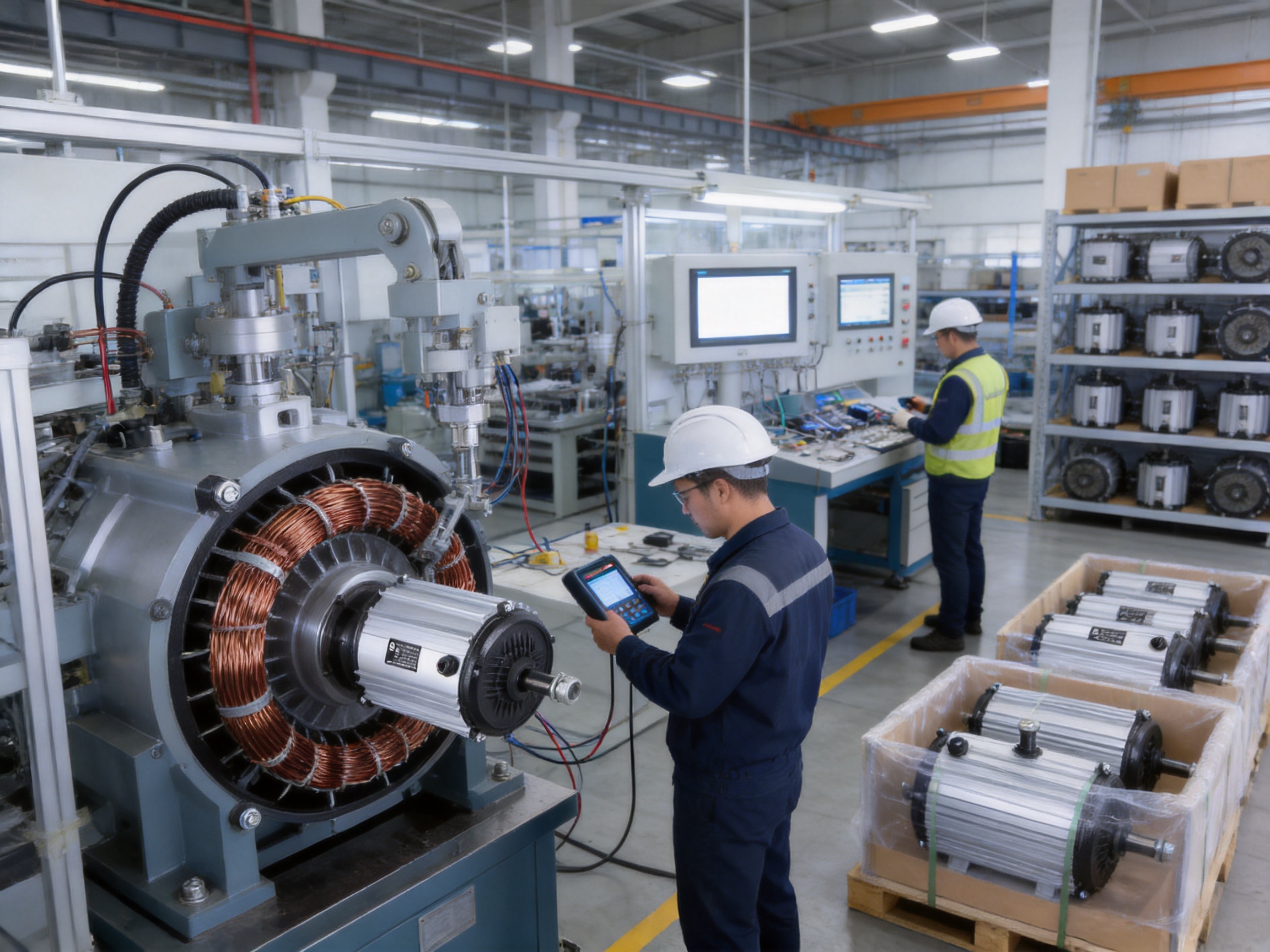
Industrial cooling systems depend on more than airflow alone. Their performance is strongly influenced by the motor that drives the fan, pump, or air-moving assembly. A motor must deliver stable power under continuous operation, tolerate humid surroundings, maintain dependable speed, and operate efficiently enough to control long-term energy costs. For evaporative air coolers used in workshops, farms, warehouses, commercial facilities, and other large spaces, these requirements are particularly important because the equipment often works for many hours in warm and moisture-rich conditions.
The YS100L-4 380V 2200W three-phase evaporative air cooler motor is designed for this demanding operating environment. It combines a 2.2 kW rated output, 380V three-phase power supply, four-pole construction, approximately 1440 rpm operating speed, pure copper windings, a fully enclosed structure, and protection options including IP44 or IP54. Its design is intended to provide stable torque, dependable air volume, low vibration, and long service life in industrial and commercial cooling applications.
Manufactured by Shengzhou Jiangxin Motor Technology Co., Ltd., the motor reflects the company’s focus on AC motors, DC motors, micro motors, evaporative air cooler motors, industrial heater motors, oil pump motors, and customized motor solutions. The company combines product development, automated manufacturing equipment, quality control, and export experience to provide motors for customers in environmental protection equipment, industrial heating, hydraulic systems, and related fields.
Product Overview
The YS100L-4 is a three-phase AC motor developed for evaporative air cooler applications. Its rated voltage is 380V, and its rated power is 2200W. The four-pole design produces a nominal operating speed of approximately 1440 revolutions per minute under the applicable power frequency and load conditions. This speed range is well suited to large air-moving systems that require consistent airflow without the excessive speed, vibration, and noise sometimes associated with smaller high-speed motors.
The motor uses a standard YS-series mounting arrangement, supporting convenient installation and replacement in suitable air cooler assemblies. Its aluminum housing helps reduce weight while supporting heat dissipation and corrosion resistance. The fully enclosed structure and available IP44/IP54 protection configuration help reduce the effect of airborne dust, splashing water, and humid operating conditions. The exact protection level, terminal arrangement, shaft dimensions, and mounting details should be confirmed according to the selected production specification and application requirements.
| Item | Specification or Feature | Application Value |
|---|---|---|
| Model | YS100L-4 | Suitable for compatible industrial and commercial air cooler assemblies |
| Rated power | 2200W | Provides strong driving capability for large air volumes |
| Rated voltage | 380V | Matches common industrial three-phase power systems |
| Phase | Three-phase | Supports smooth torque and stable industrial operation |
| Pole design | Four-pole | Balances speed, torque, noise, and operating stability |
| Approximate speed | 1440 rpm | Suitable for steady air movement in evaporative cooling equipment |
| Insulation class | F class | Provides thermal endurance for demanding motor operation |
| Protection options | IP44/IP54 | Helps protect internal components in dusty or humid environments |
| Housing | Aluminum shell | Supports heat dissipation, lower weight, and convenient handling |
| Duty system | S1 continuous duty | Designed for stable long-duration operation |
| Winding material | Pure copper winding | Supports electrical conductivity, efficiency, and thermal performance |
These specifications make the motor especially appropriate where a cooling system must run for extended periods rather than operate only intermittently. In a large workshop or agricultural facility, the motor may be exposed to repeated starts, long operating cycles, warm air, humidity, and airborne particles. The YS100L-4 is structured around these practical challenges rather than around short-duration laboratory performance alone.
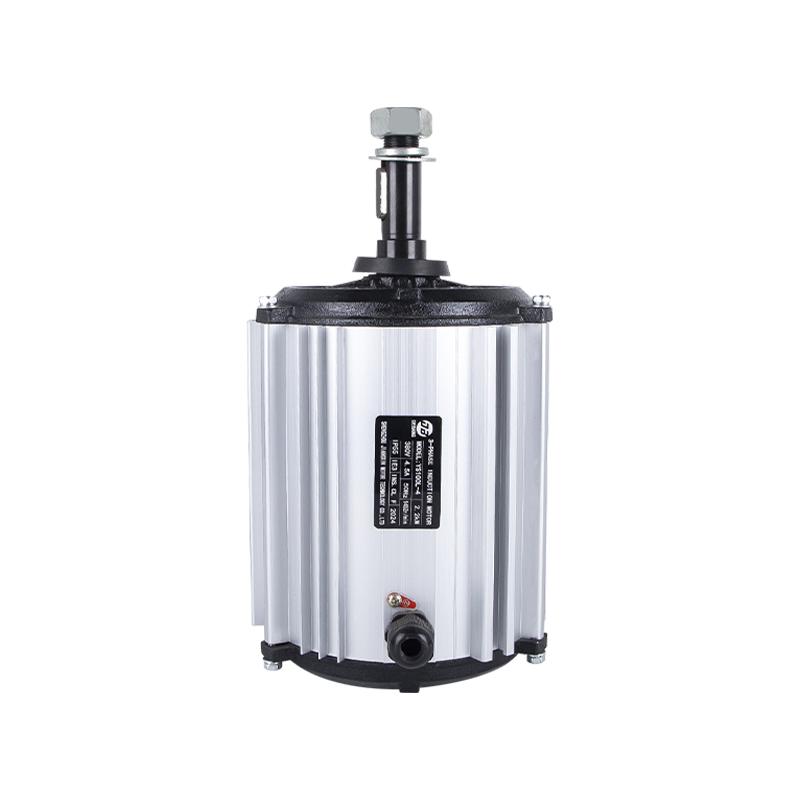
YS100L-4 380V 2200W 3-Phase Evaporative Air Cooler Motor
Stable 2200W Power for Large Air Volumes
The first advantage of the YS100L-4 is its power capacity. With a rated output of 2200W, the motor can drive air cooler equipment designed for substantial airflow. Evaporative coolers use fans or blowers to move air through wetted cooling media. The larger the cooling area and air volume, the more important it becomes to use a motor with sufficient power reserve and stable torque.
An undersized motor may struggle when the fan encounters increased resistance caused by clogged filters, wet cooling pads, high air density, restricted ducts, or mechanical wear. This can lead to overheating, reduced airflow, frequent protective trips, or shortened service life. A correctly selected 2.2 kW motor provides a more suitable operating foundation for industrial air cooler systems that need dependable airflow across long working periods.
The 380V three-phase configuration is also well suited to industrial electrical infrastructure. Three-phase motors generally provide smoother power delivery than comparable single-phase motors and are widely used in factories, workshops, warehouses, agricultural facilities, and commercial buildings. When connected to a suitable three-phase supply and correctly protected by the control system, the motor can deliver stable rotational performance with balanced operation.
Power should always be matched to the complete air cooler system. Fan diameter, blade geometry, cooling-pad resistance, duct arrangement, static pressure, ambient temperature, supply frequency, and installation position all affect the required motor load. The 2200W rating should therefore be considered an important selection reference rather than a substitute for system-level engineering. Customers should confirm the working point and nameplate requirements before ordering.
Why the Four-Pole Design Matters
The YS100L-4 uses a four-pole motor design with an operating speed of approximately 1440 rpm. In a 50 Hz system, a four-pole induction motor has a synchronous speed of 1500 rpm, while the actual loaded speed is lower because of normal slip. The stated 1440 rpm operating speed is consistent with this design approach.
This speed is useful for air cooler applications because it offers a practical balance between airflow, torque, noise, and mechanical stress. A motor running at a much higher speed may require additional fan balancing, stronger mechanical components, and more attention to noise control. Conversely, a lower-speed design may need transmission components or a larger motor to achieve the same air volume. The four-pole arrangement provides a direct and efficient solution for many industrial evaporative cooling assemblies.
Stable speed helps the fan maintain a predictable air delivery rate. Consistent airflow is important in facilities where cooling performance must remain relatively uniform across a working area. It can also make commissioning easier because the motor and fan operate within a known speed range. When the fan, shaft, impeller, and motor are correctly matched, the system can achieve smooth operation without unnecessary speed fluctuation.
The four-pole design may also help reduce acoustic and mechanical stress compared with high-speed alternatives. Actual noise depends on the fan, housing, air path, bearings, mounting base, and operating point, but a moderate-speed motor provides a sound engineering basis for achieving low-vibration and low-noise performance.
Pure Copper Windings and Electrical Efficiency
The motor uses pure copper windings. Copper has high electrical conductivity, which allows the winding system to transfer electrical energy into electromagnetic torque with comparatively low resistive loss. Good winding material is essential for maintaining efficiency, controlling temperature rise, and supporting reliable operation over the motor’s service life.
In a motor used for industrial cooling, even small efficiency differences can become significant because the equipment may operate for many hours each day. A motor that runs continuously during warm seasons consumes energy throughout the operating period. Efficient windings can help reduce wasted electrical energy and limit the amount of heat generated inside the motor.
Lower internal heat generation can benefit the entire assembly. Excessive winding temperature accelerates insulation aging and can place additional stress on bearings, terminals, and other components. By combining pure copper conductors with appropriate insulation, ventilation, housing design, and manufacturing controls, the YS100L-4 is designed to maintain stable electrical and thermal performance.
Electrical efficiency is affected by more than winding material. Voltage balance, supply frequency, load level, power factor, bearing condition, fan cleanliness, alignment, and control settings all influence real-world consumption. For this reason, the motor should be installed with correctly sized cables, suitable overload protection, proper grounding, and an electrical control system that matches the nameplate data.
F-Class Insulation for Demanding Duty
The YS100L-4 uses F-class insulation. Insulation class describes the thermal endurance of the insulating materials used in the winding system. F-class insulation is commonly selected for motors that may experience demanding temperature conditions, frequent long-duration operation, or elevated ambient temperatures.
Evaporative air cooler motors often work in environments where the air is warm and humidity is high. Although evaporative cooling can reduce surrounding air temperature, the motor may still be installed near wet cooling pads, water circulation components, open doors, or poorly ventilated industrial spaces. F-class insulation provides a suitable thermal margin when the motor is correctly loaded and maintained.
Insulation class should not be misunderstood as permission to operate the motor beyond its rated conditions. Overload, blocked airflow, incorrect voltage, phase loss, poor connections, excessive ambient temperature, or water penetration can still damage a motor. F-class insulation is one part of a complete reliability design. It works together with appropriate protection, good heat dissipation, correct installation, and regular inspection.
The company’s manufacturing and quality-control processes are important in ensuring that the insulation system is applied consistently. Winding placement, wire handling, slot insulation, varnish or impregnation processes, terminal connections, and electrical testing all influence the final insulation performance. Consistency in these steps helps reduce the risk of early winding failure.
Moisture-Proof Construction for Evaporative Cooling Equipment
Humidity is one of the most important environmental considerations for an evaporative air cooler motor. The equipment operates by passing air through wet cooling media, so the motor may be exposed to moisture, condensation, water droplets, or high relative humidity. A motor intended for this application must be selected and installed with environmental protection in mind.
The YS100L-4 uses a fully enclosed structure and is available with IP44/IP54 protection configurations. These ratings indicate protection against the entry of solid particles and water under defined test conditions. IP54 generally offers a higher level of dust protection than IP44, while the exact suitability depends on the installation environment and the final product configuration.
The enclosure helps reduce direct exposure of internal electrical components to the surrounding environment. The aluminum shell also supports a compact, lightweight design that is convenient for equipment manufacturers and maintenance teams. Aluminum can assist heat transfer from the motor body while reducing the handling burden compared with some heavier housing materials.
Protection against humidity does not eliminate the need for correct installation. The motor should not be placed where it can be directly sprayed by water unless the configuration has been specifically designed for that condition. Drainage, ventilation, cable-gland sealing, terminal-box protection, shaft-seal condition, and mounting orientation should all be considered. In seasonal equipment, the motor should be stored in a dry location when the cooler is not in service for long periods.
Low Vibration and Smooth Operation
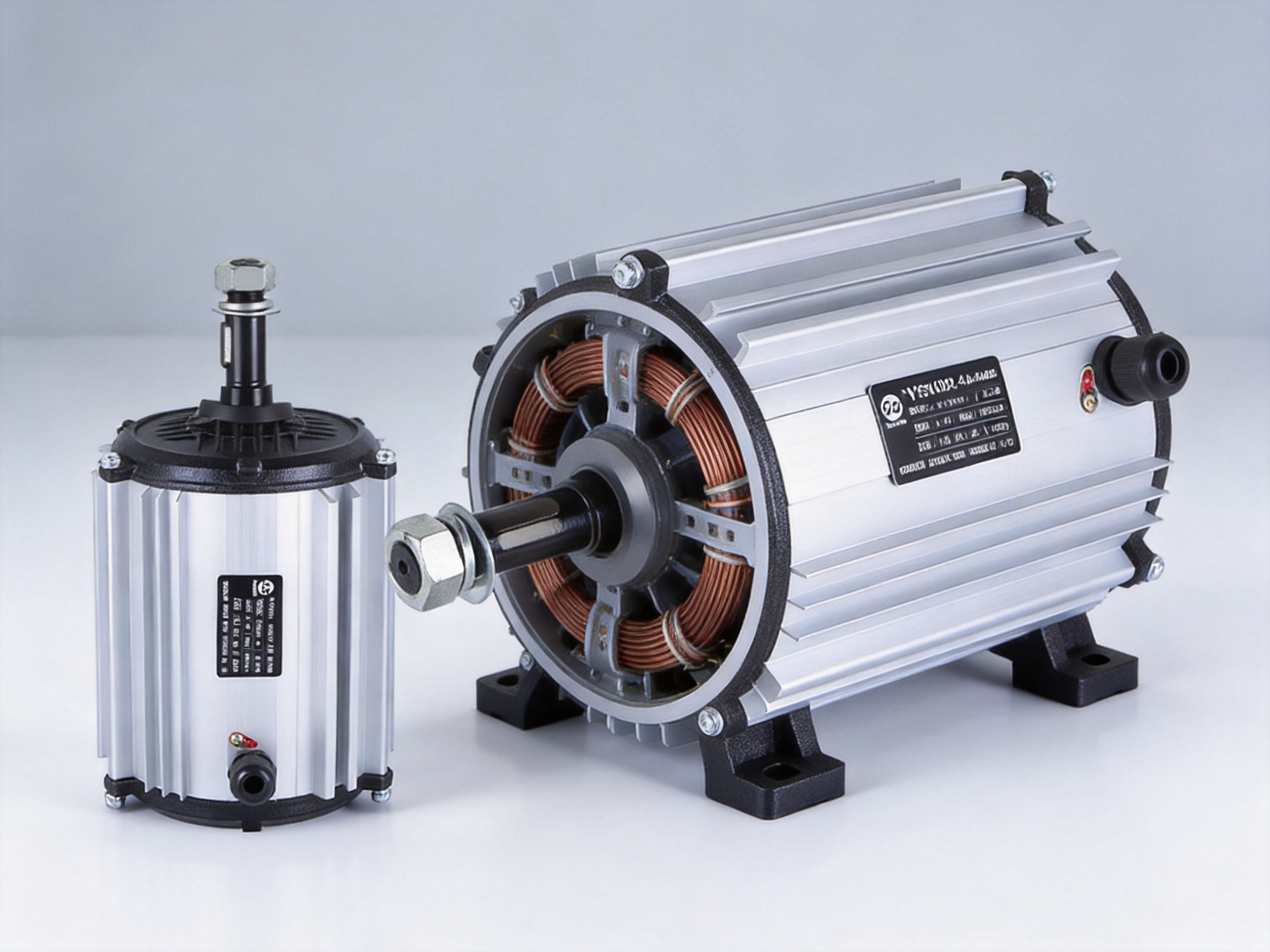
Air cooler users expect strong airflow, but they also expect the equipment to operate without excessive noise or vibration. Vibration can loosen fasteners, damage mounting brackets, accelerate bearing wear, produce unpleasant sound, and transfer mechanical stress to the fan assembly. The YS100L-4 is designed with high-precision dynamic balancing and quality bearings to support smooth running.
Dynamic balancing is particularly important for motors connected to fans or blowers. A rotating assembly that is not properly balanced creates centrifugal forces that increase with speed. Even at approximately 1440 rpm, small imbalances can become noticeable over long operating periods. Careful balancing helps reduce these forces and supports more stable operation.
Bearings also have a major influence on operating quality. Properly selected and correctly installed bearings reduce friction and help maintain shaft alignment. They also contribute to lower mechanical noise. Bearing life depends on load, speed, lubrication, alignment, contamination, ambient temperature, and installation accuracy. The motor’s smooth performance should therefore be supported by correct fan assembly and maintenance practices.
Low vibration is not only a comfort benefit. It can improve the reliability of the complete cooler. Stable rotation helps protect the fan blades, brackets, belt or coupling components, and enclosure. It may also reduce the frequency of maintenance caused by loose hardware or alignment problems. For facilities that operate many cooling units simultaneously, lower noise and vibration can improve the working environment as well as reduce service interruptions.
S1 Continuous-Duty Operation
The motor is designed for S1 continuous-duty operation. This means it is intended to run at a substantially constant load for a sufficiently long period to reach thermal equilibrium, provided it remains within its rated operating conditions. This characteristic is valuable for industrial cooling equipment, which often runs continuously during the hottest part of the day or throughout an entire shift.
Continuous-duty suitability allows equipment designers to build cooling systems around predictable operation. Instead of selecting a motor intended only for short intermittent cycles, the manufacturer can use a motor designed to sustain its rated working condition. This supports reliable operation in workshops, agricultural buildings, commercial spaces, and other areas where cooling demand remains steady.
Even with an S1 rating, the motor should not be overloaded. The actual load should be checked after installation, especially if the fan is modified or the cooler is connected to ducts. Current, temperature, vibration, and sound should be monitored during commissioning. If the motor operates above its rated current, the cause should be identified promptly rather than relying only on the insulation system to tolerate the additional heat.
Correct startup and shutdown procedures are also important. A suitable motor starter, overload relay, circuit breaker, grounding arrangement, and phase-failure or phase-sequence protection can help prevent avoidable electrical damage. Where variable-speed control is required, the compatibility of the motor, inverter, cooling system, and control parameters should be confirmed with the supplier.
Application Areas
The YS100L-4 is suitable for evaporative air coolers used in industrial and commercial environments. Typical applications include manufacturing workshops, logistics warehouses, agricultural buildings, farms, equipment rooms, commercial halls, and large open spaces where conventional air conditioning may be costly or impractical.
In manufacturing workshops, the motor can drive cooling equipment that improves air movement and reduces perceived heat. This is especially useful in facilities with heat-producing machinery, large production areas, or open work zones. Evaporative cooling may provide a practical method of improving employee comfort and ventilation when the local climate and humidity conditions are suitable.
In agricultural buildings and farms, large air cooler units are often used to improve circulation in livestock areas, storage buildings, greenhouses, and workspaces. The motor’s moisture-conscious construction and continuous-duty design are relevant in such conditions, although the final protection level should be selected according to dust, water, corrosive gases, and cleaning procedures at the site.
In warehouses and commercial halls, air coolers may be required to operate for long periods while maintaining a consistent air delivery rate. The 2200W power rating and approximately 1440 rpm speed provide a useful combination for larger fan assemblies. The standard YS mounting concept can also simplify integration into compatible equipment designs.
The motor may also be considered for customized environmental protection equipment and other air-moving systems where the voltage, power, speed, mounting, and protection requirements are compatible. Before using it in an application outside evaporative air cooling, the mechanical and electrical duty should be reviewed carefully.
Advantages Compared with Less Suitable Motor Options
Product comparisons should be based on the complete application rather than on a single specification. The YS100L-4 offers several practical advantages over motors that are not designed for continuous industrial cooling service.
Compared with a small general-purpose motor, its 2200W output provides greater capacity for large fans and higher airflow requirements. A smaller motor may be less expensive initially but could operate near overload when connected to a large impeller. Operating too close to the limit can increase temperature, reduce service life, and make the system more sensitive to dirty filters or airflow resistance.
Compared with a single-phase motor of similar application size, the three-phase configuration can provide smoother torque and is generally well matched to industrial electrical distribution. It can support stable operation in facilities that already use 380V three-phase power. However, customers without an appropriate three-phase supply should not substitute this model without electrical evaluation.
Compared with a high-speed motor, the four-pole approximately 1440 rpm design can offer a more balanced relationship between airflow, torque, noise, and mechanical stress. The correct result depends on fan design, but moderate-speed operation can simplify the engineering of a stable and quiet air cooler.
Compared with motors using lower-grade winding materials, pure copper windings offer strong conductivity and support efficient operation. This can be especially valuable in equipment that runs for many hours. The benefit is maximized when the motor is correctly sized, properly ventilated, and supplied with balanced voltage.
Compared with open or lightly protected motors, the fully enclosed structure and IP44/IP54 options provide a more appropriate starting point for humid air cooler environments. Protection should still be selected according to actual site conditions, but the design is better aligned with the moisture exposure associated with evaporative cooling.
Compared with products made without a strong process-control system, a motor produced through organized research, automated equipment, electrical testing, balancing, and quality inspection can offer more consistent performance from unit to unit. This consistency matters to air cooler manufacturers who purchase motors in batches and need predictable assembly, commissioning, and after-sales results.
Advanced Manufacturing Strengths
Shengzhou Jiangxin Motor Technology Co., Ltd. was established in 2017 and specializes in the research, development, production, and sales of AC motors, DC motors, and micro motors. Its product scope includes evaporative air cooler motors, industrial heater motors, oil pump motors, and customized motor products. This focused product experience helps the company understand the practical requirements of equipment manufacturers and industrial users.
The company operates modern production facilities supported by advanced automated equipment. Automation can improve repeatability in processes such as component handling, winding, assembly, testing, and inspection. For motor production, repeatability is important because small variations in winding arrangement, bearing installation, rotor balance, or terminal connection can influence efficiency, temperature, noise, and service life.
A professional research and development team supports product improvement and customization. Motor applications vary widely. A cooler manufacturer may need a specific mounting dimension, shaft configuration, terminal position, protection level, cable arrangement, or operating speed. A capable development team can evaluate these requirements and determine whether they can be achieved through a standard model, a controlled modification, or a newly developed design.
The company has also been recognized as a provincial-level technology enterprise. This recognition reflects its emphasis on technical development and manufacturing capability. It does not replace product testing or application validation, but it demonstrates an organizational commitment to engineering, innovation, and continuous improvement.
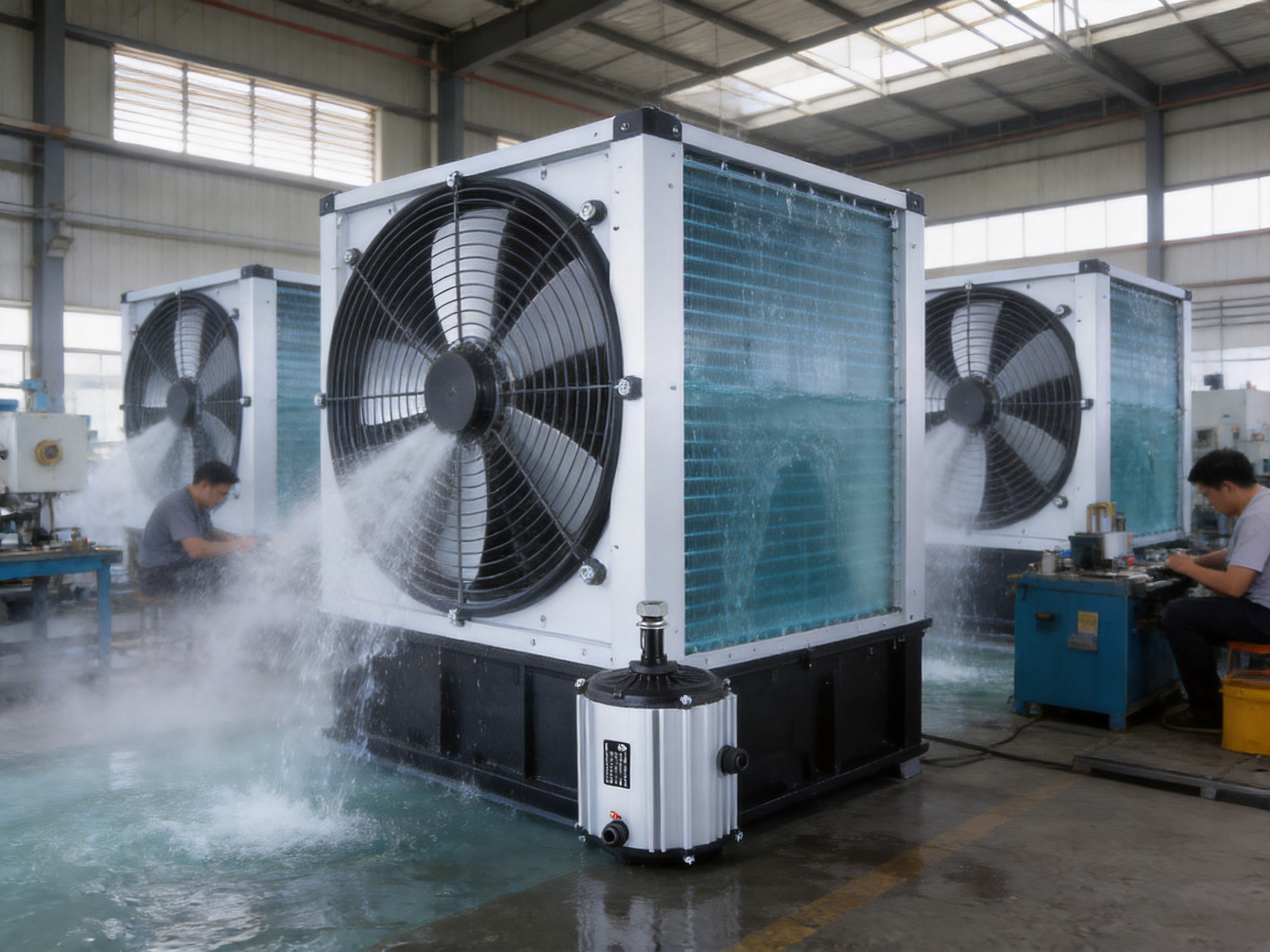
Quality control is central to the company’s manufacturing approach. A reliable motor requires control of incoming materials, winding wire, insulation components, housings, shafts, bearings, fasteners, and electrical accessories. Production inspections can help identify defects before final assembly, while completed-motor testing can verify key characteristics such as current, voltage, rotation, noise, vibration, insulation performance, and operating behavior.
Automated processes and professional inspection are particularly valuable for export orders. Customers in different countries may use different electrical standards, installation arrangements, packaging requirements, and inspection procedures. A structured production system helps the manufacturer maintain consistent product documentation and batch quality while supporting different customer specifications.
The company’s location in Shengzhou, Zhejiang, provides access to the industrial resources of the Yangtze River Delta. This region has strong manufacturing support, transportation connections, component supply networks, and engineering resources. Such an environment can improve procurement efficiency, production coordination, and responsiveness to customer requirements.
Quality Control from Component to Finished Motor
Motor reliability begins with material selection. Copper winding wire must meet the required electrical and thermal characteristics. Insulation materials must be compatible with the specified class. Bearings should be selected for the required speed and load. The housing, shaft, rotor, stator, terminal box, and fasteners must be manufactured within appropriate dimensional tolerances.
During winding, the conductor must be placed securely and consistently. Poor winding placement can create local hot spots, damage insulation, reduce electromagnetic performance, or produce uneven phase resistance. Proper wire handling and insulation protection are therefore important manufacturing controls.
Rotor and stator assembly require accurate alignment. Excessive air-gap variation, shaft runout, or bearing misalignment may cause vibration, noise, and reduced efficiency. Dynamic balancing helps control rotating forces, while assembly inspections confirm that the motor can operate smoothly under the intended speed and load.
Electrical testing provides another layer of assurance. Depending on the production and customer requirements, tests may include winding resistance, insulation resistance, dielectric strength, no-load current, phase balance, rotation direction, temperature rise, vibration, sound level, and load performance. The specific test program should be confirmed with the supplier, but a complete testing approach helps identify electrical or mechanical abnormalities before shipment.
Finished motors also require appropriate packaging. During transportation, vibration, impact, humidity, and changes in temperature can affect the product. Protective packaging should secure the shaft, housing, terminal area, and accessories. Export-oriented manufacturing experience helps the company prepare products for long-distance delivery and international customer handling.
Installation Recommendations
Before installation, compare the motor nameplate with the power supply and air cooler design. Confirm the voltage, frequency, phase, rated current, speed, power, mounting dimensions, shaft size, and rotation direction. The motor should not be connected to a supply that differs from the specified requirements without professional evaluation.
Install the motor on a rigid, level, and adequately supported base. A weak or uneven foundation can amplify vibration and cause alignment problems. Mounting bolts should be tightened evenly, and the motor should be protected from excessive mechanical loads transferred by the fan, belt, coupling, or shaft.
Fan alignment is essential. If the motor drives a fan directly, the shaft and fan hub should be aligned correctly. If a belt drive is used, pulley alignment and belt tension should be checked. Excessive belt tension can overload bearings, while insufficient tension can cause slipping and heat. The fan should rotate freely by hand before electrical startup, provided the equipment has been safely isolated.
Use cables and protective devices suitable for the rated current and installation environment. Ground the motor according to applicable electrical requirements. A motor protection system should normally include short-circuit protection and overload protection. Phase loss, voltage imbalance, and incorrect phase sequence should be prevented or detected where applicable.
Keep the motor away from direct water spray unless its specific configuration is approved for that condition. Ensure that drainage is available around the cooler and that cable entries are sealed properly. Do not block the motor’s heat-dissipation surfaces with insulation, stored materials, or surrounding equipment.
During the first commissioning, start the system briefly and observe rotation, sound, vibration, current, and airflow. If the rotation direction is incorrect, disconnect the power and follow the appropriate electrical procedure to correct it. After the system reaches normal operating conditions, check whether the current remains within the rated range and whether the housing temperature is reasonable.
Maintenance and Service Life
Regular maintenance helps the motor achieve its intended service life. Dust and debris should be removed from the external housing and nearby air passages. Cooling pads, filters, grilles, and fan blades should be cleaned according to the equipment manufacturer’s schedule. A dirty air path can increase resistance and force the motor to work harder.
Inspect the motor for unusual noise, increased vibration, overheating, water marks, loose fasteners, damaged cables, and terminal discoloration. Changes in sound or vibration may indicate bearing wear, fan imbalance, misalignment, loose mounting, or foreign material. Early investigation can prevent a small fault from causing a complete shutdown.
Bearings should be serviced according to their construction and the maintenance instructions provided for the motor. Some bearings are designed for long-term service and should not be unnecessarily regreased, while others require periodic lubrication. Using the wrong lubricant or applying too much lubricant can cause problems. Maintenance personnel should follow the correct procedure for the supplied bearing type.
At the end of a long storage period, insulation condition should be checked before energizing the motor. High humidity can affect insulation resistance, especially when the motor has been stored in an unheated or damp building. If the insulation reading is unsatisfactory, qualified personnel should determine the appropriate drying and testing procedure.
Service life depends on load, ambient conditions, operating hours, voltage quality, installation accuracy, cleaning, and maintenance. The YS100L-4 provides a durable design foundation, but no motor can compensate for persistent overload, water ingress, severe contamination, or incorrect installation.
Selection Guidance for Equipment Manufacturers
Air cooler manufacturers should evaluate the motor together with the fan and complete system. The motor’s rated power must correspond to the fan’s aerodynamic demand at the intended operating point. The selected protection level should match the site’s humidity, dust, water exposure, and cleaning method.
Mechanical compatibility should be reviewed in detail. Important items include frame size, mounting holes, flange or foot arrangement, shaft diameter, shaft length, keyway, terminal-box location, rotation direction, fan connection, and overall dimensions. A standard YS-series mounting arrangement can simplify design, but drawings and dimensional data should be confirmed before production tooling or batch purchasing.
Electrical compatibility is equally important. Confirm rated voltage, frequency, phase, current, power factor, starting characteristics, control method, and overload settings. The 380V three-phase supply is common in industrial applications, but regional power systems may differ. Customers should specify the intended country, frequency, and control equipment when requesting a quotation.
Operating conditions should include ambient temperature, altitude, humidity, dust concentration, corrosive substances, daily running time, starts per hour, and seasonal storage conditions. These factors help determine whether the standard configuration is suitable or whether additional protection, sealing, or customization is required.
Customization and OEM Support
Different air cooler designs may require different motor details even when the rated power is similar. Shengzhou Jiangxin Motor Technology Co., Ltd. provides customized motor capabilities for applications that require controlled changes to standard products. Potential customization areas may include mounting dimensions, shaft configuration, lead wires, terminal arrangement, protection requirements, color, labels, packaging, and application-specific performance targets.
Customization should begin with a complete technical brief. The customer should provide the power rating, voltage, frequency, phase, target speed, fan load, installation drawing, environmental conditions, duty cycle, control method, and required certifications or inspection documents. Clear information allows the engineering team to determine the most suitable design and avoid costly changes after production begins.
For OEM customers, consistency is often as important as individual motor performance. Stable dimensions, repeatable electrical characteristics, reliable packaging, and clear production communication can simplify assembly-line work. A manufacturer with automated equipment, an established quality system, and export experience is better positioned to support recurring orders and product updates.
Prototype evaluation is recommended before a large production order. Testing the motor in the actual air cooler can confirm airflow, current, noise, vibration, temperature rise, startup behavior, and compatibility with the control system. Field feedback can then be used to finalize the specification for batch production.
International Supply and Customer Service
The company exports products to more than 60 countries and regions. International supply requires more than manufacturing the motor itself. It also requires careful communication of technical data, production schedules, packaging, shipping documents, inspection requirements, and after-sales support.
Customers can work with the company to clarify the application, select a standard model, review customization options, and confirm the final specification. Technical communication should cover all critical details rather than relying only on a product name. The model designation, electrical data, mounting method, protection level, and performance expectations should appear clearly in the quotation and order documentation.
For industrial customers, reliable response is important because a failed or delayed motor can affect an entire cooling system. A professional supplier can help customers identify replacement requirements, installation questions, maintenance concerns, and opportunities for future product improvement. Jiangxin Motor’s customer-oriented approach is intended to support long-term cooperation rather than one-time product delivery.
How the Motor Supports Total Operating Value
The purchase price is only one part of motor value. Total operating value also includes energy consumption, maintenance frequency, downtime risk, installation time, replacement availability, and service life. A motor with stable performance and appropriate protection can reduce the likelihood of repeated service interruptions.
The YS100L-4 contributes to operating value through its 2200W capacity, pure copper windings, S1 continuous-duty design, four-pole speed, balanced rotor assembly, quality bearings, and moisture-conscious enclosure. These features are aimed at the practical needs of equipment that must move large volumes of air for long periods.
Energy performance depends on system design. A clean fan, open airflow path, correctly tensioned drive, balanced power supply, and properly sized motor all support efficient operation. Selecting the correct motor at the beginning is therefore important. A motor that is too small may overheat, while a motor that is unnecessarily large may increase purchase and operating costs.
Maintenance value is also affected by construction quality. Low vibration can reduce mechanical stress, while adequate insulation and protection can reduce environmental risk. The result is not a guarantee of failure-free operation, but it provides a stronger basis for dependable service when combined with proper maintenance.
Recommended Purchasing Checklist
Before ordering the YS100L-4, customers should confirm that their electrical supply is 380V three-phase at the required frequency. They should also verify the 2200W power requirement and ensure that the fan load does not exceed the motor’s rated operating range.
The mounting and shaft dimensions should be checked against the air cooler drawing. Customers should confirm whether the required configuration uses IP44 or IP54 protection, whether a specific terminal arrangement is needed, and whether the motor will be installed in a location with direct water exposure, heavy dust, corrosive vapors, or unusual ambient temperature.
The required quantity, packaging method, delivery destination, documentation, inspection standard, warranty conditions, and spare-parts expectations should be discussed before the order is finalized. For OEM projects, sample approval and production validation are recommended.
| Purchasing Question | Why It Matters | Recommended Action |
|---|---|---|
| Is the available supply 380V three-phase? | Prevents electrical incompatibility | Confirm site power and frequency before ordering |
| Is 2200W sufficient for the fan load? | Prevents overload and excess temperature | Check fan curves, airflow resistance, and operating current |
| Which protection level is required? | Matches the motor to humidity and dust exposure | Select the appropriate IP44 or IP54 configuration |
| Are the dimensions compatible? | Determines whether installation will be direct | Compare drawings, shaft data, and mounting holes |
| Will the unit run continuously? | Confirms the suitability of S1 duty | Review daily operating hours and load conditions |
| Is customization needed? | Prevents assembly and control-system problems | Submit complete technical drawings and specifications |
| Are environmental conditions severe? | May affect insulation, sealing, and service life | Provide temperature, humidity, dust, and water-exposure data |
Frequently Asked Questions
What is the rated power of the YS100L-4 motor?
The listed rated power is 2200W, or 2.2 kW. The final nameplate and order documentation should be checked to confirm the exact production specification supplied for a particular project.
What voltage does the motor use?
The motor is designed for a 380V three-phase power supply. Customers should confirm the applicable frequency and electrical configuration before connecting the motor.
What is the operating speed?
The motor uses a four-pole design and operates at approximately 1440 rpm under the stated operating conditions. Actual speed may vary slightly with supply frequency and mechanical load.
Why is a four-pole motor suitable for evaporative air coolers?
A four-pole motor offers a practical balance of speed, torque, noise, and mechanical stability. Its approximately 1440 rpm operating speed is suitable for many large fan and blower assemblies used in industrial cooling equipment.
Can the motor run continuously?
Yes. The motor is designed for S1 continuous-duty operation when installed and loaded according to its rated specifications. Overload, poor ventilation, voltage imbalance, and incorrect installation can still cause overheating.
What does F-class insulation provide?
F-class insulation provides a high level of thermal endurance for the winding insulation system. It is appropriate for demanding motor applications, but it does not allow the motor to operate indefinitely under overload or in conditions outside its design limits.
Is the motor suitable for humid environments?
Its fully enclosed structure and IP44/IP54 protection options make it suitable for many humid evaporative cooling environments. The precise protection level should be selected according to the actual site conditions, and direct water spray should be avoided unless specifically approved.
Does the motor use copper windings?
Yes. The motor uses pure copper windings, which support good electrical conductivity, efficient energy conversion, and improved thermal performance when the motor is correctly selected and operated.
What are the main applications?
Typical applications include evaporative air coolers in industrial workshops, warehouses, farms, agricultural buildings, commercial spaces, and other large cooling areas. Other applications may be considered after confirming electrical and mechanical compatibility.
Can the motor be customized?
Customization may be available for requirements such as mounting, shaft dimensions, terminal arrangement, lead wires, protection configuration, labels, packaging, and other application details. Customers should provide complete drawings and technical requirements for evaluation.
How can vibration be minimized after installation?
Use a rigid mounting base, align the shaft and fan correctly, balance the rotating assembly, maintain proper belt tension where applicable, tighten all fasteners, and keep the fan blades clean. Unusual vibration should be investigated promptly.
What protections should be used in the electrical system?
The installation should normally include suitable short-circuit protection, overload protection, grounding, and, where appropriate, phase-loss and phase-sequence protection. The protective devices should be selected by qualified electrical personnel according to the motor nameplate data and local requirements.
How should the motor be maintained?
Keep the housing and surrounding airflow passages clean, inspect cables and terminals, monitor noise and vibration, check the fan and mounting system, and follow the correct bearing-maintenance procedure. During long storage, keep the motor dry and test insulation before restarting.
Who manufactures this motor?
The motor is manufactured by Shengzhou Jiangxin Motor Technology Co., Ltd., a Zhejiang-based producer of AC/DC motors, micro motors, evaporative air cooler motors, industrial heater motors, oil pump motors, and customized motor products.
Conclusion
The YS100L-4 380V 2200W three-phase evaporative air cooler motor is designed for customers who need strong, stable, and durable motor performance in large cooling equipment. Its principal features include 2.2 kW rated output, 380V three-phase operation, four-pole approximately 1440 rpm speed, pure copper windings, F-class insulation, a fully enclosed aluminum housing, IP44/IP54 protection options, quality bearings, dynamic balancing, and S1 continuous-duty capability.
These characteristics make the motor a practical choice for industrial workshops, farms, warehouses, commercial halls, and other large spaces where evaporative cooling systems operate for extended periods. Compared with less suitable general-purpose or undersized motors, it offers a more application-focused combination of power, environmental protection, speed stability, and long-duration operating capability.
Its value is further supported by the manufacturing strengths of Shengzhou Jiangxin Motor Technology Co., Ltd. The company combines research and development, automated production equipment, professional technical personnel, quality control systems, export experience, and customized service. By controlling the process from material selection and winding to assembly, balancing, testing, and packaging, the company aims to deliver consistent motors for international equipment manufacturers and industrial users.
For the best result, customers should match the motor to the actual fan load, electrical supply, installation dimensions, environmental conditions, and control system. When correctly selected, installed, and maintained, the YS100L-4 provides a dependable drive solution for efficient and continuous evaporative air cooling.
References
1. IEC 60034-1, Rotating Electrical Machines: Rating and Performance.
2. IEC 60034-5, Rotating Electrical Machines: Degrees of Protection Provided by the Integral Design of Rotating Electrical Machines.
3. IEC 60085, Electrical Insulation: Thermal Evaluation and Designation.
4. IEC 60529, Degrees of Protection Provided by Enclosures.
5. General principles of three-phase induction motor operation, four-pole speed, slip, and continuous-duty performance.
6. Manufacturer-provided product specifications for the YS100L-4 380V 2200W three-phase evaporative air cooler motor.
7. Manufacturer-provided company information concerning AC/DC motor research, production, quality control, customization, and international supply.
Product: YS100L-4 380V 2200W 3-Phase Evaporative Air Cooler Motor
Related Products
-
YS100L-4 380V 2200W 3-Phase Evaporative Air Cooler Motor
-
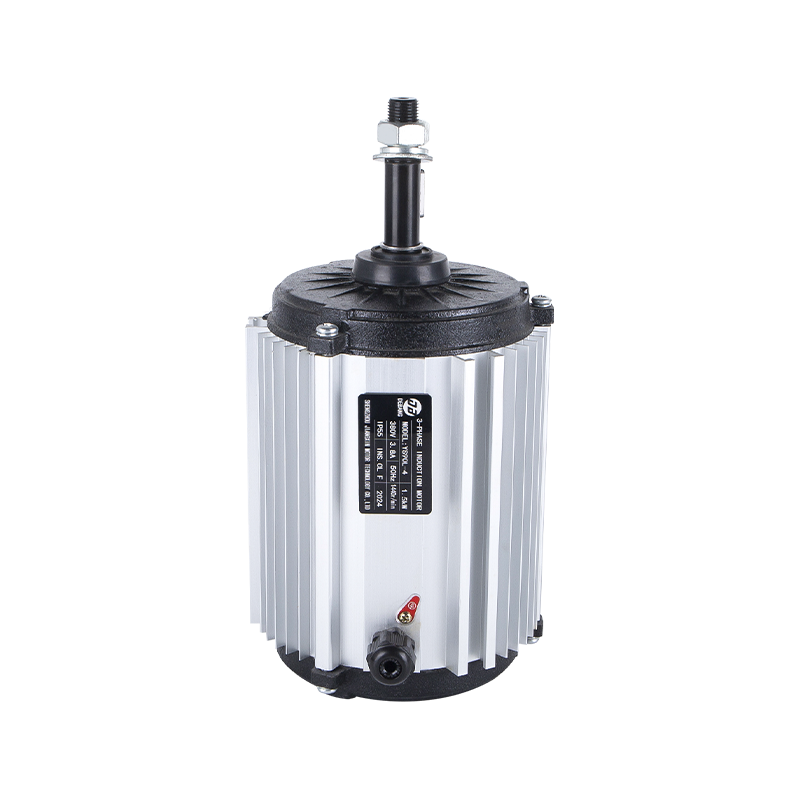 YS90L-4 380V 1500W 3-Phase Evaporative Air Cooler Motor
-
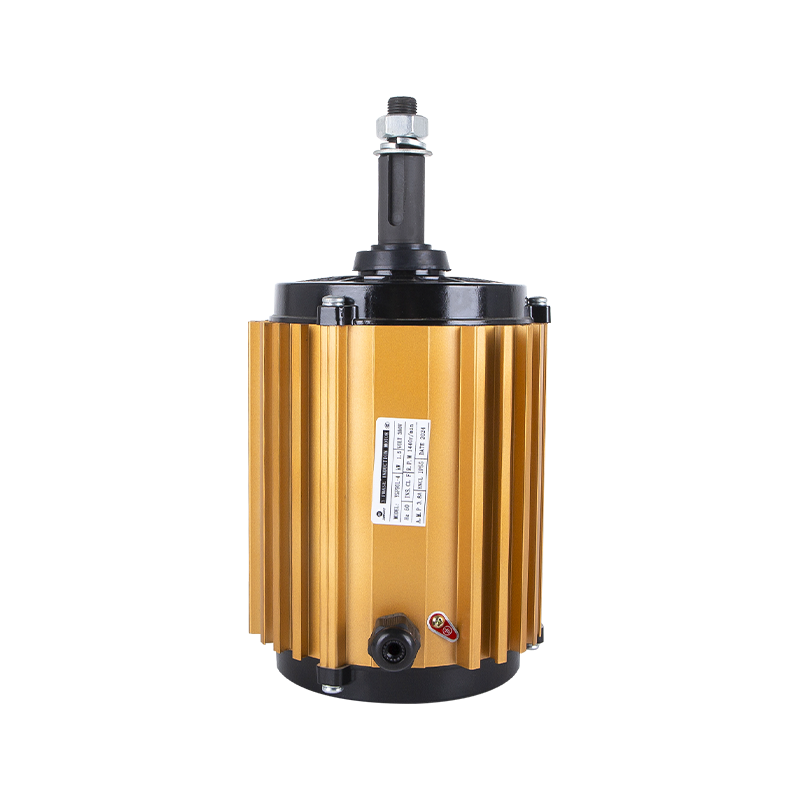 YS90L-4 380V 1500W 3-Phase Evaporative Air Cooler Motor
-
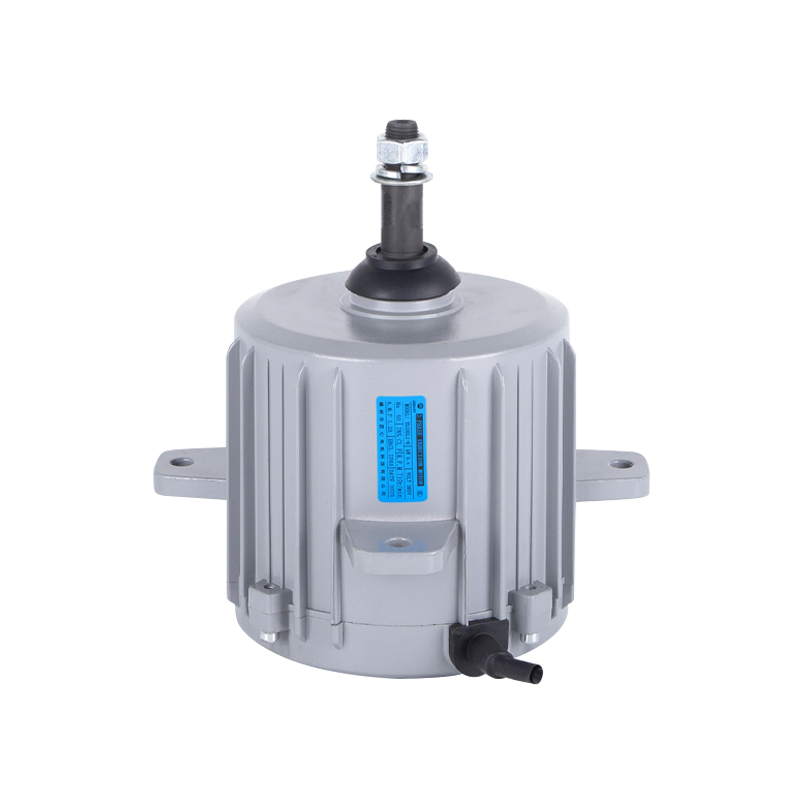 YS100L1-8 380V 50Hz 400W Cattle House Fan Motor
-
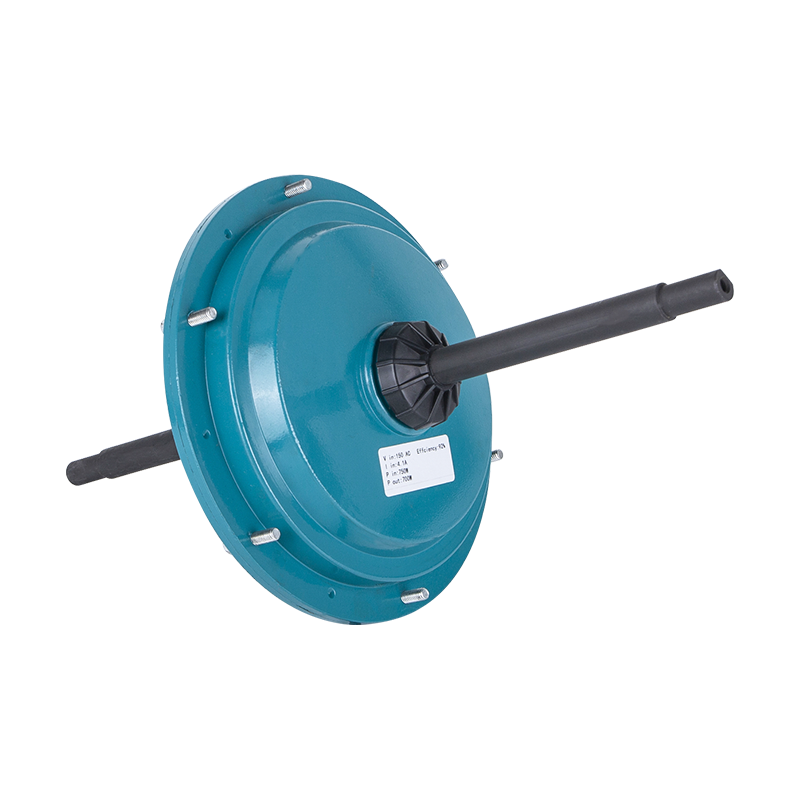 DC149 220V/700W External BLDC Air Cooler Motor
-
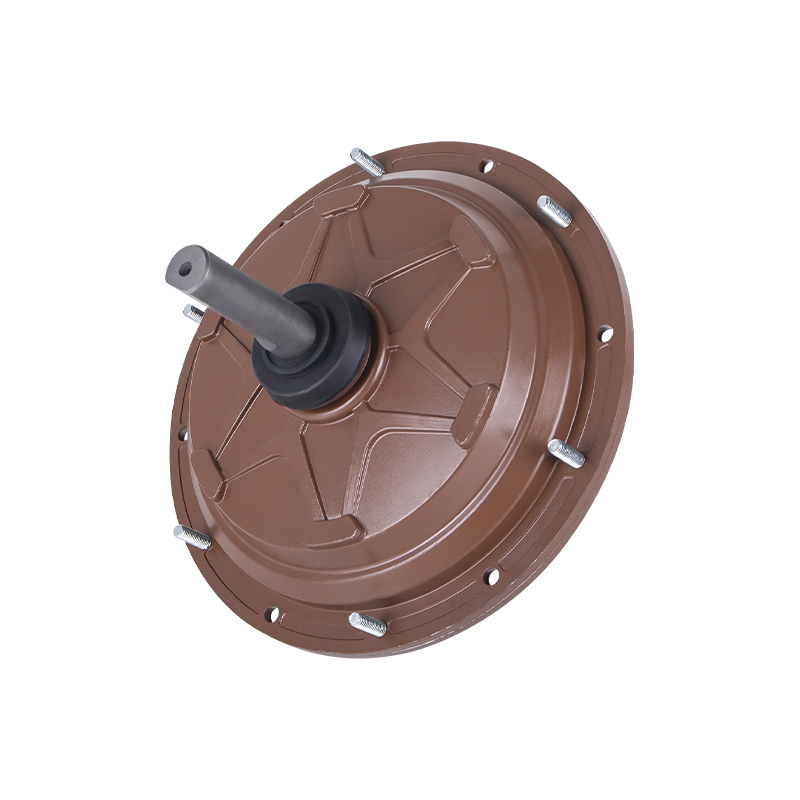 DC149 220V 650W External BLDC Air Cooler Motor
 Ready To Customise
 Your Motor Products?

We are professional motor manufacturers, delivering powerful, stable, and efficient power cores for all industries through precision craftsmanship and innovation.
Contact Us
-
 Mobile:+86 13575536911
-
 Tel:+86 18357538240
-
 Whatsapp:+8618357538240
-
 Email:betty@dbjxmotor.com
-
 Company Address
Copyright © by Shengzhou Jiangxin Motor Technology Co., Ltd. All Rights Reserved.
Wholesale Industrial Fan Motors Manufacturers
