

 English
 русский
 Español
 عربى

No. 8, Duxiu San Road, Ganlin Town, Shengzhou City, Shaoxing City, Zhejiang Province, China

News Category
Product Category
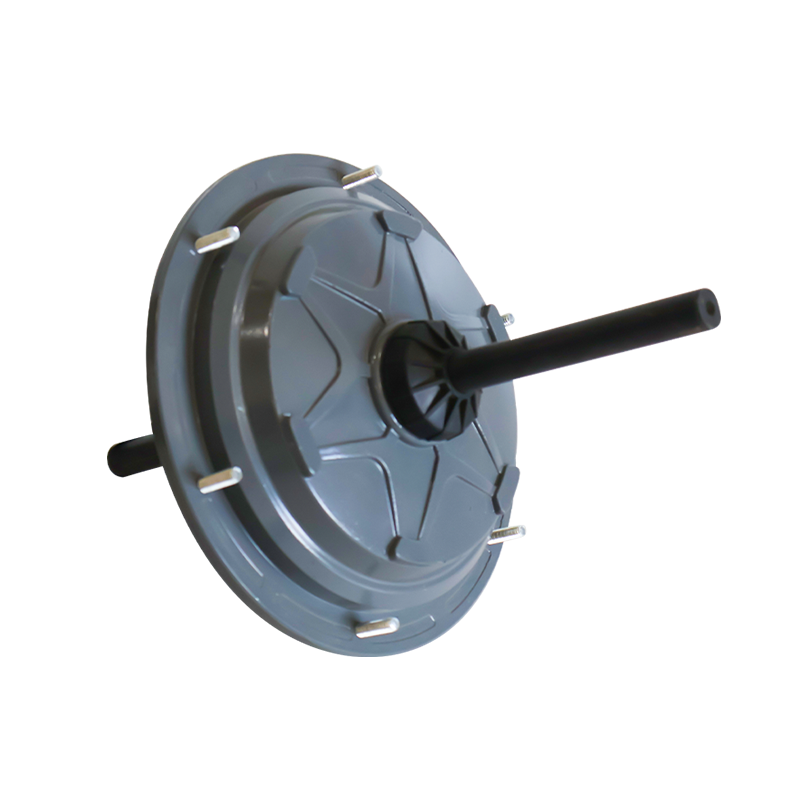
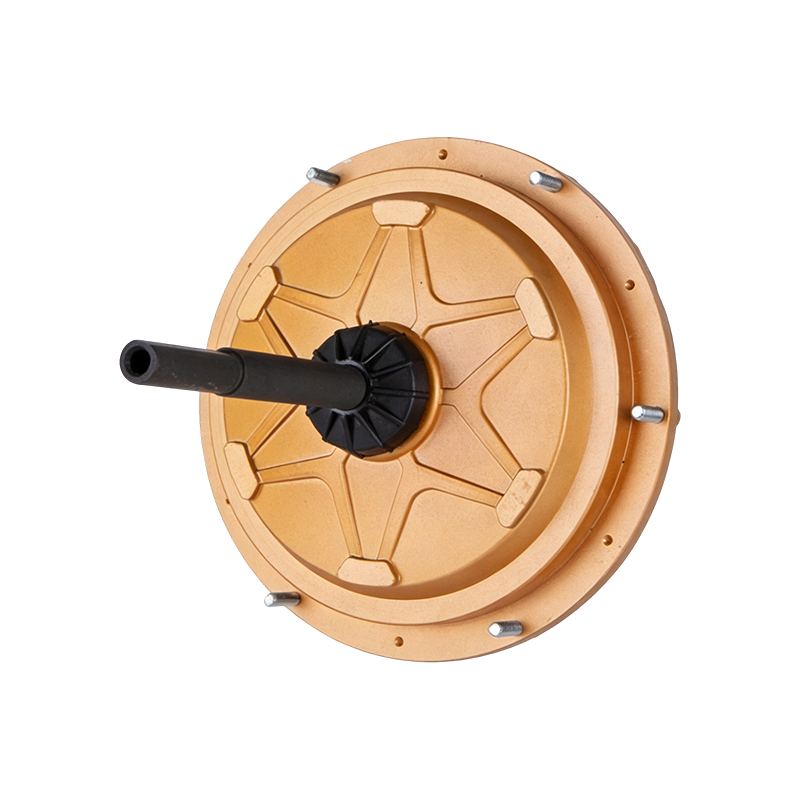
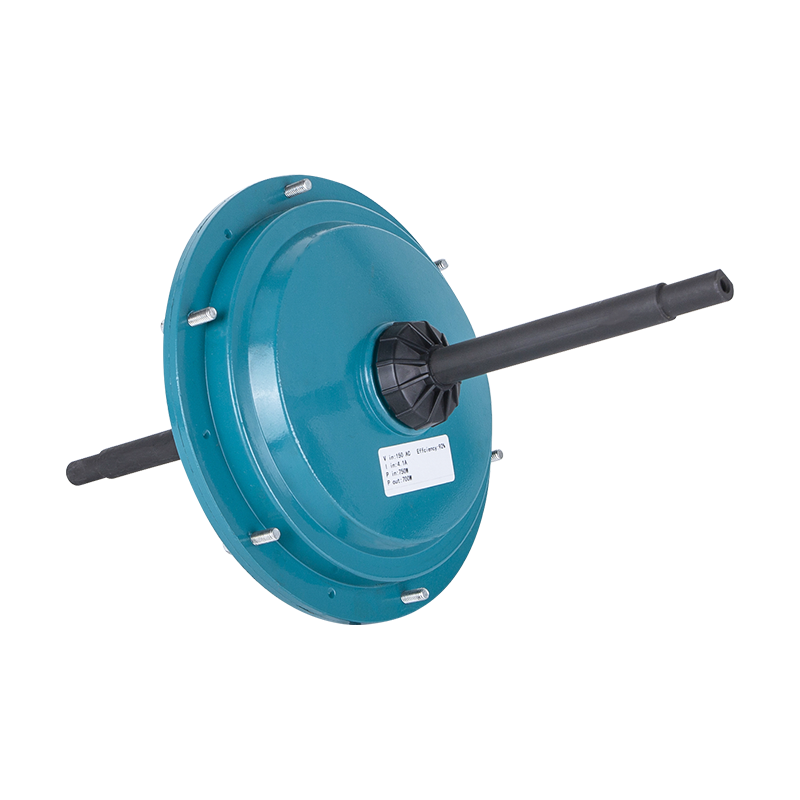
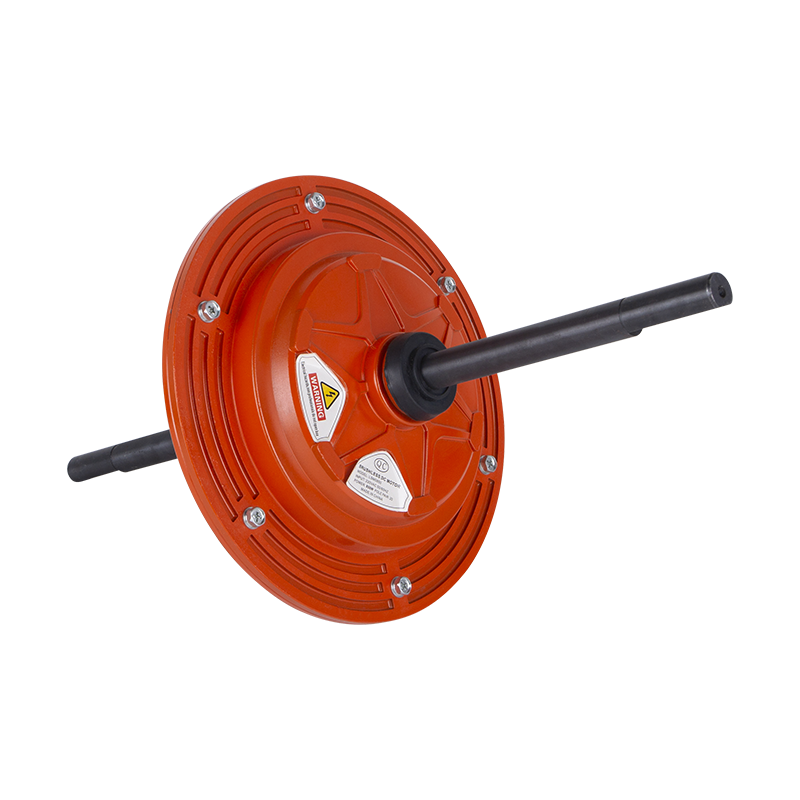
DC144 220V 600W External Rotor BLDC Motor for Air Cooling and Industrial Ventilation
Content
- 1 1. Product Overview
- 2 2. Why Brushless DC Technology Matters
- 3 3. Advantages of the External Rotor Configuration
- 4 4. Performance Benefits for Air Coolers
- 5 5. Protection, Insulation, and Reliability
- 6 6. Optional Matching Driver
- 7 7. Competitive Advantages Compared with Conventional Motor Solutions
- 8 8. Manufacturing Strengths
- 9 9. Application Areas
- 10 10. Engineering and Installation Considerations
- 11 11. Procurement and Customization Support
- 12 12. Value for Equipment Manufacturers
- 13 13. Frequently Asked Questions
- 13.1 What type of motor is the DC144?
- 13.2 What voltage does the motor use?
- 13.3 What is the rated power?
- 13.4 Can the motor operate at both 50Hz and 60Hz?
- 13.5 Does the motor require carbon brush replacement?
- 13.6 What does the IP55 rating mean?
- 13.7 What does Class F insulation provide?
- 13.8 Is a matching driver included?
- 13.9 Can this motor be used in an industrial air cooler?
- 13.10 Can it be used outdoors?
- 13.11 How does the external rotor design help a fan system?
- 13.12 What should be tested before mass production?
- 13.13 Who manufactures the DC144 motor?
- 14 14. Conclusion
- 15 References
- 16 Product: DC144 220V 600W External BLDC Air Cooler Motor
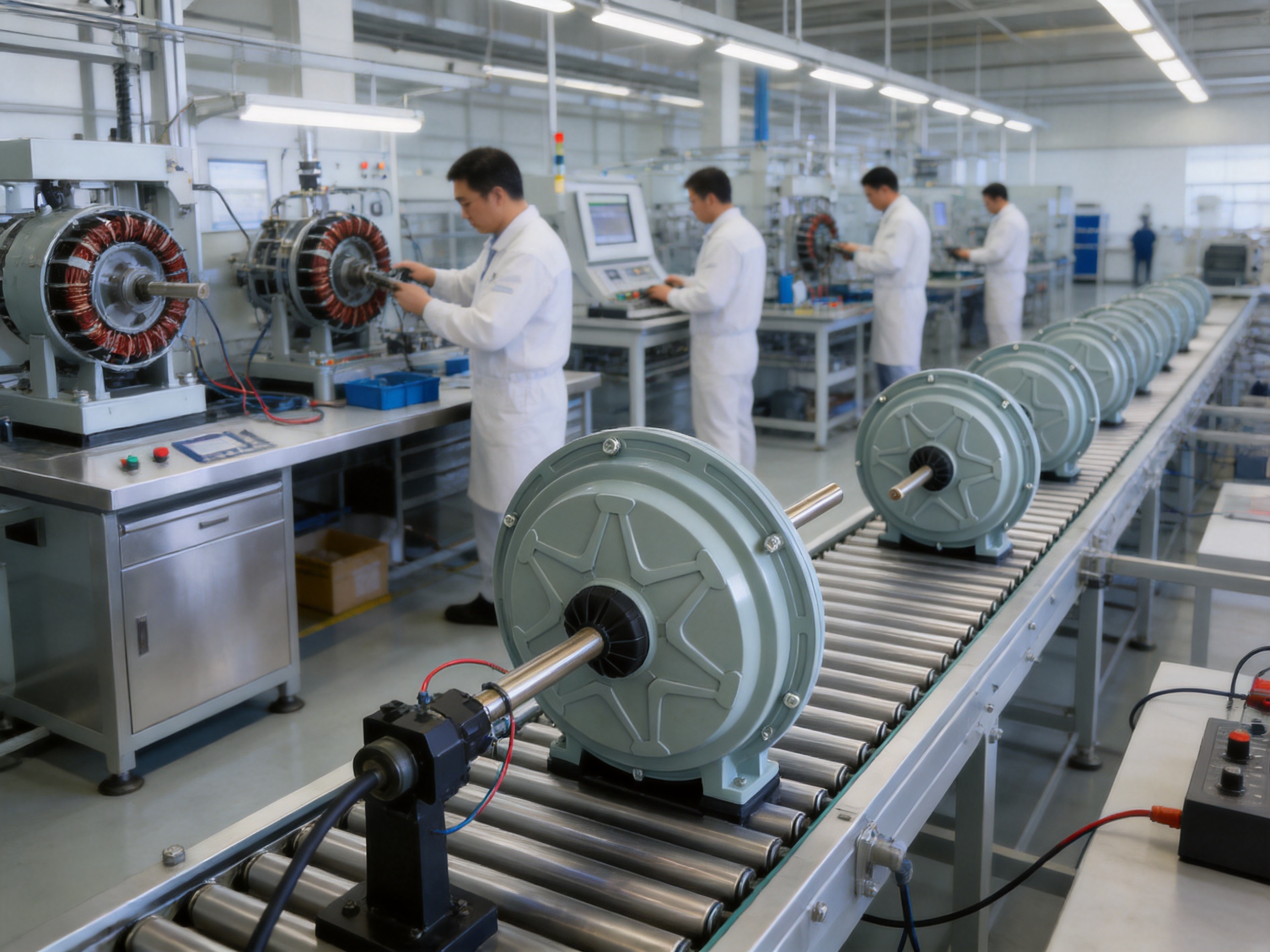
Modern cooling and ventilation equipment requires motors that can deliver dependable airflow, efficient energy conversion, stable operation, and long service life. The DC144 220V 600W External Rotor BLDC Motor is designed to meet these requirements in evaporative air coolers, industrial ventilation systems, commercial cooling equipment, and other applications requiring reliable continuous-duty performance. With a rated voltage of 220V, rated power of 600W, external rotor construction, brushless electronic commutation, IP55 protection, and Class F insulation, this motor provides a practical power solution for medium- and large-capacity cooling systems.
Unlike conventional brushed motors, the DC144 does not depend on carbon brushes and mechanical commutation. Instead, it uses electronic control to manage motor operation. This design reduces brush-related friction, eliminates regular brush replacement, and supports more consistent performance during extended operation. Its external rotor configuration is also well suited to fan and air-moving equipment because it can support compact system integration, stable rotational output, and effective airflow performance.
The motor is manufactured by Shengzhou Jiangxin Motor Technology Co., Ltd., a professional AC/DC motor and micro motor manufacturer founded in 2017. The company combines product development, automated production, quality management, and export experience to serve customers in environmental protection equipment, industrial heating, hydraulic systems, ventilation, cooling, and related fields. Its products are exported to more than 60 countries and regions, giving the company experience in serving different technical, environmental, and application requirements.
1. Product Overview
The DC144 is a 220V, 600W external rotor brushless DC motor developed primarily for air-cooling and ventilation equipment. It is suitable for equipment manufacturers, system integrators, wholesalers, distributors, and engineering companies that need a motor capable of operating reliably under demanding commercial or industrial conditions.
At the heart of the product is a brushless DC motor system. The motor uses electronic commutation rather than a mechanical brush-and-commutator assembly. This arrangement reduces the wear components traditionally associated with brushed motors and allows the motor to operate with lower mechanical friction. When paired with a suitable control system, the motor can provide stable speed behavior and efficient power delivery to fans, blowers, and other rotating loads.
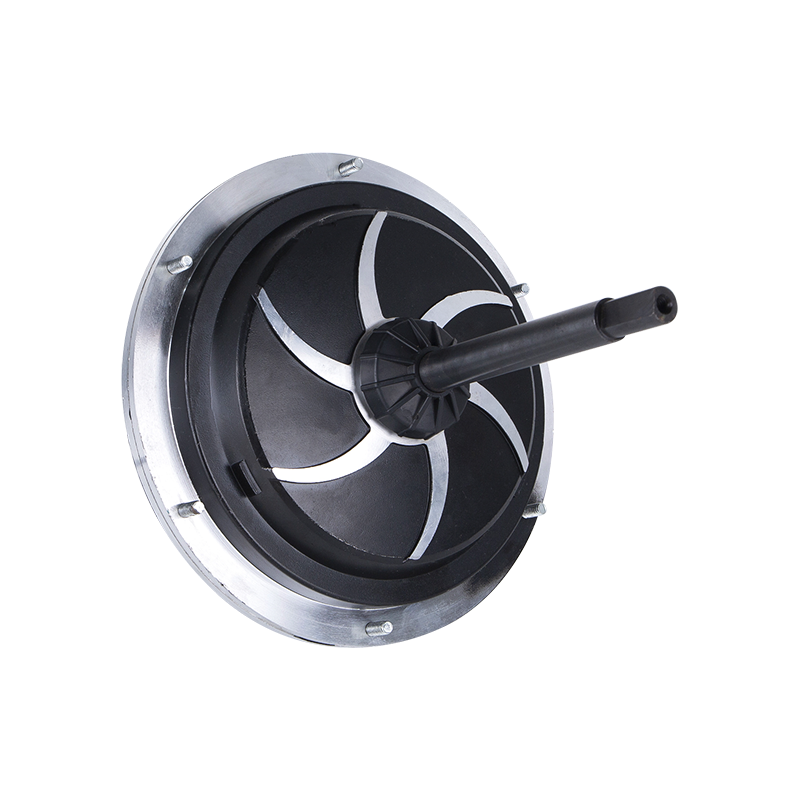
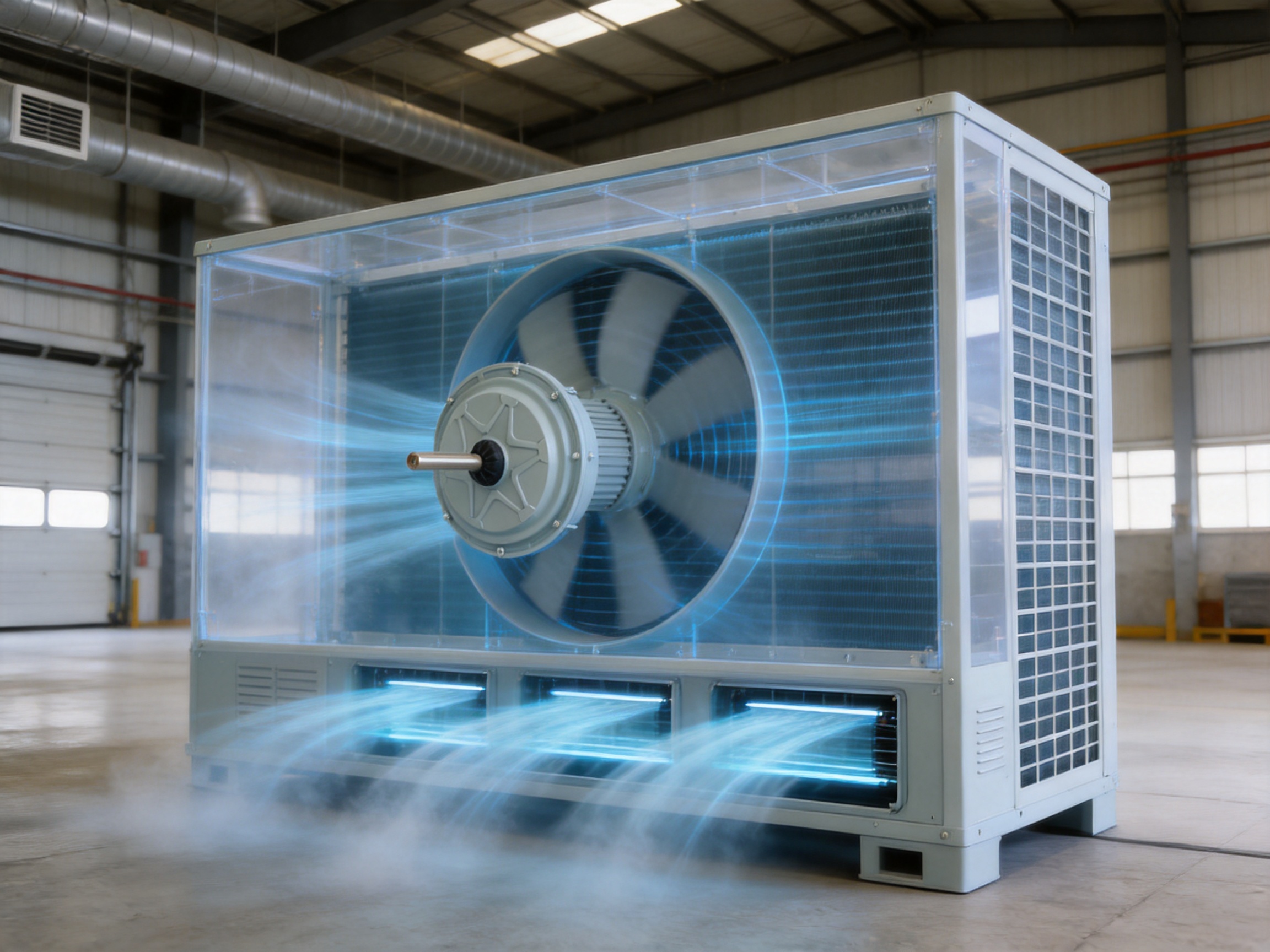
The external rotor structure is particularly appropriate for air-moving equipment. In an external rotor motor, the rotor is arranged around the stator rather than entirely inside it. This configuration can contribute to a compact drive arrangement and may allow the motor to be integrated directly or closely with a fan assembly. It is often selected for ventilation products because the motor and air-moving structure can be designed as a coordinated unit.
The DC144 is rated at 220V and 600W and is compatible with 50Hz or 60Hz power environments, subject to the requirements of the complete control system and final equipment design. It has an IP55 protection rating and Class F insulation. A matching driver is available as an option, allowing buyers to evaluate the motor and control solution together rather than treating the motor as an isolated component.
| Product Item | Specification |
| Product Type | External Rotor BLDC Motor |
| Model | DC144 |
| Rated Voltage | 220V |
| Rated Power | 600W |
| Frequency | 50/60Hz |
| Protection Rating | IP55 |
| Insulation Class | Class F |
| Matching Driver | Optional |
| Primary Applications | Evaporative air coolers, industrial ventilation, commercial cooling equipment, and related air-moving systems |
The specifications make the DC144 a practical option for applications where a conventional small motor would not provide enough power, while a larger industrial drive would be excessive in size, cost, or energy consumption. Its 600W rating places it in a useful range for medium and large cooling equipment, especially systems intended for long operating periods.
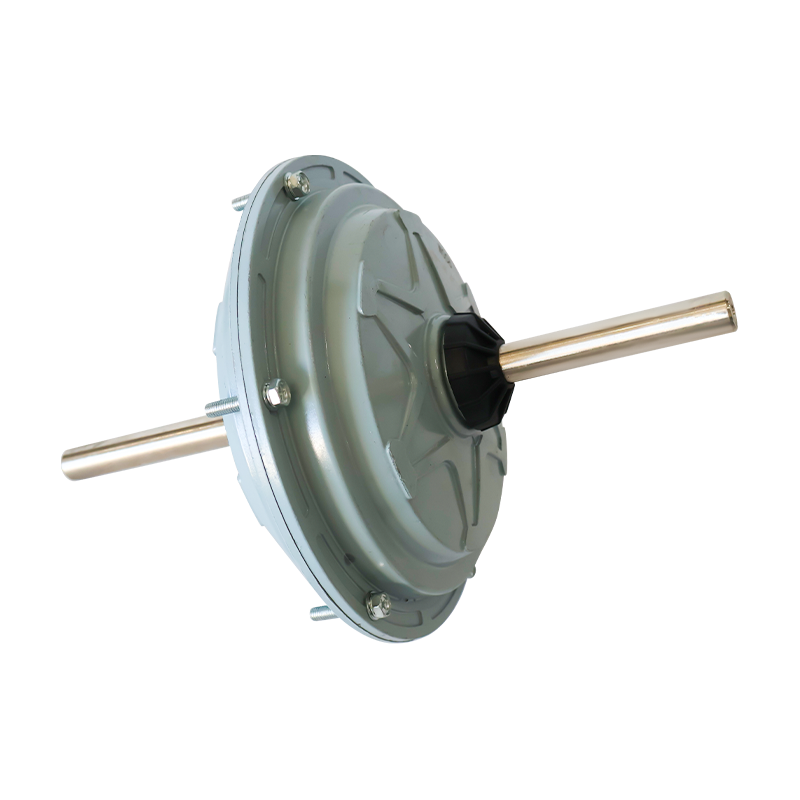
DC144 220V 600W External BLDC Air Cooler Motor
2. Why Brushless DC Technology Matters
Brushless DC technology offers several important benefits for air-cooling and ventilation equipment. In a traditional brushed motor, carbon brushes contact a rotating commutator. This contact enables current to be transferred to the rotating part, but it also creates friction, electrical arcing, noise, and gradual brush wear. As the brushes wear, motor performance can become less consistent, and maintenance or replacement may eventually be required.
The DC144 replaces this mechanical switching process with electronic commutation. The electronic driver determines when the motor windings should be energized and controls the magnetic field required for rotation. Because the motor does not use carbon brushes for normal commutation, it avoids one of the main wear mechanisms found in conventional brushed designs.
Reduced Mechanical Wear
With no carbon brushes rubbing against a mechanical commutator, the motor has fewer contact-based wear components. This can be particularly valuable in air coolers and ventilation systems that operate for many hours each day. Reduced brush wear also helps lower the possibility of performance degradation caused by brush dust, worn contact surfaces, or irregular commutation.
In demanding commercial and industrial environments, reduced maintenance can be a major advantage. Equipment operators may install air coolers in warehouses, workshops, production areas, agricultural buildings, event venues, or outdoor service areas where frequent motor servicing is inconvenient. A brushless motor can help extend service intervals when the complete system is properly designed and maintained.
Efficient Energy Conversion
Electronic commutation allows the motor to operate without the continuous contact losses associated with brushes. Although overall system efficiency depends on the motor, driver, fan, load, airflow resistance, and operating point, brushless architecture provides a strong foundation for efficient power conversion. This is important for air-cooling equipment because fans often operate for long periods, making energy consumption a significant part of operating cost.
For equipment manufacturers, an efficient motor can help support the development of products with lower electrical consumption and improved operating economics. For end users, the benefit may appear as lower energy use over the service life of the equipment, particularly in facilities where multiple coolers or ventilation units operate simultaneously.
Stable Operation Under Continuous Load
The DC144 is designed for stable output and continuous-duty requirements associated with industrial cooling and ventilation. A brushless system can maintain controlled commutation over extended operating periods when paired with a properly selected driver and correctly matched load. This supports the stable airflow required for large cooling systems, industrial spaces, and commercial environments.
Continuous operation still requires attention to installation, ventilation, ambient temperature, electrical protection, and load selection. No motor should be operated beyond its rated conditions. However, the combination of a brushless design, 600W rated power, IP55 protection, and Class F insulation gives equipment designers a solid basis for developing dependable systems.
Lower Electrical and Mechanical Disturbance
Brushless operation can reduce the electrical arcing associated with mechanical brushes. It may also reduce mechanical noise caused by brush contact and commutator interaction. Actual sound pressure levels depend on the fan blade design, bearing system, enclosure, airflow path, driver settings, and installation structure. Nevertheless, removing brush contact is beneficial when designing equipment that must deliver smooth and reliable operation.
3. Advantages of the External Rotor Configuration
The external rotor arrangement is one of the defining features of the DC144. In a conventional internal rotor motor, the rotor is positioned inside the stationary stator. In an external rotor motor, the rotating component surrounds the stator. This structure can be advantageous in applications where the motor must be integrated with a fan or blower assembly.
Compact Equipment Integration
External rotor motors can help equipment designers make effective use of available space. The motor is often positioned close to or within the fan assembly, reducing the need for an extended transmission system. In air coolers, compact integration can simplify the internal layout and make it easier to develop a balanced relationship between the motor, impeller, housing, and air outlet.
A compact layout may also reduce the number of mechanical components required between the motor and the fan. Fewer transmission components can mean fewer alignment concerns and fewer parts requiring maintenance. The exact design benefit depends on how the customer integrates the motor into the final machine.
Direct Air-Moving Equipment Compatibility
The external rotor design is naturally suited to applications in which a rotating fan structure must be driven efficiently. Air coolers and ventilation products often require a stable combination of motor torque, fan speed, and airflow. The DC144 can be considered for systems where the motor is closely matched to the fan load and the driver provides the required control characteristics.
Manufacturers should evaluate the complete fan curve rather than selecting a motor only according to wattage. Air resistance, static pressure, impeller diameter, blade geometry, rotation speed, and required airflow all influence the final operating point. The 600W rating provides a useful reference, but proper application engineering remains essential.
Potentially Improved System Balance
When an external rotor motor is correctly integrated with a fan assembly, the rotating mass can be arranged in a way that supports balanced operation. Proper balancing is important because vibration can reduce bearing life, increase noise, loosen fasteners, and damage surrounding components. The motor and fan must be evaluated as a complete rotating assembly, with attention to concentricity, shaft loading, mounting rigidity, and dynamic balance.
4. Performance Benefits for Air Coolers
Evaporative air coolers rely on the movement of air through wetted cooling media or related heat and mass transfer structures. The motor must provide enough power to maintain airflow while working against the resistance created by filters, cooling pads, grilles, ducts, and outlet structures. In larger units, the motor may run for many consecutive hours during hot weather, making durability and efficiency particularly important.
The DC144 provides 600W of rated power, offering a suitable capacity for many medium and large air-cooling designs. Its brushless construction supports continuous operation with reduced brush maintenance. The external rotor structure can also help manufacturers develop compact air-moving assemblies with efficient use of internal space.
Consistent Airflow Support
Stable motor output is essential for maintaining consistent airflow. If the motor speed fluctuates excessively, cooling performance may vary and users may experience uneven comfort or inadequate air exchange. A suitable BLDC driver can help regulate the motor according to the equipment design, power demand, and selected operating mode.
In commercial and industrial environments, consistent airflow is often more important than short bursts of maximum output. Warehouses, workshops, production areas, and large public spaces need equipment that can continue operating reliably throughout the day. The DC144 is intended for this type of service profile when operated within its specified electrical and thermal conditions.
Support for Long Operating Periods
Air coolers are frequently used during extended periods of high ambient temperature. A motor that is difficult to maintain or sensitive to brush wear can create avoidable operating problems. The brushless configuration of the DC144 reduces the need for brush-related service and supports a more predictable maintenance program.
Long operating life also depends on bearing quality, correct fan balancing, clean air passages, protection against moisture, proper driver configuration, and adequate heat dissipation. The IP55 rating helps protect the motor against dust ingress and water jets from defined directions, but it does not mean the motor can be submerged or exposed to unsuitable conditions without additional protection.
Application Flexibility
The motor can be considered for portable or fixed air coolers, industrial evaporative cooling units, workshop ventilation products, agricultural cooling equipment, commercial air-moving systems, and other equipment requiring a 220V, 600W BLDC drive. The final suitability should be confirmed through speed, torque, airflow, duty cycle, and environmental testing.
5. Protection, Insulation, and Reliability
IP55 Protection Rating
The DC144 has an IP55 protection rating. The first digit indicates protection against dust that could interfere with normal operation, while the second digit indicates protection against water jets from different directions under defined test conditions. This makes IP55 a useful protection level for many industrial and commercial applications where airborne dust, moisture, and incidental water exposure may occur.
IP55 should not be interpreted as complete waterproofing. The motor should not be submerged, pressure-washed at close range, or installed where water can accumulate around electrical connections. Equipment designers should also protect cable entries, connectors, drivers, and control boards according to the environmental conditions of the complete product.
In air coolers, water management is especially important. Evaporative systems may contain pumps, wet pads, drainage channels, and mist or splash zones. The motor must be positioned and shielded so that the rated protection level is not undermined by poor enclosure design or direct water exposure.
Class F Insulation
Class F insulation provides a defined thermal insulation capability for the motor winding system. This is relevant to applications involving extended operation, elevated ambient temperature, or continuous loading. Thermal design remains a complete-system responsibility, but Class F insulation provides a useful margin for many industrial motor applications.
Motor temperature is influenced by electrical loading, rotation speed, ventilation, ambient temperature, installation orientation, fan resistance, and enclosure design. To obtain reliable service, the motor should be used within the recommended operating conditions and should not be overloaded in an effort to produce airflow beyond the intended design range.
Mechanical Reliability
Mechanical reliability depends on bearing selection, rotor balance, mounting accuracy, shaft loading, and protection from vibration. The external rotor assembly must be installed with suitable clearances and should not be subjected to side loads or impact beyond its design capability. Fasteners should be tightened according to the equipment manufacturer’s requirements, and the complete rotating assembly should be checked before commissioning.
6. Optional Matching Driver
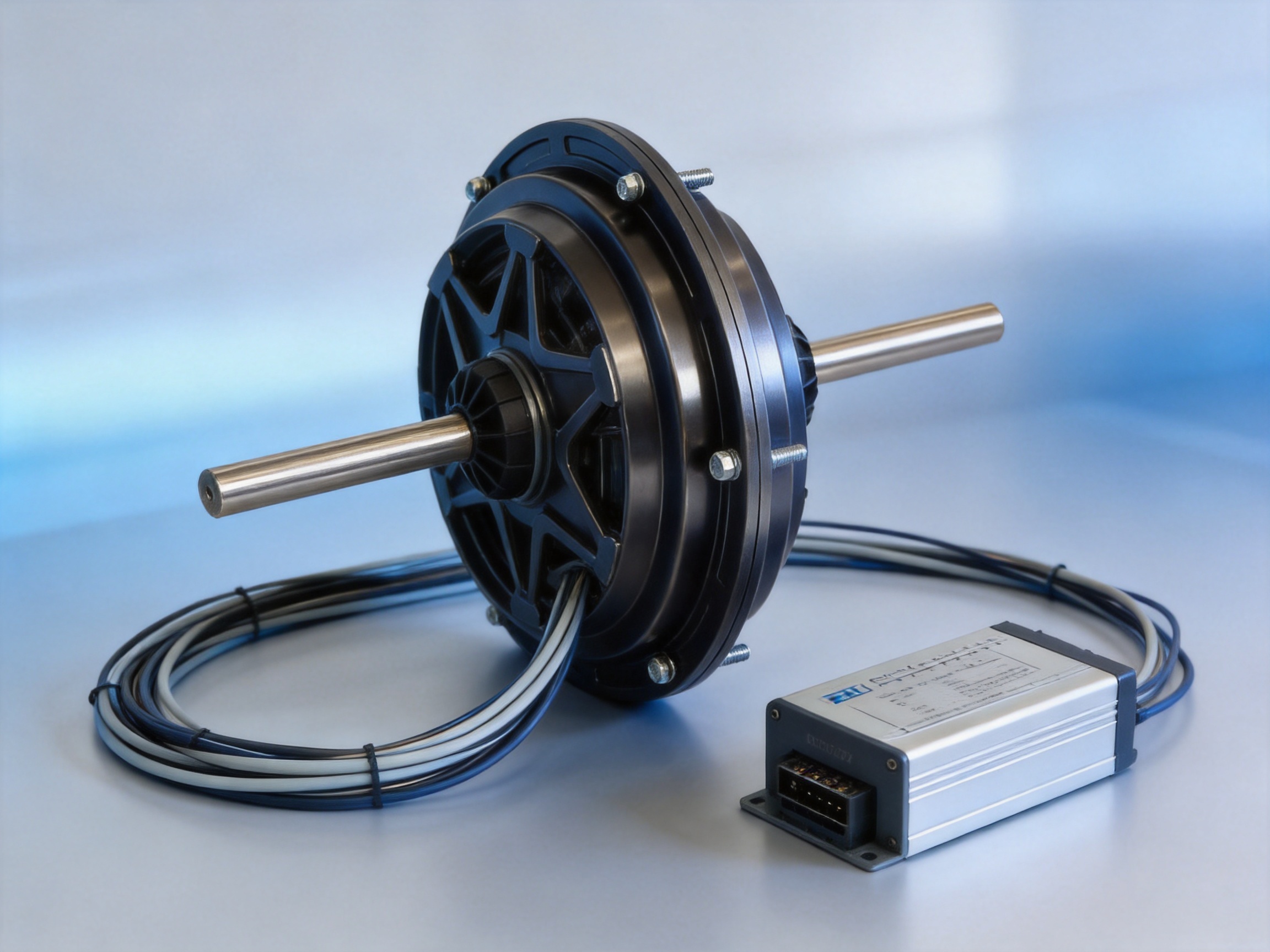
A matching driver is available as an option for the DC144. The driver is a critical part of a BLDC motor system because it controls electronic commutation and determines how electrical power is delivered to the motor windings. Selecting a compatible driver can simplify system integration and reduce the risk of mismatched voltage, current, control signals, or protection functions.
When evaluating the optional driver, customers should confirm the required input power conditions, motor connection method, rated current, acceleration behavior, speed control method, fault protection, and communication or control interface if applicable. These details should be agreed during the technical confirmation stage because the final driver configuration may depend on the equipment design.
Benefits of a Matched Motor and Driver Solution
A matched motor and driver combination can support smoother startup, more predictable operating performance, and better protection against overload or abnormal conditions. It may also simplify procurement because the buyer can obtain the primary drive components from one technical source. This is valuable for equipment manufacturers that want to shorten development time and reduce compatibility testing.
A matched solution can also assist with product standardization. Once the motor, driver, fan, and control logic have been validated, the same configuration may be used across several equipment models with appropriate adjustments. This can improve production consistency and simplify technical support.
7. Competitive Advantages Compared with Conventional Motor Solutions
The DC144 offers several potential advantages compared with conventional brushed motors and certain traditional AC motor arrangements. These advantages should be understood in relation to the complete system and the intended operating conditions.
Compared with Brushed DC Motors
The most direct comparison is with brushed DC motors. The DC144 eliminates the carbon brush and mechanical commutator used in brushed designs. This reduces brush replacement requirements, minimizes brush-contact wear, and avoids many problems related to brush dust and mechanical arcing. For equipment operating continuously or in locations where maintenance access is limited, this can be a significant practical benefit.
The brushless design also supports electronic control of the motor. This can provide more flexible speed management and improved coordination with the air-cooling system. A brushed motor may be simpler in certain low-cost applications, but it typically involves more mechanical wear and may require more frequent servicing under continuous-duty conditions.
Compared with Traditional Fixed-Speed Motors
Traditional fixed-speed motor systems may operate acceptably when the airflow requirement is constant. However, cooling demand often changes throughout the day. A BLDC system with a suitable driver can be better suited to variable operating conditions because it can be integrated with control strategies for different airflow levels, temperature targets, or power-saving modes.
Variable operation can help reduce unnecessary energy use when full airflow is not required. It can also help reduce noise during low-demand periods. The exact control range depends on the driver and equipment design, so the manufacturer should confirm the required control functions before purchase.
Compared with Larger Industrial Drives
Some industrial motor solutions are designed for much higher loads than those required by medium and large air coolers. Using an oversized motor may add unnecessary weight, cost, and energy consumption. The 600W rating of the DC144 offers a practical middle range for equipment that needs more capacity than a small fan motor but does not require a large industrial drive.
The external rotor format may also reduce packaging complexity compared with systems that require separate couplings, belts, or gear arrangements. Fewer transmission components can support easier assembly and potentially lower maintenance requirements, although the final benefit depends on the equipment architecture.
Comparison Summary
| Evaluation Factor | DC144 External Rotor BLDC Motor | Typical Brushed Motor | Traditional Fixed-Speed Motor |
| Commutation | Electronic | Mechanical brush and commutator | Depends on motor type |
| Brush Replacement | Not required for normal operation | Required as brushes wear | Usually not applicable to induction designs |
| Continuous-Duty Suitability | Well suited when correctly matched and cooled | Possible, but brush wear must be considered | Possible, with limited speed flexibility |
| Speed Control Potential | High with compatible electronic driver | Moderate, depending on controller | Often limited without additional equipment |
| Protection Rating | IP55 | Varies by model | Varies by model |
| Insulation | Class F | Varies by model | Varies by model |
| Air-Cooling Integration | External rotor configuration supports compact fan integration | May require separate transmission or different mounting | Often requires a different mechanical arrangement |
This comparison is intended as a general design reference. Motor performance must always be verified against the final load, speed, airflow, duty cycle, environment, and control system.
8. Manufacturing Strengths
The performance of a motor depends not only on its design but also on how consistently it is manufactured. Shengzhou Jiangxin Motor Technology Co., Ltd. focuses on the research, development, production, and sales of AC/DC motors and micro motors. The company operates modern production facilities, uses advanced automated equipment, and maintains a professional research and development team.
Research and Development Capability
A dedicated R&D capability allows the company to develop motors for different application requirements rather than relying only on standard products. Air coolers, industrial heaters, oil pumps, ventilation products, and customized equipment can have different requirements for torque, speed, voltage, protection, mounting, and control. Engineering experience across these areas can help the manufacturer identify practical solutions for customer projects.
For the DC144, the combination of external rotor construction and BLDC technology reflects an application-oriented approach. The product is not simply a general-purpose motor; it is positioned for air-moving and cooling equipment where compact integration, continuous operation, and energy efficiency are important.
Automated Production Equipment
Automated equipment can improve manufacturing consistency in winding, assembly, testing, and other production stages. Automation helps reduce variation between units and supports repeatable process control. This is especially important for motors because small differences in winding quality, rotor balance, bearing installation, or electrical connection can influence noise, vibration, efficiency, and service life.
Automation does not replace engineering supervision or quality inspection. Instead, it provides a stable production foundation that can be combined with process standards, operator training, inspection procedures, and traceability systems.
Quality Control Focus
The company emphasizes strict quality control and reliable product performance. For a motor such as the DC144, relevant quality checks may include winding resistance, insulation performance, current behavior, rotational direction, vibration, noise, protection-related construction, and final appearance. The exact inspection plan should be confirmed according to the production model and customer requirements.
Quality control is particularly important for motors used in cooling equipment because a failure may stop airflow, reduce temperature control, or interrupt a production process. Consistent inspection helps reduce the possibility of receiving units with electrical or mechanical variation that could affect final equipment assembly.
Experience in International Markets
The company exports products to more than 60 countries and regions. International market experience can help a motor manufacturer understand the importance of documentation, packaging, communication, electrical compatibility, and application support. Different customers may require different labeling, inspection documents, control options, or shipping arrangements.
For overseas buyers, a supplier with export experience can provide practical support during order confirmation and production. This may include technical communication, sample evaluation, product customization, packaging coordination, and after-sales response.
Location and Industrial Support
The company is located in Shengzhou, Zhejiang Province, within the broader industrial environment of the Yangtze River Delta. The region has strong manufacturing infrastructure, supply-chain resources, engineering talent, and transportation connections. These conditions can support efficient procurement of materials, coordination with component suppliers, and stable production planning.
9. Application Areas
Evaporative Air Coolers
The primary application for the DC144 is evaporative air-cooling equipment. It can be evaluated for portable coolers, industrial coolers, commercial cooling units, and large-area ventilation coolers. The 600W power rating is suitable for designs that require stronger airflow than residential compact units but do not need a high-capacity industrial drive.
Industrial Ventilation
Industrial ventilation systems often need continuous airflow to remove heat, humidity, dust, or airborne contaminants. The motor can be considered for ventilation assemblies used in workshops, warehouses, factories, agricultural facilities, and other large spaces. The IP55 rating provides useful protection for many industrial environments, provided that the complete installation is correctly protected.
Commercial Cooling Equipment
Commercial locations such as markets, logistics areas, event spaces, restaurants, service facilities, and large retail areas may benefit from efficient air-moving systems. In these environments, equipment must often balance airflow, energy consumption, noise, reliability, and ease of maintenance. A brushless external rotor motor can support a compact and service-friendly product design.
Outdoor and Semi-Outdoor Equipment
The motor may also be considered for certain outdoor or semi-outdoor applications where equipment is protected from direct immersion and severe exposure. Designers should evaluate ambient temperature, rain, dust, humidity, ultraviolet exposure, salt, insects, and installation orientation. Additional housing or environmental protection may be required for challenging conditions.
10. Engineering and Installation Considerations
Correct application engineering is essential for achieving the expected benefits of any motor. Before final selection, the customer should confirm voltage, power, operating speed, torque requirement, fan load, airflow, static pressure, duty cycle, ambient conditions, mounting method, and driver compatibility.
Load Matching
The fan or blower load should be matched to the motor’s torque and speed characteristics. An oversized fan, obstructed air passage, blocked filter, or unsuitable blade design can overload the motor even if the nominal power appears adequate. System testing should include startup behavior, maximum airflow, continuous operation, abnormal resistance, and thermal performance.
Electrical Integration
The 220V rating must be considered together with the driver and the available supply system. Electrical connections should be completed by qualified personnel. Appropriate fuses, circuit protection, grounding, isolation, and wiring should be selected according to applicable regulations and the requirements of the complete equipment.
Mechanical Mounting
The mounting structure should be sufficiently rigid to prevent excessive vibration. The motor should be aligned correctly, and the fan assembly should be balanced. Installation should avoid impact to the rotor, shaft, housing, cable, or connectors. If the motor is integrated into a custom fan assembly, the customer should verify clearances and ensure that rotating parts cannot contact stationary components.
Environmental Protection
The IP55 rating provides a defined level of protection, but the finished product must preserve that protection. Cable entry points, connectors, covers, and mounting interfaces should be sealed or shielded as necessary. Drainage should be provided where water may collect. In evaporative coolers, the motor should be separated from direct splash and positioned away from pump leakage paths.
Maintenance
Although the brushless design reduces brush-related maintenance, routine equipment inspection remains necessary. Filters and cooling pads should be cleaned according to the equipment schedule. Air passages should remain unobstructed. Fasteners, wiring, connectors, bearings, and vibration levels should be checked periodically. Accumulated dust or mineral deposits can increase the load and reduce the service life of the entire system.
11. Procurement and Customization Support
For equipment manufacturers and distributors, purchasing a motor is more than selecting a voltage and wattage. The supplier should understand the application, expected quantity, installation environment, required driver, packaging, delivery schedule, and quality documentation. Early technical communication can reduce delays during sample approval and mass production.
Sample Evaluation
A sample evaluation should test the motor under the actual or simulated fan load. Key measurements may include operating current, rotational speed, airflow, temperature rise, vibration, noise, startup behavior, and continuous running stability. Testing under real installation conditions is more informative than testing the motor without its intended load.
Production Consistency
Once a sample is approved, the customer should confirm that production units will follow the same electrical, mechanical, and performance requirements. Important details include motor model, rated voltage, power, driver selection, cable arrangement, mounting dimensions, shaft or rotor interface, protection level, labeling, and packaging.
Customized Motor Requirements
Some customers may require changes to mounting structures, cable length, connector type, control settings, packaging, labeling, or matching driver configuration. Customization feasibility depends on quantity, technical requirements, tooling, and production planning. The manufacturer’s R&D and production capabilities can help evaluate whether a requested change can be implemented efficiently.
Export and Delivery Coordination
International orders require attention to product documentation, packing protection, shipping marks, inspection requirements, and destination regulations. The motor should be packaged to prevent impact, moisture, and movement during transportation. Buyers should provide accurate delivery and electrical requirements at the beginning of the project to reduce the risk of later changes.
12. Value for Equipment Manufacturers
The DC144 can provide value at several stages of equipment development. During design, its brushless architecture and external rotor format can support a compact air-moving structure. During production, a standardized motor and optional driver can simplify assembly. During operation, reduced brush maintenance and efficient electronic control can support lower service demands.
For product developers, the motor may also help create differentiated cooling equipment. A manufacturer can combine the motor with intelligent speed control, multiple airflow settings, temperature sensors, energy-saving modes, or remote monitoring. These functions depend on the selected driver and control platform, but the BLDC motor provides a suitable foundation for advanced equipment design.
For distributors, the product offers a clear specification profile: 220V, 600W, external rotor, brushless DC construction, IP55 protection, Class F insulation, and optional driver support. This makes it easier to position the motor for air coolers, ventilation systems, and related commercial or industrial equipment.
For end users, the main value lies in dependable airflow, reduced brush maintenance, and suitability for long operating periods. The actual return on investment will depend on equipment utilization, energy prices, operating conditions, maintenance practices, and the performance of the complete cooling system.
13. Frequently Asked Questions
What type of motor is the DC144?
The DC144 is a 600W external rotor brushless DC motor designed for applications such as evaporative air coolers, industrial ventilation, commercial cooling equipment, and related air-moving systems.
What voltage does the motor use?
The motor is rated at 220V. Customers should confirm the complete electrical arrangement, including the driver, input supply, protection devices, and control system, before installation.
What is the rated power?
The rated power is 600W. The final operating power may vary according to fan load, speed, airflow resistance, and control conditions. The motor should not be overloaded beyond its intended application range.
Can the motor operate at both 50Hz and 60Hz?
The product information specifies 50/60Hz compatibility. The final operating configuration should be confirmed with the supplier, especially when the motor is used with a specific driver or control system.
Does the motor require carbon brush replacement?
No. The motor uses brushless electronic commutation and does not require carbon brush replacement during normal operation. Other maintenance, such as cleaning, inspection, and checking the fan assembly, is still necessary.
What does the IP55 rating mean?
IP55 indicates protection against harmful dust deposits and water jets from different directions under defined test conditions. It does not mean the motor is suitable for immersion or uncontrolled water exposure. The complete equipment must preserve appropriate environmental protection.
What does Class F insulation provide?
Class F identifies the thermal insulation class of the motor winding system. It supports applications involving continuous operation and elevated temperatures, provided that the motor remains within its specified electrical and thermal conditions.
Is a matching driver included?
A matching driver is available as an optional component. Buyers should confirm whether the driver is required, what control method is needed, and whether the proposed driver matches the motor and final fan load.
Can this motor be used in an industrial air cooler?
Yes, it is designed for consideration in industrial and commercial air-cooling applications. The customer must verify airflow, fan size, static pressure, duty cycle, ambient temperature, moisture exposure, and installation requirements before final approval.
Can it be used outdoors?
It may be suitable for certain protected outdoor or semi-outdoor applications, but the IP55 rating alone does not cover every outdoor condition. Direct rain, standing water, salt spray, ultraviolet exposure, freezing temperatures, and severe dust may require additional protection and testing.
How does the external rotor design help a fan system?
The external rotor structure can support compact integration with a fan or blower assembly. It may reduce the need for separate transmission components and help equipment designers make efficient use of internal space. The final benefit depends on the mechanical design and fan matching.
What should be tested before mass production?
Customers should test electrical input, speed, torque behavior, airflow, static pressure, temperature rise, noise, vibration, startup performance, continuous operation, and protection under the actual equipment conditions. The motor and fan should be evaluated as one complete system.
Who manufactures the DC144 motor?
The DC144 is manufactured by Shengzhou Jiangxin Motor Technology Co., Ltd., a Chinese manufacturer specializing in AC/DC motors, micro motors, evaporative air cooler motors, industrial heater motors, oil pump motors, and customized motor solutions.
14. Conclusion
The DC144 220V 600W External Rotor BLDC Motor is a practical solution for air-cooling and ventilation equipment requiring stable power, efficient operation, compact integration, and reduced brush-related maintenance. Its brushless architecture eliminates carbon brush wear, while electronic commutation supports controlled and consistent motor operation. The external rotor structure is well suited to fan and blower applications, and the 600W rating provides useful capacity for medium and large cooling systems.
With IP55 protection and Class F insulation, the motor is designed for demanding commercial and industrial environments when correctly installed and protected. The optional matching driver can simplify system integration and support more precise control. Buyers should still perform complete application testing because airflow performance, thermal behavior, noise, vibration, and service life depend on the motor, driver, fan, enclosure, and operating conditions as a whole.
Shengzhou Jiangxin Motor Technology Co., Ltd. strengthens the product offering through R&D capability, modern production facilities, automated equipment, quality control systems, international market experience, and support for customized motor requirements. These strengths make the DC144 suitable not only as a standalone motor component but also as part of a broader power solution for evaporative cooling, industrial ventilation, and commercial air-moving equipment.
For equipment manufacturers, the product offers a balance of power, efficiency, maintainability, and integration flexibility. For distributors and system integrators, its clear specifications and optional driver support simplify product evaluation. For end users, its brushless design and continuous-duty suitability can contribute to reliable airflow and lower maintenance demands over the operating life of the cooling system.
References
1. Product specification information for the DC144 220V 600W External Rotor BLDC Motor.
2. General principles of brushless DC motor construction and electronic commutation.
3. General guidance on IP protection ratings for electrical equipment.
4. General guidance on thermal insulation classes for rotating electrical machines.
5. Application engineering principles for evaporative air coolers and industrial ventilation systems.
6. Manufacturer information concerning AC/DC motor development, production, quality control, and international distribution.
Product: DC144 220V 600W External BLDC Air Cooler Motor
 Ready To Customise
Your Motor Products?

We are professional motor manufacturers, delivering powerful, stable, and efficient power cores for all industries through precision craftsmanship and innovation.
Contact Us
-
 Mobile:+86 13575536911
-
 Tel:+86 18357538240
-
 Whatsapp:+8618357538240
-
 Email:betty@dbjxmotor.com
-
 Company Address
Copyright © by Shengzhou Jiangxin Motor Technology Co., Ltd. All Rights Reserved.
Wholesale Industrial Fan Motors Manufacturers
