

 English
 русский
 Español
 عربى
عربى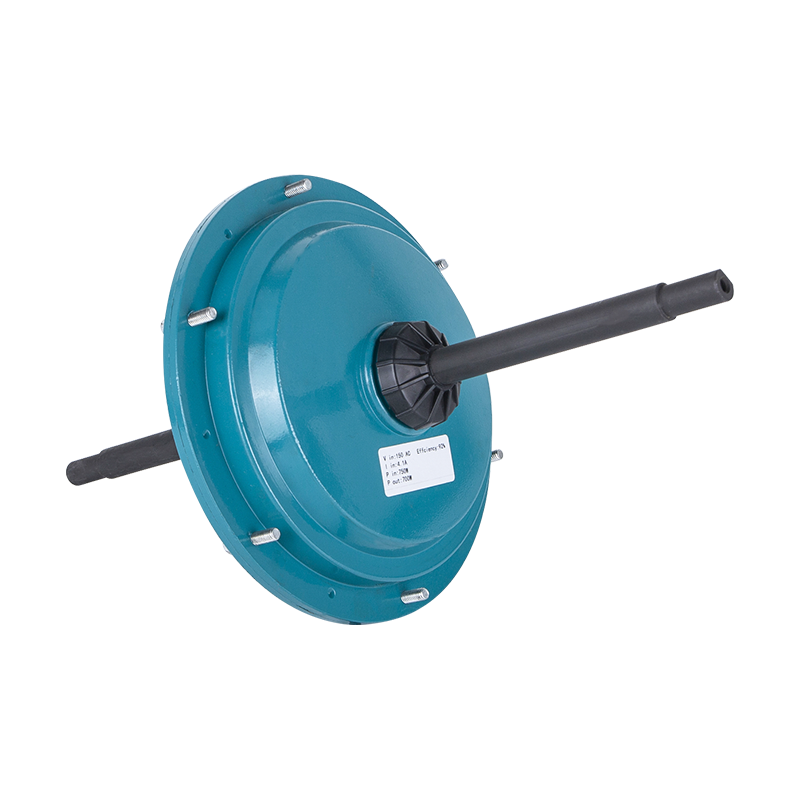
No. 8, Duxiu San Road, Ganlin Town, Shengzhou City, Shaoxing City, Zhejiang Province, China

News Category
Product Category
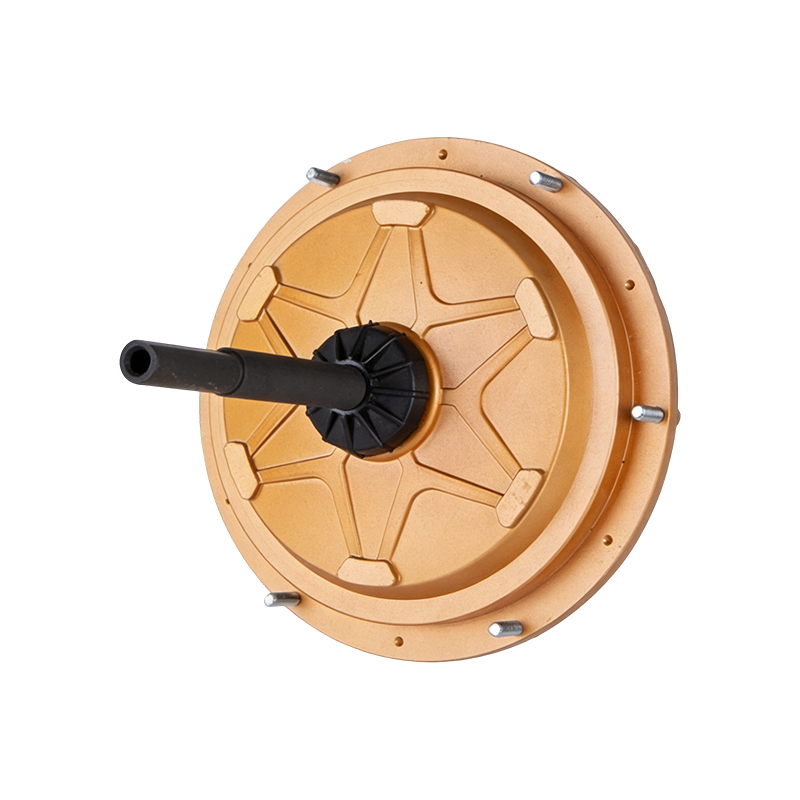
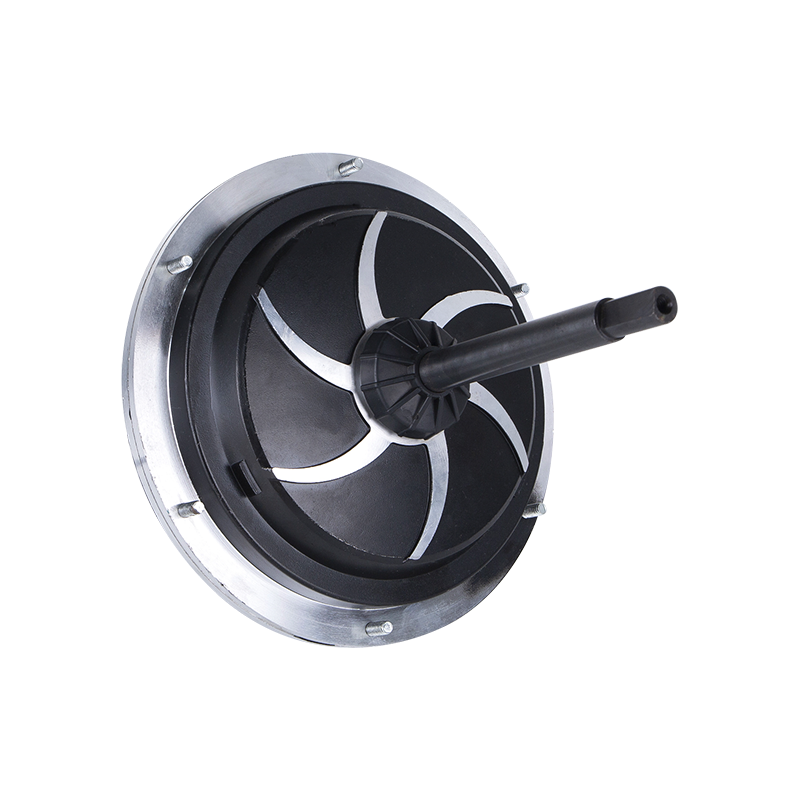
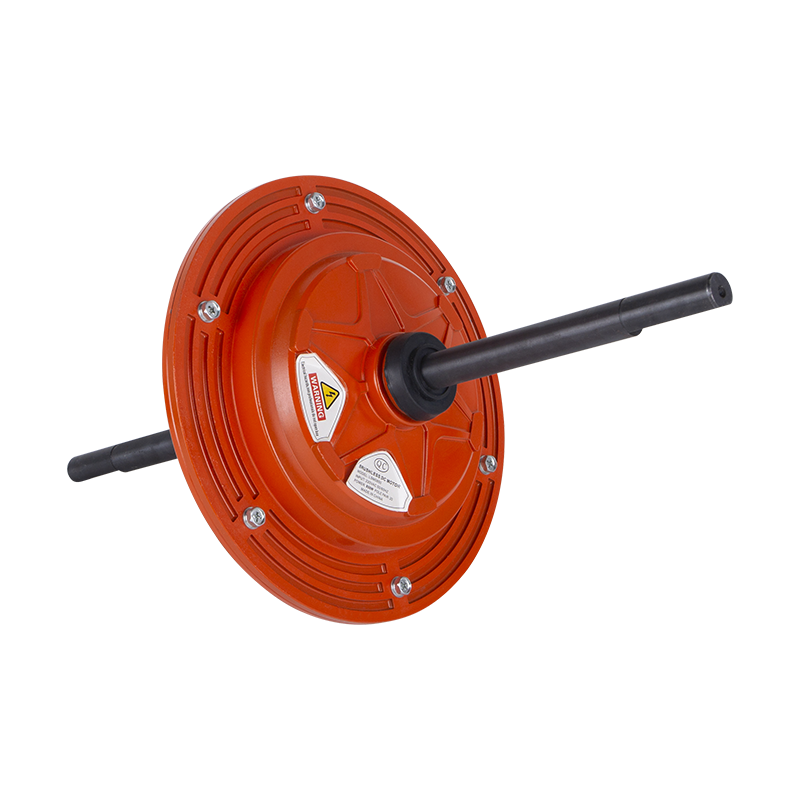
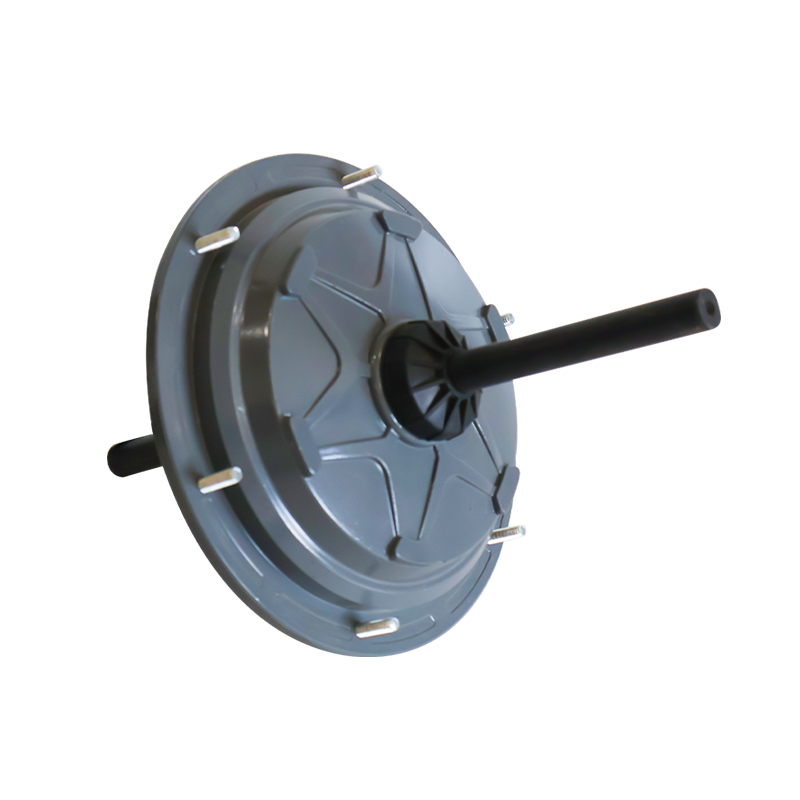
DC149 220V 650W External BLDC Air Cooler Motor: Efficient Power for Industrial Ventilation
Content
- 1 1. Product Overview
- 2 2. Key Technical Characteristics
- 3 3. Advantages in Industrial Air-Cooling Applications
- 4 4. Comparison with Conventional Motor Solutions
- 5 5. Manufacturing Strengths
- 6 6. Production Process for an External BLDC Motor
- 7 7. Application Areas
- 8 8. Installation Recommendations
- 9 9. Maintenance and Service Guidance
- 10 10. Selection Guidance for Equipment Manufacturers
- 11 11. Why Choose a Specialized Manufacturer
- 12 12. Sustainability and Operating Efficiency
- 13 13. Technical and Commercial Value
- 14 14. Frequently Asked Questions
- 14.1 Q1: What is the rated power of the DC149 motor?
- 14.2 Q2: What voltage does the motor use?
- 14.3 Q3: What does BLDC mean?
- 14.4 Q4: What is the advantage of the external rotor design?
- 14.5 Q5: Can the DC149 run continuously?
- 14.6 Q6: Does the motor support variable speed?
- 14.7 Q7: What does IP55 protection mean?
- 14.8 Q8: What is the purpose of F-class insulation?
- 14.9 Q9: Is the motor suitable for humid air-cooling environments?
- 14.10 Q10: Does the brushless design eliminate all maintenance?
- 14.11 Q11: Can the motor be used in a factory ventilation system?
- 14.12 Q12: Can customized versions be discussed?
- 14.13 Q13: What should be checked before ordering?
- 14.14 Q14: Why is pure copper winding important?
- 14.15 Q15: Who manufactures the DC149?
- 15 15. Conclusion
- 16 References
- 17 Product: DC149 220V 650W External BLDC Air Cooler Motor
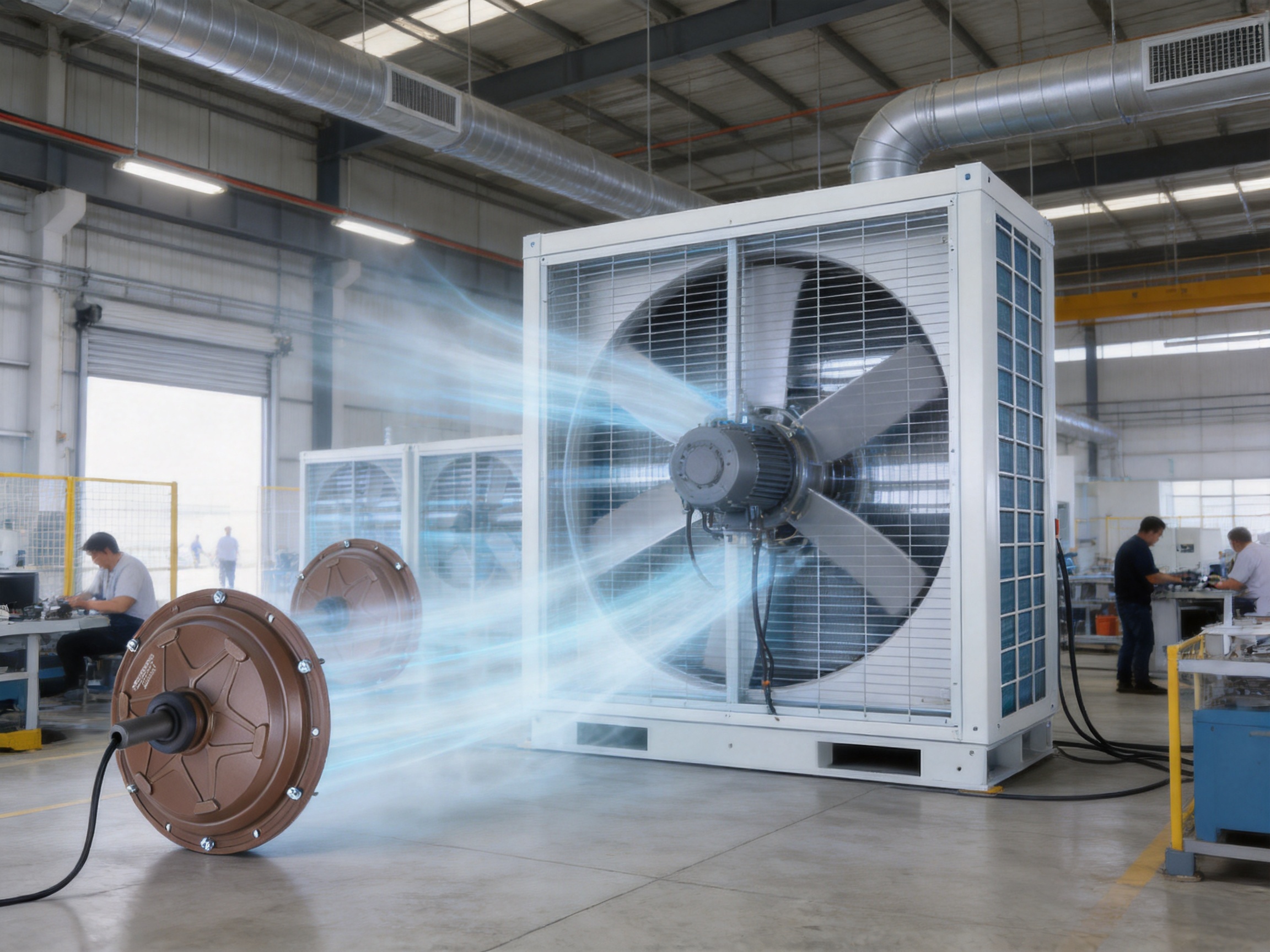
Industrial air-cooling and ventilation systems require motors that can operate reliably for long periods while maintaining efficient energy use, stable speed control, low noise, and resistance to demanding environmental conditions. The DC149 220V 650W External BLDC Air Cooler Motor is designed to meet these requirements through a brushless direct-current motor structure, external rotor configuration, durable insulation, and protective housing.
With a rated voltage of 220V and power output of 650W, the motor provides a practical solution for industrial evaporative air coolers, factory ventilation equipment, and other air-moving applications. Its external rotor design supports compact equipment integration, while the brushless construction reduces maintenance requirements compared with conventional brushed motors. The motor also supports stepless speed regulation, allowing users to adjust airflow according to operating conditions, comfort requirements, production needs, or energy-saving targets.
Manufactured by Shengzhou Jiangxin Motor Technology Co., Ltd., the DC149 is supported by a production organization focused on AC/DC motors, micro motors, air cooler motors, and customized motor solutions. The company combines research and development capabilities, automated manufacturing equipment, quality control systems, and experience in export markets to provide motors for customers in different industrial environments.
This article examines the structure, performance, application value, manufacturing strengths, installation considerations, maintenance requirements, and competitive advantages of the DC149 220V 650W External BLDC Air Cooler Motor.
1. Product Overview
The DC149 is a 220V, 650W external BLDC air cooler motor developed for industrial air movement. It is intended for equipment that needs dependable continuous operation, practical speed adjustment, and stable mechanical output. The product is classified as an external BLDC air cooler motor because the rotor is arranged outside the stator assembly, a structure commonly used in fan and air-moving equipment.
Unlike a traditional brushed DC motor, a brushless DC motor does not rely on mechanical carbon brushes and a commutator to transfer electrical current to the rotating section. Instead, electronic commutation controls the magnetic field and allows the motor to generate rotation with reduced mechanical contact. This contributes to longer service life, lower brush-related maintenance, and more consistent operation over extended periods.
The 650W power rating gives the DC149 sufficient capacity for demanding industrial air-cooling equipment. It can support applications where a small household motor would not provide adequate torque, thermal stability, or continuous-running capability. At the same time, its compact structure helps equipment designers use available installation space efficiently.
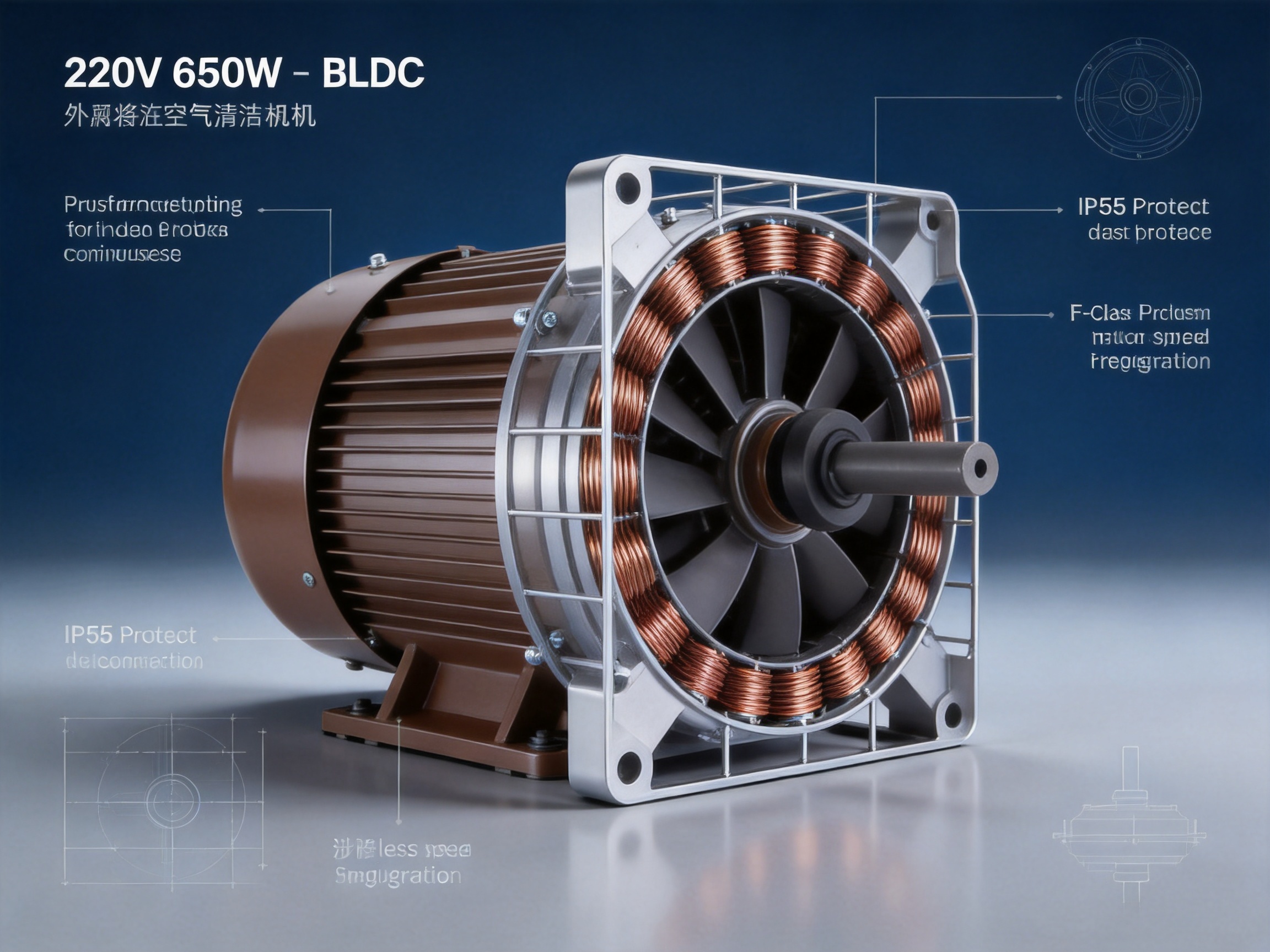
The primary product information includes a 220V operating voltage and 650W power rating. The motor uses pure copper windings, F-class insulation, and an IP55 protection grade. It is designed for S1 continuous working mode and supports stepless speed regulation. These characteristics make it suitable for industrial environments in which the motor may need to run for long periods under humid, dusty, or warm conditions.
2. Key Technical Characteristics
2.1 220V Electrical Compatibility
The DC149 operates at 220V, making it suitable for many industrial and commercial electrical systems. A 220V motor can be integrated into air coolers, ventilation machines, and factory equipment designed around common industrial power arrangements. Before installation, the system designer should confirm the actual supply characteristics, controller compatibility, grounding arrangement, and electrical protection requirements.
Operating voltage is important because a motor must receive a stable and appropriate electrical supply to perform correctly. Excessive voltage variation may increase heat generation, affect speed stability, or reduce service life. For this reason, the motor should be installed with suitable circuit protection and used within the electrical conditions specified by the equipment designer.
2.2 650W Power Output
With 650W of rated power, the DC149 is designed for industrial air-moving tasks that require more output than light-duty residential equipment. The power capacity can help drive fans that move substantial air volumes through large cooler cabinets, workshops, production areas, warehouses, and other spaces.
Motor power should always be matched to the fan blade, impeller, air resistance, operating speed, and equipment design. A motor that is undersized may struggle to reach the required speed or may operate with excessive heat. A correctly selected 650W motor can provide an appropriate balance between output capacity and energy consumption for compatible air-cooling systems.
2.3 External Rotor Configuration
The external rotor design places the rotating assembly around the stationary stator. This configuration is widely used in fan motors because the motor can be integrated closely with the fan structure. In many applications, the external rotor arrangement helps reduce the overall equipment footprint and supports direct coupling with an impeller or fan wheel.
A compact external rotor motor can simplify the layout of an air cooler. It may reduce the need for additional transmission components, pulleys, or belt systems, depending on the equipment design. Fewer transmission parts can help reduce mechanical losses, lower assembly complexity, and minimize the number of components that require adjustment.
The external rotor structure also supports balanced rotation when the rotor and fan assembly are properly designed and tested. Correct balancing is essential because vibration can affect noise, bearing life, mounting stability, and the condition of the complete air-cooling machine.
2.4 Brushless Operation
The brushless design is one of the main advantages of the DC149. Conventional brushed motors use contact components that gradually wear during operation. These parts can create dust, electrical noise, and maintenance requirements. A BLDC motor uses electronic commutation instead, eliminating routine brush replacement.
Brushless operation can provide several practical benefits:
First, it supports a longer maintenance interval because there are no carbon brushes to replace. Second, it reduces mechanical friction associated with brush contact. Third, it can help improve operating cleanliness in equipment where brush dust would be undesirable. Fourth, electronic control makes variable-speed operation more practical. Finally, the motor can maintain stable performance over prolonged operation when the electrical controller, load, and thermal conditions are properly matched.
These advantages are particularly valuable in industrial air coolers, which may operate for many hours each day during warm seasons or in continuously occupied production facilities.
2.5 Pure Copper Windings
The DC149 uses pure copper windings. Copper is valued in motor manufacturing because of its high electrical conductivity and good thermal performance. Efficient winding conductors can help reduce electrical losses, support stable torque generation, and improve the motor’s ability to transfer electrical energy into mechanical output.
Winding quality also influences the motor’s operating temperature, efficiency, and reliability. Proper winding placement, insulation treatment, connection quality, and production inspection are all necessary to obtain consistent results. The use of pure copper winding material is therefore most effective when combined with controlled manufacturing procedures and appropriate testing.
2.6 F-Class Insulation
F-class insulation provides a higher temperature capability than many general-purpose insulation systems. This is important for industrial motors because winding temperature can rise during continuous operation, high ambient conditions, restricted airflow, or heavy loading.
The insulation system helps separate energized winding conductors from one another and from the motor’s core and structural components. Proper insulation can reduce the risk of electrical breakdown and support reliable operation over the motor’s working life. F-class insulation is especially useful in air-cooling equipment that may be installed in warm workshops, manufacturing areas, warehouses, or other locations where ambient temperatures are not consistently low.
Insulation performance depends on more than the material class alone. It also depends on winding workmanship, impregnation, curing, electrical clearances, moisture exposure, vibration, and operating temperature. A controlled production process is therefore essential to convert the rated insulation system into reliable field performance.
2.7 IP55 Protection Grade
The motor is designed with an IP55 protection grade. This indicates protection against harmful dust ingress and protection against water jets from different directions, subject to the applicable testing conditions. IP55 is a useful protection level for industrial air-cooling applications because these systems may operate in dusty factories, humid workshops, open-sided buildings, and locations where water droplets or cleaning spray may be present.
IP55 protection does not mean that the motor can be submerged or exposed indefinitely to uncontrolled water flow. Installation should still prevent unnecessary water accumulation, direct high-pressure washing, chemical exposure, and prolonged condensation. Cable entries, connectors, mounting interfaces, and controller enclosures should also be selected and installed to maintain the overall protection level of the equipment.
2.8 S1 Continuous Working Mode
The DC149 is intended for S1 continuous working mode. In this operating mode, the motor is designed to run under a constant or appropriately controlled load for a sufficiently long period to reach thermal equilibrium. This characteristic is important for industrial ventilation and air-cooling equipment, where the motor may run through an entire work shift or remain active for extended periods.
Continuous operation requires correct motor selection, sufficient ventilation, appropriate loading, and reliable electrical control. Even a motor designed for continuous duty can overheat if the fan is blocked, the impeller is overloaded, the voltage is incorrect, or the surrounding temperature exceeds the intended working conditions.
2.9 Stepless Speed Regulation
The DC149 supports stepless speed regulation. This enables the air-cooling system to adjust airflow gradually instead of being limited to a small number of fixed speed settings. Variable speed can improve user comfort, process control, and energy management.
When full airflow is not required, reducing motor speed can lower energy consumption and reduce noise. In a factory, for example, the ventilation system may operate at a higher speed during the hottest part of the day and at a lower speed during cooler periods. In an evaporative air cooler, speed adjustment can help balance airflow, water evaporation, temperature reduction, and occupant comfort.
The exact control method must be matched to the motor and its electronic control system. Equipment manufacturers should confirm the appropriate controller, signal type, protection functions, acceleration behavior, and speed range before integrating the motor into a finished product.
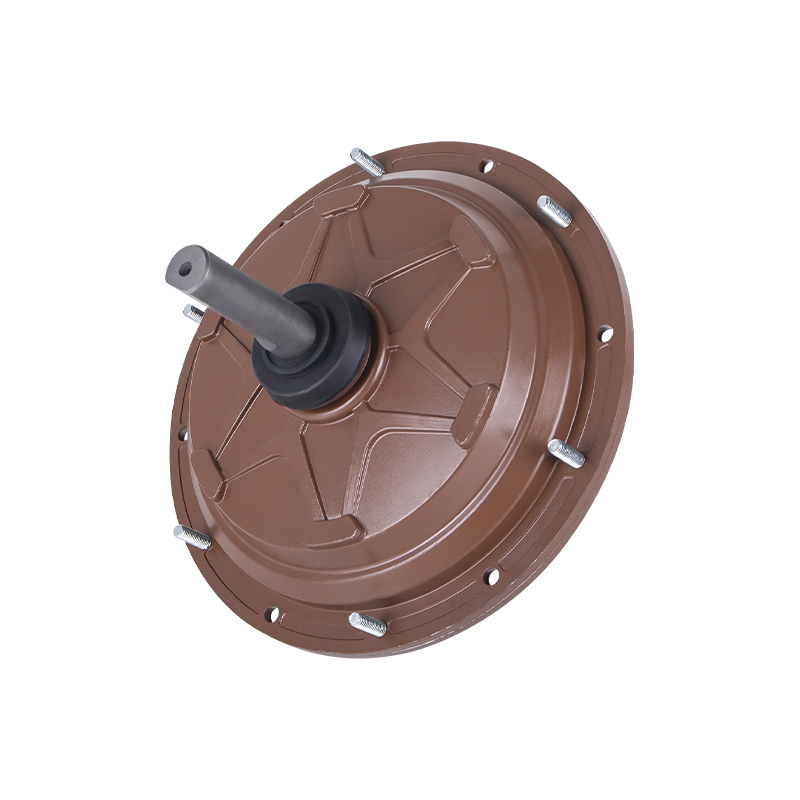
DC149 220V 650W External BLDC Air Cooler Motor
3. Advantages in Industrial Air-Cooling Applications
3.1 Improved Maintenance Efficiency
One of the clearest advantages of a brushless motor is the reduced need for mechanical maintenance. Without brushes and a commutator, the motor avoids a common source of wear in traditional brushed designs. This can reduce service interruptions and make the air-cooling system easier to maintain.
For factories and warehouses, maintenance efficiency has direct economic value. A fan motor that requires less frequent intervention can help reduce labor costs, spare-part consumption, and unplanned downtime. It can also improve access planning because technicians do not need to schedule routine brush replacement.
3.2 Stable Long-Term Operation
Industrial air coolers often operate in long cycles. The DC149’s S1 continuous working capability, F-class insulation, pure copper winding, and brushless structure are suited to this type of duty. When the motor is correctly loaded and adequately protected, these features support stable performance over long operating periods.
Stable operation is important not only for comfort cooling but also for industrial processes. In a production area, unreliable ventilation may affect worker comfort, product handling, equipment temperature, and general working conditions. A dependable motor can help maintain consistent airflow and reduce the risk of sudden ventilation loss.
3.3 Reduced Noise Potential
Low noise is a stated design benefit of the DC149. Brushless operation eliminates the friction and electrical contact noise associated with brushes. A well-balanced external rotor assembly and suitable bearings can further support quiet running.
Actual sound levels depend on the complete system rather than the motor alone. Fan blade design, air turbulence, mounting rigidity, bearing condition, operating speed, and cabinet structure all affect the final noise result. Nevertheless, the motor’s brushless construction and variable-speed capability provide a strong foundation for quieter equipment.
3.4 Energy-Saving Operation
Energy efficiency is increasingly important for industrial ventilation and cooling. The DC149 is designed for energy-saving operation through efficient electromagnetic conversion, brushless commutation, pure copper windings, and adjustable speed control.
Variable-speed operation is particularly useful because many air-cooling systems do not need maximum airflow at all times. Running at the lowest effective speed can reduce energy use compared with operating continuously at full speed. The potential saving depends on the fan system, operating schedule, airflow demand, control strategy, and local electricity conditions.
3.5 Adaptation to Challenging Environments
Industrial air coolers may be exposed to dust, moisture, heat, and fluctuating operating conditions. The IP55 protection grade and F-class insulation help the DC149 adapt to these environments when the motor is installed correctly.
The motor can be used in applications such as factory ventilation, workshop cooling, warehouse air movement, agricultural or semi-open structures, and industrial cooling equipment. Each installation should still be evaluated for corrosive chemicals, combustible dust, extreme temperatures, high-pressure cleaning, and other special risks that may require additional protection or a different motor specification.
4. Comparison with Conventional Motor Solutions
4.1 BLDC Motor Compared with Brushed DC Motors
Brushed DC motors can be simple to control and may be suitable for certain low-cost applications. However, their brushes and commutators are wear components. Over time, brush contact can produce friction, dust, electrical arcing, and changes in performance. In a continuously operating industrial cooler, these factors may increase maintenance requirements.
The DC149’s BLDC structure avoids these routine brush-related issues. It provides a cleaner mechanical design, supports longer service intervals, and is more suitable for applications where extended operation and variable speed are important. Electronic commutation also provides opportunities for intelligent control, protection, soft starting, and energy optimization.
4.2 BLDC Motor Compared with Basic AC Motors
Basic AC induction motors are widely used in industrial equipment and can offer robust construction. However, a conventional fixed-speed AC motor may require additional equipment for practical speed control. Depending on the application, this may involve an inverter, belt transmission, mechanical damper, or other speed-adjustment method.
The DC149 is designed specifically for air-cooling applications and supports stepless speed regulation. Its external rotor format can also simplify integration with a fan assembly. Compared with a basic fixed-speed motor system, it may provide a more compact and flexible solution for equipment manufacturers seeking adjustable airflow and reduced mechanical complexity.
4.3 Advantages over Undersized Air-Cooler Motors
Some air-cooling machines use motors selected primarily for low initial cost. If the motor is undersized, it may operate close to its limit, generate excessive heat, experience unstable speed, or provide insufficient airflow under difficult conditions. Such issues can increase long-term operating costs even if the initial purchase price is lower.
The 650W capacity of the DC149 makes it appropriate for industrial systems that need meaningful torque and continuous performance. A correctly sized motor can offer a better balance between purchase cost, energy use, operating reliability, and equipment service life. Motor selection should always be based on the actual fan load and duty conditions rather than power rating alone.
4.4 Practical Competitive Position
The DC149’s competitive value comes from the combination of features rather than one isolated specification. The product brings together 220V operation, 650W capacity, external rotor construction, BLDC technology, pure copper winding, F-class insulation, IP55 protection, continuous-duty capability, and stepless speed regulation.
This combination can be attractive to equipment manufacturers and distributors that need a reliable industrial air-cooler motor without adding unnecessary complexity to the machine. It is particularly suitable for customers seeking a motor that offers more control and lower maintenance than a basic fixed-speed or brushed alternative.
| Feature | Value of the DC149 Design | Application Benefit |
|---|---|---|
| Rated voltage | 220V | Suitable for compatible industrial and commercial power systems |
| Rated power | 650W | Supports demanding industrial air movement and cooling tasks |
| Motor type | External rotor BLDC | Compact integration, efficient operation, and reduced brush maintenance |
| Winding material | Pure copper | Good conductivity, torque stability, and thermal performance |
| Insulation class | F class | Improved resistance to elevated winding temperatures |
| Protection grade | IP55 | Protection against dust and water jets under specified conditions |
| Working mode | S1 continuous duty | Designed for prolonged operation when correctly installed and loaded |
| Speed control | Stepless speed regulation | Adjustable airflow, lower noise potential, and improved energy management |
5. Manufacturing Strengths
5.1 Specialized Motor Production
Shengzhou Jiangxin Motor Technology Co., Ltd. was established in 2017 and specializes in the research, development, production, and sales of AC/DC motors and micro motors. Its product range includes evaporative air cooler motors, industrial heater motors, oil pump motors, and customized motor solutions.
This product focus gives the company relevant experience in applications where motors must be compact, reliable, efficient, and adaptable to different equipment designs. Specialization also supports more focused process control, supplier management, engineering development, and technical service.
5.2 Modern Production Facilities
The company operates modern production facilities supported by automated equipment. Automation can improve repeatability in processes such as component assembly, winding, rotor production, electrical connection, and inspection. Consistent production is especially important for motors because small differences in winding placement, balancing, bearing installation, or insulation treatment can affect performance.
Automated equipment does not replace engineering expertise. Instead, it combines process consistency with technical supervision. Production teams can establish process parameters, monitor key operations, and use inspection data to identify deviations before finished products are shipped.
5.3 Research and Development Capability
A professional research and development team supports the creation and improvement of motor products. For an external BLDC motor, development work may involve electromagnetic design, rotor and stator matching, winding selection, thermal analysis, bearing selection, vibration control, controller compatibility, enclosure protection, and application testing.
Research and development is also important when customers need customized mounting dimensions, shaft arrangements, speed ranges, electrical interfaces, output characteristics, or environmental adaptations. A manufacturer with application-oriented engineering capability can work with customers to identify the correct motor configuration instead of treating every project as a standard catalog purchase.
5.4 Quality Control Systems
Motor quality depends on a series of controlled manufacturing and inspection steps. Typical areas of attention include incoming material verification, copper wire quality, lamination and core condition, winding resistance, insulation performance, rotor balance, bearing installation, no-load testing, load testing, vibration, noise, temperature rise, and final appearance.
The DC149’s stated use of pure copper windings, F-class insulation, IP55 protection, and continuous-duty operation requires appropriate process discipline. Quality control should confirm that the materials and assembly methods are consistent with the intended performance. Testing can also help identify abnormal electrical current, excessive vibration, unusual noise, or inadequate protection before delivery.
5.5 Export Experience
The company’s products are exported to more than 60 countries and regions. International market experience requires attention to different customer expectations, electrical systems, packaging requirements, documentation practices, product consistency, and communication standards.
Export capability can be valuable for equipment manufacturers and distributors because it suggests experience with repeat orders, production scheduling, quality documentation, logistics coordination, and communication across different markets. It also indicates that the manufacturer is accustomed to serving customers with varied application requirements.
5.6 Location and Industrial Support
The company is located in Shengzhou, Zhejiang Province, within the Yangtze River Delta industrial region. This area provides access to a broad manufacturing supply chain, technical resources, transportation infrastructure, and industrial support services.
A strong industrial location can contribute to more efficient sourcing of electrical materials, mechanical components, packaging, production equipment, and technical services. It may also help manufacturers respond more effectively to customer schedules and product development requirements.
6. Production Process for an External BLDC Motor
6.1 Material Preparation
Production begins with the preparation and verification of the main materials. These may include copper wire, magnetic steel components, rotor parts, stator cores, bearings, insulation materials, housing elements, fasteners, cable components, and protective parts.
Material consistency is important because the motor’s electrical and mechanical performance depends on the quality of each major component. Copper wire must meet the required conductor specifications. Magnetic components must be free from unacceptable damage or deformation. Bearings must be suitable for the intended speed, load, temperature, and service environment.
6.2 Stator Core and Winding Assembly
The stator creates the stationary magnetic field that interacts with the rotor. During assembly, the stator core must be prepared accurately, and the copper windings must be positioned according to the motor design. Winding tension, wire placement, slot filling, insulation separation, and connection quality all affect performance.
After winding, the assembly may receive insulation treatment or impregnation to improve mechanical stability and electrical protection. Proper curing and drying are important because insufficient treatment may allow movement, moisture retention, or insulation weakness during service.
6.3 External Rotor Assembly
The external rotor must be assembled with accurate dimensional control and appropriate magnetic component placement. Rotor balance is a major consideration for fan motors because the rotor often operates together with a fan blade or impeller. Even a small imbalance can create vibration at operating speed.
Manufacturing controls may include dimensional inspection, runout checks, balance testing, and visual inspection. These checks help ensure that the rotating assembly operates smoothly and does not place unnecessary stress on bearings or mounting structures.
6.4 Bearing Installation
Bearings support smooth rotation and transfer mechanical loads through the motor structure. Correct bearing installation requires control of alignment, press force, seating, lubrication, and clearance. Improper installation can cause noise, heat, vibration, or premature failure.
For air-cooling equipment, bearing performance also affects fan stability. A motor that runs quietly without load may produce undesirable noise if the bearing is misaligned or if the fan assembly adds excessive radial or axial load. The motor and fan should therefore be tested as a complete rotating system whenever possible.
6.5 Electrical Connection and Control Compatibility
A BLDC motor depends on appropriate electronic commutation. Electrical connection quality and controller compatibility are therefore critical. The wiring arrangement, connector design, protection functions, and control signals should be checked before the motor is integrated into the final machine.
Potential protection functions may include overcurrent protection, overload protection, thermal protection, locked-rotor protection, abnormal voltage protection, and controlled acceleration. The exact functions depend on the selected control system and the equipment design. Proper coordination between motor and controller helps improve reliability and operating safety.
6.6 Protection and Final Inspection
The motor housing and cable interfaces should be assembled carefully to support the intended IP55 protection. Sealing surfaces, fasteners, cable glands, and covers must be correctly fitted. The protection grade applies to the completed motor under defined test conditions, so improper field modification may reduce its effectiveness.
Final inspection may include appearance checks, dimensional verification, electrical safety testing, operating tests, noise evaluation, vibration inspection, and packaging review. Products intended for long-distance shipment should be packaged to protect the shaft, housing, connectors, and mounting surfaces from impact and moisture.
7. Application Areas
7.1 Industrial Evaporative Air Coolers
The primary application for the DC149 is industrial evaporative air-cooling equipment. These systems use airflow and water evaporation to reduce perceived temperature in factories, workshops, warehouses, agricultural buildings, and other large spaces.
A 650W external BLDC motor can provide the power required to move air through a large cooler structure. Stepless speed regulation allows the system to adjust airflow according to ambient temperature, occupancy, humidity, and production conditions. The IP55 design is also relevant because evaporative coolers operate near water and may be exposed to humid air.
7.2 Factory Ventilation
Factories often require continuous ventilation to remove heat, odors, moisture, airborne particles, or stale air. The DC149 can be used in compatible ventilation units where stable airflow and long operating periods are required.
Variable speed is useful in factories because ventilation needs may vary between shifts, production stages, and seasons. A controllable motor can help maintain appropriate air movement without forcing the system to run at maximum output at all times.
7.3 Warehouse and Logistics Facilities
Warehouses and logistics facilities may experience high internal temperatures, especially when doors are frequently opened, roof areas receive strong sunlight, or ventilation is limited. Industrial fans driven by the DC149 can support air circulation and improve the working environment.
In these applications, motor protection and continuous-duty capability are important. Dust accumulation, long operating hours, and limited maintenance access make a durable, low-maintenance motor a practical choice.
7.4 Workshops and Commercial Buildings
Workshops, garages, exhibition areas, commercial halls, and large service spaces may use industrial air coolers or ventilation fans to improve comfort. The DC149 can support equipment manufacturers seeking a compact motor with adjustable airflow and suitable environmental protection.
The final selection should consider the building’s electrical supply, required airflow, fan diameter, noise expectations, mounting arrangement, and control method. The motor should not be selected only by voltage and wattage; the entire fan system must be evaluated.
7.5 Customized Ventilation Equipment
Some ventilation systems require non-standard dimensions, mounting structures, cable arrangements, control interfaces, or performance targets. The manufacturer’s R&D and customized motor capabilities can support such projects.
Customization may involve changes to mechanical interfaces, winding parameters, speed characteristics, controller coordination, protection arrangements, or installation structure. Engineering validation is necessary before mass production so that the customized motor performs correctly under the customer’s actual load and environmental conditions.
8. Installation Recommendations
Before installation, the equipment designer should verify that the motor’s rated voltage, power, speed range, mechanical dimensions, shaft or rotor interface, and controller are suitable for the application. The fan load should be checked at the maximum intended operating condition.
The mounting structure should be rigid enough to support the motor and fan assembly without excessive vibration. Soft, uneven, or distorted mounting surfaces can cause misalignment and noise. All fasteners should be tightened according to the equipment manufacturer’s specified method.
The rotating assembly must have sufficient clearance from guards, housing panels, wiring, water components, and other parts. No object should be able to contact the rotor or fan during operation. Guards should be installed where necessary to protect personnel from moving components.
Electrical wiring should be performed by qualified personnel. The supply circuit should include appropriate protection, grounding, isolation, and emergency shutoff arrangements. The controller should be compatible with the BLDC motor and configured for the correct voltage, current, speed command, and protection parameters.
Because the product is rated IP55, cable entries and connection points should be protected carefully. Any field modification, drilling, or unsealed cable opening may reduce resistance to dust and water. The motor should not be installed where it will be submerged, exposed to corrosive chemicals, or subjected to cleaning conditions beyond its intended protection level.
After installation, the system should be tested at low speed before moving to higher speed. Technicians should observe starting behavior, rotation direction, vibration, noise, current, temperature, and airflow. Any abnormal sound, scraping, excessive vibration, burning odor, or unstable speed should be investigated immediately.
9. Maintenance and Service Guidance
9.1 Routine Inspection
Although the brushless construction reduces maintenance requirements, regular inspection remains important. Operators should check the motor housing, mounting bolts, electrical cables, connectors, fan blades, guards, and surrounding ventilation paths.
Dust and debris should not be allowed to build up around the motor or fan. Accumulation can restrict cooling, increase imbalance, and reduce airflow. Cleaning should be performed according to the complete equipment’s maintenance procedure, avoiding water exposure that exceeds the motor’s protection capability.
9.2 Vibration and Noise Monitoring
Changes in vibration or noise may indicate a developing issue. Possible causes include fan imbalance, loose fasteners, bearing wear, foreign objects, rotor damage, misalignment, or an overloaded fan. Early detection can prevent secondary damage and reduce downtime.
Maintenance teams should compare operating behavior with the system’s normal baseline. A gradual increase in noise or vibration should not be ignored simply because the motor continues to run. Inspection at an early stage is generally easier and less expensive than replacing a complete fan assembly after a major failure.
9.3 Thermal Conditions
The motor should operate within suitable temperature conditions. Excessive heat may result from overload, blocked airflow, high ambient temperature, incorrect voltage, controller problems, bearing friction, or repeated locked-rotor events.
F-class insulation provides a useful thermal capability, but it is not a substitute for correct system design. The motor should be protected from avoidable overheating, and any thermal protection or controller alarm should be investigated before the equipment is returned to service.
9.4 Seasonal Storage
If the air cooler is used seasonally, the motor and complete equipment should be stored in a clean, dry, and ventilated location. Before restarting after a long period of storage, inspect the cables, connectors, housing, fan, bearings, and mounting points. Condensation or moisture should be addressed before energizing the motor.
10. Selection Guidance for Equipment Manufacturers
Equipment manufacturers should define the application requirements before ordering the DC149. Important information includes the required airflow, static pressure, fan size, operating speed, duty cycle, ambient temperature, humidity, dust level, control method, available power supply, installation dimensions, and expected service life.
The motor should be tested with the actual fan blade or impeller. A motor that appears suitable in a no-load test may behave differently when connected to a high-resistance duct, a large impeller, a dirty filter, or a water-laden evaporative cooler. System-level testing provides a more reliable basis for final selection.
Manufacturers should also confirm the desired speed-control range. Stepless regulation is useful, but the practical operating range depends on the controller, load, cooling conditions, and minimum stable speed. The control system should prevent operation in conditions that could cause excessive current, vibration, or insufficient motor cooling.
For high-volume projects, customers may request samples, technical drawings, inspection reports, packaging specifications, production lead-time information, and customization discussions. Establishing these requirements early can reduce development delays and support consistent batch production.

11. Why Choose a Specialized Manufacturer
A specialized motor manufacturer can offer advantages beyond the motor’s basic nameplate data. Experience with AC/DC motors, micro motors, air-cooler motors, industrial heater motors, and oil pump motors allows the supplier to understand different combinations of electrical, mechanical, thermal, and environmental requirements.
Application knowledge is especially important for external rotor motors because the motor often becomes part of the fan assembly rather than functioning as an isolated component. The manufacturer must understand rotor balancing, mounting structures, fan load characteristics, control compatibility, protection requirements, and the effect of continuous operation.
Jiangxin Motor’s focus on research and development, automated equipment, quality control, and customized products provides a foundation for serving both standard and application-specific requirements. The company’s export experience and international customer base further support cooperation with overseas equipment manufacturers and distributors.
Customer-oriented manufacturing also means evaluating the complete use case. A reliable supplier should be able to discuss the operating environment, required duty cycle, controller selection, packaging, delivery schedule, and after-sales technical communication. This type of cooperation can help customers avoid choosing a motor based solely on a nominal wattage figure.
12. Sustainability and Operating Efficiency
Motor efficiency influences the environmental performance and operating cost of air-cooling equipment. A motor that converts electrical energy into airflow effectively can reduce wasted energy over the equipment’s service life. The DC149’s brushless structure, copper windings, and adjustable speed capability are aligned with this objective.
Stepless speed regulation can support demand-based operation. Instead of running at full output continuously, users can select an appropriate speed for the current thermal and ventilation requirement. This may reduce electricity consumption and operating noise while extending the useful life of some mechanical components.
Durability also contributes to sustainability. A motor that operates reliably for a long period may reduce the frequency of replacement, transportation, packaging, and disposal. Brushless operation can further reduce the consumption of brush replacement parts during routine service.
Energy performance should be evaluated across the entire air-cooling system. Fan blade geometry, air resistance, water distribution, filters, duct design, controller efficiency, and maintenance condition all affect the final result. The motor is an important part of the system, but efficient system design produces the greatest overall benefit.
13. Technical and Commercial Value
For industrial equipment manufacturers, the DC149 offers a combination of practical performance and product-development flexibility. Its 220V and 650W rating provides a clear starting point for system design, while its external BLDC construction supports compact fan integration and variable-speed operation.
For distributors, the product can serve customers seeking an upgrade from conventional brushed or fixed-speed motors. Its combination of low-maintenance operation, environmental protection, continuous-duty capability, and adjustable speed can be presented as a complete value proposition rather than as a single technical feature.
For end users, the most important benefits are dependable airflow, reduced maintenance, controllable operation, and suitability for demanding environments. When correctly matched to the fan and controller, the motor can support efficient operation of industrial air coolers and ventilation equipment over long working periods.
14. Frequently Asked Questions
Q1: What is the rated power of the DC149 motor?
The rated power is 650W. This power level is intended for compatible industrial air coolers, ventilation fans, and other air-moving equipment requiring more capacity than light-duty residential applications.
Q2: What voltage does the motor use?
The motor is designed for 220V operation. The actual electrical supply, controller, wiring, and protection arrangement should be checked before installation to ensure compatibility.
Q3: What does BLDC mean?
BLDC means brushless direct current. The motor uses electronic commutation instead of mechanical brushes and a commutator. This reduces brush wear and supports long-term, low-maintenance operation.
Q4: What is the advantage of the external rotor design?
An external rotor places the rotating assembly around the stator. This configuration is well suited to fan equipment because it can support compact integration, direct fan assembly designs, and efficient use of installation space.
Q5: Can the DC149 run continuously?
Yes. The motor is designed for S1 continuous working mode when it is correctly installed, properly loaded, adequately ventilated, and operated within the applicable electrical and environmental conditions.
Q6: Does the motor support variable speed?
Yes. The DC149 supports stepless speed regulation. The controller and control signal must be compatible with the motor, and the final speed range should be confirmed during system testing.
Q7: What does IP55 protection mean?
IP55 indicates protection against harmful dust ingress and water jets from different directions under specified test conditions. It does not indicate that the motor can be submerged or exposed to unlimited high-pressure water.
Q8: What is the purpose of F-class insulation?
F-class insulation provides a higher temperature capability for the motor winding system. It helps the motor withstand elevated operating temperatures when the winding, materials, and production processes are properly controlled.
Q9: Is the motor suitable for humid air-cooling environments?
Its IP55 design and industrial construction make it suitable for compatible humid and dusty environments. Installation should still prevent submersion, prolonged condensation, corrosive exposure, and direct cleaning conditions that exceed the motor’s protection level.
Q10: Does the brushless design eliminate all maintenance?
No. It eliminates routine brush replacement, but the complete fan system still requires inspection. Mounting bolts, bearings, cables, connectors, fan blades, guards, dust accumulation, vibration, and temperature should be checked periodically.
Q11: Can the motor be used in a factory ventilation system?
Yes. Factory ventilation is one of the intended application areas, provided that the airflow requirement, fan load, power supply, environmental conditions, and controller are compatible with the motor.
Q12: Can customized versions be discussed?
Customized motor solutions can be discussed with the manufacturer. Possible areas may include mechanical dimensions, mounting arrangements, electrical interfaces, performance requirements, control compatibility, and application-specific environmental conditions.
Q13: What should be checked before ordering?
Customers should confirm voltage, power, required airflow, fan size, load characteristics, operating speed, duty cycle, ambient temperature, humidity, dust exposure, mounting dimensions, controller requirements, cable arrangement, and quantity.
Q14: Why is pure copper winding important?
Pure copper offers high electrical conductivity and supports efficient energy transfer. Winding quality, insulation treatment, connection workmanship, and production inspection are also important for achieving reliable motor performance.
Q15: Who manufactures the DC149?
The motor is manufactured by Shengzhou Jiangxin Motor Technology Co., Ltd., a Chinese manufacturer specializing in AC/DC motors, micro motors, air cooler motors, industrial heater motors, oil pump motors, and customized motor solutions.
15. Conclusion
The DC149 220V 650W External BLDC Air Cooler Motor is a practical solution for industrial air-cooling and ventilation equipment that requires stable performance, adjustable speed, low maintenance, and environmental protection. Its external rotor configuration supports compact integration, while the brushless design eliminates routine brush replacement and provides a strong foundation for long service life.
The combination of 220V operation, 650W power, pure copper winding, F-class insulation, IP55 protection, S1 continuous-duty capability, and stepless speed regulation gives the motor a balanced performance profile for industrial applications. Compared with basic brushed or fixed-speed alternatives, it can provide greater flexibility, lower maintenance demand, and better support for energy-conscious operation.
The value of the product is strengthened by the manufacturer’s focus on motor research and development, automated production, quality control, customization, and international markets. By combining specialized engineering with modern manufacturing processes, the company can support customers seeking standard industrial air cooler motors as well as application-specific solutions.
For the best result, the DC149 should be selected as part of a complete system evaluation. Correct fan matching, controller compatibility, mounting, protection, ventilation, and maintenance are essential to achieving reliable performance. When these factors are properly managed, the motor can provide dependable airflow for industrial air coolers, factory ventilation systems, warehouses, workshops, and other demanding environments.
References
1. IEC motor duty classification principles, including continuous-duty operation and S1 working mode.
2. International Electrotechnical Commission guidance for enclosure protection ratings and IP classification.
3. General engineering references on brushless direct-current motor design, electronic commutation, and variable-speed control.
4. Industrial motor insulation references covering winding temperature, insulation systems, and F-class thermal capability.
5. Technical literature on external rotor fan motors, rotor balancing, vibration control, and air-moving equipment integration.
6. Industrial ventilation and evaporative cooling engineering references concerning airflow requirements, fan loading, humidity, and energy management.
7. Manufacturer-provided product information for the DC149 220V 650W External BLDC Air Cooler Motor.
Product: DC149 220V 650W External BLDC Air Cooler Motor
 Ready To Customise
 Your Motor Products?

We are professional motor manufacturers, delivering powerful, stable, and efficient power cores for all industries through precision craftsmanship and innovation.
Contact Us
-
 Mobile:+86 13575536911
-
 Tel:+86 18357538240
-
 Whatsapp:+8618357538240
-
 Email:betty@dbjxmotor.com
-
 Company Address
Copyright © by Shengzhou Jiangxin Motor Technology Co., Ltd. All Rights Reserved.
Wholesale Industrial Fan Motors Manufacturers
