

 English
 русский
 Español
 عربى
عربى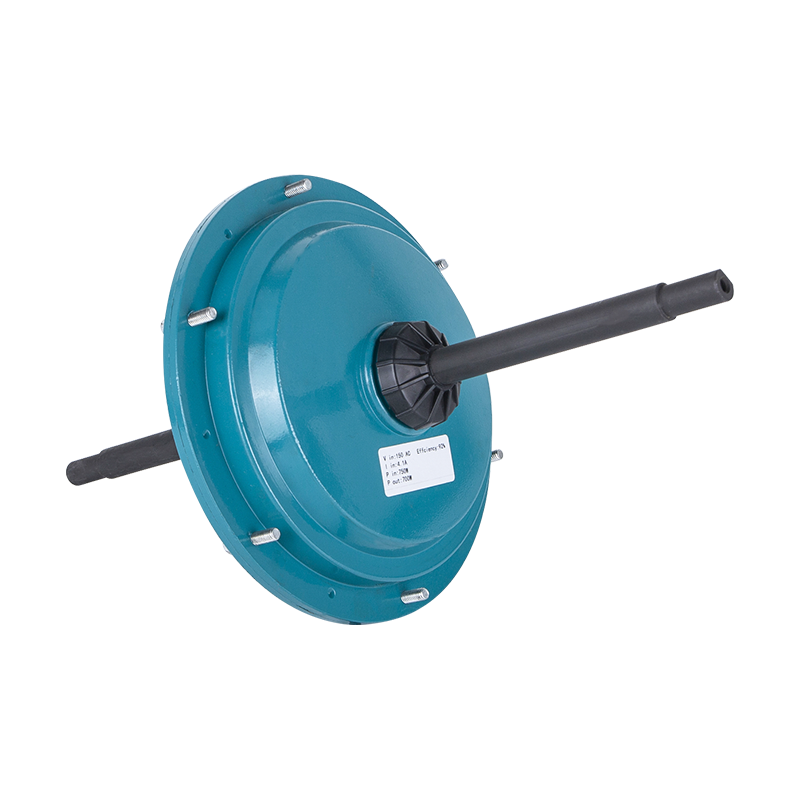
No. 8, Duxiu San Road, Ganlin Town, Shengzhou City, Shaoxing City, Zhejiang Province, China

News Category
Product Category
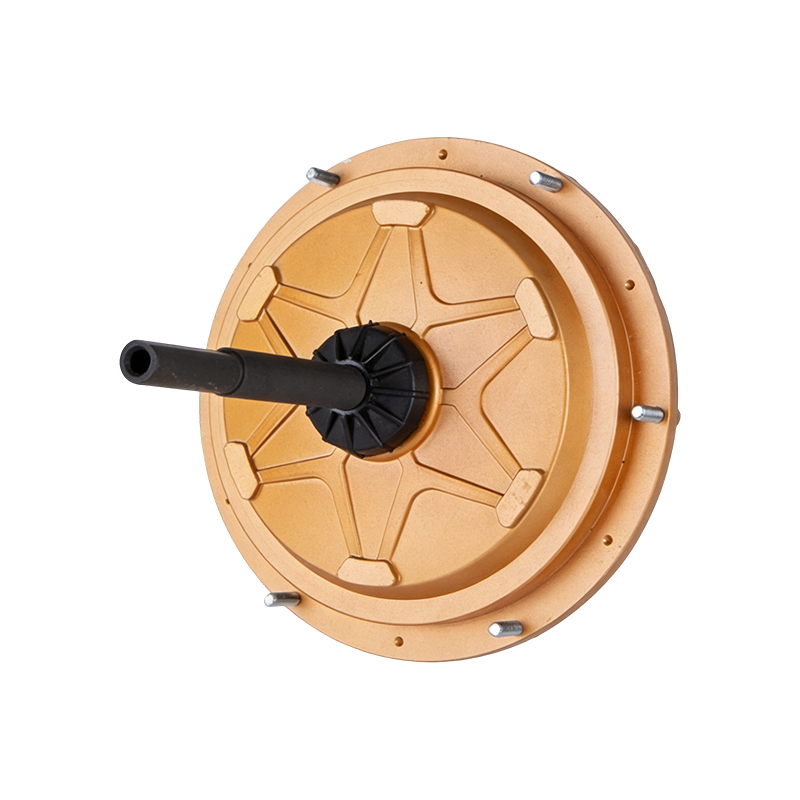
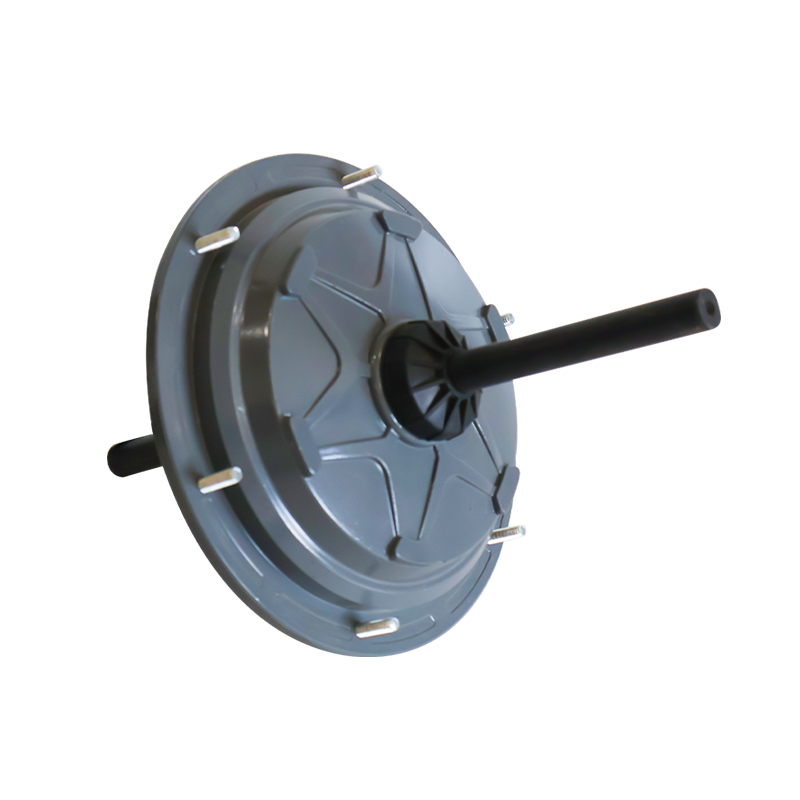
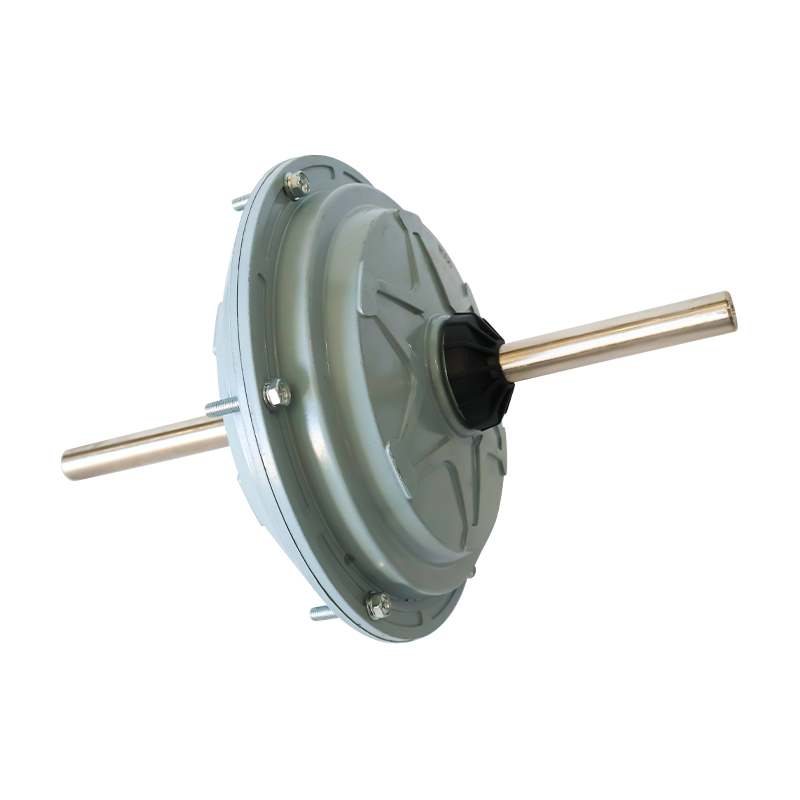
220V 1500W External BLDC Air Cooler Motor for Heavy-Duty Ventilation
Content
- 1 Product Overview
- 2 Why External Rotor BLDC Technology Matters
- 3 Performance Advantages for Industrial Air Coolers
- 4 Protection for Demanding Environments
- 5 Comparison with Conventional Motor Solutions
- 6 Manufacturing Strengths and Quality Approach
- 7 Application Areas
- 8 Installation and System Integration
- 9 Maintenance and Service-Life Considerations
- 10 Purchasing Considerations for Equipment Manufacturers
- 11 Why the Manufacturer Is a Suitable Partner
- 12 Technical Questions to Discuss Before Ordering
- 13 Frequently Asked Questions
- 13.1 What type of motor is the DC198?
- 13.2 What equipment is the motor designed for?
- 13.3 Does the motor require carbon brush replacement?
- 13.4 What does the 1500W rating mean?
- 13.5 Can the speed be adjusted?
- 13.6 Is the motor suitable for continuous operation?
- 13.7 What does IP54 protection provide?
- 13.8 Why is F-class insulation important?
- 13.9 Why are pure copper windings used?
- 13.10 Is the DC198 quieter than a brushed motor?
- 13.11 Can the motor replace an existing motor?
- 13.12 What information should be supplied for customization?
- 13.13 Where is the motor manufactured?
- 14 Conclusion
- 15 References
- 16 Product: DC198 220V 1500W External BLDC Air Cooler Motor
Industrial air-cooling and ventilation equipment must deliver dependable airflow for long operating periods, often in environments where heat, dust, humidity, and continuous mechanical loading are part of daily operation. The motor at the center of this equipment has a direct influence on airflow stability, energy consumption, maintenance frequency, acoustic comfort, and the service life of the entire system. For this reason, selecting the correct motor is not simply a matter of comparing rated power. Engineers and equipment manufacturers must also evaluate motor construction, control capability, insulation, protection, operating mode, efficiency, reliability, and compatibility with the intended cooler or fan assembly.
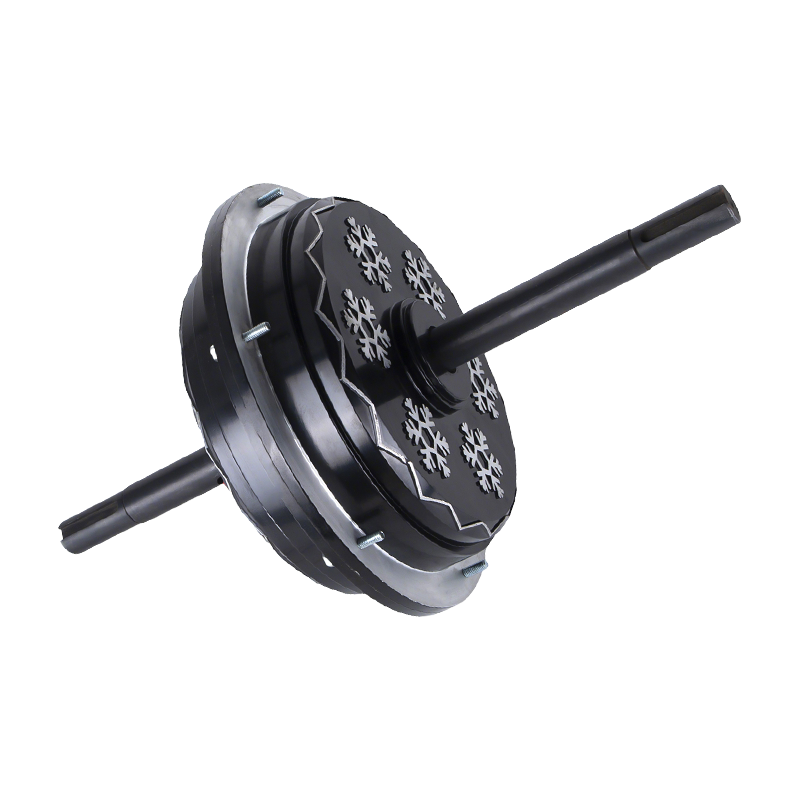
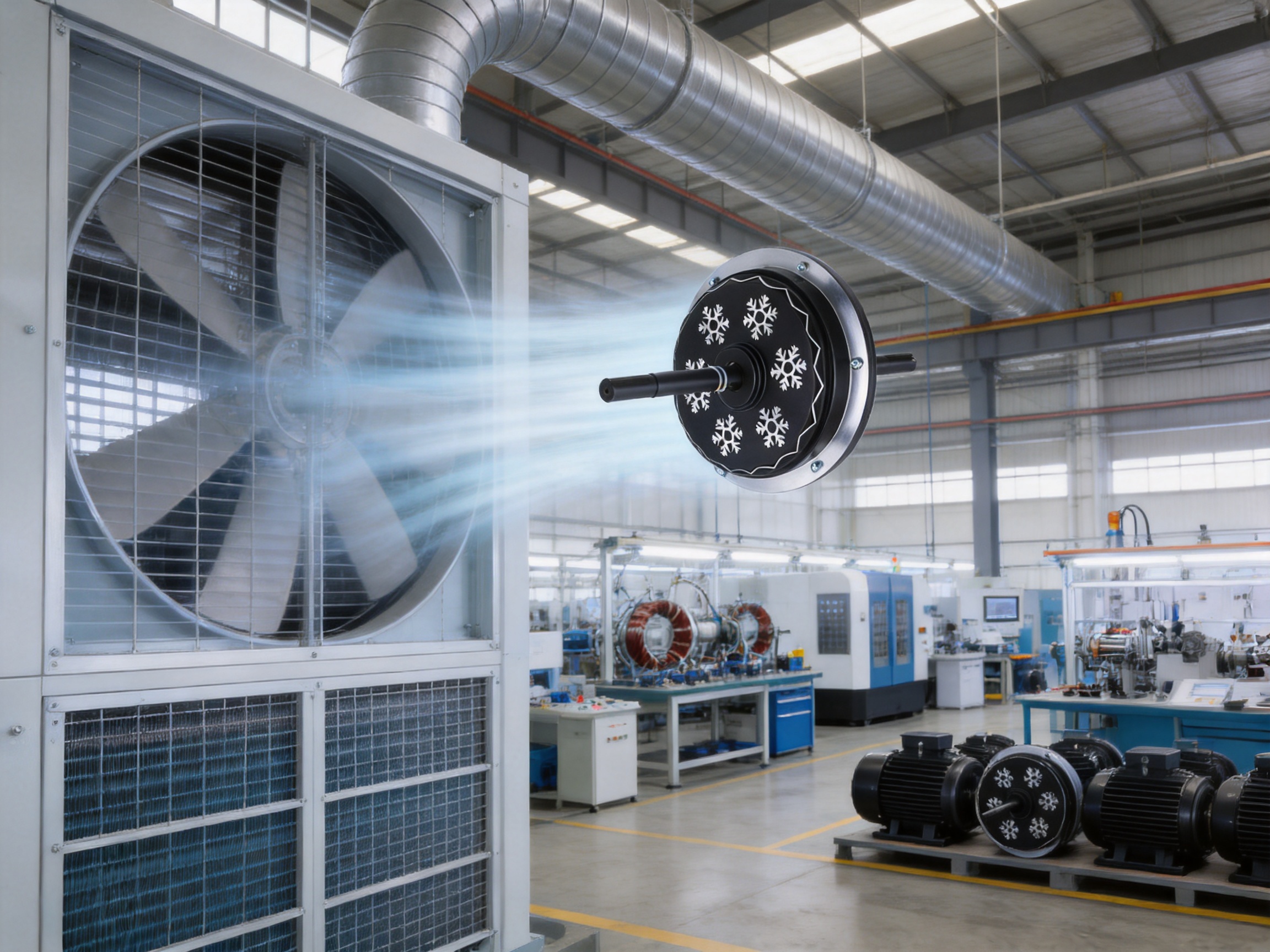
The DC198 220V 1500W external rotor brushless DC motor is designed as a high-power drive for heavy-duty industrial evaporative air coolers, large ventilation systems, and related air-moving equipment. It combines brushless DC technology with an external rotor configuration, pure copper windings, permanent magnet materials, F-class insulation, IP54 protection, stepless speed regulation, and S1 continuous-duty operation. These features create a motor solution intended for demanding applications that require stable airflow and dependable operation over extended periods.
Manufactured by Shengzhou Jiangxin Motor Technology Co., Ltd., the motor reflects the company’s focus on AC/DC motors, micro motors, evaporative air cooler motors, industrial heater motors, oil pump motors, and customized motor solutions. The manufacturer operates from Shengzhou, Zhejiang Province, an important industrial region in China’s Yangtze River Delta. Its manufacturing approach combines product development, automated production equipment, quality control, and application-oriented engineering to serve customers in environmental equipment, industrial ventilation, heating, hydraulic systems, and other sectors.
Product Overview
The DC198 is a 220V, 1500W external rotor BLDC motor developed for equipment that requires substantial mechanical output and consistent airflow. Its rated voltage makes it suitable for many industrial and commercial power systems, while its 1500W output provides the driving capacity needed by large evaporative coolers and industrial ventilation assemblies.
Unlike a conventional brushed motor, the DC198 uses electronic commutation rather than physical carbon brushes and mechanical commutators. This eliminates a major source of wear, friction, electrical sparking, and routine replacement. Brushless operation is particularly valuable in air-moving equipment because fans and coolers may run for many hours each day, making the reduction of wear parts an important factor in total operating cost.
The external rotor structure places the rotating component around the stator. This configuration can support a compact motor and fan integration arrangement, making it useful for equipment where airflow, installation space, and direct mechanical coupling must be considered together. In many ventilation applications, an external rotor motor can be positioned close to the impeller or fan assembly, helping equipment designers create an integrated drive system.
The motor is identified by the following principal information:
| Item | Specification or Feature |
|---|---|
| Model | DC198 |
| Motor type | External rotor brushless DC motor |
| Rated voltage | 220V |
| Rated power | 1500W |
| Insulation class | F class |
| Protection rating | IP54 |
| Operating mode | S1 continuous operation |
| Speed control | Stepless speed regulation |
| Primary applications | Industrial evaporative air coolers and large ventilation systems |
| Winding material | Pure copper |
| Drive principle | Electronic commutation with permanent magnets |
These specifications should be considered together rather than individually. For example, a powerful motor without suitable insulation may not be appropriate for hot or humid environments. Similarly, a motor with adequate output but no practical speed-control capability may cause unnecessary energy consumption or fail to provide the airflow flexibility required by modern industrial equipment. The DC198 is designed as a complete operating solution in which output, durability, control, and environmental resistance work together.
DC198 220V 1500W External BLDC Air Cooler Motor
Why External Rotor BLDC Technology Matters
Brushless DC technology has become increasingly important in applications where reliability, efficiency, and controllability are priorities. A brushed motor uses carbon brushes to transfer current to a rotating commutator. During operation, the brushes experience physical contact and gradually wear. This contact also creates friction, heat, electrical noise, and the possibility of sparking. In contrast, a BLDC motor uses electronic control to switch current through the stator windings while permanent magnets provide the rotating magnetic field.
The absence of carbon brushes offers several practical advantages. First, there is no routine brush replacement. This is particularly important when motors are installed inside large coolers, high-level ventilation equipment, or factory machinery where access may require shutdowns, ladders, lifting equipment, or substantial labor. Second, the reduction in mechanical contact can lower friction losses and improve operating smoothness. Third, brushless commutation avoids the electromagnetic sparks associated with brush contact, making the motor a cleaner choice for many industrial environments.
External rotor construction adds another useful dimension. In an internal rotor motor, the rotor turns inside the stator. In an external rotor motor, the rotor surrounds the stationary stator. This arrangement can be well suited to fan and air-cooler designs because the motor can be integrated with an airflow assembly in a compact form. The rotating outer structure may also support direct attachment or close coupling to the impeller, depending on the final equipment design.
For equipment manufacturers, external rotor BLDC technology can simplify the relationship between the motor and the fan. A more integrated drive design may reduce the need for additional transmission components, belts, or complex coupling arrangements. Fewer transmission elements can mean fewer wear points, lower mechanical losses, and less adjustment work. The actual installation design must always be confirmed against the specific fan, impeller, controller, mounting arrangement, and load curve, but the motor architecture provides a strong foundation for efficient equipment development.
Reduced Mechanical Wear
The elimination of carbon brushes is one of the clearest differences between the DC198 and traditional brushed motor designs. Brushes are consumable components. Their service life depends on speed, current, operating temperature, duty cycle, and commutator condition. As they wear, electrical contact can become less stable and the motor may produce more dust, noise, and heat. The DC198 avoids this wear mechanism through electronic commutation, supporting longer maintenance intervals when the motor is correctly selected, installed, and operated.
Lower Noise and Vibration Potential
Brush friction and commutator irregularities can contribute to audible noise and vibration. A brushless motor does not eliminate every possible source of noise, because bearings, fan imbalance, mounting conditions, electromagnetic forces, and airflow turbulence still affect the final equipment. However, removing brush contact reduces one important source of mechanical disturbance. When combined with appropriate balancing and installation, the DC198 can support quiet and stable operation in industrial air-cooling systems.
Improved Control Flexibility
BLDC motors are well suited to electronic control systems. The DC198 supports stepless speed regulation, allowing the equipment designer or operator to adjust airflow according to temperature, humidity, occupancy, production conditions, or energy-saving objectives. Instead of switching only between fixed speed levels, stepless regulation can provide a more precise match between motor output and actual cooling demand.
Variable-speed operation may also reduce the need to run the motor at full capacity during periods of lower demand. In a factory, warehouse, workshop, or agricultural facility, cooling requirements can change throughout the day. A controllable motor allows the ventilation system to respond to these changes, potentially reducing unnecessary energy use and improving comfort.
Performance Advantages for Industrial Air Coolers
Industrial evaporative air coolers are different from small residential appliances. They may be expected to move large volumes of air across wide spaces, operate throughout hot seasons, and continue functioning in environments containing dust, moisture, and process-related contaminants. The drive motor must therefore provide consistent output without excessive maintenance or frequent interruption.
With a rated power of 1500W, the DC198 is intended for heavy-duty equipment rather than light domestic cooling. Its output provides a substantial power reserve for large fan assemblies, although final performance depends on the fan diameter, blade design, static pressure, airflow resistance, operating speed, and system layout. Equipment manufacturers should match the motor to a verified load curve and confirm starting, running, and peak conditions before mass production or installation.
The motor’s continuous S1 operating capability is important in applications that require extended running. S1 refers to continuous operation at a constant load for a sufficient period to reach thermal equilibrium. This duty classification is appropriate for ventilation and cooling systems that may operate for long hours rather than in short intermittent cycles. Correct thermal management remains necessary, but the S1 design supports the operational expectations of industrial air-moving equipment.
A stable motor can also contribute to more consistent cooling performance. Evaporative coolers rely on airflow to distribute conditioned air through a space. If motor speed fluctuates or the drive frequently stops because of thermal stress, the result may be uneven cooling, uncomfortable temperature changes, or reduced process stability. A properly applied BLDC motor can help maintain the airflow profile required by the equipment.
Energy-Conscious Operation
Energy efficiency is a major consideration for industrial cooling systems because motors may operate for many hours per day. The DC198 uses permanent magnet technology and brushless electronic commutation. These design characteristics can reduce certain losses associated with brush friction and electrical contact. The use of pure copper windings also supports effective electrical conductivity and stable power conversion when the motor is operated within its rated conditions.
Energy performance depends on more than the motor alone. The controller, fan blade geometry, bearing condition, air resistance, installation alignment, power quality, and speed setting all influence actual consumption. Nevertheless, a motor designed for efficient brushless operation and variable-speed control gives equipment developers more opportunities to reduce system-level energy use.
Stable Output Under Practical Conditions
Pure copper windings are selected for their conductivity, thermal performance, and durability. High-quality winding work helps the motor convert electrical energy into mechanical output with stable performance. Proper winding layout, insulation treatment, connection quality, and production testing are all necessary to realize the advantages of copper conductors.
Permanent magnet materials provide the magnetic field required for brushless operation. Consistent magnet quality and secure rotor assembly help maintain the intended electromagnetic characteristics throughout the motor’s service life. Manufacturing accuracy is important because rotor balance, air gap consistency, magnet placement, and bearing alignment can affect noise, vibration, efficiency, and output stability.
Protection for Demanding Environments
Industrial air coolers are often used in areas where moisture and dust cannot be completely avoided. Evaporative cooling systems may operate near water circulation, while workshops and factories may contain airborne particles from raw materials, packaging, manufacturing processes, or vehicle movement. The DC198 incorporates IP54 dustproof and waterproof protection to improve its suitability for these conditions.
IP54 protection indicates that the enclosure is protected against harmful dust deposits and against water splashes from different directions. It does not mean that the motor is completely dust-tight or suitable for immersion. Equipment designers must protect the motor from direct high-pressure water jets, flooding, condensation accumulation, corrosive chemicals, and installation conditions beyond the specified rating. Correct orientation, drainage, ventilation, and enclosure design remain essential.
The F-class insulation system provides a higher thermal endurance level than ordinary low-grade insulation systems. Insulation class relates to the maximum temperature that the insulation system can withstand under recognized testing conditions. In real applications, winding temperature depends on ambient temperature, load, ventilation, switching behavior, and installation. F-class insulation gives the motor a useful thermal margin, but it should not be treated as permission to exceed rated operating conditions continuously.
The combination of IP54 protection and F-class insulation makes the DC198 more appropriate for harsh industrial environments than a basic unprotected motor. A motor intended only for clean, dry indoor use may not provide the same level of environmental resistance. For large air coolers and ventilation systems, the ability to tolerate reasonable exposure to dust, moisture, and elevated temperature is a practical advantage.
Comparison with Conventional Motor Solutions
When comparing the DC198 with conventional motor alternatives, it is useful to evaluate the complete life cycle rather than purchase price alone. A low-cost motor may appear attractive initially, but frequent brush replacement, unplanned stoppages, poor speed control, high energy consumption, or difficult access can increase the total cost of ownership.
| Evaluation Area | Traditional Brushed Motor | DC198 External Rotor BLDC Motor |
|---|---|---|
| Commutation | Mechanical brushes and commutator | Electronic commutation |
| Brush maintenance | Required as brushes wear | No carbon brush replacement |
| Mechanical contact | Brush friction and commutator contact | No brush-to-commutator contact |
| Speed control | May require additional control equipment | Supports stepless speed regulation |
| Sparking | Brush switching may create sparks | No mechanical brush sparking |
| Continuous operation | Depends strongly on brush and thermal limits | Designed for S1 continuous operation |
| Environmental suitability | Varies widely by enclosure and insulation | IP54 protection and F-class insulation |
| Application focus | General-purpose or intermittent equipment | Heavy-duty air coolers and ventilation systems |
This comparison does not mean that every brushed motor is unsuitable or that every BLDC motor automatically outperforms every alternative. Application conditions, controller quality, mechanical design, price, and service requirements must all be considered. However, for large air-cooling equipment that operates for long periods and benefits from variable speed, the DC198’s brushless architecture provides clear functional advantages.
Advantages over Basic AC Motor Arrangements
Traditional AC induction motors remain widely used in industrial applications because of their familiarity, robustness, and availability. However, a basic fixed-speed AC arrangement may require additional variable-frequency equipment or mechanical transmission components to achieve flexible airflow control. The DC198 is developed around electronic speed regulation, which can make it easier to create a variable-output cooling system when paired with a compatible controller.
An external rotor BLDC motor may also support a more compact fan assembly than a motor connected through a separate belt or shaft arrangement. Removing unnecessary transmission parts can reduce belt tensioning, pulley alignment, lubrication, and replacement requirements. The final result depends on the equipment architecture, but integrated motor-fan design is a significant consideration for manufacturers seeking lower maintenance and simplified installation.
Advantages over Undersized Motors
Using an undersized motor can create serious operational problems. A motor that is too small may overheat, struggle during startup, lose speed under load, or operate continuously near its thermal limit. These conditions can shorten service life and cause unstable airflow. The DC198’s 1500W rating gives equipment designers a higher-capacity option for large coolers and ventilation units, provided the load is properly matched.
Oversizing should also be avoided. An oversized motor may increase purchase cost, weight, and energy consumption without delivering useful additional performance. Correct engineering requires consideration of fan load, operating speed, pressure, ambient temperature, and expected duty cycle. The value of the DC198 lies not simply in its high rating, but in its ability to provide substantial output together with control and continuous-duty characteristics.
Manufacturing Strengths and Quality Approach
Motor quality is strongly influenced by manufacturing consistency. The performance of a BLDC motor depends on the interaction of numerous parts and processes: electrical steel, copper windings, permanent magnets, bearings, rotor components, insulation materials, connectors, protective structures, and electronic control compatibility. Small variations in assembly can affect vibration, acoustic output, efficiency, and reliability.
Shengzhou Jiangxin Motor Technology Co., Ltd. was established in 2017 and focuses on the research, development, production, and sales of AC/DC motors and micro motors. The company operates modern production facilities supported by automated equipment and a professional research and development team. Its development as a provincial-level technology enterprise reflects an emphasis on technical capability and product innovation.
The company’s location in Shengzhou, Zhejiang Province, provides access to the manufacturing resources and supply-chain support of the Yangtze River Delta. This industrial environment can support procurement of materials, production equipment, engineering services, component processing, and logistics. For international customers, a well-developed manufacturing region can also support more responsive production coordination and product customization.
Research and Development Capability
Motor applications vary considerably. An evaporative air cooler motor may require different electrical characteristics, mounting dimensions, environmental protection, and control behavior from an oil pump motor or industrial heater motor. A manufacturer with experience across several motor categories can apply knowledge from different fields to new product development.
The company’s product range includes evaporative air cooler motors, industrial heater motors, oil pump motors, customized motors, and other AC/DC motor products. This product diversity suggests an application-oriented engineering approach. Instead of relying solely on a single standardized motor, the manufacturer can evaluate customer requirements involving voltage, power, speed, installation, duty cycle, environmental conditions, and control interfaces.
Automated Production Equipment
Automation can improve repeatability in processes such as stator assembly, winding, insulation application, rotor installation, fastening, and electrical testing. Automated equipment helps reduce variation between production batches and supports consistent processing of large quantities. It can also improve process monitoring and production efficiency.
Automation does not replace engineering judgment or quality management. It must be supported by correct process parameters, equipment maintenance, operator training, inspection standards, and traceability. When these elements are managed together, automated manufacturing can help produce motors with more consistent winding resistance, assembly accuracy, rotor balance, and finished dimensions.
Quality Control from Components to Finished Motors
A reliable quality system begins with incoming materials. Copper wire, insulation materials, magnets, bearings, housings, fasteners, and protective components should be checked against technical requirements before entering production. Material consistency is important because variations in conductivity, magnetic performance, insulation strength, or mechanical accuracy can influence finished motor performance.
During production, process controls may include winding verification, insulation checks, soldering or connection inspection, rotor assembly inspection, dimensional measurement, bearing installation checks, and balance verification. Finished motors can be evaluated through electrical and mechanical tests such as resistance measurement, insulation testing, no-load operation, current testing, vibration assessment, noise observation, and functional speed-control verification.
The precise testing program should correspond to the product design, customer specifications, and applicable standards. For high-power industrial motors, testing is especially important because a small defect can become more serious under continuous operation. Systematic inspection helps identify problems before shipment and supports stable field performance.
Customer-Oriented Customization
Industrial equipment manufacturers often need more than a standard catalog item. They may require a particular mounting pattern, shaft or rotor interface, connector position, cable length, control signal, protection arrangement, or packaging method. A manufacturer with research, production, and application expertise can work with customers to evaluate these requirements.
Customization should be controlled through documented specifications and verification procedures. Changes to winding design, power rating, controller matching, mounting structure, or protection level can affect thermal performance and reliability. A professional development process should therefore include technical confirmation, sample evaluation, test validation, and production approval before a customized motor enters regular supply.
Application Areas
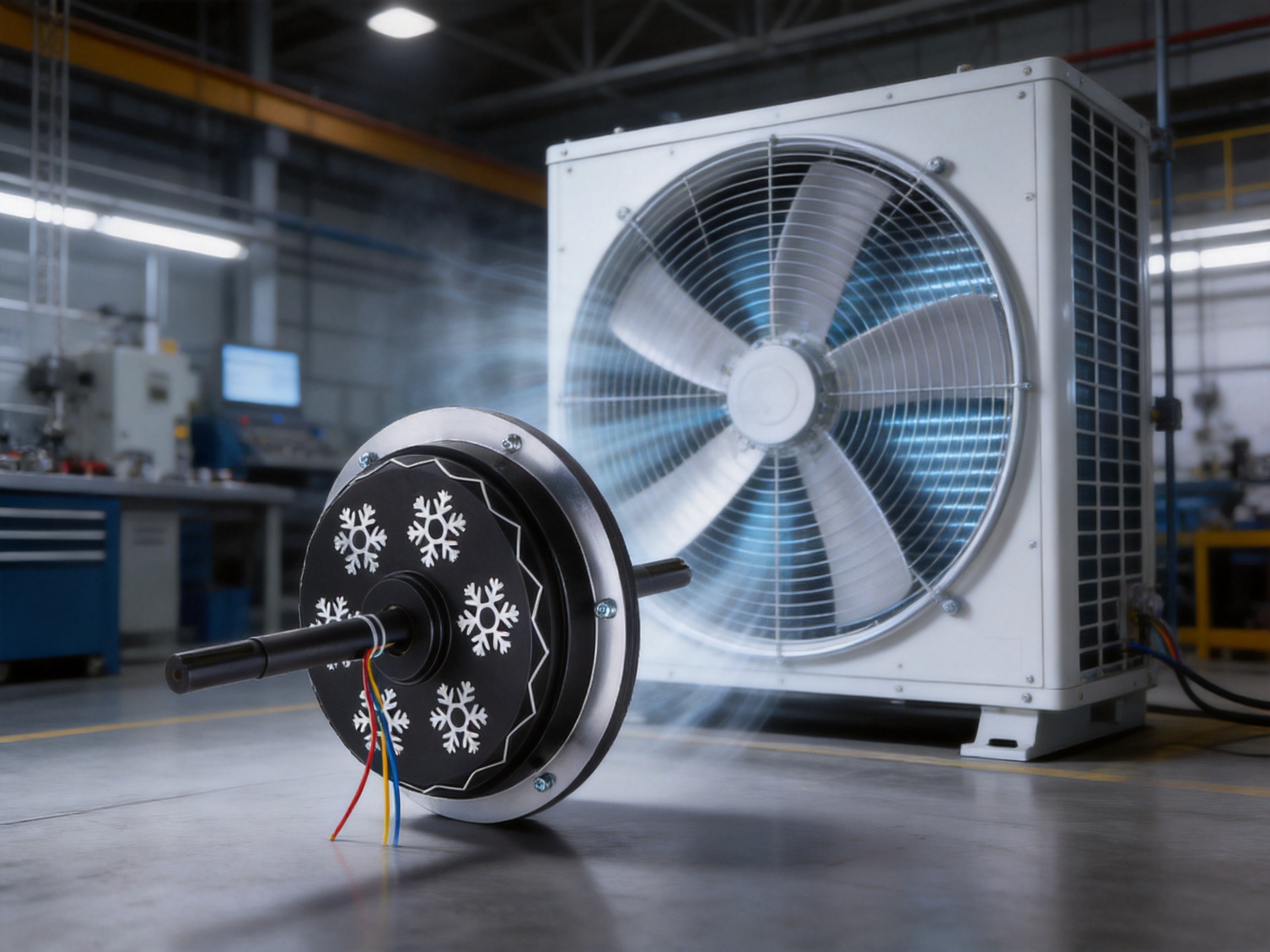
The primary application for the DC198 is the industrial evaporative air cooler. These systems use water evaporation to reduce air temperature and distribute cooled air through large spaces. They are commonly used in factories, workshops, warehouses, logistics areas, agricultural buildings, and other facilities where traditional refrigeration may be too costly or where large quantities of fresh air are required.
In these systems, the motor drives a fan that moves air through wetted cooling media. The cooling effect depends on airflow volume, air velocity, ambient conditions, water distribution, and the design of the cooling pads. A motor with stable output and adjustable speed can help operators balance cooling performance, power consumption, and indoor comfort.
The DC198 is also suitable for large ventilation systems. Industrial ventilation may be used for heat removal, air exchange, odor control, process exhaust, humidity management, or general environmental improvement. The required operating point can change according to production activity and outdoor conditions. Stepless speed regulation allows the fan system to respond more precisely than a basic on/off arrangement.
Other possible applications may include agricultural ventilation, large commercial air-moving equipment, factory exhaust systems, and specialized environmental protection equipment. Suitability must be confirmed through detailed review of the mechanical load, airflow demand, temperature range, humidity, dust exposure, controller, mounting method, and required certifications.
| Application | Relevant Motor Benefit | Important Design Consideration |
|---|---|---|
| Industrial evaporative air cooler | High output, variable speed, continuous operation | Fan load, water exposure, airflow resistance |
| Factory workshop ventilation | Stable airflow and reduced brush maintenance | Dust level, operating hours, mounting location |
| Warehouse cooling | Energy-conscious speed adjustment | Required air volume and seasonal operation |
| Agricultural building ventilation | IP54 protection and durable construction | Humidity, dust, cleaning procedures, corrosion risk |
| Large exhaust equipment | 1500W drive capacity and S1 duty | Static pressure, duct resistance, fan balance |
Installation and System Integration
Correct installation is essential to achieving the expected performance of any motor. The motor should be mounted on a rigid, accurately aligned structure capable of supporting its weight and resisting vibration. Fasteners must be tightened according to the equipment design, and the mounting arrangement should prevent distortion of the motor housing or fan frame.
The fan or impeller must be balanced and securely attached. An unbalanced fan can generate vibration that is incorrectly attributed to the motor. It can also increase bearing loads, loosen fasteners, produce noise, and reduce the service life of the complete assembly. Before operation, the installer should check for interference, proper rotation, correct clearance, secure wiring, and unobstructed airflow.
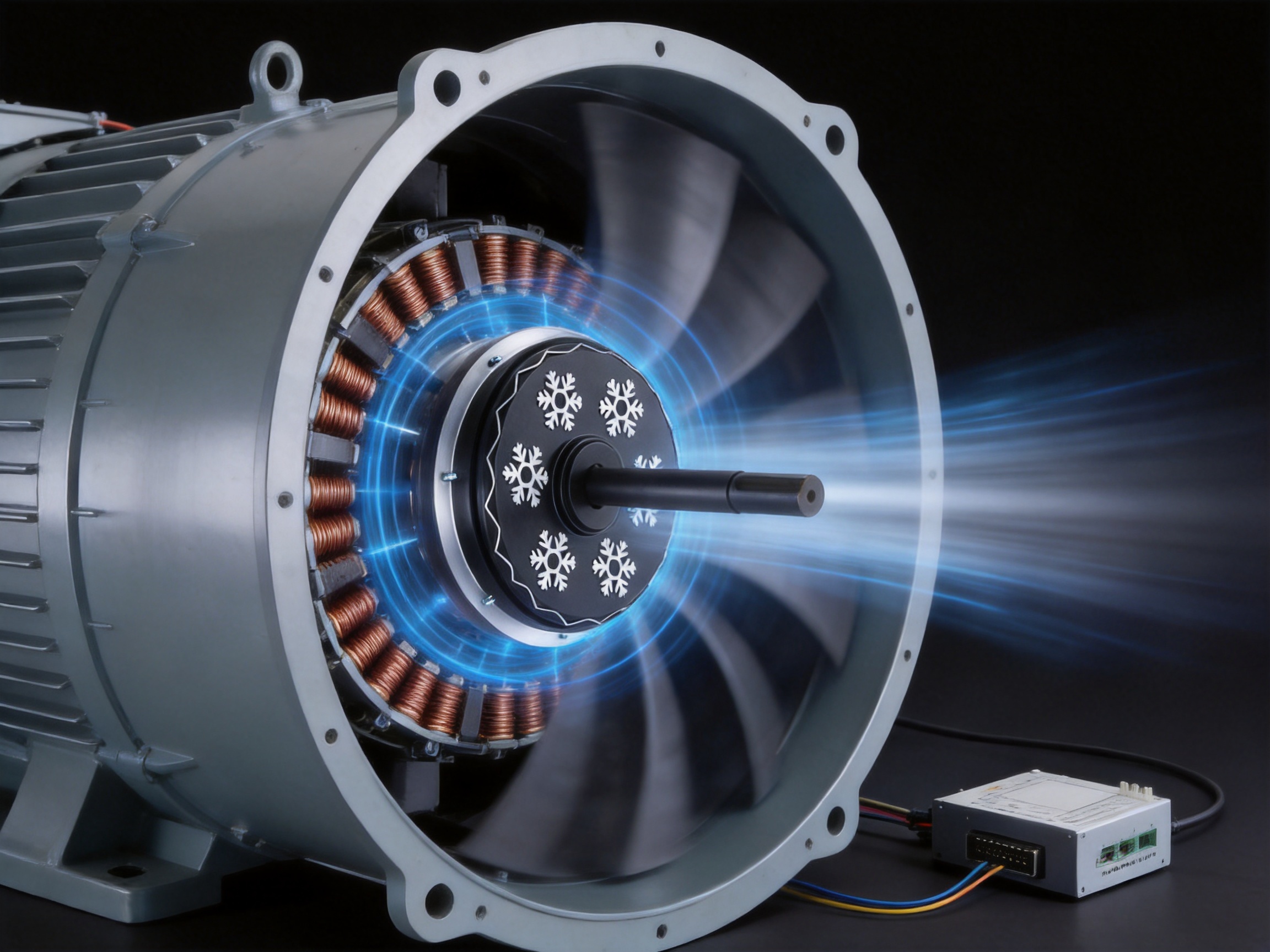
Electrical integration should be performed by qualified personnel. The motor must be paired with a compatible controller and power supply designed for its voltage, power, current, commutation requirements, and speed-control method. The control system should include appropriate protection against overload, short circuit, abnormal voltage, overheating, and other foreseeable operating conditions.
Because the DC198 supports stepless speed regulation, the controller should be selected to provide smooth and stable adjustment across the required operating range. Poorly matched control equipment can cause vibration, acoustic noise, unstable rotation, excessive current, or premature component stress. Controller settings should be verified during commissioning under both minimum and maximum expected loads.
Environmental installation also deserves attention. IP54 protection is suitable for protection against limited dust ingress and water splashing, but the motor should not be placed where it will be submerged or exposed to continuous high-pressure washing. Drainage should prevent water from collecting around the motor. If the installation is outdoors or in an exceptionally corrosive environment, additional enclosure, coating, or system-level protection may be required.
Commissioning Checklist
Before first operation, inspect the mounting structure, rotor clearance, fan balance, wiring, grounding, controller settings, and protective devices. Confirm that the rated voltage corresponds to the available supply. Check that the cooling system is free of foreign objects and that the air path is not blocked.
Start the motor at a safe setting and observe the direction of rotation, acceleration, sound, vibration, and current. Gradually increase speed while monitoring the equipment. If abnormal noise, excessive vibration, overheating, or unstable speed occurs, stop the system and investigate before continuing.
During initial operation, it is useful to record baseline values such as operating current, approximate temperature, vibration behavior, and airflow performance. These records can help maintenance teams identify changes later in the service life of the equipment.
Maintenance and Service-Life Considerations
The brushless design reduces routine maintenance because there are no carbon brushes or mechanical commutators to replace. However, brushless does not mean maintenance-free. The motor remains part of a mechanical and electrical system containing bearings, fan components, wiring, control electronics, and protective structures.
Regular inspection should include cleaning accumulated dust from accessible surfaces, checking mounting fasteners, examining cables and connectors, inspecting the fan for damage or imbalance, and confirming that ventilation openings remain clear. In humid applications, technicians should look for signs of condensation, corrosion, insulation deterioration, or water accumulation.
Bearings should be monitored for unusual noise, roughness, temperature rise, or vibration. Bearing service requirements depend on the specific design and operating conditions. If the motor is integrated into a fan assembly, maintenance should include both the motor and the fan because deterioration in one component can overload the other.
Operating the motor within its rated voltage, power, speed, and environmental limits is one of the most effective ways to extend service life. Persistent overload, blocked airflow, excessive ambient temperature, incorrect controller settings, and repeated high-current starts can create thermal stress. Correct system sizing and preventive maintenance are therefore as important as the motor’s internal construction.
Purchasing Considerations for Equipment Manufacturers
When purchasing the DC198 for production equipment, buyers should provide complete application information. Useful data includes the desired airflow, fan type, static pressure, operating speed range, voltage and frequency characteristics of the installation, expected daily running hours, ambient temperature, humidity, dust exposure, mounting dimensions, and controller requirements.
Buyers should also clarify whether the motor will be used in a new design or as a replacement. A replacement project may require close attention to mounting holes, external dimensions, rotating interface, cable arrangement, direction of rotation, and control compatibility. A new design offers more flexibility, but the motor and fan should still be developed together so that the operating point is optimized.
For international projects, purchasers may need documentation such as product drawings, wiring information, performance data, inspection reports, packaging specifications, and applicable compliance documents. Certification requirements differ by destination and application. These should be discussed before production so that the correct testing and documentation can be prepared.
It is also advisable to request samples for evaluation under realistic conditions. A sample should be tested with the intended fan, controller, mounting structure, and environmental conditions rather than evaluated only as a stand-alone motor. Such testing can confirm starting behavior, speed range, noise, vibration, current, temperature rise, and airflow performance.
Why the Manufacturer Is a Suitable Partner
Shengzhou Jiangxin Motor Technology Co., Ltd. offers a combination of motor manufacturing experience, product development capability, automated equipment, and application knowledge. Its focus on AC/DC motors and micro motors allows it to serve both standard product requirements and customized engineering projects.
The company’s stated export experience covering more than 60 countries and regions indicates familiarity with international customer coordination, product supply, and global application requirements. International supply involves more than shipping products. It requires clear technical communication, consistent production, reliable packaging, documentation management, and responsive after-sales support.
Its product portfolio includes motors for environmental protection equipment, industrial heating, hydraulic systems, and air-cooling applications. This broad application background can help customers identify a motor solution based on actual operating requirements rather than selecting solely by nominal power.
The company’s commitment to craftsmanship and customer-oriented service is particularly relevant for industrial motor projects. A successful motor supplier should be able to discuss performance objectives, review application risks, provide sample support, coordinate production, and help resolve technical questions. These services reduce the possibility of mismatch between the motor and the final equipment.
Technical Questions to Discuss Before Ordering
Customers should confirm the required operating voltage and whether the equipment needs a dedicated controller. The 220V rating must be considered together with the local power system and the electrical architecture of the complete machine. The control method should be specified clearly, especially if the system requires a particular signal or speed range.
The mechanical interface should also be confirmed. External rotor motors may be integrated into fan assemblies in different ways, and the final arrangement may require particular dimensions, mounting details, rotating clearances, or balancing procedures. Drawings and samples can prevent costly changes during production.
Environmental conditions should be described accurately. IP54 is useful for many industrial applications, but customers should identify whether the motor will face salt spray, chemical vapor, direct rain, pressure washing, extreme temperature, high condensation, or combustible dust. Additional protection or a different product configuration may be required in unusually severe conditions.
Finally, the expected duty cycle should be reviewed. The DC198 supports S1 continuous operation, but the actual load, operating temperature, speed, and ventilation conditions still affect thermal performance. Sharing the complete duty profile with the manufacturer helps confirm the correct application.
Frequently Asked Questions
What type of motor is the DC198?
The DC198 is a 220V, 1500W external rotor brushless DC motor. It uses permanent magnets and electronic commutation instead of carbon brushes and a mechanical commutator.
What equipment is the motor designed for?
It is primarily intended for heavy-duty industrial evaporative air coolers and large ventilation systems. It may also be considered for other air-moving equipment after checking the mechanical load, control system, environmental conditions, and installation requirements.
Does the motor require carbon brush replacement?
No. Its brushless design eliminates carbon brushes, reducing one common source of wear and routine maintenance. Other components, including bearings, wiring, fan parts, and control electronics, still require appropriate inspection.
What does the 1500W rating mean?
The 1500W rating identifies the motor’s nominal power class. It indicates that the motor is intended for substantial mechanical output, but actual fan performance depends on speed, airflow resistance, static pressure, impeller design, and controller settings.
Can the speed be adjusted?
Yes. The DC198 supports stepless speed regulation when paired with a compatible control system. The controller must be selected and configured for the motor’s electrical and commutation requirements.
Is the motor suitable for continuous operation?
Yes. The motor supports S1 continuous operation, which is appropriate for systems expected to run for extended periods at a stable load. Correct sizing, ventilation, controller matching, and environmental protection are still necessary.
What does IP54 protection provide?
IP54 protection helps guard against harmful dust deposits and water splashes from different directions. It does not make the motor dust-tight, submersible, or suitable for direct high-pressure washing.
Why is F-class insulation important?
F-class insulation provides a higher thermal endurance level and helps the winding system withstand elevated operating temperatures within its design limits. It improves the motor’s suitability for demanding industrial conditions, but it does not eliminate the need for proper cooling and load control.
Why are pure copper windings used?
Pure copper provides good electrical conductivity and supports stable energy conversion and thermal performance. The final result also depends on winding design, insulation quality, assembly accuracy, and production testing.
Is the DC198 quieter than a brushed motor?
Its brushless construction removes brush friction and commutator contact, which can reduce one source of noise and vibration. Actual sound levels also depend on bearings, rotor balance, fan design, mounting, airflow turbulence, and controller behavior.
Can the motor replace an existing motor?
It may be suitable as a replacement, but compatibility must be verified. Buyers should compare voltage, power, speed, dimensions, mounting details, rotating interface, controller requirements, direction of rotation, and environmental conditions before ordering.
What information should be supplied for customization?
Customers should provide application details such as rated voltage, power, speed range, fan load, mounting dimensions, controller type, operating hours, ambient conditions, protection requirements, cable arrangement, and expected quantity. Samples and drawings are recommended for important projects.
Where is the motor manufactured?
The motor is manufactured by Shengzhou Jiangxin Motor Technology Co., Ltd. in Shengzhou, Zhejiang Province, China. The company focuses on the development and production of AC/DC motors, micro motors, air cooler motors, industrial motors, and customized motor solutions.
Conclusion
The DC198 220V 1500W external rotor BLDC motor is developed for industrial air-cooling and ventilation applications that demand high output, continuous operation, speed flexibility, and dependable environmental resistance. Its brushless architecture eliminates carbon brush wear and mechanical commutator contact. Its external rotor configuration supports compact fan integration. Pure copper windings and permanent magnet materials contribute to stable operation, while F-class insulation and IP54 protection improve suitability for demanding industrial environments.
Compared with basic brushed or fixed-speed motor arrangements, the DC198 offers practical advantages in maintenance reduction, controllability, operating smoothness, and system integration. Its 1500W power rating makes it a strong candidate for large evaporative air coolers, factory ventilation systems, warehouses, workshops, and other heavy-duty air-moving equipment. The best results will be achieved when the motor is matched carefully with the fan, controller, mounting system, and operating environment.
The manufacturing capabilities of Shengzhou Jiangxin Motor Technology Co., Ltd. add further value to the product. Modern production facilities, automated equipment, research and development resources, quality control, international supply experience, and customization capability provide a foundation for stable motor production and application support. For equipment manufacturers seeking a durable and controllable drive for industrial cooling or ventilation, the DC198 represents a technically focused solution with strong long-term potential.
References
1. International Electrotechnical Commission, Rotating Electrical Machines: Rating and Performance Principles.
2. International Electrotechnical Commission, Degrees of Protection Provided by Enclosures for Electrical Equipment.
3. International Electrotechnical Commission, Electrical Insulation Systems and Thermal Classification Practices.
4. Brushless DC Motor Design and Control Engineering Principles, technical reference material.
5. Industrial Fan and Ventilation System Application Guidelines, engineering reference material.
6. Evaporative Cooling Equipment Design and Airflow Management Principles, technical reference material.
7. Manufacturer-provided product specifications for the DC198 220V 1500W external rotor BLDC air cooler motor.
Product: DC198 220V 1500W External BLDC Air Cooler Motor
 Ready To Customise
 Your Motor Products?

We are professional motor manufacturers, delivering powerful, stable, and efficient power cores for all industries through precision craftsmanship and innovation.
Contact Us
-
 Mobile:+86 13575536911
-
 Tel:+86 18357538240
-
 Whatsapp:+8618357538240
-
 Email:betty@dbjxmotor.com
-
 Company Address
Copyright © by Shengzhou Jiangxin Motor Technology Co., Ltd. All Rights Reserved.
Wholesale Industrial Fan Motors Manufacturers
