

 English
 русский
 Español
 عربى

No. 8, Duxiu San Road, Ganlin Town, Shengzhou City, Shaoxing City, Zhejiang Province, China

News Category
Product Category
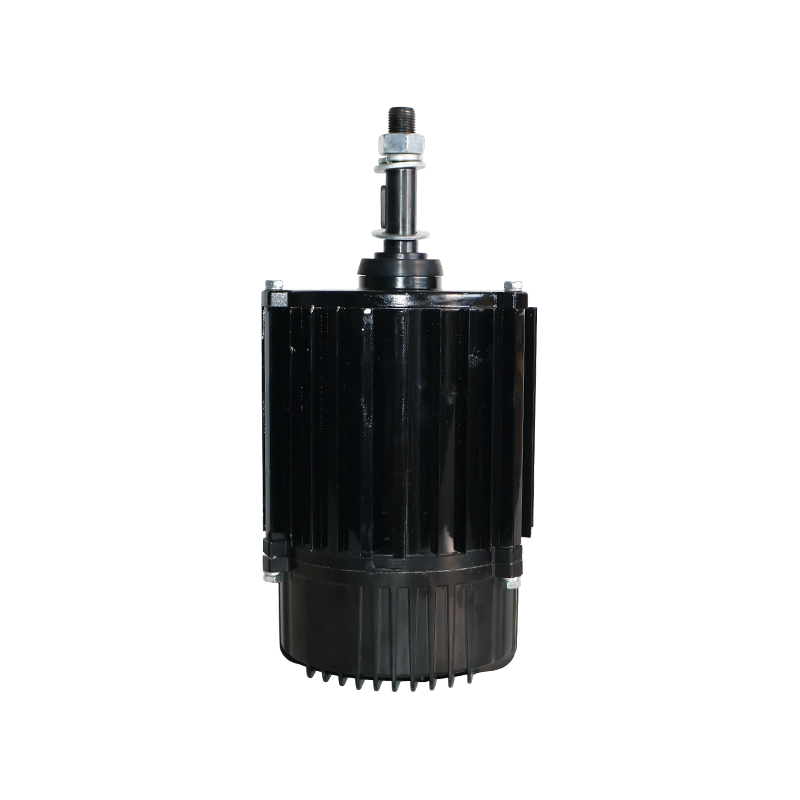
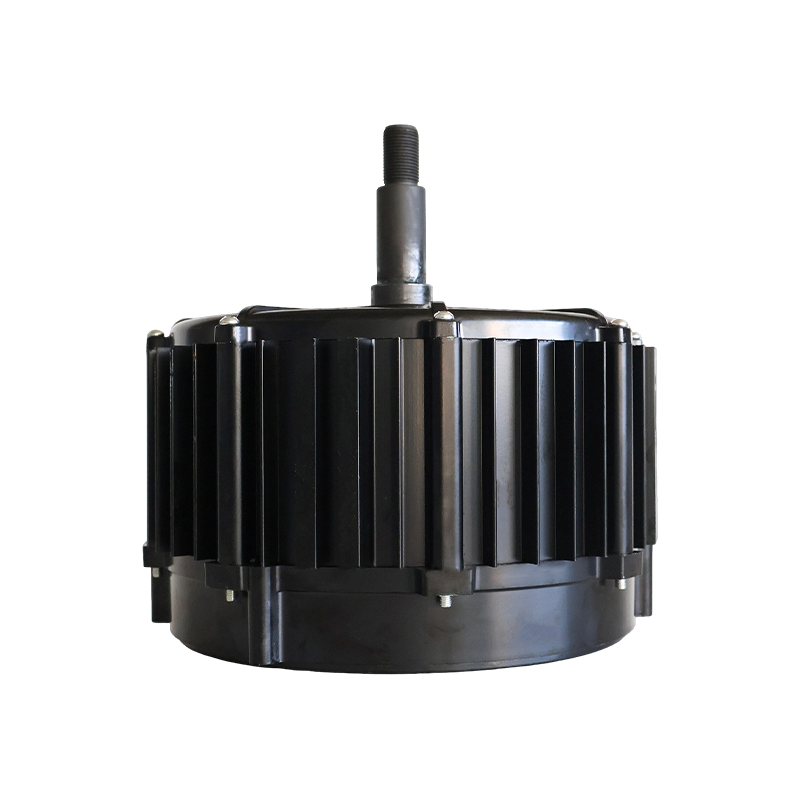
ECF160-1.8 530V 3200W EC Fan Motor for High-Duty Industrial Ventilation
Content
- 1 Introduction
- 2 Product Overview
- 3 EC Motor Technology and Operating Principle
- 4 IE4 Efficiency for Continuous-Duty Applications
- 5 Advantages Over Conventional Fan Motor Arrangements
- 6 Protection, Insulation, and Environmental Suitability
- 7 Mechanical Design for Low Vibration and Low Noise
- 8 Applications for the 3200W EC Fan Motor
- 9 Manufacturing Capabilities and Quality Strengths
- 10 Engineering Selection Considerations
- 11 Installation and Commissioning Guidance
- 12 Maintenance and Service Practices
- 13 Energy and Total Cost of Ownership
- 14 Competitive Positioning
- 15 Why Manufacturing Quality Matters in EC Motors
- 16 Purchasing and Customization Checklist
- 17 Frequently Asked Questions
- 17.1 What type of motor is the ECF160-1.8 530V 3200W product?
- 17.2 What model number is associated with the motor?
- 17.3 What does IE4 efficiency mean for a fan application?
- 17.4 Is the motor suitable for continuous operation?
- 17.5 What does IP55 protection provide?
- 17.6 What is the benefit of Class F insulation?
- 17.7 Does the motor include protection against phase loss?
- 17.8 Can the motor be monitored remotely?
- 17.9 Where can this motor be used?
- 17.10 Is the motor suitable for every 530V power supply?
- 17.11 Can the motor be installed in different directions?
- 17.12 How does this motor compare with a conventional induction motor?
- 17.13 What information should be supplied when requesting a quotation?
- 18 Conclusion
- 19 References
- 20 Product: ECF160-1.8 530V 3200W EC Fan Motor
Introduction
Industrial ventilation systems increasingly require motors that can deliver reliable torque, efficient energy conversion, quiet operation, and stable performance over long operating cycles. In applications such as factory exhaust, poultry-house ventilation, greenhouse air circulation, refrigeration cooling, air purification, and high-power centrifugal fan systems, the motor is more than a simple drive component. It is a central part of the system’s energy performance, operating reliability, maintenance requirements, and environmental control capability.
The ECF160-1.8 530V 3200W EC Fan Motor is designed for demanding ventilation and cooling applications that require continuous-duty operation. Identified in the technical information as model ECSF132D-8-3.2, this motor combines electronically commutated motor technology with permanent magnet construction. Its stated IE4 super high-efficiency design supports reduced energy consumption, while its protection and monitoring functions help operators manage equipment in industrial environments.
With a rated voltage of 530V, rated power of 3200W, operating frequency of 50/60Hz, IP55 protection, and Class F insulation, the motor is suitable for high-power fan equipment that must operate consistently in challenging conditions. The product is also designed with low vibration, low noise, multi-direction installation capability, and fault feedback for remote monitoring.
This article examines the motor’s structure, performance advantages, manufacturing strengths, application suitability, installation considerations, and long-term value. It also explains why an EC motor can be a strong alternative to conventional motor arrangements in applications where energy efficiency, integrated control, and dependable operation are important.
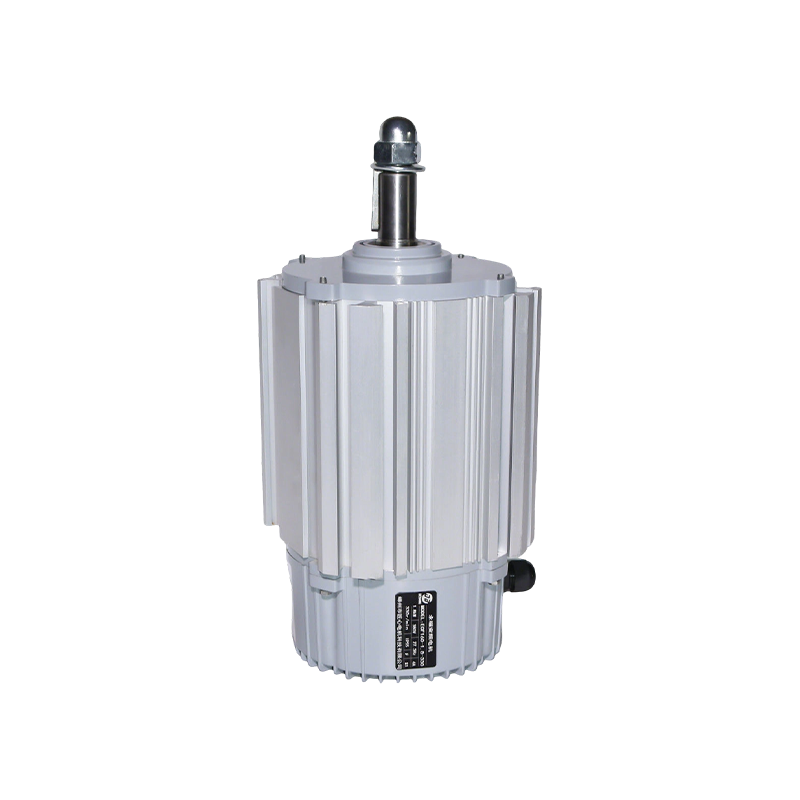
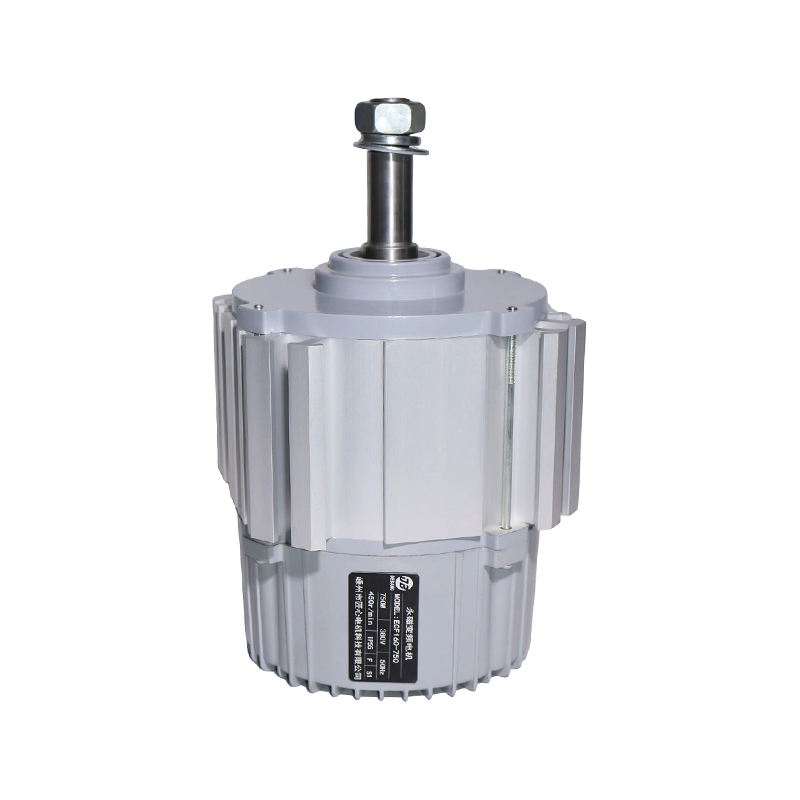
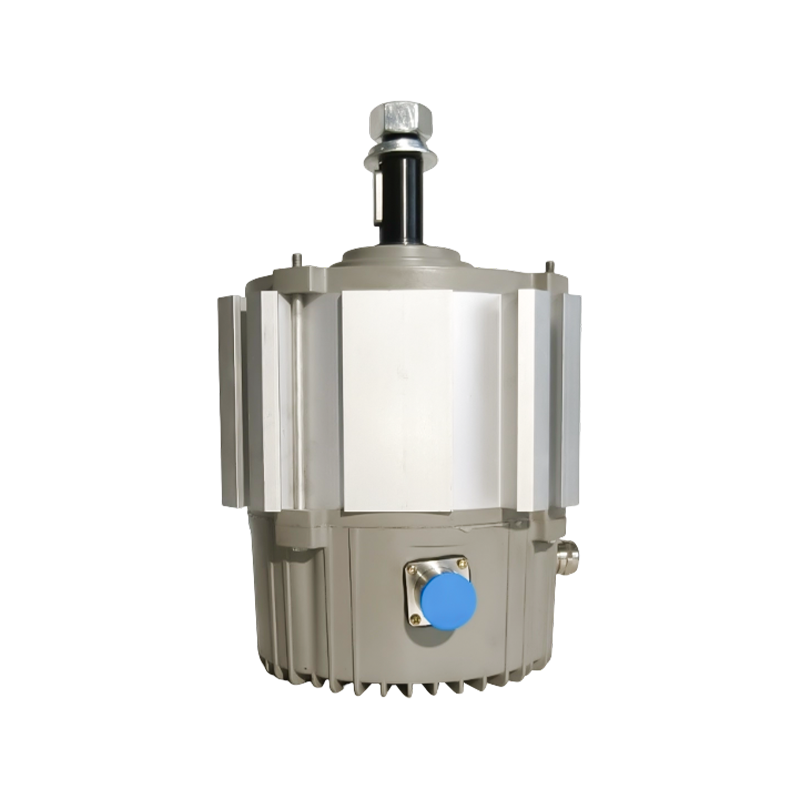
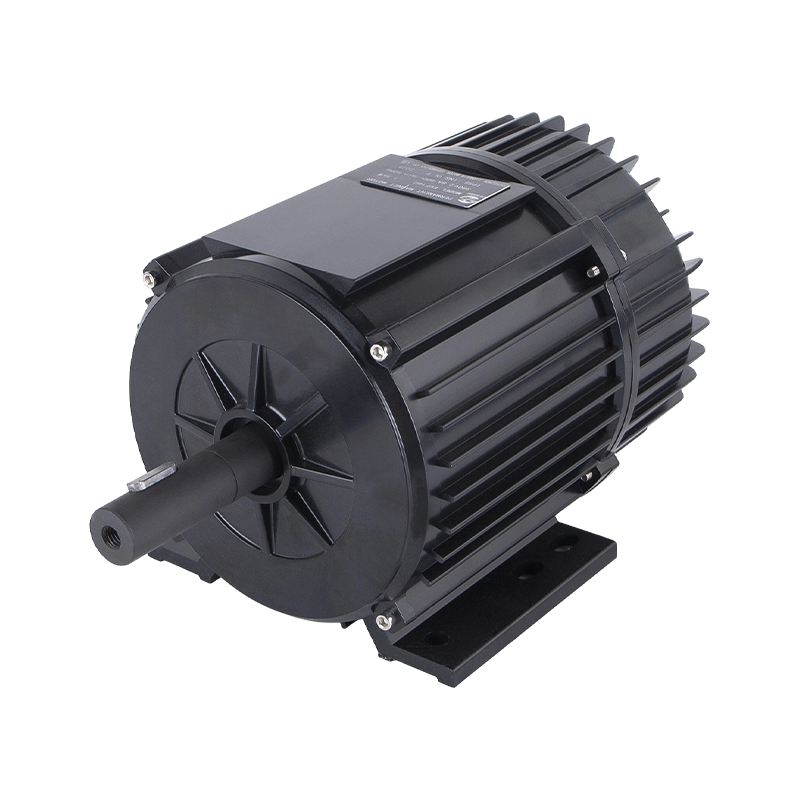
ECF160-1.8 530V 3200W EC Fan Motor
Product Overview
The ECF160-1.8 530V 3200W EC Fan Motor is a high-power electronically commutated motor intended for fan and air-moving equipment. Its permanent magnet motor structure is combined with electronic commutation and control functions to provide efficient conversion of electrical energy into mechanical output.
Unlike a basic fixed-speed motor that may operate continuously at one speed regardless of changing ventilation requirements, an EC motor is generally designed to work as part of an electronically controlled fan system. This makes it suitable for applications where air volume, static pressure, temperature, humidity, or equipment load may change during operation.
The motor is specified for 530V operation and provides 3200W of rated power. This power level places it in a class suitable for larger industrial ventilation equipment rather than small residential fans. It can support high-power centrifugal fans, industrial exhaust systems, commercial cooling equipment, and other air-moving machines where continuous operation and stable output are essential.
The technical data supplied for the product is summarized below.
| Item | Specification |
|---|---|
| Product type | EC Motor |
| Product title | ECF160-1.8 530V 3200W EC Fan Motor |
| Model listed in technical information | ECSF132D-8-3.2 |
| Rated voltage | 530V |
| Rated power | 3200W |
| Frequency | 50/60Hz |
| Protection rating | IP55 |
| Insulation class | Class F |
| Motor technology | Electronically commutated permanent magnet motor |
| Efficiency description | IE4 super high efficiency |
| Installation capability | Supports multi-direction installation |
| Protection and monitoring | Phase loss protection and fault feedback |
Because the product title and technical information use two different model identifiers, purchasers should confirm the exact model designation, dimensions, wiring configuration, control interface, and mounting details before placing an order. This is particularly important when replacing an existing motor or integrating the unit into a custom fan assembly.
EC Motor Technology and Operating Principle
An electronically commutated motor uses electronic control rather than mechanical brushes and commutators to manage the switching of current through the windings. The permanent magnet rotor creates a magnetic field, while the stator windings receive electronically controlled current in a sequence that produces continuous rotation.
This arrangement offers several potential advantages for industrial fan systems. Permanent magnets can produce magnetic flux without requiring the rotor to consume additional electrical energy for field generation. Electronic commutation can also provide more precise control of motor operation than a simple fixed-frequency, fixed-speed arrangement.
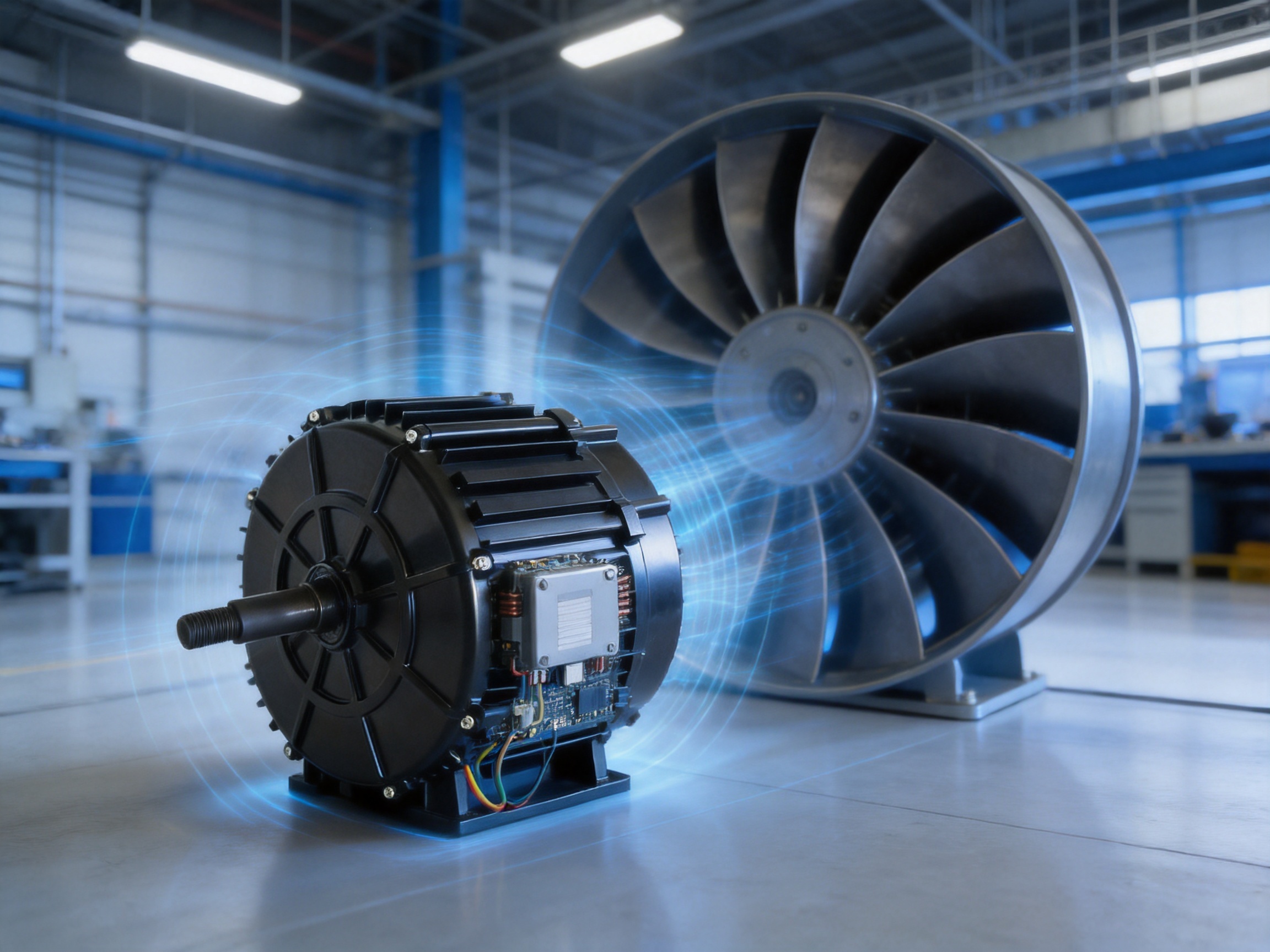
In a fan application, the motor is normally connected to an impeller or fan wheel. As the motor rotates, it converts electrical input into mechanical torque. The fan then converts that mechanical energy into airflow and pressure. The actual performance of the complete system depends on the relationship between motor characteristics, impeller design, air density, system resistance, duct configuration, and control settings.
The motor should therefore be evaluated as part of a complete fan assembly rather than as an isolated component. A correctly selected EC motor can improve energy performance and controllability, but the fan wheel, housing, bearings, air path, and control strategy must also be appropriately matched.
For equipment operating many hours per day, the electronic control architecture can be especially valuable. Ventilation demand is rarely constant. A poultry house may require different airflow during daytime and nighttime. A greenhouse may need different air exchange rates according to temperature and humidity. An industrial exhaust system may operate at a lower level during normal production and require higher output during peak processes.
By allowing the motor system to respond to operating requirements, EC technology can reduce the need to run a fan continuously at maximum output. This may lower energy consumption, reduce unnecessary noise, and decrease mechanical stress on the fan system.
IE4 Efficiency for Continuous-Duty Applications
The product is described as an IE4 super high-efficiency permanent magnet motor. High efficiency is particularly important in industrial fan applications because ventilation equipment often runs for extended periods. Even a small improvement in energy conversion can produce meaningful savings when multiplied by thousands of operating hours.
Motor efficiency refers to the proportion of electrical input that is converted into useful mechanical output. The remaining energy is lost primarily as heat, magnetic loss, electrical resistance, mechanical friction, and other operating losses. A more efficient motor delivers the required output with less wasted energy.
In a heavy-duty ventilation system, lower losses can provide several benefits:
First, reduced electrical consumption can lower operating costs. The potential saving depends on operating hours, load profile, electricity price, control method, and the difference between the EC motor and the alternative motor system.
Second, lower heat generation can support better thermal management. Excessive motor heating can affect insulation, bearings, electronics, and nearby components. Reducing internal losses may help the motor operate more comfortably within its intended conditions.
Third, improved efficiency can support more compact equipment design. When less energy is lost as heat, the system may have lower cooling requirements, although final thermal performance must always be verified under actual operating conditions.
Fourth, energy efficiency contributes to a lower environmental impact. Industrial ventilation can represent a significant portion of the electricity consumption of a facility. More efficient motor operation can support corporate energy-reduction goals and help reduce indirect emissions associated with electricity use.
Compared with a conventional motor combined with separate control equipment, an integrated EC motor may also reduce conversion losses associated with multiple electrical stages. However, the actual system efficiency must be calculated using measured or documented performance for the motor, controller, fan, and operating point.
The strongest efficiency benefit is often achieved when the motor is correctly selected and operated near the requirements of the application. Oversizing, poor impeller matching, excessive duct resistance, dirty filters, and incorrect control settings can reduce the practical advantage of any high-efficiency motor.
Advantages Over Conventional Fan Motor Arrangements
Integrated Electronic Control
A conventional induction motor may require an external variable-frequency drive or another control device when variable-speed operation is needed. An EC motor is designed around electronic commutation and is therefore well suited to electronically managed fan systems. This can simplify the architecture of the equipment and make speed or output adjustment more direct, depending on the control interface supplied with the final configuration.
Integrated electronics can also make it easier to include protective functions and diagnostic feedback. Instead of treating the motor and controller as completely separate devices, the motor system can be designed as a coordinated assembly.
Permanent Magnet Efficiency
The permanent magnet rotor is a major factor in the product’s high-efficiency design. Because the rotor does not need the same type of electrically generated magnetic field as a conventional squirrel-cage induction motor, the motor can reduce certain operating losses. This is beneficial for applications where the motor is expected to run continuously or for long periods at a substantial load.
Reduced Maintenance Requirements
Electronically commutated motors do not rely on brush replacement in the same way as brushed motor designs. This can reduce a common source of wear and maintenance in applications that operate continuously. The actual maintenance schedule will still depend on bearings, fan balance, dust levels, installation conditions, and the cleanliness of the motor and surrounding equipment.
Reduced brush-related maintenance is especially useful in industrial locations where equipment access is difficult, production interruption is expensive, or large numbers of ventilation units are installed across a facility.
Stable Operation Under Heavy Load
The motor is described as being suitable for heavy-load, 24/7 operation. Its optimized mechanical structure is intended to support low vibration, low noise, and stable continuous running. These characteristics are important in industrial ventilation, where a motor may operate through multiple shifts and where unplanned downtime can affect temperature, air quality, worker comfort, livestock conditions, stored products, or production processes.
Protection and Remote Fault Feedback
Phase loss protection helps guard the motor against an abnormal power condition in which one phase of the supply is interrupted or unavailable. Phase loss can produce overheating, unstable operation, torque reduction, and possible motor damage if it is not detected and addressed.
The stated fault feedback function can support remote monitoring. In a modern factory, greenhouse, poultry facility, or refrigeration installation, operators may want to receive an alarm when a fan motor enters a fault condition. Early feedback can help maintenance personnel respond before the problem causes unacceptable temperature or ventilation changes.
The exact signal type, communication method, alarm logic, and integration requirements should be confirmed during technical selection. Fault feedback may be connected to a local control panel, building management system, programmable logic controller, or other monitoring platform, depending on the final configuration.
Flexible Installation Direction
The product supports multi-direction installation. This feature can be valuable for equipment designers because fan housings and ventilation systems often have restricted space. A motor that can be installed in more than one orientation may simplify equipment layout and help manufacturers develop different fan configurations using the same motor platform.
Even with multi-direction installation capability, installers should follow the manufacturer’s instructions concerning shaft orientation, drainage, cable entry, airflow, bearing loading, access for service, and protection from water or corrosive substances.
Protection, Insulation, and Environmental Suitability
IP55 Protection
The motor is rated IP55. Under the commonly used IEC enclosure classification, the first digit indicates protection against access to hazardous parts and ingress of solid foreign objects, while the second digit indicates protection against water jets from various directions. IP55 does not mean that the motor is completely dust-tight or suitable for immersion.
IP55 protection makes the motor appropriate for many industrial environments where airborne dust, incidental moisture, and water spray may be present. It may be relevant to ventilation equipment in workshops, agricultural buildings, equipment rooms, cooling systems, and industrial processing areas.
However, the actual suitability of the motor depends on the environment. Heavy dust, corrosive gases, salt spray, chemical vapors, high humidity, condensation, washdown procedures, and explosive atmospheres may require additional protection or a different motor specification. Purchasers should provide the manufacturer with complete environmental information before final selection.
Class F Insulation
The motor uses Class F insulation. Insulation class describes the thermal capability of the motor’s insulation system under defined conditions. Class F is commonly associated with a higher thermal endurance level than Class B, although the permitted operating temperature rise and service life depend on the complete motor design and application conditions.
Insulation performance can be influenced by ambient temperature, load, ventilation, altitude, voltage quality, frequency, moisture, contaminants, and the number of starts or speed changes. Class F should therefore be viewed as one part of the motor’s thermal design rather than a guarantee that the motor can operate at any temperature or load.
In continuous-duty fan service, correct ventilation around the motor and protection from excessive heat remain important. The motor should not be enclosed in a way that prevents heat dissipation unless the equipment has been designed and tested for that arrangement.
Mechanical Design for Low Vibration and Low Noise
Noise and vibration can affect both equipment life and the working environment. Excessive vibration may loosen fasteners, damage bearings, transmit forces to ducts, create structural fatigue, and increase sound levels. Excessive noise can reduce comfort in workplaces, livestock facilities, commercial buildings, and equipment rooms.
The product description emphasizes an optimized mechanical structure with low vibration and low noise. This design objective is valuable because fan noise is generated by several interacting sources, including the motor, bearings, impeller, airflow turbulence, housing, ducts, and structural transmission paths.
A low-vibration motor can provide a stable drive source for a properly balanced fan wheel. However, the complete fan assembly must also be balanced and aligned. An unbalanced impeller can create substantial vibration even when the motor itself performs correctly. Loose mounting hardware, worn bearings, bent shafts, resonance, and misaligned couplings can also increase vibration.
For this reason, installation quality is essential. The mounting surface should be rigid and appropriately designed. Fasteners should be tightened according to the equipment manufacturer’s specifications. Flexible connectors may be useful in some duct systems to reduce the transmission of vibration, but they must not introduce misalignment or excessive movement.
Noise performance should be evaluated at the system level. Operating speed, impeller diameter, air velocity, pressure, duct geometry, inlet conditions, and acoustic treatment all influence the final sound level. The motor’s low-noise mechanical design creates a favorable foundation, but the final equipment manufacturer remains responsible for complete system acoustic performance.
Applications for the 3200W EC Fan Motor
High-Power Centrifugal Fans
Centrifugal fans are widely used when a system must overcome resistance in ducts, filters, heat exchangers, scrubbers, or other air-handling components. The 3200W power rating makes this motor suitable for larger centrifugal fan assemblies, subject to confirmation of the fan curve and required operating point.
In these systems, the motor must be matched to the impeller’s speed, torque, pressure, and airflow requirements. The installer should verify that the motor can deliver the required performance without exceeding thermal, electrical, or mechanical limits.
Industrial Ventilation and Exhaust
Industrial facilities use exhaust systems to remove heat, fumes, dust, odors, humidity, and contaminated air. Stable fan operation is important because inadequate exhaust can affect production quality, worker comfort, and compliance with internal environmental requirements.
The EC motor’s efficiency, phase loss protection, fault feedback, and continuous-duty design are useful in facilities where ventilation equipment must operate reliably across long production schedules. Remote monitoring can also reduce the time required to identify a failed or abnormal fan.
Refrigeration Cooling Equipment
Cooling systems often depend on continuous air movement across condensers, evaporators, or other heat-transfer surfaces. A fan motor with suitable power and control capability can help maintain stable airflow as thermal conditions change.
Before use in refrigeration equipment, the motor’s ambient temperature range, control compatibility, condensation risk, installation orientation, and exposure to refrigerant-related conditions should be confirmed. The IP55 rating provides a level of enclosure protection, but it should not be assumed to cover every refrigeration environment without additional verification.
Poultry House Ventilation
Poultry facilities require dependable air exchange to manage heat, moisture, carbon dioxide, dust, and airborne contaminants. Ventilation demand can change according to bird age, stocking density, outdoor temperature, humidity, and house management practices.
An efficient EC fan motor can support better control of ventilation output while limiting unnecessary energy use during periods of lower demand. Phase loss protection and fault feedback are also valuable because a failed fan can affect conditions across a large enclosed space.
Agricultural environments can contain dust, ammonia, moisture, and corrosive substances. Operators should therefore evaluate cleaning practices, chemical exposure, cable protection, enclosure condition, and maintenance frequency. The motor should be installed in a way that prevents direct exposure to conditions beyond its specified environmental limits.
Greenhouse Ventilation
Greenhouses use ventilation to control temperature, humidity, air circulation, and plant growing conditions. The required airflow can vary throughout the day and across different seasons. A controllable EC motor can provide a flexible drive solution for greenhouse fans and air exchange systems.
Energy efficiency is particularly important in greenhouses because fans may operate for long periods, while climate-control systems already consume significant energy. The motor’s low-noise characteristics may also be useful in facilities located near residential areas or visitor spaces.
Air Purification Systems
Air purification equipment often includes filters or treatment components that create airflow resistance. As filters become loaded, the system may need to operate differently to maintain the required air volume. The EC motor can be incorporated into equipment that uses electronic control and monitoring to respond to changing conditions.
System designers should consider pressure drop, filter loading, air cleanliness, maintenance access, and the effect of dust accumulation on the motor and fan assembly. The IP55 rating provides useful protection, but it does not eliminate the need for routine cleaning and inspection.
Heavy-Duty HVAC Equipment
Heating, ventilation, and air-conditioning equipment in industrial and commercial settings may require motors that combine efficiency, controllability, durability, and monitoring functions. The ECF160-1.8 530V 3200W motor is positioned for high-power HVAC applications where continuous running and stable airflow are important.
Potential equipment configurations include air-handling units, large exhaust fans, process ventilation systems, cooling modules, and specialized air circulation equipment. The final suitability depends on airflow, static pressure, speed range, control method, ambient conditions, and mechanical integration.
Manufacturing Capabilities and Quality Strengths
The motor is manufactured by Shengzhou Jiangxin Motor Technology Co., Ltd., a Chinese motor manufacturer established in 2017. The company focuses on the research, development, production, and sales of AC motors, DC motors, EC motors, and micro motors.
The company operates in Shengzhou, Zhejiang Province, within the Yangtze River Delta industrial region. This location provides access to a broad manufacturing base, engineering resources, component suppliers, transportation infrastructure, and industrial support services. For international customers, a mature industrial region can support more efficient procurement and coordination across the motor supply chain.
The company information states that it owns modern production facilities, advanced automated equipment, and a professional research and development team. These elements are important for producing motors with consistent electrical, mechanical, and dimensional characteristics.
Automated Production Equipment
Automation can improve repeatability in processes such as winding, assembly, balancing, testing, and inspection. Consistent production is particularly important for EC motors because electronic control, permanent magnet rotor construction, winding quality, and mechanical alignment must work together as an integrated system.
Automated equipment can also support better process control and reduce variation between production batches. It does not replace engineering judgment or final inspection, but it can provide a more stable foundation for quality management when supported by appropriate operating procedures and trained personnel.
Research and Development
A professional R&D team allows the manufacturer to develop motors for different power ranges, mounting arrangements, operating environments, control systems, and equipment applications. Product development in the EC motor field requires coordination between electromagnetic design, thermal design, mechanical structure, electronic control, protection functions, and manufacturing methods.
This cross-functional approach is important for industrial fan motors. A motor may need to provide efficient operation at a particular speed range while also maintaining acceptable temperature, vibration, noise, protection, and control response. Product development must consider not only rated output, but also actual customer use conditions.
Quality Control Systems
The company describes its quality control systems as strict. Quality control for a motor of this type may include incoming material inspection, winding verification, electrical safety testing, insulation testing, rotor and stator inspection, dimensional checks, running tests, vibration evaluation, noise assessment, and final performance verification.
The exact tests and acceptance criteria should be confirmed for each order. Customers may also request inspection documentation, sample testing, production reports, or other quality records according to their procurement requirements.
Technology-Oriented Enterprise Recognition
The company has been recognized as a provincial-level technology enterprise according to the supplied company information. This recognition reflects an emphasis on technical capability and product development within its regional industrial environment.
For buyers, the practical value of such recognition should be considered together with product documentation, quality records, factory capability, sample performance, communication responsiveness, and after-sales support. A reliable supplier evaluation normally combines formal qualifications with direct technical verification.
International Supply Experience
The company states that its products are exported to more than 60 countries and regions. International supply experience can be beneficial because different markets may require different voltage systems, frequencies, documentation, packaging standards, communication practices, and application support.
For buyers of the 530V motor, it remains important to provide precise application details. International shipping and export experience do not eliminate the need to verify local electrical requirements, customs documentation, installation standards, safety rules, and compatibility with the customer’s equipment.
Engineering Selection Considerations
Selecting a 3200W EC fan motor should begin with the required fan performance rather than motor power alone. The equipment designer should determine the required airflow, static pressure, operating speed, duty cycle, ambient conditions, and control method.
Airflow and Static Pressure
Airflow describes the volume of air that the fan must move over a specified period. Static pressure represents the resistance that the fan must overcome. Filters, ducts, grilles, heat exchangers, dampers, silencers, and process equipment can all increase system resistance.
The motor and fan should be selected using a fan performance curve. Operating at a point outside the intended range may cause excessive energy consumption, insufficient airflow, unstable operation, or motor overheating. The 3200W rating indicates available motor power, but it does not independently define the airflow or pressure performance of every fan assembly.
Voltage and Frequency
The listed voltage is 530V, with a frequency of 50/60Hz. Customers should confirm the available power supply, phase configuration, grounding arrangement, voltage tolerance, and control requirements before ordering.
Voltage compatibility is critical. Connecting a motor to an unsuitable supply can cause poor performance, excessive current, electronic failure, or safety hazards. The product name and technical model should also be checked against the motor nameplate and wiring documentation before installation.
Control Integration
Many EC motor systems can be integrated with external control signals, but the available interface must be confirmed for the specific model. Possible control arrangements may differ by product configuration and can include analog signals, digital inputs, speed commands, enable signals, alarm outputs, or other interfaces.
Because the provided information specifically mentions fault feedback, system designers should request the electrical diagram and control specification. This will help determine how the motor communicates with a controller, sensor, programmable logic controller, building management system, or remote monitoring platform.
Mechanical Compatibility
Before installation, verify mounting dimensions, shaft size, shaft extension, rotation direction, fan wheel connection, bearing loads, overall envelope, cable entry, and service access. The model designation should be confirmed because the product title and technical table identify the motor differently.
The fan wheel must be correctly balanced and securely attached. Any coupling, adapter, bracket, or mounting frame should be designed to withstand continuous operation and expected vibration levels. Mechanical components should not impose loads beyond the motor’s permitted limits.
Environmental Conditions
Provide the manufacturer with information about ambient temperature, altitude, humidity, dust, chemicals, corrosive gases, water exposure, cleaning procedures, and installation location. Industrial and agricultural applications can vary greatly, and a motor that performs well in a clean equipment room may require additional protection in a corrosive or dusty environment.
Installation and Commissioning Guidance
Installation should be performed by qualified personnel familiar with electrical safety, rotating machinery, and the requirements of the complete fan system. Power must be isolated before any wiring, inspection, or mechanical adjustment is performed.
Inspect the motor and packaging before installation. Check for visible damage, loose parts, damaged cable entries, moisture, or deformation. Confirm that the nameplate information corresponds to the intended system voltage, power, frequency, and model.
Install the motor on a stable support with adequate strength. Ensure that the selected direction of installation is permitted and that the motor has sufficient clearance for cooling, inspection, and maintenance. Do not block ventilation openings or place heat-generating equipment too close to the motor unless the equipment design accounts for the resulting thermal conditions.
Check the alignment between the motor shaft and fan wheel. If an adapter or coupling is used, verify that it is concentric and correctly secured. The fan wheel should rotate freely by hand when the system is de-energized, without scraping, binding, or abnormal resistance.
Complete the electrical connections according to the approved wiring diagram. Confirm protective grounding, cable sizing, circuit protection, isolation equipment, and control signal connections. The 530V rating requires appropriate electrical components and safety procedures throughout the installation.
Before full-load operation, perform a controlled commissioning test. Observe rotation direction, starting behavior, abnormal sound, vibration, current, fault signals, and airflow. Verify that the fan responds correctly to the control command and that the fault feedback circuit functions as intended.
After the first operating period, inspect mounting fasteners, cable connections, bearing noise, vibration, and fan wheel condition. A commissioning record should include date, operating conditions, measured current where appropriate, control settings, and any observed alarms.
Maintenance and Service Practices
Although EC motors can reduce certain maintenance requirements, they still require routine inspection. Maintenance intervals should be established according to operating hours, dust levels, environmental conditions, manufacturer instructions, and the importance of the ventilation system.
Keep the motor and surrounding equipment clean. Accumulated dust can reduce heat dissipation and may affect electronic components. In agricultural or industrial environments, deposits may also become corrosive or retain moisture.
Inspect the fan wheel for dirt buildup, cracks, imbalance, corrosion, and loose components. A dirty or damaged impeller can create vibration and reduce airflow, even when the motor remains electrically healthy.
Check mounting hardware and structural supports for looseness. Inspect cables, connectors, conduit, glands, and protective covers for damage or deterioration. Water or chemical ingress through a damaged cable entry can compromise the motor despite its IP55 enclosure rating.
Monitor fault feedback and operating trends. Repeated alarms, intermittent phase loss warnings, unusual current behavior, increasing vibration, or changes in airflow may indicate a developing problem. Early intervention can prevent secondary damage and reduce downtime.
Do not open electronic sections or attempt component-level repairs unless the work is authorized and performed by properly trained personnel. After any repair, verify insulation, grounding, protection, and functional operation before returning the equipment to service.
Energy and Total Cost of Ownership
The purchase price of a motor is only one part of its total cost of ownership. For long-running industrial fan systems, electricity consumption, maintenance, downtime, control equipment, replacement frequency, and installation labor can have a larger financial impact over the service life.
The IE4 efficiency description indicates that the motor is designed to reduce energy losses compared with lower-efficiency alternatives. The financial value of that efficiency depends on the actual operating profile. A motor operating continuously at a high load has a different savings opportunity from one operating only a few hours each week.
Variable ventilation demand can create additional savings. Running a fan at full speed when only partial airflow is required wastes energy and may generate unnecessary noise. An electronically controlled motor system can be used with an appropriate control strategy to better match output to demand.
Maintenance savings may result from reduced brush-related service and integrated protection functions. However, the most important maintenance benefit often comes from preventing unexpected failure. Phase loss protection and fault feedback can help operators identify electrical problems earlier and organize maintenance before conditions become critical.
Downtime costs vary by industry. In a greenhouse, a ventilation failure may affect crop conditions. In a poultry house, it may influence temperature and air quality. In a factory, insufficient exhaust may interrupt production or reduce workplace comfort. In a refrigeration system, a fan failure may reduce cooling performance. The value of dependable operation should therefore be evaluated in the context of the complete facility.
Competitive Positioning
The ECF160-1.8 530V 3200W EC Fan Motor is positioned strongly against basic fixed-speed motor solutions because it combines high efficiency, permanent magnet technology, electronic commutation, protection functions, fault feedback, and multi-direction installation support.
Compared with a basic motor that requires separate control and protection components, an EC motor can offer a more integrated equipment architecture. This may reduce design complexity, simplify wiring, and support more intelligent monitoring, although the final advantage depends on the actual control package and system design.
Compared with lower-efficiency motor alternatives, the IE4 design can provide a stronger long-term energy profile in continuous-duty applications. The benefit is especially relevant where fans operate for many hours each year and where electricity represents a major portion of operating expenditure.
Compared with motors intended only for light or intermittent use, this product is described for heavy-load, 24/7 operation. Its low-vibration mechanical design, IP55 protection, Class F insulation, and phase loss protection support a more demanding operating profile.
Compared with products that provide no diagnostic information, the stated fault feedback capability can help facility operators build a more responsive maintenance system. Remote monitoring is increasingly important in distributed installations where many fans operate across large buildings or multiple sites.
Competitive performance should always be confirmed through application-specific data. Buyers should compare efficiency, sound, vibration, speed range, protection, control compatibility, service support, dimensions, testing documentation, and total cost rather than relying on power rating alone.
Why Manufacturing Quality Matters in EC Motors
EC motors contain several systems that must operate together: electromagnetic components, permanent magnets, windings, bearings, shaft assemblies, electronic control boards, protective circuits, housing components, and wiring connections. A weakness in any one area can affect the performance of the complete motor.
Accurate winding placement influences electrical performance and thermal behavior. Rotor balance affects vibration. Bearing alignment influences noise and service life. Electronic component quality affects control stability and protection. Housing design affects cooling and environmental protection.
For this reason, a manufacturer’s production capability is directly connected to product reliability. Modern automated equipment can improve repeatability, while R&D resources can support design optimization. Quality control systems help identify deviations before products reach the customer.
The company’s focus on AC/DC motors and micro motors provides a broader technical foundation for motor development. Experience across different motor categories can help support knowledge of winding technology, magnetic circuits, mechanical construction, control systems, and application-specific requirements.
Customers seeking customized or large-volume solutions should discuss application parameters at the beginning of the project. These may include rated voltage, power, speed, fan type, mounting arrangement, control interface, environmental conditions, noise limits, cable length, connector requirements, packaging, and inspection documentation.
Purchasing and Customization Checklist
Before purchasing the motor, confirm the exact product model and resolve the difference between the ECF160-1.8 product title and the ECSF132D-8-3.2 technical model reference.
Confirm the required voltage, frequency, phase configuration, rated power, operating speed, fan curve, and control interface.
Confirm mounting dimensions, shaft details, rotation direction, installation orientation, and compatibility with the selected fan wheel or impeller.
Confirm the ambient temperature, humidity, dust, chemical exposure, water exposure, altitude, and cleaning conditions.
Confirm the meaning and connection method of fault feedback, phase loss protection, enable signals, and any remote monitoring functions.
Request applicable drawings, wiring diagrams, performance information, inspection standards, and test documentation.
Confirm packaging, delivery schedule, export documents, warranty terms, spare parts availability, and technical support arrangements.
For large projects, consider testing a sample motor in the actual or representative fan assembly. Measuring airflow, pressure, noise, vibration, current, temperature, and control response can provide more useful information than evaluating the motor separately.
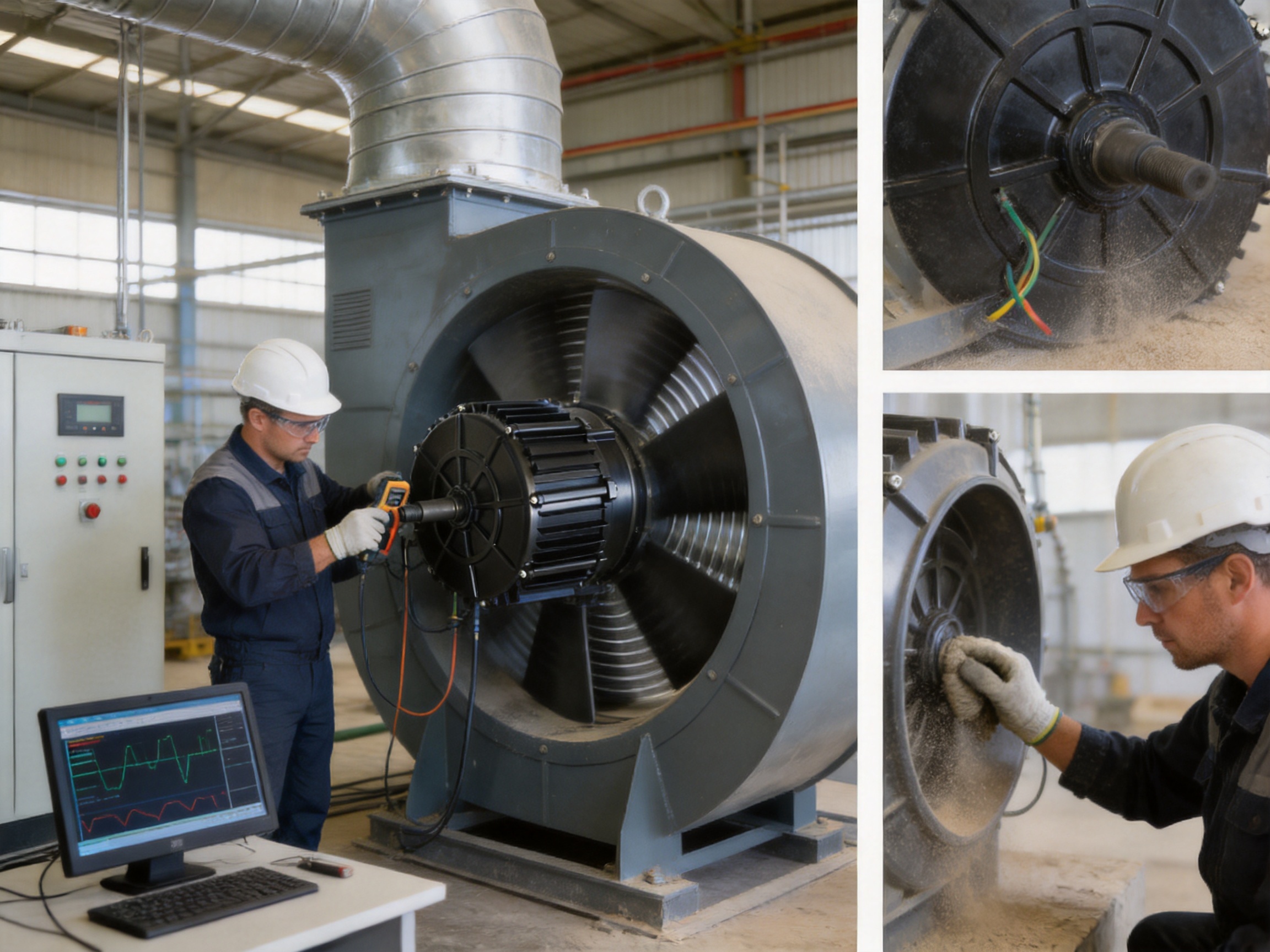
Frequently Asked Questions
What type of motor is the ECF160-1.8 530V 3200W product?
It is an electronically commutated permanent magnet EC motor designed for high-power fan applications. The supplied technical information identifies the product as an EC motor with a rated voltage of 530V and rated power of 3200W.
What model number is associated with the motor?
The product title identifies it as ECF160-1.8, while the description and technical table identify ECSF132D-8-3.2. Because two identifiers are provided, buyers should confirm the exact model number with the supplier before ordering, especially when checking dimensions, wiring, and replacement compatibility.
What does IE4 efficiency mean for a fan application?
IE4 indicates a high-efficiency motor design under the applicable efficiency classification framework. In a fan application, high efficiency can reduce electrical losses and operating costs, particularly when the fan runs for long periods. Actual system savings depend on the motor load, fan design, operating schedule, and control strategy.
Is the motor suitable for continuous operation?
The product description states that it is designed for heavy-load, 24/7 operation. The complete system must still be correctly selected and installed, and the motor must be operated within its specified electrical, thermal, mechanical, and environmental limits.
What does IP55 protection provide?
IP55 generally indicates protection against harmful access and solid foreign objects, together with protection against water jets from various directions. It does not indicate complete dust-tightness or protection against immersion. Actual environmental suitability should be confirmed for the installation site.
What is the benefit of Class F insulation?
Class F insulation provides a defined level of thermal endurance for the motor insulation system. It supports reliable operation under appropriate conditions, but it does not remove the need for correct cooling, load selection, voltage quality, and environmental control.
Does the motor include protection against phase loss?
The product description states that it includes phase loss protection. The exact protection logic, alarm response, reset method, and electrical interface should be confirmed using the model-specific documentation.
Can the motor be monitored remotely?
The product description states that fault feedback is available for remote monitoring. The compatible signal type and connection method should be confirmed before integrating the motor with a programmable logic controller, building management system, or other monitoring platform.
Where can this motor be used?
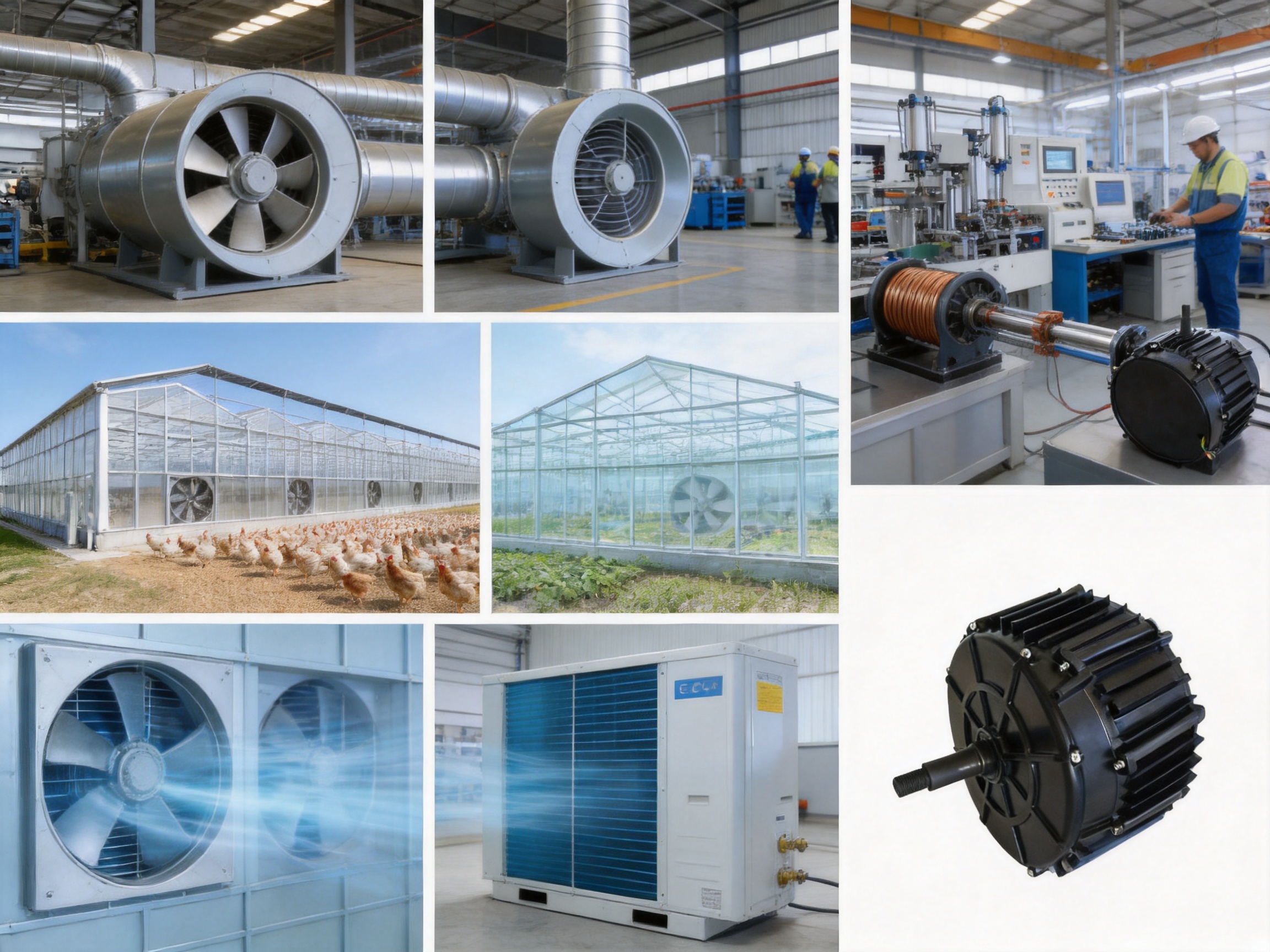
Potential applications include high-power centrifugal fans, industrial ventilation and exhaust, refrigeration cooling equipment, poultry-house ventilation, greenhouse ventilation, air purification systems, and heavy-duty HVAC equipment.
Is the motor suitable for every 530V power supply?
No. Voltage alone is not sufficient for compatibility. The installer should verify frequency, phase configuration, voltage tolerance, grounding, protection, control requirements, and the precise motor nameplate data before connection.
Can the motor be installed in different directions?
The product description states that it supports multi-direction installation. The permitted orientations and any restrictions related to shaft position, cable entry, cooling, drainage, and bearing loading should be confirmed in the installation instructions.
How does this motor compare with a conventional induction motor?
It offers an EC permanent magnet design, stated IE4 efficiency, electronic commutation, phase loss protection, fault feedback, low-vibration construction, and multi-direction installation capability. A conventional induction motor may require separate control and protection equipment. The best choice depends on the fan system, control requirements, cost, and operating conditions.
What information should be supplied when requesting a quotation?
Provide the required voltage, frequency, power, fan type, airflow, static pressure, speed range, mounting dimensions, shaft details, control method, environmental conditions, quantity, delivery location, and any documentation or customization requirements.
Conclusion
The ECF160-1.8 530V 3200W EC Fan Motor is designed for industrial ventilation and cooling equipment that demands efficiency, stable operation, protection, and long service capability. Its permanent magnet EC technology, IE4 efficiency description, 3200W power rating, phase loss protection, fault feedback, low-vibration mechanical structure, IP55 enclosure, Class F insulation, and multi-direction installation capability create a strong value proposition for demanding fan applications.
The product is particularly relevant to high-power centrifugal fans, industrial exhaust, refrigeration cooling, poultry-house ventilation, greenhouse climate control, air purification, and heavy-duty HVAC equipment. Its advantages are most meaningful when the motor is correctly matched to the fan curve and operated through an appropriate control and maintenance strategy.
The manufacturer’s modern facilities, automated production equipment, professional R&D team, quality control systems, technology-oriented development, and international supply experience provide a foundation for consistent product manufacturing and application support. These strengths can be valuable for standard purchases, equipment integration, OEM projects, and customized motor requirements.
Before purchase and installation, customers should confirm the exact model designation, electrical configuration, control interface, mechanical dimensions, environmental limits, and performance documentation. With those details properly verified, this EC motor can serve as an efficient and dependable drive solution for continuous-duty industrial air-moving equipment.
References
1. Product technical information supplied for the ECF160-1.8 530V 3200W EC Fan Motor and model ECSF132D-8-3.2.
2. Company profile and manufacturing information supplied by Shengzhou Jiangxin Motor Technology Co., Ltd.
3. IEC 60034 series, Rotating Electrical Machines: efficiency, rating, performance, and protection principles.
4. IEC 60529, Degrees of Protection Provided by Enclosures, commonly referred to as the IP Code.
5. International motor efficiency classification principles for high-efficiency electric motors.
6. General engineering practices for industrial fan selection, airflow analysis, pressure calculations, motor protection, and preventive maintenance.
Product: ECF160-1.8 530V 3200W EC Fan Motor
 Ready To Customise
Your Motor Products?

We are professional motor manufacturers, delivering powerful, stable, and efficient power cores for all industries through precision craftsmanship and innovation.
Contact Us
-
 Mobile:+86 13575536911
-
 Tel:+86 18357538240
-
 Whatsapp:+8618357538240
-
 Email:betty@dbjxmotor.com
-
 Company Address
Copyright © by Shengzhou Jiangxin Motor Technology Co., Ltd. All Rights Reserved.
Wholesale Industrial Fan Motors Manufacturers
