

 English
 русский
 Español
 عربى

No. 8, Duxiu San Road, Ganlin Town, Shengzhou City, Shaoxing City, Zhejiang Province, China

News Category
Product Category
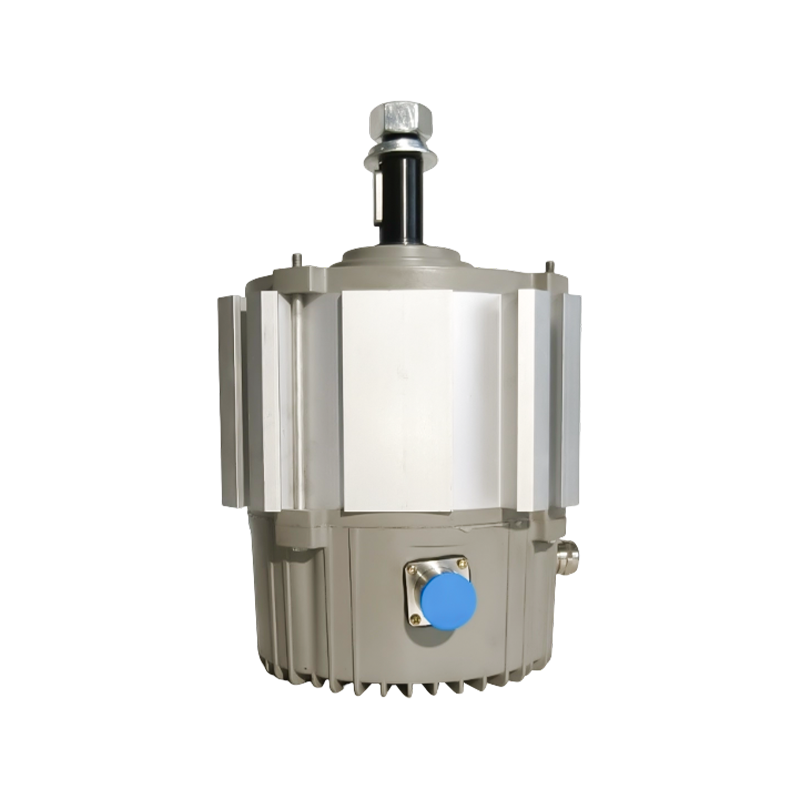
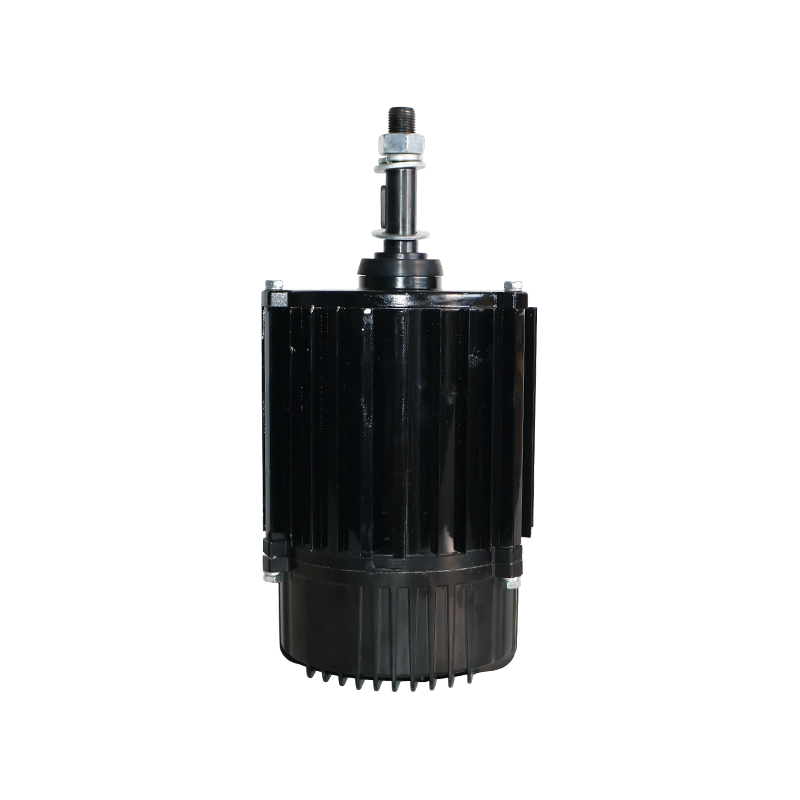
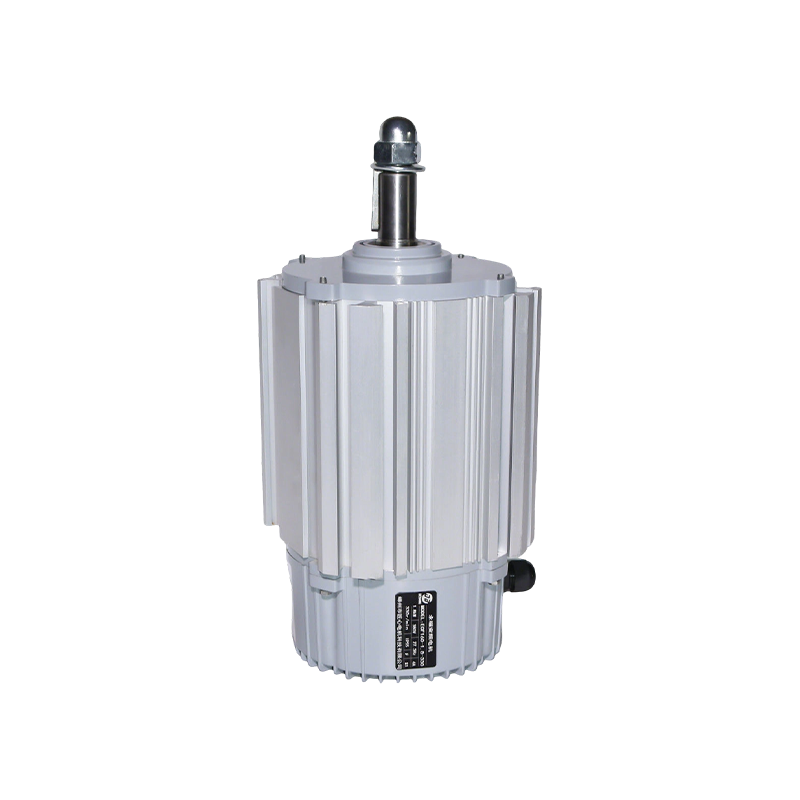
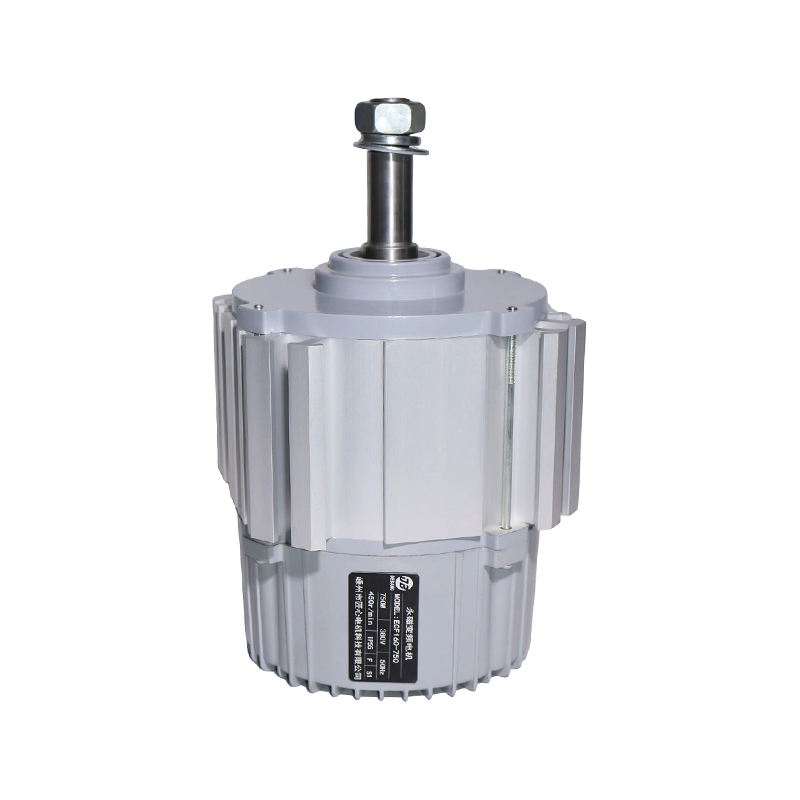
ECF-155-10 380V 2200W EC Fan Motor for Efficient Industrial Air Movement
Content
- 1 Product Overview
- 2 How EC Motor Technology Supports Better Fan Performance
- 3 Integrated Protection for Stable Operation
- 4 Wide Voltage Tolerance and Reliable Industrial Operation
- 5 IP55 Protection for Demanding Equipment Environments
- 6 Class F Insulation and Thermal Reliability
- 7 Application Compatibility
- 8 Manufacturing Strengths of the Supplier
- 9 Why This Motor Can Be a Competitive Choice
- 10 Installation and System Integration Considerations
- 11 Selection Guidance for Equipment Manufacturers
- 12 Frequently Asked Questions
- 12.1 What type of motor is the ECF-155-10?
- 12.2 What applications are suitable for this motor?
- 12.3 Does the motor support both 50Hz and 60Hz systems?
- 12.4 What does the IP55 rating mean?
- 12.5 What protection functions are built into the motor?
- 12.6 What is the benefit of Class F insulation?
- 12.7 Is the ECF-155-10 suitable for continuous operation?
- 12.8 How does an EC motor differ from a conventional fixed-speed motor?
- 12.9 Can the motor be used in a cold storage facility?
- 12.10 Does IP55 make the motor waterproof?
- 12.11 What should be checked before ordering?
- 12.12 What manufacturing strengths support this product?
- 13 Conclusion
- 14 References
- 15 Product: ECF-155-10 380V 2200W EC Fan Motor
The ECF-155-10 380V 2200W EC Fan Motor is designed for demanding air movement applications that require stable operation, dependable protection, efficient control, and long service life. As an electronically commutated motor, it combines the operating reliability of a robust industrial motor with the controllability and energy-saving potential of electronic commutation technology.
With a rated voltage of 380V, output power of 2200W, frequency compatibility of 50/60Hz, IP55 protection, and Class F insulation, this EC motor is suitable for a broad range of commercial, industrial, and environmental control systems. Typical applications include air handling units, cooling towers, cold storage equipment, precision cooling systems, industrial ventilation equipment, and public or commercial building HVAC installations.
The motor is manufactured by Shengzhou Jiangxin Motor Technology Co., Ltd., a professional AC/DC motor and micro motor manufacturer established in 2017. The company combines product research and development, automated production, quality inspection, and customized engineering support to provide dependable motor solutions for customers in numerous international markets.
Compared with many conventional fixed-speed motor solutions, the ECF-155-10 offers an integrated approach to motor protection and system compatibility. Its built-in safeguards help protect against overcurrent, overvoltage, overtemperature, and locked-rotor conditions. Its wide voltage tolerance supports consistent operation when power conditions fluctuate, while its 380V industrial specification makes it suitable for higher-capacity air movement equipment.
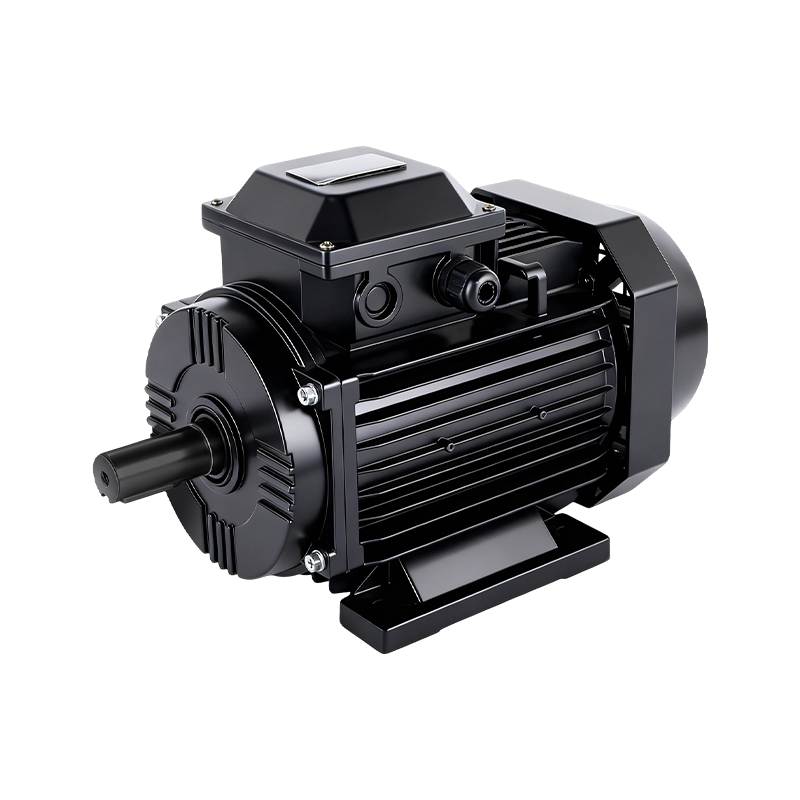
ECF-155-10 380V 2200W EC Fan Motor
Product Overview
The ECF-155-10 is a 2200W EC motor developed for industrial fan and air-handling applications. It is intended to provide dependable rotary power for systems where ventilation performance, cooling stability, and operational continuity are important. The motor’s electronically commutated design supports precise operation and can be integrated into modern equipment that requires efficient fan control.
In many air movement systems, the motor is one of the most important components affecting total energy use, noise, reliability, and maintenance frequency. A motor that is incorrectly matched to the operating environment may experience excess heat, unstable starting, frequent overload trips, or premature bearing and winding wear. The ECF-155-10 is designed with protective functions and industrial-grade construction features intended to reduce these risks.
The 380V rating makes the motor appropriate for industrial electrical systems and larger commercial equipment. The 2200W power rating provides a practical solution for applications requiring more substantial air delivery than small residential or light-duty motors can provide. At the same time, EC technology allows equipment designers to pursue more controlled and efficient operation than is generally available from a basic single-speed motor.
Its IP55 protection grade provides protection against dust ingress that could interfere with normal operation and against water jets from typical directions. Although the installation environment must still be assessed carefully, this protection level is well suited to many indoor industrial, commercial, and semi-protected equipment environments.
Class F insulation provides a thermal insulation system suitable for demanding motor operating conditions. The insulation class is an important factor in determining the motor’s ability to withstand heat generated during continuous or repeated operation. Correct ventilation, load matching, installation, and ambient temperature management remain essential for achieving the best service life.
Key Technical Data
| Product Type | EC Motor |
| Model | ECF-155-10 |
| Rated Voltage | 380V |
| Rated Power | 2200W |
| Frequency | 50/60Hz |
| Protection Grade | IP55 |
| Insulation Class | F |
| Primary Application Category | Industrial and commercial fan systems |
These specifications should be considered together rather than individually. Voltage, power, frequency, protection grade, insulation class, mechanical installation conditions, fan load, and control requirements all influence whether a motor is suitable for a specific application. Equipment manufacturers and system integrators should confirm the complete operating requirements before final selection.
How EC Motor Technology Supports Better Fan Performance
EC stands for electronically commutated. In a conventional brushed DC motor, brushes and a commutator mechanically switch current through the windings. In an electronically commutated motor, the commutation process is managed electronically. This eliminates the need for mechanical brushes and supports a more controlled motor operating process.
For fan applications, the advantage of electronic commutation is not limited to motor starting. EC technology can support more flexible regulation of motor speed and output when the complete fan system is designed for appropriate control. Instead of operating continuously at one fixed speed, the motor may be integrated into a system that adjusts air delivery according to cooling load, pressure requirements, occupancy, temperature, or other operating conditions.
Variable operation can be valuable in ventilation and cooling applications because maximum airflow is not always required. A fan running at a reduced speed may consume significantly less energy than one operating continuously at full output. The actual savings depend on fan design, control method, system resistance, duty cycle, and operating conditions, but the ability to match motor operation more closely with real demand is a major reason EC motors are increasingly used in modern HVAC and industrial air movement equipment.
Electronic commutation also avoids brush wear. In applications where a motor operates for long periods or is installed in a location that is difficult to access, reducing brush-related maintenance can be a meaningful operational benefit. A brushless construction can also help avoid brush dust and mechanical contact wear associated with traditional brushed designs.
The ECF-155-10 is therefore more than a simple replacement power source for a fan. It is a motor platform intended for equipment manufacturers and system designers who need dependable operation, electrical protection, and compatibility with modern energy-conscious air movement systems.
Potential Advantages Compared with Conventional Fixed-Speed Motors
One important advantage is operating flexibility. A fixed-speed motor may run at one nominal speed regardless of the actual cooling or ventilation requirement. An EC motor can be incorporated into a control architecture that allows the air output to be adjusted more precisely.
A second advantage is the integration of protective functions. Conventional motor installations may require separate protective components and external control arrangements. The ECF-155-10 includes safeguards against overcurrent, overvoltage, overtemperature, and locked-rotor conditions. Integrated protection can simplify system planning and help reduce the risk of damage caused by abnormal operating conditions.
A third advantage is compatibility with modern commercial and industrial equipment. Air handling units, cooling towers, cold storage installations, precision cooling systems, and public building ventilation systems increasingly require better energy management and more stable operation. The ECF-155-10 is designed around these requirements rather than around a simple single-purpose motor concept.
A fourth advantage is reduced maintenance associated with brush replacement. The exact maintenance schedule remains dependent on bearings, environment, load, and operating hours, but brushless electronic commutation removes one common wear item found in brushed motor designs.
Finally, the 380V, 2200W configuration provides a practical capacity range for substantial fan equipment. It is more suitable for many industrial and commercial applications than small low-voltage motors, while retaining the controllability associated with EC technology.
Integrated Protection for Stable Operation
Industrial fan motors often operate in environments where electrical and mechanical conditions are not perfectly constant. Voltage fluctuations, high ambient temperatures, blocked fan blades, excessive system resistance, and unexpected starting conditions can all place stress on a motor. The ECF-155-10 addresses several of these conditions with built-in protective functions.
Overcurrent Protection
Overcurrent may occur when a fan is overloaded, when the mechanical assembly is obstructed, or when an electrical fault causes excessive current flow. If the condition continues, winding temperature can rise and electrical components may be damaged. An overcurrent safeguard helps the motor respond to abnormal current conditions and supports safer operation.
Protection does not eliminate the need for proper system design. The fan wheel must be correctly balanced, the rotating assembly must be free from obstruction, and electrical connections must be completed according to applicable requirements. However, built-in protection provides an additional layer of security when unforeseen operating conditions occur.
Overvoltage Protection
Electrical supply conditions may vary between facilities and regions. Transient or sustained voltage abnormalities can place stress on electronic components and motor windings. Overvoltage protection helps reduce the likelihood that an abnormal supply condition will immediately damage the motor’s electronic control system.
The stated 380V rating should always be respected, and the installation should include suitable electrical distribution and protection equipment. The motor’s voltage tolerance supports reliable operation within its intended range, but it should not be treated as permission to connect the motor to an unsuitable power supply.
Overtemperature Protection
High temperature is one of the most common causes of motor deterioration. Heat may result from excessive load, poor ventilation, high ambient temperature, blocked air passages, frequent starting, or incorrect installation. An overtemperature safeguard can help protect the motor when internal temperature rises beyond a safe operating condition.
Class F insulation contributes to thermal endurance, while overtemperature protection provides an active response to abnormal heat. Together, these characteristics support reliable operation in demanding environments. For best results, the motor should still be installed with sufficient clearance and should not be surrounded by materials that prevent heat dissipation.
Locked-Rotor Protection
A locked rotor condition occurs when the motor is energized but the rotating assembly cannot turn normally. This may happen because of a foreign object, a seized bearing, a damaged fan wheel, ice accumulation, or an installation problem. A locked rotor can cause rapid current increase and heat generation.
The integrated locked-rotor safeguard helps reduce the risk associated with this type of fault. It is especially useful in systems exposed to dust, moisture, temperature changes, or intermittent mechanical obstruction. However, any locked-rotor event should be investigated and corrected before the equipment is returned to continuous operation.
Wide Voltage Tolerance and Reliable Industrial Operation
Stable motor operation is important in regions where industrial power supplies may experience fluctuations. A motor that responds poorly to voltage variation may experience unstable speed, nuisance shutdowns, excessive heat, or reduced service life. The ECF-155-10 is designed with wide voltage tolerance to support consistent performance under fluctuating power conditions within its intended electrical range.
This feature can be particularly valuable in commercial buildings, industrial plants, remote facilities, and large equipment installations where the power network is affected by multiple high-load devices. Motors, compressors, heaters, pumps, and other equipment may operate simultaneously, creating changes in the electrical environment.
Wide voltage tolerance should be viewed as a reliability advantage rather than a substitute for electrical engineering. Proper circuit sizing, grounding, isolation, switching equipment, and protective devices remain necessary. The motor should be installed by qualified personnel and operated according to the applicable electrical standards of the installation location.
The 50/60Hz frequency specification also supports use in electrical markets where either common frequency is required. This helps equipment manufacturers develop product configurations for different countries and regions without necessarily changing the motor platform for every market.
IP55 Protection for Demanding Equipment Environments
The IP55 protection grade is an important feature for industrial and commercial fan motors. The first digit, 5, indicates protection against dust that could interfere with satisfactory operation. The second digit, 5, indicates protection against water jets from any direction under standardized test conditions.
In practical terms, IP55 construction can help protect the motor from common environmental exposure such as airborne dust, light industrial contamination, and water spray during routine cleaning or nearby equipment operation. This makes it a suitable specification for many protected indoor areas, mechanical rooms, air-handling equipment enclosures, cooling system installations, and industrial ventilation applications.
IP55 does not mean that the motor is suitable for immersion, direct exposure to heavy rain, high-pressure washing, corrosive chemicals, or every outdoor environment. Equipment designers must consider the complete enclosure, cable entry, mounting position, drainage, condensation, and local environmental conditions.
For installations in cold storage or low-temperature environments, condensation management is especially important. Temperature cycling may cause moisture to form when equipment is stopped or when warm air enters a cold area. Appropriate system design and installation practices help preserve the effectiveness of the motor’s protection features.
Class F Insulation and Thermal Reliability
The insulation system separates the electrical conductors and protects the windings from short circuits and electrical breakdown. Class F insulation is designed for a higher thermal capability than basic insulation classes commonly used in light-duty equipment.
Thermal performance is influenced by many factors, including ambient temperature, motor load, airflow around the housing, switching frequency, duty cycle, supply conditions, and internal heat dissipation. The ECF-155-10’s Class F insulation provides an important foundation for reliable operation, but the motor must still be operated within its intended limits.
When a motor is installed in an air handling unit or fan enclosure, surrounding components should not obstruct heat release. Accumulated dust should be removed according to the equipment maintenance schedule. Electrical terminals should be checked for secure connections, because loose connections may generate heat and cause unstable operation.
For system manufacturers, the insulation class provides additional design confidence when developing equipment for long operating cycles. It can also help support the motor’s use in applications where ambient conditions and load levels vary during the day.
Application Compatibility
Air Handling Units
Air handling units require dependable motors because they may operate continuously to circulate, filter, heat, cool, or condition air. An EC motor can help an air handling unit respond more closely to building requirements. During periods of low occupancy or reduced thermal demand, the motor may be controlled for lower airflow, while higher output can be available when ventilation or cooling requirements increase.
The ECF-155-10 is suitable for air handling equipment that requires a 380V, 2200W motor and compatible mechanical and control arrangements. The final system design should confirm fan diameter, mounting method, rotational direction, airflow requirements, static pressure, and control interface.
Cooling Towers
Cooling towers depend on airflow to reject heat from circulating water. A motor used in this environment may encounter moisture, temperature variation, and long operating periods. IP55 protection and integrated electrical safeguards can support dependable operation when the motor is correctly mounted and protected from unsuitable direct exposure.
Cooling tower designers should also evaluate corrosion risks, spray patterns, water treatment chemicals, and the motor’s position relative to the tower. Proper drainage and equipment enclosure design are important for maintaining motor reliability.
Cold Storage and Refrigerated Facilities
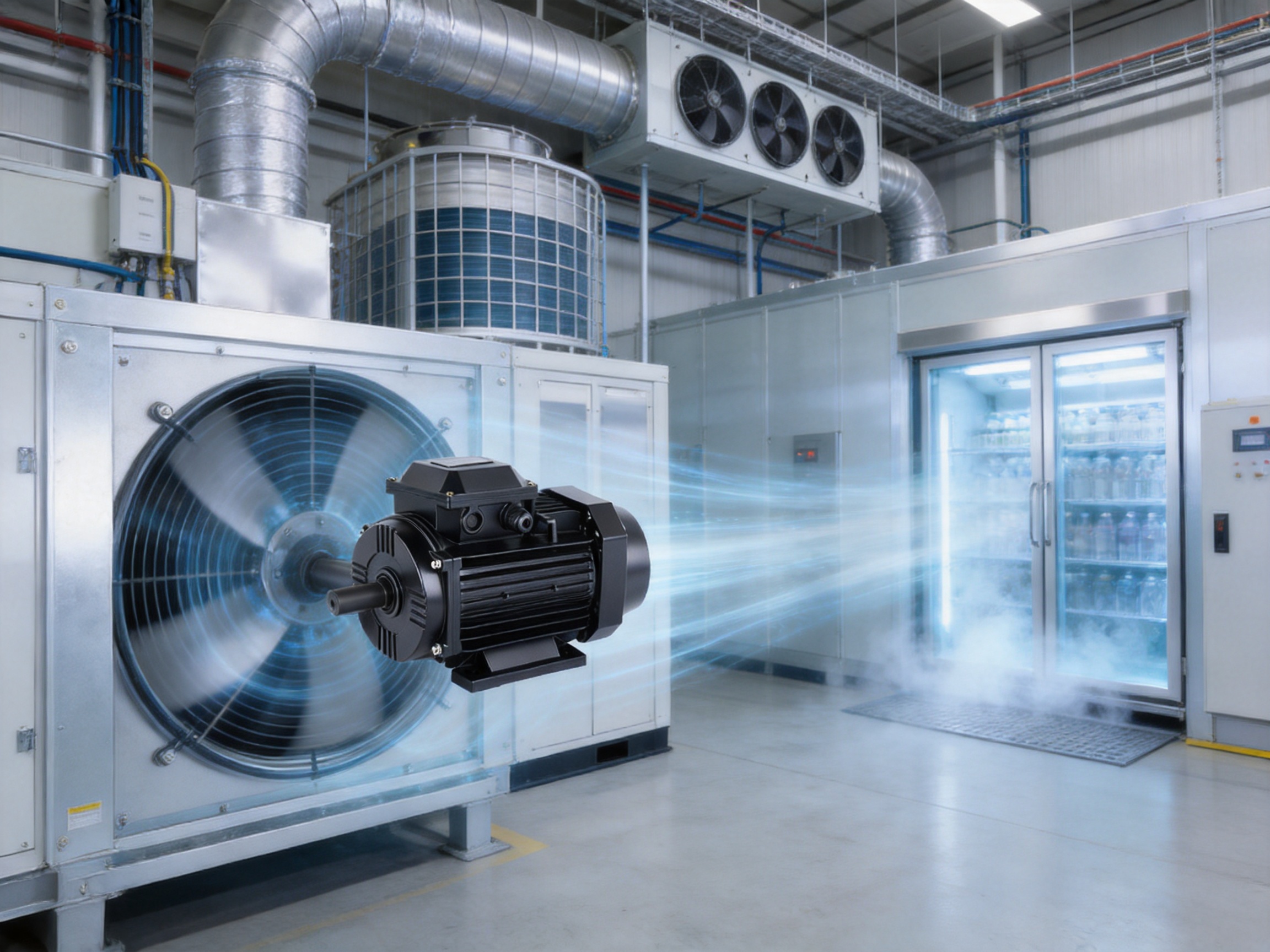
Cold storage facilities require stable air circulation to help maintain temperature uniformity and product quality. Motors used in these systems may experience low ambient temperatures, condensation, frequent cycling, or ice-related obstructions. The ECF-155-10 can be considered for cold storage fan applications where its power, voltage, protection, and environmental requirements match the equipment design.
System integrators should pay particular attention to starting conditions, low-temperature lubrication, wiring insulation, condensation control, and fan blade clearance. A motor’s protective functions are most effective when combined with a carefully engineered cold-storage system.
Precision Cooling
Precision cooling systems are used in environments where temperature and airflow must remain stable. Examples include technical rooms, equipment rooms, process spaces, and specialized commercial facilities. In these systems, sudden airflow changes or motor failure may have significant consequences.
The ability to operate consistently and respond to abnormal conditions makes an EC motor a suitable candidate for precision cooling equipment. The ECF-155-10 can support such applications when the system designer confirms the required speed range, control method, redundancy arrangement, and airflow performance.
Industrial Ventilation
Industrial ventilation systems remove heat, fumes, airborne contaminants, and excess moisture. These systems often operate for long periods and may be installed in environments with dust or variable temperatures. The ECF-155-10’s IP55 protection, Class F insulation, and built-in safeguards support its consideration for industrial ventilation equipment.
The motor should not be selected solely by power rating. The fan curve, system static pressure, duct resistance, air density, operating temperature, and required duty cycle must all be evaluated. Correct matching prevents unnecessary overload and helps the motor operate closer to its intended efficiency range.
Public and Commercial Buildings
Public and commercial buildings require ventilation equipment that balances comfort, air quality, energy consumption, and maintenance. Office buildings, retail facilities, schools, hospitals, transportation facilities, and other public spaces may use air movement equipment for fresh air supply, exhaust, smoke control, or temperature management.
An EC motor can support more responsive ventilation control and may help reduce energy waste when airflow demand changes. The ECF-155-10 is appropriate for commercial systems that require its 380V input and 2200W output capacity, subject to local codes and complete equipment verification.
Manufacturing Strengths of the Supplier
Shengzhou Jiangxin Motor Technology Co., Ltd. was established in 2017 and specializes in the research, development, production, and sales of AC/DC motors and micro motors. The company’s product range includes evaporative air cooler motors, industrial heater motors, oil pump motors, EC fan motors, and customized motor solutions.
The company is located in Shengzhou, Zhejiang Province, within the Yangtze River Delta industrial region. This location provides access to established manufacturing resources, supply-chain support, engineering talent, transportation networks, and related electrical and mechanical industries.
Research and Development Capability
Motor performance depends on careful design of the electromagnetic circuit, rotor and stator structure, winding arrangement, insulation system, bearings, control electronics, housing, and thermal management. A professional research and development team can evaluate these factors together rather than treating the motor as an isolated component.
For the ECF-155-10, development priorities include stable output, protective operation, compatibility with 380V systems, resistance to environmental exposure, and suitability for fan applications. Product development can also address customer-specific requirements involving mounting, wiring, control, packaging, and application conditions.
The company has been recognized as a provincial-level technology enterprise. This recognition reflects a focus on technical development and innovation within its manufacturing activities. For international buyers, a technology-oriented supplier can provide more value than a factory focused only on basic assembly, particularly when the project requires customization or application support.
Modern Production Facilities
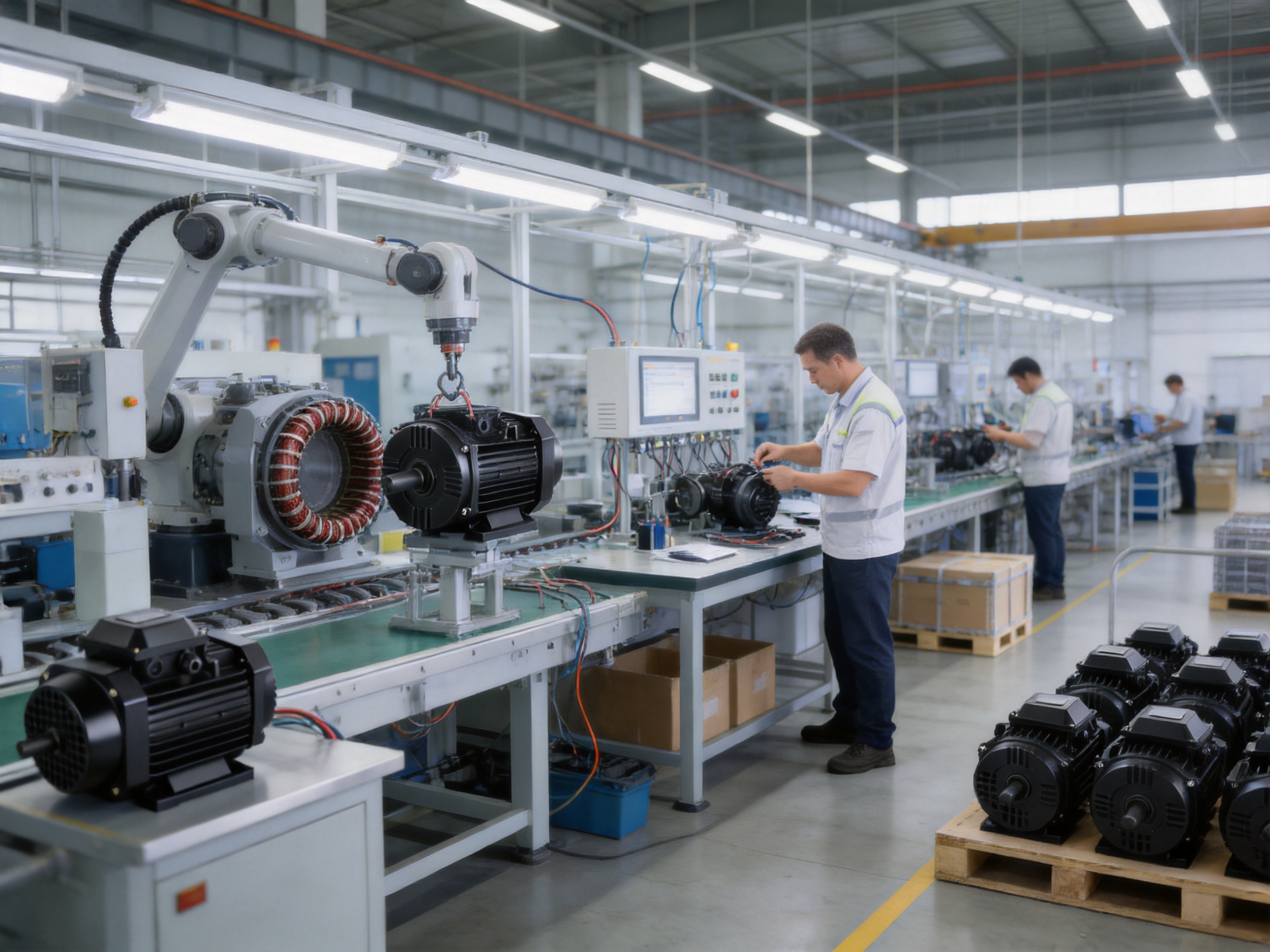
Modern production facilities help improve consistency across repeated motor batches. Controlled production areas, standardized work instructions, specialized winding equipment, assembly fixtures, and automated processes can reduce variation between units.
Automation is especially useful in processes where accuracy and repeatability are important. Consistent winding placement, connection quality, rotor assembly, fastening, and electrical testing all contribute to stable motor performance. Automated equipment can also improve production efficiency and support larger-volume customer orders.
A modern factory environment does not replace engineering judgment or quality inspection. Instead, it creates a controlled foundation that allows technicians and engineers to manage critical production variables more effectively.
Quality Control System
Quality control should begin with incoming materials and continue through production, assembly, testing, and final shipment. Key material categories may include magnetic steel, copper wire, permanent magnetic components, insulation materials, bearings, housings, electronic control components, terminals, connectors, and protective parts.
During production, inspection can focus on winding quality, insulation integrity, electrical connections, mechanical alignment, rotor balance, fastening torque, and housing condition. Final testing may evaluate electrical performance, operating stability, abnormal-condition response, noise, vibration, and overall appearance according to the product’s quality requirements.
For an EC fan motor, electronic protection functions are particularly important. A reliable quality program should verify that the motor responds appropriately to overcurrent, overvoltage, overtemperature, and locked-rotor conditions. Test procedures should be controlled and documented so that production results remain consistent.
Strong quality control benefits both the manufacturer and the buyer. It helps reduce field failures, lowers warranty risk, simplifies equipment commissioning, and supports more predictable maintenance planning.
Customization and Engineering Support
Different fan systems often require different motor dimensions, mounting structures, shaft configurations, wiring arrangements, speed control methods, and environmental adaptations. A supplier with customization capability can work with equipment manufacturers to adjust the motor solution to a specific system rather than forcing every application into a standard configuration.
Customization may involve electrical specifications, mechanical interfaces, connectors, cable length, protective settings, housing design, labels, packaging, or application-specific testing. Any modification should be evaluated carefully to ensure that it does not compromise safety, thermal performance, protection grade, or regulatory compliance.
Engineering support is also valuable during product selection. Buyers may need assistance comparing power requirements, confirming installation dimensions, evaluating fan loads, or determining whether a motor is appropriate for continuous operation. A technically capable supplier can help identify potential issues before mass production or field installation.
International Market Experience
The company’s products are exported to more than 60 countries and regions. International experience requires attention to different voltage systems, frequency requirements, packaging expectations, documentation practices, import procedures, and customer quality standards.
The ECF-155-10 supports 50/60Hz operation, which is useful for serving multiple electrical markets. However, every project should still verify local requirements, including electrical safety, electromagnetic compatibility, energy efficiency, labeling, and installation regulations.
Experience with international customers can also improve communication regarding sample approval, production scheduling, inspection, shipping preparation, and after-sales support. These factors are important when the motor is being integrated into equipment that will be sold across several markets.
Why This Motor Can Be a Competitive Choice
The ECF-155-10 competes not only on rated power but also on its combination of operating protection, industrial compatibility, environmental resistance, and manufacturing support. A lower-cost motor may appear attractive at the purchasing stage, but the total cost of ownership can be affected by energy use, maintenance, downtime, replacement frequency, installation complexity, and system integration.
Its first competitive advantage is the integrated protection package. Overcurrent, overvoltage, overtemperature, and locked-rotor safeguards address several common causes of motor damage. This can reduce dependence on separate protective arrangements and help equipment designers create a more compact and coordinated system.
Its second advantage is EC technology. Electronically commutated operation is suitable for systems that require improved regulation and demand-based airflow. It provides a modern alternative to fixed-speed solutions, especially where ventilation output changes throughout the day.
Its third advantage is the 380V, 2200W specification. This rating is appropriate for a range of substantial industrial and commercial fan applications. The motor is not limited to small appliance use and can be integrated into larger air-handling equipment when the fan load and mechanical design are compatible.
Its fourth advantage is the IP55 protection grade and Class F insulation. These characteristics provide a stronger foundation for operation in industrial environments than a motor designed only for clean, dry, light-duty indoor use.
Its fifth advantage is supplier capability. Research and development, automated production equipment, quality control, and export experience can provide greater confidence for original equipment manufacturers, distributors, and engineering contractors.
Installation and System Integration Considerations
Correct installation is essential for achieving reliable motor performance. Before installation, the buyer should verify voltage, frequency, rated power, mounting dimensions, shaft or rotor interface, fan compatibility, rotation requirements, control method, cable arrangement, and ambient conditions.
The motor should be mounted on a rigid and stable structure. Excessive vibration can affect bearings, fasteners, electrical connections, and fan balance. The fan assembly should be inspected for mechanical interference and should rotate freely by hand when the equipment is de-energized.
Electrical connections must be completed according to the motor documentation and applicable local regulations. The supply voltage should be confirmed before energizing the motor. Grounding and protective devices must be installed correctly, and cables should be selected for the expected current, temperature, mechanical exposure, and installation method.
Airflow around the motor should be sufficient to prevent unnecessary heat accumulation. The installation should not place the motor directly beside a high-temperature source unless the total system has been designed for that condition. Dust, moisture, chemicals, and condensation should be evaluated in relation to the IP55 rating.
During commissioning, technicians should observe startup behavior, rotation direction, vibration, noise, current, temperature rise, and fan performance. Any unusual sound, excessive vibration, unstable operation, or repeated protective shutdown should be investigated before continuous use.
Maintenance Recommendations
Maintenance requirements depend on operating hours, environment, load, and system design. Routine inspection may include cleaning external surfaces, checking air passages, inspecting cable connections, confirming mounting security, examining fan balance, and monitoring vibration or noise.
In dusty environments, accumulated contamination can reduce heat dissipation and affect fan performance. In humid or cold environments, signs of condensation or corrosion should be addressed promptly. If the motor repeatedly reaches a protection limit, the cause should be corrected rather than repeatedly resetting the equipment.
Bearings and mechanical components should be maintained according to the applicable equipment instructions. Although electronic commutation removes brush replacement from the maintenance schedule, it does not eliminate all mechanical wear. The fan wheel, bearings, mounting structure, and surrounding equipment still require appropriate inspection.
Selection Guidance for Equipment Manufacturers
When selecting the ECF-155-10, equipment manufacturers should begin with the required airflow and static pressure. The fan curve should be reviewed to determine whether the motor’s 2200W capacity is appropriate at the desired operating point.
The next step is to confirm the electrical system. The available supply must be compatible with 380V operation and 50/60Hz frequency requirements. The control architecture should be reviewed to ensure that the motor and the equipment controller communicate or operate in the intended manner.
Environmental factors should then be evaluated. These include ambient temperature, dust concentration, humidity, water exposure, corrosive substances, altitude, installation orientation, and available ventilation. The IP55 rating and Class F insulation provide useful protection, but the complete system must remain within its design conditions.
Mechanical compatibility is equally important. The mounting arrangement, rotating interface, fan wheel, balance, clearance, and load profile must be confirmed. A motor that is electrically suitable but mechanically mismatched may still suffer from vibration, overheating, or inadequate airflow.
Finally, buyers should consider supply consistency, quality documentation, packaging, lead time, customization requirements, and technical service. These factors can have a major effect on the success of a long-term equipment program.
Frequently Asked Questions
What type of motor is the ECF-155-10?
The ECF-155-10 is an electronically commutated motor designed for fan and air movement applications. It has a rated voltage of 380V and a rated power of 2200W.
What applications are suitable for this motor?
The motor is suitable for air handling units, cooling towers, cold storage, precision cooling, industrial ventilation, and public or commercial building systems. Final suitability depends on the fan load, electrical system, mounting arrangement, environmental conditions, and control requirements.
Does the motor support both 50Hz and 60Hz systems?
Yes. The specified frequency is 50/60Hz. The complete installation should still be checked to ensure that voltage, control method, and local electrical requirements are compatible.
What does the IP55 rating mean?
IP55 indicates protection against dust that could interfere with normal operation and protection against water jets from any direction under standardized test conditions. It does not indicate suitability for immersion or every type of outdoor or corrosive environment.
What protection functions are built into the motor?
The motor includes safeguards against overcurrent, overvoltage, overtemperature, and locked-rotor conditions. These functions help protect the motor during abnormal operating conditions, but correct installation and system maintenance are still required.
What is the benefit of Class F insulation?
Class F insulation provides a higher thermal capability suitable for demanding motor operation. It helps the winding insulation withstand heat, although actual service life also depends on load, ambient temperature, cooling, voltage quality, and maintenance.
Is the ECF-155-10 suitable for continuous operation?
It is designed for industrial and commercial fan applications that may require stable operation over extended periods. Continuous-duty suitability must be confirmed against the actual load, ambient temperature, ventilation, fan curve, and equipment design.
How does an EC motor differ from a conventional fixed-speed motor?
An EC motor uses electronic commutation and can be integrated into a control system for more flexible speed and airflow management. This may support better matching between fan output and actual system demand. The exact energy benefit depends on the complete fan and control system.
Can the motor be used in a cold storage facility?
It may be suitable for cold storage applications when the power, load, temperature range, mounting, condensation control, and fan design match the motor’s requirements. Low-temperature starting, moisture, ice accumulation, and cable selection should be evaluated before installation.
Does IP55 make the motor waterproof?
No. IP55 provides defined protection against dust and water jets, but it does not mean the motor can be submerged or exposed to every form of water, high-pressure cleaning, or severe weather. The installation environment must be assessed carefully.
What should be checked before ordering?
Buyers should confirm voltage, frequency, power, fan load, airflow, static pressure, mounting dimensions, rotating interface, control requirements, ambient temperature, protection needs, cable configuration, quantity, packaging, and any customization requirements.
What manufacturing strengths support this product?
Shengzhou Jiangxin Motor Technology Co., Ltd. operates with professional research and development capabilities, modern production facilities, automated equipment, quality control systems, and international export experience. The company also provides AC/DC motors, micro motors, and customized motor solutions.
Conclusion
The ECF-155-10 380V 2200W EC Fan Motor is a strong solution for industrial and commercial air movement equipment that requires dependable operation, integrated protection, and modern control compatibility. Its 380V electrical specification, 2200W output, 50/60Hz frequency support, IP55 protection grade, and Class F insulation make it suitable for a broad range of demanding applications.
Its most important advantages include electronically commutated operation, built-in safeguards against common electrical and mechanical faults, wide voltage tolerance, and compatibility with systems such as air handling units, cooling towers, cold storage equipment, precision cooling, industrial ventilation, and public buildings.
The product is supported by the manufacturing capabilities of Shengzhou Jiangxin Motor Technology Co., Ltd. The company’s research and development team, modern facilities, automated production equipment, quality systems, customized engineering services, and experience exporting to more than 60 countries and regions provide a strong foundation for global supply.
For equipment manufacturers, distributors, and engineering contractors, the ECF-155-10 should be evaluated as part of a complete system. Confirming the fan curve, electrical supply, control architecture, mounting arrangement, environmental conditions, and maintenance requirements will help ensure reliable performance. When correctly selected and installed, this EC fan motor can provide a practical balance of power, protection, controllability, and long-term operating value.
References
1. Product specification information for ECF-155-10 380V 2200W EC Fan Motor.
2. General principles of electronically commutated motor operation and fan speed control.
3. International Protection Marking principles for electrical enclosures and IP55-rated equipment.
4. General motor insulation classification principles, including Class F thermal insulation systems.
5. Industrial ventilation and air-handling equipment design and maintenance practices.
6. Manufacturer information concerning AC/DC motor research, production, quality control, and international supply.
Product: ECF-155-10 380V 2200W EC Fan Motor
 Ready To Customise
Your Motor Products?

We are professional motor manufacturers, delivering powerful, stable, and efficient power cores for all industries through precision craftsmanship and innovation.
Contact Us
-
 Mobile:+86 13575536911
-
 Tel:+86 18357538240
-
 Whatsapp:+8618357538240
-
 Email:betty@dbjxmotor.com
-
 Company Address
Copyright © by Shengzhou Jiangxin Motor Technology Co., Ltd. All Rights Reserved.
Wholesale Industrial Fan Motors Manufacturers
