

 English
 русский
 Español
 عربى
عربى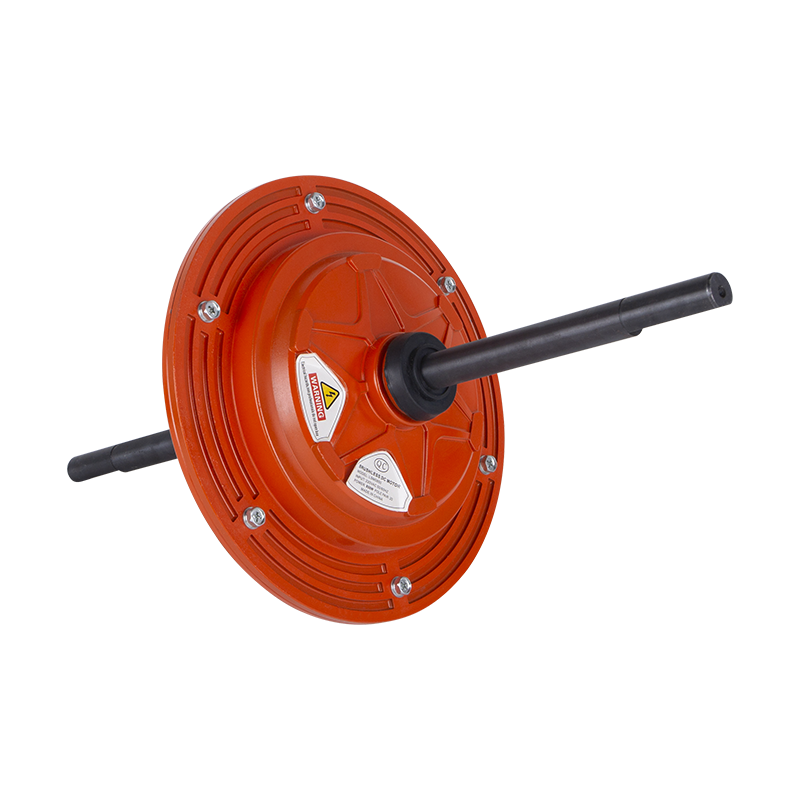
No. 8, Duxiu San Road, Ganlin Town, Shengzhou City, Shaoxing City, Zhejiang Province, China

News Category
Product Category
220V 850W External BLDC Air Cooler Motor for High-Power, Efficient, and Durable Cooling Systems
Content
- 1 Product Overview: A High-Power BLDC Solution for Air Cooler Systems
- 2 Core Specifications and Functional Highlights
- 3 Why External BLDC Technology Matters in Air Cooler Motors
- 4 External Rotor Structure: High Torque and Smooth Direct Drive
- 5 Energy Efficiency and Operating Cost Advantages
- 6 Lower Maintenance Through Brushless Construction
- 7 Smooth Speed Regulation and Comfort-Oriented Operation
- 8 Environmental Adaptability for Demanding Conditions
- 9 Advantages Over Conventional Competitor Motor Solutions
- 10 Application Scenarios for the DC149 Motor
- 11 Manufacturing Strength Behind the Motor
- 12 Advanced Production Processes Supporting Product Reliability
- 13 Company Strengths That Add Value for Customers
- 14 Design Value for OEM Equipment Manufacturers
- 15 Total Cost of Ownership: Why the Motor Choice Matters
- 16 Technical Considerations for Proper Integration
- 17 Quality, Reliability, and Market Competitiveness
- 18 Q&A Section
- 18.1 Q1: What type of product is the DC149 220V 850W motor?
- 18.2 Q2: What is the main power specification of this motor?
- 18.3 Q3: Why is BLDC technology better than brushed motor technology for air coolers?
- 18.4 Q4: What are the benefits of the external rotor structure?
- 18.5 Q5: How efficient is the DC149 motor?
- 18.6 Q6: How much electricity can it save compared with traditional motors?
- 18.7 Q7: Is the motor suitable for continuous industrial operation?
- 18.8 Q8: What is the expected service life?
- 18.9 Q9: Does the motor support variable speed control?
- 18.10 Q10: What do soft start and soft stop functions do?
- 18.11 Q11: What environments can the motor handle?
- 18.12 Q12: Why is the manufacturer’s production capability important?
- 19 Conclusion
- 20 References
- 21 Product: DC149 220V 850W External BLDC Air Cooler Motor
In modern industrial and commercial cooling applications, the motor is no longer a simple rotating component hidden inside a machine. It is the core power unit that determines airflow stability, energy consumption, noise level, maintenance frequency, and long-term equipment reliability. For large evaporative air coolers, workshop ventilation systems, commercial cooling units, and high-air-volume fan assemblies, the demand for a stronger, more efficient, and more intelligent motor has grown rapidly. The DC149 220V 850W External BLDC Air Cooler Motor is designed to answer that demand with a high-output brushless direct current solution that combines mains direct drive convenience, external rotor torque performance, long service life, and smooth speed control.
As an external BLDC air cooler motor, the DC149 is developed for high-power air cooler applications that require continuous operation under demanding conditions. Its 220V direct mains drive design makes integration more convenient for equipment manufacturers and system builders, while its 850W power output provides the strength needed for large fan loads. Unlike traditional brushed motors or many conventional AC induction motor arrangements, this motor uses advanced brushless technology to deliver high efficiency, reduced wear, stable operation, and improved energy savings across long operating periods.
The product is especially suitable for industrial workshops, commercial halls, agricultural facilities, warehouses, environmental protection equipment, and other places where air coolers may operate for many hours every day. In such environments, a motor must not only start reliably and deliver sufficient torque, but also resist heat, humidity, dust, vibration, and continuous mechanical stress. The DC149 addresses these requirements through a durable external rotor structure, efficient air-cooling design, brushless construction, and a versatile standard mounting base that simplifies installation.
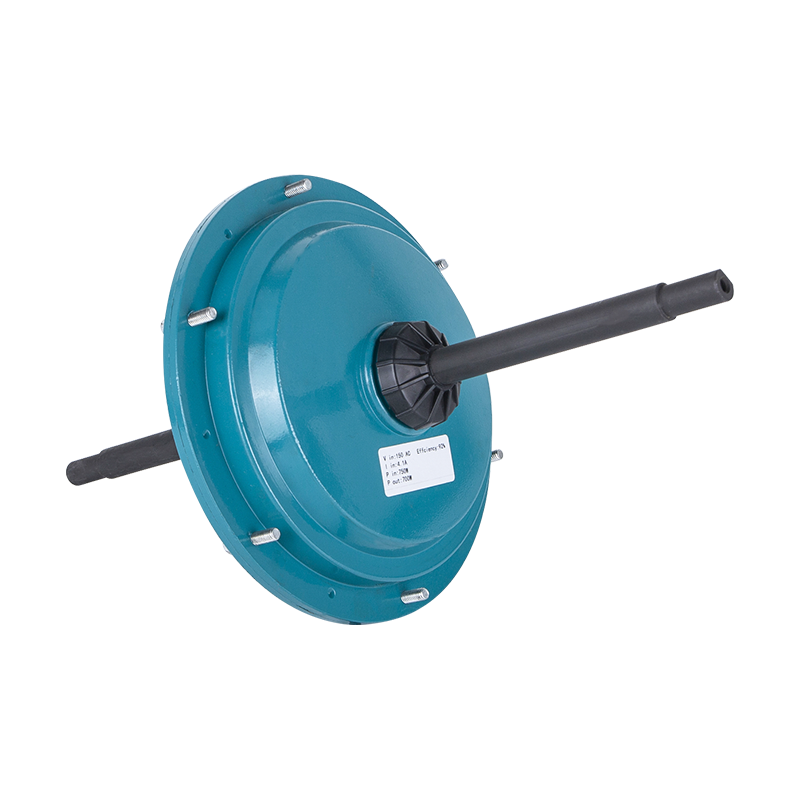
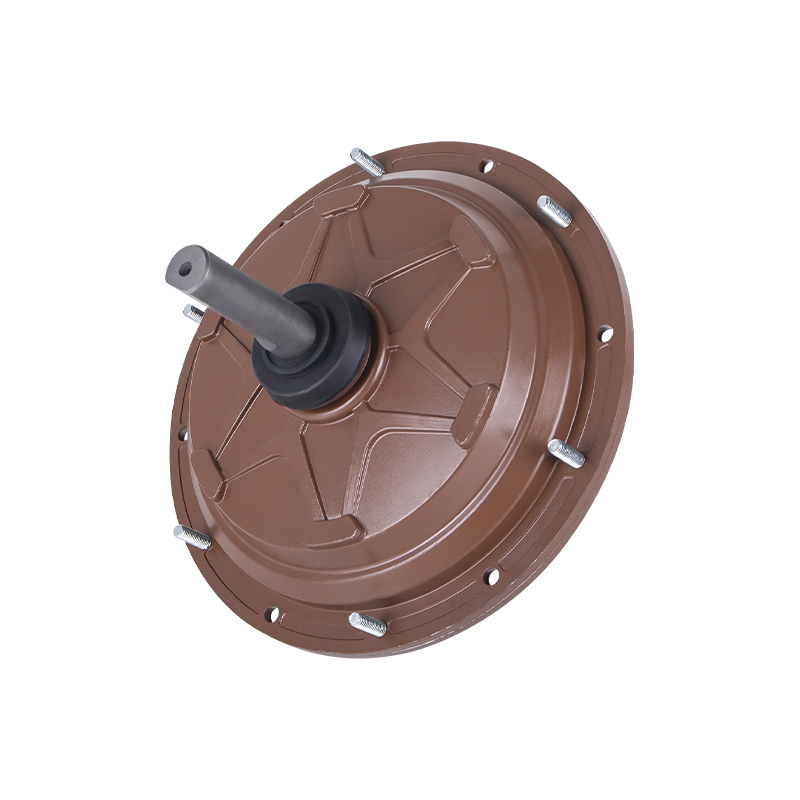
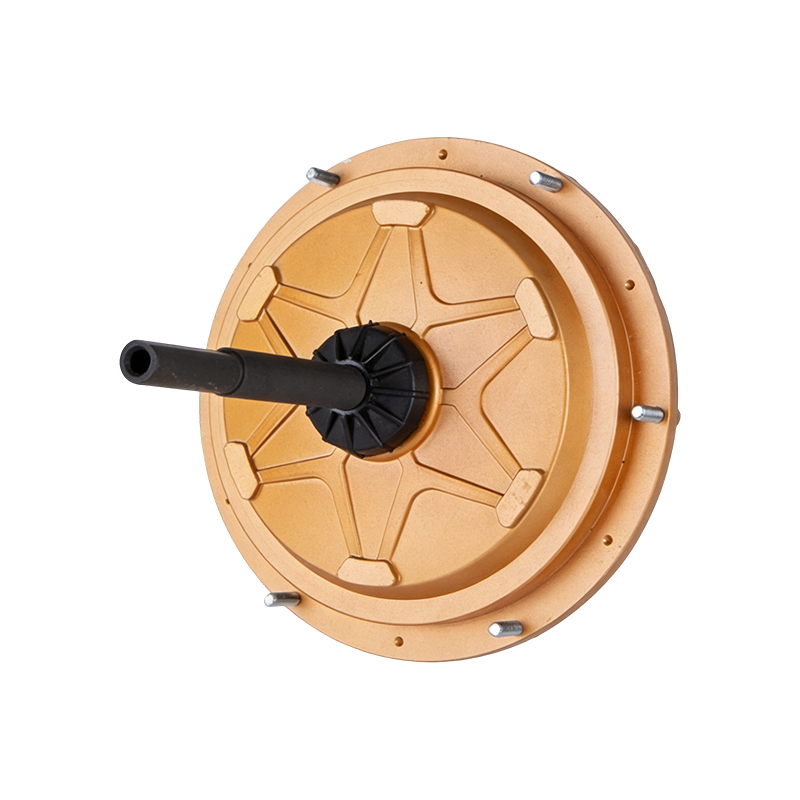
DC149 220V 850W External BLDC Air Cooler Motor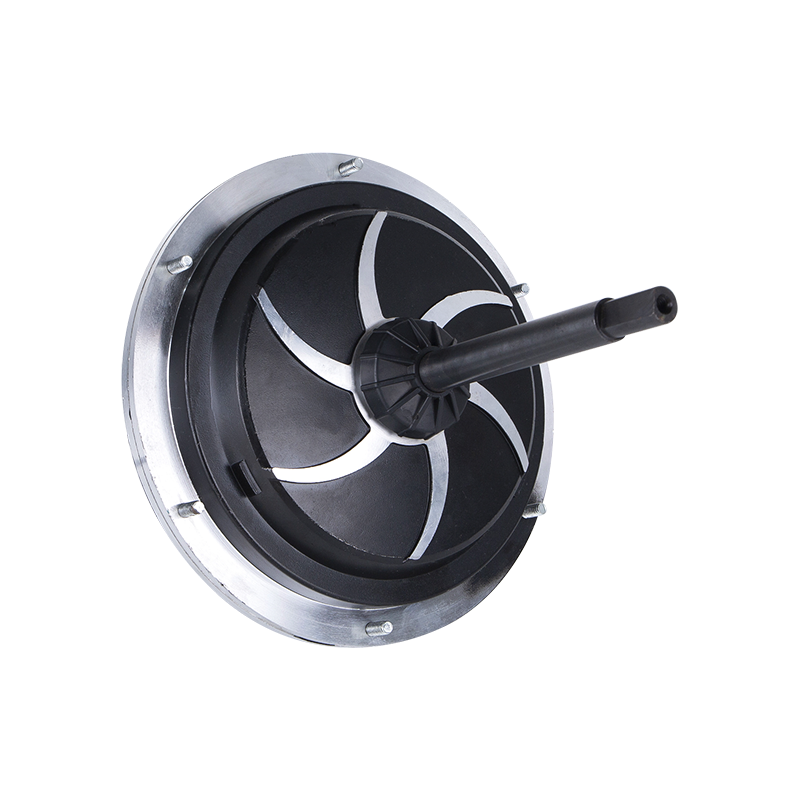
Product Overview: A High-Power BLDC Solution for Air Cooler Systems
The DC149 220V 850W External BLDC Air Cooler Motor belongs to the category of external BLDC air cooler motors. It is engineered specifically for high-power evaporative air cooler systems and fan-driven cooling equipment. Its main specification is 220V/850W, a combination that makes it suitable for large airflow requirements while maintaining a practical power supply configuration for many commercial and industrial markets.
The use of BLDC, or brushless direct current, technology is central to the motor’s performance. In a brushed motor, carbon brushes contact the commutator to conduct electricity and create rotation. This mechanical contact causes wear, sparks, heat, electrical noise, and eventual maintenance requirements. By contrast, a BLDC motor uses electronic commutation, eliminating carbon brush wear and enabling a longer service life. For an air cooler motor that may be installed in dusty, hot, or humid environments, removing the brush-wear mechanism is a major advantage.
The DC149 is also an external rotor motor. In this design, the rotor is positioned outside the stator rather than inside it. External rotor motors are well known for high torque density, smooth rotation, and compact mechanical integration with fan blades. For large air volume fan loads, this structure is particularly valuable because it allows direct torque drive. The motor can drive the fan more directly, reducing the need for belts, pulleys, reducers, or complex transmission assemblies. Fewer transmission parts mean higher mechanical efficiency, fewer failure points, quieter operation, and easier maintenance.
The motor’s efficiency is stated to reach approximately 85% to 95% under suitable operating conditions. Compared with traditional motor systems, this can help save around 20% to 60% electricity, depending on the application, duty cycle, fan load, and control strategy. For facilities operating multiple air coolers over long seasons, these savings can become significant. Energy cost is one of the most important concerns for industrial ventilation and cooling equipment, and a high-efficiency motor can directly improve the lifetime value of the entire cooling system.
Another defining feature is precise stepless speed regulation. Instead of being limited to several fixed speed levels, the motor can support smoother speed adjustment, allowing the air cooler to match airflow output to actual cooling demand. When full power is not required, speed can be reduced to save energy and lower noise. When maximum ventilation is needed, the motor can deliver its full high-power output. Soft start and soft stop functions further improve system stability by reducing mechanical shock, lowering startup current impact, and protecting connected fan components.
Core Specifications and Functional Highlights
The following table summarizes the major product characteristics and their practical value in air cooler applications.
| Feature | DC149 Specification or Capability | Practical Benefit |
|---|---|---|
| Motor Type | External BLDC air cooler motor | High efficiency, low wear, stable operation, and improved durability |
| Rated Supply | 220V mains direct drive | Convenient integration with common power systems and reduced conversion complexity |
| Rated Output | 850W | Strong power for high-air-volume and high-load fan applications |
| Efficiency Range | Approximately 85% to 95% | Reduced energy loss and lower long-term operating cost |
| Energy Saving Potential | Approximately 20% to 60% compared with traditional systems | Better cost performance for continuously operated cooling equipment |
| Rotor Structure | External rotor | Large torque, direct drive capability, smoother fan operation |
| Transmission Method | Direct torque drive | Can eliminate belts and reducers in suitable designs, improving reliability |
| Service Life | Approximately 15,000 to 30,000 hours | Longer maintenance interval and fewer downtime events |
| Speed Control | Precise stepless regulation | Flexible airflow adjustment, better comfort, and energy optimization |
| Start and Stop | Soft start and soft stop | Reduced mechanical shock, improved system protection |
| Environmental Adaptability | Air-cooled, heat-resistant, humidity-resistant, dustproof, and shockproof design | Suitable for industrial and commercial environments with long operating hours |
| Mounting | DC149 standard mounting base | Good versatility and easier installation for equipment manufacturers |
Why External BLDC Technology Matters in Air Cooler Motors
Air cooler motors operate under a different duty profile from many household appliance motors. In industrial or commercial settings, an evaporative air cooler may run for long hours every day during hot seasons. The motor must handle repeated starts, variable loads, high ambient temperatures, dust exposure, moisture from evaporative cooling, and continuous vibration from fan rotation. A conventional motor may be able to rotate the fan, but it may not offer the same combination of efficiency, controllability, and longevity required for demanding modern systems.
BLDC technology improves motor operation by replacing mechanical commutation with electronic control. The absence of brushes reduces friction, heat generation, sparking, and wear. Because commutation is electronically managed, the drive system can be optimized for smoother torque output and better speed control. This is especially useful for air coolers, where steady airflow and low noise are important for user comfort and equipment quality.
In addition, BLDC motors can maintain better efficiency across a wider operating range. Traditional AC induction motors often perform well near a specific design point, but efficiency may drop when running at partial load or when combined with less optimized speed control methods. In contrast, a properly designed BLDC motor with an appropriate controller can provide flexible operation while reducing energy waste. When cooling demand changes during the day, the motor can adjust speed rather than simply running at full output all the time.
For equipment manufacturers, BLDC technology also supports product differentiation. A high-power air cooler equipped with a motor like the DC149 can be marketed as energy-saving, low-maintenance, quiet, and durable. These are not minor selling points; they are direct purchasing criteria for customers who care about electricity bills, after-sales maintenance, workplace comfort, and machine uptime.
External Rotor Structure: High Torque and Smooth Direct Drive
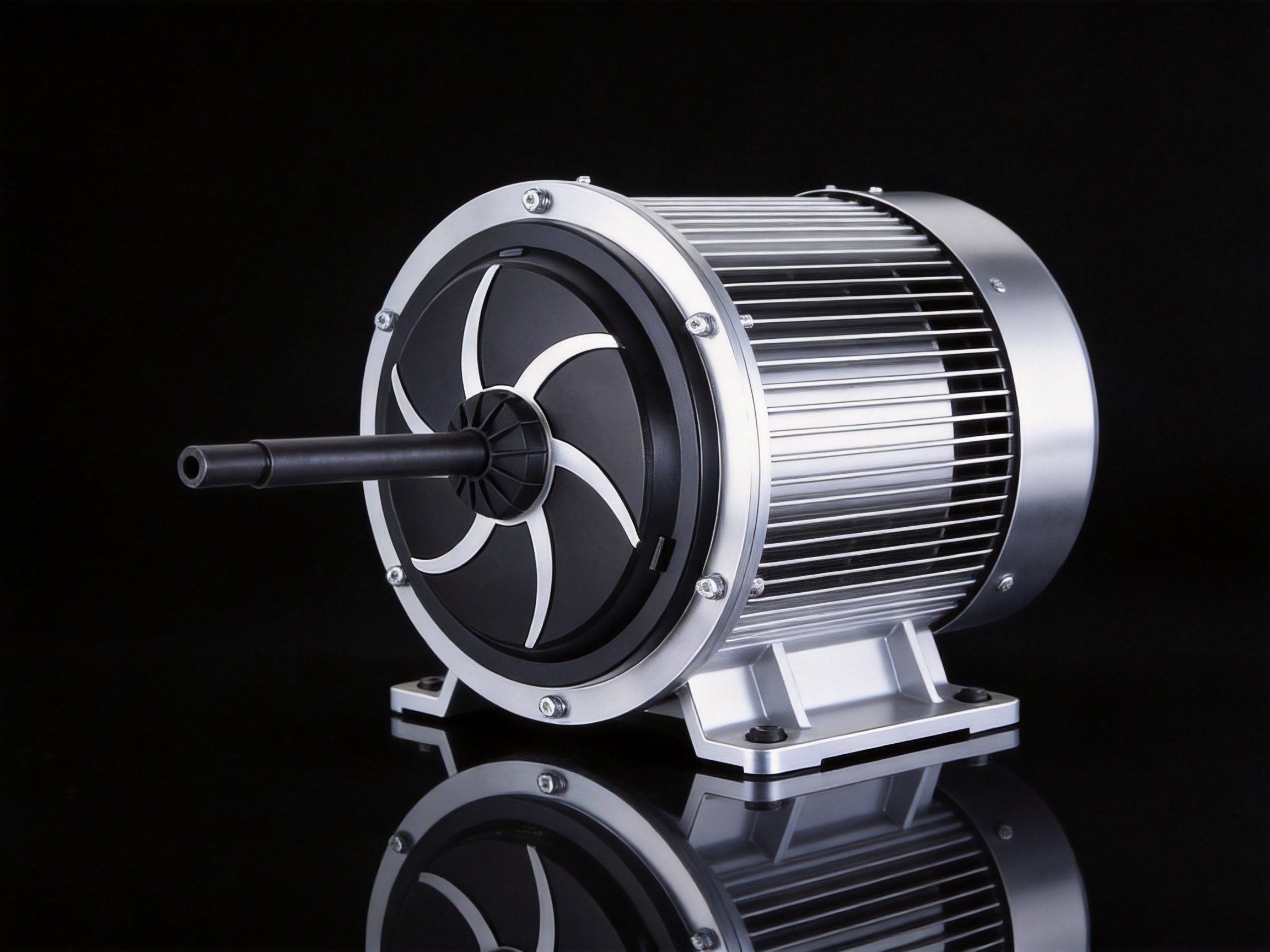
The external rotor design is one of the most important structural advantages of the DC149. In a conventional inner rotor motor, the rotor is inside the stator and the output shaft transmits torque outward. In an external rotor design, the rotating component surrounds the stator. This configuration increases the effective rotor diameter, which can improve torque generation for a given motor size. For air cooler fans, torque is critical because large fan blades require strong starting and running capability.
Direct torque drive helps reduce reliance on intermediate transmission components. In belt-driven systems, power must pass from motor shaft to pulley, from pulley to belt, and from belt to fan shaft. Each interface introduces energy loss, alignment requirements, wear, and potential maintenance issues. Belts may loosen, slip, crack, or need replacement. Reducers add mechanical complexity, lubrication concerns, and noise. By enabling direct drive in suitable fan designs, the DC149 helps simplify the machine and improve overall system efficiency.
Smoother operation is another benefit. When the motor and fan are directly matched, the system can reduce vibration associated with loose or worn transmission parts. This helps protect the fan assembly, housing, mounting points, and bearings. In environments where many air coolers operate at once, lower vibration and more stable rotation can improve the perceived quality of the entire facility.
External rotor motors are also commonly valued for compact integration with fan assemblies. A compact, torque-rich motor can help air cooler manufacturers design more efficient layouts. Reduced mechanical transmission space may allow better airflow channels, easier maintenance access, or more compact equipment dimensions. For OEM users, the standard mounting base of the DC149 adds further convenience by improving compatibility and simplifying production assembly.
Energy Efficiency and Operating Cost Advantages
Energy consumption is often the largest long-term cost associated with industrial cooling and ventilation equipment. A lower-priced motor may appear attractive during procurement, but if it consumes more electricity year after year, the total cost of ownership may become far higher. The DC149 is designed to reduce this hidden cost through high motor efficiency and intelligent speed regulation.
With efficiency reaching approximately 85% to 95%, the motor converts a higher percentage of electrical input into useful mechanical output. Less energy is wasted as heat. This is beneficial not only for electricity cost, but also for motor temperature control and long-term reliability. Excessive heat is a major enemy of electrical insulation, bearings, magnets, and electronic components. A more efficient motor generally places less thermal stress on itself and the surrounding equipment.
The stated energy-saving potential of 20% to 60% compared with traditional motor systems depends on many real-world factors. Savings are influenced by operating hours, fan size, previous motor efficiency, system design, speed control method, and local electricity prices. However, in applications where air coolers operate for long durations and airflow demand varies throughout the day, BLDC speed regulation can create meaningful reductions. Instead of cycling inefficiently or running at full speed when not needed, the system can adapt to actual demand.
For facility owners, energy efficiency brings measurable financial value. For equipment manufacturers, it provides a competitive selling point in markets where environmental performance and operating cost are increasingly important. For distributors, it creates a stronger argument when customers compare a high-quality motorized air cooler with a lower-cost but less efficient alternative. In short, an efficient motor improves the commercial value of the entire cooling product.
Lower Maintenance Through Brushless Construction
Maintenance is a major concern in industrial and commercial air cooler systems. A motor failure can interrupt cooling, reduce worker comfort, affect production conditions, and generate repair costs. In distributed facilities with many cooling units, even small maintenance tasks can become expensive when multiplied across dozens or hundreds of motors. The DC149’s brushless design reduces one of the most common wear sources found in traditional brushed motors.
Because there are no carbon brushes to wear down, the motor avoids brush replacement, brush dust accumulation, commutator wear, and contact-related sparking. This improves cleanliness and reliability, especially in dusty or humid environments. Brushless operation also contributes to the product’s long service life, stated at approximately 15,000 to 30,000 hours. For an air cooler operating seasonally, this can represent years of dependable service when the motor is correctly installed and used within specified conditions.
Reduced maintenance is not only about fewer replacement parts. It also means fewer service calls, less downtime, lower labor cost, and better customer satisfaction. Air cooler manufacturers that use a reliable BLDC motor can reduce after-sales pressure and improve brand reputation in competitive markets. End users benefit from a system that requires less attention and provides more consistent cooling performance.
Smooth Speed Regulation and Comfort-Oriented Operation
A high-power motor must be strong, but strength alone is not enough. Modern cooling systems need controllability. The DC149 supports precise stepless speed regulation, allowing airflow to be adjusted smoothly rather than only through fixed mechanical stages. This can improve both comfort and efficiency.
In a workshop, cooling demand may be highest during midday and lower in the morning or evening. In a commercial space, airflow requirements may change as occupancy changes. In agricultural or storage environments, stable ventilation may be more important than maximum airflow at all times. Stepless speed regulation allows the motor to respond to these conditions with greater flexibility.
Soft start and soft stop functions also contribute to better operation. When a large fan starts suddenly, mechanical impact can stress blades, hubs, mounts, shafts, and bearings. Electrical current surges can also place stress on power circuits. Soft start reduces the abruptness of startup, helping protect the motor and connected fan system. Soft stop reduces sudden braking or shutdown shock. Together, these functions help extend equipment life and improve user experience.
Noise control is another important factor. The DC149 is designed for stable, smooth, and low-noise operation, with the potential for noise reduction of approximately 5 to 10 dB compared with less optimized motor and transmission arrangements. Lower noise is valuable in commercial areas, workshops, and public cooling applications. Even when maximum airflow is required, smoother motor control and direct drive design can help reduce unpleasant mechanical noise associated with belt slippage, vibration, or rough speed transitions.
Environmental Adaptability for Demanding Conditions
Air cooler motors face a challenging operating environment. Evaporative cooling systems involve moisture. Industrial workshops often include dust, vibration, heat, and long operating hours. Commercial facilities require stable operation without frequent interruptions. Outdoor or semi-outdoor applications may expose equipment to changing temperature and humidity. The DC149 is designed with these realities in mind.
The motor features efficient air cooling to help manage operating temperature. Good thermal management is essential for high-power motors because heat affects insulation life, bearing performance, magnet stability, and electronic component reliability. A motor that runs cooler can maintain performance for longer periods and reduce the risk of thermal shutdown or premature aging.
Resistance to high temperature and humidity improves suitability for evaporative cooling equipment. In many air cooler designs, water circulation and airflow create a humid microenvironment around the machine. A motor that is not adequately protected may suffer corrosion, insulation degradation, or electrical leakage risks over time. Dustproof and shockproof characteristics further improve the motor’s ability to serve in industrial sites where airborne particles and mechanical vibration are common.
These environmental features are important because many motor failures are not caused by rated power limitations alone. They often result from accumulated stress: heat cycles, dust deposits, vibration fatigue, moisture exposure, and poor installation alignment. By addressing these concerns at the design and manufacturing level, the DC149 provides a more dependable choice for demanding air cooler applications.
Advantages Over Conventional Competitor Motor Solutions
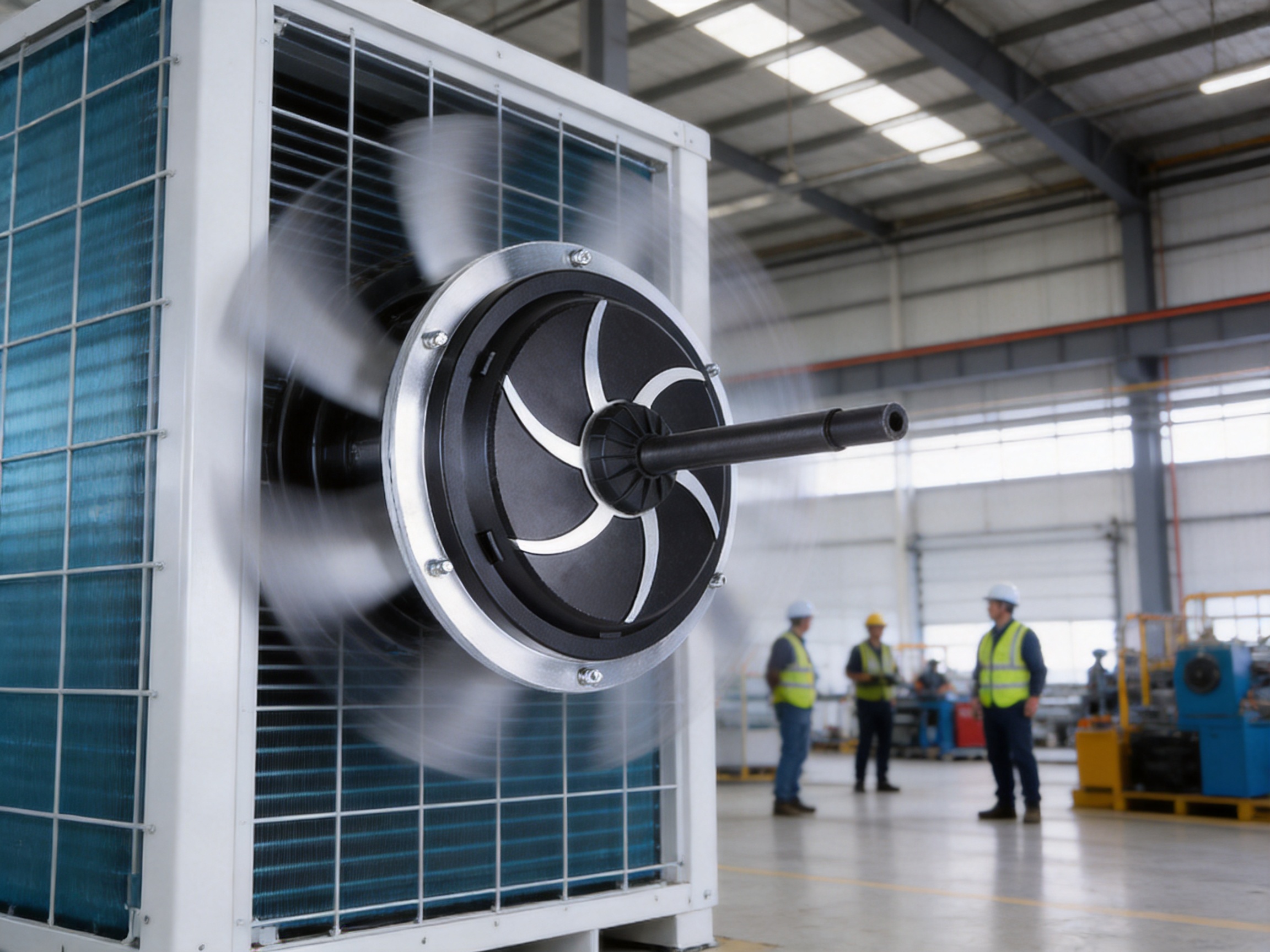
When compared with conventional AC induction motors, belt-driven fan motors, and brushed DC motors, the DC149 offers a series of practical advantages. These advantages are most visible when the motor is used in high-duty air cooler systems where efficiency, uptime, and control quality matter.
Higher Efficiency Than Many Traditional Motor Systems
The DC149’s BLDC design can achieve approximately 85% to 95% efficiency. Many traditional motor systems, especially older induction motors or mechanically inefficient belt-driven arrangements, lose more energy through heat, slip, friction, or poor partial-load performance. In long-running applications, these losses translate directly into higher electricity bills. A high-efficiency BLDC motor reduces waste and supports better lifetime economy.
Lower Maintenance Than Brushed Motors
Competitor products based on brushed motor technology require brush maintenance and may generate carbon dust, sparks, and commutator wear. The DC149 avoids these issues through brushless electronic commutation. This makes it more suitable for equipment manufacturers and users who prioritize long service life and reduced maintenance workload.
More Stable Drive Than Belt-Based Systems
Belt-based systems can be simple and familiar, but they require tension adjustment, alignment, and periodic replacement. Belts may slip under load, reducing efficiency and creating noise. The DC149’s external rotor direct-drive capability can eliminate belts and reducers in suitable designs, improving transmission efficiency and reducing mechanical complexity.
Better Speed Control Than Fixed-Speed Motors
Many conventional motors are designed for fixed-speed operation or require additional components for variable speed control. The DC149 supports precise stepless speed regulation, helping air cooler systems adjust airflow to actual demand. This improves comfort, reduces unnecessary energy use, and supports smarter cooling equipment design.
Smoother Start and Stop Than Direct-On-Line Alternatives
Traditional direct-on-line startup can create sudden mechanical and electrical stress. The DC149’s soft start and soft stop functions reduce shock and improve system protection. This is especially valuable when driving large fan blades, where sudden acceleration can stress hubs, mounting structures, and bearings.
Improved Long-Term Value
A competing low-cost motor may reduce initial equipment cost, but it may increase lifetime cost through higher power consumption, more maintenance, shorter service life, or more frequent failures. The DC149 is positioned as a long-term value solution: high efficiency, durable construction, reduced maintenance, and stable performance for high-load cooling applications.
Application Scenarios for the DC149 Motor
The DC149 is particularly suitable for high-power air coolers requiring large airflow and continuous operation. Its strength and control features make it useful across a wide range of environments.
Industrial Workshops
Manufacturing workshops often have high internal heat loads from machines, workers, and production processes. Ventilation and evaporative cooling are essential for maintaining a more comfortable and productive environment. The DC149 provides the torque and power required for large air cooler fans, while its energy-saving characteristics help reduce operating costs in facilities where cooling equipment may run for many hours each day.
Commercial Areas
Shopping areas, event halls, logistics centers, markets, and public facilities need cooling solutions that are powerful but not disruptive. Smooth speed regulation and low-noise operation help maintain comfort. A reliable brushless motor also reduces the risk of service interruptions during busy periods.
Warehouses and Logistics Facilities
Large storage and logistics spaces require air circulation to reduce heat buildup and improve working conditions. The DC149’s high output and durability make it suitable for air cooler units used in broad-area airflow distribution. Reduced maintenance is especially valuable in facilities where equipment may be installed at height or in difficult-to-access locations.
Agricultural and Greenhouse Cooling
Greenhouses, livestock houses, and agricultural processing areas often require ventilation and evaporative cooling. These environments may involve humidity, dust, and long operating hours. A motor with brushless construction, efficient cooling, and environmental resistance can improve reliability under such conditions.
OEM Air Cooler Manufacturing
For air cooler manufacturers, the DC149 offers a practical motor platform that supports high-performance product development. The 220V/850W specification, external rotor structure, standard mounting base, and energy-saving BLDC performance can help create air cooler products that stand out in competitive markets.
Manufacturing Strength Behind the Motor
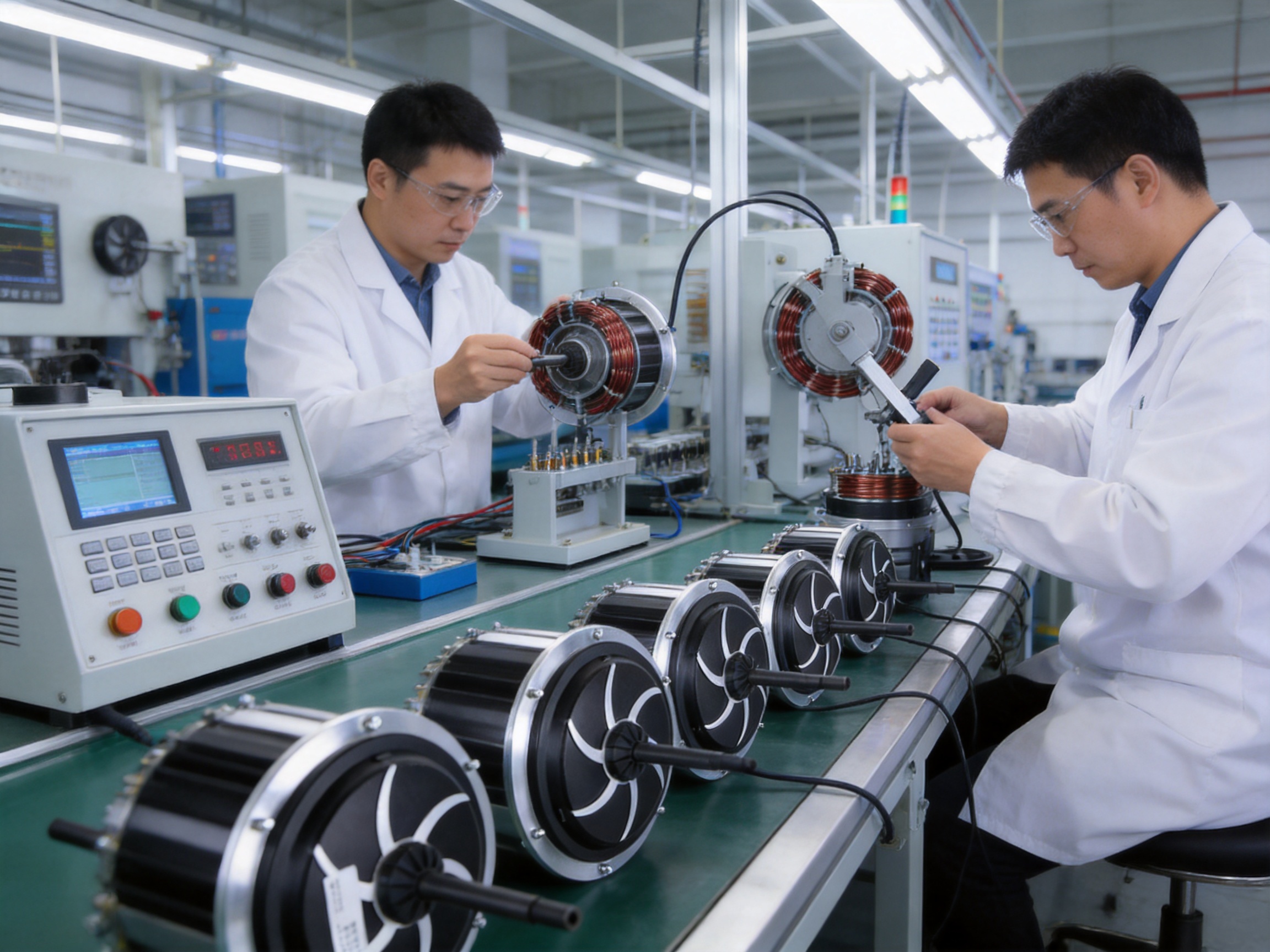
A high-quality motor depends not only on design but also on manufacturing discipline. Shengzhou Jiangxin Motor Technology Co., Ltd. is a professional manufacturer established in 2017, dedicated to the research, development, production, and sales of high-quality AC/DC motors and micro motors. Located in Shengzhou, Zhejiang, within the strong industrial environment of the Yangtze River Delta, the company benefits from convenient transportation, supplier resources, manufacturing expertise, and regional technical support.
The company’s production capability supports a wide range of motor products, including evaporative air cooler motors, industrial heater motors, oil pump motors, customized motors, industrial micro fan motors, AC motors, DC motors, EC fan motors, concrete mixer motors, and other motor solutions. This product breadth gives the engineering team experience across different load profiles, installation conditions, and performance requirements. Knowledge gained from one motor category can strengthen product development in another.
Modern motor manufacturing requires precision in every stage: material selection, stator processing, winding, rotor assembly, magnet positioning, bearing installation, insulation treatment, balancing, controller matching, final testing, and packaging. The company operates modern production facilities and advanced automated equipment, helping improve consistency and reduce variation. In motor manufacturing, consistency is critical because small differences in winding tension, rotor balance, air gap, or insulation quality can affect efficiency, noise, temperature rise, and service life.
As a recognized provincial-level technology enterprise, the company places strong emphasis on R&D and innovation. This is important for BLDC motors because performance depends on the integration of electromagnetic design, mechanical structure, thermal management, and electronic control. A well-made BLDC motor is not simply a motor with magnets; it is a complete system in which the stator, rotor, controller, sensor strategy, cooling path, and protection design must work together.
Advanced Production Processes Supporting Product Reliability
The reliability of the DC149 is supported by a manufacturing approach that emphasizes precision and quality control. While each motor model has its own process requirements, several key manufacturing stages are essential for producing a dependable external BLDC air cooler motor.
Material Selection and Incoming Inspection
Motor performance begins with raw materials. Electrical steel, copper wire, magnets, insulation materials, bearings, shafts, housings, fasteners, and electronic components must meet performance requirements. Incoming inspection helps ensure that materials conform to specifications before production begins. High-quality copper supports better conductivity and lower losses. Proper electrical steel reduces core loss. Stable magnets support torque performance. Reliable bearings support long operating life.
Precision Stator Manufacturing
The stator is the electromagnetic heart of the motor. Accurate lamination stacking, insulation placement, and winding quality affect motor efficiency, temperature rise, and operating noise. Automated or well-controlled winding processes improve consistency. Proper winding layout reduces electrical imbalance and supports smooth torque output. Insulation treatment helps protect the winding from heat, moisture, and electrical stress.
Rotor Assembly and Dynamic Balance
For an external rotor motor, rotor quality is essential. Magnet positioning, rotor roundness, structural strength, and balance all influence vibration, noise, and durability. Dynamic balancing helps ensure smooth rotation at operating speed. In high-air-volume fan applications, even small imbalances can be amplified by the fan assembly, so rotor balance is a key factor in motor quality.
Bearing and Mechanical Assembly Control
Bearings must be installed correctly to avoid premature wear, abnormal noise, and increased friction. Shaft alignment, housing fit, and assembly pressure must be controlled. Mechanical assembly quality directly affects service life, especially in continuous-duty cooling equipment. A motor that is mechanically stable will run more quietly and maintain better performance over time.
Electronic Control Matching
BLDC performance depends on the match between motor and controller. Electronic commutation, speed regulation, soft start, soft stop, and protection functions must be calibrated to the motor’s electromagnetic and mechanical characteristics. Proper matching helps achieve smooth startup, stable speed control, efficient operation, and protection under abnormal conditions.
Thermal and Endurance Testing
High-power air cooler motors must withstand long operating periods. Temperature rise testing helps confirm that the motor can operate safely under expected load conditions. Endurance testing evaluates reliability over extended operation. Such testing is important for verifying that design choices translate into real-world durability.
Final Quality Inspection
Before delivery, key parameters such as electrical performance, insulation resistance, operating current, speed behavior, noise, vibration, and appearance may be checked according to product requirements. This final inspection stage reduces the risk of defective products reaching customers and supports stable batch quality.
Company Strengths That Add Value for Customers
Beyond the product itself, customers benefit from working with a manufacturer that combines R&D capability, production capacity, quality control, and export experience. Shengzhou Jiangxin Motor Technology Co., Ltd. exports products to more than 60 countries and regions worldwide, showing its ability to support international customers with stable motor solutions. Export experience matters because different markets may have different voltage requirements, installation preferences, environmental conditions, packaging expectations, and documentation needs.
The company’s focus on AC/DC motors and micro motors gives it a specialized foundation. Rather than treating motors as a secondary business, the company is dedicated to motor development and manufacturing. This specialization supports deeper technical understanding and faster response to customer requirements. For OEM customers, the ability to provide customized motor solutions is especially valuable. Air cooler manufacturers may need specific mounting dimensions, speed ranges, cable configurations, controller requirements, shaft structures, or environmental protections. A manufacturer with R&D strength can better support these needs.
Strict quality control systems also improve customer confidence. In motor supply, consistency is as important as peak performance. A single excellent sample is not enough; customers need stable quality across repeated production batches. Advanced automated equipment, professional manufacturing processes, and quality inspection procedures help maintain this consistency.
The company’s customer-oriented service philosophy further supports long-term cooperation. Motor selection often involves technical communication: confirming fan load, speed requirements, operating environment, installation space, power supply, duty cycle, and control needs. A professional supplier can help customers choose suitable products, avoid mismatched designs, and improve the final cooling equipment’s performance.
Design Value for OEM Equipment Manufacturers
For OEM air cooler manufacturers, choosing the correct motor influences not only performance but also product positioning. The DC149 enables the development of air coolers that can be promoted as high-power, energy-saving, low-maintenance, and suitable for demanding industrial and commercial use. These qualities can help equipment brands compete in markets where customers increasingly compare lifetime operating cost rather than only purchase price.
The standard mounting base improves installation efficiency. A motor that is easier to install can reduce assembly time and simplify production line operations. Versatile mounting also helps manufacturers use the motor across multiple air cooler models, reducing inventory complexity. When a motor platform can support several product designs, procurement and service management become easier.
The 220V mains direct drive feature is another practical advantage. Many markets use 220V supply systems for industrial and commercial equipment. Direct compatibility can reduce the need for additional conversion devices and simplify system wiring. For manufacturers exporting to multiple regions, motor voltage compatibility and controller configuration can be discussed according to specific market needs.
Because the DC149 supports stepless speed regulation, OEMs can design more intelligent user interfaces. Air coolers can be equipped with variable speed controls, environmental sensors, or automated operating modes. This allows product upgrades from simple mechanical cooling units to smarter energy-saving systems. In competitive markets, such intelligent features can justify higher product value and improve user satisfaction.
Total Cost of Ownership: Why the Motor Choice Matters
Total cost of ownership includes purchase price, electricity consumption, installation cost, maintenance, downtime, spare parts, and service life. A motor that costs slightly less at purchase may become more expensive over time if it consumes more energy, needs frequent service, or fails early. The DC149 is designed to reduce long-term ownership cost through efficiency, durability, and simplified mechanical transmission.
Electricity savings are especially important. In a facility where air coolers operate for thousands of hours per year, efficiency differences can become substantial. If the motor saves energy every hour it runs, the savings accumulate continuously. Speed regulation adds another layer of savings by allowing reduced output during lower-demand periods.
Maintenance savings also matter. Brushless construction reduces wear-related service. Direct-drive potential reduces belt and reducer maintenance. Smooth start and stop reduce mechanical stress. Long service life reduces replacement frequency. Together, these advantages help lower the real cost of operating cooling equipment.
Downtime cost should not be ignored. If an air cooler fails during hot weather, the facility may experience discomfort, reduced productivity, or urgent repair expenses. Reliable motor operation helps prevent these disruptions. For equipment manufacturers, fewer field failures also mean fewer warranty claims and stronger customer trust.
Technical Considerations for Proper Integration
To obtain the best performance from the DC149, air cooler manufacturers and system integrators should consider the complete operating system. A motor performs best when matched correctly with fan size, blade pitch, airflow resistance, controller settings, mounting structure, and cooling path.
Fan load matching is essential. A fan that is too heavy or aerodynamically demanding may overload the motor, while an undersized fan may not use the motor’s capability efficiently. Proper matching ensures that the motor operates in an efficient and reliable range. The external rotor design provides strong torque, but the application should still respect rated power and thermal limits.
Mounting stability is also important. Even a well-balanced motor can experience vibration if the installation structure is weak or misaligned. The standard mounting base of the DC149 helps installation, but proper fastening and alignment remain necessary. For high-power air coolers, the fan assembly should be balanced and securely connected.
Electrical installation should follow safe wiring practices and applicable standards. Because the motor uses 220V mains direct drive, qualified personnel should handle wiring, grounding, insulation protection, and controller connection. Environmental protection should be considered if the motor is used in locations with water spray, heavy dust, or corrosive substances.
Ventilation around the motor should not be blocked. Efficient air cooling depends on adequate airflow and heat dissipation. If the motor is enclosed in a poorly ventilated compartment, temperature may rise and reduce service life. Equipment design should maintain proper cooling channels.
Quality, Reliability, and Market Competitiveness
The DC149’s market competitiveness comes from the combination of technical design and manufacturing support. Its 850W output addresses high-power cooling needs. Its 220V direct drive supports practical integration. Its BLDC technology improves efficiency and reduces maintenance. Its external rotor structure provides high torque and direct-drive potential. Its stepless speed regulation and soft start/stop functions improve operating quality. Its environmental adaptability supports use in demanding conditions.
When these features are considered together, the motor becomes more than a component. It becomes a performance upgrade for the entire air cooler system. For end users, it can mean lower electricity bills, fewer breakdowns, quieter operation, and better airflow control. For OEM manufacturers, it can mean stronger product differentiation, fewer after-sales issues, and improved brand value. For distributors, it can mean a clearer value proposition in markets where customers want dependable and energy-saving equipment.
Competitor products may focus on low initial cost, but the DC149 focuses on long-term value. It is designed for users who understand that a motor’s real worth is measured over thousands of operating hours. In high-load cooling applications, energy efficiency, reliability, and maintenance reduction can matter more than the cheapest purchase price.
Q&A Section
Q1: What type of product is the DC149 220V 850W motor?
The DC149 is an external BLDC air cooler motor designed for high-power air cooler systems. It uses brushless direct current technology and an external rotor structure to provide efficient, stable, and durable fan drive performance.
Q2: What is the main power specification of this motor?
The main specification is 220V/850W. The 220V mains direct drive design supports convenient integration, while the 850W output provides strong power for large air volume fan loads.
Q3: Why is BLDC technology better than brushed motor technology for air coolers?
BLDC technology eliminates carbon brushes, reducing wear, sparks, heat, and maintenance. This supports longer service life, smoother operation, better efficiency, and improved reliability in dusty, humid, or high-duty cooling environments.
Q4: What are the benefits of the external rotor structure?
The external rotor structure provides large torque and smooth rotation. It is well suited for direct fan drive, helping eliminate belts and reducers in suitable designs. This improves transmission efficiency, reduces maintenance, and lowers mechanical noise.
Q5: How efficient is the DC149 motor?
The motor can achieve approximately 85% to 95% efficiency under suitable operating conditions. This high efficiency helps reduce electrical energy waste and lower long-term operating costs.
Q6: How much electricity can it save compared with traditional motors?
Depending on the application, duty cycle, fan load, and previous motor system, the motor can help save approximately 20% to 60% electricity compared with traditional motor arrangements.
Q7: Is the motor suitable for continuous industrial operation?
Yes. The DC149 is designed for long-term high-load conditions such as industrial workshops, commercial areas, warehouses, and other demanding air cooler applications. Its brushless structure and durable design support long service life.
Q8: What is the expected service life?
The service life is approximately 15,000 to 30,000 hours when the motor is properly installed, operated within suitable conditions, and protected from abnormal overload or environmental damage.
Q9: Does the motor support variable speed control?
Yes. The motor supports precise stepless speed regulation, allowing smooth airflow adjustment according to cooling demand. This improves comfort and can reduce energy consumption during partial-load operation.
Q10: What do soft start and soft stop functions do?
Soft start reduces sudden mechanical and electrical stress during startup, while soft stop reduces shock during shutdown. These functions help protect the fan assembly, bearings, mounting structure, and power system.
Q11: What environments can the motor handle?
The motor is designed with efficient air cooling and resistance to high temperature, humidity, dust, and shock. This makes it suitable for industrial and commercial air cooler environments where operating conditions may be demanding.
Q12: Why is the manufacturer’s production capability important?
Motor performance depends on precise manufacturing, material control, winding quality, rotor balance, insulation treatment, controller matching, and final testing. A manufacturer with advanced equipment, R&D strength, and strict quality control can provide more stable and reliable products.
Conclusion
The DC149 220V 850W External BLDC Air Cooler Motor is a high-value solution for modern air cooler systems requiring strong airflow drive, high energy efficiency, long service life, and smooth controllability. Its 220V mains direct drive design supports practical integration, while its 850W output provides the strength needed for high-power fan loads. Advanced BLDC technology reduces brush-related wear and supports efficiency of approximately 85% to 95%, helping save energy and lower long-term operating costs.
The external rotor structure gives the motor high torque and direct-drive capability, making it especially suitable for large air volume fan applications. By reducing or eliminating belts and reducers in suitable designs, it improves transmission efficiency, reduces maintenance, and supports smoother operation. Stepless speed regulation, soft start, and soft stop functions further enhance system performance, comfort, and durability.
Behind the product is the manufacturing strength of Shengzhou Jiangxin Motor Technology Co., Ltd., a professional motor manufacturer with modern production facilities, automated equipment, R&D capability, strict quality control, and export experience in more than 60 countries and regions. This combination of product engineering and manufacturing discipline makes the DC149 a strong choice for OEM air cooler manufacturers, industrial equipment suppliers, and end users seeking reliable and energy-saving cooling performance.
For customers comparing motor options, the DC149 stands out not merely because of its power rating, but because it addresses the full operating reality of air cooler systems: energy cost, noise, maintenance, durability, installation convenience, environmental resistance, and long-term value. In high-duty cooling applications, these advantages can transform the motor from a simple component into a strategic performance advantage.
References
1. Fitzgerald, A. E., Kingsley, C., and Umans, S. D. Electric Machinery. McGraw-Hill Education.
2. Hughes, A., and Drury, B. Electric Motors and Drives: Fundamentals, Types and Applications. Newnes.
3. Miller, T. J. E. Brushless Permanent-Magnet and Reluctance Motor Drives. Oxford University Press.
4. Gieras, J. F. Permanent Magnet Motor Technology: Design and Applications. CRC Press.
5. Krishnan, R. Permanent Magnet Synchronous and Brushless DC Motor Drives. CRC Press.
6. Boldea, I., and Nasar, S. A. Electric Drives. CRC Press.
7. International Electrotechnical Commission. Rotating Electrical Machines Standards and Testing Principles.
8. Motor and Fan Engineering Handbook: Efficiency, Noise, Thermal Management, and Reliability Practices.
Product: DC149 220V 850W External BLDC Air Cooler Motor
 Ready To Customise
 Your Motor Products?

We are professional motor manufacturers, delivering powerful, stable, and efficient power cores for all industries through precision craftsmanship and innovation.
Contact Us
-
 Mobile:+86 13575536911
-
 Tel:+86 18357538240
-
 Whatsapp:+8618357538240
-
 Email:betty@dbjxmotor.com
-
 Company Address
Copyright © by Shengzhou Jiangxin Motor Technology Co., Ltd. All Rights Reserved.
Wholesale Industrial Fan Motors Manufacturers
