

 English
 русский
 Español
 عربى

No. 8, Duxiu San Road, Ganlin Town, Shengzhou City, Shaoxing City, Zhejiang Province, China

News Category
Product Category
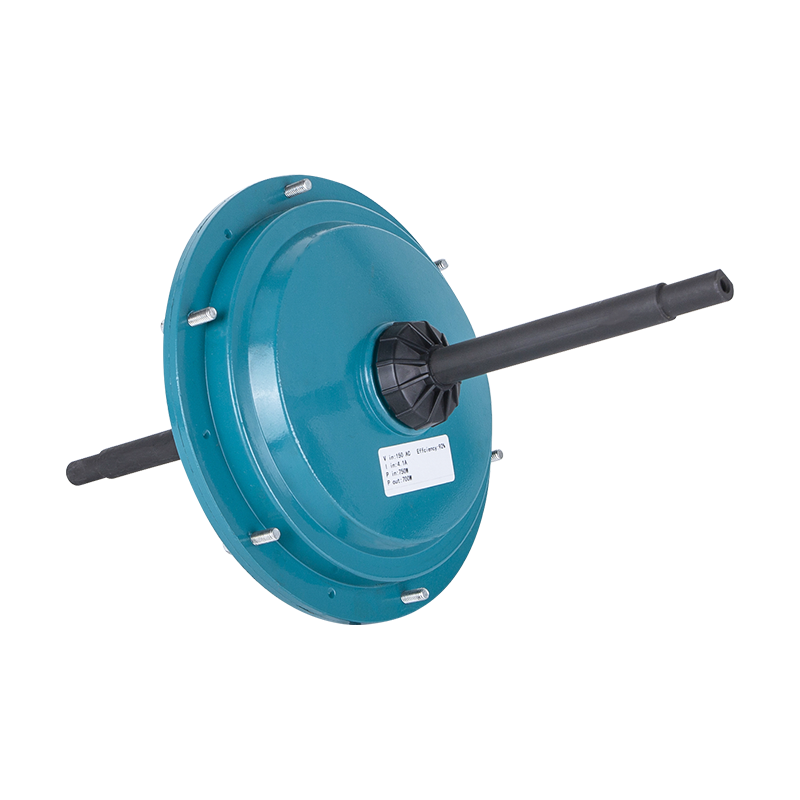
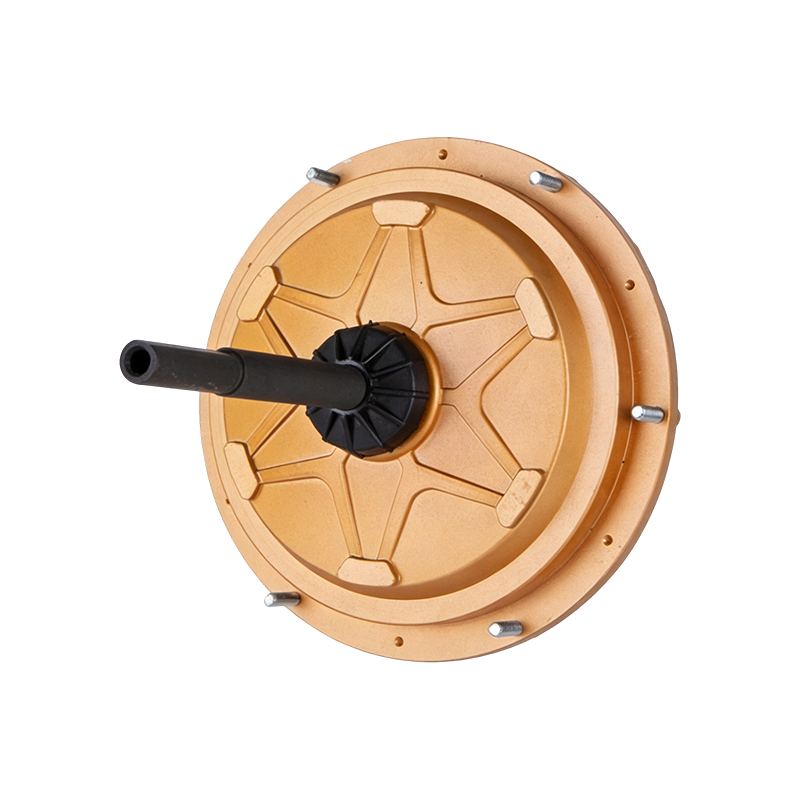
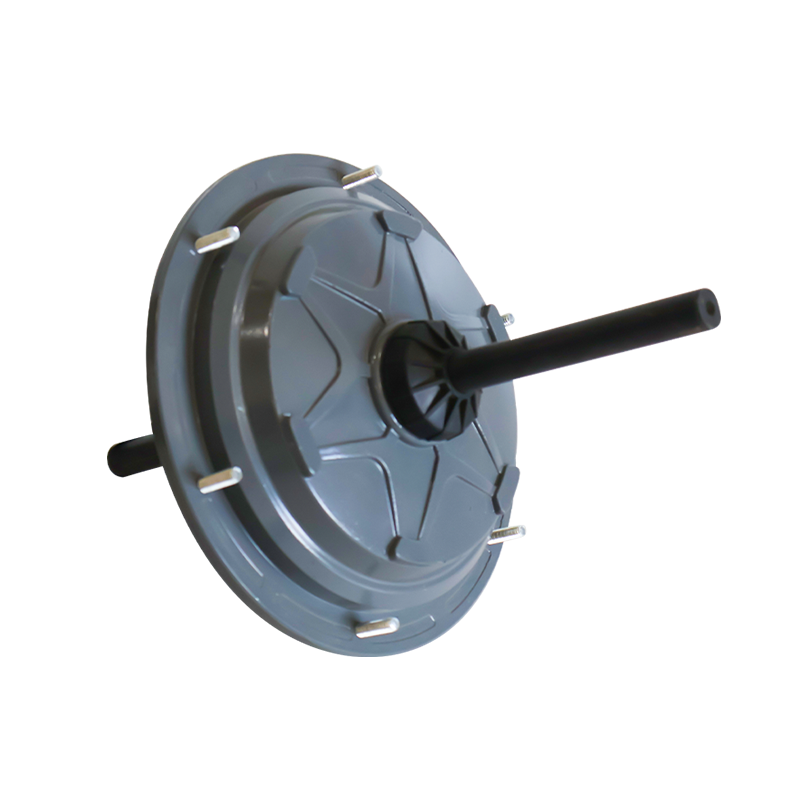
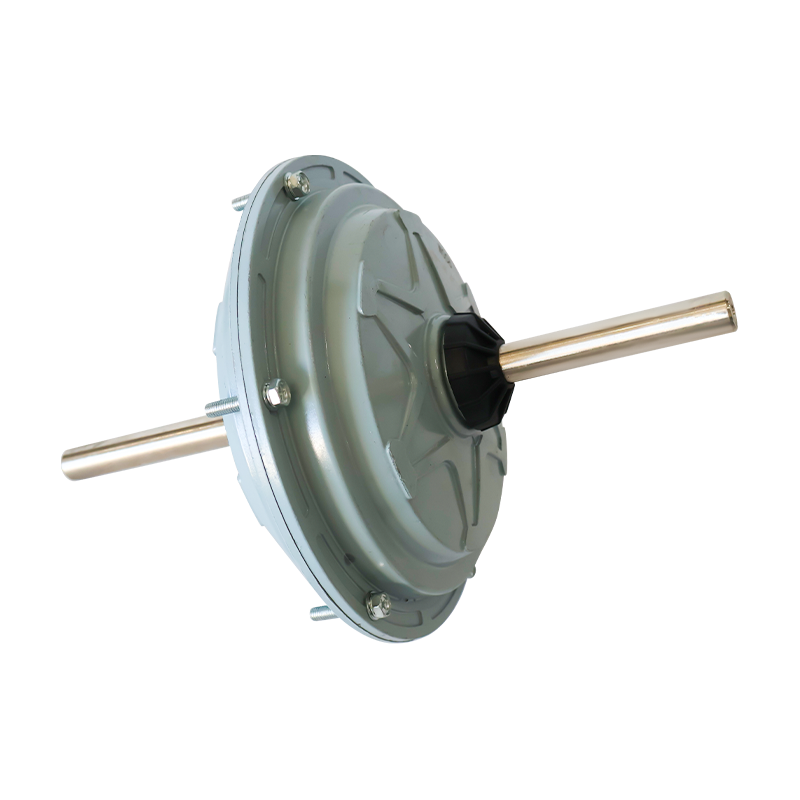
DC198 220V 1500W External BLDC Air Cooler Motor for Industrial Applications
Content
- 1 Product Overview
- 2 Why Brushless Technology Matters in Industrial Cooling
- 3 Power and Performance for Large Air Coolers
- 4 External Rotor Design for Fan Applications
- 5 Environmental Protection and Insulation Reliability
- 6 Energy Efficiency and Operating Cost Considerations
- 7 Advantages Compared with Conventional Motor Solutions
- 8 Manufacturing Strengths and Quality Focus
- 9 Installation and System Integration Guidance
- 10 Recommended Applications
- 11 Selection Considerations for Buyers
- 12 Maintenance Recommendations
- 13 Company Capability and Customer Support
- 14 Q&A
- 14.1 What is the DC198 motor designed for?
- 14.2 Is the DC198 a brushed or brushless motor?
- 14.3 What are the rated voltage and power?
- 14.4 Can the motor operate continuously?
- 14.5 Does the motor support variable-speed operation?
- 14.6 Is a matching driver included?
- 14.7 What protection rating does the motor have?
- 14.8 What does F-class insulation mean?
- 14.9 What are the benefits of the external rotor design?
- 14.10 How does the DC198 compare with a conventional brushed motor?
- 14.11 Can the motor be used outdoors?
- 14.12 What information should buyers confirm before ordering?
- 14.13 Does the company provide customized motor solutions?
- 15 Conclusion
- 16 References
- 17 Product: DC198 220V 1500W External BLDC Air Cooler Motor
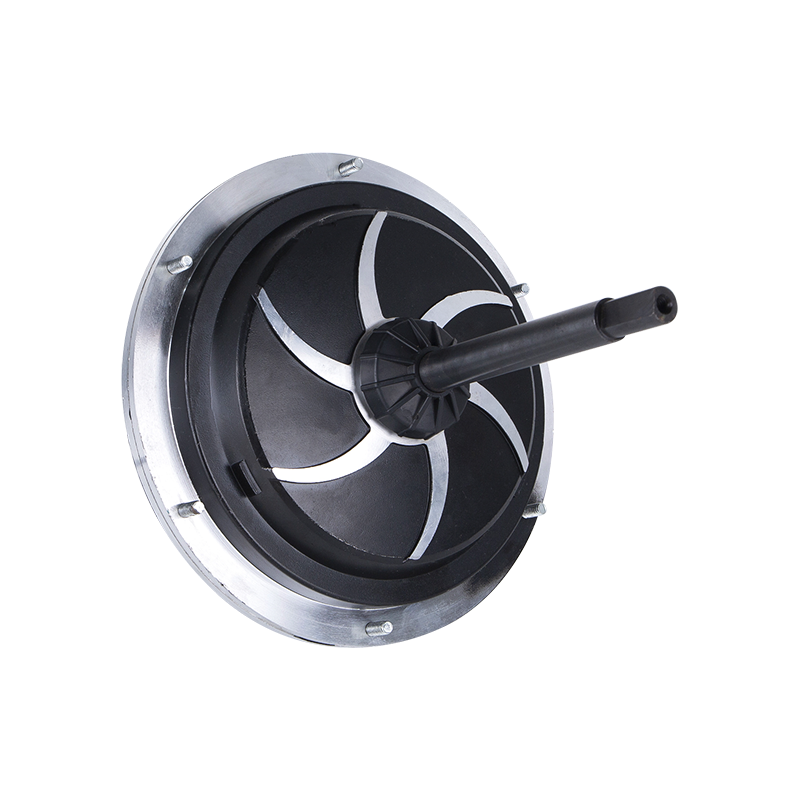
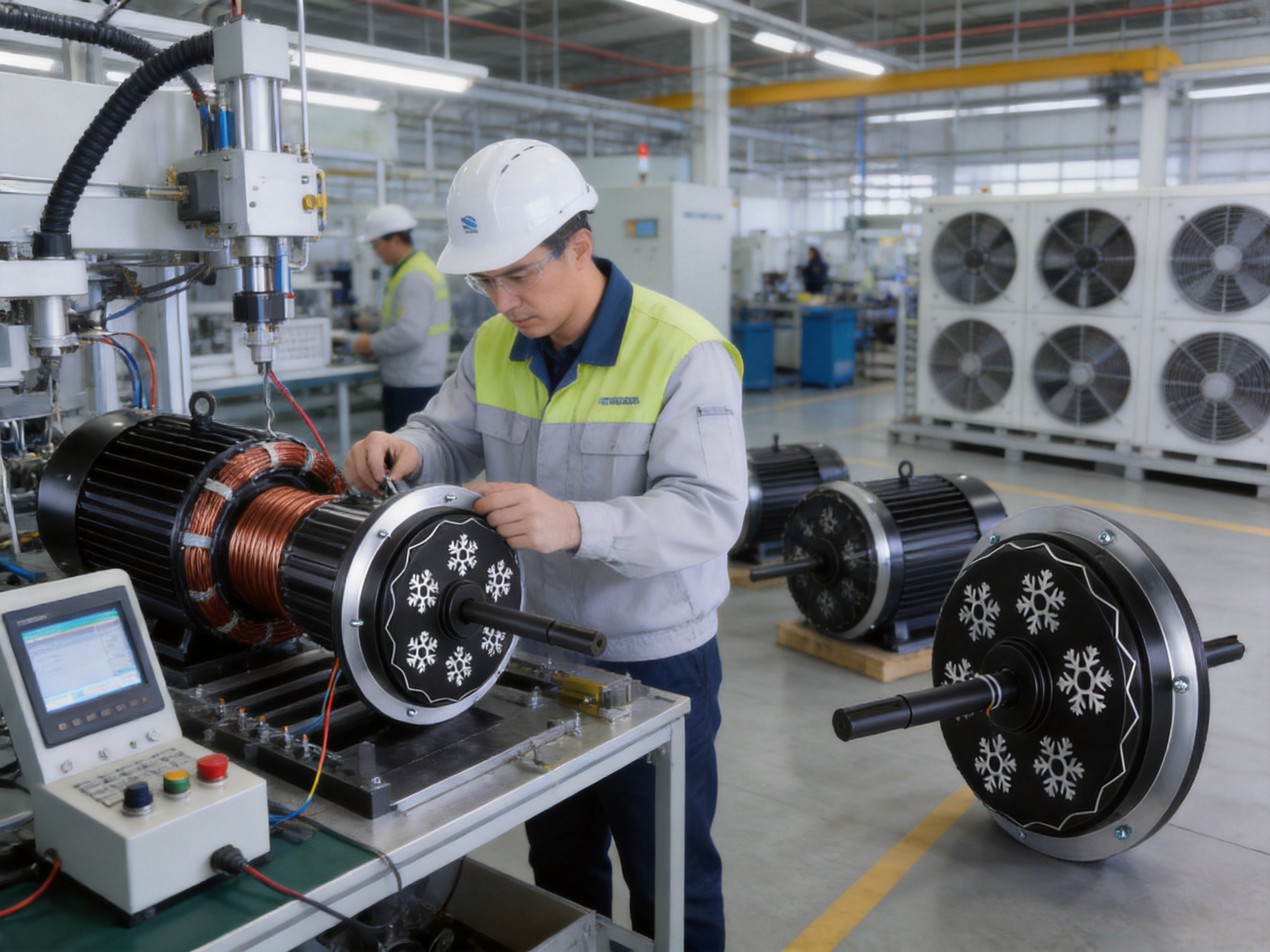
The DC198 220V 1500W External BLDC Air Cooler Motor is a high-power brushless motor designed for industrial evaporative air coolers, large ventilation systems and demanding air movement equipment. Combining an external rotor structure, permanent magnet technology, pure copper windings, stepless speed regulation and continuous-duty capability, it provides a practical solution for applications that require reliable airflow, efficient operation and long service life.
Industrial cooling equipment operates under conditions that are considerably more demanding than ordinary residential appliances. Large workshops, manufacturing plants, warehouses and commercial facilities often need continuous air circulation, stable motor output and dependable operation in environments containing dust, moisture and temperature fluctuations. A motor selected for these applications must deliver more than rated power. It must also control heat, resist environmental stress, minimize maintenance and remain stable during extended operation.
The DC198 addresses these requirements through a brushless DC motor design rated at 220V and 1500W. Its external rotor configuration is well suited to fan and air cooler applications because it supports effective airflow-driving performance while keeping the motor structure compact and practical for equipment integration. The motor is engineered for S1 continuous operation, making it suitable for equipment that must run for long periods without frequent stops.
Manufactured by Shengzhou Jiangxin Motor Technology Co., Ltd., the DC198 benefits from the company’s focus on AC/DC motors, micro motors and application-specific motor solutions. The manufacturer combines production facilities, automated equipment, research and development capabilities and quality-control procedures to provide motors for customers in environmental protection equipment, industrial heating, hydraulic systems and other technical fields.
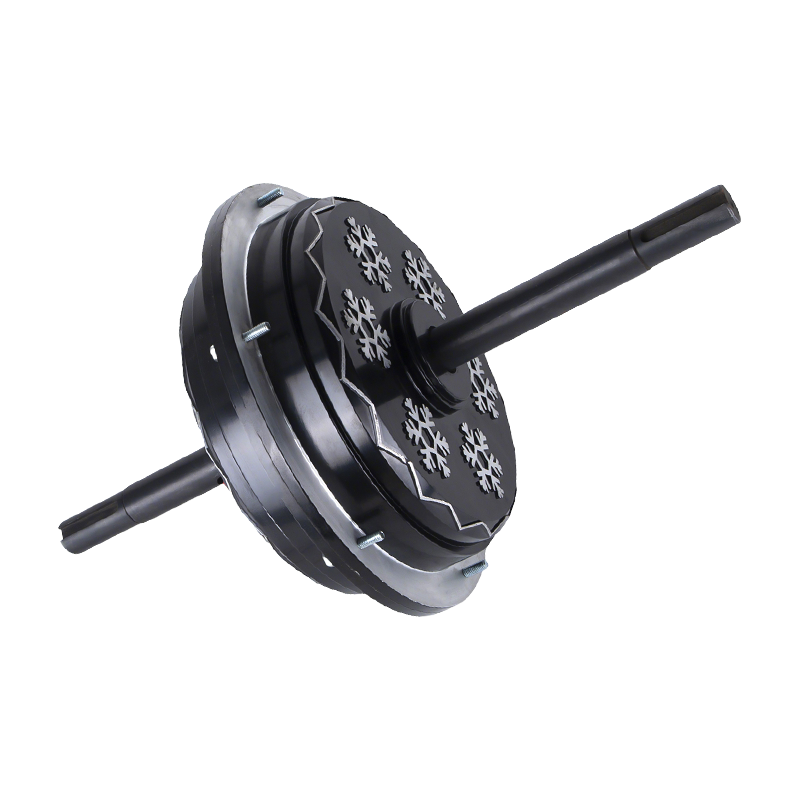
DC198 220V 1500W External BLDC Air Cooler Motor
Product Overview
The DC198 is a 220V, 1500W external rotor BLDC motor developed primarily for heavy-duty industrial air cooling and ventilation. It is intended for equipment manufacturers, engineering contractors, distributors and end users who need a powerful motor with controlled speed, stable operation and reduced routine maintenance.
Unlike a conventional brushed motor, the DC198 does not rely on carbon brushes to transfer electrical current to the rotating assembly. Electronic commutation controls the magnetic field required for rotation. This eliminates brush abrasion and reduces the friction and electrical losses associated with brush contact. It also removes a common source of dust, electrical noise and maintenance work.
The motor uses permanent magnet materials together with full pure copper windings. Permanent magnets support efficient electromagnetic conversion, while copper windings provide strong electrical conductivity and effective current carrying capability. Together, these design features help the motor deliver stable power and energy-conscious performance when properly matched with the application and driver.
The DC198 supports stepless speed regulation. Instead of being restricted to a small number of fixed operating speeds, the connected control system can adjust motor speed smoothly according to cooling demand, airflow requirements or environmental conditions. This flexibility is particularly valuable in industrial air coolers, where maximum speed may be needed during peak heat while a lower speed can be used during mild conditions.
With F-class insulation and a stated IP55 protection rating in the product information, the motor is designed for demanding operating environments. Protection against dust ingress and water projected from different directions helps the motor perform more reliably in industrial areas. The exact installation conditions, enclosure arrangement and driver configuration should still be evaluated before use, especially where the motor will be exposed to direct water spray, corrosive chemicals or extreme outdoor conditions.
Key Technical Data
| Item | Specification |
|---|---|
| Product type | External rotor BLDC motor |
| Model | DC198 |
| Rated voltage | 220V |
| Rated power | 1500W |
| Frequency | 50/60Hz |
| Protection grade | IP55 |
| Insulation class | F |
| Operating mode | S1 continuous operation |
| Speed control | Stepless speed regulation |
| Matching driver | Optional |
| Primary applications | Industrial evaporative air coolers and large ventilation systems |
The table provides the principal information supplied for the DC198. Actual system performance depends on the fan blade, impeller, air resistance, control method, installation position, ambient temperature and other equipment parameters. Buyers should confirm mechanical dimensions, rotation direction, mounting details, wiring requirements, operating speed range and driver compatibility with the manufacturer before placing a production order.
Why Brushless Technology Matters in Industrial Cooling
Motor selection strongly influences the efficiency and operating cost of an evaporative air cooler. The motor drives the fan that moves air through the cooling media and into the target area. If the motor is inefficient, difficult to control or vulnerable to wear, the complete cooling system may suffer from higher energy consumption, unstable airflow and more frequent maintenance.
The most significant advantage of the DC198 is its brushless construction. Traditional brushed motors use carbon brushes and a mechanical commutator. During operation, brushes gradually wear against the commutator surface. This contact generates friction, heat and, in some operating conditions, electromagnetic sparks. The brushes may eventually require replacement, and the commutator may need inspection or cleaning.
A BLDC motor replaces this mechanical switching arrangement with electronic commutation. The motor controller determines when current should be supplied to the windings, allowing the rotor’s permanent magnetic field to interact with the stator field. Since there is no carbon brush contact, the DC198 can operate with lower mechanical wear and less friction-related loss.
This design is particularly useful in industrial cooling equipment for several reasons. First, reduced wear can extend service intervals. Second, the absence of brush friction can contribute to quieter operation. Third, brushless operation avoids the sparks associated with brush commutation, which is beneficial for equipment installed in enclosed workshops or near sensitive machinery. Finally, the motor can support more precise electronic speed control than many basic fixed-speed motor arrangements.
Reduced Maintenance Requirements
Maintenance is a major operating consideration for large air coolers. Many systems are installed in factories, warehouses or commercial spaces where access may require ladders, lifting equipment or temporary production interruptions. A motor that reduces the number of wear components can therefore lower the practical cost of ownership.
The DC198 has no carbon brushes that need periodic replacement. This does not mean that the entire motor system is maintenance-free. Bearings, mounting hardware, electrical connections, the cooling fan assembly and the air cooler itself still require inspection. However, removing brush replacement from the maintenance schedule can simplify service planning and reduce the likelihood of unexpected downtime related to brush wear.
In comparison with conventional brushed designs of similar application, the brushless structure offers a strong advantage where the motor is expected to run for long hours. This is one reason BLDC motors are increasingly selected for ventilation, cooling, circulation and other continuous-duty equipment.
Quiet and Smooth Operation
Noise and vibration are important in factories, workshops, agricultural facilities, logistics centers and public commercial areas. Mechanical brush contact can contribute to audible noise and vibration, especially as brushes and commutators age. Electronic commutation and the balanced external rotor design of a BLDC motor can help achieve smoother operation when the motor is correctly installed.
Actual sound and vibration levels depend on more than the motor alone. Fan balance, impeller design, mounting rigidity, bearing condition, air turbulence and control settings also affect the final result. Nevertheless, the DC198’s brushless operating principle provides a solid foundation for low-noise system development.
For equipment designers, smooth motor operation can also reduce mechanical stress on the fan assembly and mounting structure. Lower vibration may help protect adjacent components, reduce fastening problems and improve the overall user experience in facilities where air circulation equipment operates continuously.
Power and Performance for Large Air Coolers
With a rated output of 1500W, the DC198 is positioned for heavy-duty air movement rather than small personal cooling equipment. The power rating gives equipment designers a substantial drive capacity for industrial evaporative coolers, large fans and ventilation systems requiring significant airflow.
Large air coolers must overcome resistance created by cooling pads, filters, louvers, ducts, protective grilles and building layouts. As airflow resistance increases, the fan requires more torque to maintain its operating point. A 1500W motor provides a stronger power platform for applications where a smaller motor could be overloaded or forced to operate inefficiently.
Power should always be evaluated together with the fan’s performance curve. A motor with a high rated power does not automatically produce the required airflow unless the impeller, fan diameter, rotational speed and system resistance are matched correctly. The DC198 is best understood as a high-power motor platform that gives manufacturers flexibility when developing large-capacity cooling equipment.
The 220V rating makes the motor suitable for electrical systems designed around this voltage. The listed 50/60Hz frequency allows consideration for markets using either common power frequency. Before installation, the purchaser should verify the local supply, control architecture and driver requirements. The optional matching driver can be selected according to the application, desired control method and system protection strategy.
Stable Operation Under Continuous Duty
The DC198 supports S1 continuous operation. In practical terms, this operating mode is intended for equipment that runs continuously at a constant load long enough to reach a stable thermal condition. This characteristic is important for industrial cooling, where the motor may operate for many hours during production shifts or hot-weather periods.
Continuous-duty capability does not remove the need for correct thermal design. The motor must be installed with sufficient ventilation, appropriate clearance and a load within its rated operating range. Excessive fan resistance, blocked air passages, incorrect wiring or unsuitable control settings may increase motor temperature. Equipment manufacturers should therefore validate the complete assembly rather than relying only on the motor’s nominal power rating.
When correctly applied, S1 operation enables a cooling system to provide dependable airflow without the repeated start-stop cycles associated with intermittent equipment. This can support more consistent indoor temperature control and reduce mechanical stress caused by frequent acceleration and deceleration.
External Rotor Design for Fan Applications
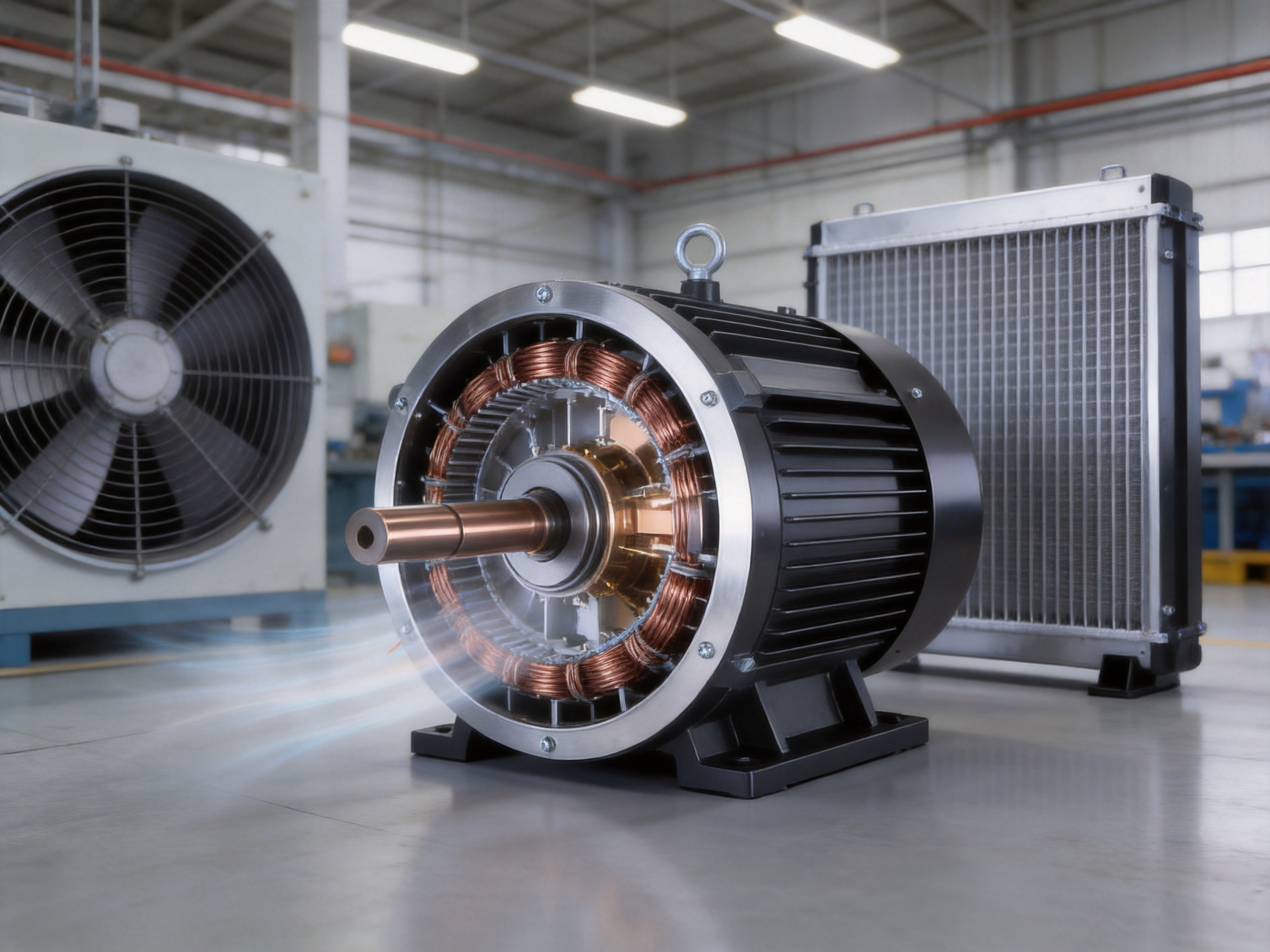
The external rotor structure is one of the DC198’s most relevant features for air movement equipment. In an external rotor motor, the rotating component is arranged around the stationary part of the motor. This configuration can be integrated effectively with fan blades or fan assemblies, depending on the specific mechanical design.
For manufacturers of air coolers and ventilation products, an external rotor arrangement may help create a compact drive unit with a practical airflow layout. It can support a direct-drive configuration in which the fan assembly is connected to the motor without relying on a separate belt-and-pulley system. The precise arrangement depends on the product design and mechanical interface selected by the customer.
Direct-drive systems can offer several potential benefits. They may reduce the number of transmission components, eliminate belt slippage and simplify routine inspection. Removing a belt can also reduce transmission losses and decrease the need for belt tension adjustment. However, the final advantage depends on correct fan selection, rotor balance and installation quality.
The external rotor concept is especially suitable for fans because it can provide a broad rotating structure around the stationary core. This arrangement allows designers to develop compact air-moving assemblies while keeping the motor closely integrated with the fan. It also provides flexibility for manufacturers developing different cooler sizes or airflow configurations around a common motor platform.
Application in Evaporative Air Coolers
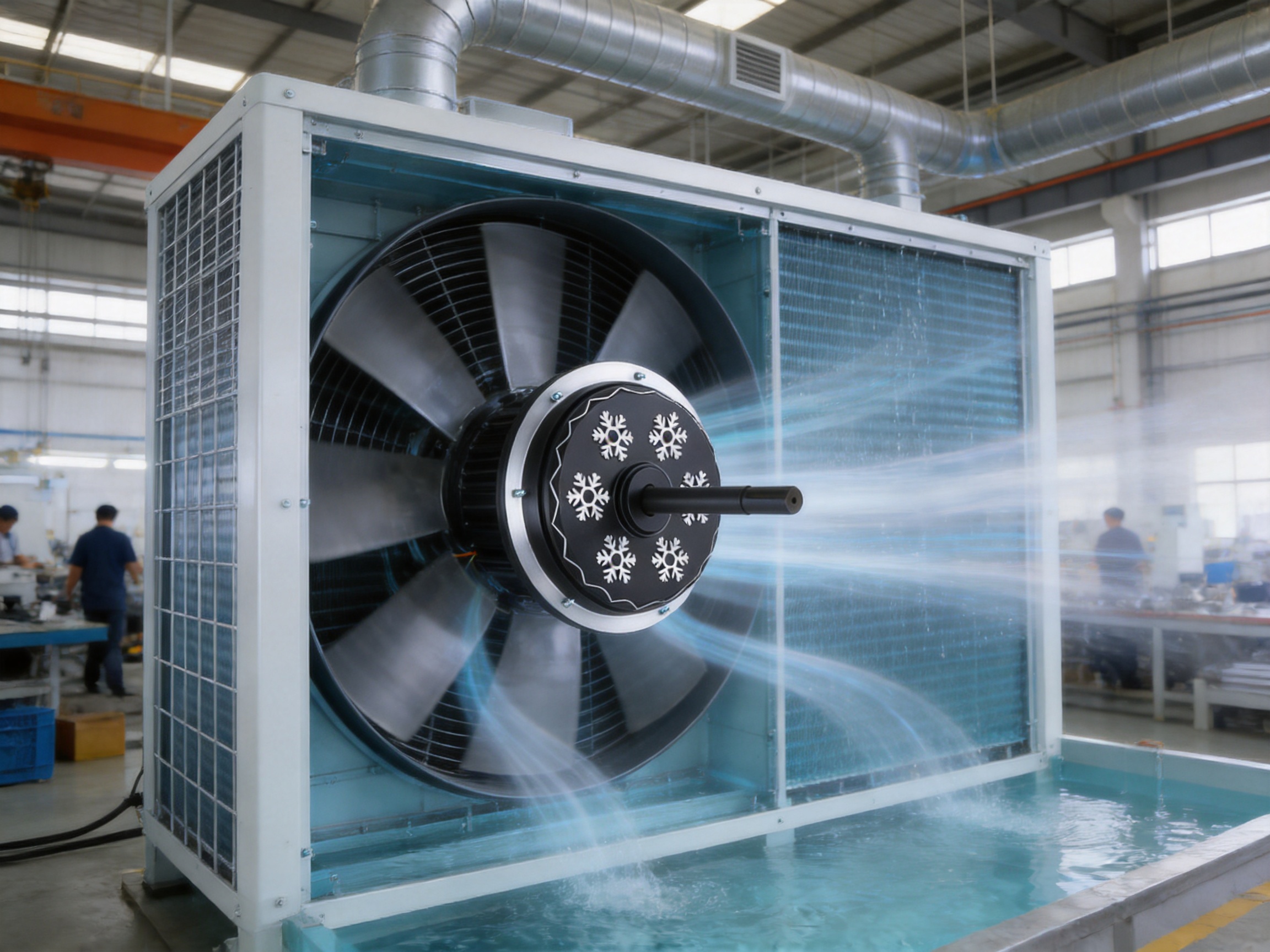
Evaporative air coolers move warm air through wetted cooling media. As water evaporates, it absorbs heat from the passing air, reducing the air temperature before it enters the occupied or working area. The fan motor is responsible for maintaining sufficient airflow through the media and across the discharge opening.
Industrial evaporative coolers often operate in large spaces where traditional refrigerated air-conditioning may be costly or impractical. They are used in workshops, warehouses, production halls, agricultural buildings and other areas that require air movement and heat reduction. The DC198 can serve as the drive source for these systems when its electrical and mechanical specifications match the cooler design.
Stepless speed control is useful in evaporative cooling because cooling demand can vary throughout the day. During the hottest period, the system may operate at a higher speed to maximize airflow. At other times, a lower speed can provide comfortable air movement while reducing power consumption and operating noise. Variable speed can also help coordinate the fan with water circulation, ventilation requirements and occupancy levels.
The motor is also suitable for large ventilation systems where air exchange, rather than evaporative cooling, is the primary objective. Its high power rating and continuous-duty design allow equipment developers to consider it for industrial air circulation, exhaust support and other heavy-duty ventilation applications.
Environmental Protection and Insulation Reliability
Industrial environments frequently contain dust, water droplets, humidity and airborne particles. A motor used in these conditions needs an enclosure and insulation system that are appropriate for the operating environment. The DC198 is listed with IP55 protection and F-class insulation.
An IP55 rating generally indicates protection against dust that could interfere with satisfactory operation and protection against water jets from different directions. It is important to understand that an IP rating does not mean the motor can be submerged or exposed indefinitely to high-pressure cleaning. The motor should be installed in accordance with the manufacturer’s instructions, and direct exposure beyond the rated conditions should be avoided.
Protection performance also depends on cable glands, connectors, mounting orientation and the condition of seals. An improperly installed cable entry can compromise the protection of an otherwise well-sealed motor. Equipment manufacturers should therefore test the assembled product, not just the standalone motor, when environmental protection is a key requirement.
F-class insulation provides a higher thermal endurance category than basic insulation classes commonly used in lighter equipment. This gives the winding system greater tolerance to operating temperature when the motor is correctly loaded and cooled. Thermal endurance is one of the factors that supports the DC198’s suitability for long-running industrial applications.
Nevertheless, insulation class is not a substitute for overload protection or proper heat dissipation. The driver and system controls should be configured to prevent prolonged operation outside the motor’s rated conditions. Regular inspection is recommended in areas where dust accumulation or moisture may increase thermal and electrical stress.
Energy Efficiency and Operating Cost Considerations
Energy consumption is a critical concern for industrial ventilation and cooling. Large fans may run for thousands of hours each year, so even modest efficiency improvements can produce meaningful savings over the equipment’s service life. The DC198 supports energy-conscious system design through its brushless construction, permanent magnet rotor and variable-speed capability.
Permanent magnet motors do not require the same type of rotor excitation used by some conventional motor designs. This can reduce certain electrical losses and support efficient power conversion. The absence of brush friction further reduces mechanical loss within the motor. The final efficiency, however, depends on the operating point, driver quality, fan load and system design.
Variable-speed operation can provide additional savings. Fan power demand generally changes significantly with rotational speed. When a system does not need maximum airflow, reducing speed can lower energy consumption compared with operating a fixed-speed fan continuously at full output and using dampers or other methods to restrict airflow.
For example, a factory may require maximum ventilation during a high-temperature production period but need only moderate circulation during the morning or evening. A stepless control system using the DC198 can adapt to these changing requirements. This can improve comfort and reduce unnecessary energy use while preserving the ability to deliver high airflow when required.
System designers should measure actual energy performance under representative load conditions. Efficiency claims should not be based solely on the motor nameplate. Fan aerodynamic performance, duct pressure, cooling pad resistance, water distribution and control logic all influence the electrical energy required per unit of delivered airflow.
Advantages Compared with Conventional Motor Solutions
The DC198 offers several practical advantages over conventional motor arrangements commonly used in industrial air movement equipment. These advantages are not limited to the motor’s power rating. They arise from the combination of brushless operation, permanent magnet technology, external rotor construction, environmental protection and control flexibility.
Compared with Brushed Motors
Compared with brushed motors, the DC198 eliminates carbon brush wear and mechanical commutation contact. This can reduce routine replacement work, friction and brush-related electrical noise. It also avoids the sparks associated with brush contact, which is advantageous for many industrial installations.
A brushed motor may still be appropriate for some low-cost or specialized applications, but long-running industrial cooling equipment can benefit from the lower maintenance requirements of brushless technology. Where service access is difficult or downtime is expensive, the DC198’s brushless construction can offer a clear lifecycle advantage.
Compared with Basic Fixed-Speed Motors
Compared with a basic fixed-speed motor, the DC198 can support stepless speed regulation when paired with a compatible controller. This enables users to adjust airflow to actual demand instead of operating continuously at one speed. Better control can improve comfort, reduce noise and lower energy consumption during partial-load operation.
Fixed-speed motors are simple, but they may force the system to run at maximum output even when the facility requires less airflow. A variable-speed BLDC solution provides greater operating flexibility and can help equipment manufacturers develop more advanced air coolers.
Compared with Belt-Driven Arrangements
When integrated into a suitable direct-drive fan assembly, an external rotor motor can reduce reliance on belts, pulleys and related transmission components. This may simplify the mechanical structure and eliminate belt tension adjustment, belt replacement and slippage-related losses.
Whether direct drive is preferable depends on the fan design, installation space and required transmission ratio. The DC198 gives manufacturers a platform for compact fan integration, but the complete mechanical arrangement must be engineered for balance, load, service access and safety.
Compared with Lower-Power Motor Platforms
Many small motors are designed for residential fans or light-duty equipment. They may not provide sufficient torque or thermal capacity for large industrial coolers. With 1500W of rated power and S1 operation, the DC198 is intended for a more demanding class of equipment.
This higher-power platform can help reduce the risk of selecting a motor that operates continuously near its maximum limit. It also gives equipment developers greater freedom when designing large airflow systems. The motor should still be matched carefully with the fan load to prevent underloading, overloading or inefficient operation.
Manufacturing Strengths and Quality Focus
The performance of an industrial motor depends on the quality of its materials, manufacturing consistency and inspection procedures. Shengzhou Jiangxin Motor Technology Co., Ltd. was established in 2017 and focuses on research and development, production and sales of AC/DC motors and micro motors.
The company operates in Shengzhou, Zhejiang, within the Yangtze River Delta industrial region. This location provides access to manufacturing resources, supporting industries and transportation networks. The company has modern production facilities, automated equipment and a professional research and development team.
Automated production equipment can help improve repeatability in processes such as winding, assembly and component handling. Consistency is particularly important for motors because small variations in winding arrangement, rotor balance, bearing installation or insulation treatment can affect noise, vibration, temperature and service life.
A professional R&D team also supports the development of motors for different application requirements. Industrial air coolers, heater systems, oil pumps and other equipment do not all require the same speed range, torque characteristics or installation format. Application-focused development enables the manufacturer to adapt motor solutions to the customer’s equipment rather than relying only on generic products.
Material Selection
The DC198 uses full pure copper windings and permanent magnet materials. Copper is valued for its electrical conductivity and ability to carry current efficiently. Consistent winding quality helps support stable electromagnetic performance and heat management.
Permanent magnet materials form an essential part of the BLDC rotor system. Their magnetic properties influence torque production, efficiency and operating stability. Proper material selection and secure assembly are important for maintaining performance during repeated acceleration, continuous operation and temperature changes.
Insulation materials must also be applied carefully. The motor’s F-class insulation designation reflects the intended thermal endurance of the insulation system. Winding insulation, slot insulation, lead protection and assembly processes all contribute to the final reliability of the motor.
Quality Control and Production Management
Strict quality-control systems are essential for producing motors in volume. Inspection may include visual checks, dimensional verification, winding resistance testing, insulation testing, no-load operation checks, vibration evaluation and performance testing. The precise inspection program depends on the production model and customer requirements.
For an industrial motor, quality control should address both electrical and mechanical characteristics. Electrical consistency helps ensure that the motor works correctly with its driver. Mechanical consistency helps control balance, noise, vibration and installation fit. Together, these controls support stable product performance across production batches.
Customers purchasing the DC198 for original equipment manufacturing should discuss inspection standards, sample approval procedures, production tolerances, packaging requirements and traceability arrangements with the manufacturer. These details can be especially important when motors are installed in large quantities across multiple equipment models.
Application Experience and Export Capability
The company’s motor products are used in environmental protection equipment, industrial heating, hydraulic systems and other fields. This range of applications indicates experience with different motor operating conditions and equipment integration requirements.
The products are exported to more than 60 countries and regions. International supply experience requires attention to voltage and frequency differences, packaging, documentation, communication, production schedules and customer-specific requirements. For overseas buyers, this experience can simplify cooperation during product selection and order execution.
Jiangxin Motor is committed to providing reliable, energy-efficient and durable motor products. Its customer-oriented approach supports the development of stable products and professional solutions for users who require more than a standard catalog motor.
Installation and System Integration Guidance
Correct installation is necessary to obtain the expected performance from the DC198. The motor should be mounted on a rigid and accurately aligned structure capable of supporting its weight and operating torque. Fasteners should be selected according to the equipment design and tightened using appropriate procedures.
The fan assembly must be balanced before operation. An unbalanced impeller can create excessive vibration, increase bearing loads and reduce the service life of the motor. Any protective grille, duct connection or mounting bracket should be checked to ensure that it does not contact the rotating assembly.
The electrical system should use a compatible driver or controller. Because a matching driver is optional, customers should confirm whether they require a driver supplied with the motor or whether their own control unit will be used. Compatibility should be evaluated for voltage, current, commutation method, speed-control signal, protection functions and wiring arrangement.
The control system should provide appropriate protection against overload, overcurrent, abnormal temperature and stalled-rotor conditions where required. Emergency stop arrangements and protective guarding should be designed according to the complete machine and the applicable safety requirements in the installation location.
Airflow pathways should remain clear. Dust accumulation on surrounding equipment can limit cooling and increase operating temperature. Although the motor has an IP55 protection rating, routine cleaning and inspection remain necessary in dusty industrial environments. Cleaning methods should not exceed the motor’s environmental protection capability.
Driver Selection
The optional matching driver provides flexibility for different customer requirements. A driver may be selected according to the desired speed range, control interface and protection strategy. Some applications may need a simple adjustment input, while others may require integration with a factory automation system, temperature sensor or building management controller.
When selecting a driver, the rated current and peak current requirements should be considered together with the fan’s acceleration characteristics. The driver should be capable of starting the load without excessive voltage drop or nuisance protection trips. It should also be installed in a location where heat can be dissipated effectively.
Customers should request a wiring diagram and commissioning recommendations before integrating the motor into a new machine. The correct sequence for connecting power, control signals and protective grounding should be confirmed during the design stage.
Recommended Applications
The DC198 is especially suitable for industrial evaporative air coolers. These systems require powerful air movement, long operating periods and the ability to respond to changing cooling demand. The motor’s 1500W output, continuous-duty design and variable-speed capability align well with these needs.
It can also be considered for factory workshops where heat generated by machinery, production processes or high occupancy creates a need for large-volume ventilation. In such environments, the combination of quiet brushless operation and high airflow capability can improve the working atmosphere without introducing unnecessary brush maintenance.
Large warehouses and logistics facilities may also benefit from the motor when used in suitable air circulation equipment. Warehouses often contain broad open areas where air must travel significant distances. A high-power motor can support the development of large fans and ventilation units intended to move air across these spaces.
Other potential applications include industrial ventilation systems, environmental protection equipment and customized air-moving machinery. The manufacturer also produces motors for industrial heaters, oil pumps and other equipment, which demonstrates a broader capability in application-specific motor development.
Before selecting the DC198 for a specific machine, users should confirm the required airflow, static pressure, fan speed, installation arrangement, operating temperature and electrical supply. The motor should be selected as part of a complete engineered system rather than treated as an isolated replacement component.
Selection Considerations for Buyers
Equipment manufacturers should begin by defining the required airflow and pressure. These values determine the fan load and help establish whether a 1500W motor is suitable. A motor that is too small may overheat, while a motor that is substantially oversized may increase equipment cost without improving performance.
The operating schedule should also be reviewed. Applications requiring continuous operation benefit from the DC198’s S1 operating capability. If the equipment will start and stop frequently, the starting cycle, acceleration time and driver protection settings should be checked carefully.
Environmental conditions are equally important. Buyers should assess dust levels, humidity, water exposure, ambient temperature and the possibility of corrosive substances. The IP55 specification supports many industrial conditions, but special environments may require additional enclosure protection, filtration or customized materials.
Mechanical compatibility must be confirmed before ordering. Important details may include mounting dimensions, shaft or rotor interface, fan connection, rotation direction, clearance, overall dimensions and cable position. These specifications should be reviewed using approved technical drawings or samples.
Control requirements should be identified early. If stepless speed regulation is needed, the purchaser should specify the desired input signal and control range. If the motor will be connected to a factory automation system, communication and feedback requirements should be discussed with the manufacturer.
Finally, customers should clarify production quantities, sample testing, packaging, delivery schedules, spare parts and after-sales support. A clear technical agreement helps prevent misunderstandings and ensures that the motor is optimized for the intended equipment.
Maintenance Recommendations
The brushless design significantly reduces routine motor maintenance, but regular inspection is still recommended. Operators should check for unusual noise, vibration, temperature rise, reduced airflow and changes in starting behavior. These symptoms may indicate a fan imbalance, bearing issue, driver problem or blocked airflow path.
Electrical connections should be inspected periodically for looseness, corrosion or heat damage. Cable glands and protective seals should remain secure to preserve the intended environmental protection. Any damaged wiring should be repaired or replaced by qualified personnel.
Fan blades, cooling pads, filters and grilles should be cleaned according to the equipment manufacturer’s maintenance schedule. A dirty cooling pad or blocked intake can increase system resistance and cause the motor to operate under a heavier load. Keeping the air path clean supports both cooling performance and motor life.
Bearings and rotating components should be monitored for abnormal sound or vibration. The maintenance procedure for bearings depends on their construction and the specific motor design. Users should follow the manufacturer’s recommendations instead of adding lubricant or disassembling sealed components without authorization.
During long-term storage, the motor should be kept in a clean and dry environment. Packaging should protect it from impact, moisture and contamination. Before installation after storage, the motor and electrical insulation should be inspected according to the applicable maintenance procedure.
Company Capability and Customer Support
Shengzhou Jiangxin Motor Technology Co., Ltd. has built its business around AC/DC motors and micro motor development. Its facilities, automated equipment and R&D resources allow it to serve both standard product requirements and customized application projects.
The company’s product range includes evaporative air cooler motors, industrial heater motors, oil pump motors and customized motors. This range provides customers with access to a manufacturer that understands different load profiles, environmental conditions and equipment integration challenges.
For the DC198, customer support may involve selecting a suitable driver, confirming the mechanical interface, evaluating the operating environment and determining whether modifications are needed for a specific cooler design. Early technical communication is especially valuable when the motor will be installed in a new product rather than used as a direct replacement.
The company’s location in Zhejiang provides access to the industrial supply chain of the Yangtze River Delta. Combined with export experience to more than 60 countries and regions, this supports cooperation with international distributors, original equipment manufacturers and engineering companies.
A customer-oriented manufacturing partnership should include clear documentation, technical review, sample validation and production follow-up. These practices help ensure that the final motor meets the performance and integration requirements of the customer’s equipment.
Q&A
What is the DC198 motor designed for?
The DC198 is designed primarily for industrial evaporative air coolers, large ventilation systems and other heavy-duty air movement equipment. Its 1500W output and continuous-operation capability make it suitable for applications that require substantial airflow over extended periods.
Is the DC198 a brushed or brushless motor?
The DC198 is an external rotor brushless DC motor. It uses electronic commutation instead of carbon brushes and a mechanical commutator. This reduces brush wear, friction-related losses and brush maintenance.
What are the rated voltage and power?
The motor is rated at 220V and 1500W. The listed frequency is 50/60Hz. Users should confirm the power supply and driver configuration before installation.
Can the motor operate continuously?
Yes. The DC198 is designed for S1 continuous operation. It can be considered for equipment that runs for long periods, provided that the motor is correctly loaded, ventilated and controlled.
Does the motor support variable-speed operation?
Yes. The product supports stepless speed regulation when used with a compatible driver or control system. The driver should be selected according to the required speed range, control signal and protection functions.
Is a matching driver included?
The matching driver is optional. Customers can discuss driver requirements with the manufacturer or confirm whether their existing control unit is compatible with the DC198.
What protection rating does the motor have?
The product information lists an IP55 protection grade. This supports protection against dust that could interfere with operation and water jets from different directions. The motor should not be submerged, and the complete installation should be designed to preserve the intended protection level.
What does F-class insulation mean?
F-class insulation identifies the thermal endurance category of the motor’s insulation system. It is suitable for demanding operating conditions when the motor is correctly applied and kept within its rated thermal limits.
What are the benefits of the external rotor design?
The external rotor structure is suitable for fan and air movement equipment because it can be integrated closely with the rotating fan assembly. It may support compact direct-drive system designs and reduce the need for separate belt and pulley transmission components.
How does the DC198 compare with a conventional brushed motor?
The DC198 avoids carbon brush wear and mechanical brush contact. This can reduce maintenance, friction, electrical noise and brush-related sparks. It is particularly advantageous in equipment that operates continuously or is difficult to service.
Can the motor be used outdoors?
The IP55 rating supports many protected industrial environments, but outdoor use depends on the complete installation. Protection from direct exposure, standing water, corrosive substances and extreme weather may be necessary. The installation should be reviewed with the manufacturer before outdoor deployment.
What information should buyers confirm before ordering?
Buyers should confirm mounting dimensions, fan connection, rotation direction, electrical wiring, driver compatibility, speed-control requirements, ambient conditions, load characteristics, packaging and delivery requirements. Sample testing is recommended for new equipment designs.
Does the company provide customized motor solutions?
The company develops and manufactures customized motors in addition to its standard product range. Customers can discuss application-specific requirements such as mechanical interfaces, control methods, operating environments and production quantities with the technical team.
Conclusion
The DC198 220V 1500W External BLDC Air Cooler Motor is a strong solution for industrial air cooling and ventilation equipment that requires power, controllability and dependable continuous operation. Its brushless construction removes carbon brush wear, while permanent magnet technology and pure copper windings support efficient and stable operation.
The external rotor design is well suited to fan integration and can support compact direct-drive equipment arrangements. Stepless speed regulation provides flexibility for changing cooling demand, while F-class insulation, IP55 protection and S1 continuous operation address important requirements in demanding industrial environments.
Compared with conventional brushed or fixed-speed motor solutions, the DC198 can offer lower routine maintenance, smoother operation, improved control flexibility and strong support for energy-conscious system design. Its 1500W power rating makes it suitable for large evaporative coolers, factory workshops, warehouses and other applications requiring substantial airflow.
The manufacturer’s capabilities in AC/DC motor research, automated production, material selection, quality control and customized development further strengthen the product’s value. With experience serving customers in more than 60 countries and regions, Shengzhou Jiangxin Motor Technology Co., Ltd. provides a practical manufacturing partner for distributors, equipment producers and engineering companies.
To achieve the best results, the motor should be selected and installed as part of a complete engineered system. Fan performance, driver compatibility, environmental conditions, mechanical mounting and maintenance procedures must all be considered. When these factors are properly matched, the DC198 can provide reliable power and efficient airflow for demanding industrial cooling applications.
References
1. Product technical information for the DC198 220V 1500W external rotor BLDC motor, including rated voltage, power, frequency, protection grade, insulation class and driver options.
2. Manufacturer information concerning AC/DC motor research and development, automated production facilities, quality control and customized motor solutions.
3. General engineering principles for brushless DC motor construction, electronic commutation, permanent magnet rotors and continuous-duty operation.
4. General guidance on IP protection ratings for electrical enclosures and rotating machinery.
5. General reference material on evaporative cooling, industrial ventilation, fan performance and variable-speed motor control.
Product: DC198 220V 1500W External BLDC Air Cooler Motor
 Ready To Customise
Your Motor Products?

We are professional motor manufacturers, delivering powerful, stable, and efficient power cores for all industries through precision craftsmanship and innovation.
Contact Us
-
 Mobile:+86 13575536911
-
 Tel:+86 18357538240
-
 Whatsapp:+8618357538240
-
 Email:betty@dbjxmotor.com
-
 Company Address
Copyright © by Shengzhou Jiangxin Motor Technology Co., Ltd. All Rights Reserved.
Wholesale Industrial Fan Motors Manufacturers
